Скачать презентацию Non-marine paleoclimatic evidence Speleothems Speleothems Commonly
eb776aa5b11d253b3f0b4014ba04c99a.ppt
- Количество слайдов: 25
 Non-marine paleoclimatic evidence Speleothems
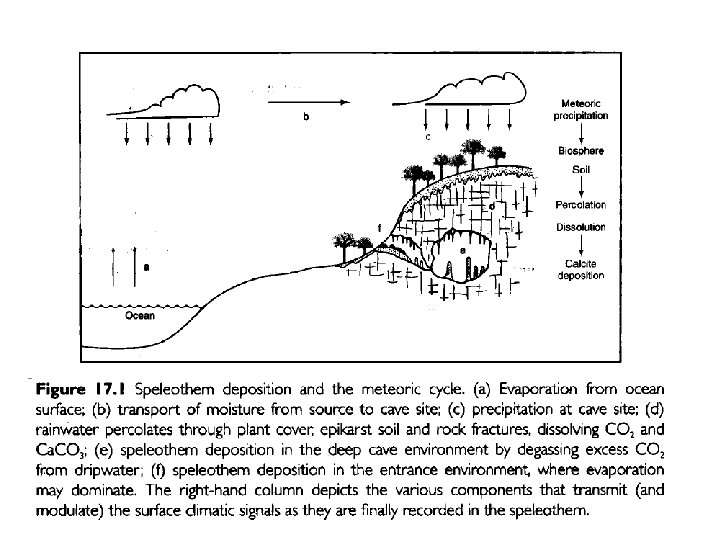
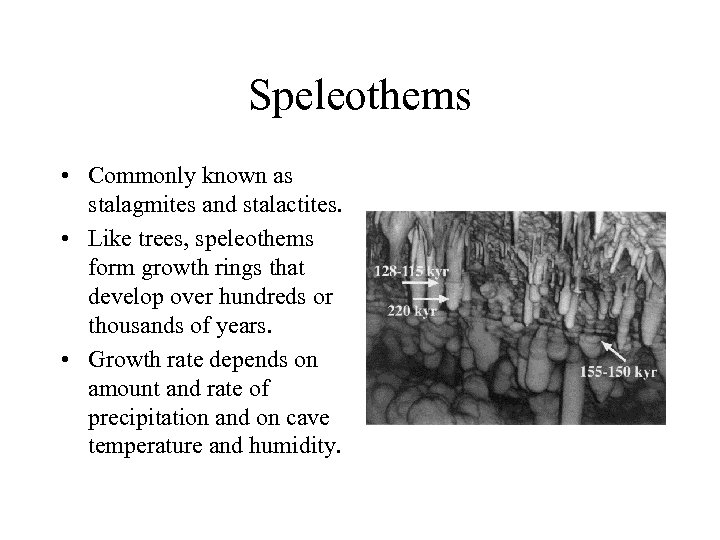 Speleothems • Commonly known as stalagmites and stalactites. • Like trees, speleothems form growth rings that develop over hundreds or thousands of years. • Growth rate depends on amount and rate of precipitation and on cave temperature and humidity.
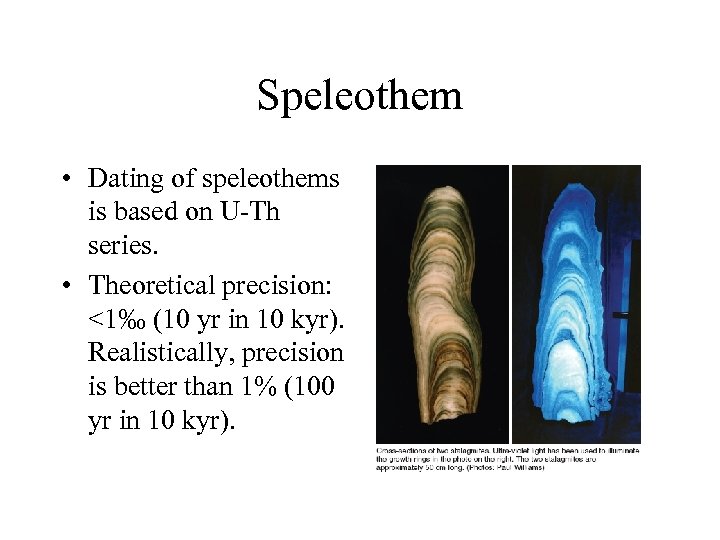 Speleothem • Dating of speleothems is based on U-Th series. • Theoretical precision: <1‰ (10 yr in 10 kyr). Realistically, precision is better than 1% (100 yr in 10 kyr).
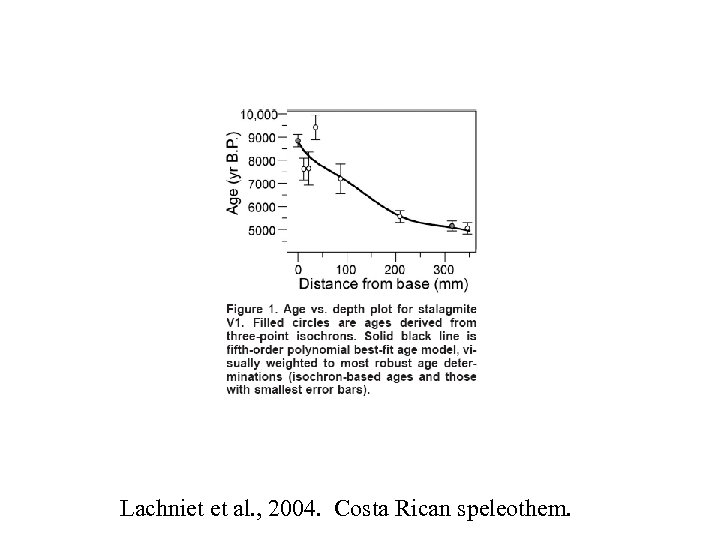 Lachniet et al. , 2004. Costa Rican speleothem.
 Speleothem-Paleoclimatic proxies • Carbon and oxygen isotopes of calcite reflect vegetation and climate, respectively. • Growth rate appears to reflect precipitation. • Recent techniques: Mg/Ca, radiocarbon.
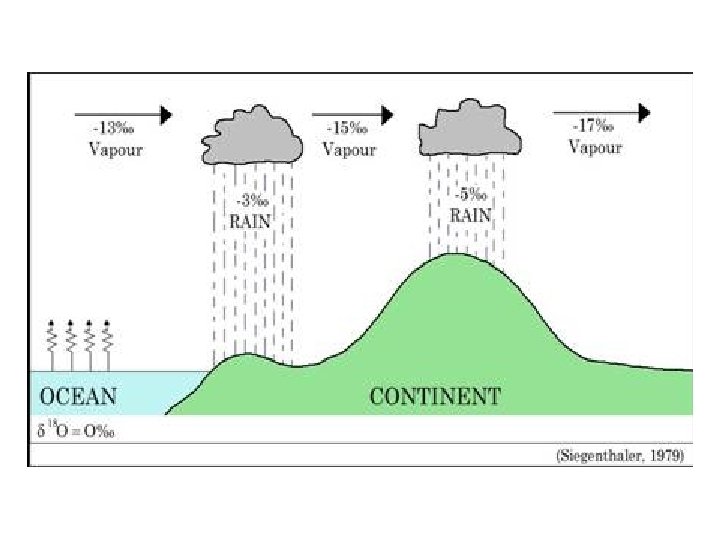
 Speleothem-oxygen isotopes • Oxygen isotopes in speleothem calcite ultimately come from rainwater. • Some researchers argue that oxygen isotope ratios in rainwater depend on temperature. • Others argue that the isotope ratios depend on rainfall amount, particularly in tropical regions. • Also, some argue that the isotope ratios depend on evaporation taking place in soils or in the cave.

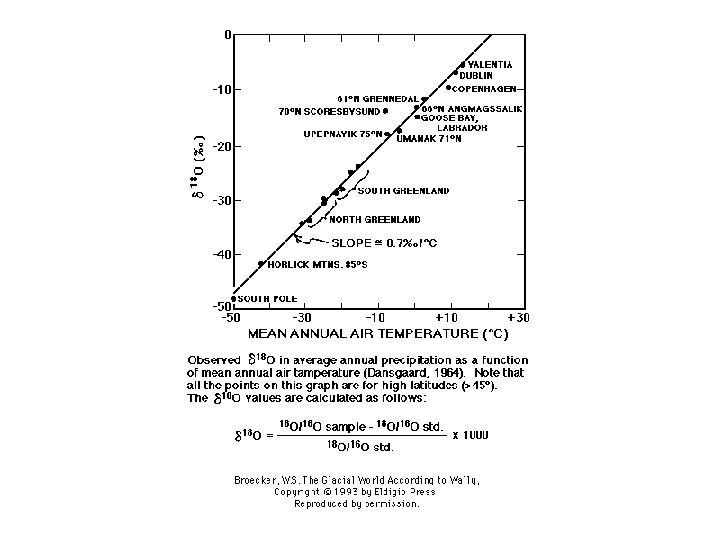
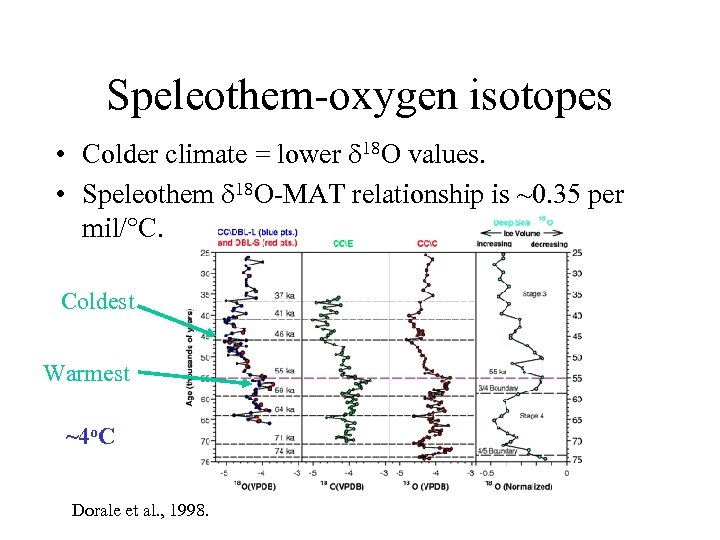 Speleothem-oxygen isotopes • Colder climate = lower d 18 O values. • Speleothem d 18 O-MAT relationship is ~0. 35 per mil/°C. Coldest Warmest ~4 o. C Dorale et al. , 1998.
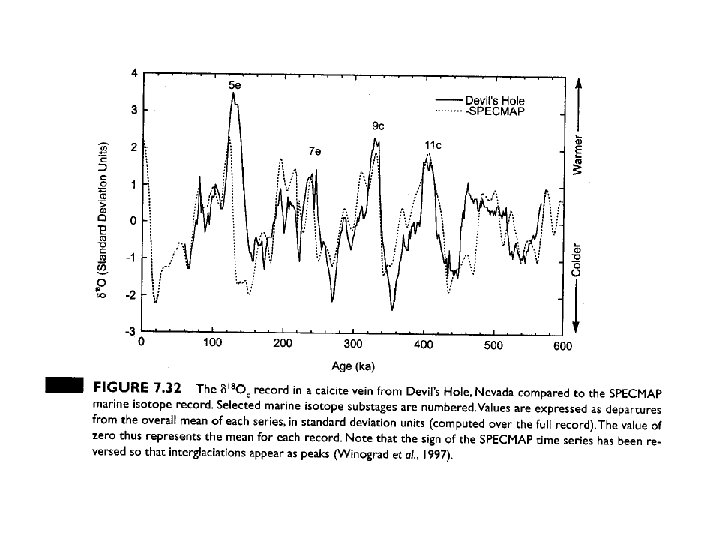
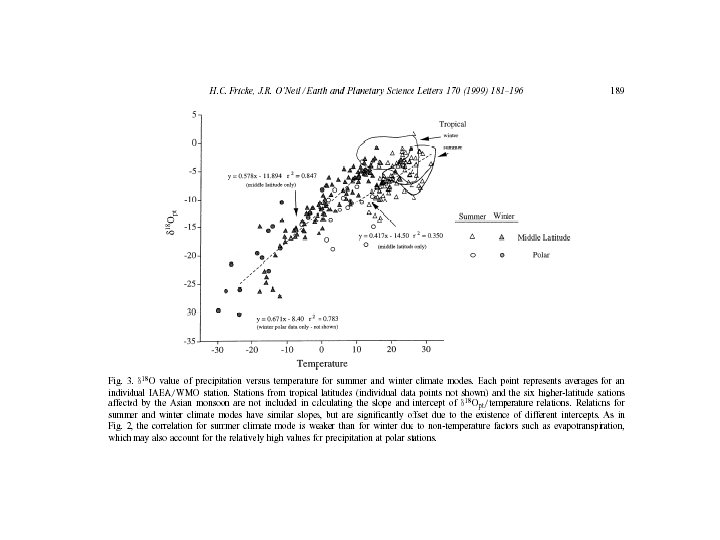
 Speleothem-oxygen isotopes • Site-specific calibrations are the best approach. • Rainfall amount, rain d 18 O values, and surface and cave temperatures are measured over some time. Simultaneously, d 18 O values of cave drips and newly formed calcite are measured. • A transfer function can then be developed for the cave.
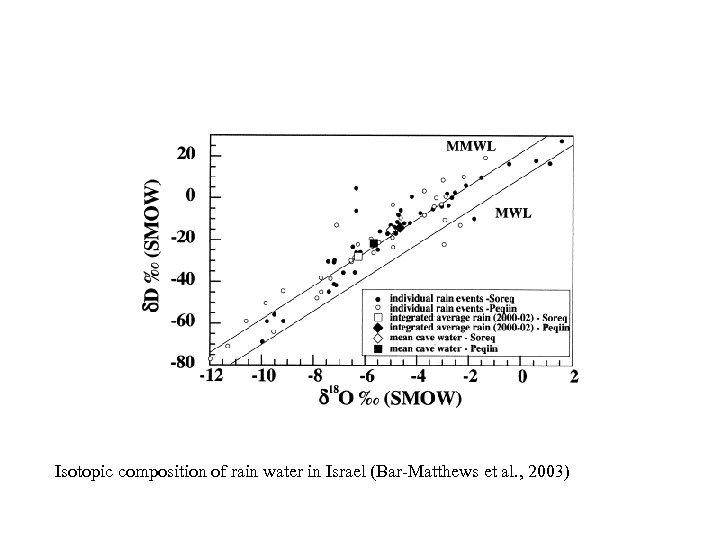 Isotopic composition of rain water in Israel (Bar-Matthews et al. , 2003)
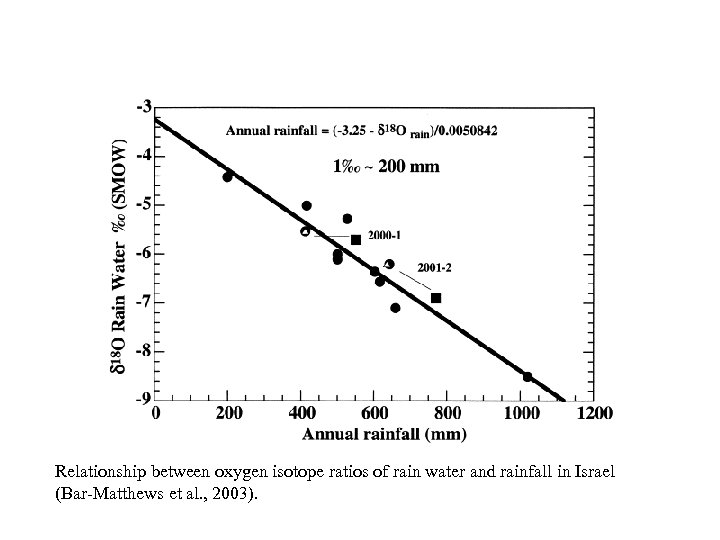 Relationship between oxygen isotope ratios of rain water and rainfall in Israel (Bar-Matthews et al. , 2003).
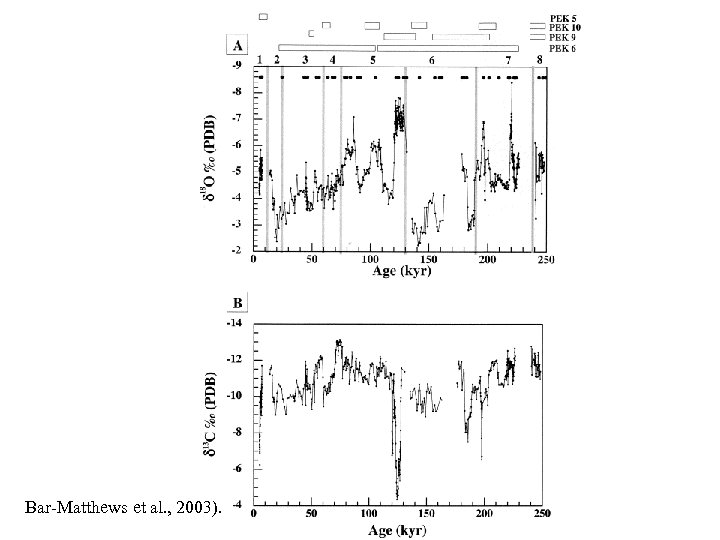 Bar-Matthews et al. , 2003).
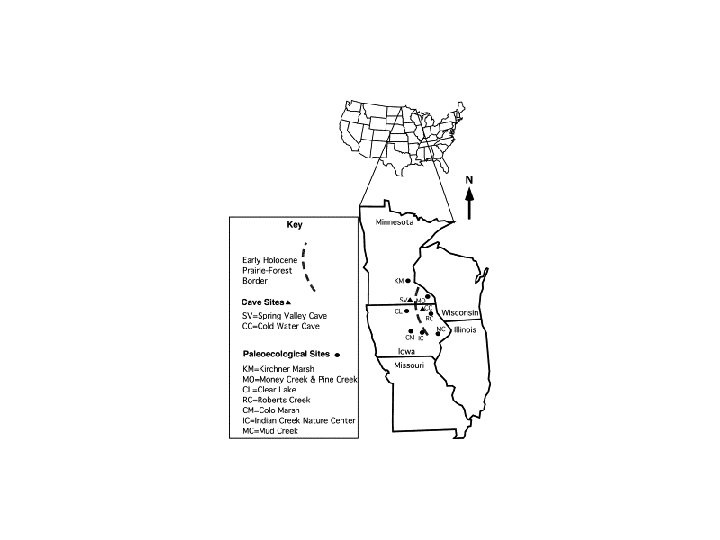
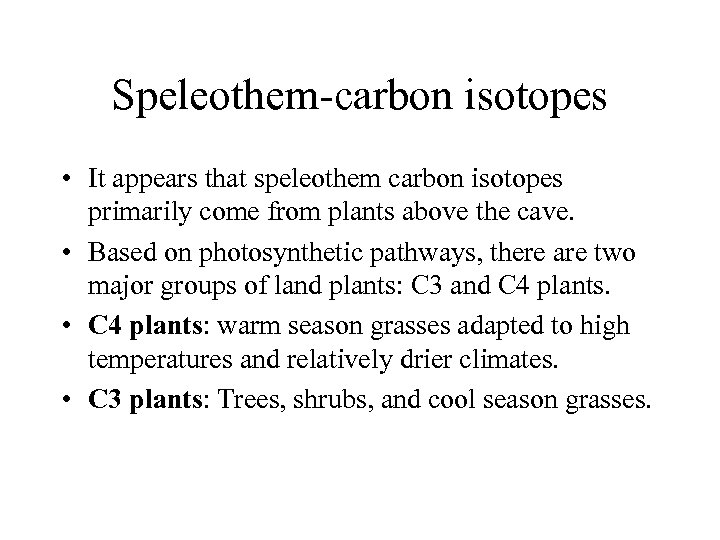 Speleothem-carbon isotopes • It appears that speleothem carbon isotopes primarily come from plants above the cave. • Based on photosynthetic pathways, there are two major groups of land plants: C 3 and C 4 plants. • C 4 plants: warm season grasses adapted to high temperatures and relatively drier climates. • C 3 plants: Trees, shrubs, and cool season grasses.
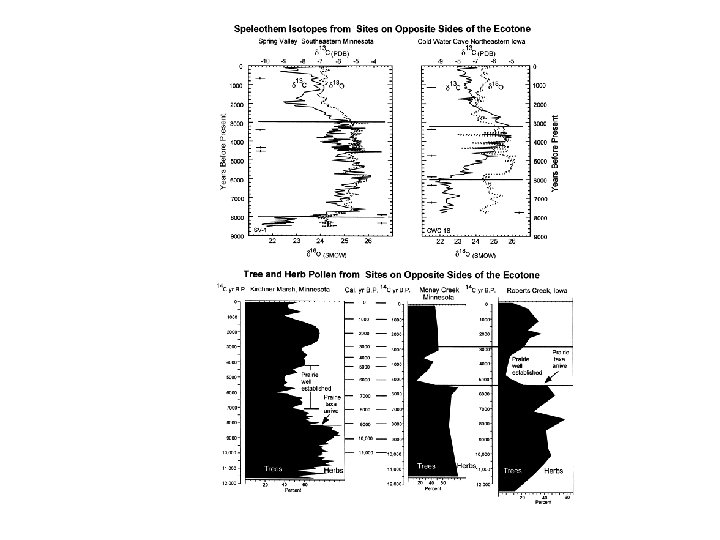
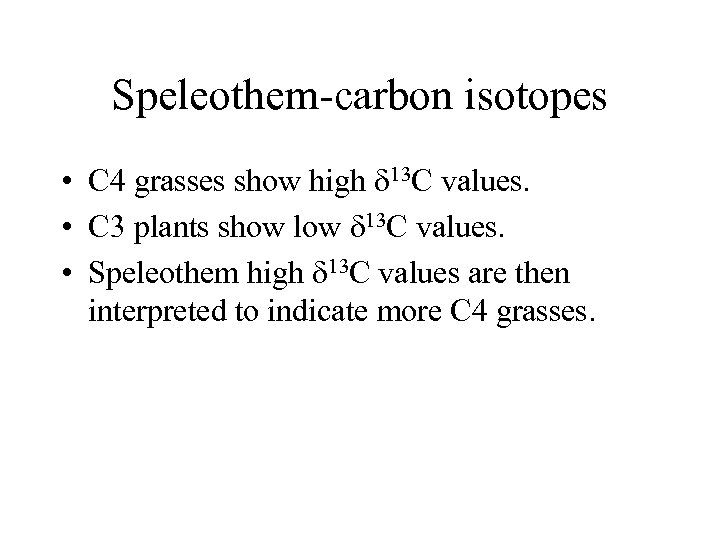 Speleothem-carbon isotopes • C 4 grasses show high d 13 C values. • C 3 plants show low d 13 C values. • Speleothem high d 13 C values are then interpreted to indicate more C 4 grasses.
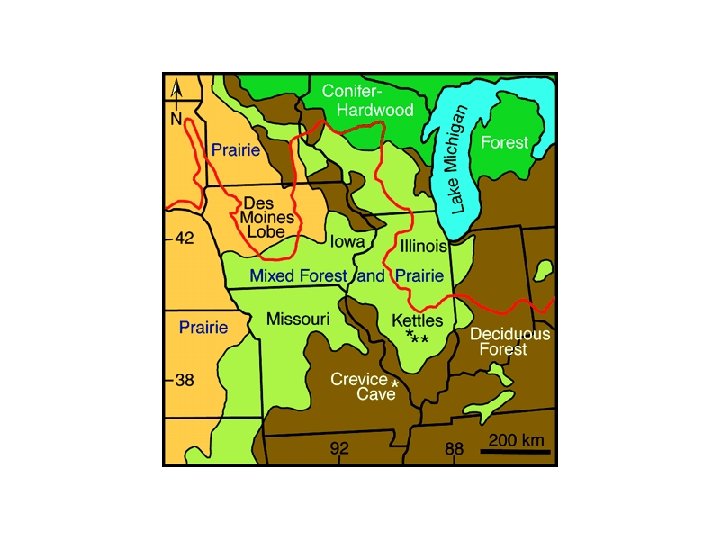
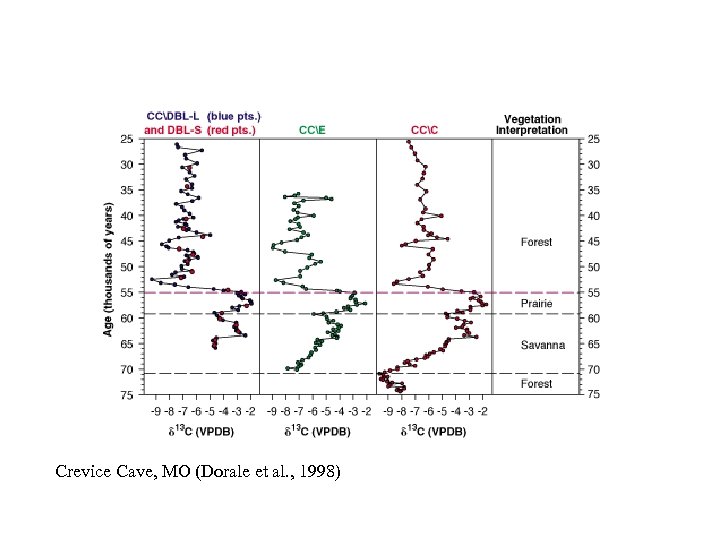 Crevice Cave, MO (Dorale et al. , 1998)
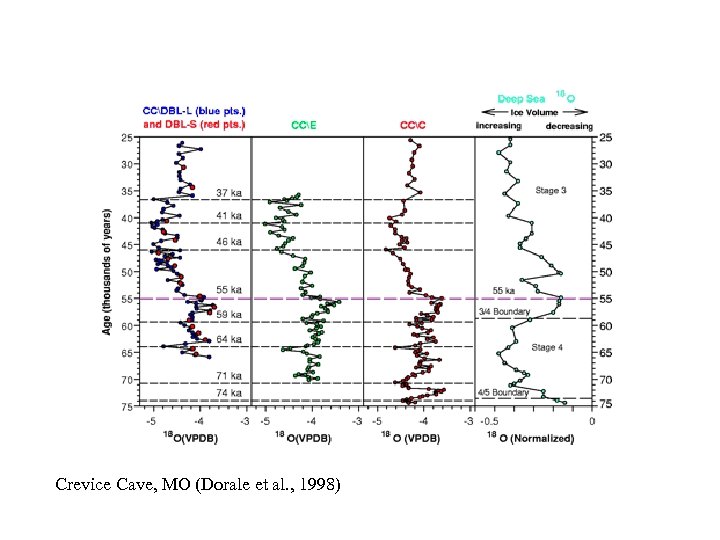 Crevice Cave, MO (Dorale et al. , 1998)