


 Скачать презентацию NIH vermam mail nih gov Turning Discovery Into Health
cae9cf43625a90cd140ffefa7262a07f.ppt
- Количество слайдов: 60
 NIH… vermam@mail. nih. gov Turning Discovery Into Health 1
 NATIONAL INSTITUTES OF HEALTH (NIH) RESEARCH RESOURCES IN BIOTECHNOLOGY Mukesh Verma, Ph. D. Chief Methods and Technologies Branch Program Director, Epidemiology and Genomics Research Program Division of Cancer Control and Population Sciences National Cancer Institute (NCI) National Institutes of Health (NIH) 2
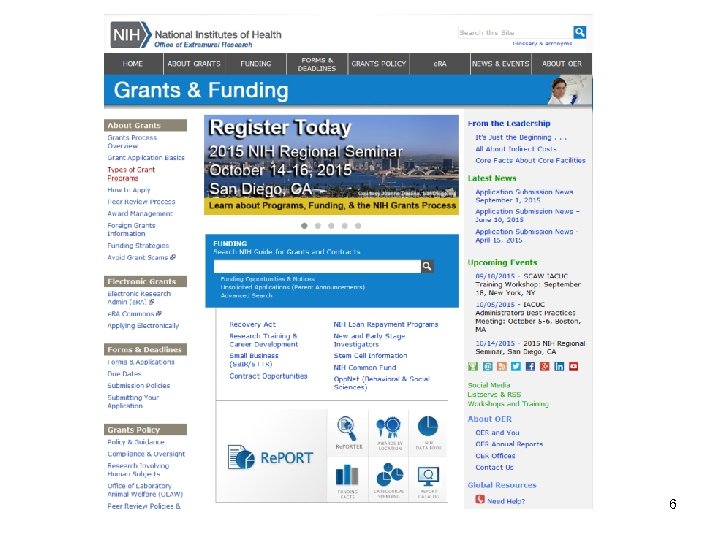
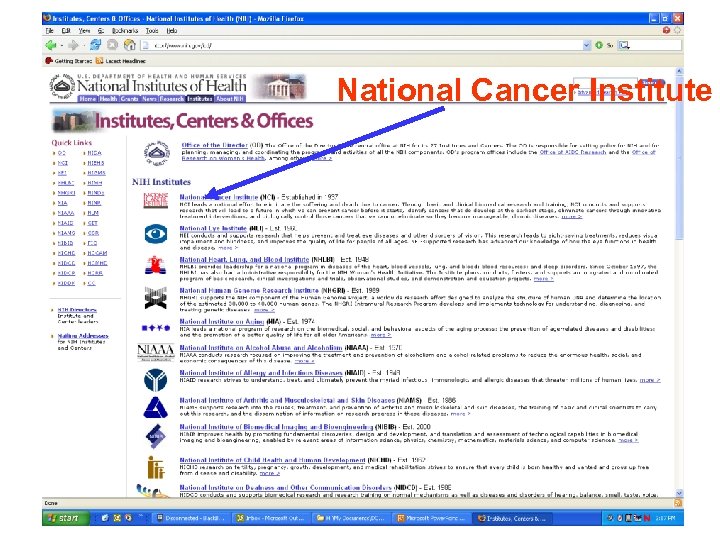
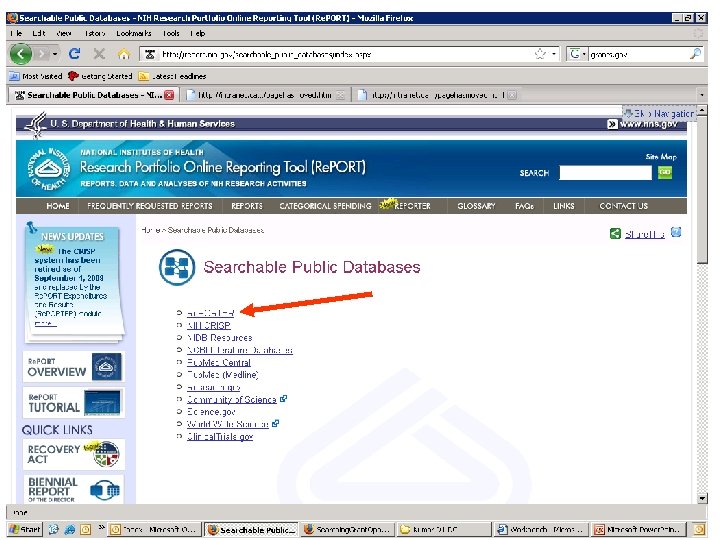
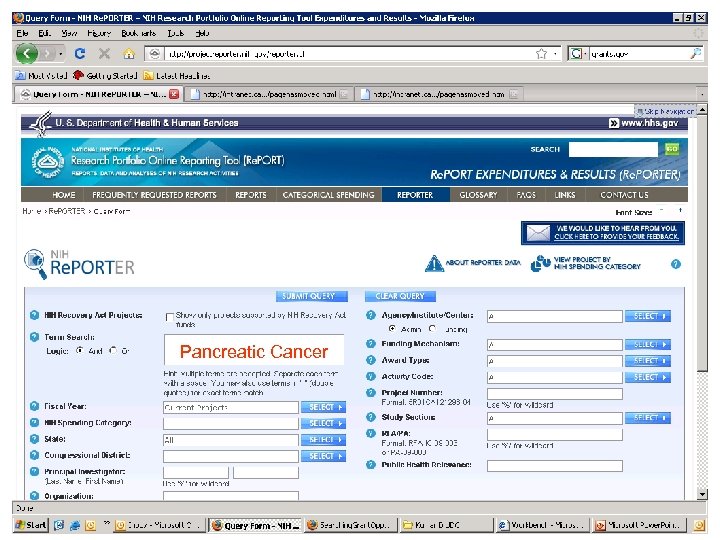
 Outline • NIH: Mission and Organization • Different Institutes • National Cancer Institute: an Example • Cancer Prevention and Other Research Priorities at the NCI • Grants: Review Process • Guidelines for Students: Who Would Apply for Funding • Re. PORT, e. RA Commons • Solicited and Unsolicited Grant Applications • Job Opportunities, Fellowships at NIH 3
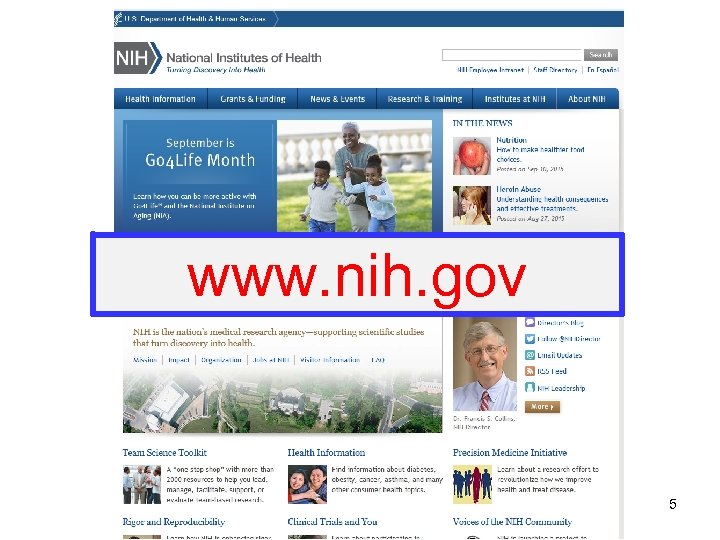
 National Institutes of Health www. nih. gov • NIH is the nation's medical research agency – making important medical discoveries that improve health and save lives. • The National Institutes of Health (NIH), a part of the U. S. Department of Health and Human Services, is the primary Federal agency for conducting and supporting medical research. 4
 www. nih. gov 5
 6
6
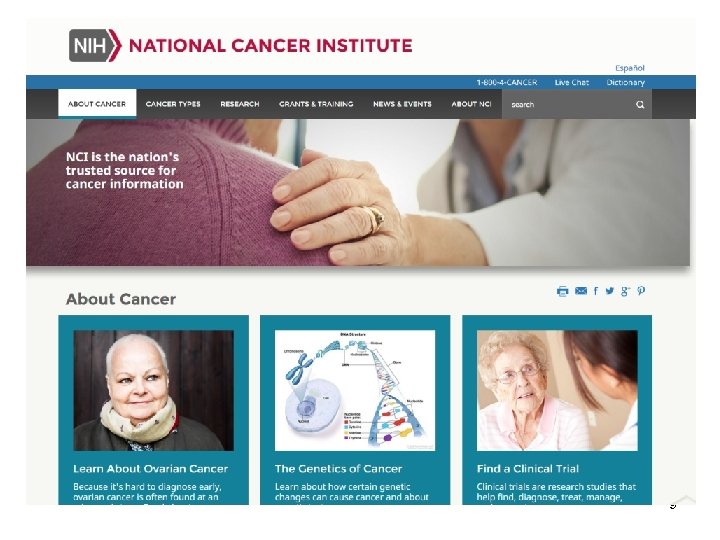
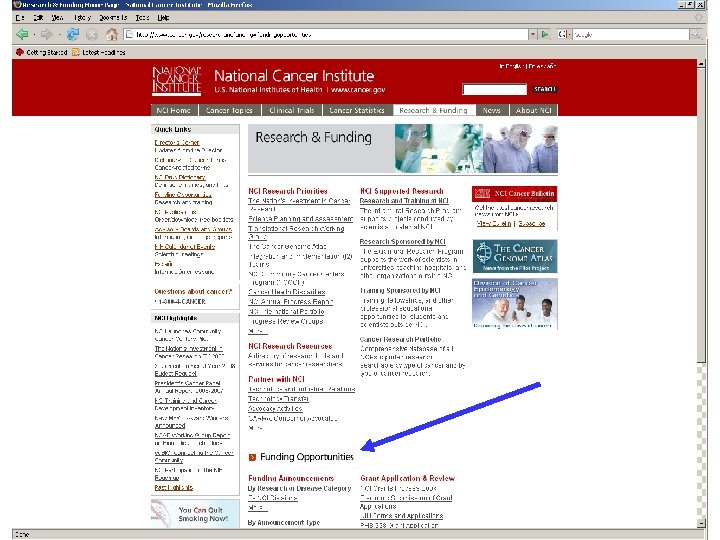
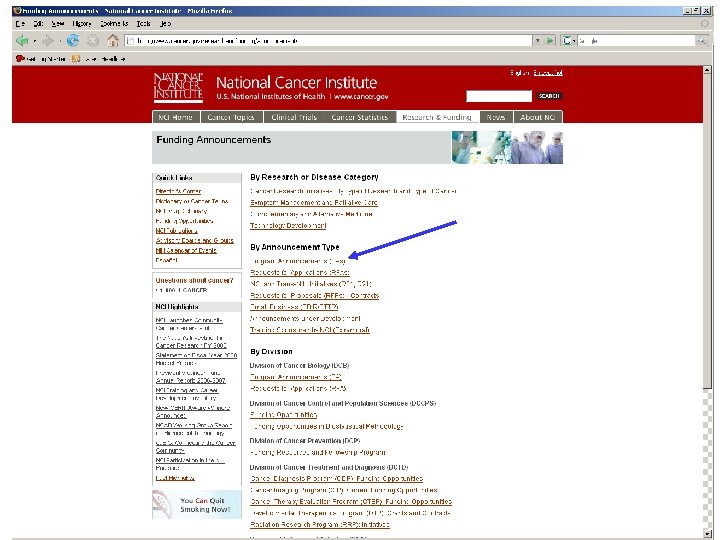
 National Cancer Institute 7
 Search Engine 8
 9
9
 10
10
 11
11
 NIH Budget The NIH invests over $30 billion annually in medical research for the American people. More than 80% of the NIH’s funding is awarded through almost 50, 000 competitive grants to more than 212, 000 researchers at over 2, 800 universities, medical schools, and other research institutions in every state and around the world. About 10% of the NIH’s budget supports projects conducted by nearly 6, 000 scientists in its own laboratories, most of which are on the NIH campus in Bethesda, Maryland. 12
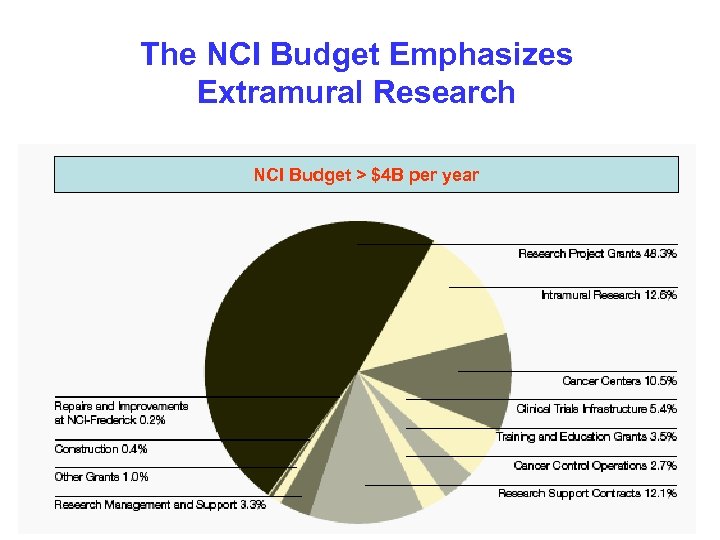 The NCI Budget Emphasizes Extramural Research NCI Budget > $4 B per year 13
 14
14
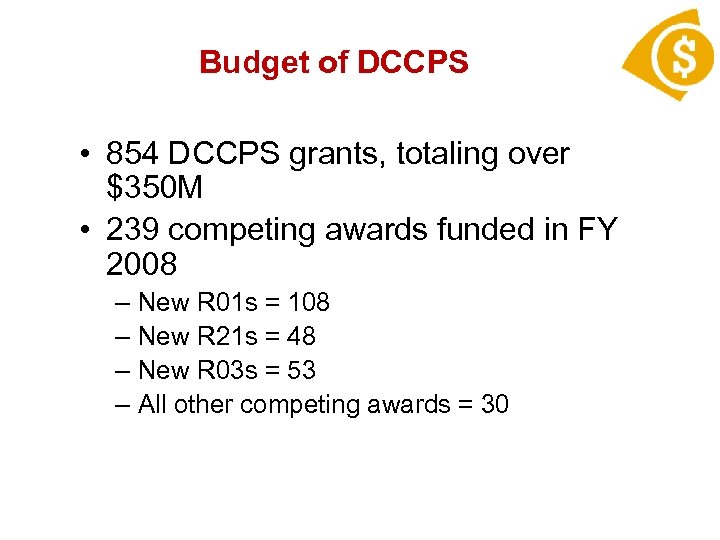 Budget of DCCPS • 854 DCCPS grants, totaling over $350 M • 239 competing awards funded in FY 2008 – New R 01 s = 108 – New R 21 s = 48 – New R 03 s = 53 – All other competing awards = 30
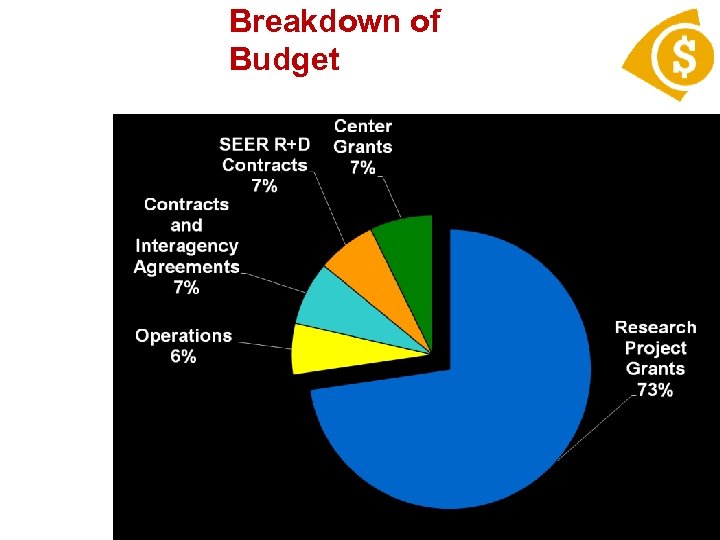 Breakdown of Budget
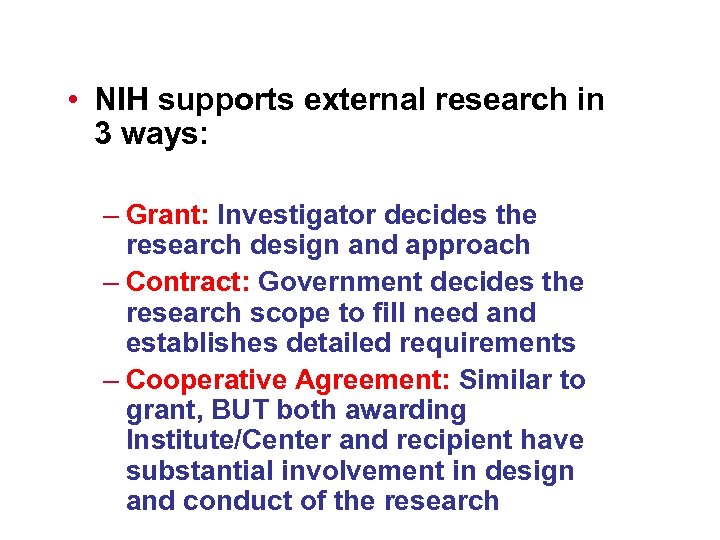 Funding research • NIH supports external research in 3 ways: – Grant: Investigator decides the research design and approach – Contract: Government decides the research scope to fill need and establishes detailed requirements – Cooperative Agreement: Similar to grant, BUT both awarding Institute/Center and recipient have substantial involvement in design and conduct of the research
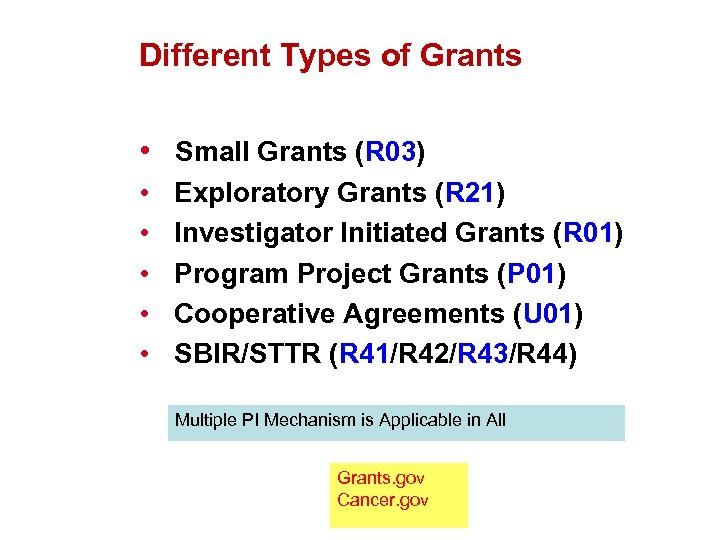 Different Types of Grants • Small Grants (R 03) • • • Exploratory Grants (R 21) Investigator Initiated Grants (R 01) Program Project Grants (P 01) Cooperative Agreements (U 01) SBIR/STTR (R 41/R 42/R 43/R 44) Multiple PI Mechanism is Applicable in All Grants. gov Cancer. gov
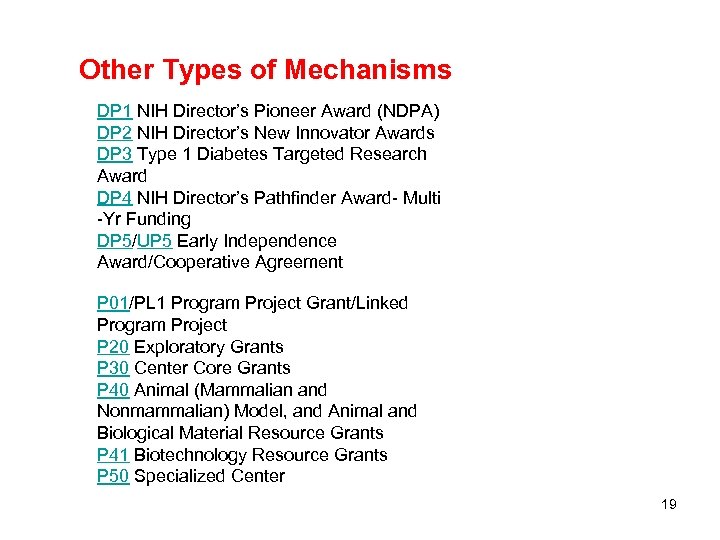 Other Types of Mechanisms DP 1 NIH Director’s Pioneer Award (NDPA) DP 2 NIH Director’s New Innovator Awards DP 3 Type 1 Diabetes Targeted Research Award DP 4 NIH Director’s Pathfinder Award- Multi -Yr Funding DP 5/UP 5 Early Independence Award/Cooperative Agreement P 01/PL 1 Program Project Grant/Linked Program Project P 20 Exploratory Grants P 30 Center Core Grants P 40 Animal (Mammalian and Nonmammalian) Model, and Animal and Biological Material Resource Grants P 41 Biotechnology Resource Grants P 50 Specialized Center 19
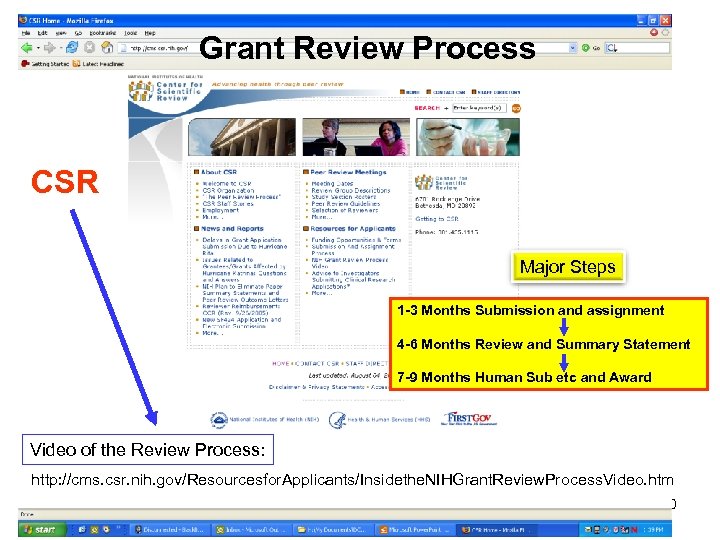 Grant Review Process CSR Major Steps 1 -3 Months Submission and assignment 4 -6 Months Review and Summary Statement 7 -9 Months Human Sub etc and Award Video of the Review Process: http: //cms. csr. nih. gov/Resourcesfor. Applicants/Insidethe. NIHGrant. Review. Process. Video. htm 20
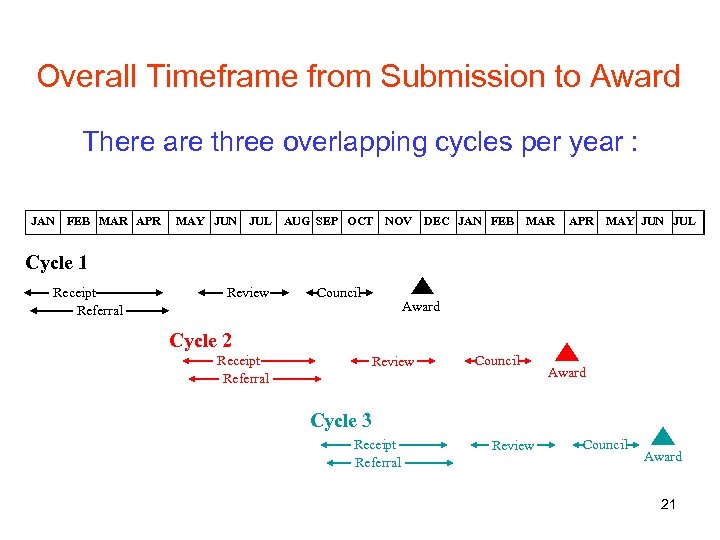 Overall Timeframe from Submission to Award There are three overlapping cycles per year : JAN FEB MAR APR MAY JUN JUL AUG SEP OCT NOV DEC JAN FEB MAR APR MAY JUN JUL Cycle 1 Receipt Referral Review Council Award Cycle 2 Receipt Referral Review Council Award Cycle 3 Receipt Referral Review Council Award 21
 22
22
 23
23
 24
24
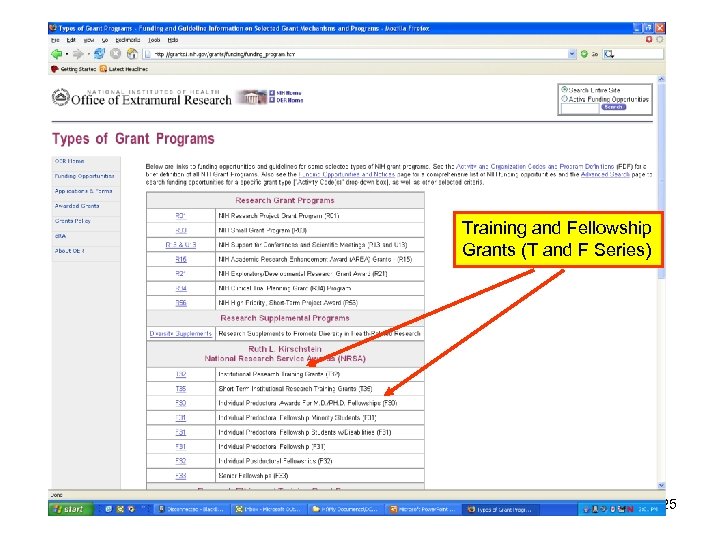 Training and Fellowship Grants (T and F Series) 25
 Cancer Training Grants—K Awards • Career Development Awards – K 07: Cancer Prevention, Control, Behavioral, and Population Sciences Career Development Award – K 22: NCI Transition Career Development Award – K 23: Mentored Patient-Oriented Research Career Development Award – K 24: Mid-Career Investigator Award in Patient. Oriented Research – K 99/R 00: NIH Pathway to Independence Award 26
 27
27
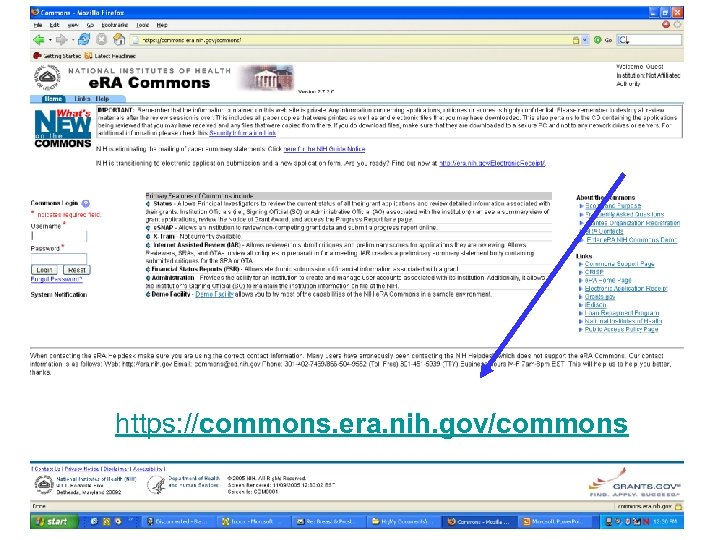 https: //commons. era. nih. gov/commons 28
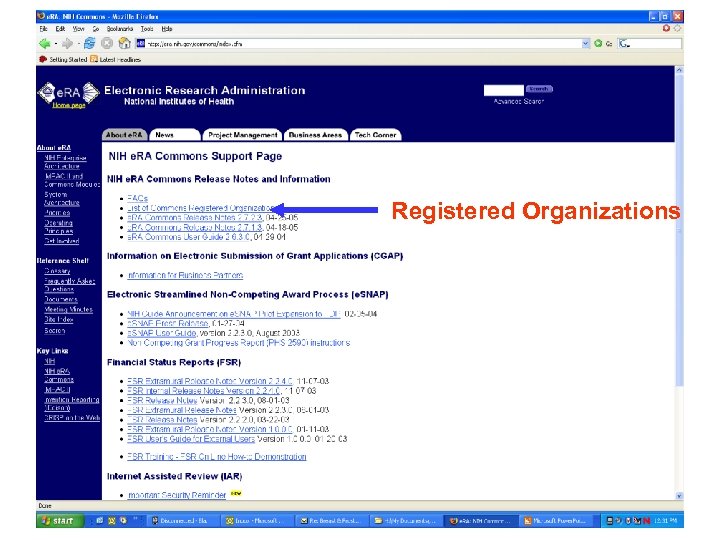 Registered Organizations 29
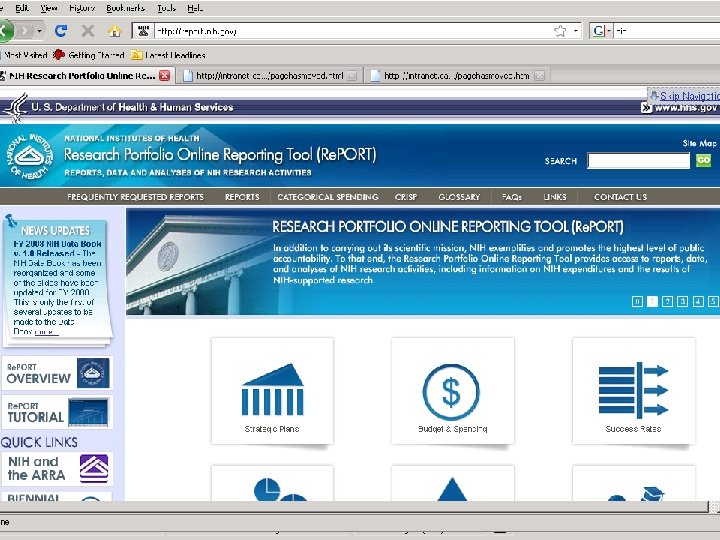 30
30
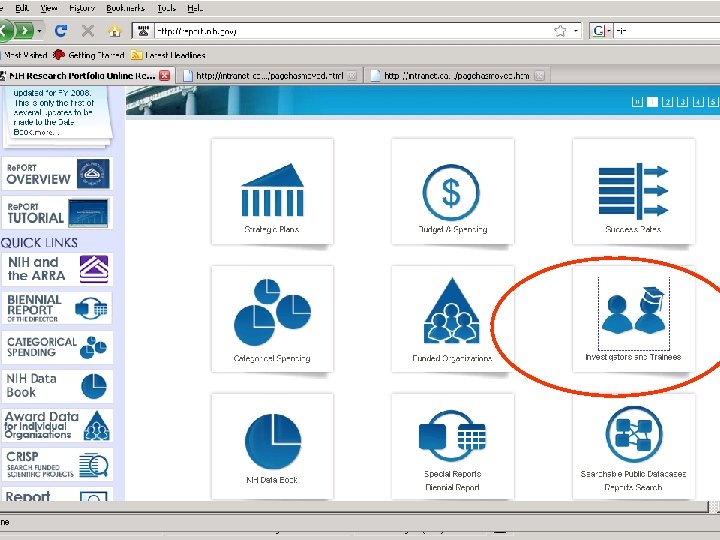 31
31
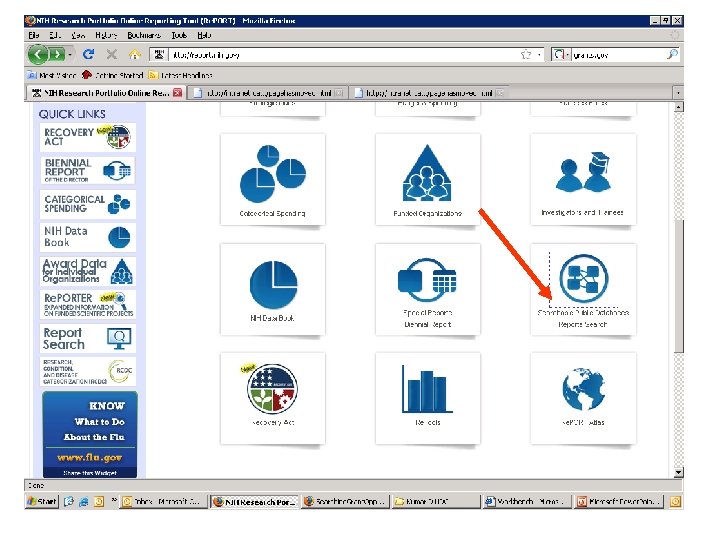 32
32
 33
33
 Pancreatic Cancer 34
 35
35
 36
36
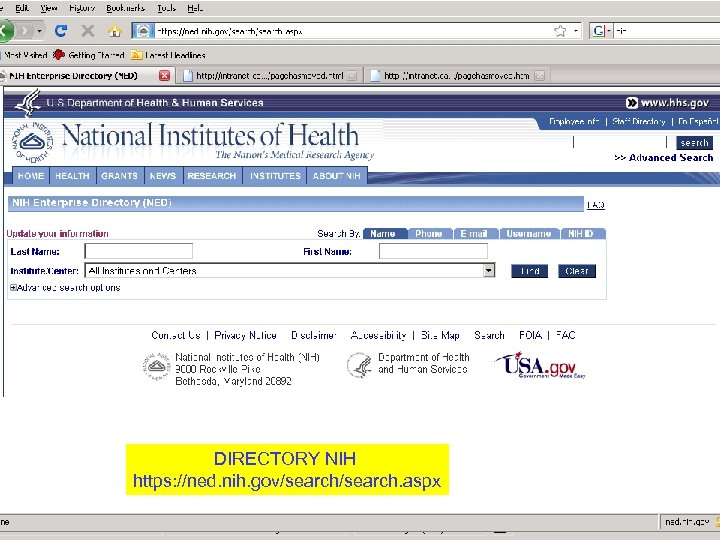 DIRECTORY NIH https: //ned. nih. gov/search. aspx 37
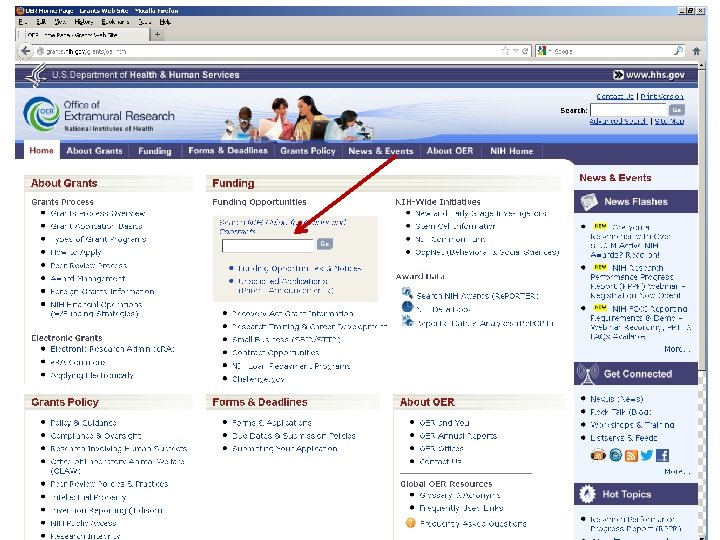 38
38
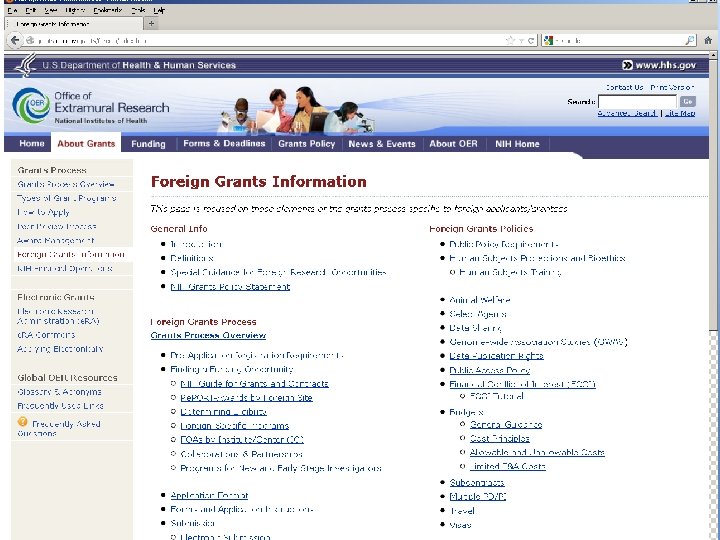 39
39
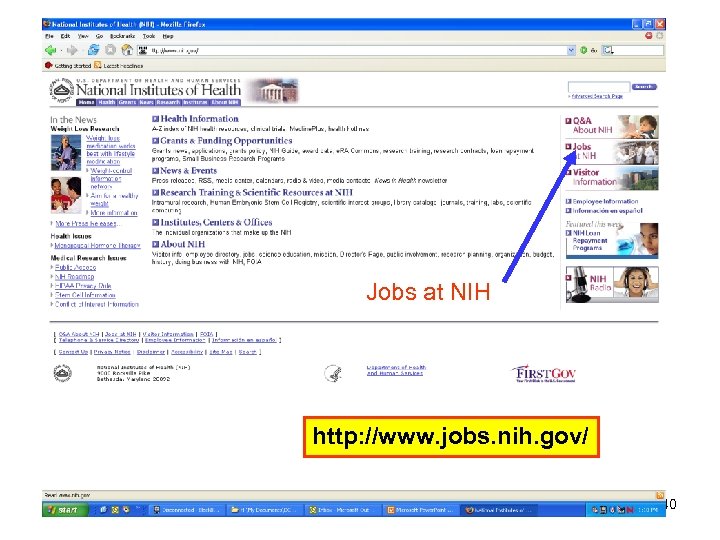 Jobs at NIH http: //www. jobs. nih. gov/ 40
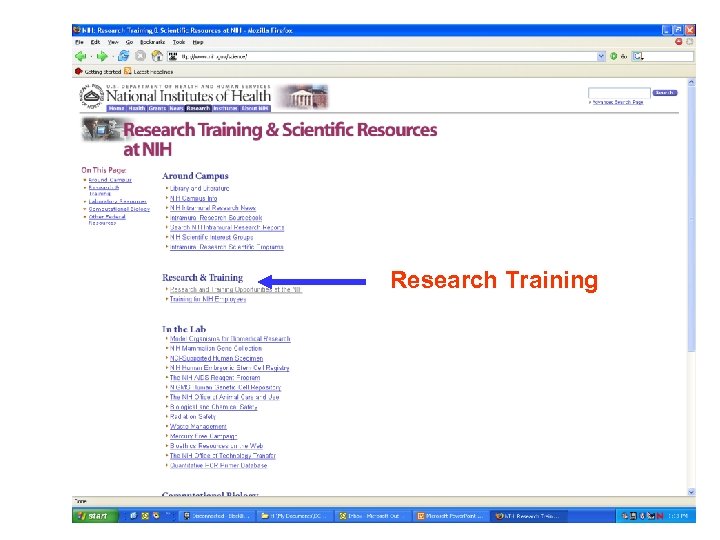 Research Training 41
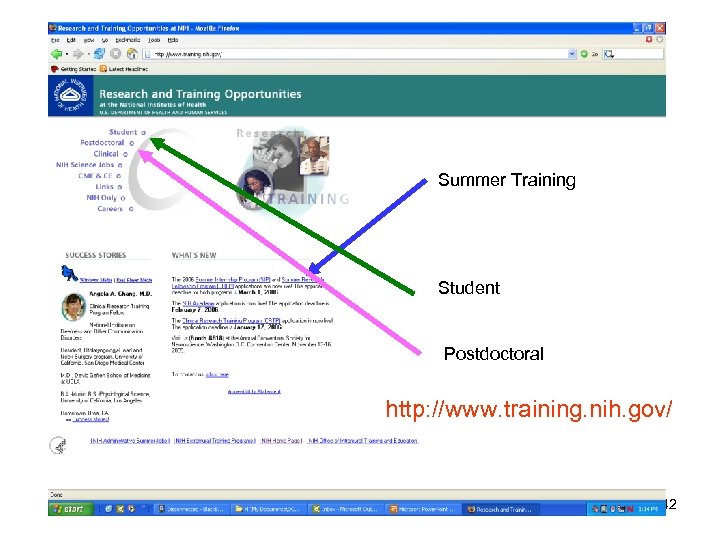 Summer Training Student Postdoctoral http: //www. training. nih. gov/ 42
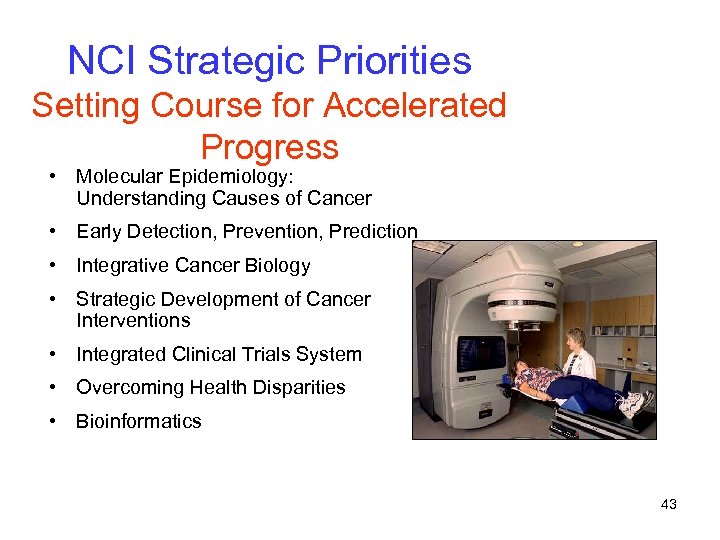 NCI Strategic Priorities Setting Course for Accelerated Progress • Molecular Epidemiology: Understanding Causes of Cancer • Early Detection, Prevention, Prediction • Integrative Cancer Biology • Strategic Development of Cancer Interventions • Integrated Clinical Trials System • Overcoming Health Disparities • Bioinformatics 43
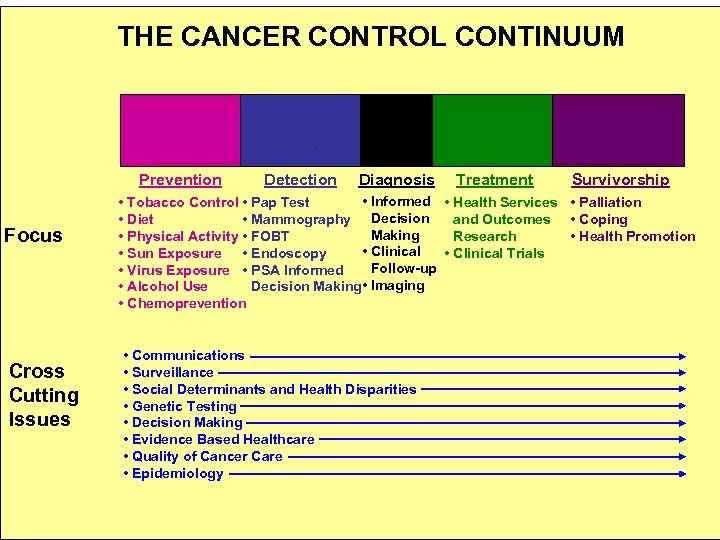 THE CANCER CONTROL CONTINUUM Prevention Focus Cross Cutting Issues Detection Diagnosis Treatment Survivorship • Informed • Health Services • Palliation • Tobacco Control • Pap Test • Diet • Mammography Decision and Outcomes • Coping Making • Physical Activity • FOBT Research • Health Promotion • Clinical • Sun Exposure • Endoscopy • Clinical Trials Follow-up • Virus Exposure • PSA Informed • Alcohol Use Decision Making • Imaging • Chemoprevention • Communications • Surveillance • Social Determinants and Health Disparities • Genetic Testing • Decision Making • Evidence Based Healthcare • Quality of Cancer Care • Epidemiology 44
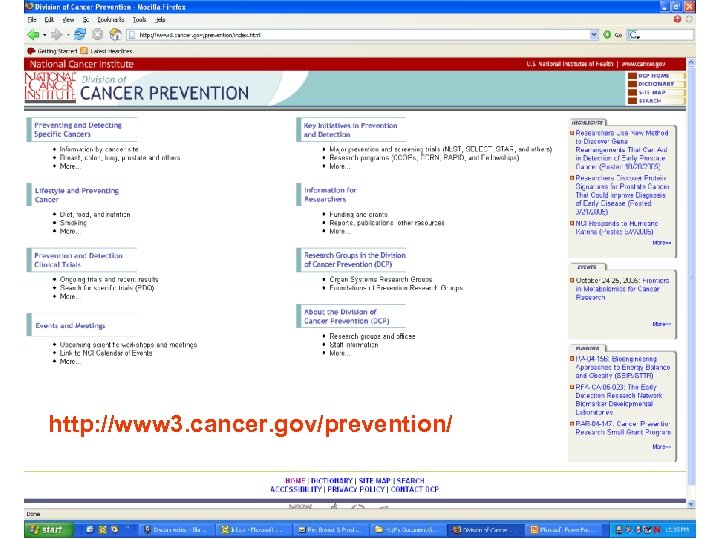 http: //www 3. cancer. gov/prevention/ 45
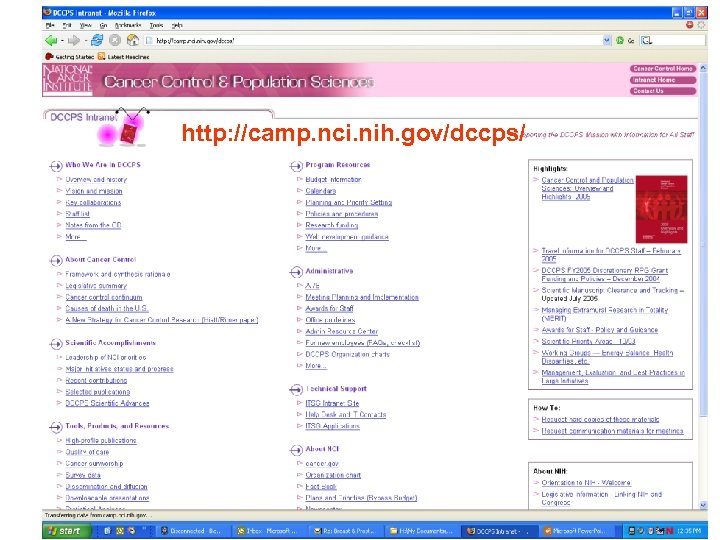 http: //camp. nci. nih. gov/dccps/ 46
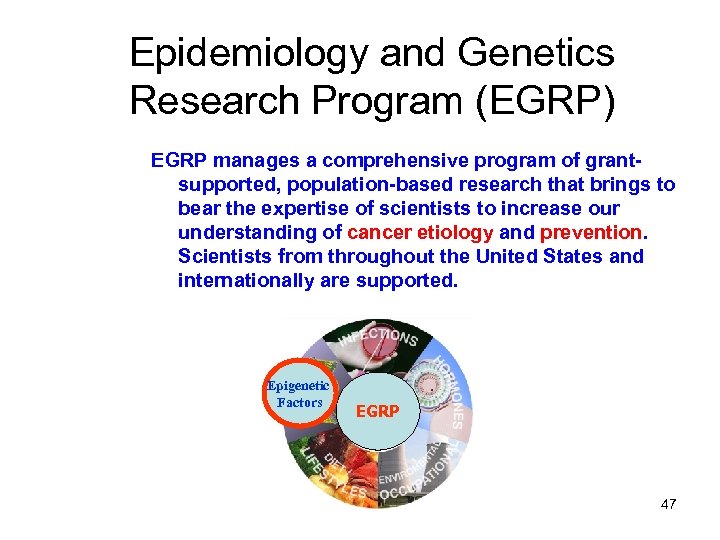 Epidemiology and Genetics Research Program (EGRP) EGRP manages a comprehensive program of grantsupported, population-based research that brings to bear the expertise of scientists to increase our understanding of cancer etiology and prevention. Scientists from throughout the United States and internationally are supported. Epigenetic Factors EGRP 47
 MRFB and CTEB Modifiable Risk Factors Branch Supports research into factors that may be modifiable, such as diet and nutrition, alcohol, physical activity and energy balance, tobacco, infectious diseases, physical and chemical agents, and medical exposures. Clinical and Translational Epidemiology Branch Supports research into clinical factors that influence development of cancer among persons with underlying diseases and conditions; the progression, recurrence, and mortality from cancer; and new primary cancers. 48
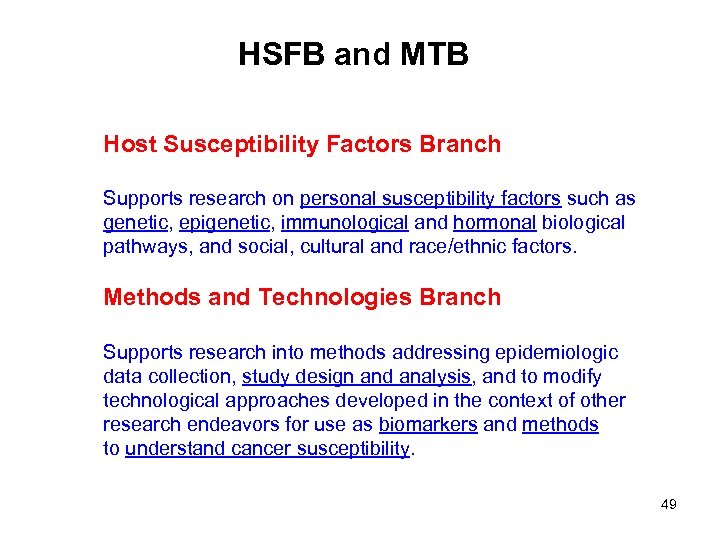 HSFB and MTB Host Susceptibility Factors Branch Supports research on personal susceptibility factors such as genetic, epigenetic, immunological and hormonal biological pathways, and social, cultural and race/ethnic factors. Methods and Technologies Branch Supports research into methods addressing epidemiologic data collection, study design and analysis, and to modify technological approaches developed in the context of other research endeavors for use as biomarkers and methods to understand cancer susceptibility. 49
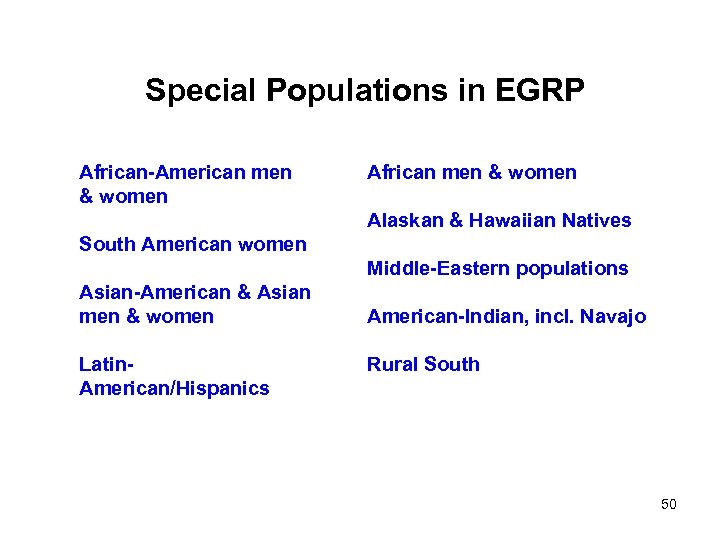 Special Populations in EGRP African-American men & women African men & women Alaskan & Hawaiian Natives South American women Middle-Eastern populations Asian-American & Asian men & women Latin. American/Hispanics American-Indian, incl. Navajo Rural South 50
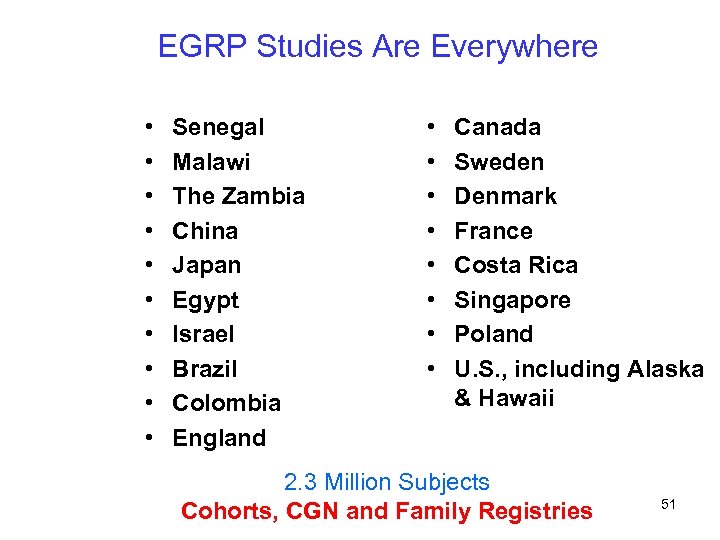 EGRP Studies Are Everywhere • • • Senegal Malawi The Zambia China Japan Egypt Israel Brazil Colombia England • • Canada Sweden Denmark France Costa Rica Singapore Poland U. S. , including Alaska & Hawaii 2. 3 Million Subjects Cohorts, CGN and Family Registries 51
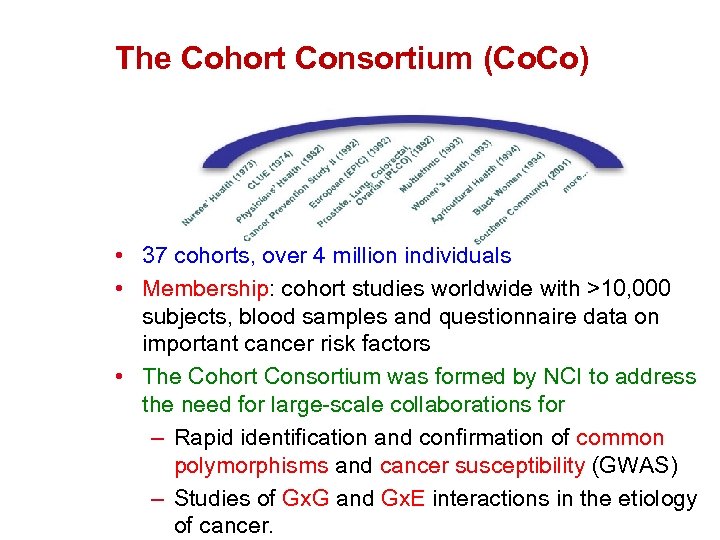 The Cohort Consortium (Co. Co) • 37 cohorts, over 4 million individuals • Membership: cohort studies worldwide with >10, 000 subjects, blood samples and questionnaire data on important cancer risk factors • The Cohort Consortium was formed by NCI to address the need for large-scale collaborations for – Rapid identification and confirmation of common polymorphisms and cancer susceptibility (GWAS) – Studies of Gx. G and Gx. E interactions in the etiology of cancer.
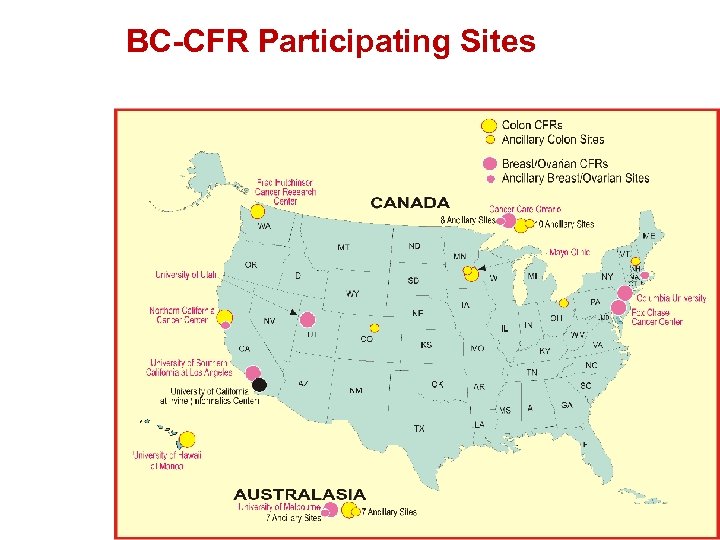 BC-CFR Participating Sites
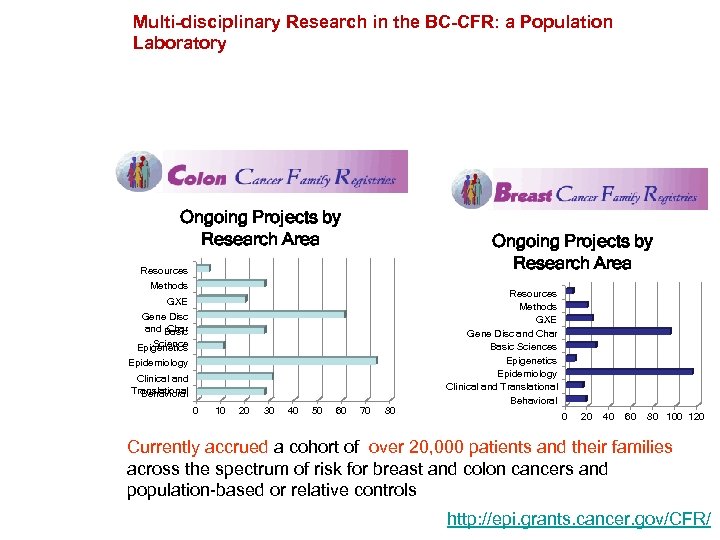 Multi-disciplinary Research in the BC-CFR: a Population Laboratory Ongoing Projects by Research Area Resources Methods GXE Gene Disc and Basic Char Science Epigenetics Epidemiology Clinical and Translational Behavioral 0 10 20 30 40 50 60 70 80 Resources Methods GXE Gene Disc and Char Basic Sciences Epigenetics Epidemiology Clinical and Translational Behavioral 0 20 40 60 80 100 120 Currently accrued a cohort of over 20, 000 patients and their families across the spectrum of risk for breast and colon cancers and population-based or relative controls http: //epi. grants. cancer. gov/CFR/
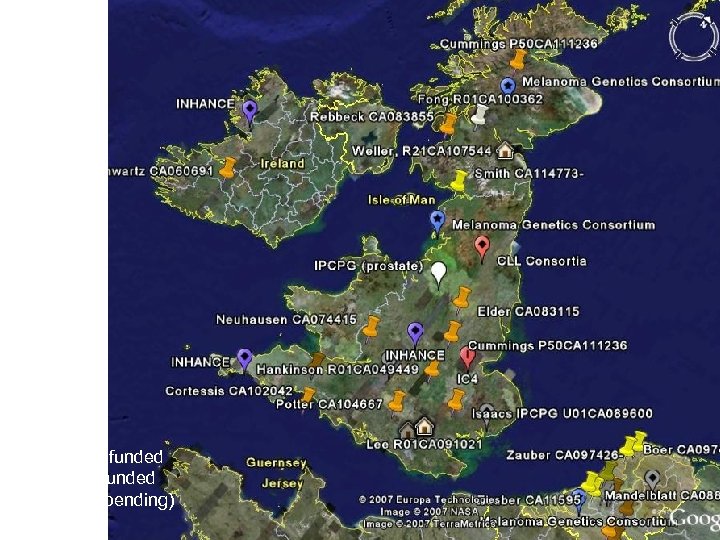 EGRP: 418 funded Verma: 57 funded (31 pending) 55
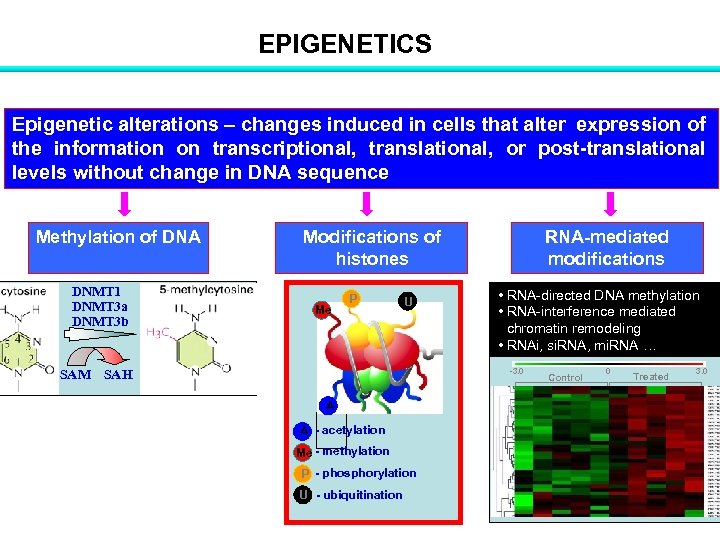 EPIGENETICS Epigenetic alterations – changes induced in cells that alter expression of the information on transcriptional, translational, or post-translational levels without change in DNA sequence Methylation of DNA DNMT 1 DNMT 3 a DNMT 3 b Modifications of histones Me P U SAM SAH RNA-mediated modifications • RNA-directed DNA methylation • RNA-interference mediated chromatin remodeling • RNAi, si. RNA, mi. RNA … -3. 0 A A - acetylation Me - methylation P - phosphorylation U - ubiquitination Control 0 Treated 3. 0
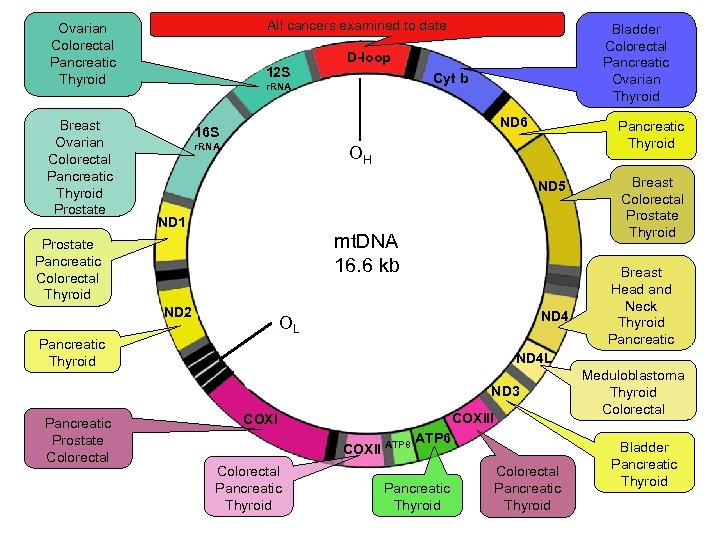 All cancers examined to date Ovarian Colorectal Pancreatic Thyroid Breast Ovarian Colorectal Pancreatic Thyroid Prostate Bladder Colorectal Pancreatic Ovarian Thyroid Map of the Human Mitochondrial DNA 12 S D-loop Cyt b r. RNA ND 6 16 S r. RNA Pancreatic Thyroid OH ND 5 ND 1 mt. DNA 16. 6 kb Prostate Pancreatic Colorectal Thyroid ND 2 ND 4 OL Pancreatic Thyroid Breast Head and Neck Thyroid Pancreatic ND 4 L ND 3 Pancreatic Prostate Colorectal Breast Colorectal Prostate Thyroid COXIII COXII ATP 8 Colorectal Pancreatic Thyroid ATP 6 Pancreatic Thyroid Colorectal Pancreatic Thyroid Meduloblastoma Thyroid Colorectal Bladder Pancreatic Thyroid
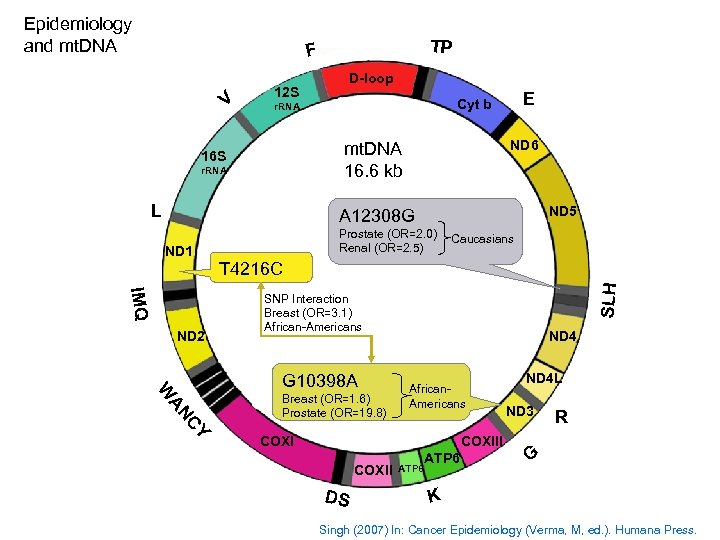 Epidemiology and mt. DNA TP F V D-loop 12 S ND 6 mt. DNA 16. 6 kb 16 S r. RNA L E Cyt b r. RNA ND 5 A 12308 G IMQ ND 2 Caucasians T 4216 C SLH ND 1 Prostate (OR=2. 0) Renal (OR=2. 5) SNP Interaction Breast (OR=3. 1) African-Americans CY AN W G 10398 A Breast (OR=1. 6) Prostate (OR=19. 8) ND 4 African. Americans COXIII COXII DS ATP 8 ATP 6 ND 4 L ND 3 R G K Singh (2007) In: Cancer Epidemiology (Verma, M, ed. ). Humana Press.
 NIH… vermam@mail. nih. gov Turning Discovery Into Health 59
 Questions? 60