


 Скачать презентацию NEW AREAS OF NUTRITION RESEARCH Dr SESIKERAN MD
03204ce934906a954f5a1386b569002f.ppt
- Количество слайдов: 43
 NEW AREAS OF NUTRITION RESEARCH Dr. SESIKERAN, MD, FAMS Director National Institute of Nutrition (Indian Council of Medical Research) Hyderabad – 500 007 1
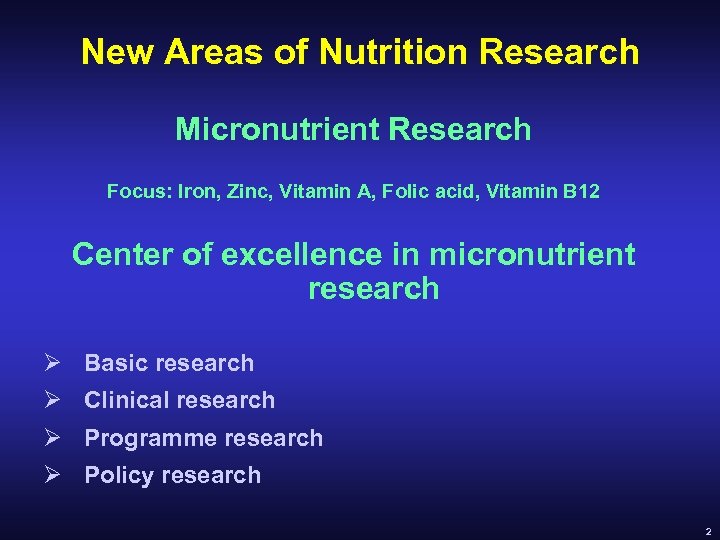 New Areas of Nutrition Research Micronutrient Research Focus: Iron, Zinc, Vitamin A, Folic acid, Vitamin B 12 Center of excellence in micronutrient research Ø Basic research Ø Clinical research Ø Programme research Ø Policy research 2
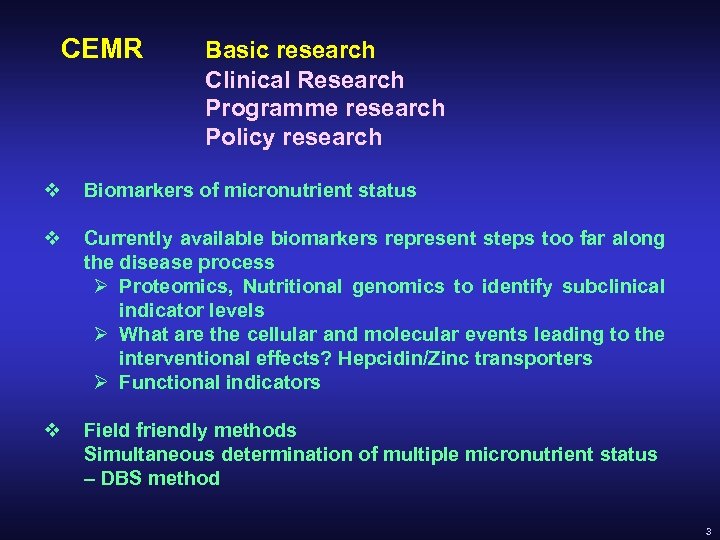 CEMR Basic research Clinical Research Programme research Policy research v Biomarkers of micronutrient status v Currently available biomarkers represent steps too far along the disease process Ø Proteomics, Nutritional genomics to identify subclinical indicator levels Ø What are the cellular and molecular events leading to the interventional effects? Hepcidin/Zinc transporters Ø Functional indicators v Field friendly methods Simultaneous determination of multiple micronutrient status – DBS method 3
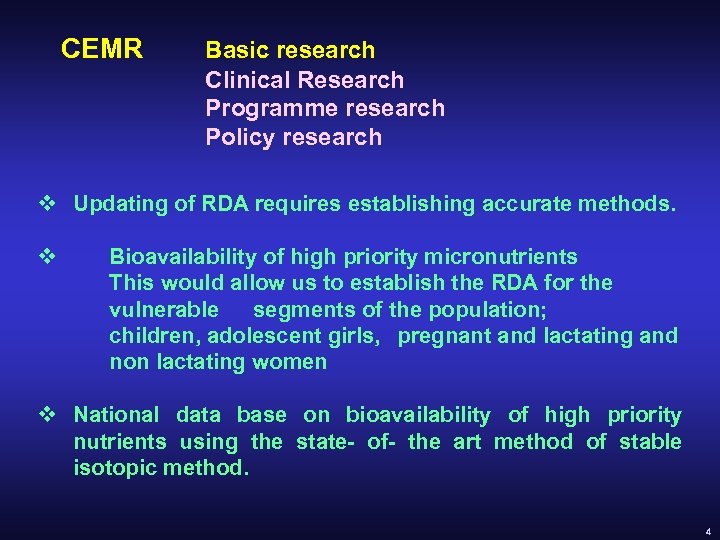 CEMR Basic research Clinical Research Programme research Policy research v Updating of RDA requires establishing accurate methods. v Bioavailability of high priority micronutrients This would allow us to establish the RDA for the vulnerable segments of the population; children, adolescent girls, pregnant and lactating and non lactating women v National data base on bioavailability of high priority nutrients using the state- of- the art method of stable isotopic method. 4
 CEMR Basic research Clinical Research Programme research Policy research v The new and emerging nanotechnology v Discovery, development, and delivery micronutrient intervention strategies v Sensitive biomarkers of micronutrient status of 5
 CEMR v v v Basic research Clinical Research Programme research Policy research Bioavailability trials Efficacy trials- RCT/Cohort studies Evidence- based micronutrient supplementation models for its replication. Relationships between disease of stomach & intestine such as helicobacter pylori and other infections and micronutrients Research leads from multiple micronutrient supplementation study – implications in stress, attention concentration and reduced duration of illness, increases height, weight, bone area, fat-free mass, 6
 CEMR Basic research Clinical Research Programme research Policy research Translational research-food fortification Large scale epidemiological data Country investment Public private partnerships Programme monitoring and evaluation Ø Intervention trials in an integrated manner Ø Dietary diversification infrastructure to test regional diets for its health benefits Ø Biofortification: Conventional plant breeding and micronutrient dense plants holds promise for enhancing the nutrient content of staple foods. 7
 CEMR 1. Basic research Clinical Research Programme research Policy research Strategies: Innovative strategies–single vs multiple: rients ideal of combinations prevention and 2. control Guidelines: Country and region specific (type and level of nutrient) 3. Economic analysis 4. Review National Nutrition Policy with regards to micronutrients 8
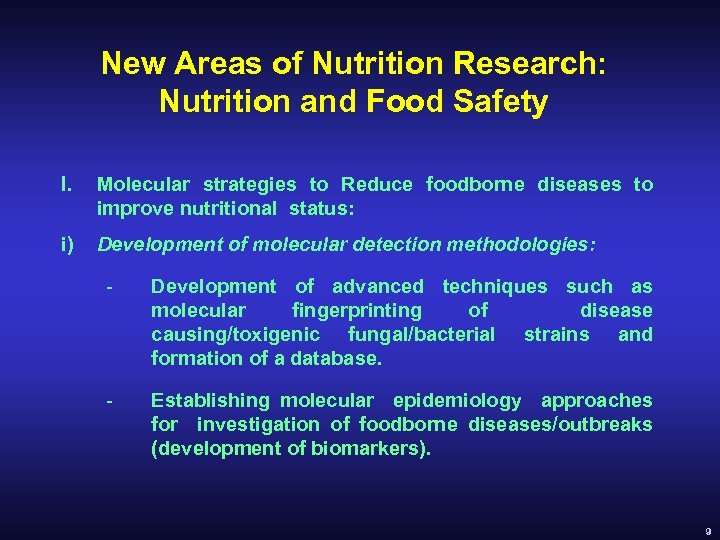 New Areas of Nutrition Research: Nutrition and Food Safety I. Molecular strategies to Reduce foodborne diseases to improve nutritional status: i) Development of molecular detection methodologies: - Development of advanced techniques such as molecular fingerprinting of disease causing/toxigenic fungal/bacterial strains and formation of a database. - Establishing molecular epidemiology approaches for investigation of foodborne diseases/outbreaks (development of biomarkers). 9
 Evolving Risk Assessment Strategies for Toxins/contaminants Derived from Processing Eg: Acrylamide, melamine. Research for reducing levels of such contaminants formed during processing 10
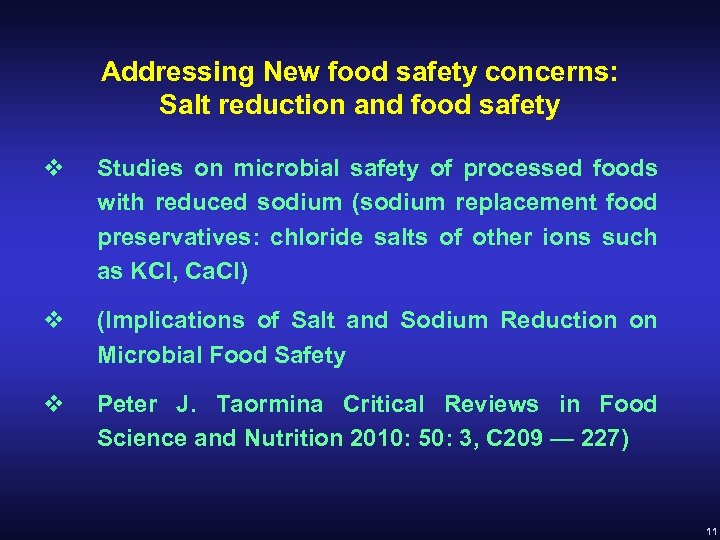 Addressing New food safety concerns: Salt reduction and food safety v Studies on microbial safety of processed foods with reduced sodium (sodium replacement food preservatives: chloride salts of other ions such as KCl, Ca. Cl) v (Implications of Salt and Sodium Reduction on Microbial Food Safety v Peter J. Taormina Critical Reviews in Food Science and Nutrition 2010: 50: 3, C 209 — 227) 11
 Nutrition and food safety research (Contd…) Enhance Research on food safety assessment techniques: 12
 Nutrigenetics: Nutrient-gene interactions / lipidomics / genomics / proteomics v Understanding the nutrient-gene interactions in amelioration of chronic diseases, insulin resistance, obesity and cardiovascular diseases v by studying i) the enzymes, genes including their polymorphism of lipid and lipoprotein metabolism and ii) the impact of various dietary factors in the amelioration process of these conditions is an important area. v Gene polymorphism is considered to be one of the important components, which influences the individual responsiveness to the environmental factors including diet. v Study the basic gene polymorphism of candidate genes involved in lipid and lipoprotein metabolism namely apo AI, apo E, PPAR , paraoxonase 1 and fatty acid binding protein in experimental models of obesity and obese humans. v Dietary response of the individuals with these polymorphisms to the supplementation of PUFA, forms the basis for studying nutrient gene interactions/lipodomics/proteomics etc. 13
 Fatty Acid Metabolism. . v Scavenger receptor class BI is 82 KDa protein with 509 amino acids and member of CD-36 super family of proteins. They are widely expressed in the liver and other steroidogenic organs like adrenals and gonads and bring about selective uptake of cholesteryl esters from HDL particles. v SR-B 1 is shown to be involved in the regulation of plasma HDL-C levels and reverse cholesterol transport, cardio-protection, steroidogenesis and reproduction (SR-BI). v Current research showed the role of SR-BI in cholesterol efflux and/or influx, estrogen and vitamin E delivery. v Lower expression of SR-BI is also reported in adipose tissue and skeletal muscle. However, its function in these tissues is not known and no studies have revealed their functions beyond RCT, vasodilatation and steroidogenesis 14
 Fatty Acid Metabolism v It is possible that SR-BI functions as a membrane-fatty acid transporter, especially in adipose tissue and skeletal muscle. v Similarly even in humans, the role of CD 36, in fatty acid translocation in adipose tissue and skeletal muscle has been suggested. v The presence of high levels of soluble CD 36 in plasma is also considered as a marker for liver injury in conditions of glucose intolerance. v Nutrients like vitamin A & E, PUFA up-regulate the expression of SR-B 1 and possibly CD 36 family of proteins. Therefore, the role of these nutrients in ameliorating dyslipidemia, insulin resistance and liver injury is an important research area 15
 Endoplasmic Reticular Stress (ER) v ER stress is an important event in the development of disease processes like obesity, insulin resistance and associated hepatic steatosis (Non alcoholic fatty liver disease NAFLD). v Cellular stress conditions lead to ER stress and result in the accumulation of unfolded or misfolded protein (UPR & MPR). v UPR pathway is considered as an important target for the treatment of fatty liver disease which results in fibrosis. v Potential of certain compounds like PBA (Phenyl butyric acid) TODCA (Taurodeoxy cholic acid) or over expression of molecular chaperones (BUP/GRP 78) in ameliorating hepatic steatosis should be tested. v Besides UPR pathway, polymorphism of ABCC 2, which determines the susceptibility to hepatic steatosis should also be considered. 16
 Peri-natal Nutrition Folic acid and Vitamin B 12 v Other than known neural tube defects with folic acid deficiency the current research focuses on role of FA and B 12 in the causation of obesity and chronic diseases. v Role of prenatal Iron deficiency in CNS, Behavioural & Cognitive development 17
 Peri-natal and early life Nutrition Vitamin D v Some studies ( Lucknow & NIN) have shown maternal Vitamin D status related to birth weight v In early infancy role of vitamin D deficiency in immune status , infections apart from growth is being investigated. v Role of Essential fatty acids in pre and post natal development v Identification Markers for identification of zinc deficiency which exists even in developed countries 18
 Research Agenda on Behavioral Change v To improve infant and young child feeding practices. - Generalised formula - Region specific formula v To help in proper adolescent growth – arrest the NCD epidemic v To modify nutritional KAP of families as a unit v To care givers in the health and nutrition of elderly v Determinants of regulator of appetite – Behavioral or neurochemical or both. 19
 OMEGA-3 FATTY ACID (DHA) ASSOCIATED WITH WORKING MEMORY, AMONG HEALTHY BOYS. v Preclinical and clinical imaging studies that suggest that dietary DHA intake is a robust modulator of functional cortical activity” v It is unknown how DHA suppl may affect functional cortical activity in humans. Mc. Namara et al recruited 33 health boys aged 8 -10 yr randomly assigning them to one of two doses of DHA (400 or 1200 mg per day, Martek Biosciences) or placebo for 8 wk. v The “main finding” from the f. MRI data indicated significant increases in the activation of the dorsolateral prefrontal cortex part of the brain in the DHA groups – an area of the brain associated with working memory. Changes in other parts of the brain, including the occipital cortex (the visual processing centre) and the cerebellar cortex (plays a role in motor control) were observed. v “These findings suggest that this imaging paradigm could be useful for elucidating neurobiological mechanisms underlying deficits in cortical activity in psychiatric disorders associated with DHA deficiencies, including ADHD and major depression 20
 Increased intakes of DHA may improve mental function in middle age people v Increased blood levels of DHA were associated with improved nonverbal reasoning and working memory in people between 35 and 54, but intakes of ALA and EPA were not. v The findings of a study (Muldoon et al, University of Pittsburgh) suggested that DHA is related to brain health throughout the lifespan and may have implications for clinical trials of neuropsychiatric disorders. “Higher DHA was related to better performance on tests of nonverbal reasoning and mental flexibility, working memory, and vocabulary”. “Among the 3 key omega-3 PUFA, only DHA was associated with major aspects of cognitive performance in non-patient adults younger than 55 yr” v The potential brain boosting benefits of omega-3 have been reported by numerous studies, most recently at the Alzheimer's Association 2009 International Conference on Alzheimer's Disease (ICAD 2009) in Vienna 21
 Application of Metabolomics in Nutrition Research v Metabolomic approach led to identification of new metabolites of phytochemicals, which can be used to distinguish individuals fed different phytochemicalcontaining foods. v Nutritional metabolomics in the in vivo setting to characterize responses to different diets in the context of molecular pathways, physiology and health status. v Lankinen and colleagues studied the effect of carbohydrate modification on serum metabolic profiles in subjects with the metabolic syndrome Nutrition , Metabolism & Cardiovascular Diseases (2009) 19, 816 -824 22
 Application of Metabolomics in Nutrition Research v Dietary carbohydrate modification may alter the concentrations of proinflammatory lipids. v Metabolomics is a powerful tool for the study of metabolic and lipid related disorders. v Human metabolome has been shown to be sensitive to age, gut microbial composition and personal health status. Nutrition , Metabolism & Cardiovascular Diseases (2009) 19, 816 -824 23
 Anti-oxidant Research v Observational evidence is strongly suggestive of substantial evidence that eating plenty of antioxidant-rich fruit and vegetables is associated with reduced risk of chronic disease. v Observational evidence to suggest that intake of individual antioxidants whether in food or spontaneous use of supplements is associated with reduced risk of chronic diseases. v There is very little direct experimental evidence that taking extra antioxidants as supplements will yield long-term holistic health benefits. Journal compilation © 2009 British Nutrition Foundation Nutrition Bulletin, 34, 309 -315 24
 Non-Nutritional Component of Indian Plant Food v Reverse Pharmacology v Active principles Vs combined effect of components v Active principles or markers for standardization v Efficacy and Effectiveness Trails 25
 Rank Prize Lecture – 2008 Global Nutrition Challenges for Optimal Health and Well-being Ricardo Uauy, Camila Corvalan and Alan D. Dangour v Major nutrition challenges faced today include: a) Addressing the pending burden of under nutrition (low birth weight, severe wasting, stunting and Zn, retinol, Fe, iodine and folic acid deficits) affecting those individuals living in conditions of poverty and deprivation; b) Preventing nutrition-related chronic diseases (obesity, diabetes, CVD, some forms of cancer and osteoporosis) that, except in sub. Saharan Africa, are the main causes of death and disability globally. c) Delaying or avoiding, via appropriate nutrition and physical activity interventions, the functional declines associated with advancing age. Proceedings of the Nutrition Society (2009), 68, 34 -32. 26
 Agricultural Technology for Better Nutrition v GM Crops for nutrition and food security v Marker assisted breeding to identify traits in lesser known food crops and selective breeding to address micronutrient inadequacies. v New Technologies like ultra rice, Soya based dhal analogues - large scale effectiveness trials. 27
 Epigenetics – Heritable changes in gene expression that operate outside of DNA v Epigenetics - genes beyond the DNA v Switches - that turn genes on or off v Nutrition, stress, infection, inflammation? - control these switches v Heritable effects in humans. DNA methylation Histone acetylation Histone deacetylation National Institute of Nutrition, Indian Council of Medical Research, Department of Health Research (MHFW) 28
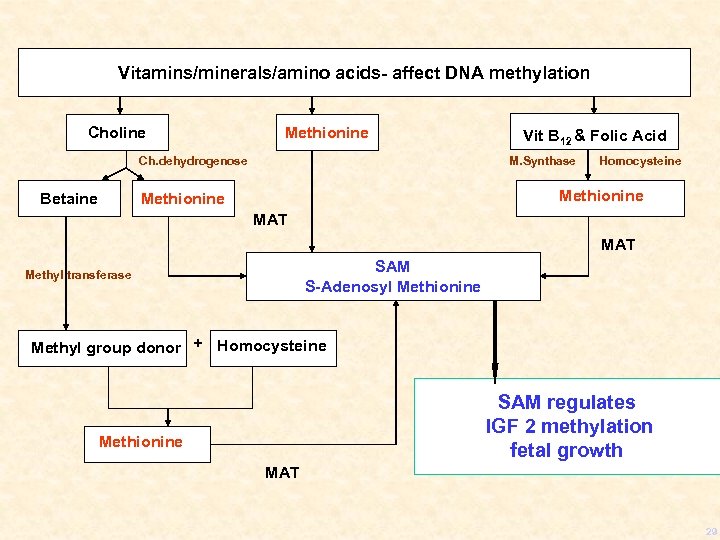 Vitamins/minerals/amino acids- affect DNA methylation Choline Methionine Ch. dehydrogenose Betaine Vit B 12 & Folic Acid M. Synthase Homocysteine Methionine MAT SAM S-Adenosyl Methionine Methyl transferase Methyl group donor + Homocysteine SAM regulates IGF 2 methylation fetal growth Methionine MAT 29
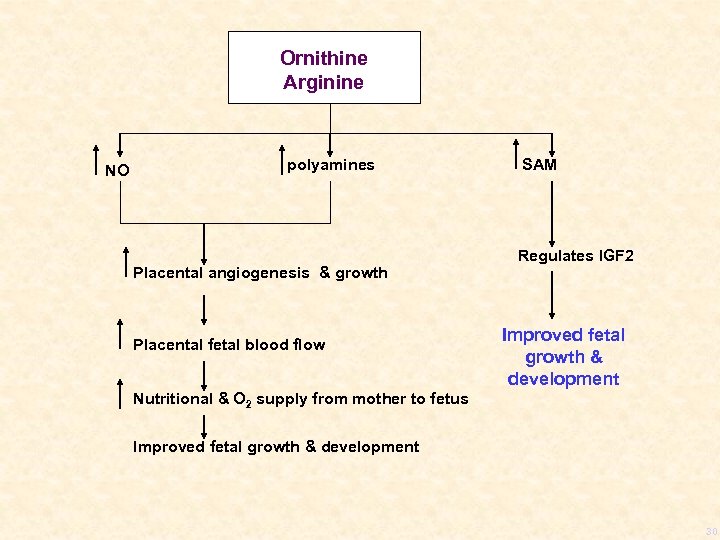 Ornithine Arginine NO polyamines Placental angiogenesis & growth Placental fetal blood flow SAM Regulates IGF 2 Improved fetal growth & development Nutritional & O 2 supply from mother to fetus Improved fetal growth & development 30
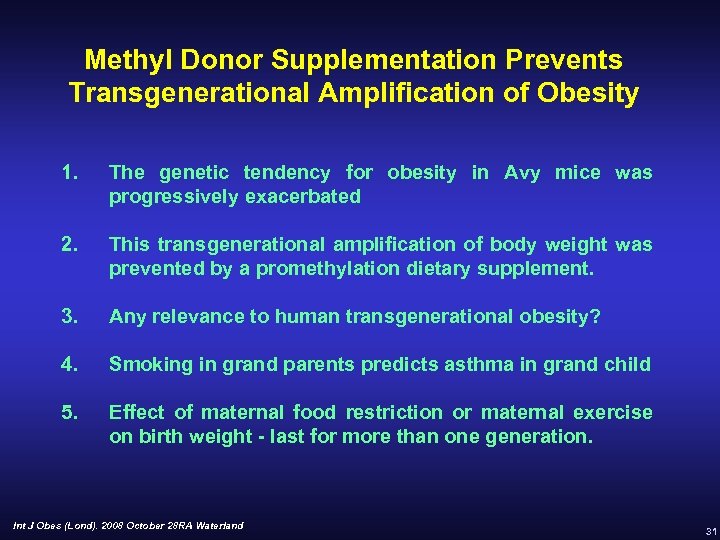 Methyl Donor Supplementation Prevents Transgenerational Amplification of Obesity 1. The genetic tendency for obesity in Avy mice was progressively exacerbated 2. This transgenerational amplification of body weight was prevented by a promethylation dietary supplement. 3. Any relevance to human transgenerational obesity? 4. Smoking in grand parents predicts asthma in grand child 5. Effect of maternal food restriction or maternal exercise on birth weight - last for more than one generation. Int J Obes (Lond). 2008 October 28 RA Waterland 31
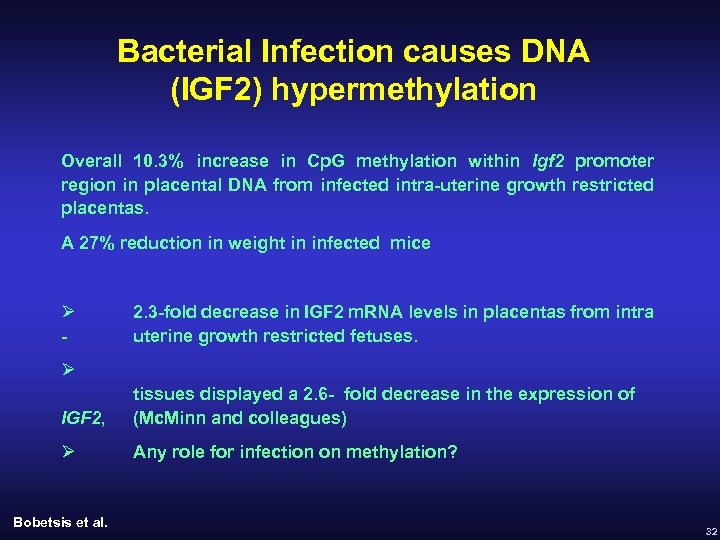 Bacterial Infection causes DNA (IGF 2) hypermethylation Overall 10. 3% increase in Cp. G methylation within Igf 2 promoter region in placental DNA from infected intra-uterine growth restricted placentas. A 27% reduction in weight in infected mice Ø - 2. 3 -fold decrease in IGF 2 m. RNA levels in placentas from intra uterine growth restricted fetuses. Ø IGF 2, tissues displayed a 2. 6 - fold decrease in the expression of (Mc. Minn and colleagues) Ø Any role for infection on methylation? Bobetsis et al. 32
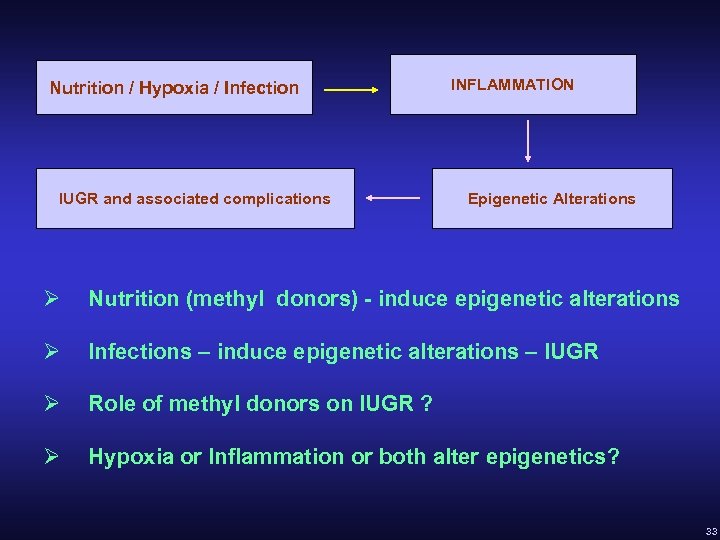 Nutrition / Hypoxia / Infection IUGR and associated complications INFLAMMATION Epigenetic Alterations Ø Nutrition (methyl donors) - induce epigenetic alterations Ø Infections – induce epigenetic alterations – IUGR Ø Role of methyl donors on IUGR ? Ø Hypoxia or Inflammation or both alter epigenetics? 33
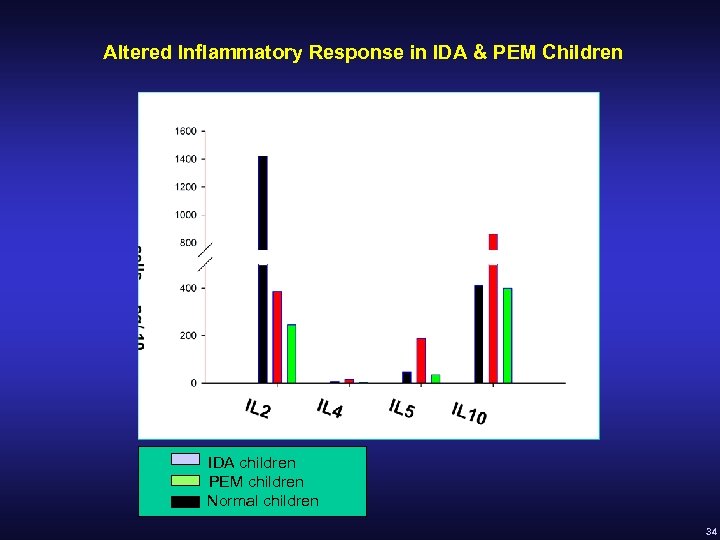 Altered Inflammatory Response in IDA & PEM Children IDA children PEM children Normal children 34
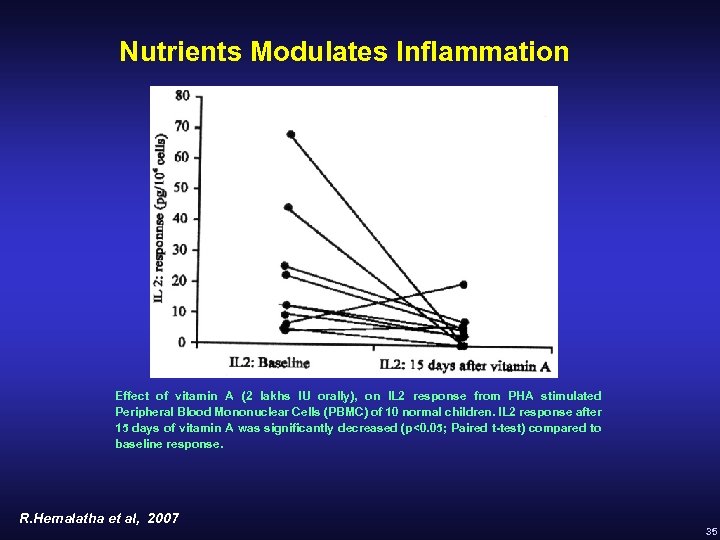 Nutrients Modulates Inflammation Effect of vitamin A (2 lakhs IU orally), on IL 2 response from PHA stimulated Peripheral Blood Mononuclear Cells (PBMC) of 10 normal children. IL 2 response after 15 days of vitamin A was significantly decreased (p<0. 05; Paired t-test) compared to baseline response. R. Hemalatha et al, 2007 35
 Increased Inflammatory Response in Women at Term v 29 % of women we studied had chorioamnionitis (CHA) marker of intrauterine infection v 15% prevalence of BV in women at term v The mean concentration of IL 8 was > 2000 pg – indicative of inflammation v 30% prevalence of BV in women of reproductive age group R. Hemalatha et al, Res J Obstet Gynecol. , 1: 18 -24, 2008 36
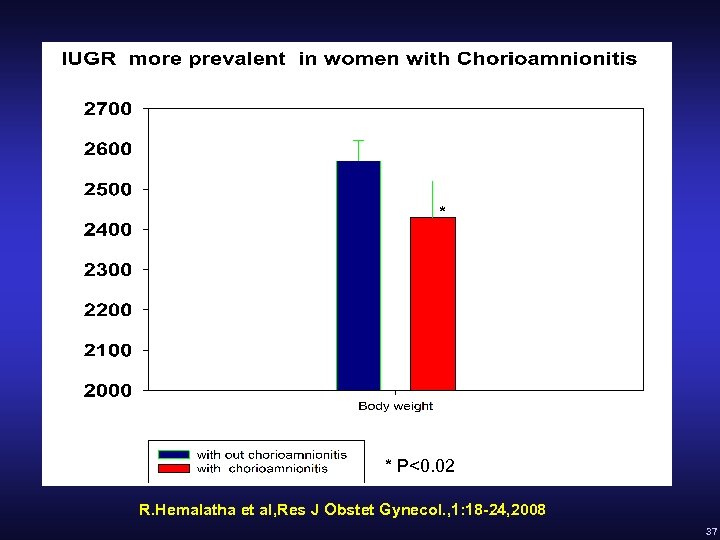 * * P<0. 02 R. Hemalatha et al, Res J Obstet Gynecol. , 1: 18 -24, 2008 37
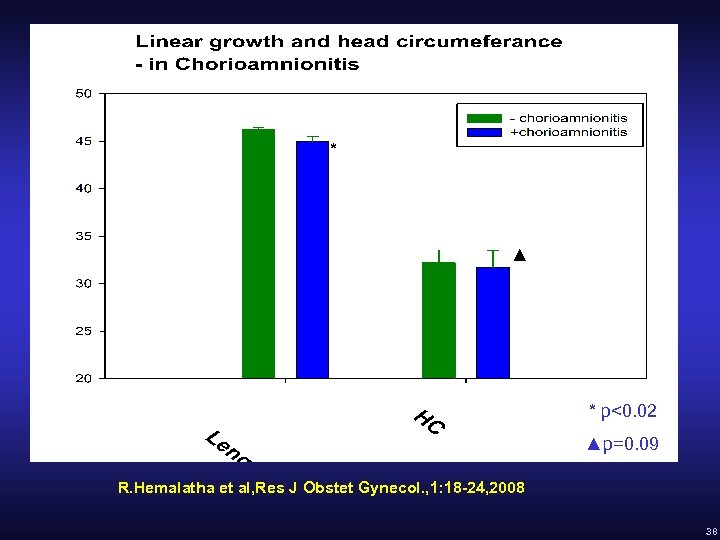 * ▲ * p<0. 02 ▲p=0. 09 R. Hemalatha et al, Res J Obstet Gynecol. , 1: 18 -24, 2008 38
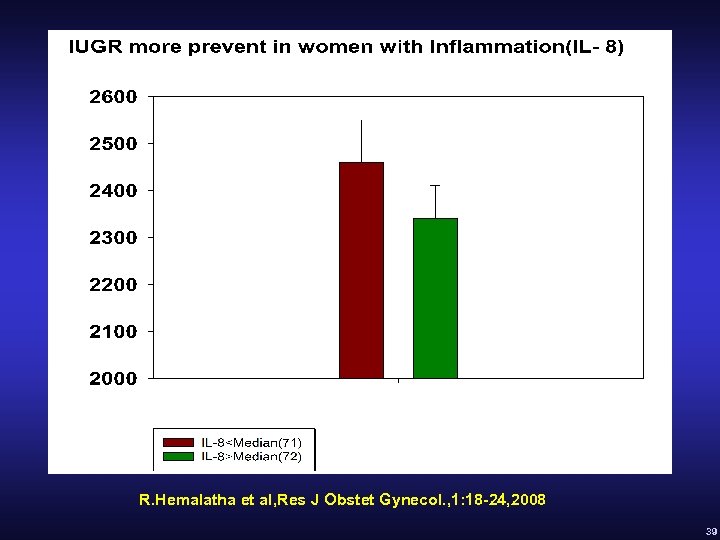 R. Hemalatha et al, Res J Obstet Gynecol. , 1: 18 -24, 2008 39
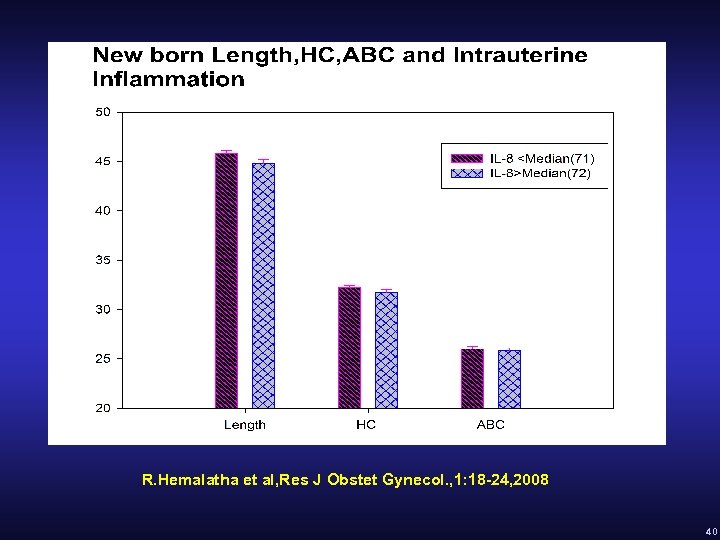 R. Hemalatha et al, Res J Obstet Gynecol. , 1: 18 -24, 2008 40
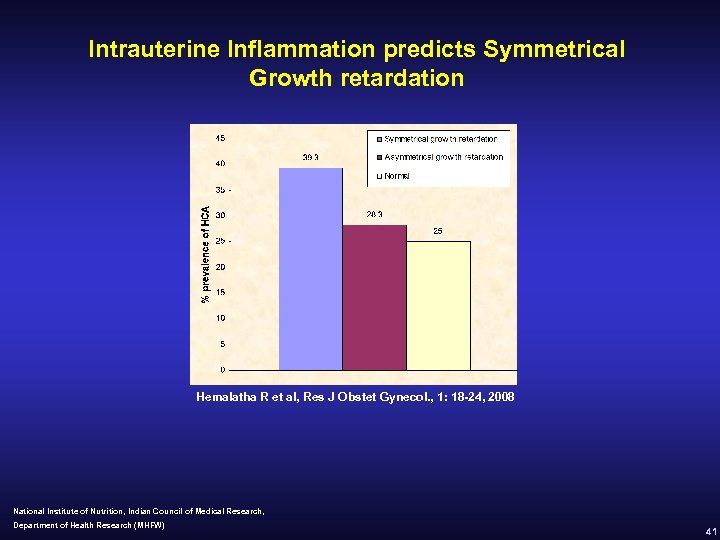 Intrauterine Inflammation predicts Symmetrical Growth retardation Hemalatha R et al, Res J Obstet Gynecol. , 1: 18 -24, 2008 National Institute of Nutrition, Indian Council of Medical Research, Department of Health Research (MHFW) 41
 FUTURE OBJECTIVES v To control obesity and related risk factors through epigenetic alterations by dietary manipulation v To improve birth weight through epigenetic alterations by dietary manipulation v Dietary manipulation to reduce Inflammation and epigenetic alteration 42
 43
43