


 Скачать презентацию New Approaches in Cardiovascular Procedures Dr Michael Plich
0d306c72944555b4428123187fb010ca.ppt
- Количество слайдов: 30
 New Approaches in Cardiovascular Procedures Dr. Michael Plich M. D. , Phd. , F. C. C. P. , F. S. C. A. I. Director of Invasive Cardiovascular unit, Ziv MC, Safed, Israel
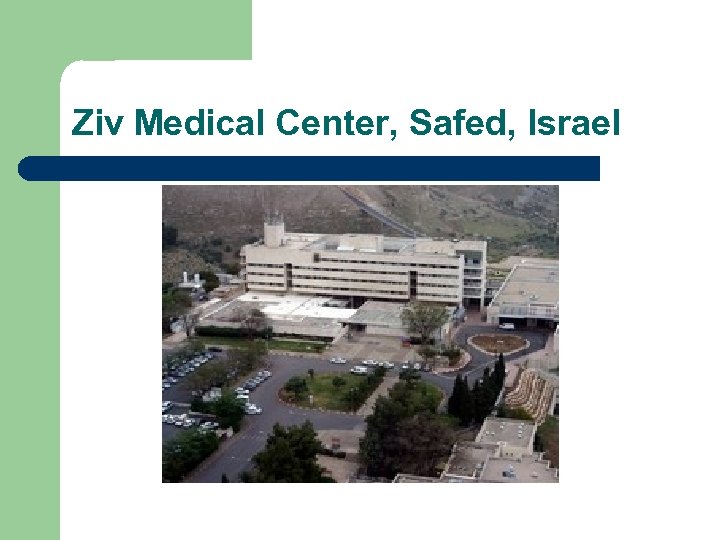 Ziv Medical Center, Safed, Israel
 Cardiology department l l l ICCU Intermediate care Non invasive institute : ECHO, Ergo, Holter, Outpatients clinic l l Research unit Interventional cardiology unite
 Invasive procedures l l Diagnostic and Therapeutic in IHD Valvular Heart Disease Congenital Heart Disease Peripherial Vascular Disease: Supra Aortic, Renal Arteries, Lower Limbs. l Pacemakers
 Cardiac Invasive diagnosis l Anatomic: ACG, I. V. U. S. , Virtual Histology, Noga Map l Physiologic: Hemodynamics, Flow Assessment (Doppler wire, Thermo dilution) Pressure wire, Thermography wire.
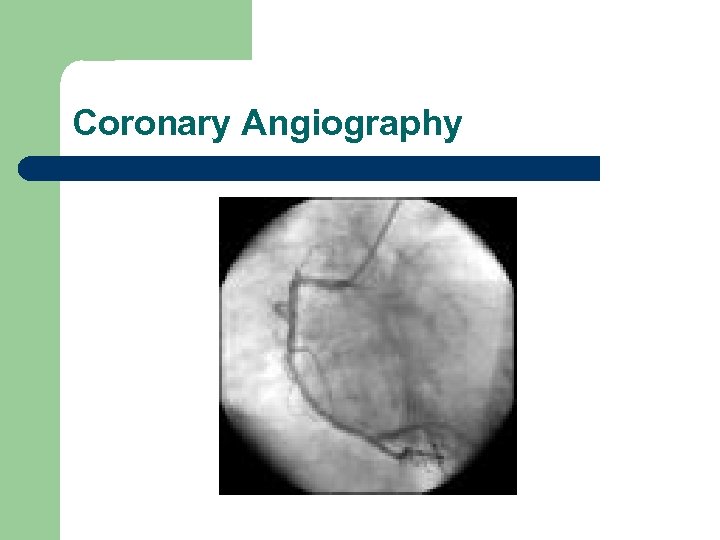 Coronary Angiography
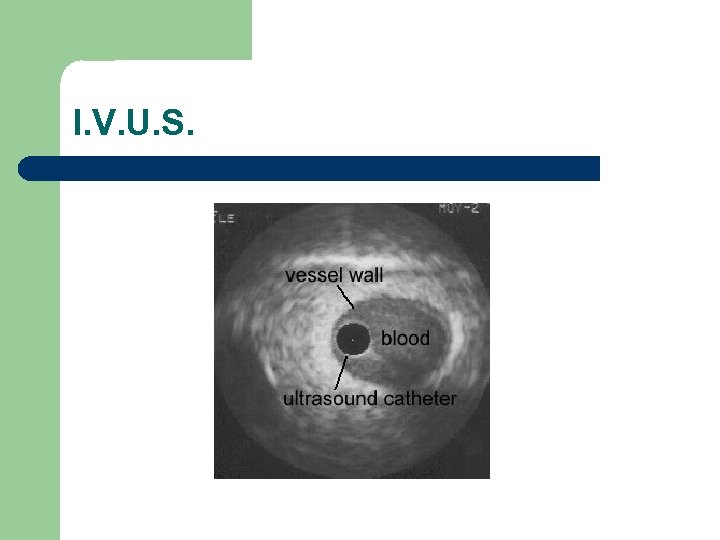 I. V. U. S.
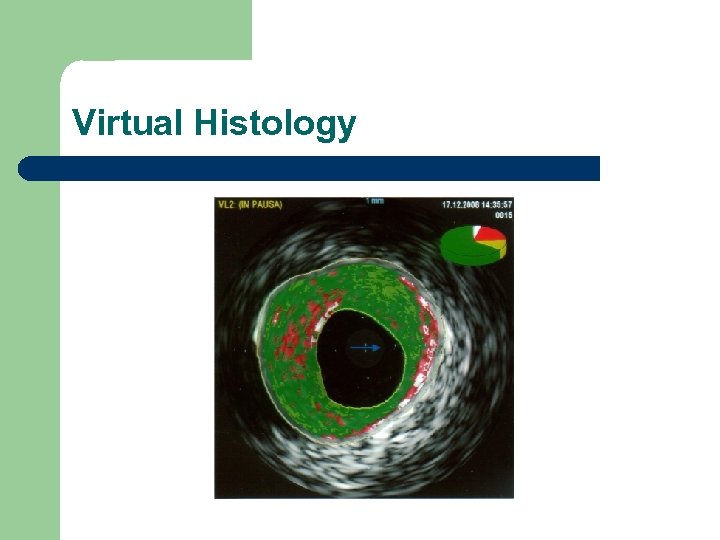 Virtual Histology
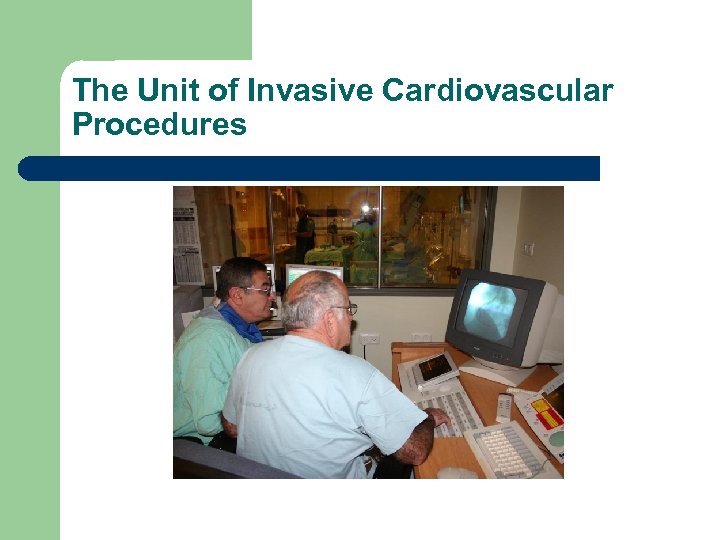 The Unit of Invasive Cardiovascular Procedures
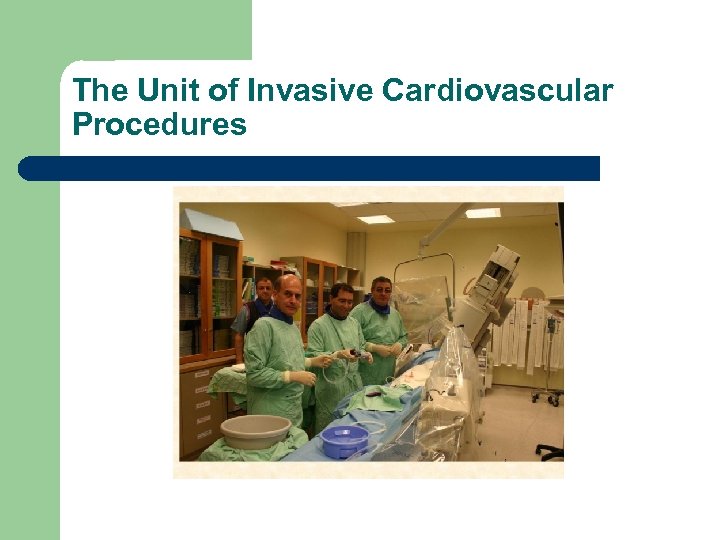 The Unit of Invasive Cardiovascular Procedures
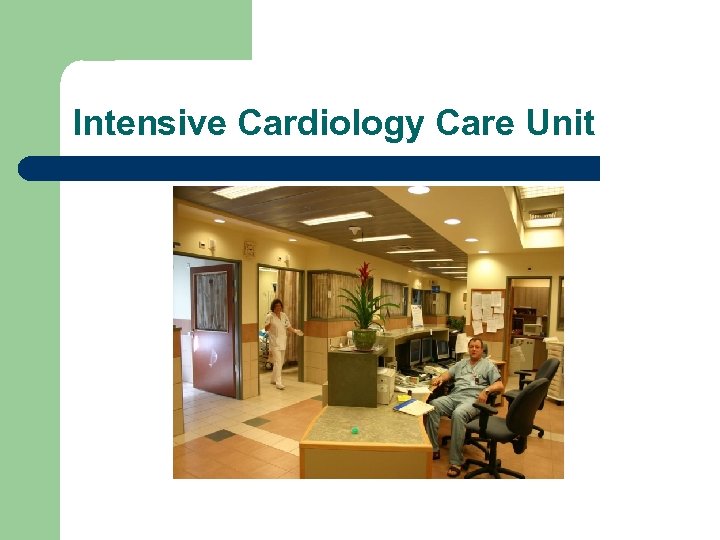 Intensive Cardiology Care Unit
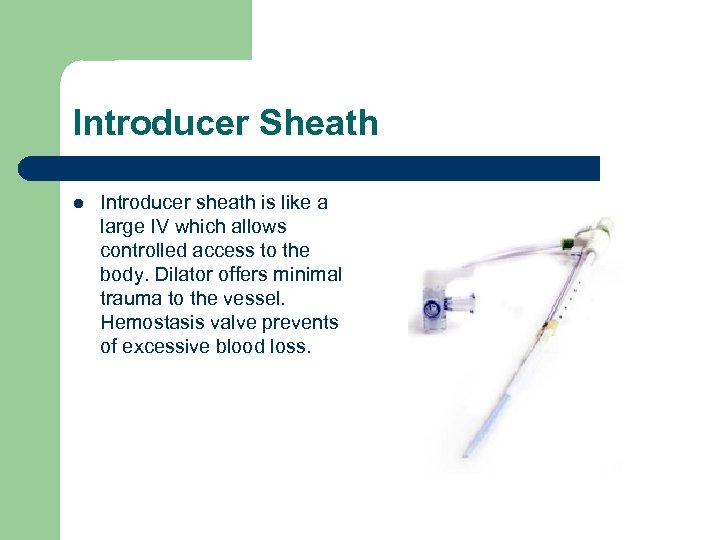 Introducer Sheath l Introducer sheath is like a large IV which allows controlled access to the body. Dilator offers minimal trauma to the vessel. Hemostasis valve prevents of excessive blood loss.
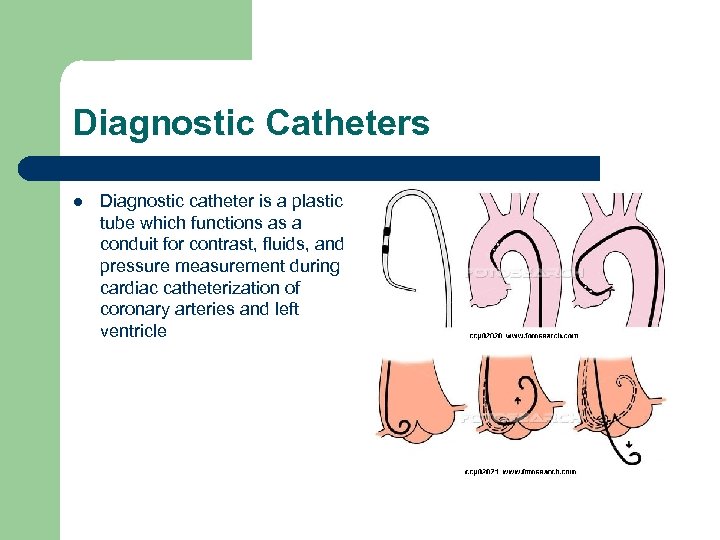 Diagnostic Catheters l Diagnostic catheter is a plastic tube which functions as a conduit for contrast, fluids, and pressure measurement during cardiac catheterization of coronary arteries and left ventricle
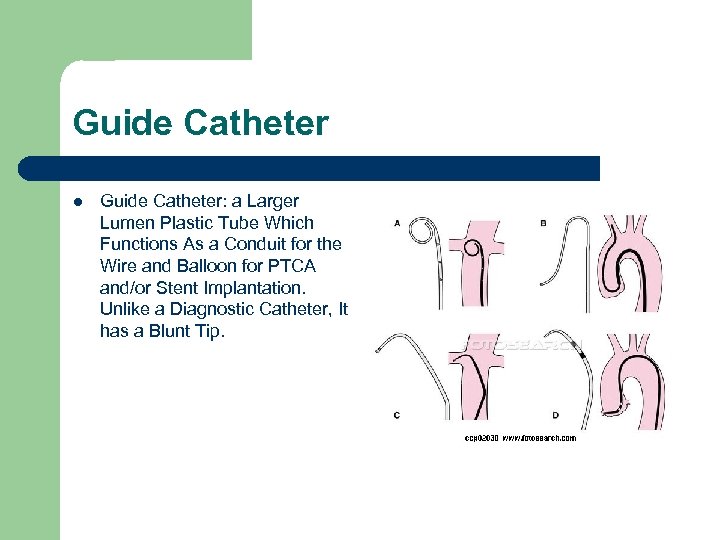 Guide Catheter l Guide Catheter: a Larger Lumen Plastic Tube Which Functions As a Conduit for the Wire and Balloon for PTCA and/or Stent Implantation. Unlike a Diagnostic Catheter, It has a Blunt Tip.
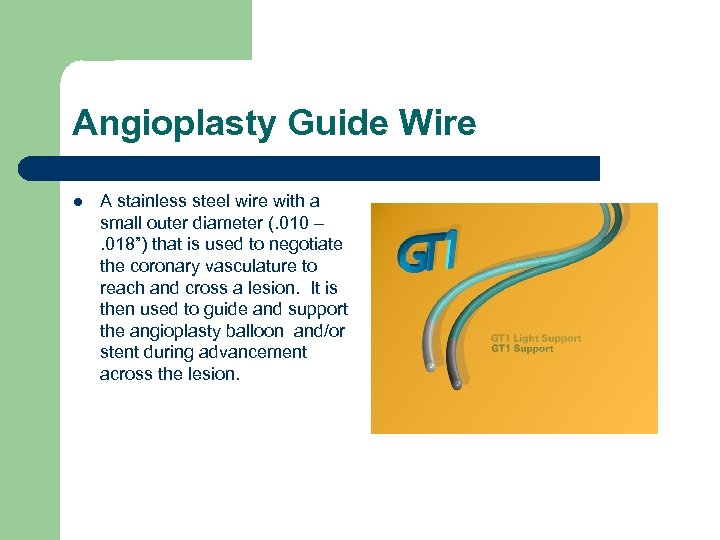 Angioplasty Guide Wire l A stainless steel wire with a small outer diameter (. 010 –. 018”) that is used to negotiate the coronary vasculature to reach and cross a lesion. It is then used to guide and support the angioplasty balloon and/or stent during advancement across the lesion.
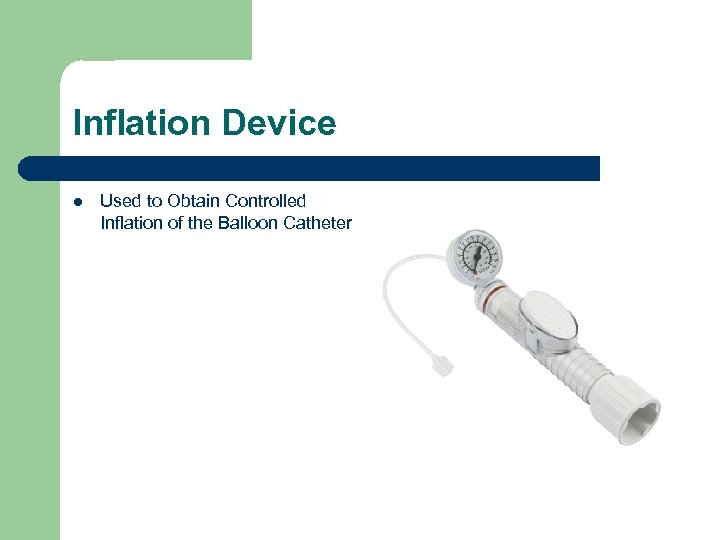 Inflation Device l Used to Obtain Controlled Inflation of the Balloon Catheter
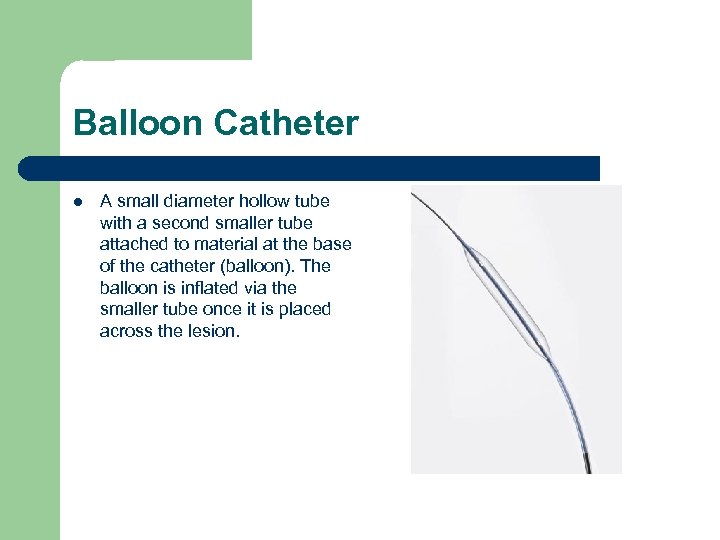 Balloon Catheter l A small diameter hollow tube with a second smaller tube attached to material at the base of the catheter (balloon). The balloon is inflated via the smaller tube once it is placed across the lesion.
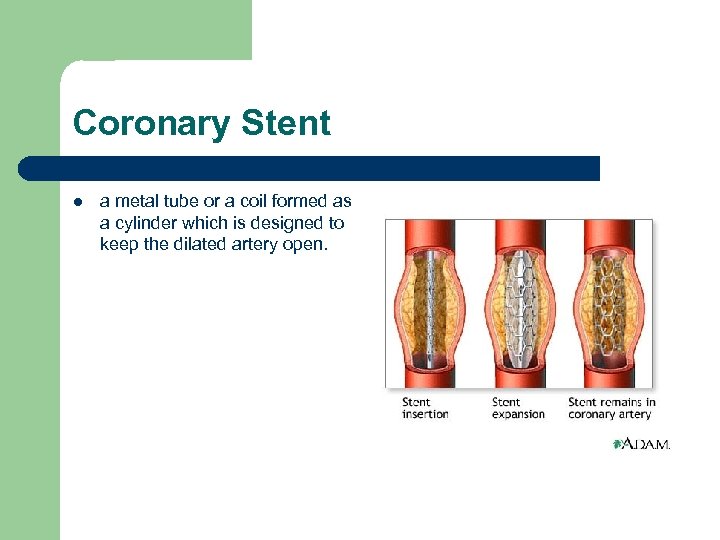 Coronary Stent l a metal tube or a coil formed as a cylinder which is designed to keep the dilated artery open.
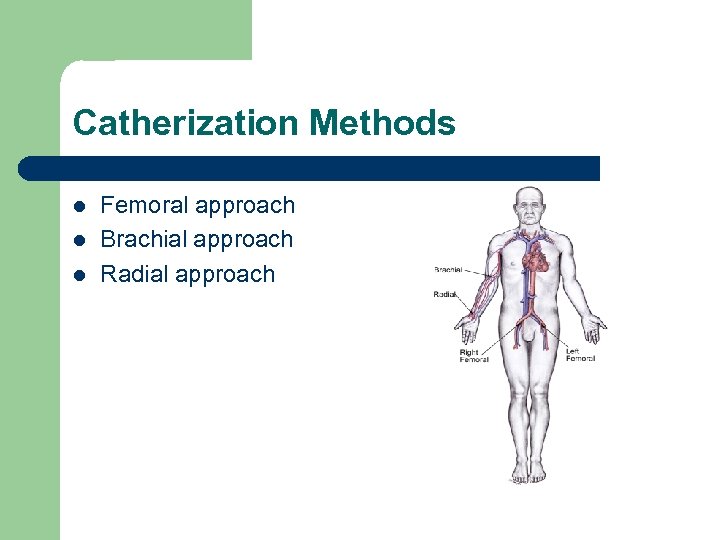 Catherization Methods l l l Femoral approach Brachial approach Radial approach
 Patient’s intake l l l l Anamnesis Physical examination ECG Phonocardiography Rx methods Echo Doppler Nuclear cardiology CT, MRI
 Pharmacologic therapy l l l ACE Inhibitors, ARB, Ca Channel Blockers, β Blockers Nitrates Cathecolamines Antiarrhytmics Statins
 Antiplate and Anticoagulants Therapy l Oral: – – l Antiplateles: Aspirin, Clopidogrel. Anticoagulants: Warfarin Venous: – – – Antiplateles: G. P. IIb-3 a Blockers Anticoagulants: Unfractioned Heparin, Low Molecular Heparin, Bivalirudine Fibrinolytics
 Invasive therapies l l l Pacemakers EPS, Ablations PCI, PTA Assist devices Experimental therapies: Myogenesis, Angiogenesis l Treatments via coronary sinus
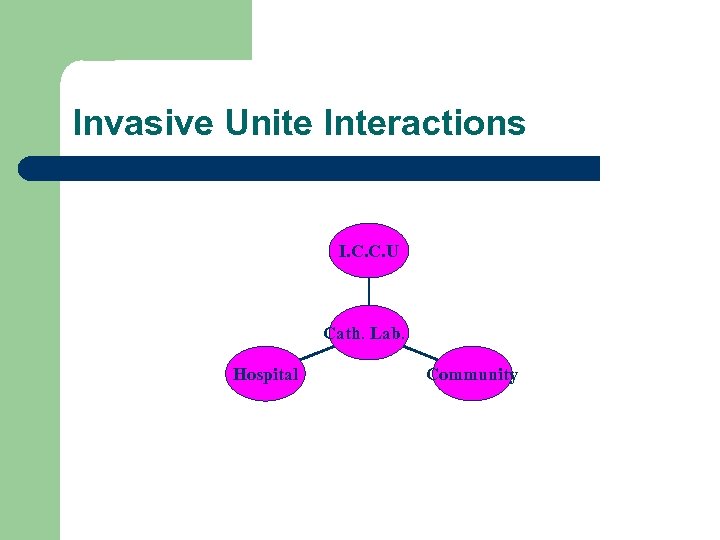 Invasive Unite Interactions I. C. C. U Cath. Lab. Hospital Community
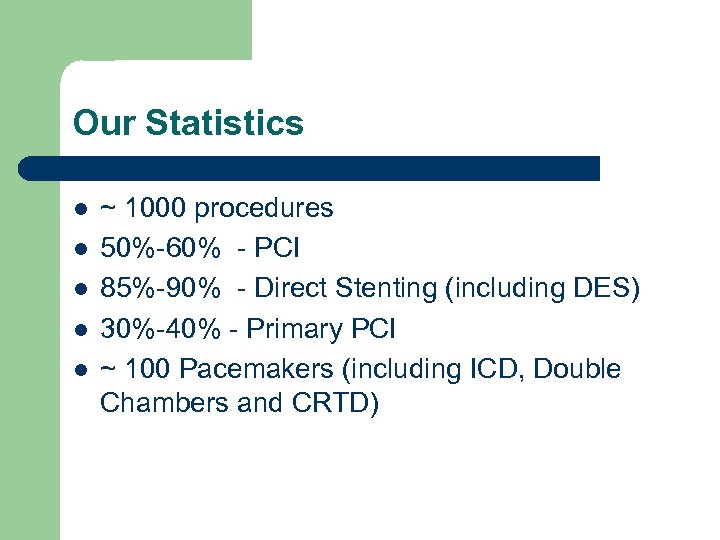 Our Statistics l l l ~ 1000 procedures 50%-60% - PCI 85%-90% - Direct Stenting (including DES) 30%-40% - Primary PCI ~ 100 Pacemakers (including ICD, Double Chambers and CRTD)
 Cardiovascular Intervention Procedures l l l l Double primary PCI Primary PCI to LAD via stent to LM Non protected LM PCI to SVG. wpl PCI using protection device. wpl Transradial approach to multivessels PCI
 Cardiovascular Intervention Procedures (continued) l l l Transradial approach PCI to LIMA Mitral valvuloplasty (MVP) Double protected PTA technique to Left Subclavian Artery Double protected PTA to Left Renal Artery PTA to SFA
 Concusion
 Double primary PCI l RC 1