Скачать презентацию Neural Plasticity From Homeostasis to Speech Mike Kilgard
2391f37273eb33ccfa77311e33ecb3a2.ppt
- Количество слайдов: 44
 Neural Plasticity: From Homeostasis to Speech Mike Kilgard Associate Professor University of Texas at Dallas
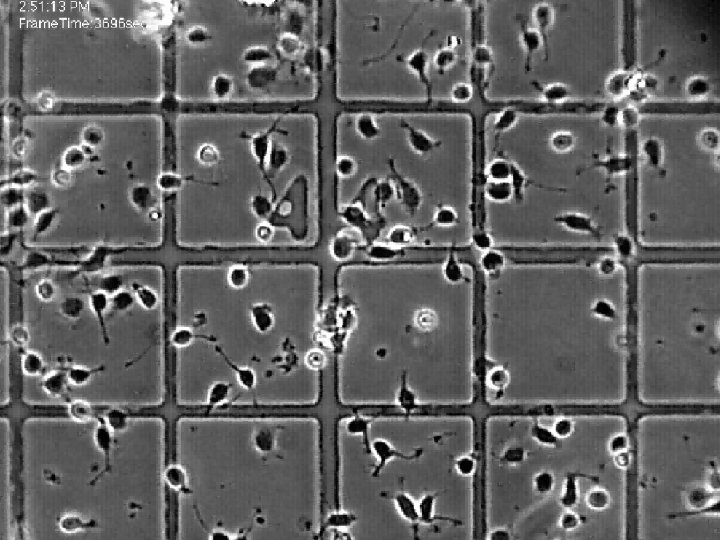
 What is neural plasticity good for?
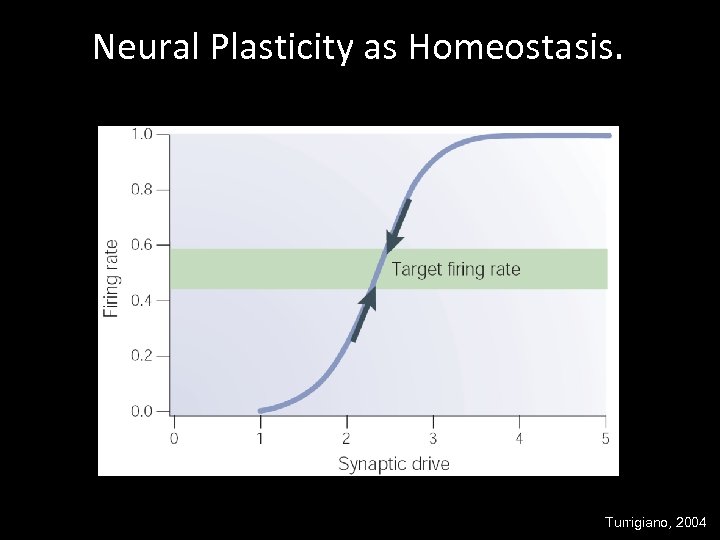 Neural Plasticity as Homeostasis. Turrigiano, 2004
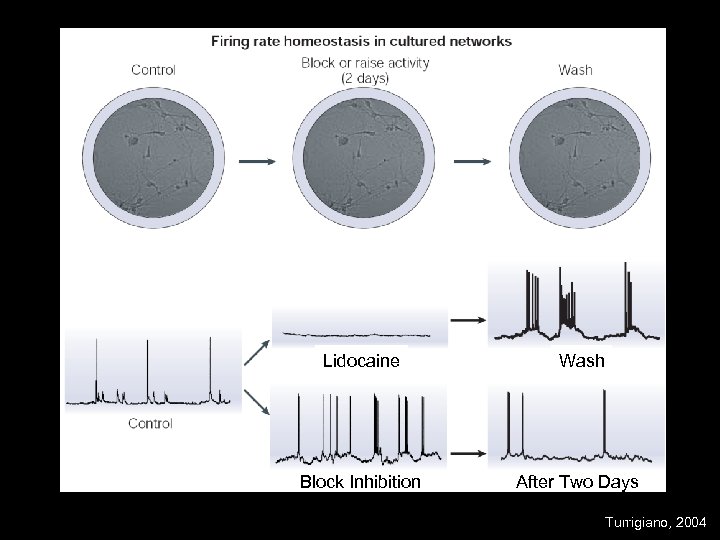 Lidocaine Wash Block Inhibition After Two Days Turrigiano, 2004
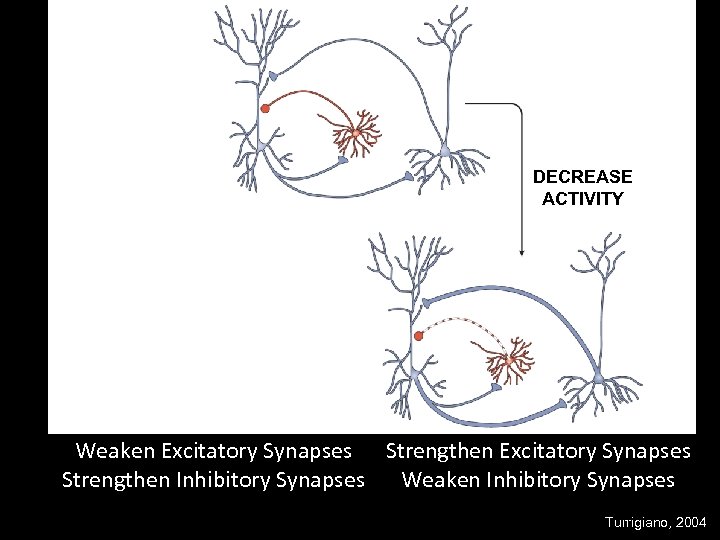 INCREASE ACTIVITY DECREASE ACTIVITY Weaken Excitatory Synapses Strengthen Inhibitory Synapses Weaken Inhibitory Synapses Turrigiano, 2004
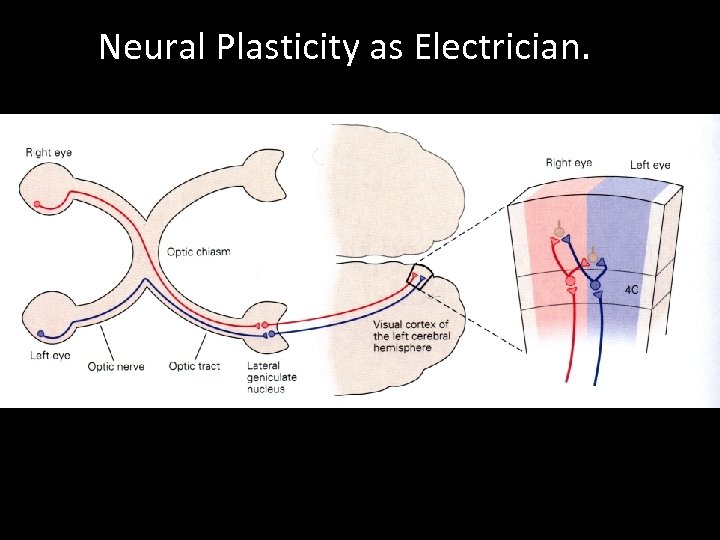 Neural Plasticity as Electrician.
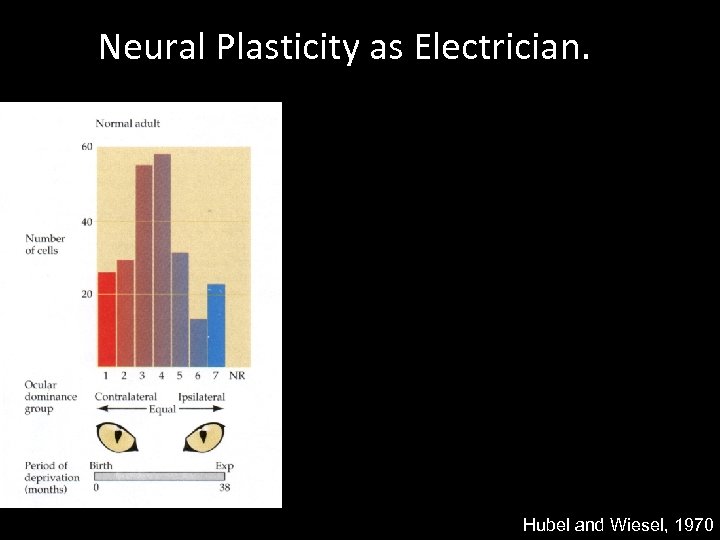 Neural Plasticity as Electrician. Hubel and Wiesel, 1970
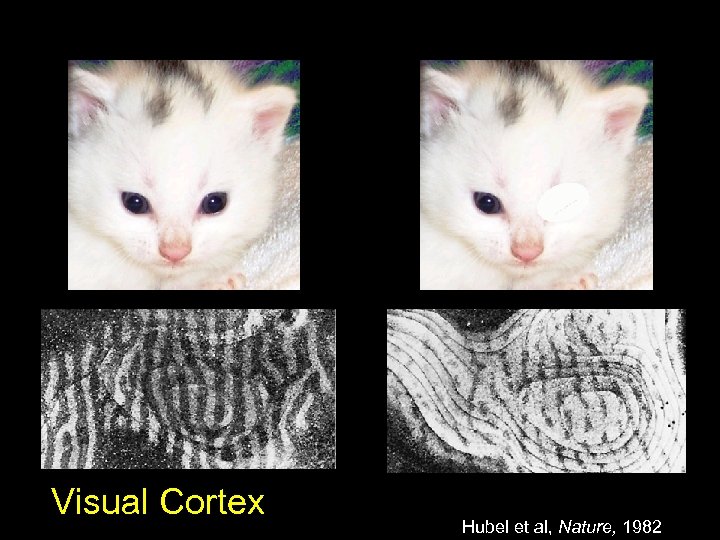 Visual Cortex Hubel et al, Nature, 1982
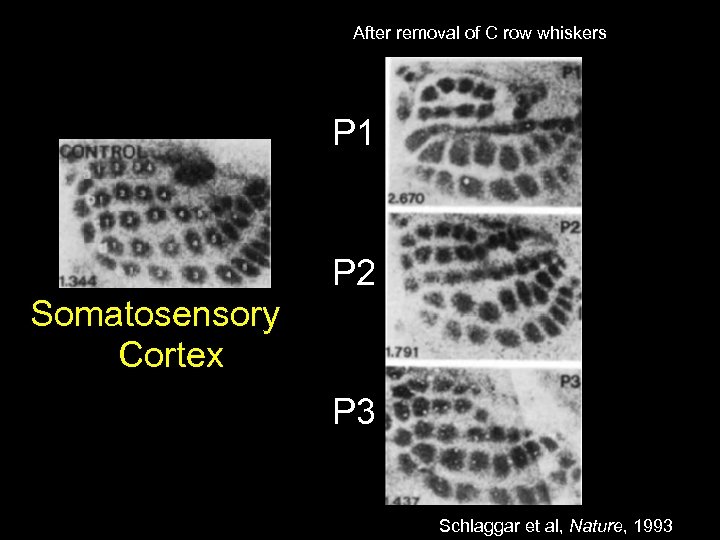 After removal of C row whiskers P 1 P 2 Somatosensory Cortex P 3 Schlaggar et al, Nature, 1993
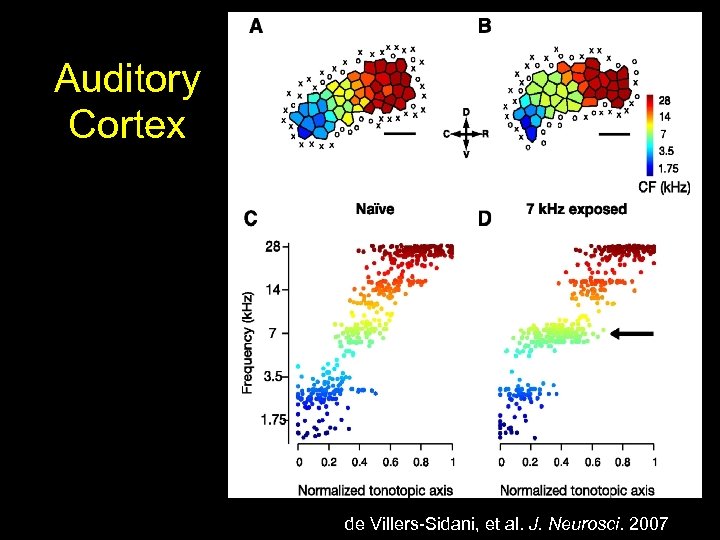 Auditory Cortex de Villers-Sidani, et al. J. Neurosci. 2007
 Is the young brain more plastic? - or Is plasticity just less tightly regulated in the young?
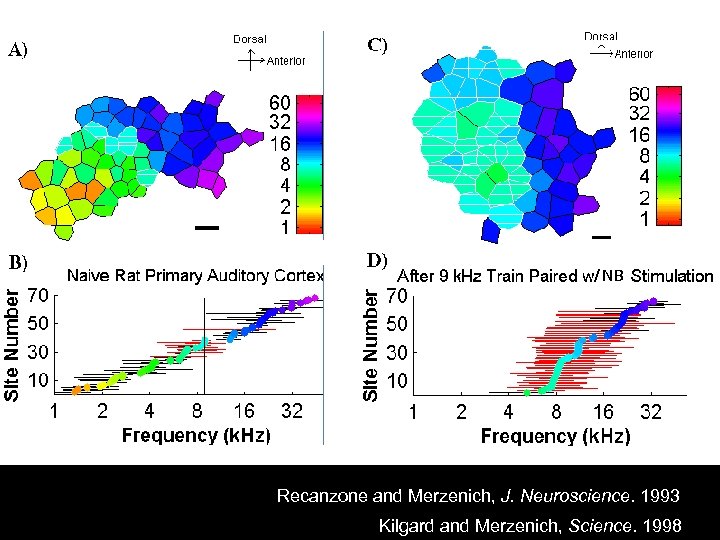 Best Frequency NB Recanzone and Merzenich, J. Neuroscience. 1993 Science, 1998 Kilgard and Merzenich, Science. 1998
 Can unregulated plasticity put the young brain at risk?
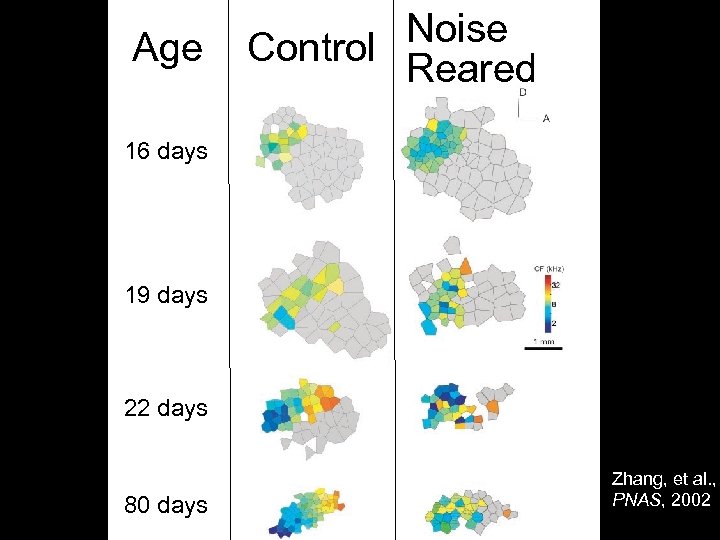 Age Noise Control Reared 16 days 19 days 22 days 80 days Zhang, et al. , PNAS, 2002
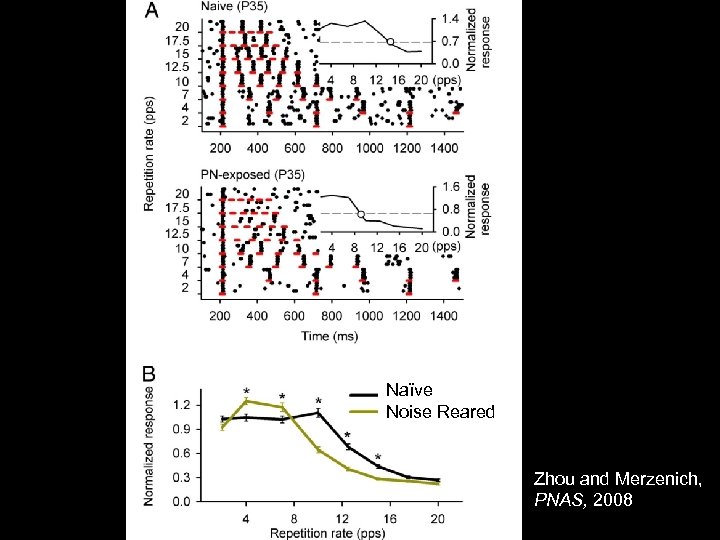 Naïve Noise Reared Zhou and Merzenich, PNAS, 2008
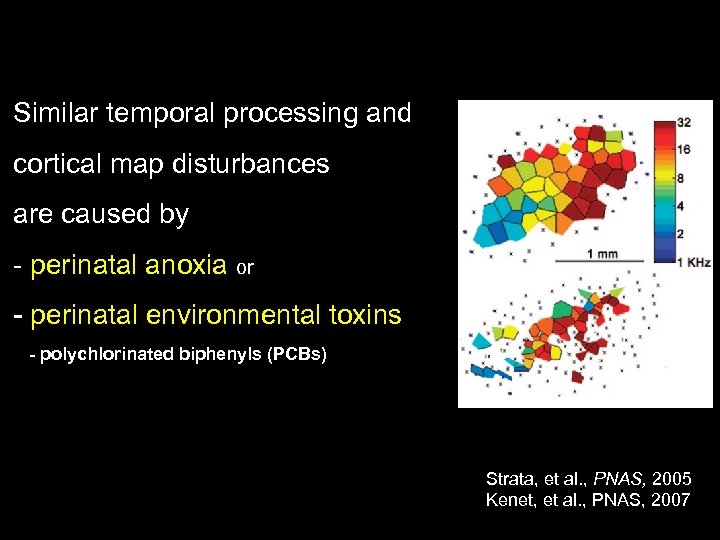 Similar temporal processing and cortical map disturbances are caused by - perinatal anoxia or - perinatal environmental toxins - polychlorinated biphenyls (PCBs) Strata, et al. , PNAS, 2005 Kenet, et al. , PNAS, 2007
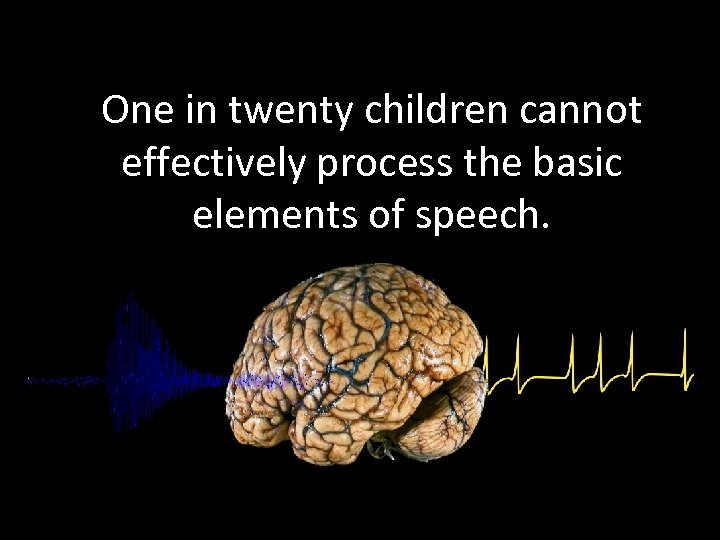 One in twenty children cannot effectively process the basic elements of speech.
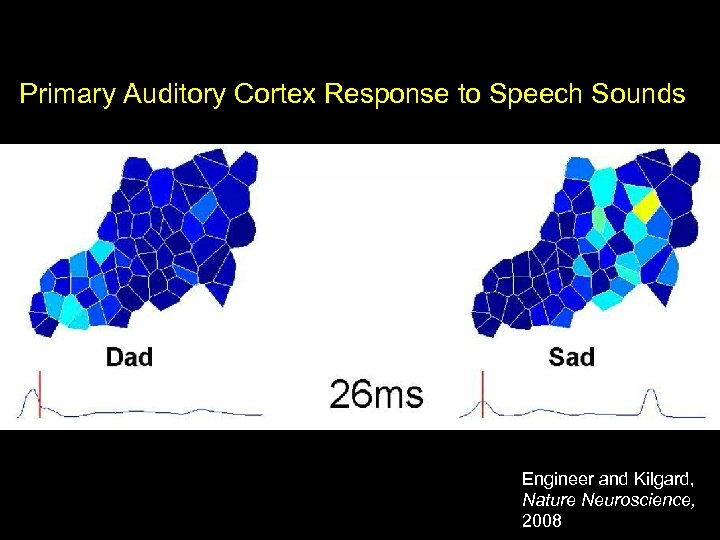 Primary Auditory Cortex Response to Speech Sounds Engineer and Kilgard, Nature Neuroscience, 2008
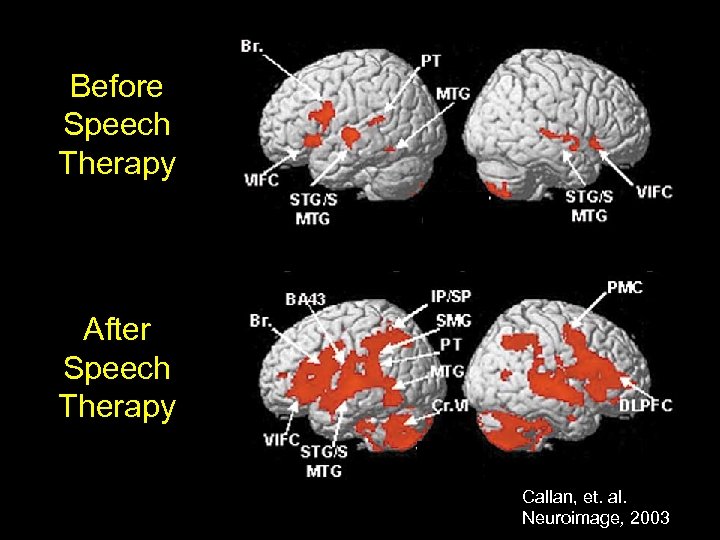 Before Speech Therapy After Speech Therapy Callan, et. al. Neuroimage, 2003
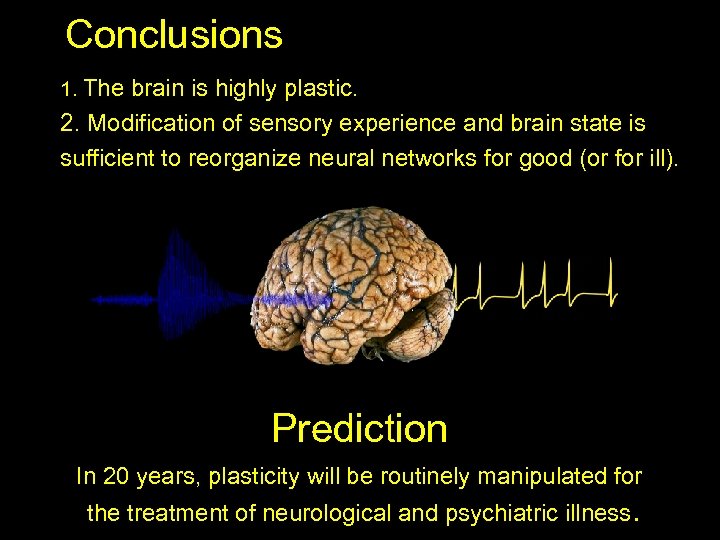 Conclusions 1. The brain is highly plastic. 2. Modification of sensory experience and brain state is sufficient to reorganize neural networks for good (or for ill). Prediction In 20 years, plasticity will be routinely manipulated for the treatment of neurological and psychiatric illness.
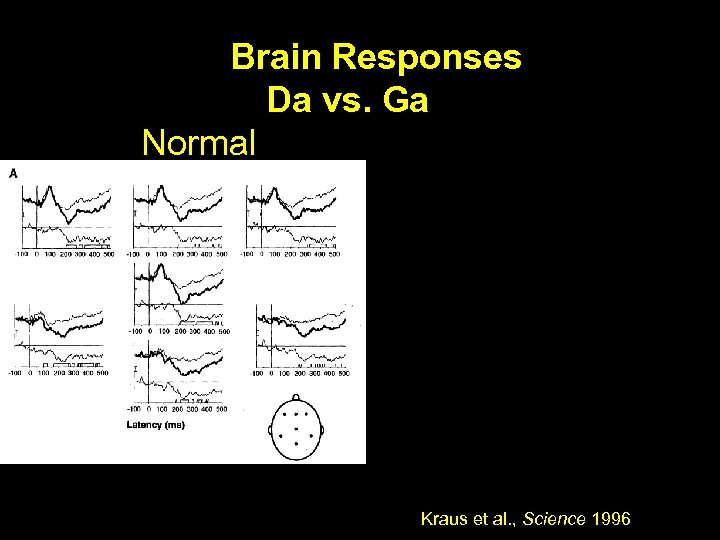 Brain Responses Da vs. Ga Normal Learning Impaired Kraus et al. , Science 1996
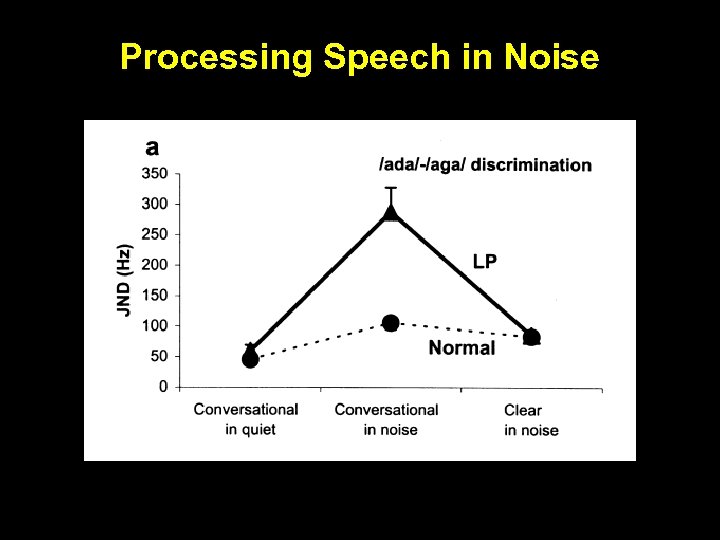 Processing Speech in Noise
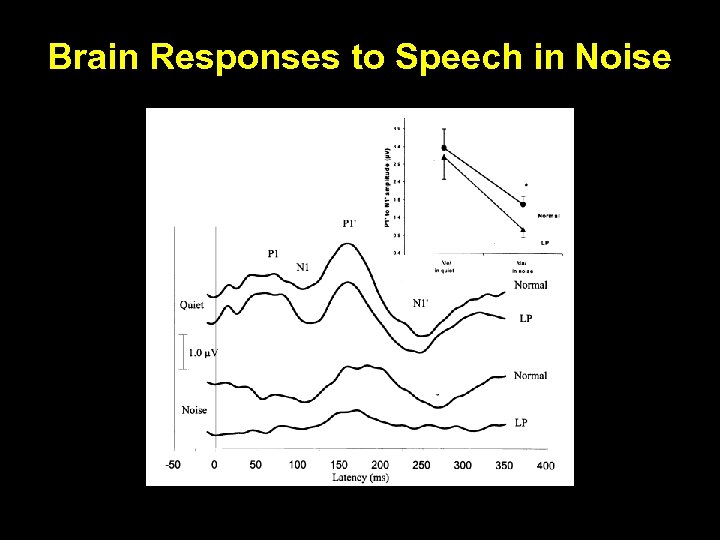 Brain Responses to Speech in Noise
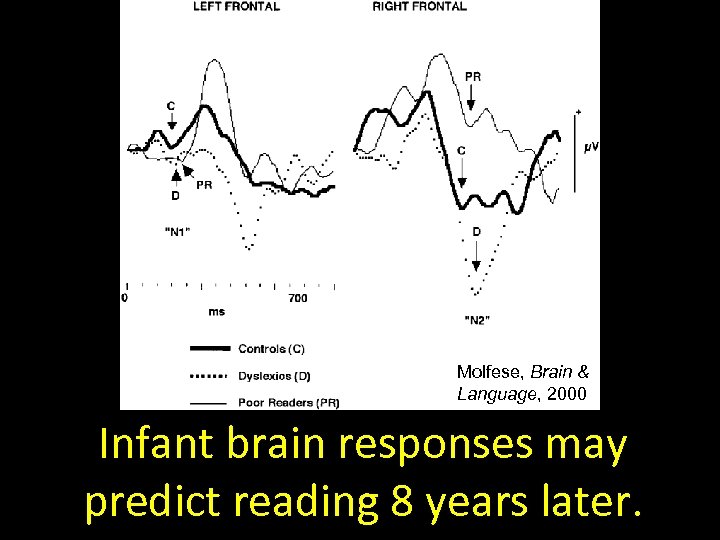 Molfese, Brain & Language, 2000 Infant brain responses may predict reading 8 years later.
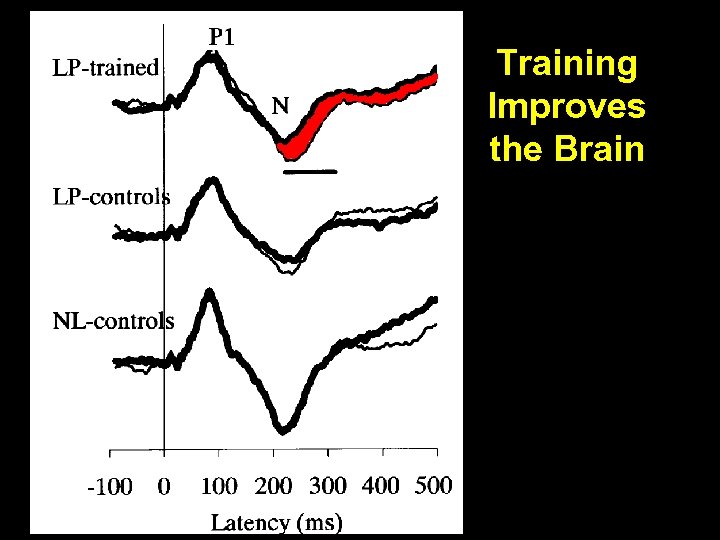 Training Improves the Brain
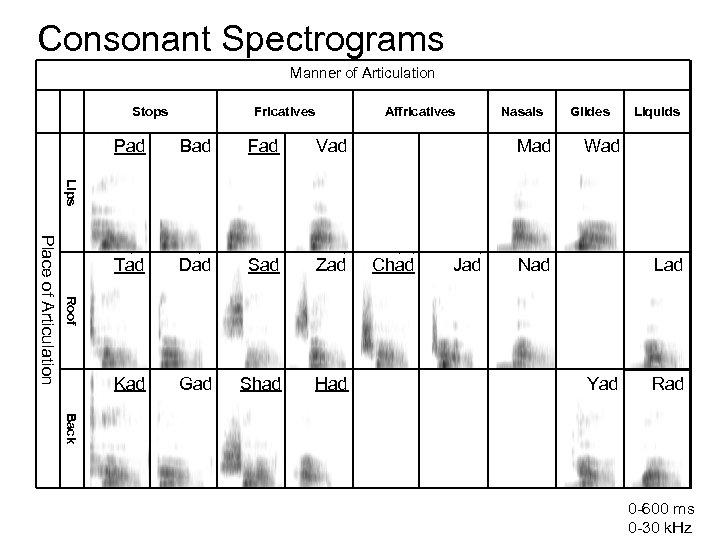 Consonant Spectrograms Manner of Articulation Stops Fricatives Affricatives Bad Fad Vad Tad Dad Sad Zad Kad Gad Shad Had Mad Glides Liquids Wad Lips Pad Nasals Jad Nad Lad Roof Place of Articulation Chad Yad Rad Back 0 -600 ms 0 -30 k. Hz
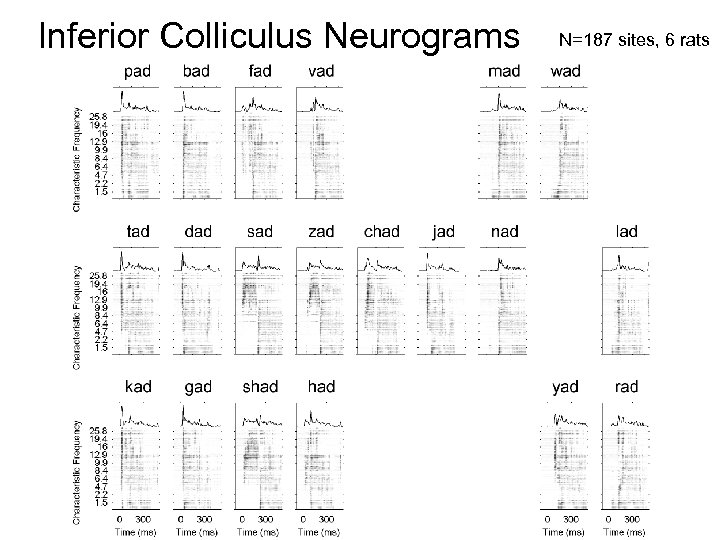 Inferior Colliculus Neurograms N=187 sites, 6 rats
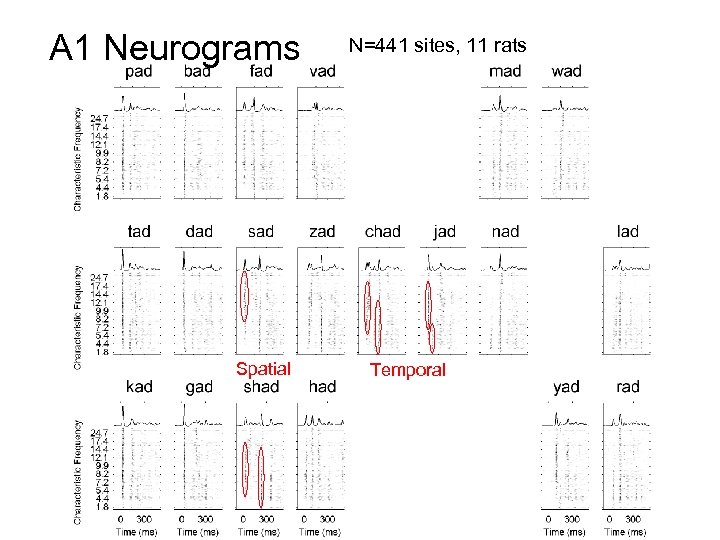 A 1 Neurograms Spatial N=441 sites, 11 rats Temporal
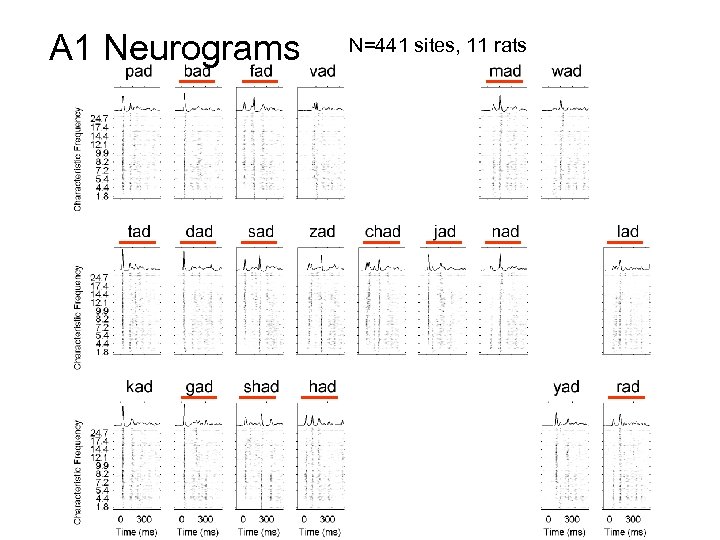 A 1 Neurograms N=441 sites, 11 rats
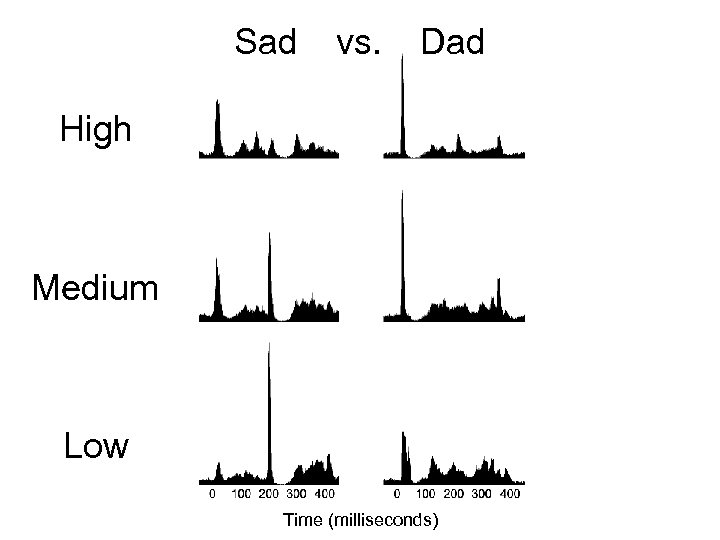 Sad vs. Dad High Medium Low Time (milliseconds)
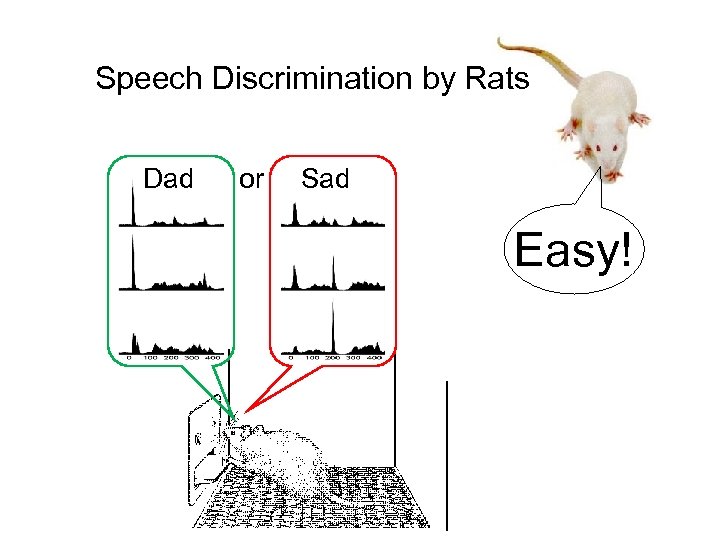 Speech Discrimination by Rats Dad or Sad Easy!
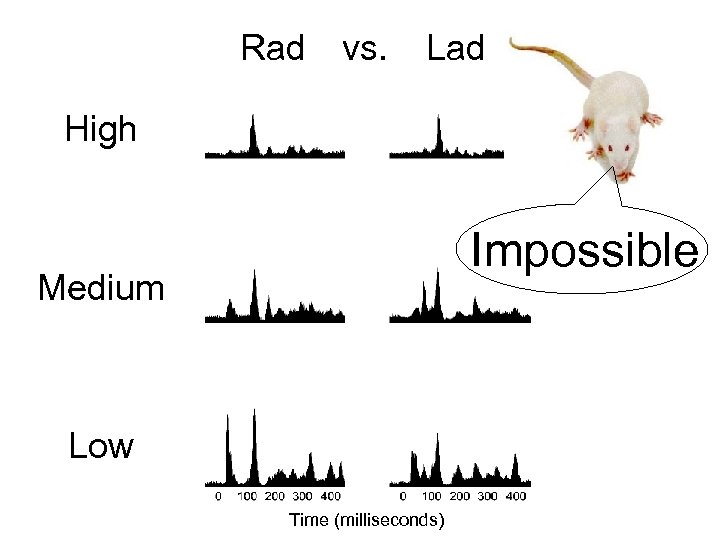 Rad vs. Lad High Impossible Medium Low Time (milliseconds)
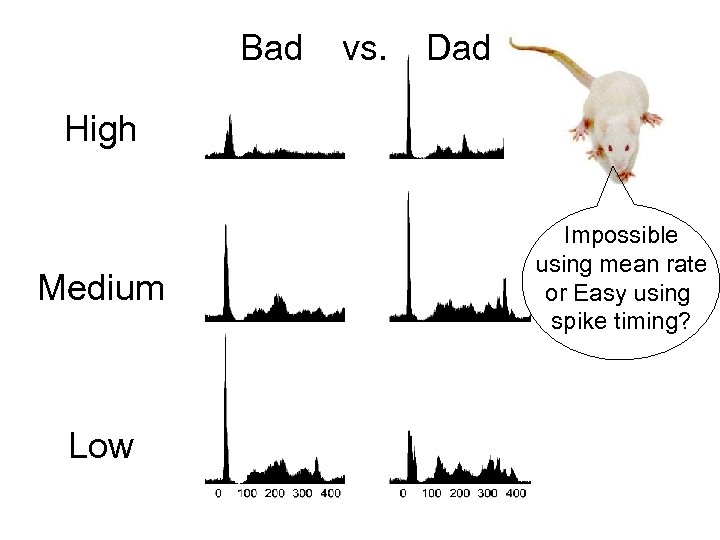 Bad vs. Dad High Medium Low Impossible using mean rate or Easy using spike timing?
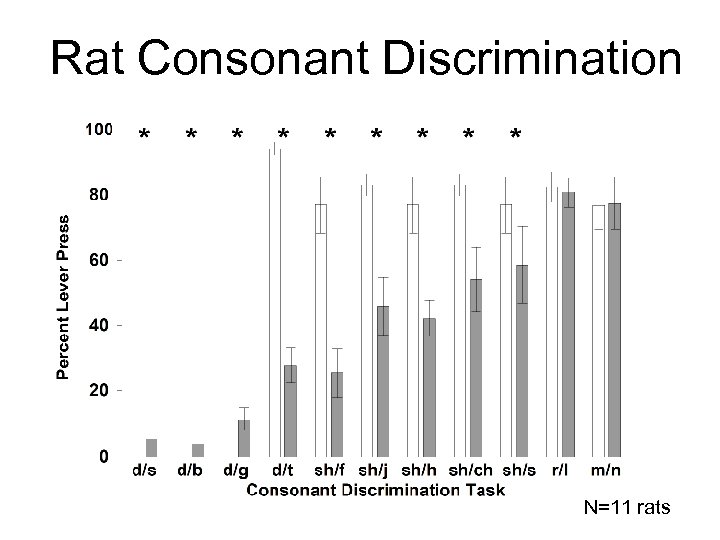 Rat Consonant Discrimination N=11 rats
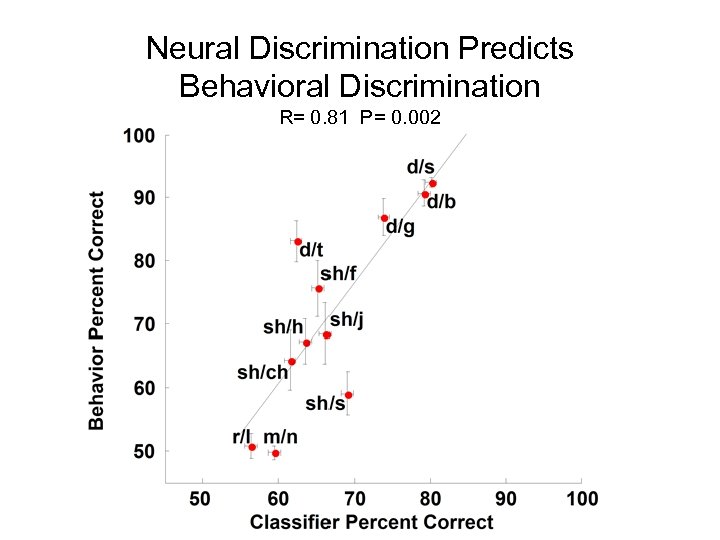 Neural Discrimination Predicts Behavioral Discrimination R= 0. 81 P= 0. 002
 Pediatric / Developmental Plasticity – Animal Studies Movie of neurons connecting What are they doing? Helping the brain survive, but how? Stability Turrigiano review Vision - Hubel Weisel Give population size two sides of the sword recent studies demonstrating critical period may be reopenable Auditory - Merzenich studies Give population size environment toxins recovery Is this limited to the young? No Recanzone, Kilgard, and Relate to clinic two key factors are knowing how to activate plasticity and how to direct plasticity speech processing Training benefits kids in many ways FFW plasticity trials Neville attention
 Pediatric / Developmental Plasticity – Animal Studies Other speakers • Neural Plasticity in Animal Models • Brain Development and Plasticity • Limitations to Plasticity—Evidence From Epilepsy Studies • Limitations to Plasticity—Evidence From Neonatal Stroke Studies The developing brain is capable of a great deal of plasticity, with evidence for the ability to find alternate pathways of neural organization in the face of structural, genetic and developmental disorders. In this symposium, we will discuss animal and human studies of neural plasticity in the developing brain. We will then explore limitations to plasticity in pathological conditions, such as epilepsy and perinatal stroke. Finally, we will discuss potential interventions and neuroprotective therapies in the developing brain. Target Audience: Developmental pediatricians, behavioral pediatricians, child neurologists, neonatologists, neuroscientists, developmental biologists, but this should have wide interest for anyone in pediatrics.
 What is Neural Plasticity?


 Plasticity makes the young more resilient and more at risk / fragile.
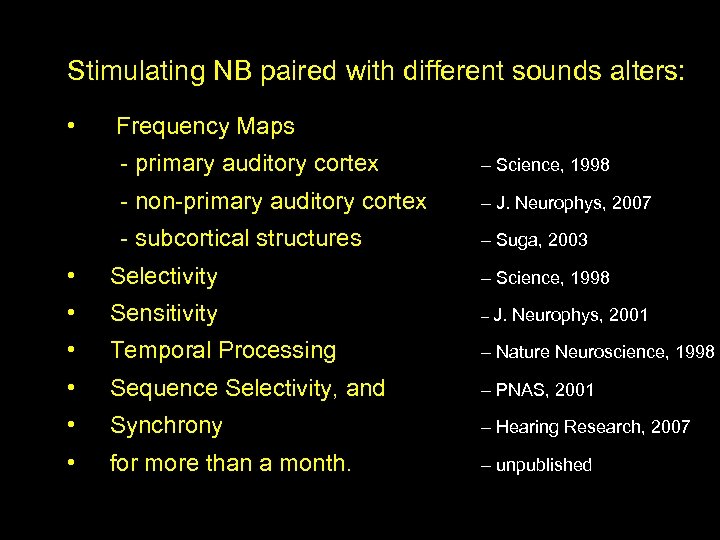 Stimulating NB paired with different sounds alters: • Frequency Maps - primary auditory cortex – Science, 1998 - non-primary auditory cortex – J. Neurophys, 2007 - subcortical structures – Suga, 2003 • Selectivity – Science, 1998 • Sensitivity – J. • Temporal Processing – Nature Neuroscience, 1998 • Sequence Selectivity, and – PNAS, 2001 • Synchrony – Hearing Research, 2007 • for more than a month. – unpublished Neurophys, 2001