 Скачать презентацию Negotiations Law Study Tour Hawai i Professor John Barkai
4afbd4beb156c6b0fa73848589046f86.ppt
- Количество слайдов: 57




Negotiations Law Study Tour Hawai`i Professor John Barkai William S. Richardson School of Law University of Hawaii
e de th si In eads H y of m n io otiat eg N s dent Stu By i arka B ohn J
www 2. hawaii. edu/~barkai Google: John Barkai
www 2. hawaii. edu/~barkai Today’s Presentation Google: John Barkai
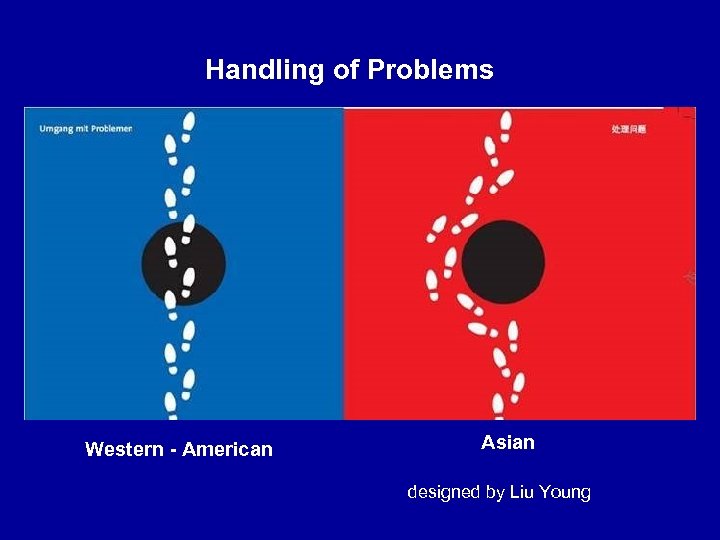
Handling of Problems Western - American Asian designed by Liu Young
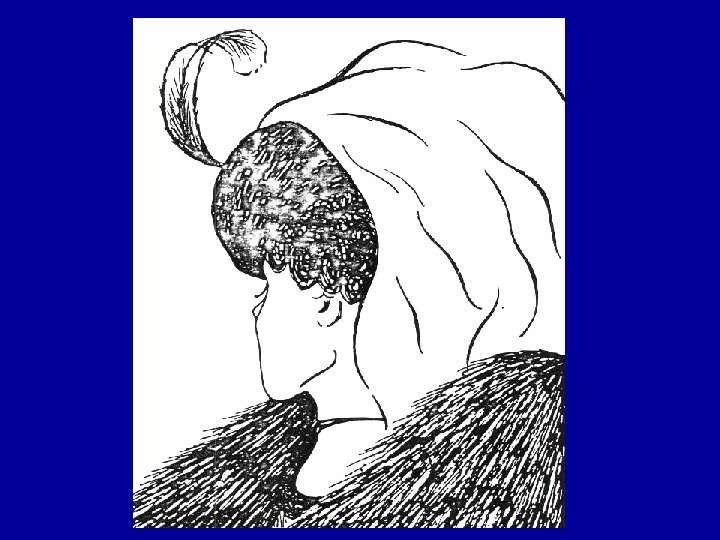
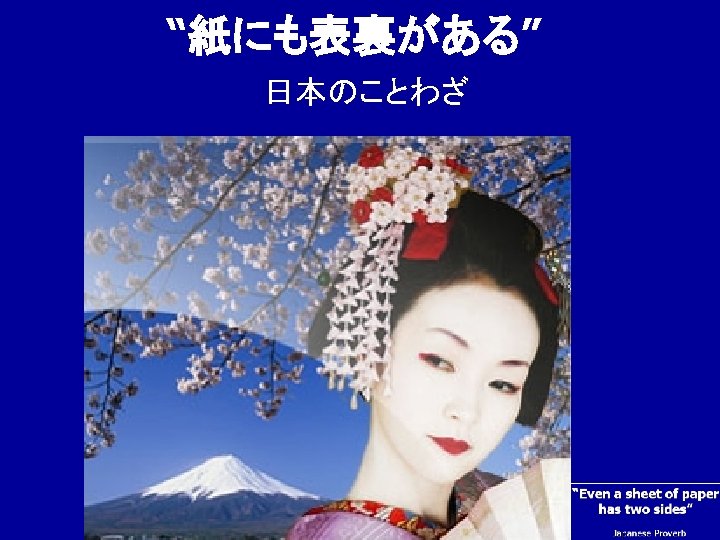
“紙にも表裏がある” 日本のことわざ
物は言いよう "Mono ha ii you" "Smooth words make smooth ways" Japanese Proverb

展望 見方
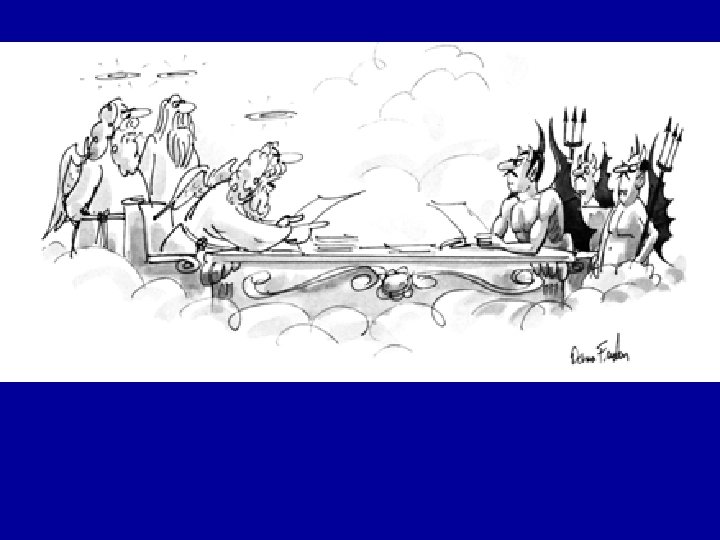
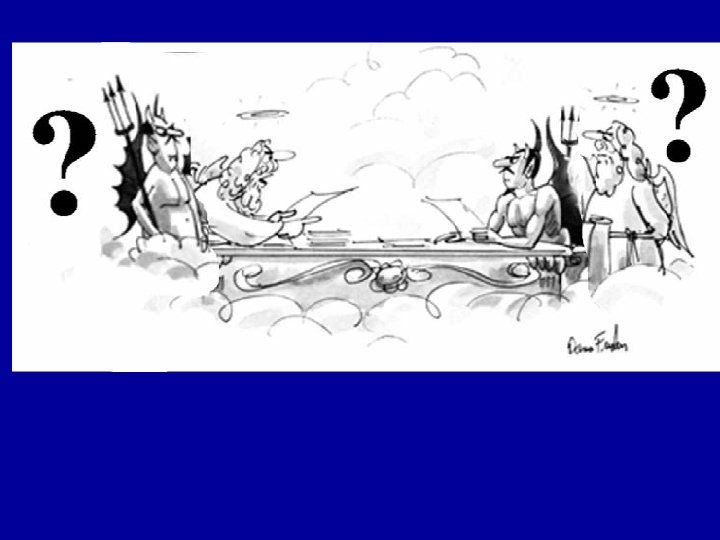
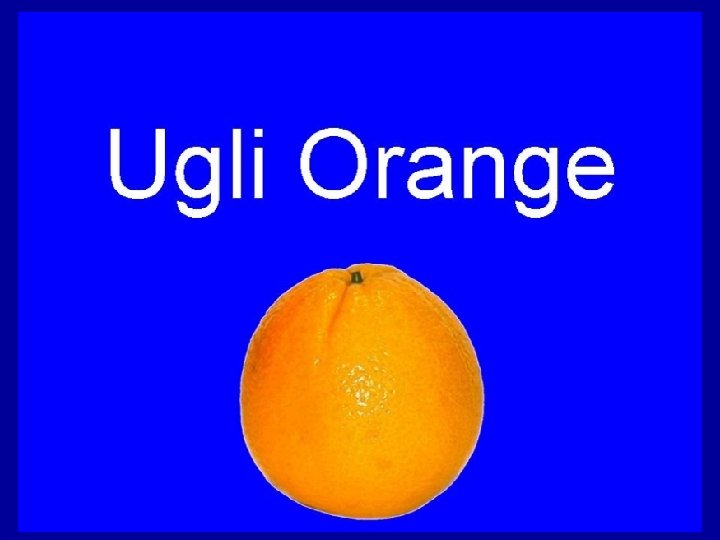
誰が パワーを持って いるか?
情報が パワーである
ネゴシエーションのスキルを上 達させる一番簡単な方法は A__ M___ Q____!

Ask More Questions
沈黙は金、雄弁は銀 Chin moku ha kin, Yuuben ha gin Speech is silver, silence is golden - not in negotiations
雄弁は銀なり。質問は金なり Speech is silver, Question is golden
パイを広げる
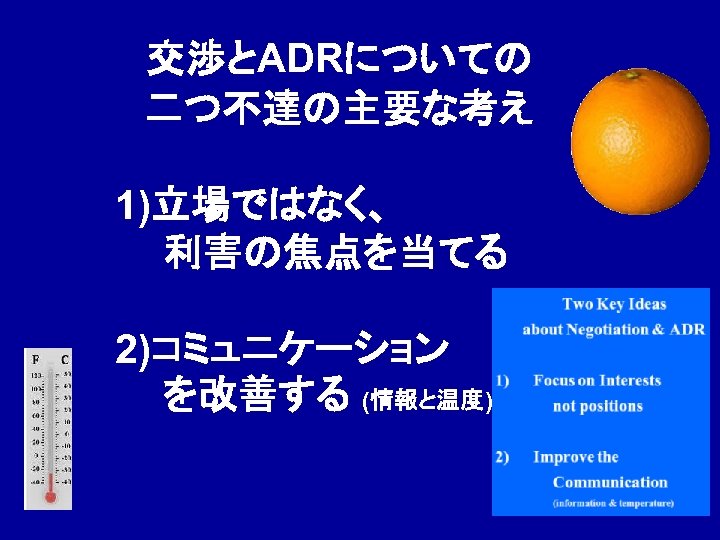
交渉とADRについての 二つ不達の主要な考え 1)立場ではなく、 利害の焦点を当てる 2)コミュニケーション を改善する (情報と温度)
ポジション 何? 提案した 解決策
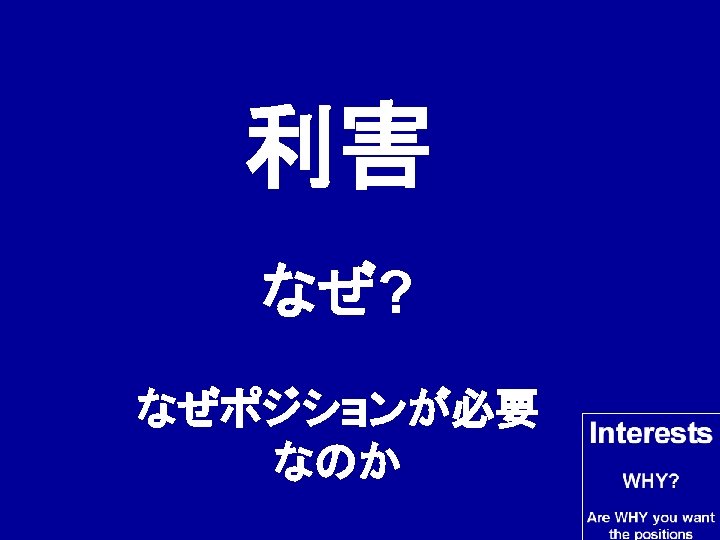
利害 なぜ? なぜポジションが必要 なのか
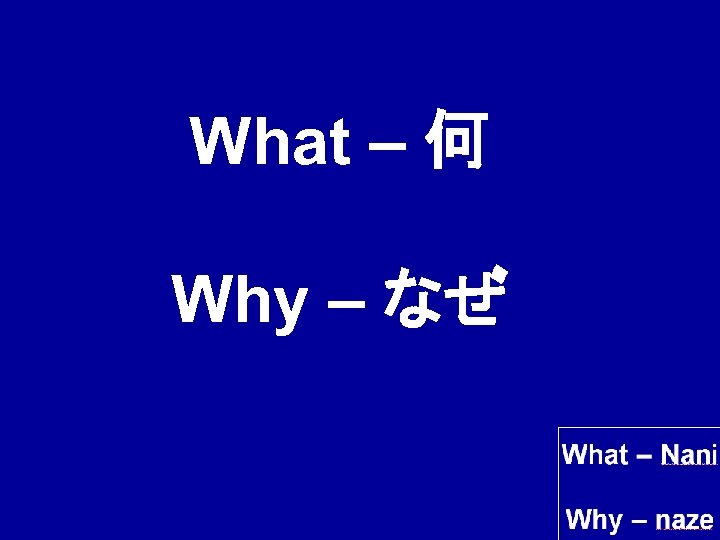
What – 何 Why – なぜ
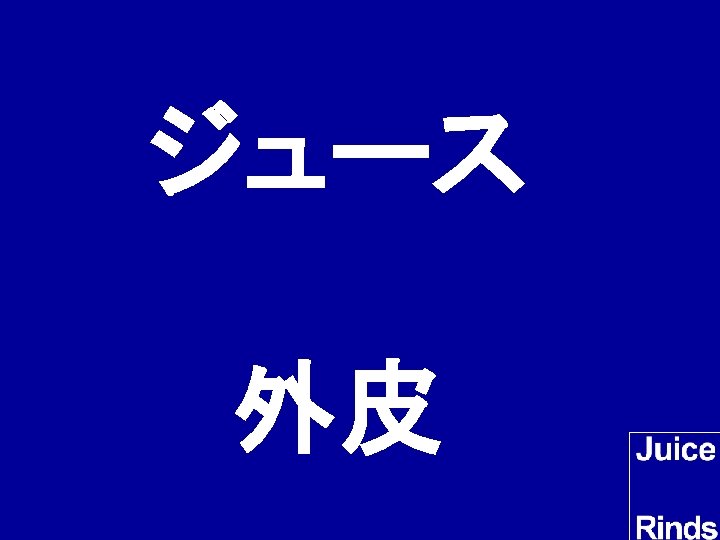
ジュース 外皮
Tatemae Honne
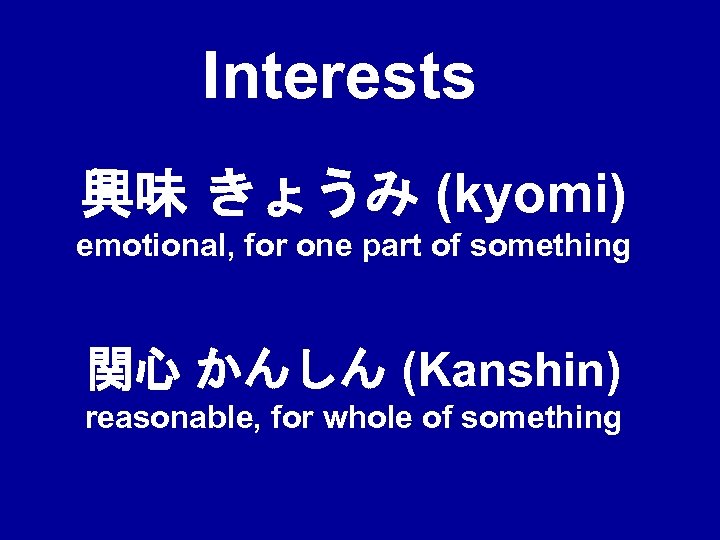
Interests 興味 きょうみ (kyomi) emotional, for one part of something 関心 かんしん (Kanshin) reasonable, for whole of something
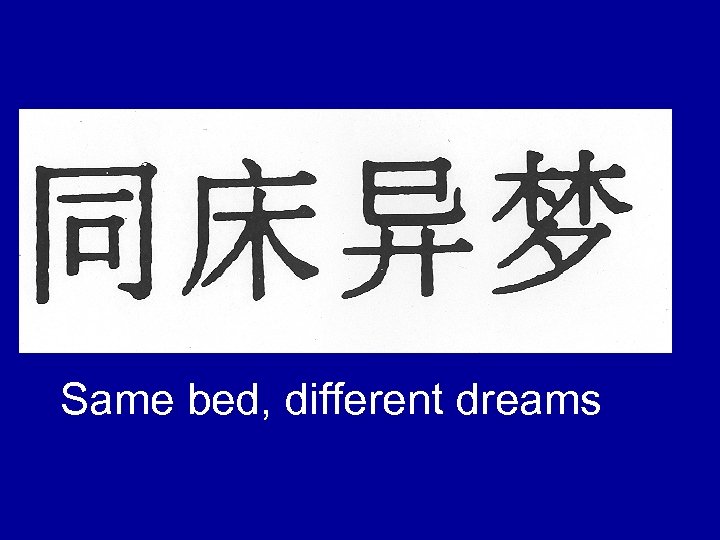
Same bed, different dreams
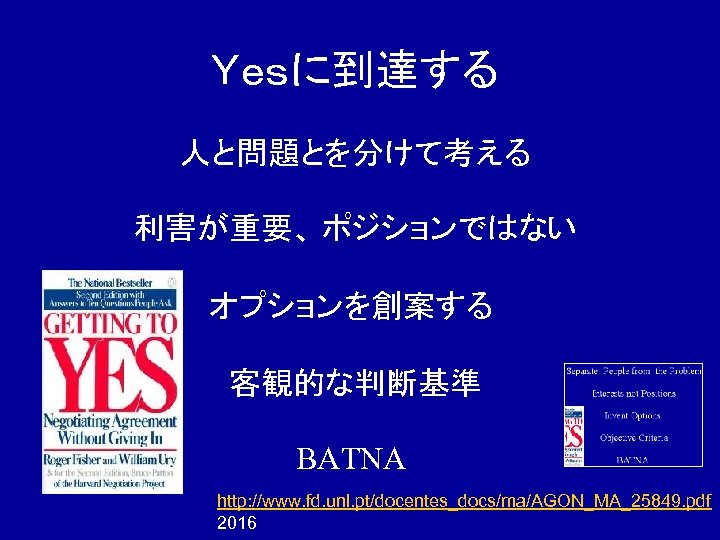
Yesに到達する 人と問題とを分けて考える 利害が重要、 ポジションではない オプションを創案する 客観的な判断基準 BATNA http: //www. fd. unl. pt/docentes_docs/ma/AGON_MA_25849. pdf 2016
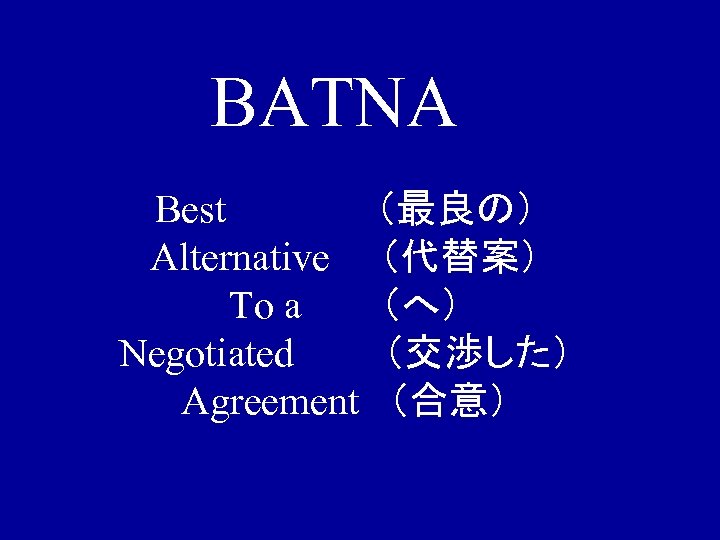
BATNA Best Alternative To a Negotiated Agreement (最良の) (代替案) (へ) (交渉した) (合意)
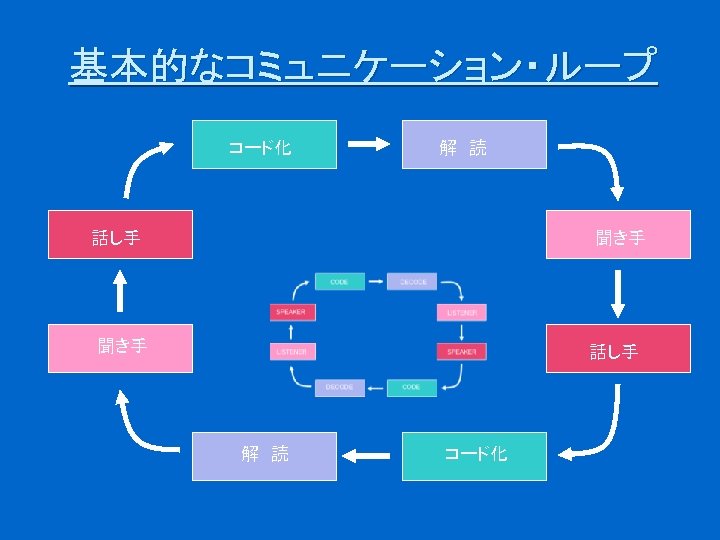
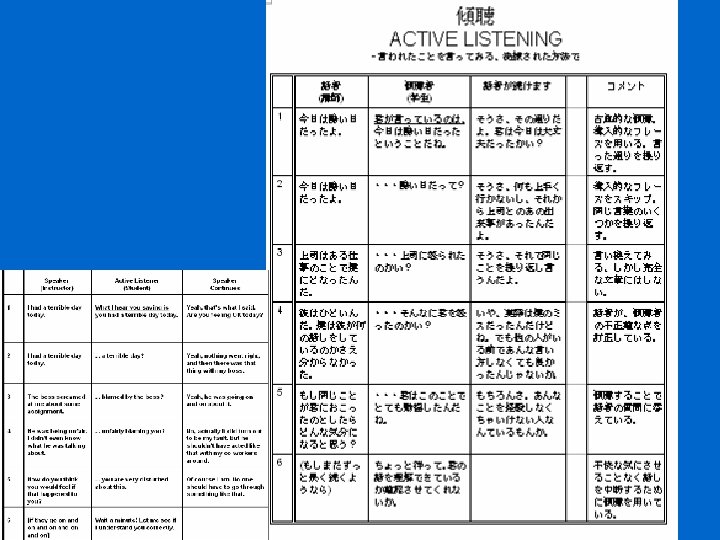
基本的なコミュニケーション・ループ コード化 解 読 話し手 聞き手 話し手 解 読 コード化
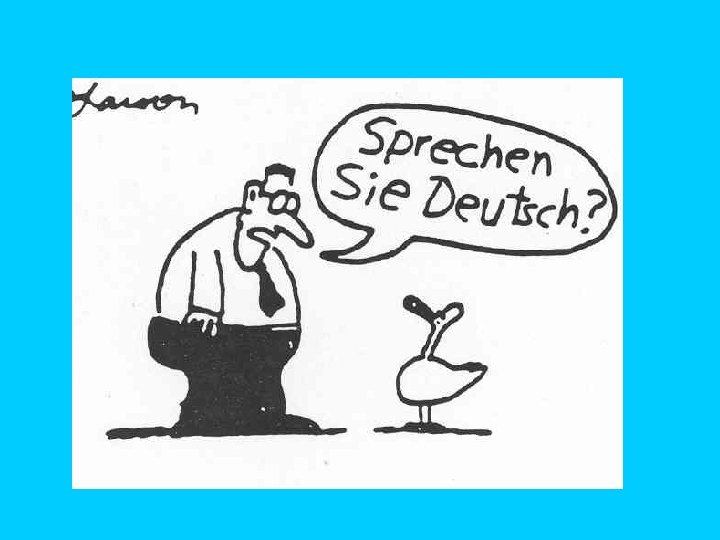
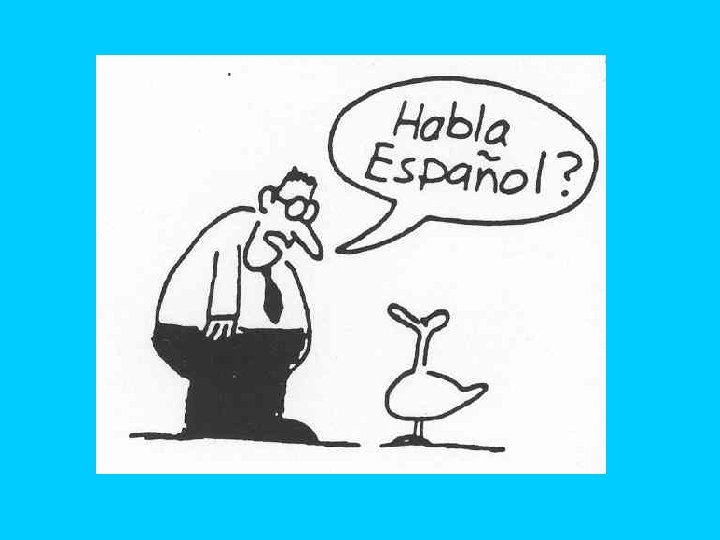
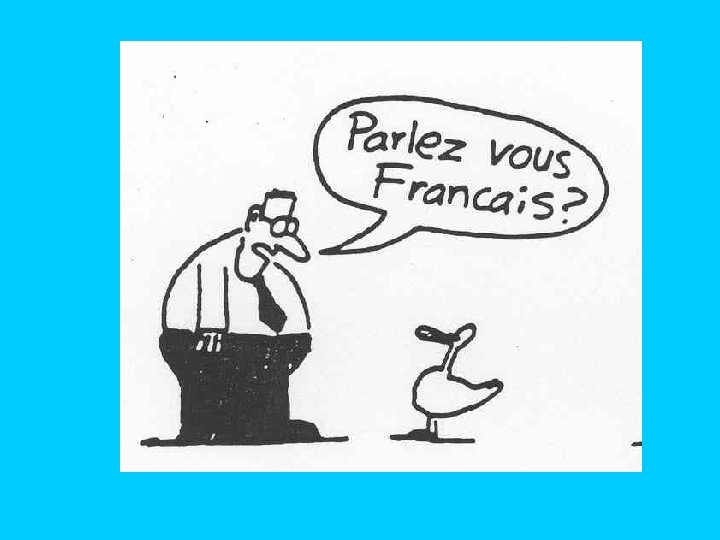
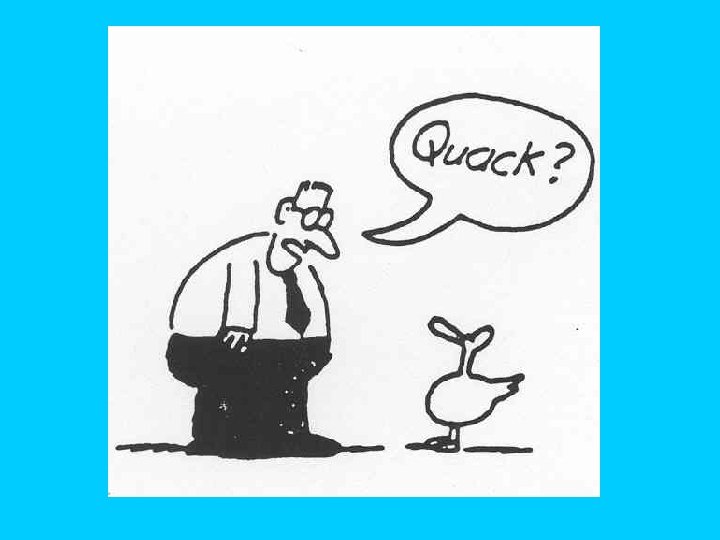
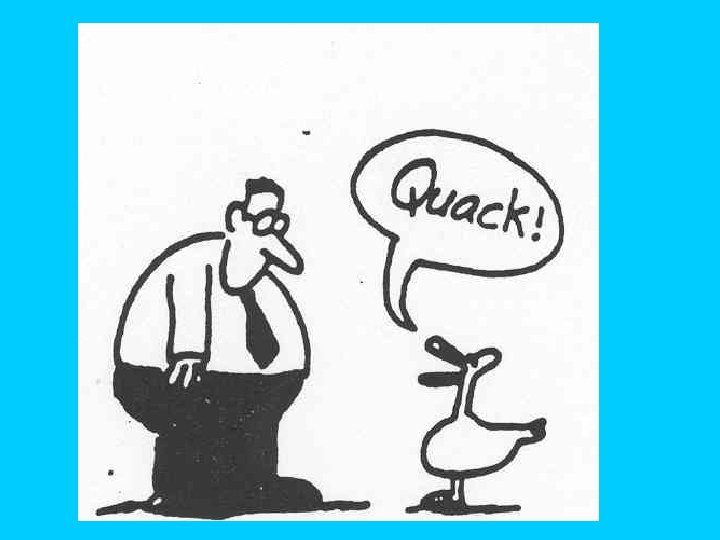
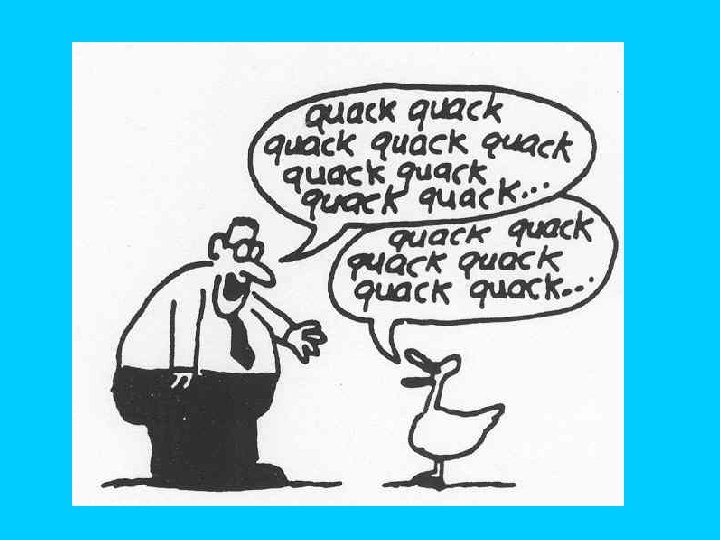
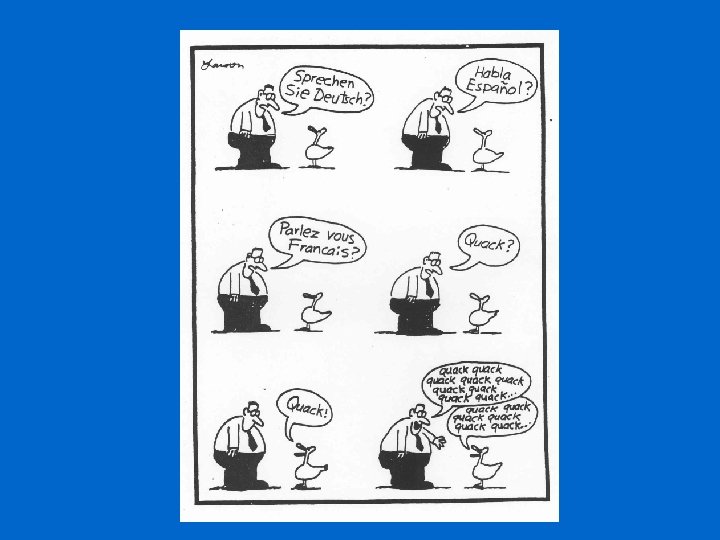
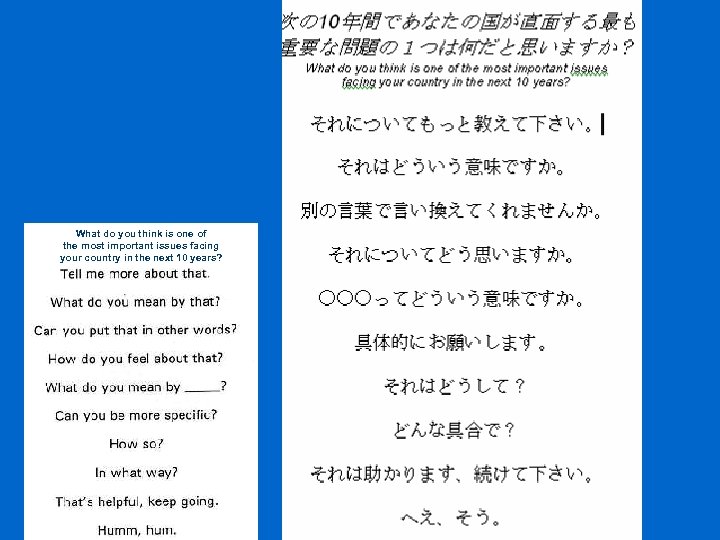
What do you think is one of the most important issues facing your country in the next 10 years?
The Communication Samurai

利害が ネゴシエーションを もたらす 氷山の理論
Smart Bargaining: Doing Business with the Japanese Graham & Sano Japan External Trade Organization's (JETRO)
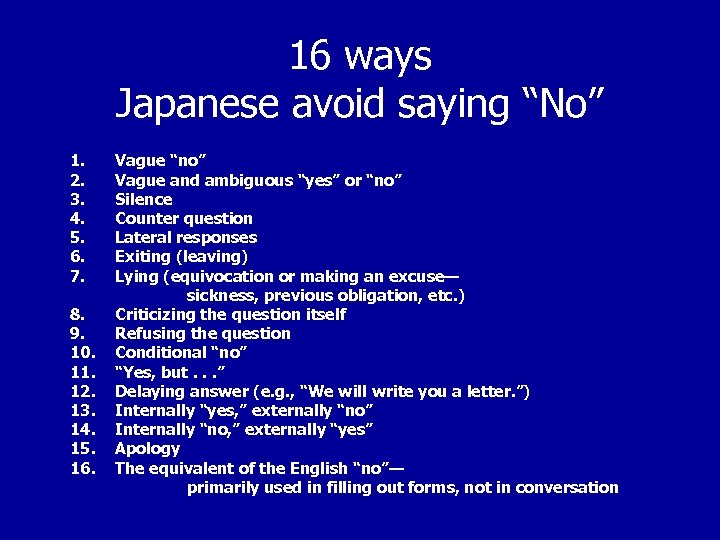
16 ways Japanese avoid saying “No” 1. 2. 3. 4. 5. 6. 7. 8. 9. 10. 11. 12. 13. 14. 15. 16. Vague “no” Vague and ambiguous “yes” or “no” Silence Counter question Lateral responses Exiting (leaving) Lying (equivocation or making an excuse— sickness, previous obligation, etc. ) Criticizing the question itself Refusing the question Conditional “no” “Yes, but. . . ” Delaying answer (e. g. , “We will write you a letter. ”) Internally “yes, ” externally “no” Internally “no, ” externally “yes” Apology The equivalent of the English “no”— primarily used in filling out forms, not in conversation
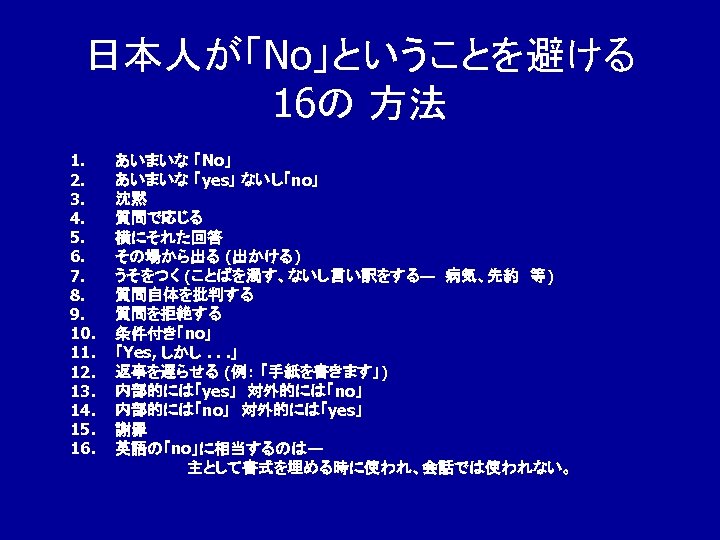
日本人が「No」ということを避ける 16の 方法 1. 2. 3. 4. 5. 6. 7. 8. 9. 10. 11. 12. 13. 14. 15. 16. あいまいな 「No」 あいまいな 「yes」 ないし「no」 沈黙 質問で応じる 横にそれた回答 その場から出る (出かける) うそをつく (ことばを濁す、ないし言い訳をする— 病気、先約 等) 質問自体を批判する 質問を拒絶する 条件付き「no」 「Yes, しかし. . . 」 返事を遅らせる (例: 「手紙を書きます」) 内部的には「yes」 対外的には「no」 内部的には「no」 対外的には「yes」 謝罪 英語の「no」に相当するのは— 主として書式を埋める時に使われ、会話では使われない。
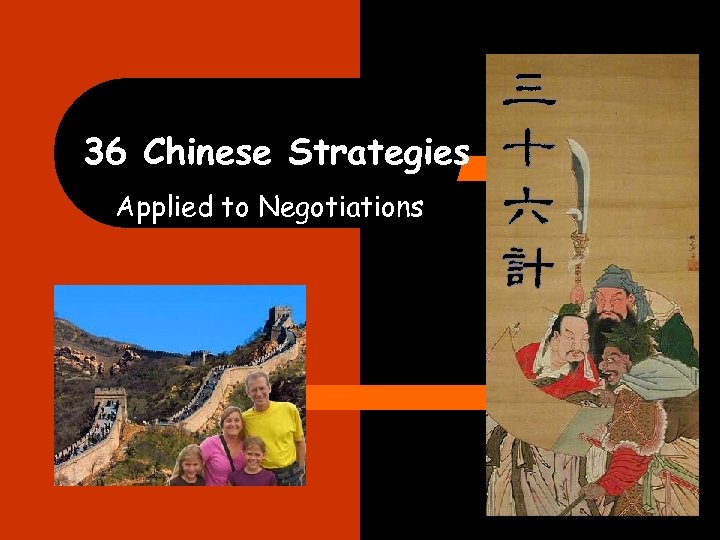
36 Chinese Strategies Applied to Negotiations
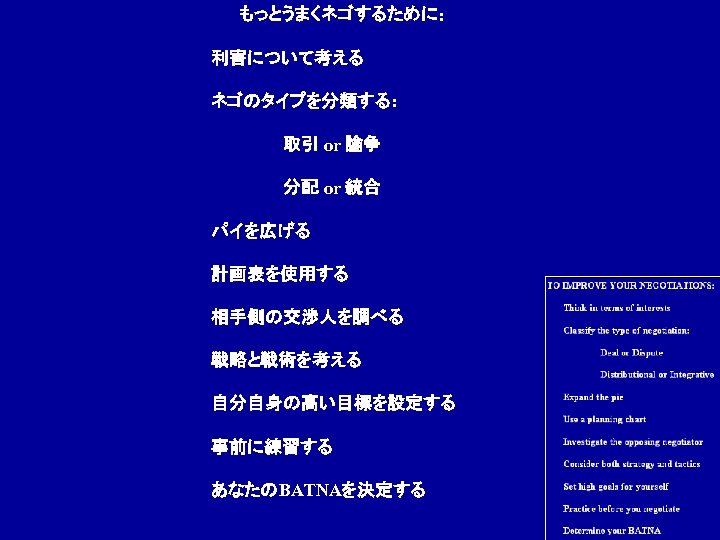
もっとうまくネゴするために: 利害について考える ネゴのタイプを分類する: 取引 or 論争 分配 or 統合 パイを広げる 計画表を使用する 相手側の交渉人を調べる 戦略と戦術を考える 自分自身の高い目標を設定する 事前に練習する あなたのBATNAを決定する
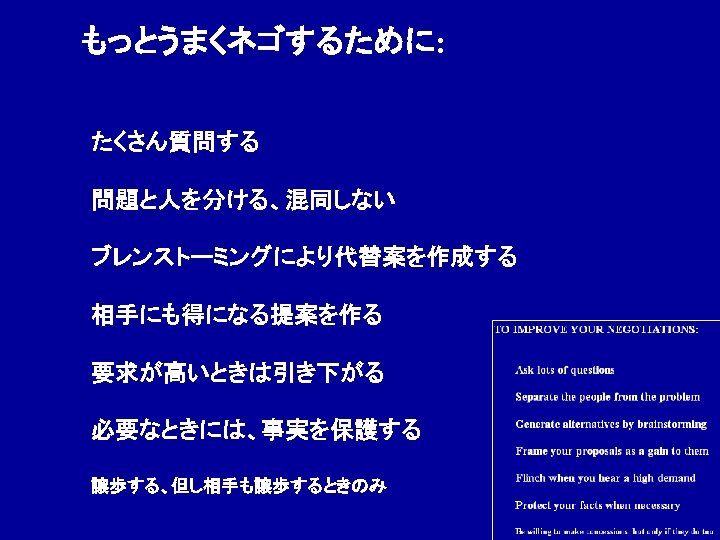
もっとうまくネゴするために: たくさん質問する 問題と人を分ける、混同しない ブレンストーミングにより代替案を作成する 相手にも得になる提案を作る 要求が高いときは引き下がる 必要なときには、事実を保護する 譲歩する、但し相手も譲歩するときのみ
 Скачать презентацию Negotiations Law Study Tour Hawai i Professor John Barkai
4afbd4beb156c6b0fa73848589046f86.ppt