 Скачать презентацию Needs Assessment for Communities Affected by Colonization Barrier
2c74424bcfaa2616891013adcecf4297.ppt
- Количество слайдов: 48



Needs Assessment for Communities Affected by Colonization Barrier Prepared by PARC 7/15/2003
Source of Facts, Maps and Numbers n n n Local Communities is Wall Locations, Field Visits July 2001 – April 2003. PARC – Needs Assessment Study, Feb 2003. Arij – The Wall Report, March 2003 B’Tsalem – Behind The Barrier, April 2003 Negotiations Support Unit – NSU, Fact Sheets and Maps – April 2003
Background n n On 14 of April 2001, the government of Israel decided to erect a separation Barrier near the Green Line. The government decided that the barrier will be built around the entire West Bank; however, The government has directed the construction of only 190 km. 145 km (Stage I) are to be operational by July 2003. The Actual construction began on 23 June 2002 near the village of Salem.
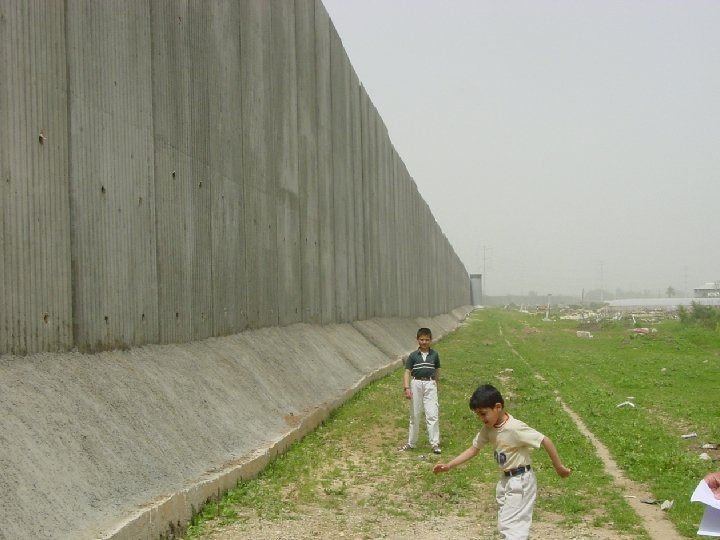
Purpose of the Barrier n n n Control of the wealthiest agricultural land to increase the area available for the development and growth of settlements. Develop eastern settlements into safe suburbs for Israeli cities Control of Water resources in the eastern and western slops of the West Bank Provide a linkage between the green line and the Jordan valley Guarantee full control over eastern and western security zones
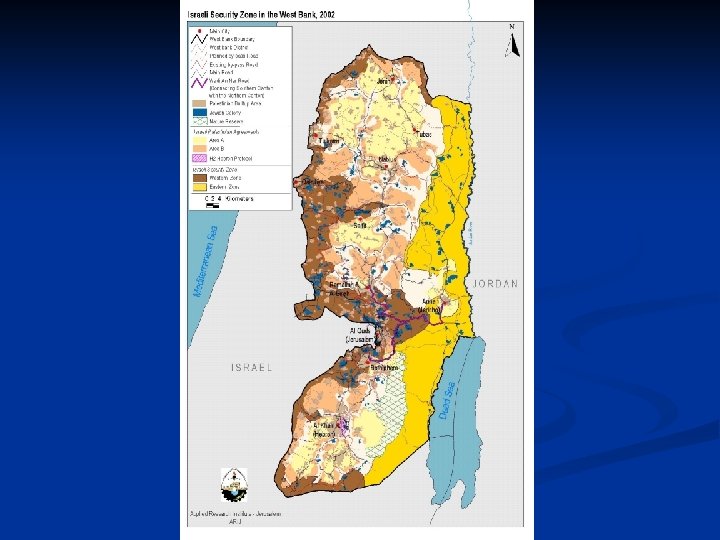
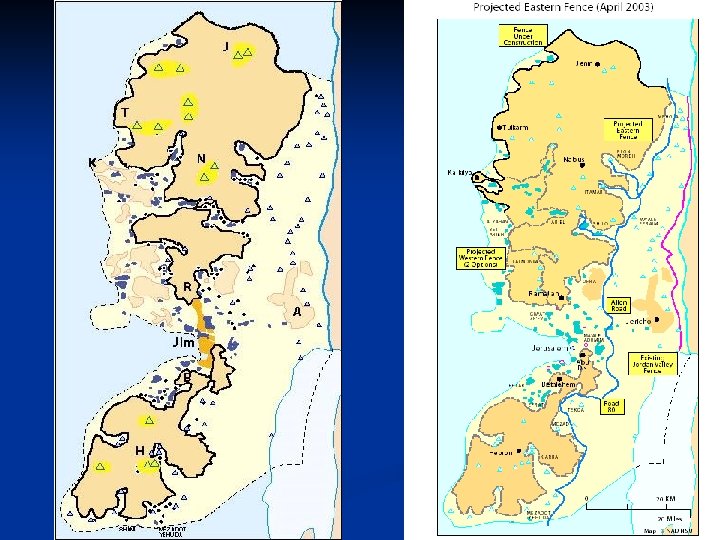
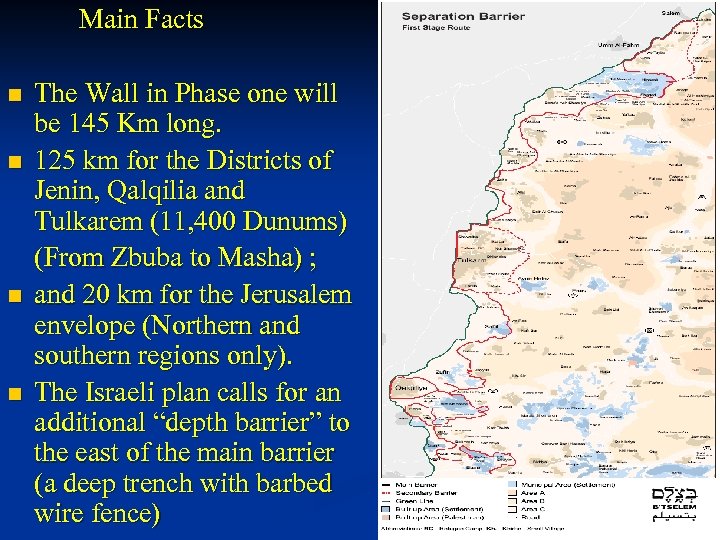
Main Facts n n The Wall in Phase one will be 145 Km long. 125 km for the Districts of Jenin, Qalqilia and Tulkarem (11, 400 Dunums) (From Zbuba to Masha) ; and 20 km for the Jerusalem envelope (Northern and southern regions only). The Israeli plan calls for an additional “depth barrier” to the east of the main barrier (a deep trench with barbed wire fence)
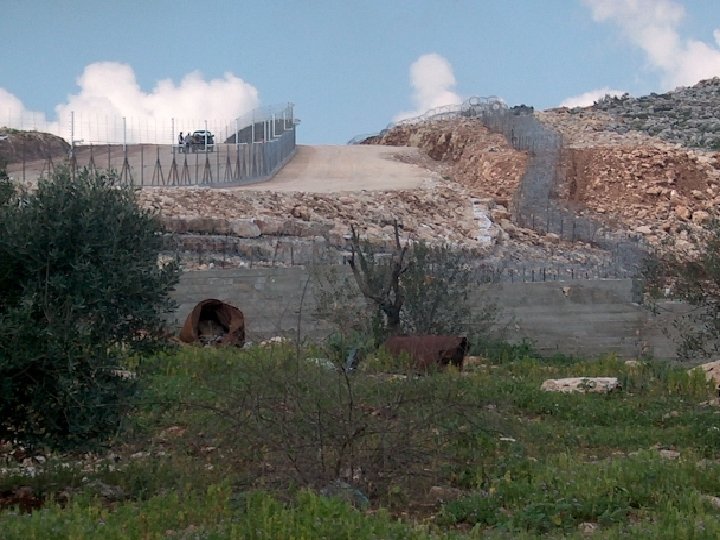
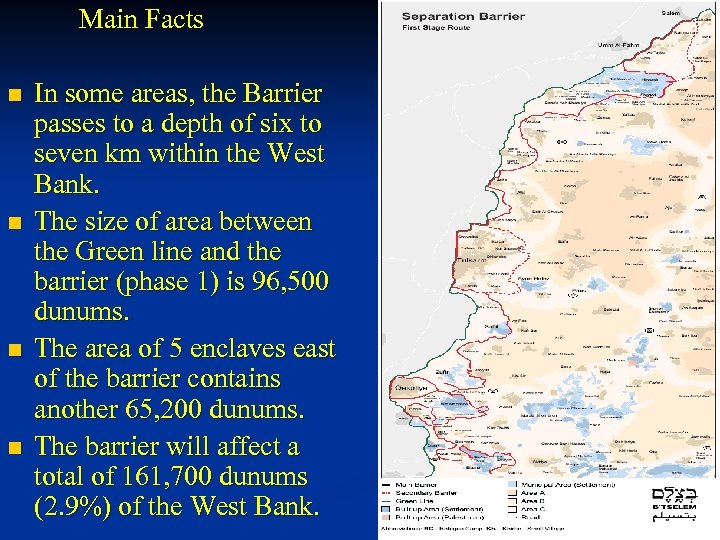
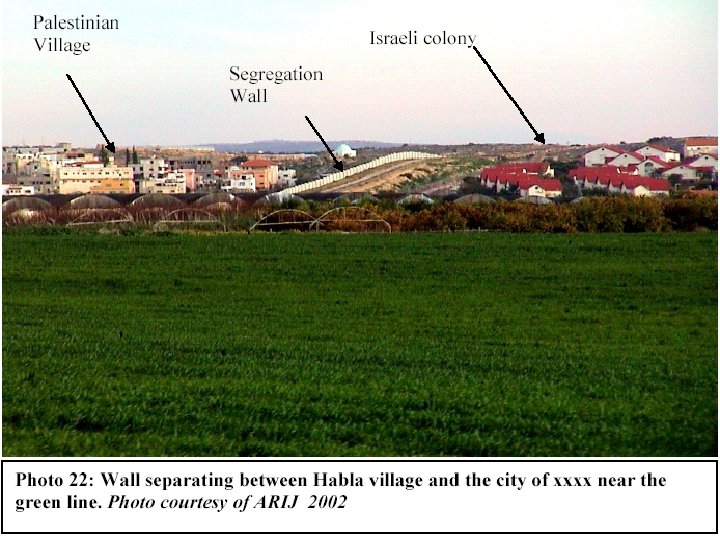
Main Facts n n In some areas, the Barrier passes to a depth of six to seven km within the West Bank. The size of area between the Green line and the barrier (phase 1) is 96, 500 dunums. The area of 5 enclaves east of the barrier contains another 65, 200 dunums. The barrier will affect a total of 161, 700 dunums (2. 9%) of the West Bank.
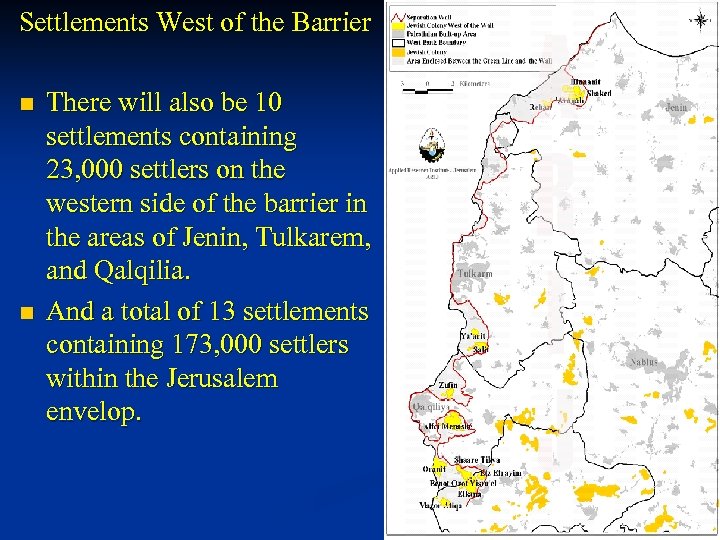
Settlements West of the Barrier n n There will also be 10 settlements containing 23, 000 settlers on the western side of the barrier in the areas of Jenin, Tulkarem, and Qalqilia. And a total of 13 settlements containing 173, 000 settlers within the Jerusalem envelop.
The Main Problem: Economic and social crisis already exists prior to the construction of The Wall n n n High Unemployment rates of 80% in locations near the Green Line. 30% higher than the other areas of the West Bank. 35, 000 people living in 29 villages suffer from electricity problems. Only 5 locations out of the 52 target locations (104, 000 people) are connected the Israeli National Water Network. Cost of water exceeds $2 per Cubic meter of water Crowded Class rooms Lack of appropriate health services
Main Facts n n The first phase of the Barrier will violate the rights of 210, 000 Palestinian; Who live in 65 villages and 2 main cities. 18 communities, home of 11, 700 people, will be completely isolated by the barrier west of the barrier. 19 communities, home of 128, 500 people, will be trapped by the depth barrier and the enclaves resulting from the winding route of the barrier
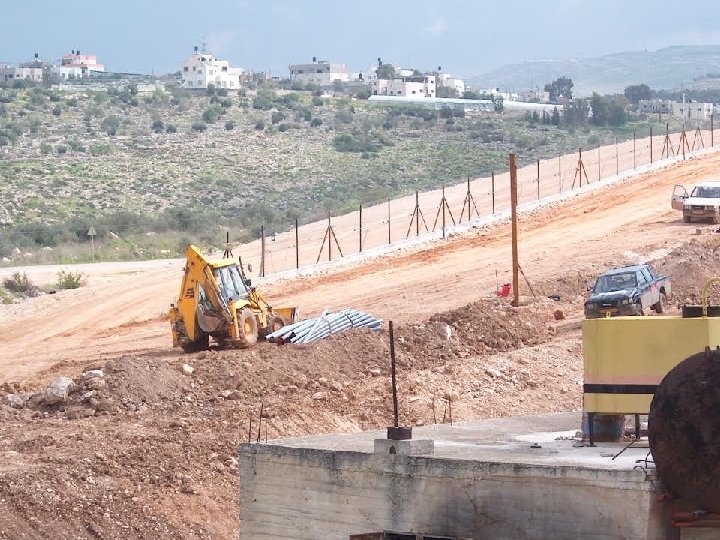
The Construction of the Barrier is a direct Violation to Palestinian Rights n The Barrier will violate the following basic human rights: n n n The right to freedom of movement The right to work and to an adequate standard of living The right to property The right to enjoy the highest attainable standard of mental and physical health. The right to education Some communities will be forced to relocate to other regions of the WB due to economic, social, and political hardships.
The Affects of the Barrier on Water Resources
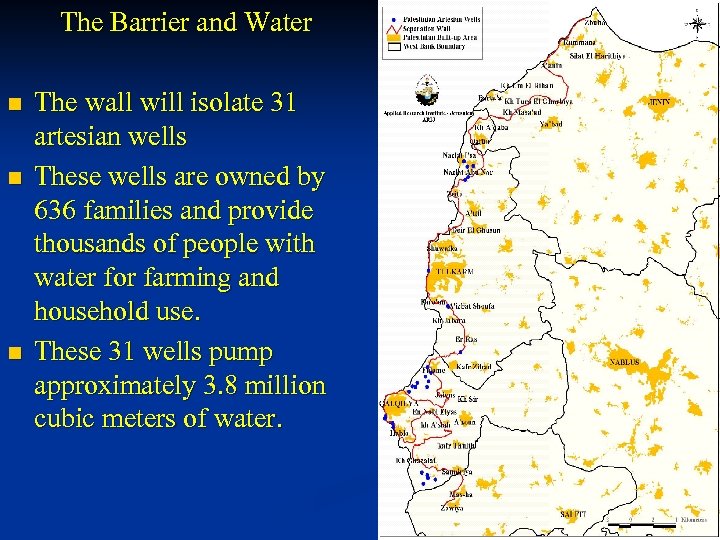
The Barrier and Water n n n The wall will isolate 31 artesian wells These wells are owned by 636 families and provide thousands of people with water for farming and household use. These 31 wells pump approximately 3. 8 million cubic meters of water.
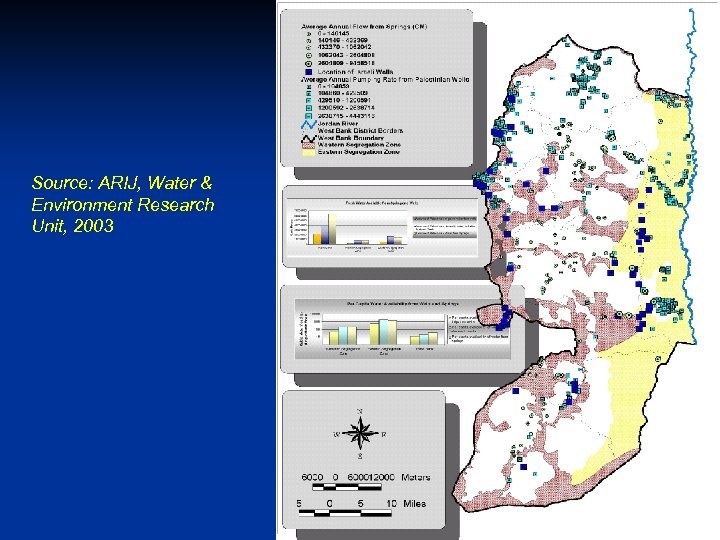
Source: ARIJ, Water & Environment Research Unit, 2003
Affects on Agriculture
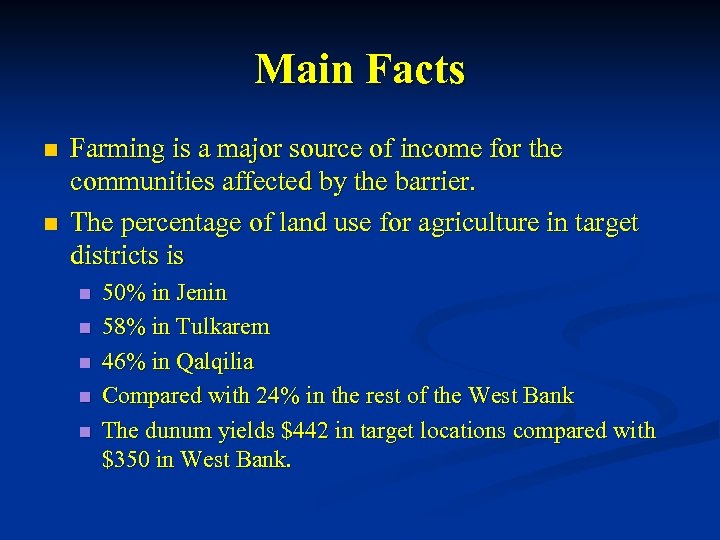
Main Facts n n Farming is a major source of income for the communities affected by the barrier. The percentage of land use for agriculture in target districts is n n n 50% in Jenin 58% in Tulkarem 46% in Qalqilia Compared with 24% in the rest of the West Bank The dunum yields $442 in target locations compared with $350 in West Bank.
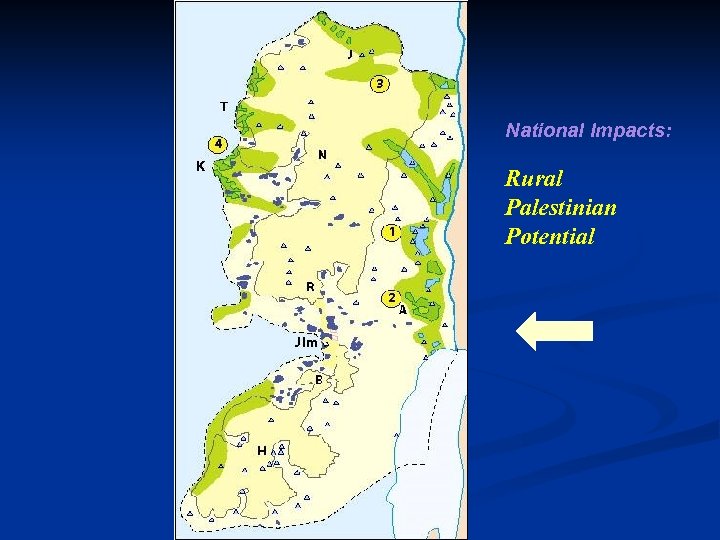
National Impacts: Rural Palestinian Potential
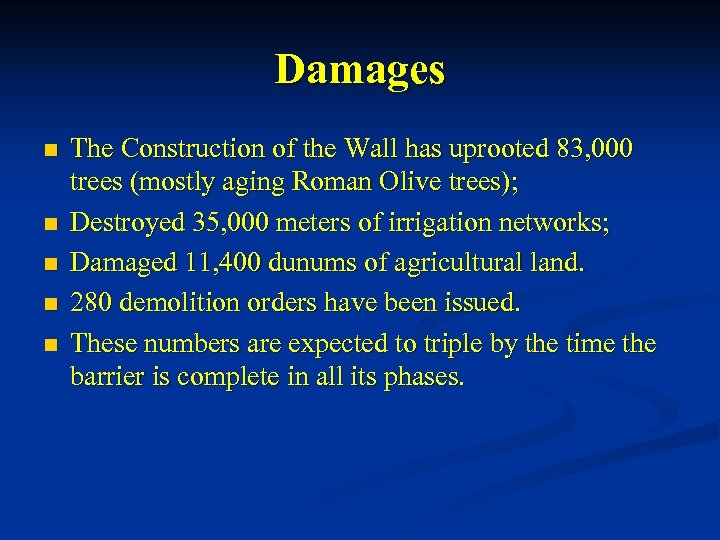
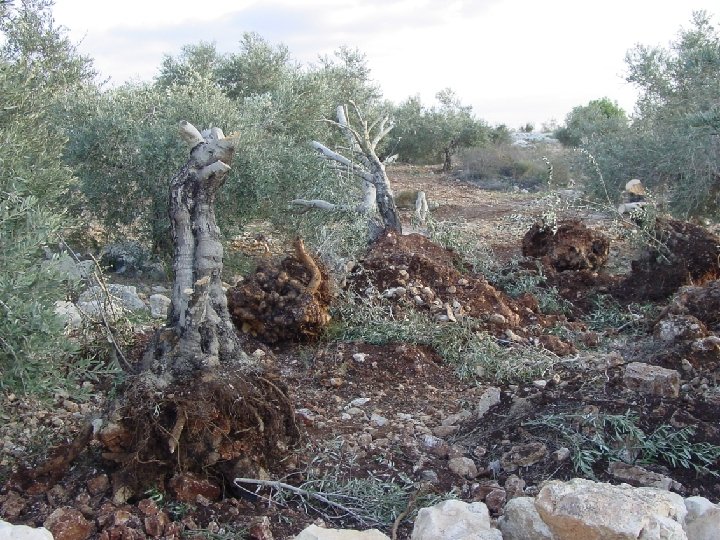
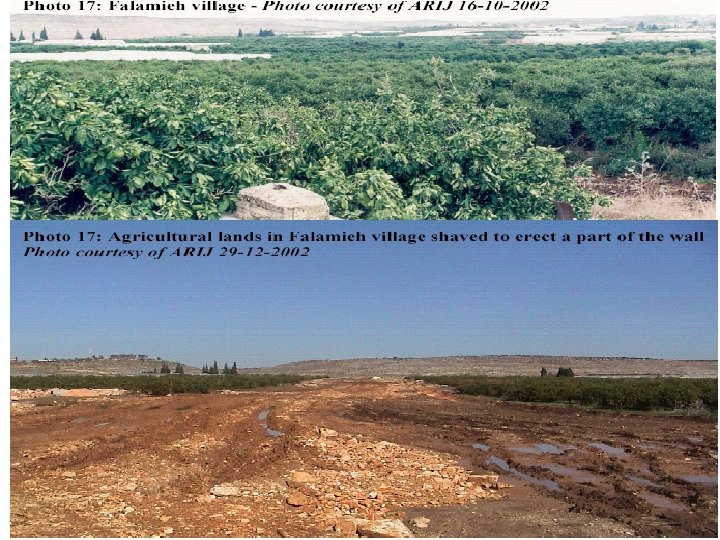
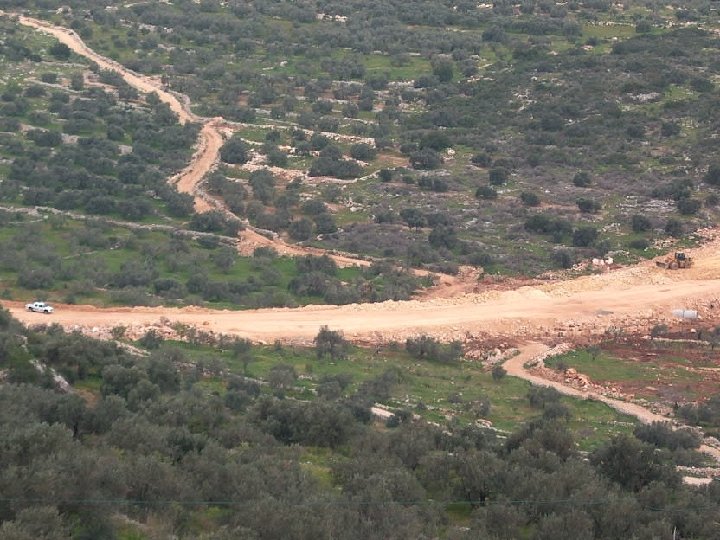
Damages n n n The Construction of the Wall has uprooted 83, 000 trees (mostly aging Roman Olive trees); Destroyed 35, 000 meters of irrigation networks; Damaged 11, 400 dunums of agricultural land. 280 demolition orders have been issued. These numbers are expected to triple by the time the barrier is complete in all its phases.
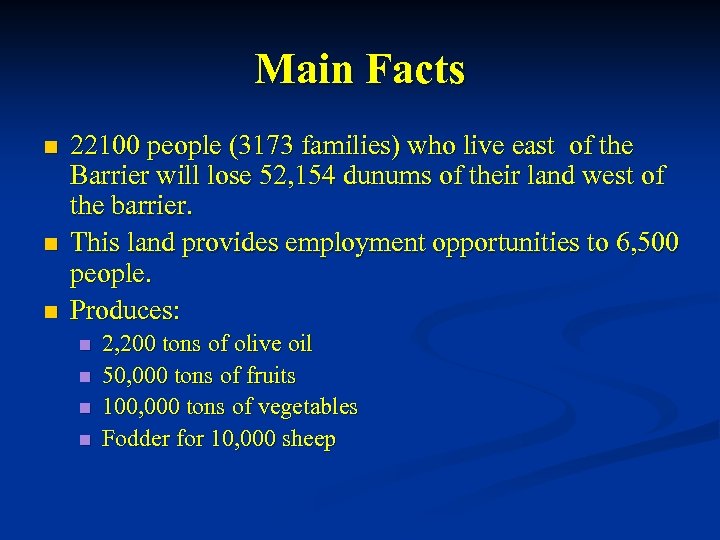
Main Facts n n n 22100 people (3173 families) who live east of the Barrier will lose 52, 154 dunums of their land west of the barrier. This land provides employment opportunities to 6, 500 people. Produces: n n 2, 200 tons of olive oil 50, 000 tons of fruits 100, 000 tons of vegetables Fodder for 10, 000 sheep
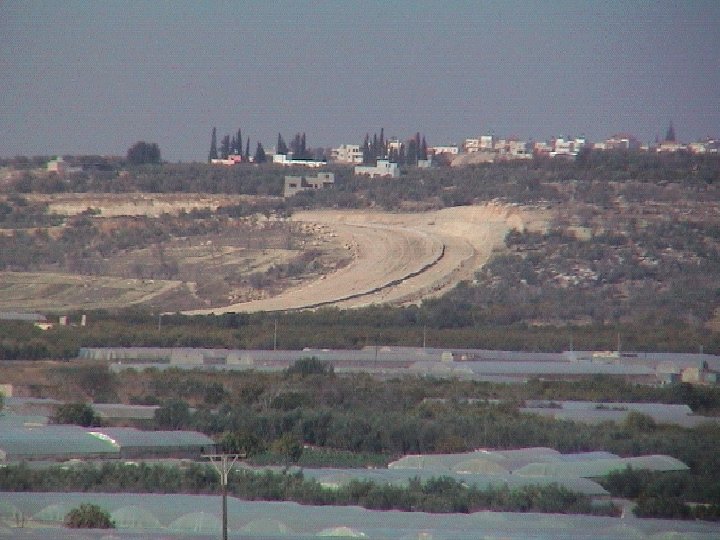
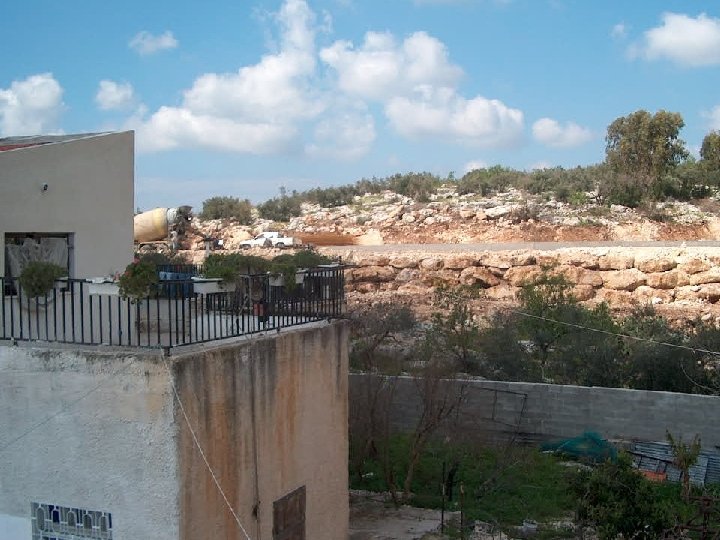
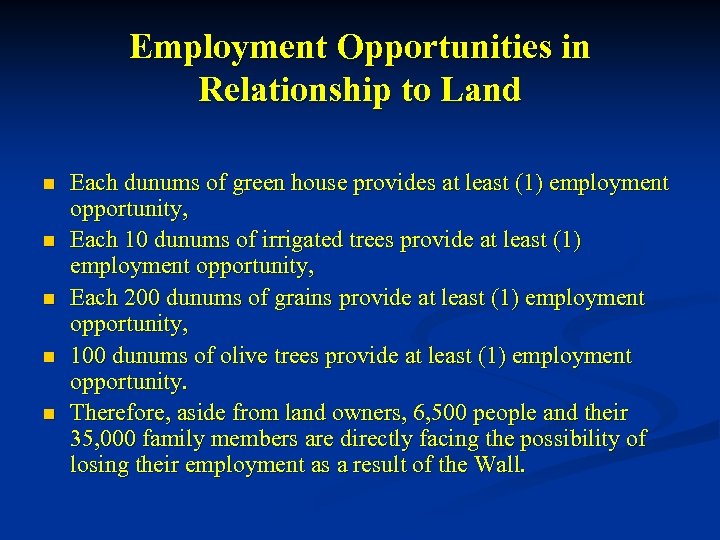
Employment Opportunities in Relationship to Land n n n Each dunums of green house provides at least (1) employment opportunity, Each 10 dunums of irrigated trees provide at least (1) employment opportunity, Each 200 dunums of grains provide at least (1) employment opportunity, 100 dunums of olive trees provide at least (1) employment opportunity. Therefore, aside from land owners, 6, 500 people and their 35, 000 family members are directly facing the possibility of losing their employment as a result of the Wall.
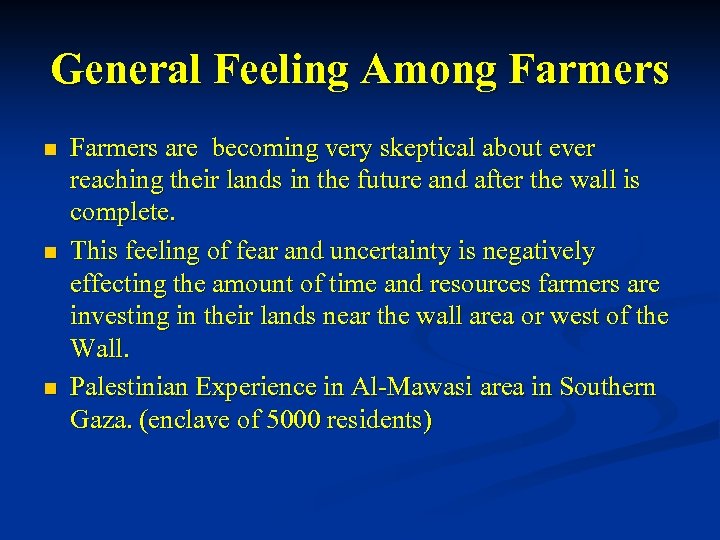
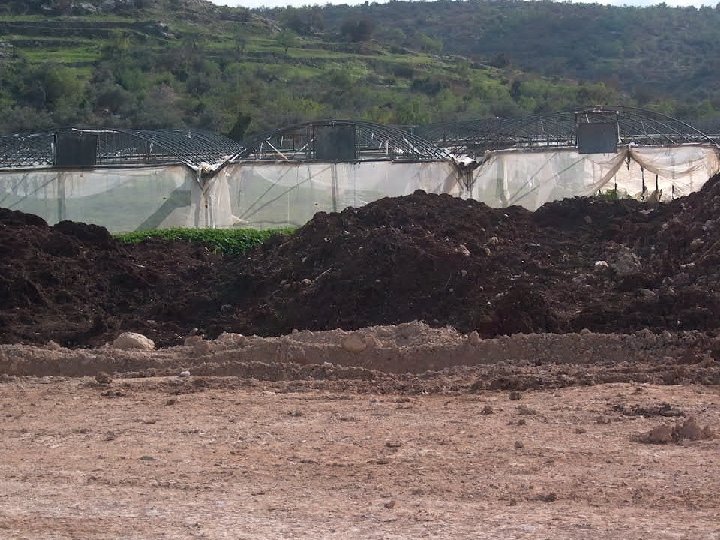
General Feeling Among Farmers n n n Farmers are becoming very skeptical about ever reaching their lands in the future and after the wall is complete. This feeling of fear and uncertainty is negatively effecting the amount of time and resources farmers are investing in their lands near the wall area or west of the Wall. Palestinian Experience in Al-Mawasi area in Southern Gaza. (enclave of 5000 residents)
Gates in the Barrier n There will be a total of 31 Gates in the Wall area n n n 5 main gates 26 Agricultural gates Farmers will be required to obtain special permits to pass through gates. The State promised that laborers and suitable equipment will be allowed to pass through the gates. The head of the Seam area administration declared that the 2003 budget doesn’t allocate sufficient funds to erect the 5 main gates. (Ha’aretz 31 Oct 2002)
Danger Facing Agricultural Land West of the Wall According to Israeli laws: Land not reached and not developed by Palestinian can be legally confiscated by Israeli government. Land surrounding the barrier will face this fate if not reached or developed by farmers
PARC’s Activities in locations affected by Barrier
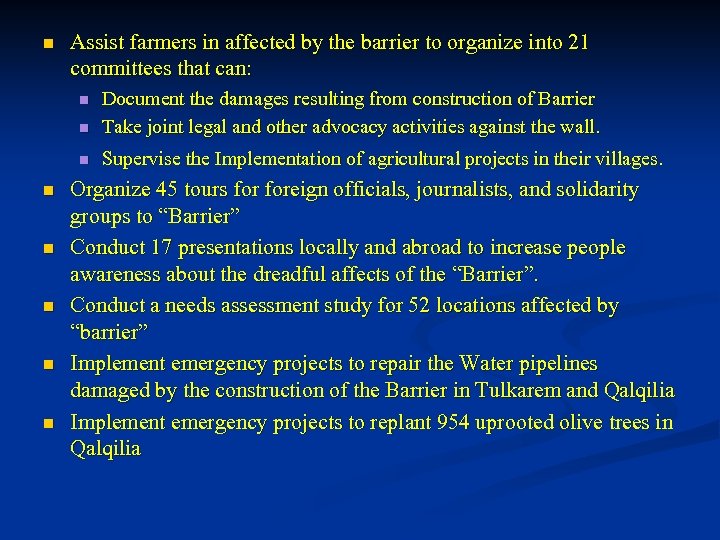
n Assist farmers in affected by the barrier to organize into 21 committees that can: n Document the damages resulting from construction of Barrier Take joint legal and other advocacy activities against the wall. n Supervise the Implementation of agricultural projects in their villages. n n n Organize 45 tours foreign officials, journalists, and solidarity groups to “Barrier” Conduct 17 presentations locally and abroad to increase people awareness about the dreadful affects of the “Barrier”. Conduct a needs assessment study for 52 locations affected by “barrier” Implement emergency projects to repair the Water pipelines damaged by the construction of the Barrier in Tulkarem and Qalqilia Implement emergency projects to replant 954 uprooted olive trees in Qalqilia
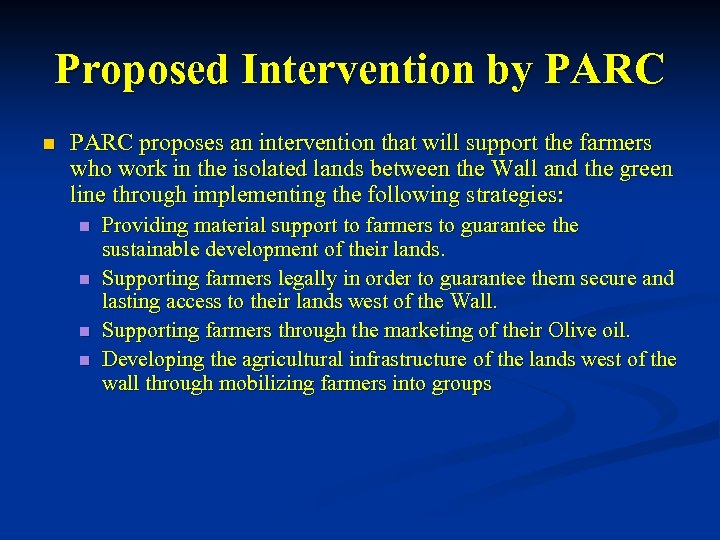
Proposed Intervention by PARC n PARC proposes an intervention that will support the farmers who work in the isolated lands between the Wall and the green line through implementing the following strategies: n n Providing material support to farmers to guarantee the sustainable development of their lands. Supporting farmers legally in order to guarantee them secure and lasting access to their lands west of the Wall. Supporting farmers through the marketing of their Olive oil. Developing the agricultural infrastructure of the lands west of the wall through mobilizing farmers into groups
Proposed Activities Supporting farmers with the cost of production inputs
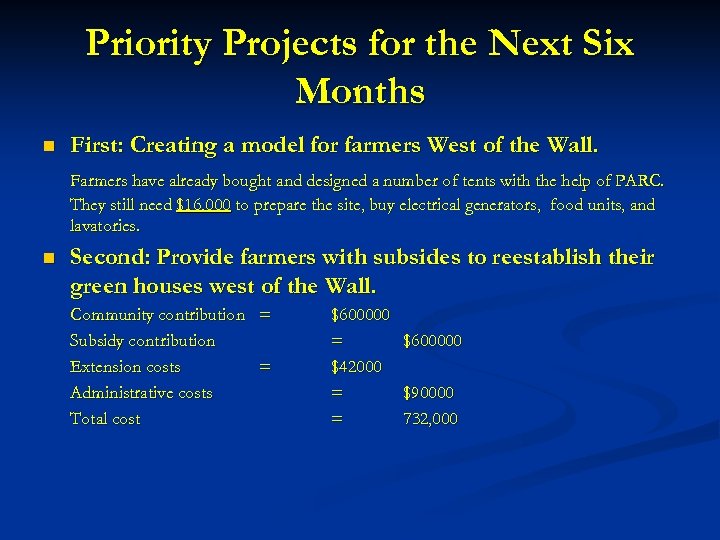
Priority Projects for the Next Six Months n First: Creating a model for farmers West of the Wall. Farmers have already bought and designed a number of tents with the help of PARC. They still need $16, 000 to prepare the site, buy electrical generators, food units, and lavatories. n Second: Provide farmers with subsides to reestablish their green houses west of the Wall. Community contribution = Subsidy contribution Extension costs = Administrative costs Total cost $600000 = $600000 $42000 = $90000 = 732, 000
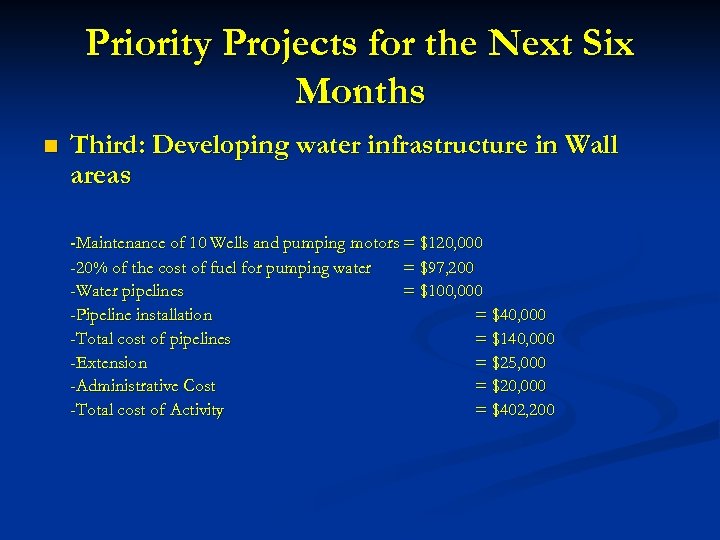
Priority Projects for the Next Six Months n Third: Developing water infrastructure in Wall areas -Maintenance of 10 Wells and pumping motors = $120, 000 -20% of the cost of fuel for pumping water = $97, 200 -Water pipelines = $100, 000 -Pipeline installation = $40, 000 -Total cost of pipelines = $140, 000 -Extension = $25, 000 -Administrative Cost = $20, 000 -Total cost of Activity = $402, 200
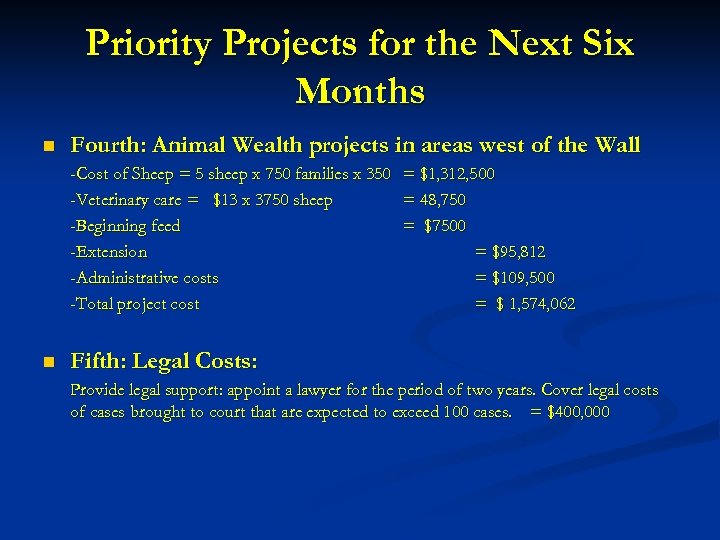
Priority Projects for the Next Six Months n Fourth: Animal Wealth projects in areas west of the Wall -Cost of Sheep = 5 sheep x 750 families x 350 = $1, 312, 500 -Veterinary care = $13 x 3750 sheep = 48, 750 -Beginning feed = $7500 -Extension = $95, 812 -Administrative costs = $109, 500 -Total project cost = $ 1, 574, 062 n Fifth: Legal Costs: Provide legal support: appoint a lawyer for the period of two years. Cover legal costs of cases brought to court that are expected to exceed 100 cases. = $400, 000
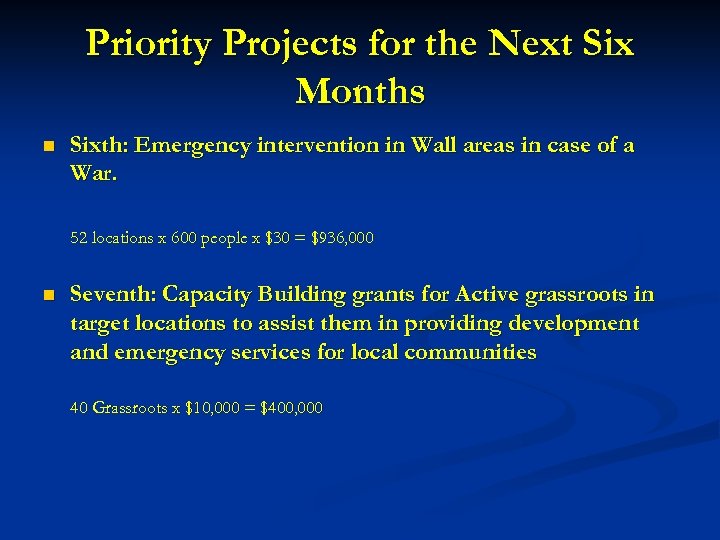
Priority Projects for the Next Six Months n Sixth: Emergency intervention in Wall areas in case of a War. 52 locations x 600 people x $30 = $936, 000 n Seventh: Capacity Building grants for Active grassroots in target locations to assist them in providing development and emergency services for local communities 40 Grassroots x $10, 000 = $400, 000
Implementation Methodology n The project will be implemented directly by local committees, and farmers groups in the targeted locations and through coordination with PARC, and other international and local organizations.
Project Implementation n The project will be implemented directly by local committees, and farmers groups in the targeted locations and through coordination with PARC, and other international and local organizations.
Other Long-term Projects To be implemented after the success of the above projects and the development of the local grassroots
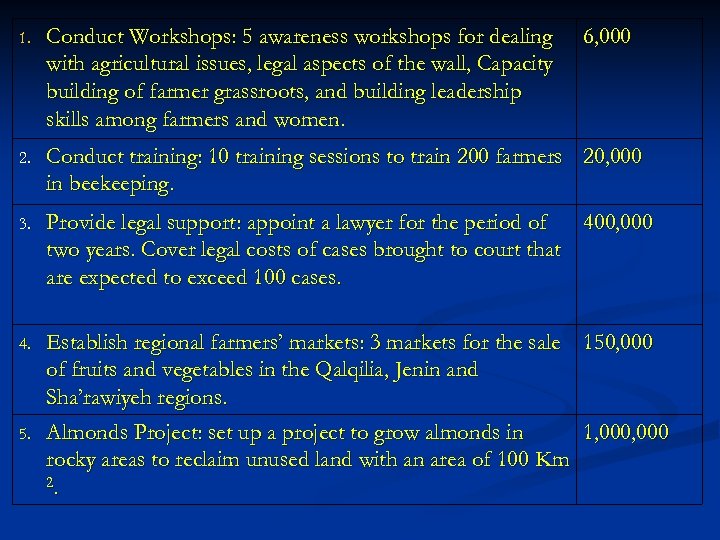
1. Conduct Workshops: 5 awareness workshops for dealing with agricultural issues, legal aspects of the wall, Capacity building of farmer grassroots, and building leadership skills among farmers and women. 2. Conduct training: 10 training sessions to train 200 farmers 20, 000 in beekeeping. 3. Provide legal support: appoint a lawyer for the period of 400, 000 two years. Cover legal costs of cases brought to court that are expected to exceed 100 cases. 4. Establish regional farmers’ markets: 3 markets for the sale 150, 000 of fruits and vegetables in the Qalqilia, Jenin and Sha’rawiyeh regions. Almonds Project: set up a project to grow almonds in 1, 000 rocky areas to reclaim unused land with an area of 100 Km 2. 5. 6, 000
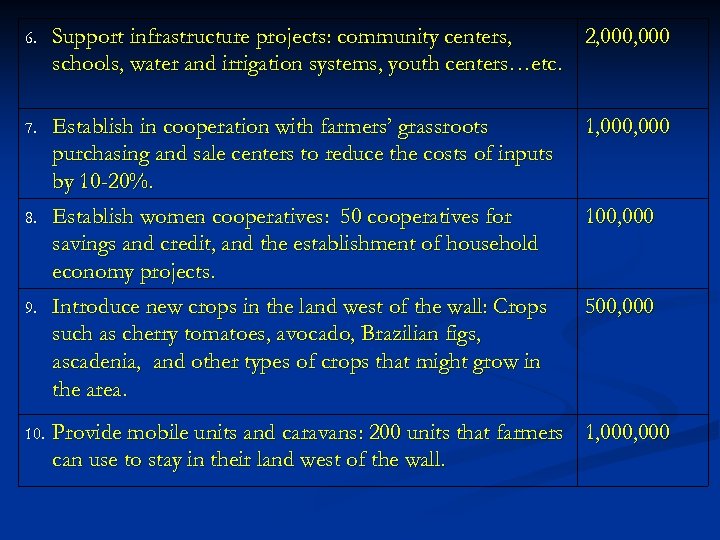
6. Support infrastructure projects: community centers, 2, 000 schools, water and irrigation systems, youth centers…etc. 7. Establish in cooperation with farmers’ grassroots purchasing and sale centers to reduce the costs of inputs by 10 -20%. Establish women cooperatives: 50 cooperatives for savings and credit, and the establishment of household economy projects. Introduce new crops in the land west of the wall: Crops such as cherry tomatoes, avocado, Brazilian figs, ascadenia, and other types of crops that might grow in the area. 8. 9. 10. 1, 000 100, 000 500, 000 Provide mobile units and caravans: 200 units that farmers 1, 000 can use to stay in their land west of the wall.
Скачать презентацию Needs Assessment for Communities Affected by Colonization Barrier
2c74424bcfaa2616891013adcecf4297.ppt