


 Скачать презентацию NCR Water Security Monitoring Network In the NCR
74ae855929b0b9027ccf45bca27b99b4.ppt
- Количество слайдов: 33
 NCR Water Security Monitoring Network In the NCR Presented by Jim Shell Principal Water Resources Planner Metropolitan Washington Council of Governments Department of Environmental Programs Presented to Regional Monitoring Committee October 17, 2006 1
 2
2
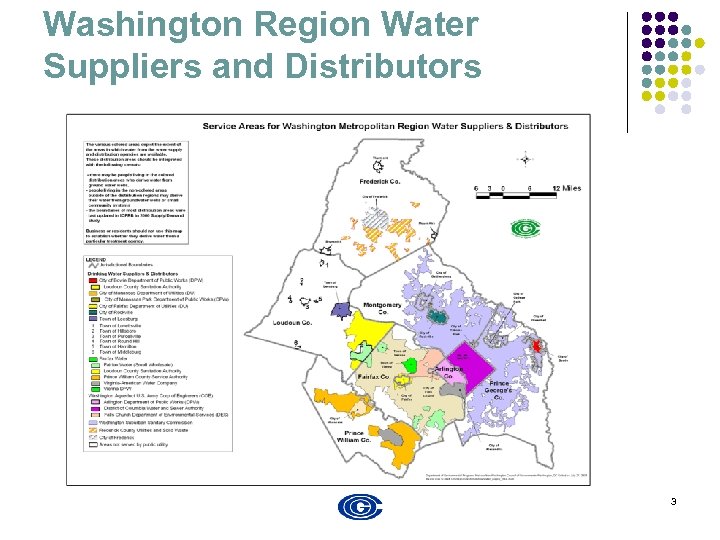 Washington Region Water Suppliers and Distributors 3
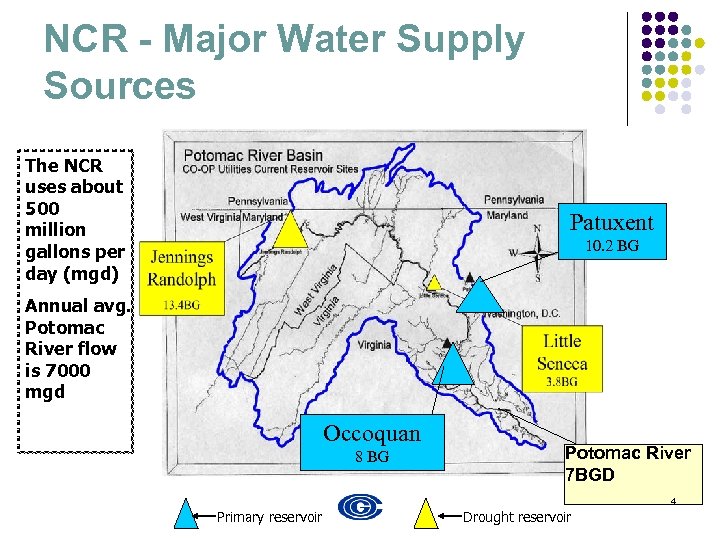 NCR - Major Water Supply Sources The NCR uses about 500 million gallons per day (mgd) Patuxent 10. 2 BG Annual avg. Potomac River flow is 7000 mgd Occoquan 8 BG Potomac River Potomac 7 BGD River 4 Primary reservoir Drought reservoir
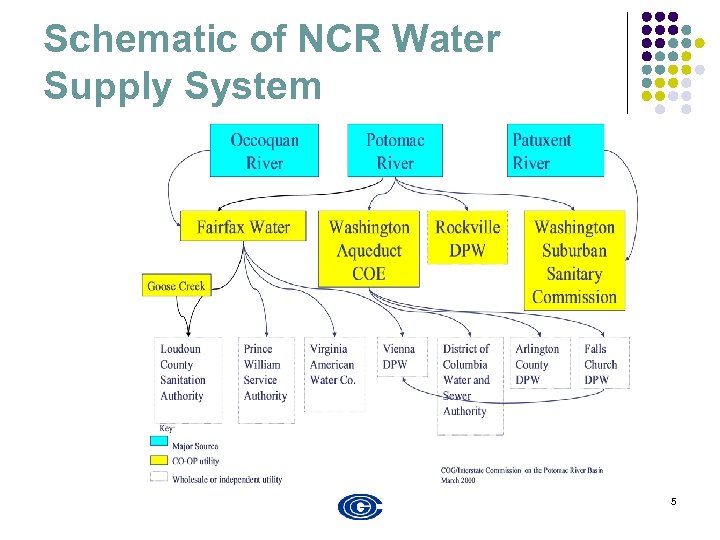 Schematic of NCR Water Supply System 5
 Where does the water go? l Public water systems in the NCR serve about 5 million customers, including: l l approximately 670 government-owned and leased regional buildings; prominent national “icon facilities” such as: l The U. S. Capitol Complex l The White House l The Pentagon l The world-class museums of the Smithsonian Institution l The memorials along Washington’s Mall 6
 Water – Critical Infrastructure l Water is recognized as critical infrastructure in Presidential directives HSPD-7, 9, and 10, in the National Infrastructure Protection Plan, and in the Bioterrorism Act of 2002 7
 A Comprehensive Approach to the National Capital Region’s Water Security l l l Coordinate Water Security Work Group Monitoring (biological/chemical) Modeling (River. Spill/ Pipeline. Net) Redundancy (Interconnections/Power) Operation Plans/BMP’s (Fire, Hospitals, Sanitation, Potable Water) l Training and Exercises 8
 NCR’s Water Security Program - Monitoring l NCR Goal – early warning system for contaminants at all water intakes, all water treatment plant exits, high population areas, critical buildings l l l 17 monitors (biological and chemical) installed or being installed in Potomac (raw water) and in distribution systems (treated water) – operated by water utilities Regional communication network, Regional protocols Major funding through DHS-UASI FY 04 grant Additional funding – l USEPA Region III, STAG l FY 06 UASI grant (Maintenance/Radiation Monitors) 9
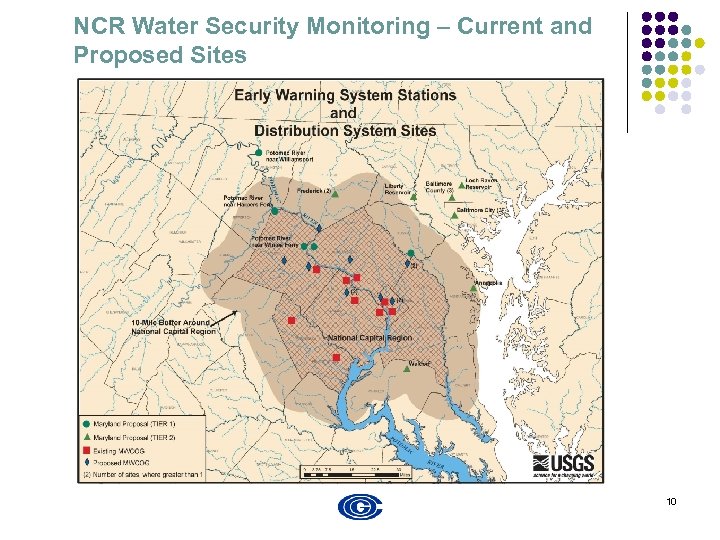 NCR Water Security Monitoring – Current and Proposed Sites 10
 Aquatic Biomonitoring for Rapid, Continuous Toxicity Assessment 11
 Problem Statement l l Chemical monitors alone are not adequate Aquatic biomonitor provide advantages l l Toxic effects monitoring Sensitive to wide spectrum of industrial and agricultural chemicals (metals, pesticides, organic solvents) Continuous (24/7), real-time monitoring Low maintenance costs 12
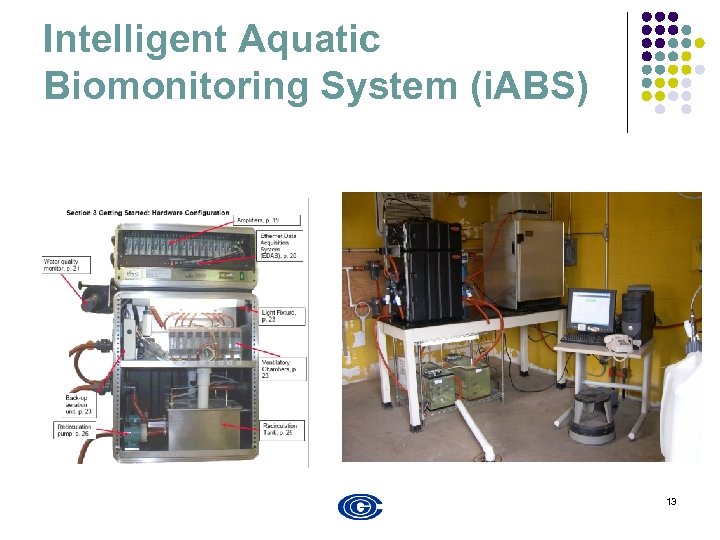 Intelligent Aquatic Biomonitoring System (i. ABS) 13
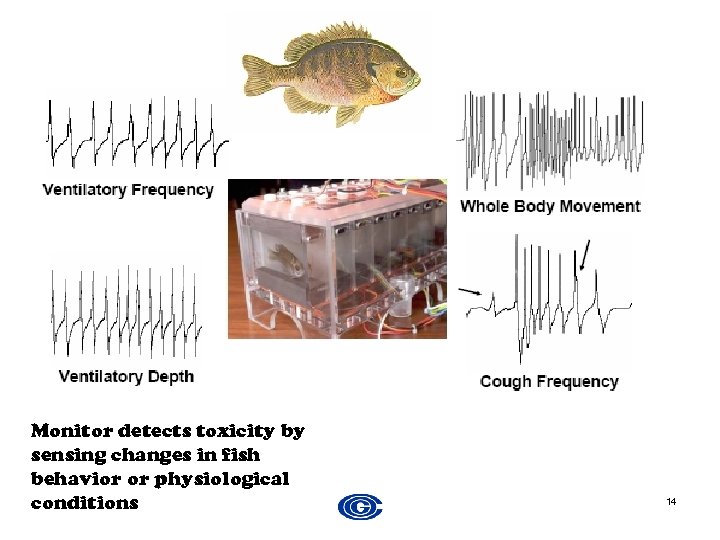 Monitor detects toxicity by sensing changes in fish behavior or physiological conditions 14
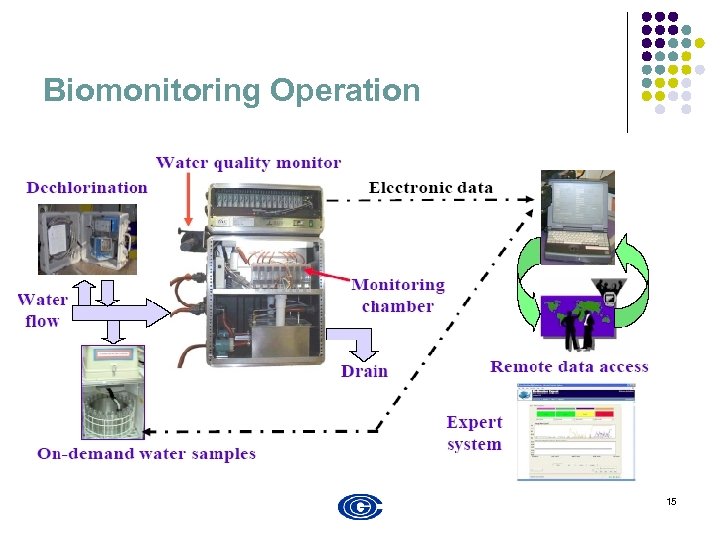 Biomonitoring Operation 15
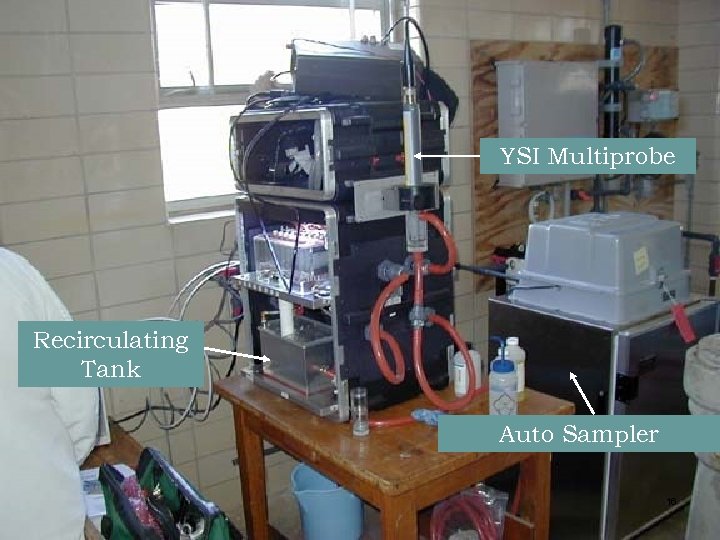 YSI Multiprobe Recirculating Tank Auto Sampler 16
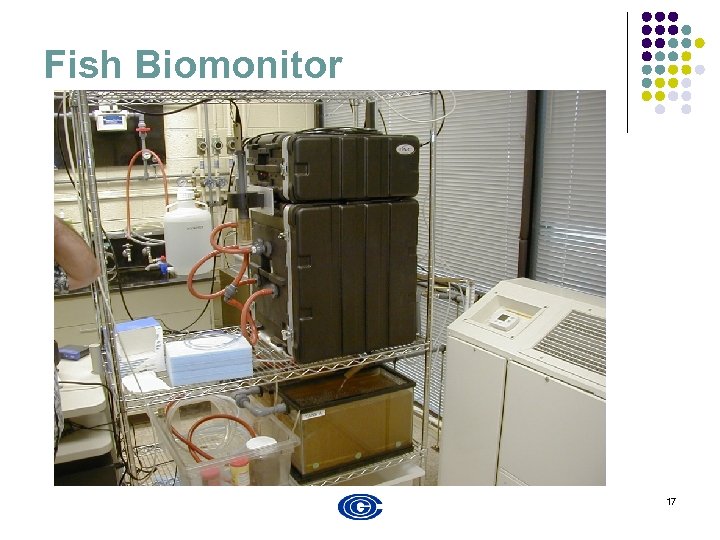 Fish Biomonitor 17
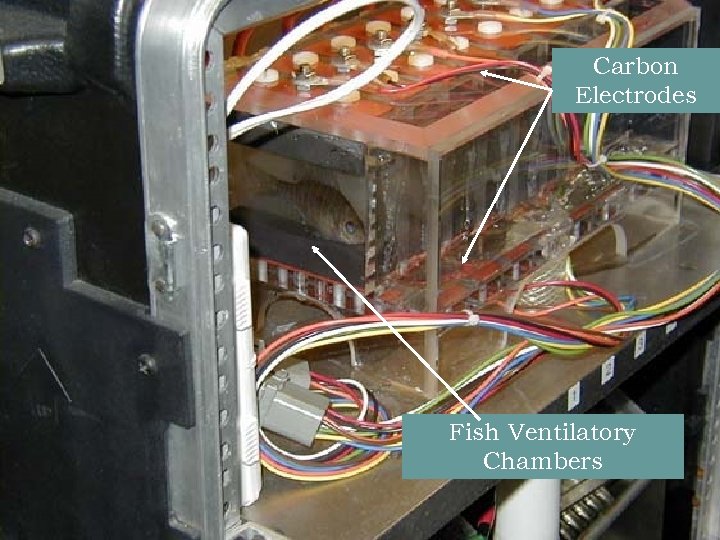 Carbon Electrodes Fish Ventilatory Chambers 18
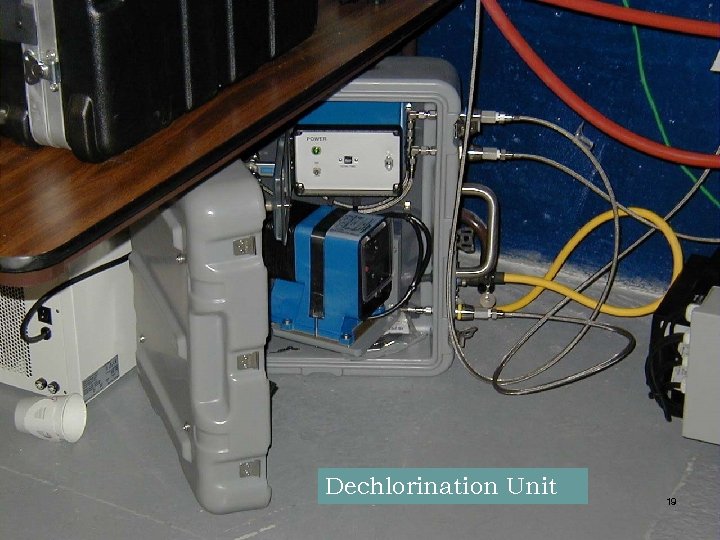 Dechlorination Unit 19
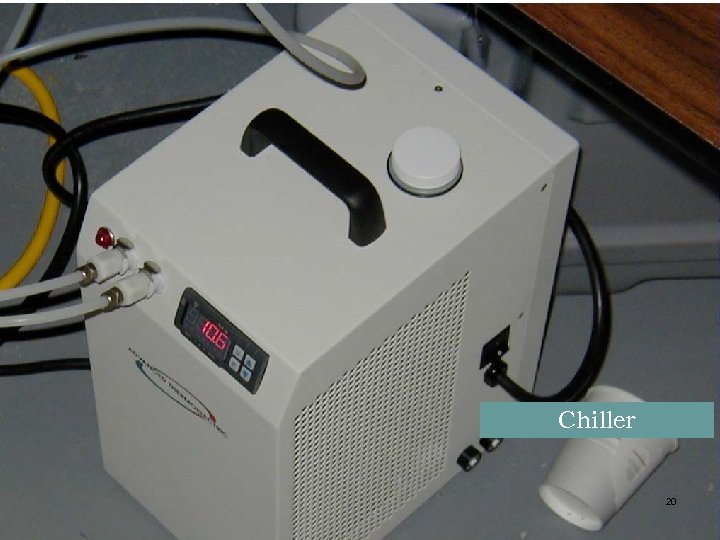 Chiller 20
 21
21
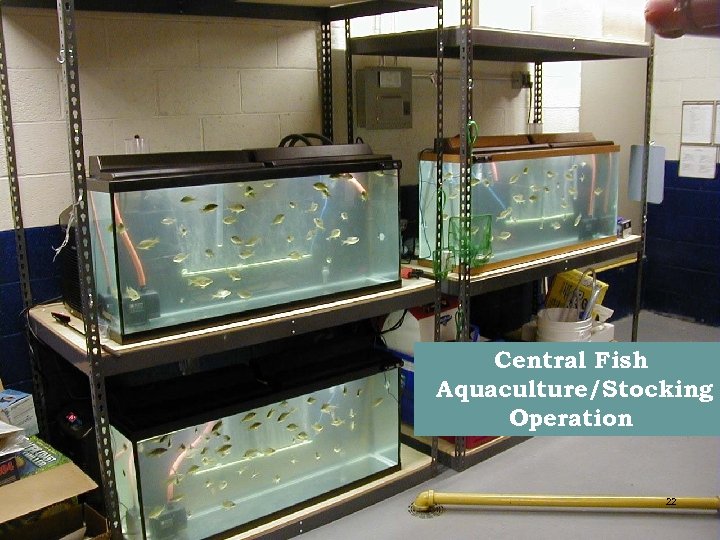 Central Fish Aquaculture/Stocking Operation 22
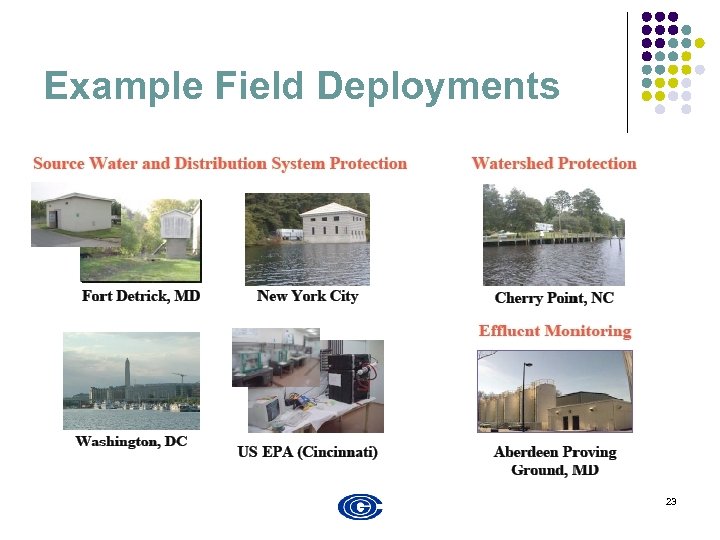 Example Field Deployments 23
 Chemical Water Quality Monitoring System 24
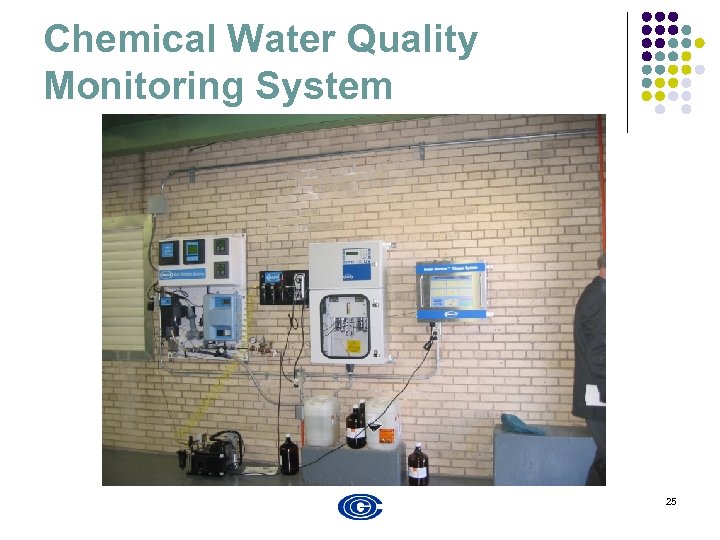 Chemical Water Quality Monitoring System 25
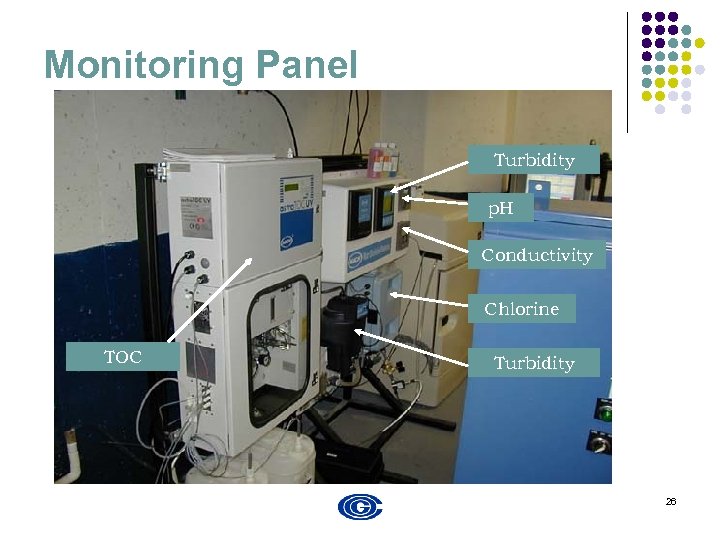 Monitoring Panel Turbidity p. H Conductivity Chlorine TOC Turbidity 26
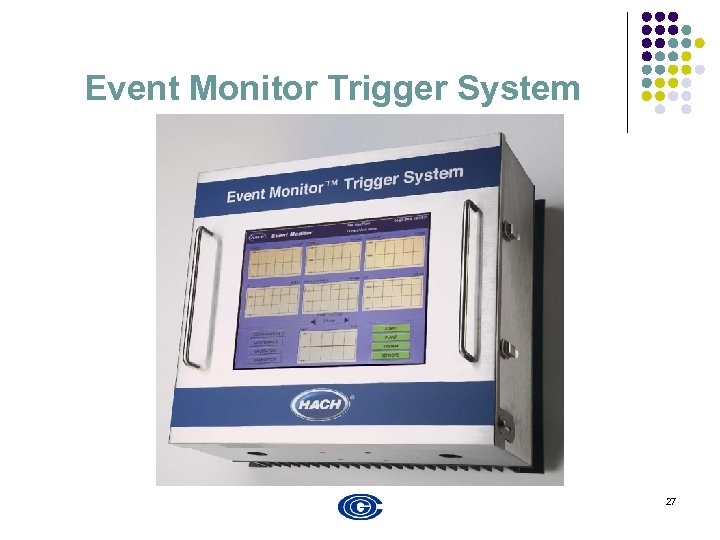 Event Monitor Trigger System 27
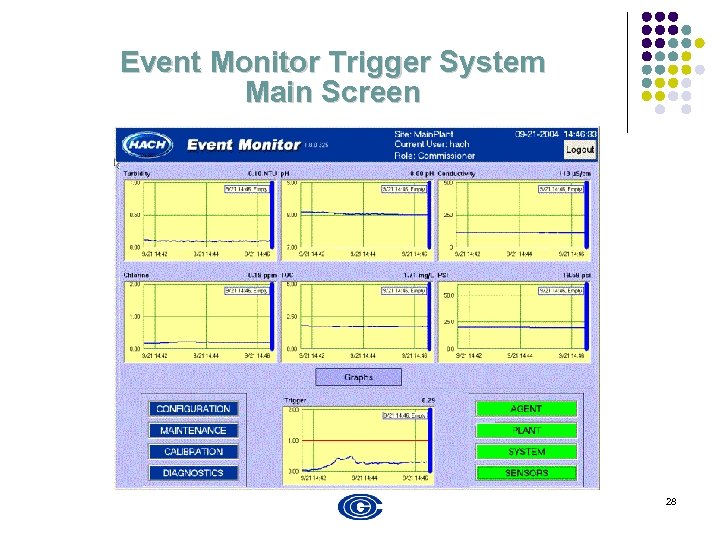 Event Monitor Trigger System Main Screen 28
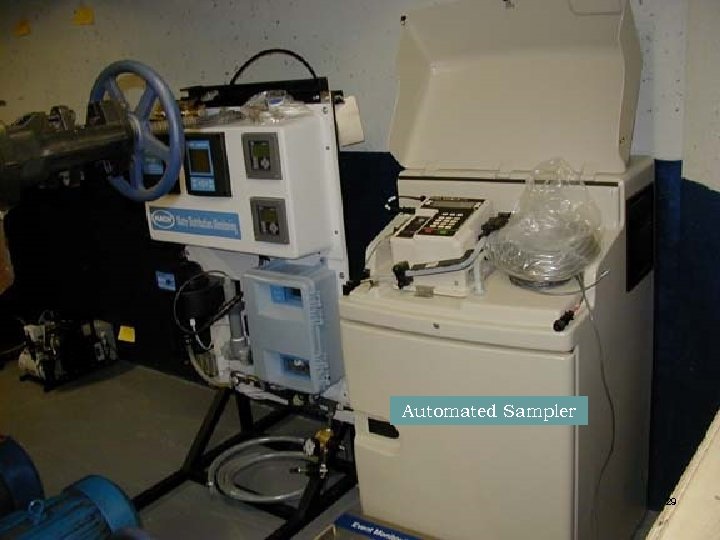 Automated Sampler 29
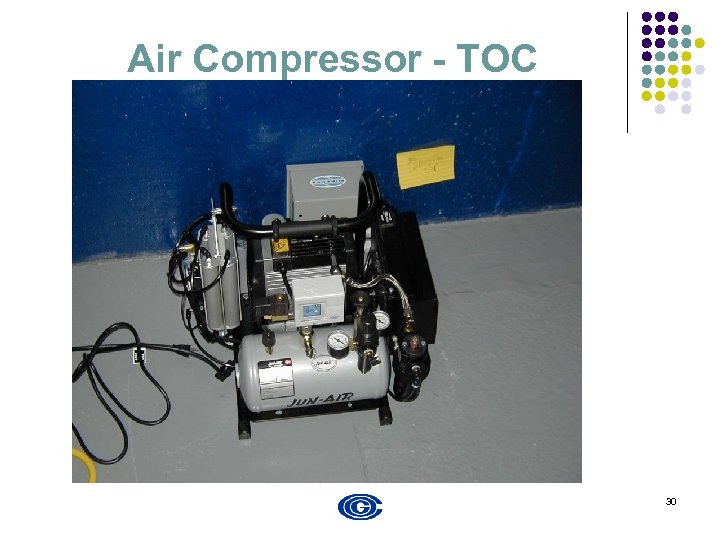 Air Compressor - TOC 30
 Expanded Water Security Network: Radiation Monitoring l l l Funded under an FY 06 DHS UASI grant Expands and enhances the existing water security monitoring network in the NCR Will be install and operated at 4 locations in the NCR l Near Intakes and critical distribution sites 31
 Radiation Monitoring (contd. ) l l Real-time, inline, and continuous 24/7 monitoring Detects alpha, beta, gamma-emitting radio nuclides Monitors drinking water for any and all radiation contaminants Measures, records and alarms based on total micro. Curies per minute 32
 For further information l Metropolitan Washington Council of Governments l Stuart A. Freudberg l Director, Environmental Programs § l Jim Shell l Principal Water Resources Planner § l 202 -962 -3340; sfreudberg@mwcog. org 202 -962 -3342; jshell@mwcog. org Steven Bieber l Technical Manager, Water Resources Programs § 202 -962 -3219; sbieber@mwcog. org 33