


 Скачать презентацию Nature of Science and Scientific Inquiry for Scientific
aed120f14274320110778428cb4f5d10.ppt
- Количество слайдов: 62
 Nature of Science and Scientific Inquiry for Scientific Literacy Dr. Renee’ Schwartz Georgia State University Middle & Secondary Education ESERA Summer School 2017 University of South Bohemia Česke Budějovice, Czech Republic
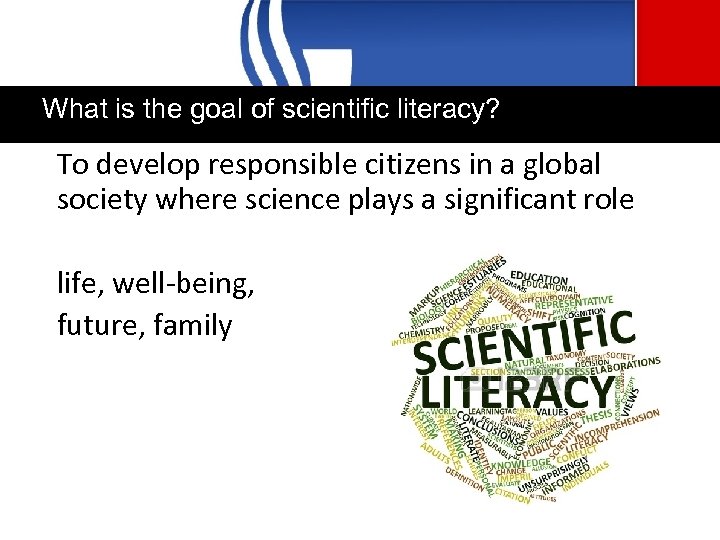 What is the goal of scientific literacy? To develop responsible citizens in a global society where science plays a significant role life, well-being, future, family
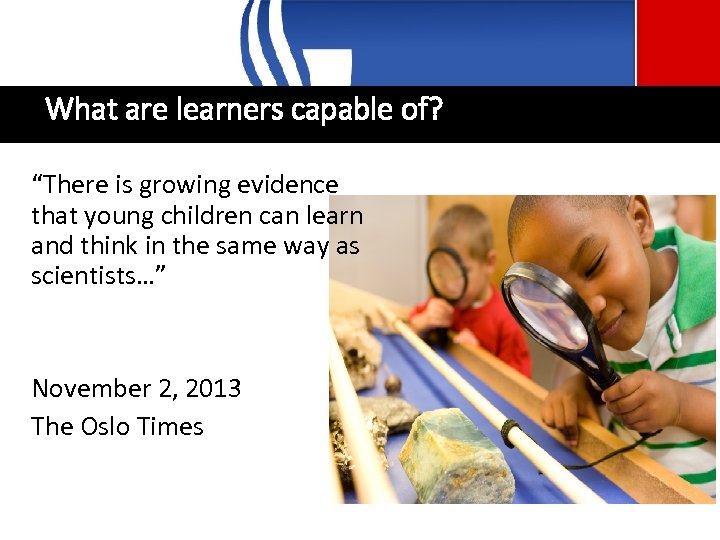 What are learners capable of? “There is growing evidence that young children can learn and think in the same way as scientists…” November 2, 2013 The Oslo Times
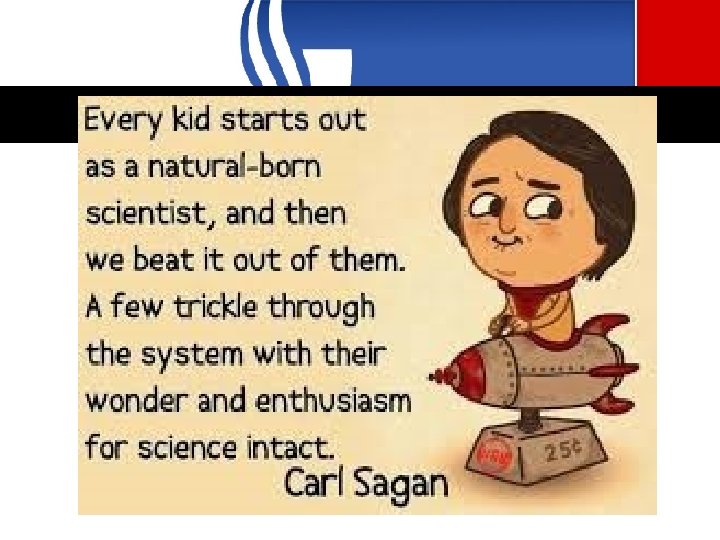
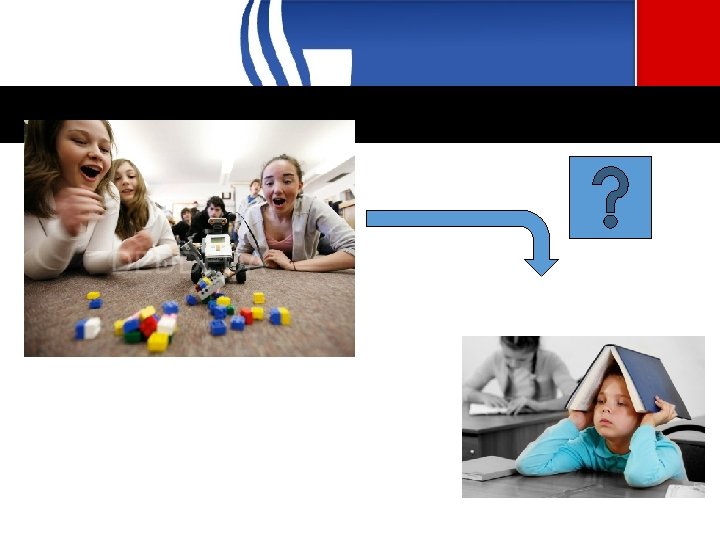
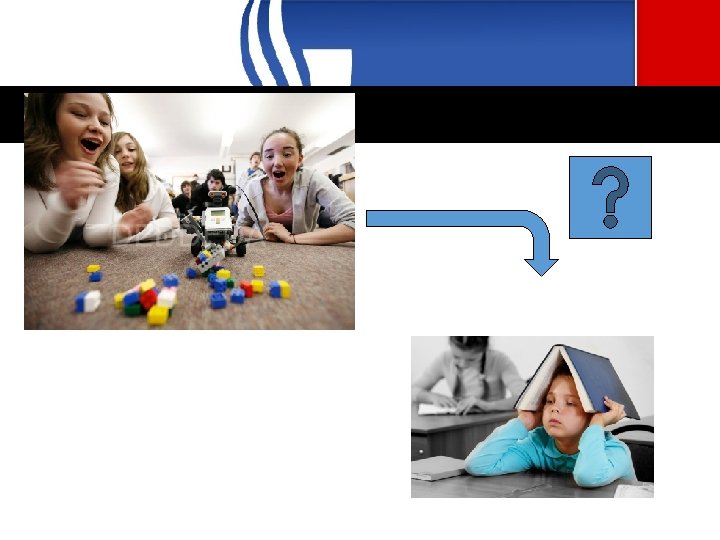
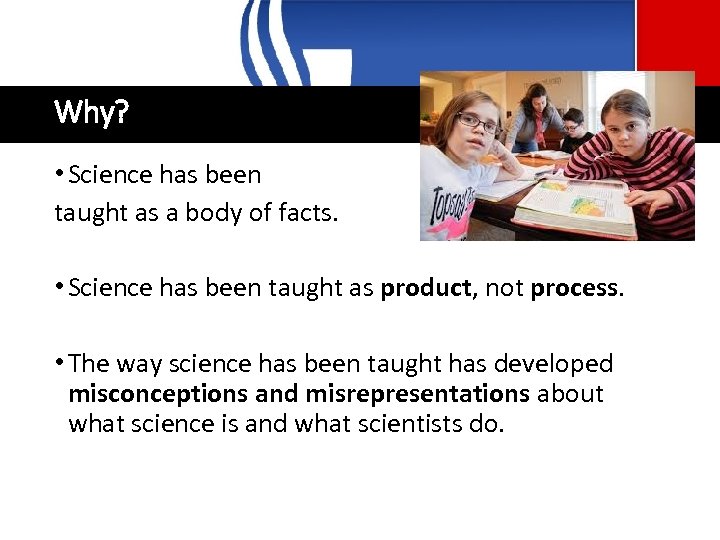 Why? • Science has been taught as a body of facts. • Science has been taught as product, not process. • The way science has been taught has developed misconceptions and misrepresentations about what science is and what scientists do.
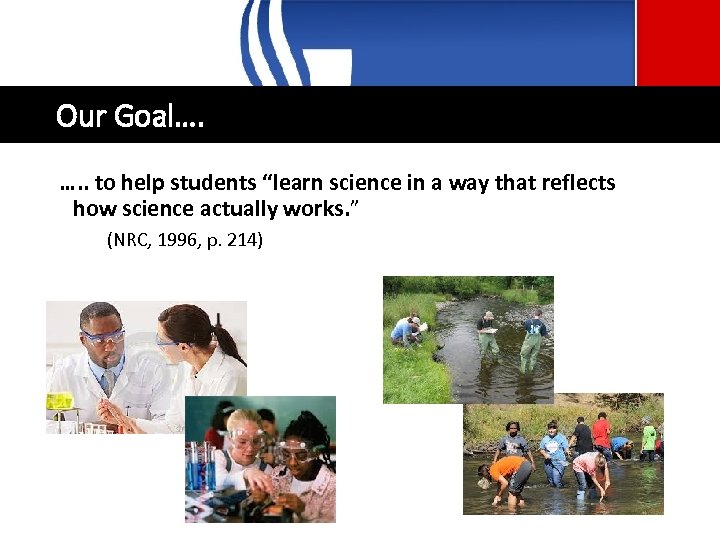 Our Goal…. …. . to help students “learn science in a way that reflects how science actually works. ” (NRC, 1996, p. 214)
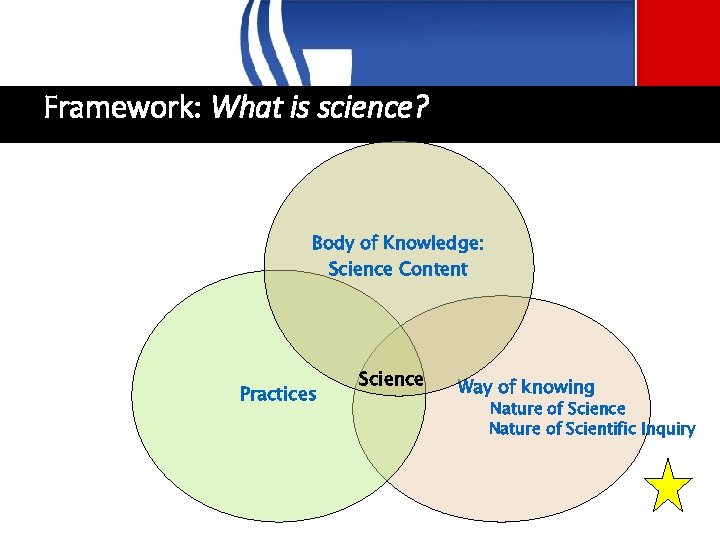 Framework: What is science? Body of Knowledge: Science Content Practices Science Way of knowing Nature of Science Nature of Scientific Inquiry
![What is scientific inquiry? [scientific practices] • Skills: investigate scientifically • Understanding: Nature of](https://present5.com/presentation/aed120f14274320110778428cb4f5d10/image-10.jpg "What is scientific inquiry? [scientific practices] • Skills: investigate scientifically • Understanding: Nature of") What is scientific inquiry? [scientific practices] • Skills: investigate scientifically • Understanding: Nature of Scientific Inquiry • Pedagogical strategy: involve learners in scientific investigations to learn science concepts
What is scientific inquiry? [scientific practices] • Skills: investigate scientifically • Understanding: Nature of Scientific Inquiry • Pedagogical strategy: involve learners in scientific investigations to learn science concepts
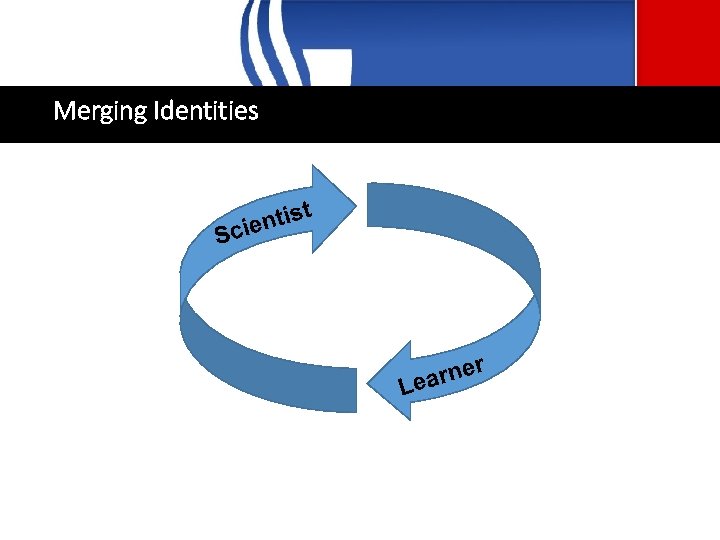 Merging Identities t ntis Scie r arne Le
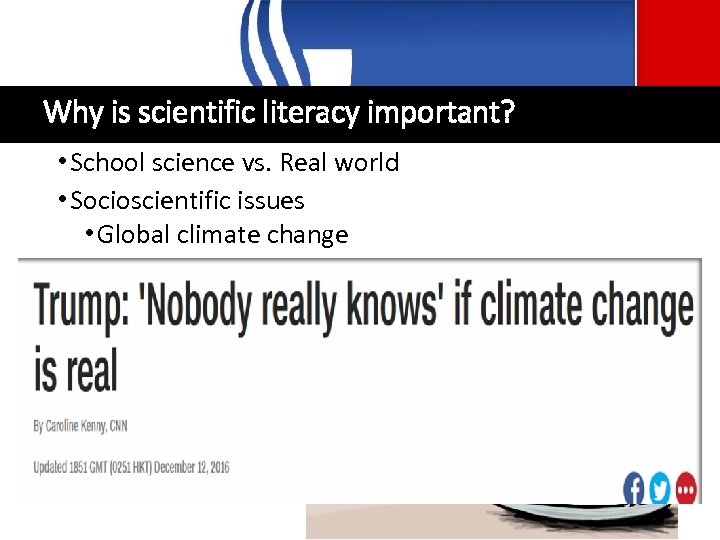 Why is scientific literacy important? • School science vs. Real world • Socioscientific issues • Global climate change
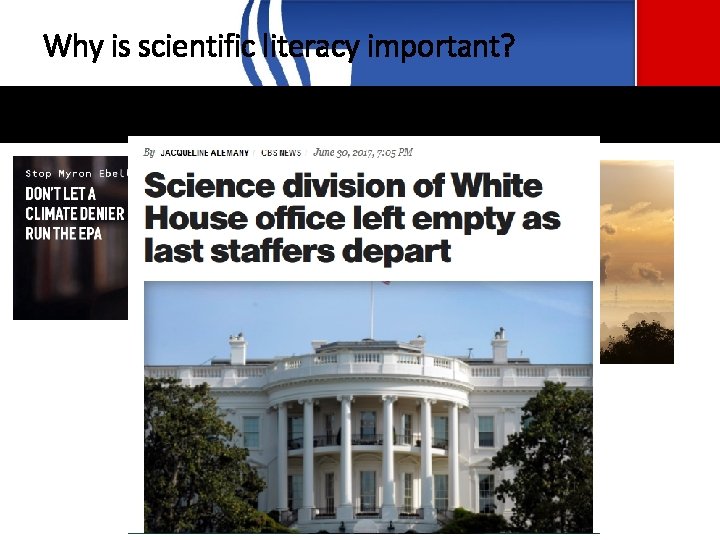 Why is scientific literacy important?
 Why NOS and NOSI? • Understanding NOS and NOSI can help dispel misconceptions people have about what science is (and is not) and what scientists do. • Tentative, yet robust • Empirical • Justification: claims must be consistent with evidence • Science is messy, but that’s ok!
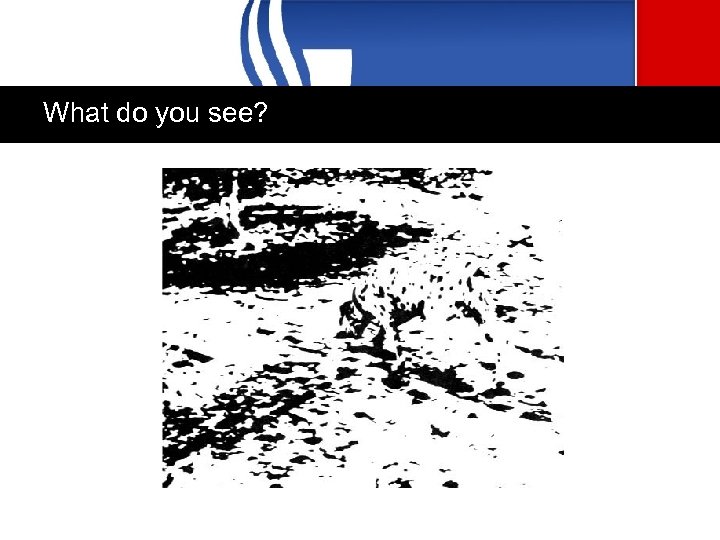 What do you see?
![Nature of Science: NOS ] • NOS refers to the characteristics of scientific knowledge,](https://present5.com/presentation/aed120f14274320110778428cb4f5d10/image-16.jpg "Nature of Science: NOS ] • NOS refers to the characteristics of scientific knowledge,") Nature of Science: NOS ] • NOS refers to the characteristics of scientific knowledge, and the values and influences that necessarily influence its development (Lederman, 2007)
Nature of Science: NOS ] • NOS refers to the characteristics of scientific knowledge, and the values and influences that necessarily influence its development (Lederman, 2007)
 Nature of Scientific Inquiry [NOSI • NOSI refers to the nature of the processes through which scientific knowledge is developed and accepted (Schwartz, Lederman, & Abd-El-Khalick, 2012)
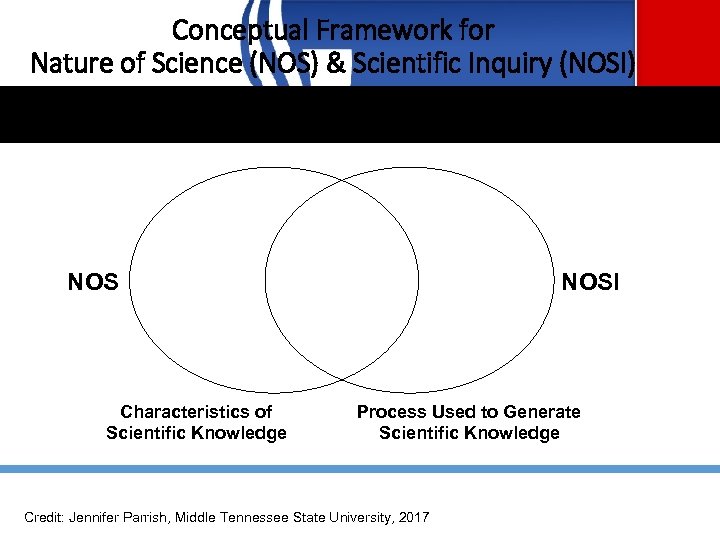 Conceptual Framework for Nature of Science (NOS) & Scientific Inquiry (NOSI) NOS Characteristics of Scientific Knowledge NOSI Process Used to Generate Scientific Knowledge Credit: Jennifer Parrish, Middle Tennessee State University, 2017
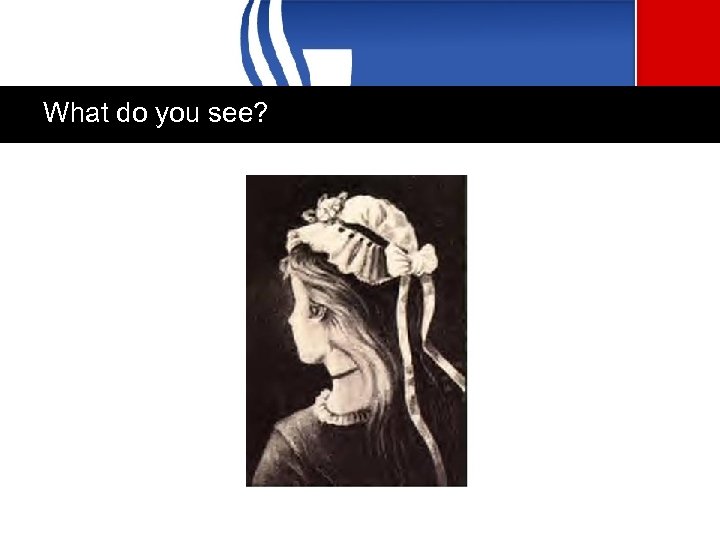 What do you see?
![Nature of Science [NOS] • Subject to change, but robust (tentative) • Empirical: Natural](https://present5.com/presentation/aed120f14274320110778428cb4f5d10/image-21.jpg "Nature of Science [NOS] • Subject to change, but robust (tentative) • Empirical: Natural") Nature of Science [NOS] • Subject to change, but robust (tentative) • Empirical: Natural world • Creative (human endeavor) • Socially and culturally embedded (human endeavor) • Observation and inference • Influenced by knowledge, perspective, and theoretical lens (theory-laden and subjective) 21 • Models, theories, laws Lederman, Abd-El-Khalick, Bell & Schwartz, 2002
Nature of Science [NOS] • Subject to change, but robust (tentative) • Empirical: Natural world • Creative (human endeavor) • Socially and culturally embedded (human endeavor) • Observation and inference • Influenced by knowledge, perspective, and theoretical lens (theory-laden and subjective) 21 • Models, theories, laws Lederman, Abd-El-Khalick, Bell & Schwartz, 2002
![Nature of Scientific Inquiry [NOSI] ØQuestions ØScientific investigations are guided by questions (but not](https://present5.com/presentation/aed120f14274320110778428cb4f5d10/image-22.jpg "Nature of Scientific Inquiry [NOSI] ØQuestions ØScientific investigations are guided by questions (but not") Nature of Scientific Inquiry [NOSI] ØQuestions ØScientific investigations are guided by questions (but not all questions can be addressed scientifically) ØQuestions determine the method ØMultiple Methods ØNo single “Scientific Method” ØMethod (inquiry procedures) can influence results ØData and Evidence Øsources, roles of, and distinctions between ØAll scientists performing the same procedures may not get the same results. e. g. Duschl et al. , 2007; Gilbert, 1991; Lederman et al. , 2014; Osborne et al. , 2003; Schwartz, 2004; Schwartz & Lederman, 2008
Nature of Scientific Inquiry [NOSI] ØQuestions ØScientific investigations are guided by questions (but not all questions can be addressed scientifically) ØQuestions determine the method ØMultiple Methods ØNo single “Scientific Method” ØMethod (inquiry procedures) can influence results ØData and Evidence Øsources, roles of, and distinctions between ØAll scientists performing the same procedures may not get the same results. e. g. Duschl et al. , 2007; Gilbert, 1991; Lederman et al. , 2014; Osborne et al. , 2003; Schwartz, 2004; Schwartz & Lederman, 2008
 NOSI ØJustification ØThe form and role of argument from evidence in the development and acceptance of new knowledge ØClaims must be consistent with data collected ØExplanations are based on data collected and what is already known ØAnomalous data ØRole, recognition, and handling e. g. Duschl et al. , 2007; Gilbert, 1991; Lederman et al. , 2014; Osborne et al. , 2003; Schwartz, 2004; Schwartz & Lederman, 2008
 Scientific models and modeling • As products of inquiry • As process of inquiry • Explanatory • Enable prediction • Simplify (Gilbert, 1991; 2004; Schwartz, 2004; Schwartz & Lederman, 2008)
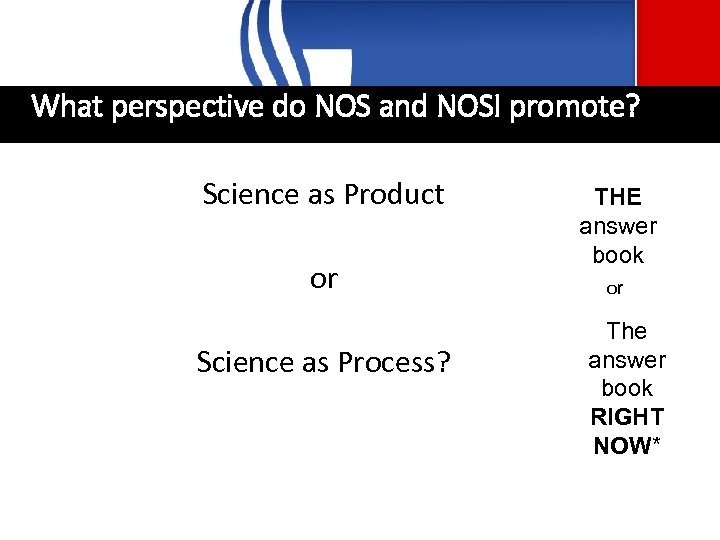 What perspective do NOS and NOSI promote? Science as Product or Science as Process? THE answer book or The answer book RIGHT NOW*
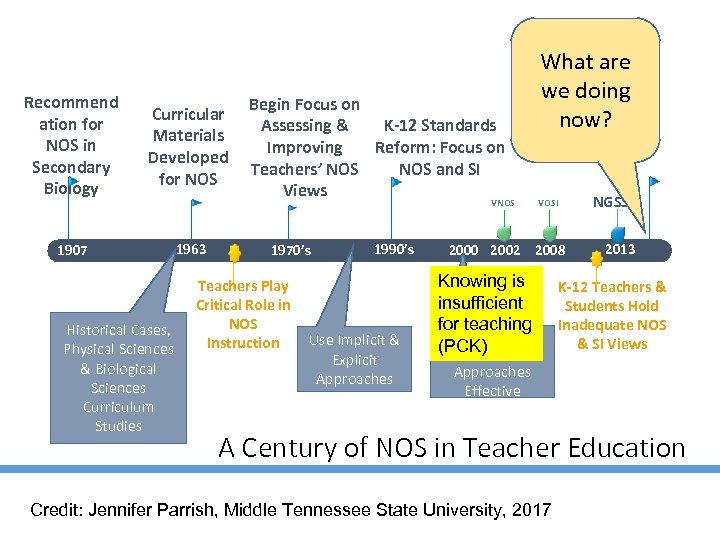 Recommend ation for NOS in Secondary Biology Curricular Materials Developed for NOS 1907 1963 Begin Focus on K-12 Standards Assessing & Reform: Focus on Improving NOS and SI Teachers’ NOS Views VNOS Historical Cases, Physical Sciences & Biological Sciences Curriculum Studies 1970’s Teachers Play Critical Role in NOS Instruction 1990’s Use Implicit & Explicit Approaches What are we doing now? VOSI 2000 2002 2008 Knowing is insufficient for teaching Explicit - (PCK) Reflective NGSS 2013 K-12 Teachers & Students Hold Inadequate NOS & SI Views Approaches Effective A Century of NOS in Teacher Education Credit: Jennifer Parrish, Middle Tennessee State University, 2017
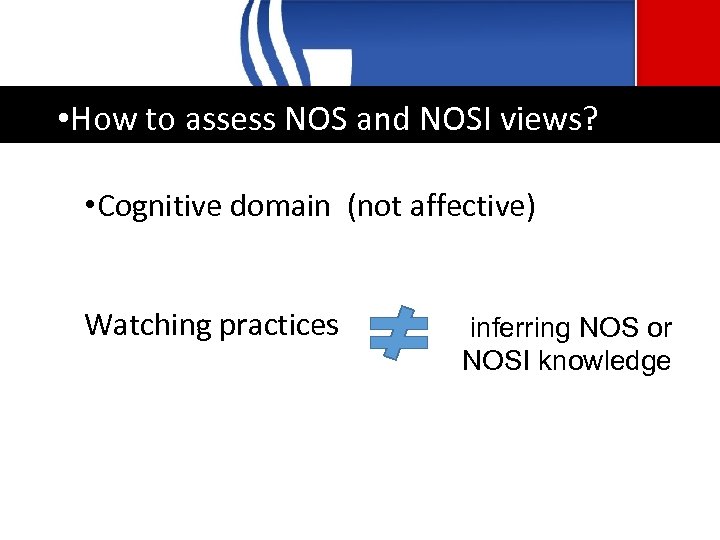 • How to assess NOS and NOSI views? • Cognitive domain (not affective) Watching practices inferring NOS or NOSI knowledge
![Research Instruments • Views of Nature of Science [VNOS] Lederman, Abd-El-Khalick, Bell, & Schwartz,](https://present5.com/presentation/aed120f14274320110778428cb4f5d10/image-29.jpg "Research Instruments • Views of Nature of Science [VNOS] Lederman, Abd-El-Khalick, Bell, & Schwartz,") Research Instruments • Views of Nature of Science [VNOS] Lederman, Abd-El-Khalick, Bell, & Schwartz, (2002) • Views of Scientific Inquiry [VOSI] Schwartz, 2004; Schwartz, Lederman, & Lederman (2008) • Views about Scientific Inquiry [VASI] Lederman, J. S. , Lederman, N. G. , Bartos, S. A. , Bartels, S. L. , Antink Meyer, A. , & Schwartz, R. S. (2014) Note: There are others that target similar aspects in different ways. Caution: Does the instrument you want to use measure what you want to measure? How is NOS/NOSI defined?
Research Instruments • Views of Nature of Science [VNOS] Lederman, Abd-El-Khalick, Bell, & Schwartz, (2002) • Views of Scientific Inquiry [VOSI] Schwartz, 2004; Schwartz, Lederman, & Lederman (2008) • Views about Scientific Inquiry [VASI] Lederman, J. S. , Lederman, N. G. , Bartos, S. A. , Bartels, S. L. , Antink Meyer, A. , & Schwartz, R. S. (2014) Note: There are others that target similar aspects in different ways. Caution: Does the instrument you want to use measure what you want to measure? How is NOS/NOSI defined?
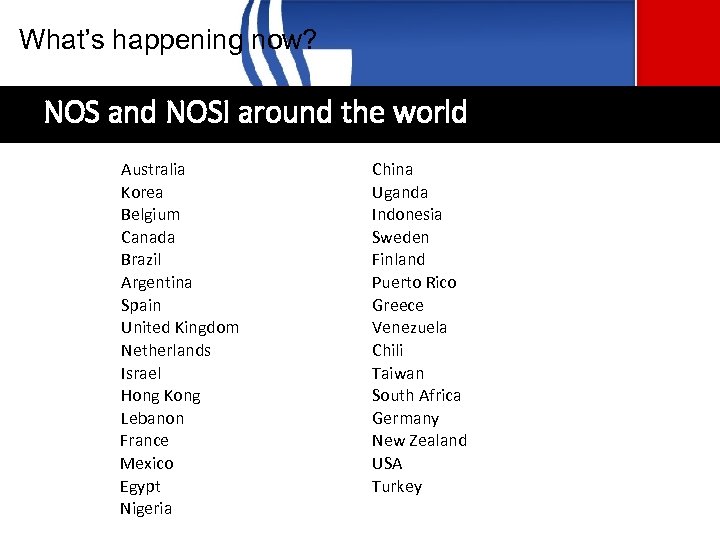 What’s happening now? NOS and NOSI around the world Australia Korea Belgium Canada Brazil Argentina Spain United Kingdom Netherlands Israel Hong Kong Lebanon France Mexico Egypt Nigeria China Uganda Indonesia Sweden Finland Puerto Rico Greece Venezuela Chili Taiwan South Africa Germany New Zealand USA Turkey
 For example: Lederman et al. , 2017 (authors representing 20 countries) What are grade seven students’ understandings of Scientific Inquiry in various countries worldwide?
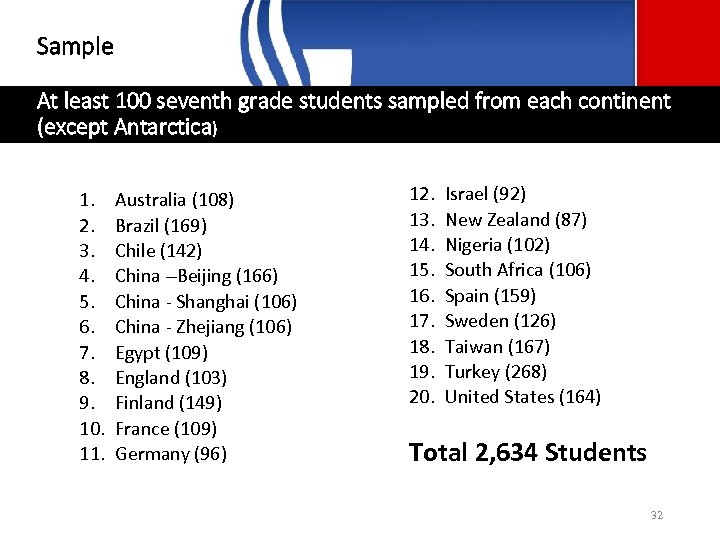 Sample At least 100 seventh grade students sampled from each continent (except Antarctica) 1. 2. 3. 4. 5. 6. 7. 8. 9. 10. 11. Australia (108) Brazil (169) Chile (142) China –Beijing (166) China - Shanghai (106) China - Zhejiang (106) Egypt (109) England (103) Finland (149) France (109) Germany (96) 12. 13. 14. 15. 16. 17. 18. 19. 20. Israel (92) New Zealand (87) Nigeria (102) South Africa (106) Spain (159) Sweden (126) Taiwan (167) Turkey (268) United States (164) Total 2, 634 Students 32
 Data Source • Views about Scientific Inquiry(VASI) • The VASI was scored by at least two people at each site. • Inter rater reliability was calculated (>80%) at each site for each aspect of inquiry. 33
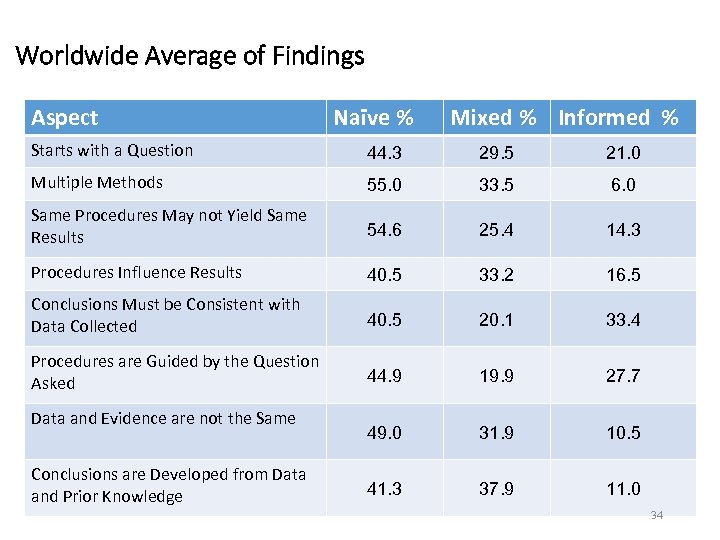 Worldwide Average of Findings Aspect Naïve % Mixed % Informed % Starts with a Question 44. 3 29. 5 21. 0 Multiple Methods 55. 0 33. 5 6. 0 Same Procedures May not Yield Same Results 54. 6 25. 4 14. 3 Procedures Influence Results 40. 5 33. 2 16. 5 Conclusions Must be Consistent with Data Collected 40. 5 20. 1 33. 4 Procedures are Guided by the Question Asked 44. 9 19. 9 27. 7 49. 0 31. 9 10. 5 41. 3 37. 9 11. 0 Data and Evidence are not the Same Conclusions are Developed from Data and Prior Knowledge 34
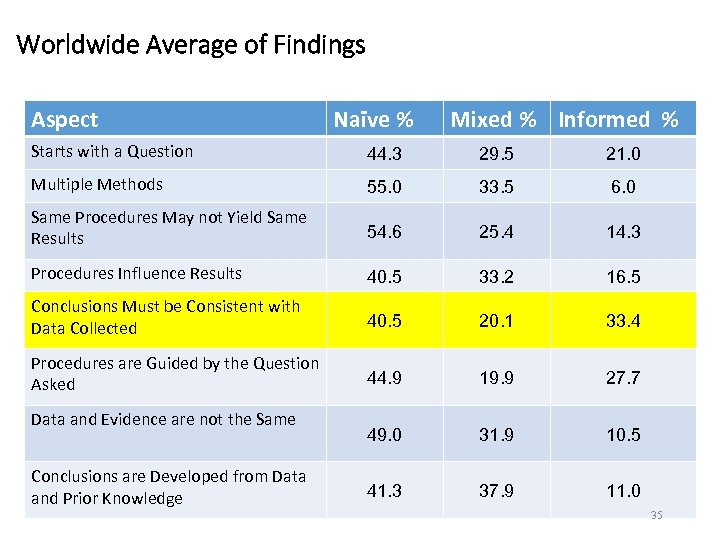 Worldwide Average of Findings Aspect Naïve % Mixed % Informed % Starts with a Question 44. 3 29. 5 21. 0 Multiple Methods 55. 0 33. 5 6. 0 Same Procedures May not Yield Same Results 54. 6 25. 4 14. 3 Procedures Influence Results 40. 5 33. 2 16. 5 Conclusions Must be Consistent with Data Collected 40. 5 20. 1 33. 4 Procedures are Guided by the Question Asked 44. 9 19. 9 27. 7 49. 0 31. 9 10. 5 41. 3 37. 9 11. 0 Data and Evidence are not the Same Conclusions are Developed from Data and Prior Knowledge 35
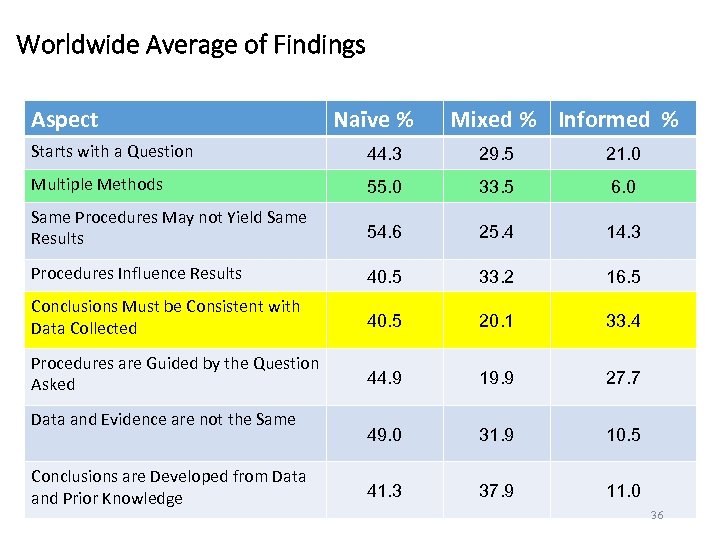 Worldwide Average of Findings Aspect Naïve % Mixed % Informed % Starts with a Question 44. 3 29. 5 21. 0 Multiple Methods 55. 0 33. 5 6. 0 Same Procedures May not Yield Same Results 54. 6 25. 4 14. 3 Procedures Influence Results 40. 5 33. 2 16. 5 Conclusions Must be Consistent with Data Collected 40. 5 20. 1 33. 4 Procedures are Guided by the Question Asked 44. 9 19. 9 27. 7 49. 0 31. 9 10. 5 41. 3 37. 9 11. 0 Data and Evidence are not the Same Conclusions are Developed from Data and Prior Knowledge 36
![What’s new in the USA? • Next Generation Science Standards [NGSS] 3 dimensional teaching:](https://present5.com/presentation/aed120f14274320110778428cb4f5d10/image-37.jpg "What’s new in the USA? • Next Generation Science Standards [NGSS] 3 dimensional teaching:") What’s new in the USA? • Next Generation Science Standards [NGSS] 3 dimensional teaching: Disciplinary core ideas, science and engineering practices, cross-cutting concepts
What’s new in the USA? • Next Generation Science Standards [NGSS] 3 dimensional teaching: Disciplinary core ideas, science and engineering practices, cross-cutting concepts
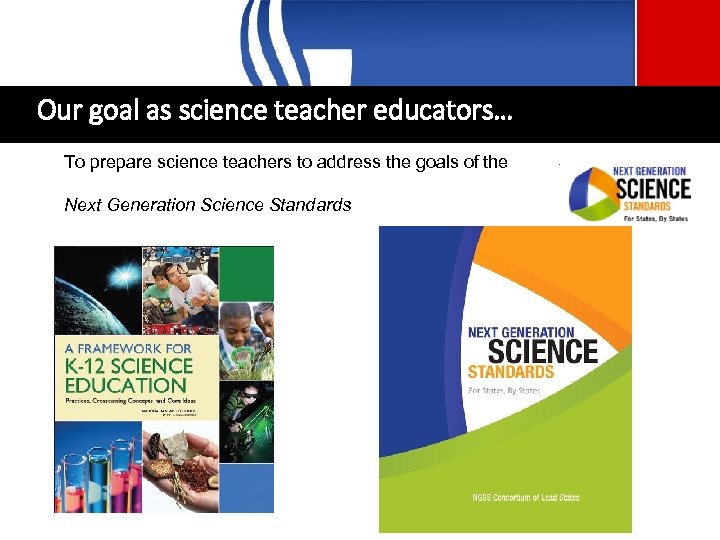 Our goal as science teacher educators… To prepare science teachers to address the goals of the Next Generation Science Standards
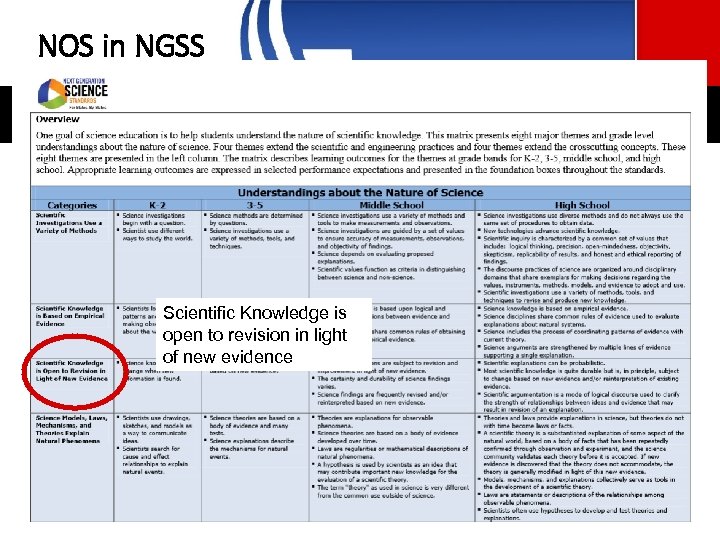 NOS in NGSS Scientific Knowledge is open to revision in light of new evidence
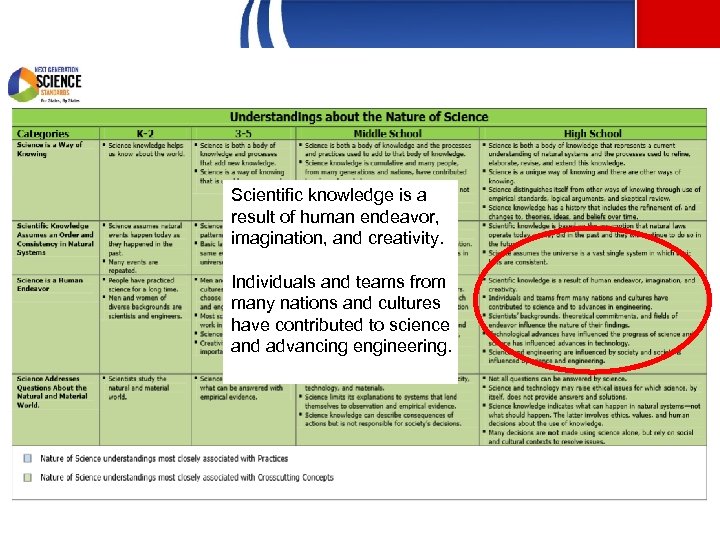 Scientific knowledge is a result of human endeavor, imagination, and creativity. Individuals and teams from many nations and cultures have contributed to science and advancing engineering.
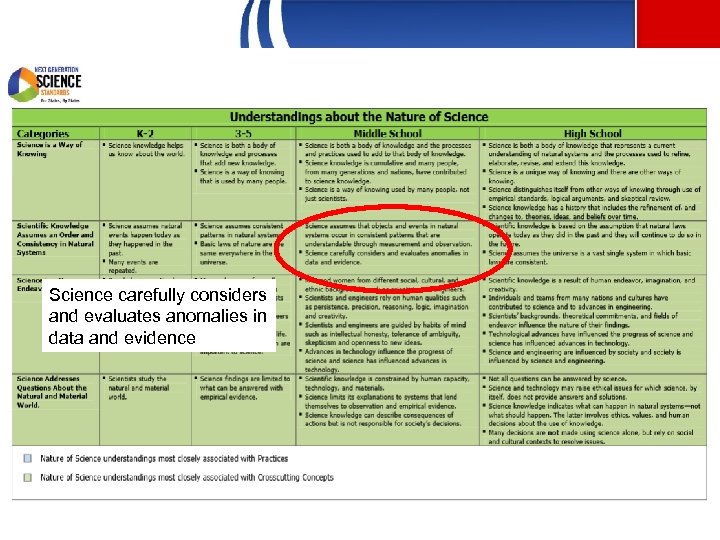 Science carefully considers and evaluates anomalies in data and evidence
 What’s happening now? What do scientists and teachers think about justification and anomalous data?
 Decisions & Directions • Scientists must decide: • What to do with anomalous data • When to pursue publication
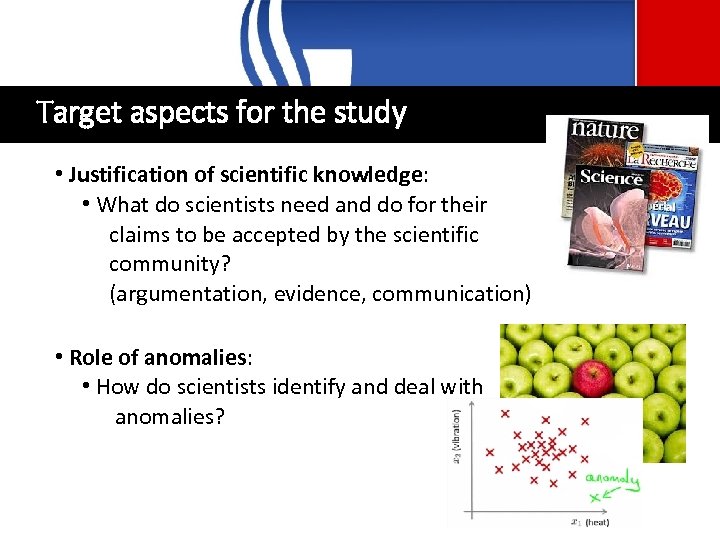 Target aspects for the study • Justification of scientific knowledge: • What do scientists need and do for their claims to be accepted by the scientific community? (argumentation, evidence, communication) • Role of anomalies: • How do scientists identify and deal with anomalies?
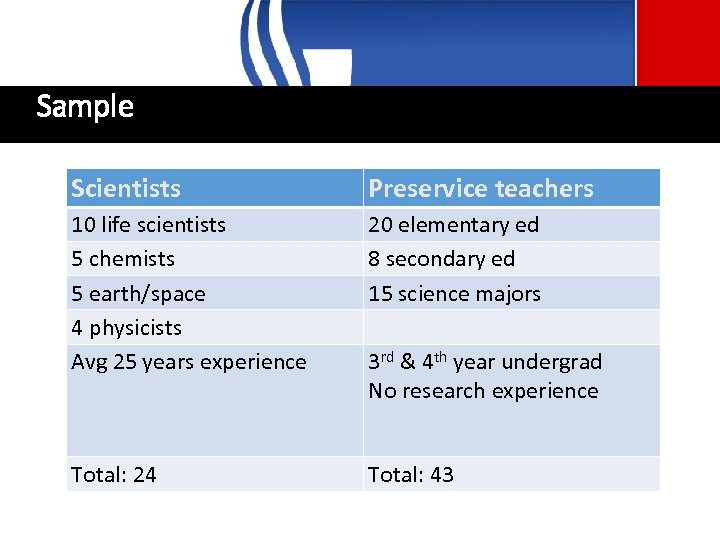 Sample Scientists Preservice teachers 10 life scientists 5 chemists 5 earth/space 4 physicists Avg 25 years experience 20 elementary ed 8 secondary ed 15 science majors Total: 24 Total: 43 3 rd & 4 th year undergrad No research experience
![Methods • Open-ended surveys and interviews • Views of Scientific Inquiry [VOSI]-Sci (Schwartz, 2004)](https://present5.com/presentation/aed120f14274320110778428cb4f5d10/image-46.jpg "Methods • Open-ended surveys and interviews • Views of Scientific Inquiry [VOSI]-Sci (Schwartz, 2004)") Methods • Open-ended surveys and interviews • Views of Scientific Inquiry [VOSI]-Sci (Schwartz, 2004) • Views of Scientific Inquiry [VOSI]-270 (Schwartz et al. , 2008)
Methods • Open-ended surveys and interviews • Views of Scientific Inquiry [VOSI]-Sci (Schwartz, 2004) • Views of Scientific Inquiry [VOSI]-270 (Schwartz et al. , 2008)
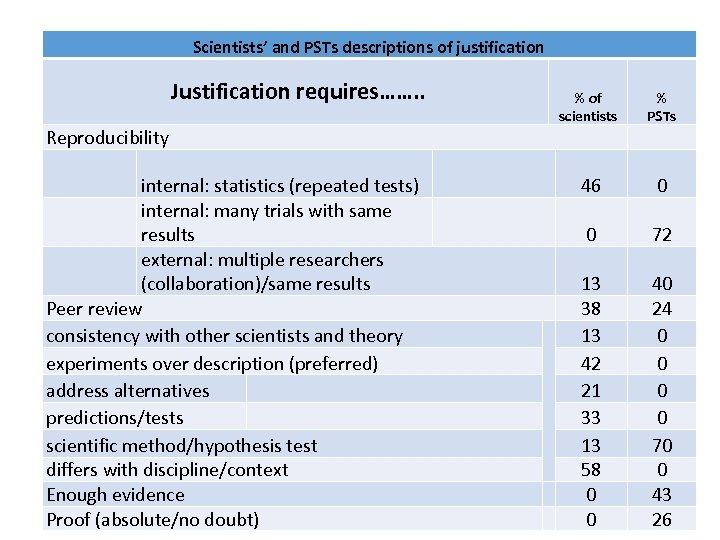 Scientists’ and PSTs descriptions of justification Justification requires……. . % of scientists % PSTs 46 0 0 72 13 38 13 42 21 33 13 58 0 0 40 24 0 0 70 0 43 26 Reproducibility internal: statistics (repeated tests) internal: many trials with same results external: multiple researchers (collaboration)/same results Peer review consistency with other scientists and theory experiments over description (preferred) address alternatives predictions/tests scientific method/hypothesis test differs with discipline/context Enough evidence Proof (absolute/no doubt)
![Reproducibility • Internal: Statistical Analysis 46% Scientists vs. 0 PSTs • [Reproduce] That you](https://present5.com/presentation/aed120f14274320110778428cb4f5d10/image-48.jpg "Reproducibility • Internal: Statistical Analysis 46% Scientists vs. 0 PSTs • [Reproduce] That you") Reproducibility • Internal: Statistical Analysis 46% Scientists vs. 0 PSTs • [Reproduce] That you can do internally within your own laboratory. Always we like to see multiple observations of the same thing…If that variation is small compared to the magnitude of the observation, then we are confident that this is probably a good result. We say it is statistically significant. [experimental chemist, interview]
Reproducibility • Internal: Statistical Analysis 46% Scientists vs. 0 PSTs • [Reproduce] That you can do internally within your own laboratory. Always we like to see multiple observations of the same thing…If that variation is small compared to the magnitude of the observation, then we are confident that this is probably a good result. We say it is statistically significant. [experimental chemist, interview]
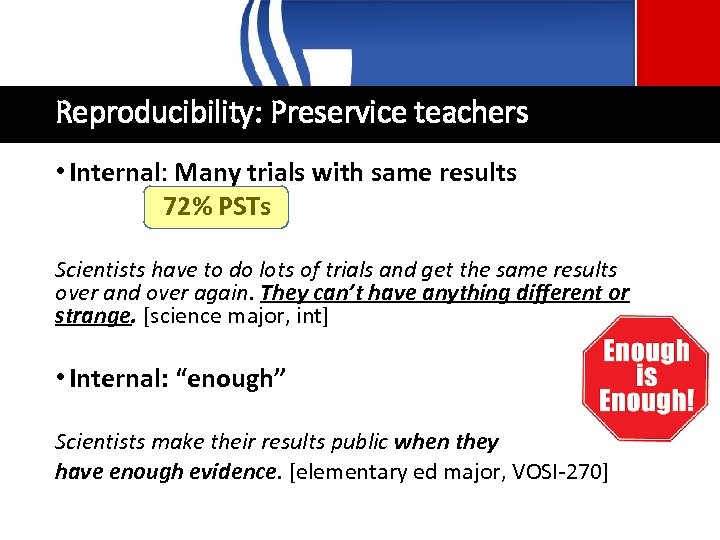 Reproducibility: Preservice teachers • Internal: Many trials with same results 72% PSTs Scientists have to do lots of trials and get the same results over and over again. They can’t have anything different or strange. [science major, int] • Internal: “enough” Scientists make their results public when they have enough evidence. [elementary ed major, VOSI-270]
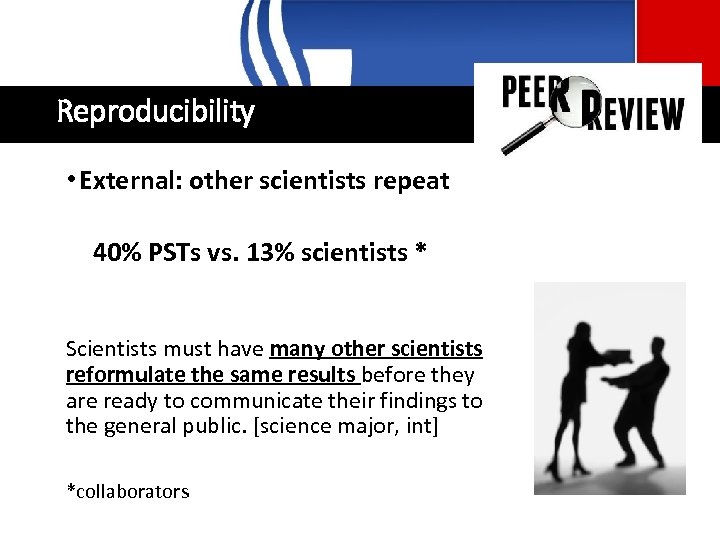 Reproducibility • External: other scientists repeat 40% PSTs vs. 13% scientists * Scientists must have many other scientists reformulate the same results before they are ready to communicate their findings to the general public. [science major, int] *collaborators
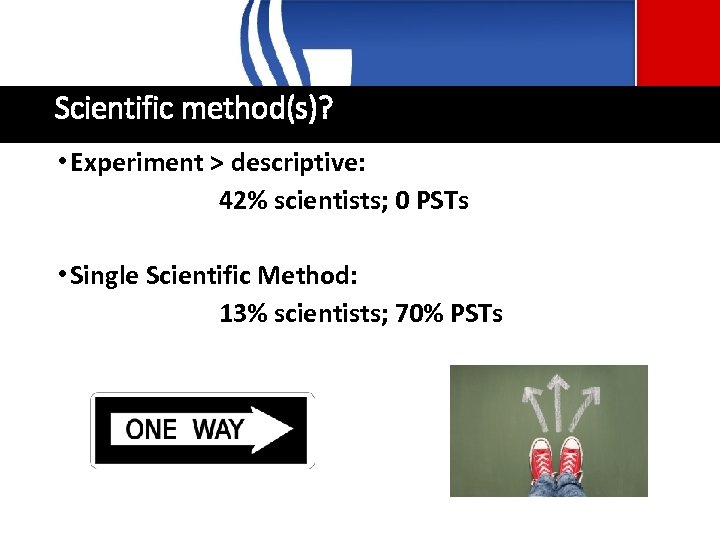 Scientific method(s)? • Experiment > descriptive: 42% scientists; 0 PSTs • Single Scientific Method: 13% scientists; 70% PSTs
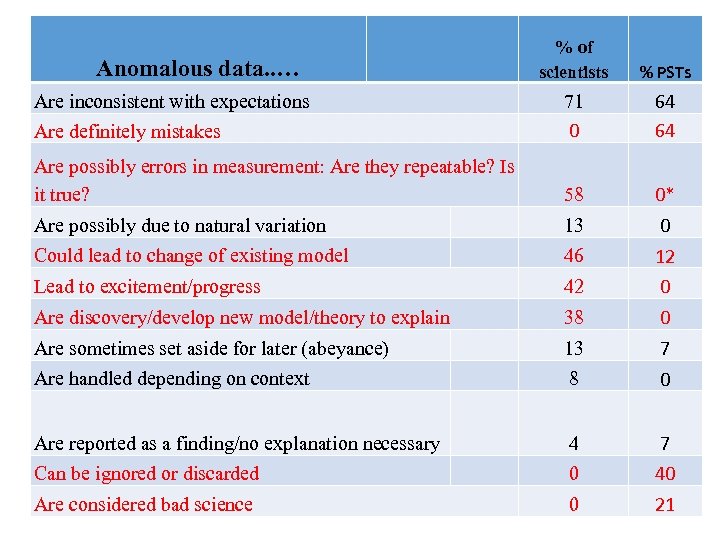 % of scientists % PSTs Are inconsistent with expectations Are definitely mistakes 71 0 64 64 Are possibly errors in measurement: Are they repeatable? Is it true? 58 0* Are possibly due to natural variation 13 0 Could lead to change of existing model 46 12 Lead to excitement/progress 42 0 Are discovery/develop new model/theory to explain 38 0 Anomalous data. . … Are sometimes set aside for later (abeyance) 13 7 Are handled depending on context 8 0 Are reported as a finding/no explanation necessary 4 7 Can be ignored or discarded 0 40 0 21 Are considered bad science
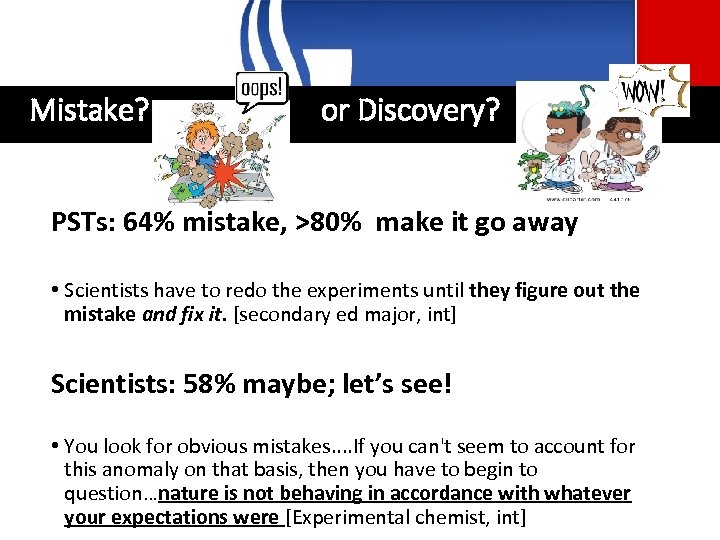 Mistake? or Discovery? PSTs: 64% mistake, >80% make it go away • Scientists have to redo the experiments until they figure out the mistake and fix it. [secondary ed major, int] Scientists: 58% maybe; let’s see! • You look for obvious mistakes. . If you can't seem to account for this anomaly on that basis, then you have to begin to question…nature is not behaving in accordance with whatever your expectations were [Experimental chemist, int]
![Ignore? or Explore? PSTs: 40% ignore [80% said get rid of] • Usually the](https://present5.com/presentation/aed120f14274320110778428cb4f5d10/image-54.jpg "Ignore? or Explore? PSTs: 40% ignore [80% said get rid of] • Usually the") Ignore? or Explore? PSTs: 40% ignore [80% said get rid of] • Usually the data is recorded, but not utilized because it is an abnormality and is not conducive to their scientific research. [secondary ed major, VOSI-270] Scientists: 0 ignore • Anomalies are very important. The worst thing that could happen is to ignore them. [theoretical physicist, VOSI-Sci]
Ignore? or Explore? PSTs: 40% ignore [80% said get rid of] • Usually the data is recorded, but not utilized because it is an abnormality and is not conducive to their scientific research. [secondary ed major, VOSI-270] Scientists: 0 ignore • Anomalies are very important. The worst thing that could happen is to ignore them. [theoretical physicist, VOSI-Sci]
 Anomalies mean excitement and potential for change • 42% scientists; 0 PSTs We all secretly love that [finding an inconsistency] …[laughs] because then we have something to do …that is the way science progresses. [atmospheric scientist, int] • That is the fun stuff. That is why you get up in the morning, for the things that don't fit. If all the data fit every existing theory, we'd be out of work. [plant biologist, int]
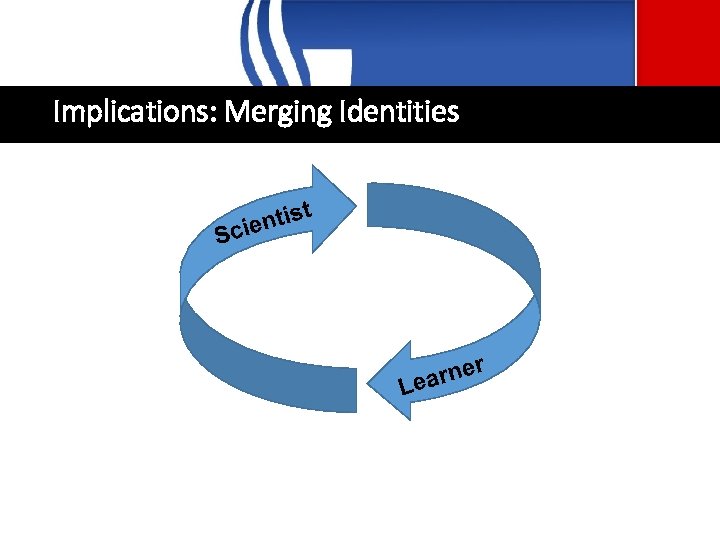 Implications: Merging Identities t ntis Scie r arne Le
 Our Goal…. …. . to help students “learn science in a way that reflects how science actually works. ” (NRC, 1996, p. 214)
 Research directions • What is Pedagogical Content Knowledge for NOS, NOSI, and scientific practices, and how do teachers develop it? • What approaches and experiences help teachers/preservice teachers overcome barriers to learning and teaching NOS and NOSI? • Example: Using student responses on VNOS, VOSI and VASI as reflective tools (Parrish, 2017) • Impact of state and national standards: Where is the NOS and NOSI?
 • What are effective NOS and NOSI assessments for use in the classroom and standardized tests? • How can we help teachers incorporate them? • What are the impacts of including NOS and NOSI in out-of-school contexts? • What works? • What do students consider “real” science? • How can we bridge the disconnect between “school science” and “non-school science”? • (Wade-Jaimes, 2017)
 • What are potential connections between NOS, NOSI, and Culturally Relevant Pedagogy? • Can one concept help to address the other? • (Spurley, 2017) • What is the impact of NOS and NOSI instruction on science identity development? • Identify with “others like me” for efficacy and achievement • Use of Critical Race Theory as a framework • Emphasize that the culture of science includes all learners • Cultural relevance • Race, ethnicity, SES • Indigenous science
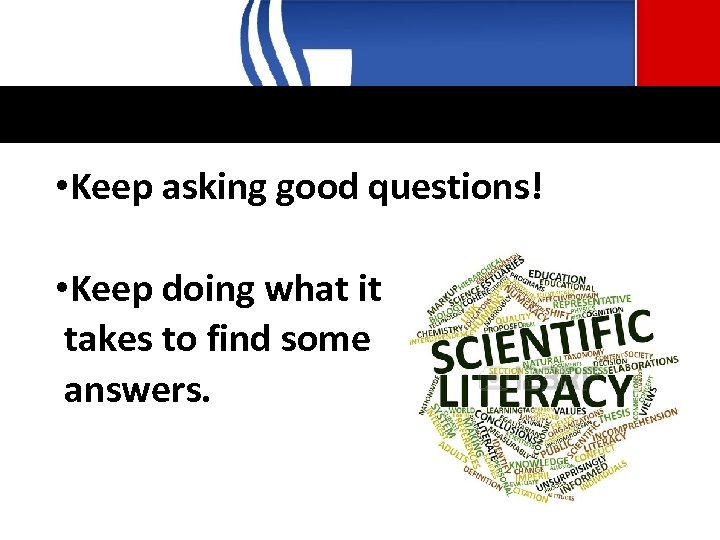 • Keep asking good questions! • Keep doing what it takes to find some answers.
 Dĕkuji Dr. Renee’ Schwartz Georgia State University rschwartz@gsu. edu