


 Скачать презентацию NATURE AND THE ENVIRONMENT Lecture 1 The Romance
245331ae9635d6168b5bd91d801c1c71.ppt
- Количество слайдов: 45
 NATURE AND THE ENVIRONMENT Lecture 1: The Romance of Nature in the Age of Industry Dr Chris Pearson
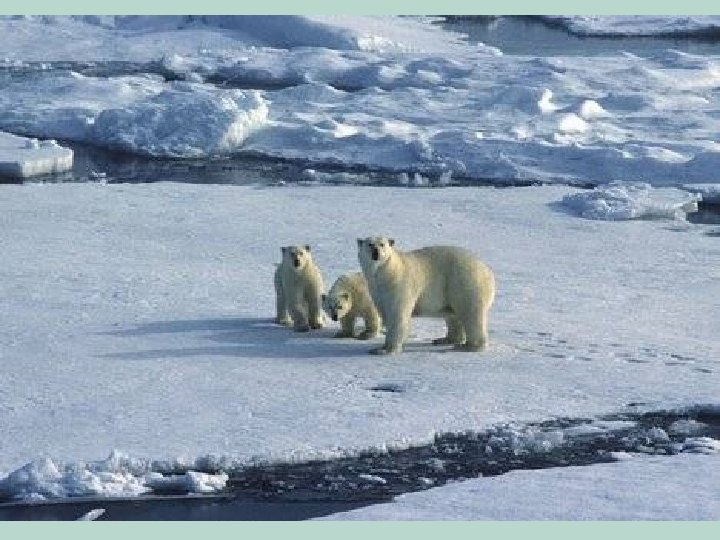
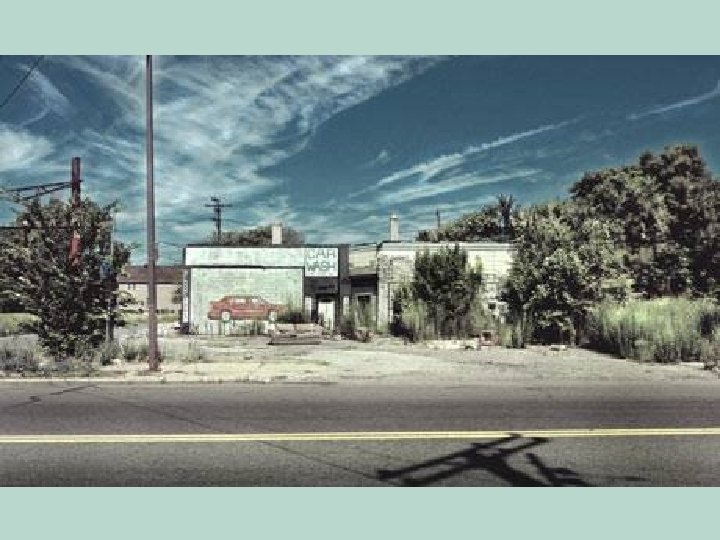
 How did the relationship between humans and nature change in the modern age?
![Defining and questioning nature • ‘Perhaps the most complex word in the [English] language.](https://present5.com/presentation/245331ae9635d6168b5bd91d801c1c71/image-5.jpg "Defining and questioning nature • ‘Perhaps the most complex word in the [English] language.") Defining and questioning nature • ‘Perhaps the most complex word in the [English] language. ’ (Raymond Williams) • What is nature? • Are humans part of nature? • Does nature transcend history? • This much is clear: nature has a history
Defining and questioning nature • ‘Perhaps the most complex word in the [English] language. ’ (Raymond Williams) • What is nature? • Are humans part of nature? • Does nature transcend history? • This much is clear: nature has a history
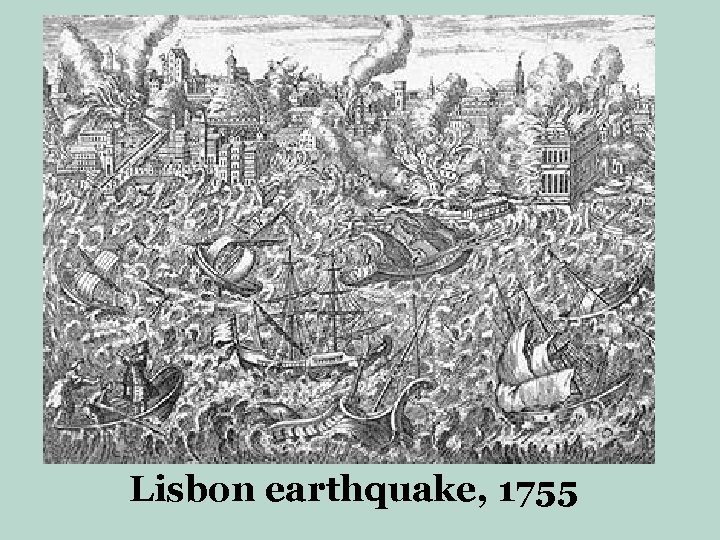 Lisbon earthquake, 1755
 Voltaire, Poem on the Lisbon Disaster ‘Unhappy mortals! Dark and mourning earth! Affrighted gathering of human kind! Eternal lingering of useless pain! Come, ye philosophers, who cry, “All’s well, ” And contemplate this ruin of a world’
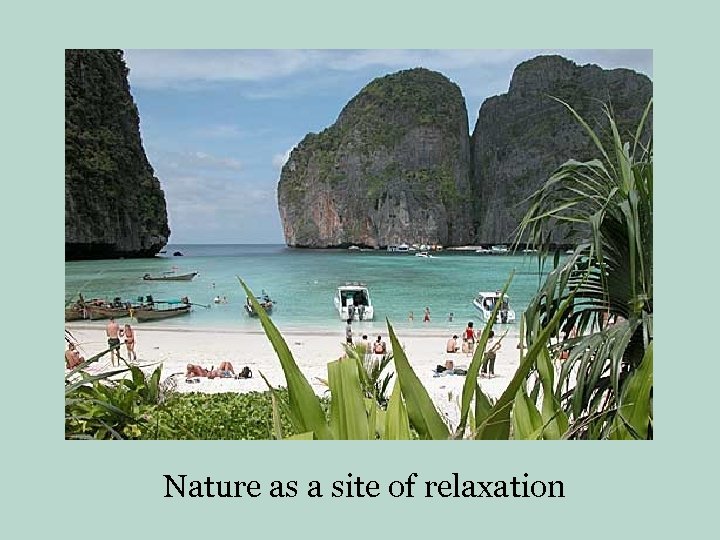 Nature as a site of relaxation
 Nature… • • • … is profoundly historical …changes over time …is bound up with “human” history …has no fixed meaning Environment a better word to use? Greater emphasis on human-nature interconnectedness
 Lecture outline • Nature and the scientific revolution • Arcadianism • Romanticism • The Reaction to Industrialisation
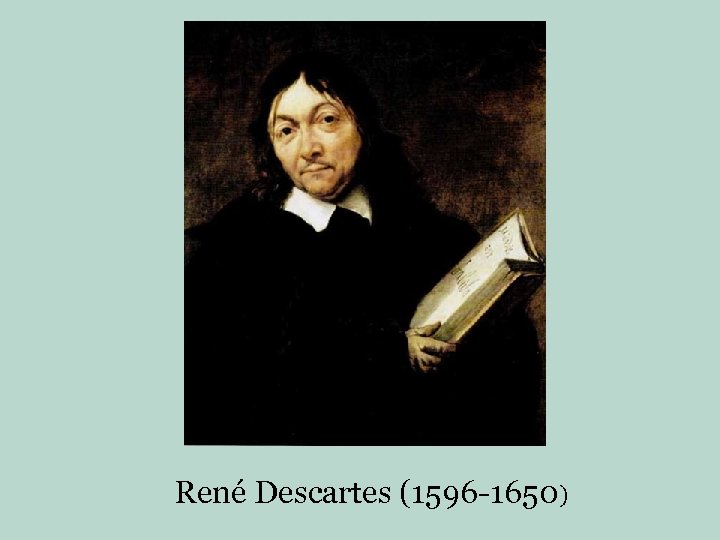 René Descartes (1596 -1650)
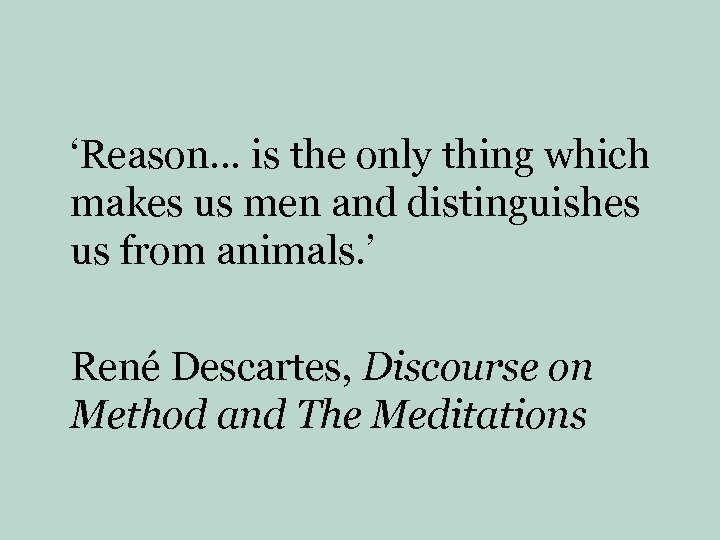 ‘Reason… is the only thing which makes us men and distinguishes us from animals. ’ René Descartes, Discourse on Method and The Meditations
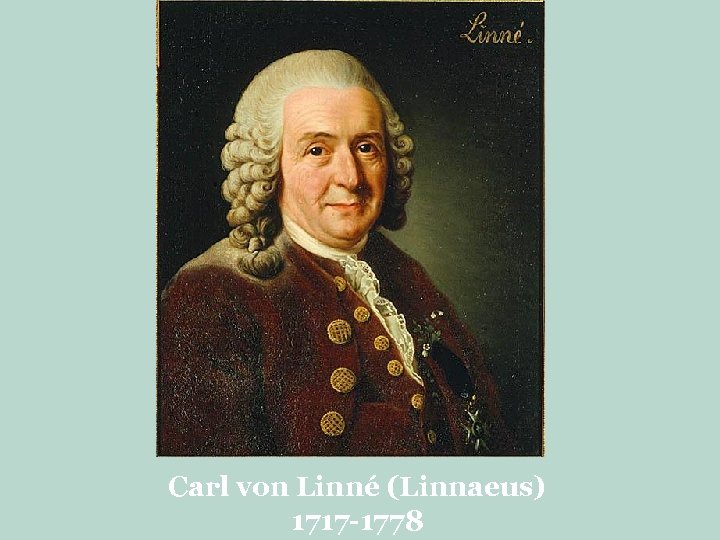 Carl von Linné (Linnaeus) 1717 -1778
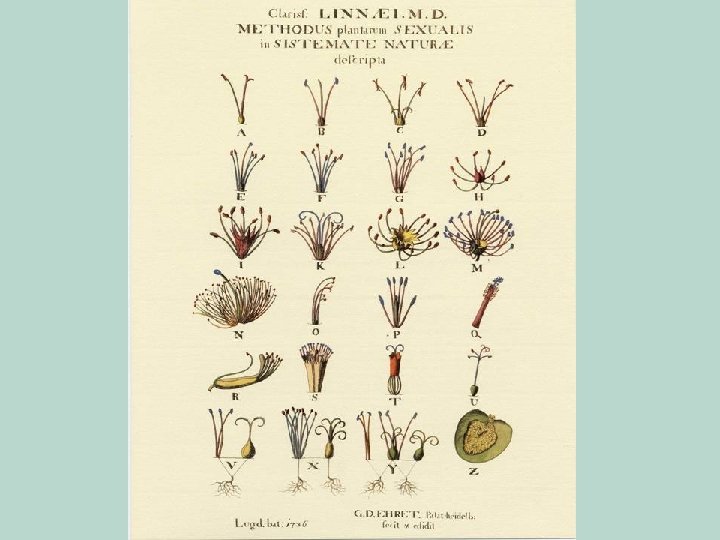
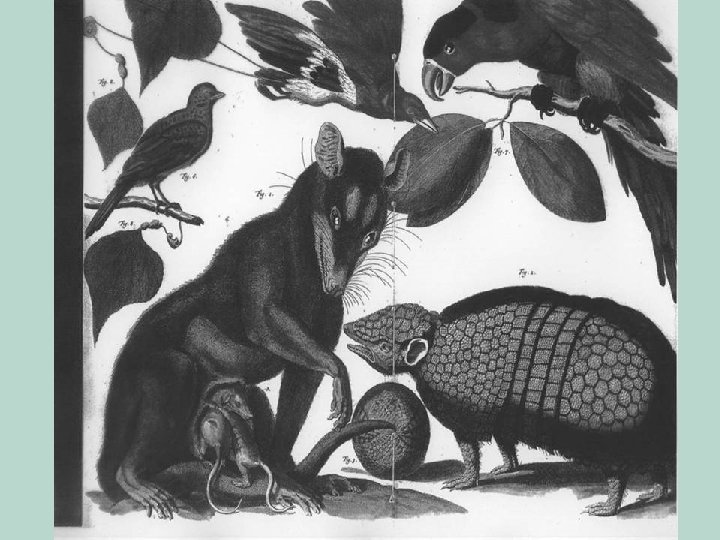
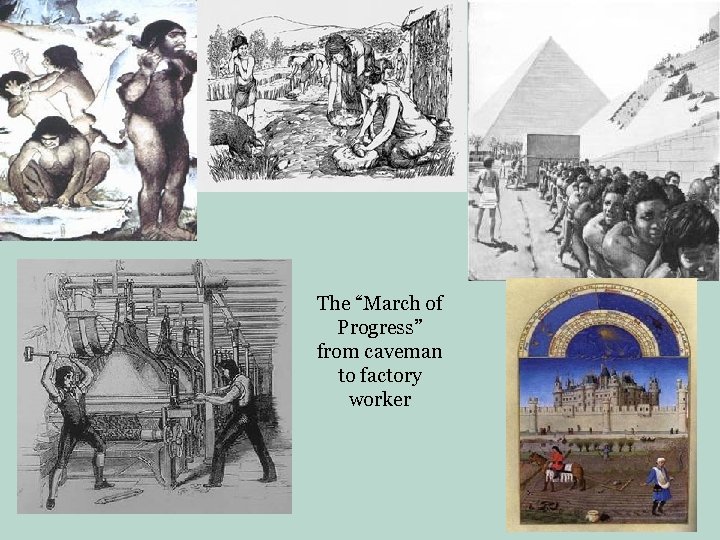 The “March of Progress” from caveman to factory worker
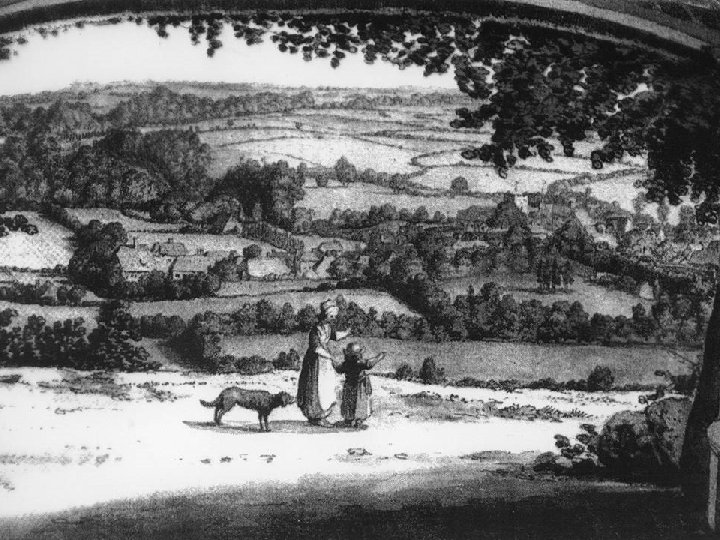
 Arcadianism ‘The ideal of a simple rural life in close harmony with nature. ’ Donald Worster, Nature's Economy: A History of Ecological Ideas, p. 378
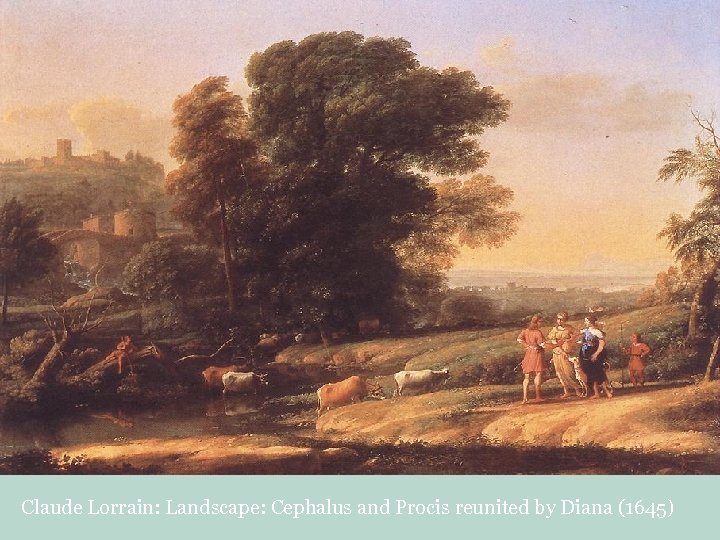 Claude Lorrain: Landscape: Cephalus and Procis reunited by Diana (1645)
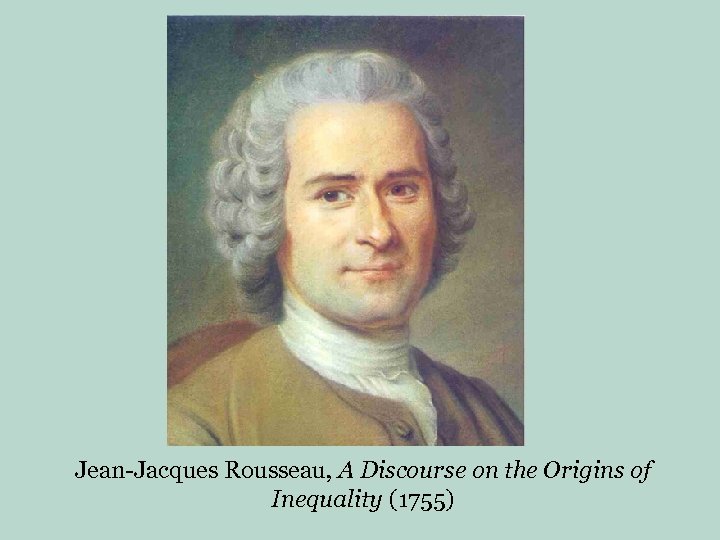 Jean-Jacques Rousseau, A Discourse on the Origins of Inequality (1755)
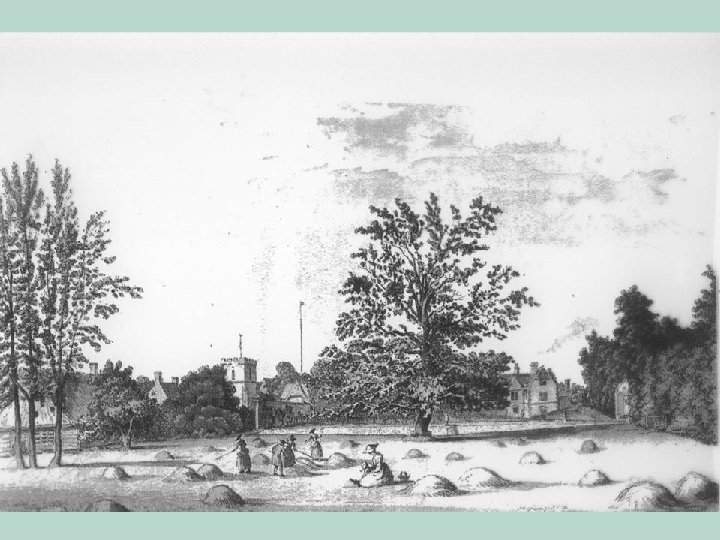
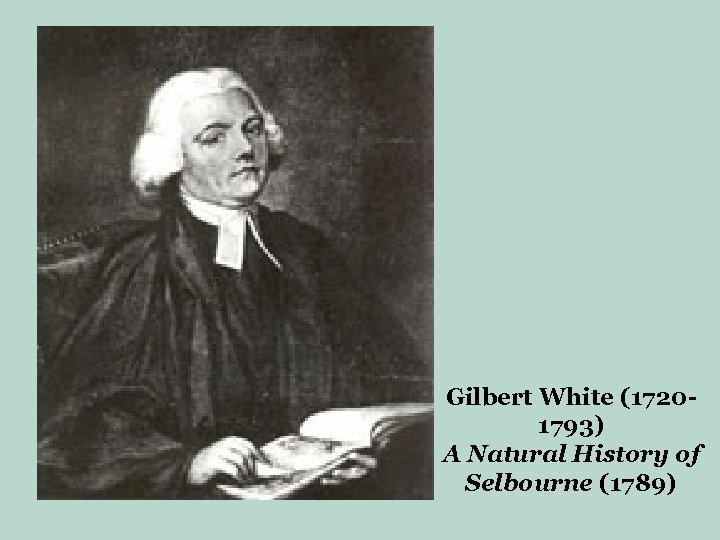 Gilbert White (17201793) A Natural History of Selbourne (1789)
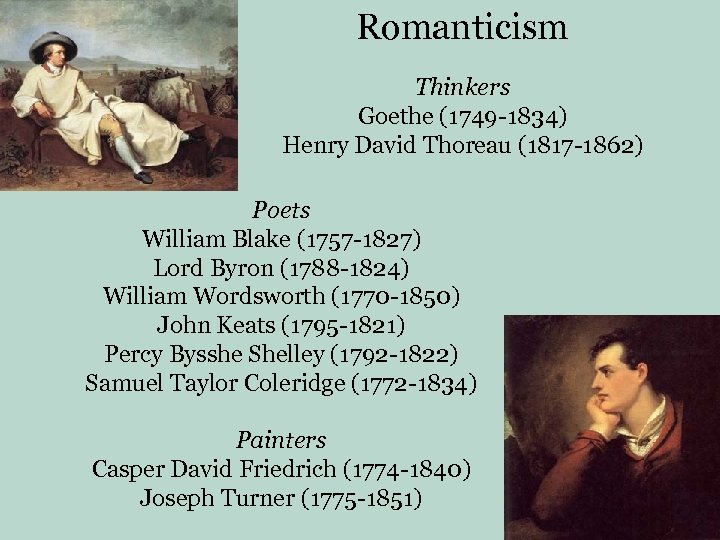 Romanticism Thinkers Goethe (1749 -1834) Henry David Thoreau (1817 -1862) Poets William Blake (1757 -1827) Lord Byron (1788 -1824) William Wordsworth (1770 -1850) John Keats (1795 -1821) Percy Bysshe Shelley (1792 -1822) Samuel Taylor Coleridge (1772 -1834) Painters Casper David Friedrich (1774 -1840) Joseph Turner (1775 -1851)
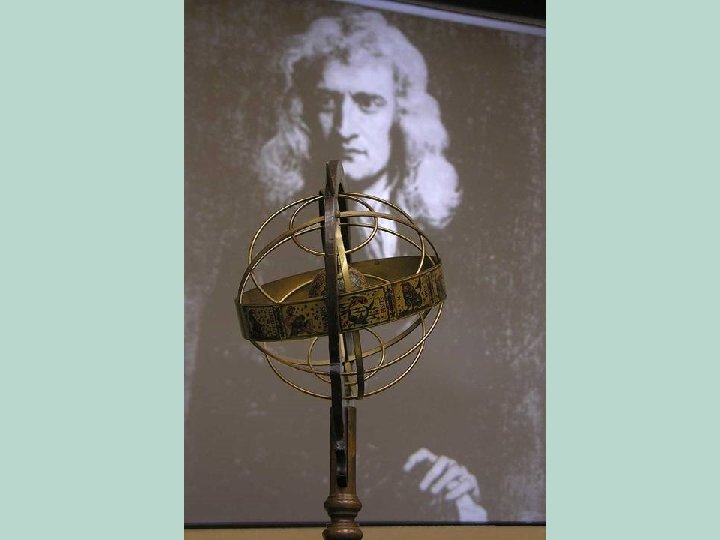
 William Blake: ‘May God keep us from single vision and Newton’s sleep!’ ‘To cast off Bacon, Locke and Newton from Albion’s covering, to take off his filthy garments and clothe him with Imagination. ’
 Wordsworth: ‘…to dissect is to murder. ’
 Coleridge condemned: ‘…the extreme overrating of the knowledge and power given to the improvements of the arts and sciences, especially those of astronomy, mechanics, and wonder -working chemistry’.
 John Keats: ‘I am certain of nothing but the holiness of the Heart’s affections, and the truth of the Imagination. ’
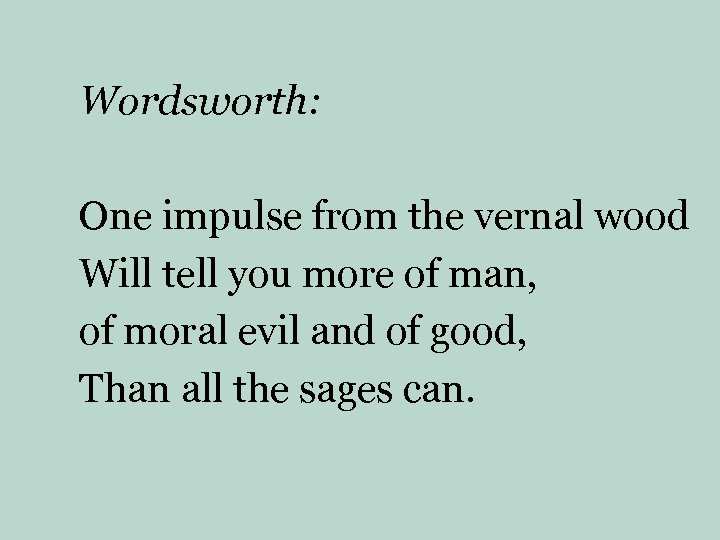 Wordsworth: One impulse from the vernal wood Will tell you more of man, of moral evil and of good, Than all the sages can.
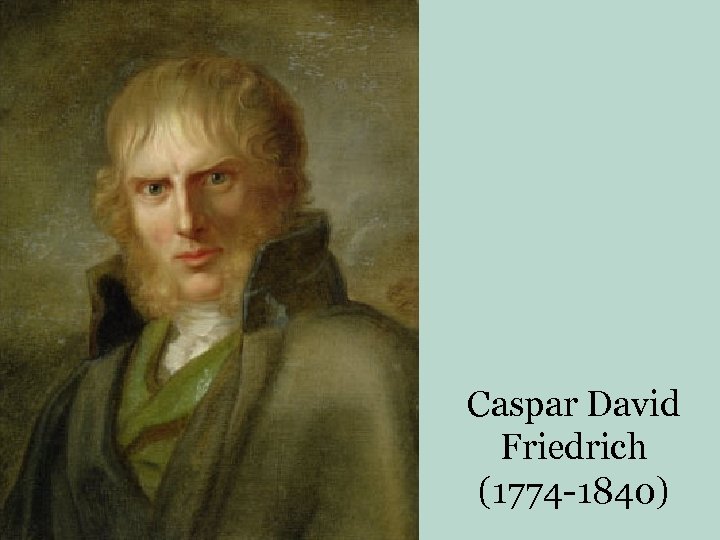 Caspar David Friedrich (1774 -1840)
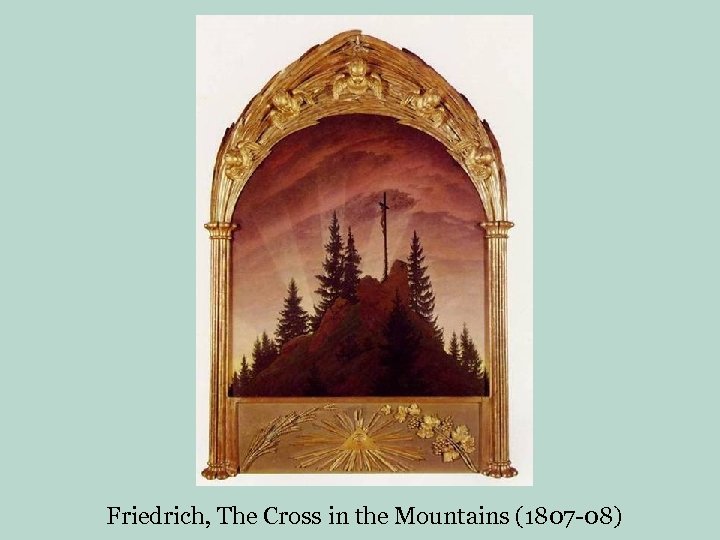 Friedrich, The Cross in the Mountains (1807 -08)
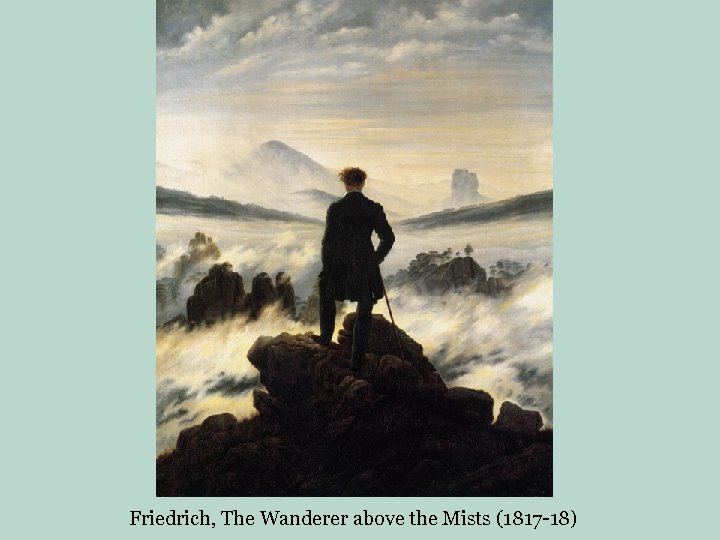 Friedrich, The Wanderer above the Mists (1817 -18)
 The sublime • Romantic reinvention of mountains from feared and loathed places to awe-inspiring landscapes • The sublime – intermingling of beauty and fear • The sense of the sublime one of the most elevated emotional states a human could attain
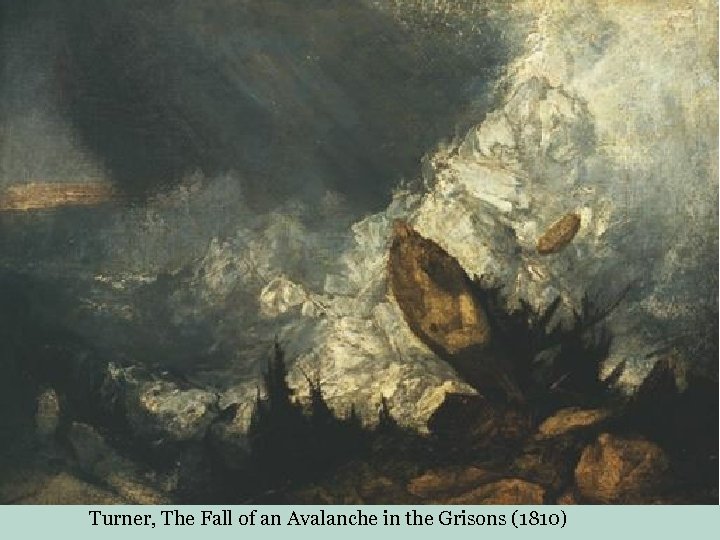 Turner, The Fall of an Avalanche in the Grisons (1810)
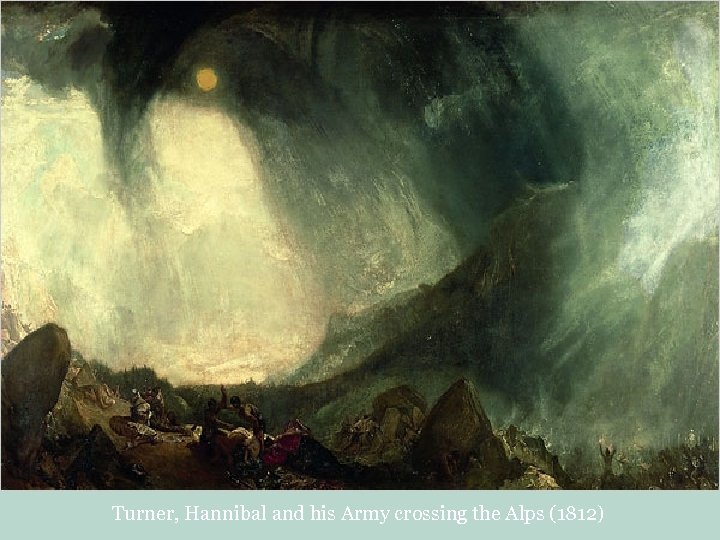 Turner, Hannibal and his Army crossing the Alps (1812)
 Safety first for Rousseau: ‘I must have torrents, rocks, pines, dead forest, mountains, rugged paths to go up and down, precipices beside me to frighten me for the odd thing about my liking for precipitous places is that they make giddy, and I enjoy this giddiness greatly, provided that I am safely placed. ’
 Samuel Johnson dismisses the romantic view of nature: ‘We had a pleasing conviction of the commodiousness of civilisation, and heartily laughed at the ravings of those absurd visionaries who have attempted to persuade us of the superior advantages of a state of nature. ’
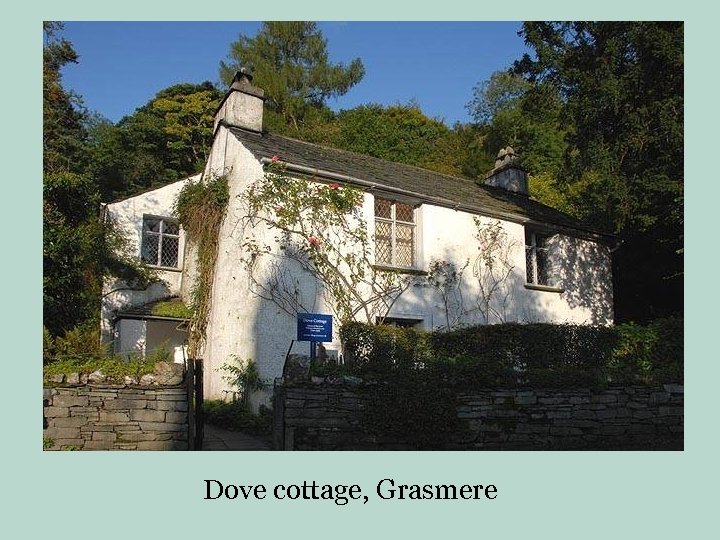 Dove cottage, Grasmere
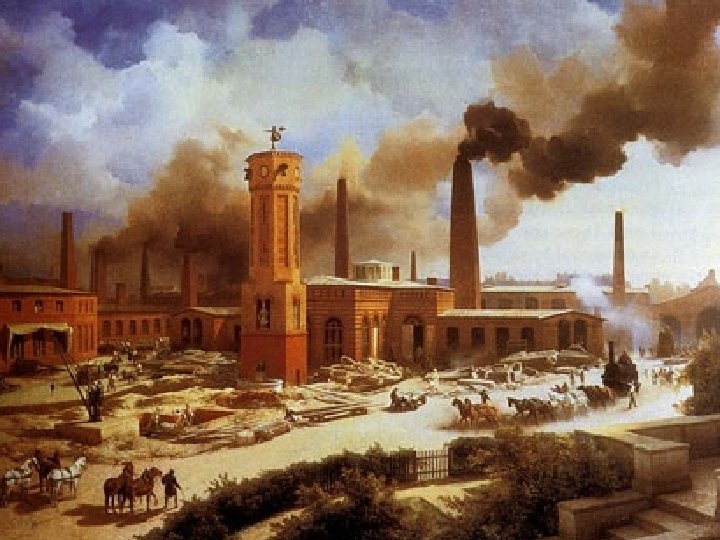
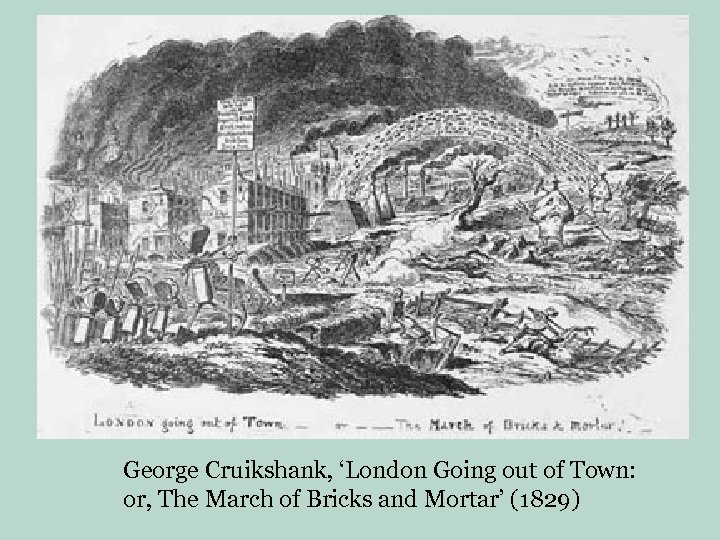 George Cruikshank, ‘London Going out of Town: or, The March of Bricks and Mortar’ (1829)
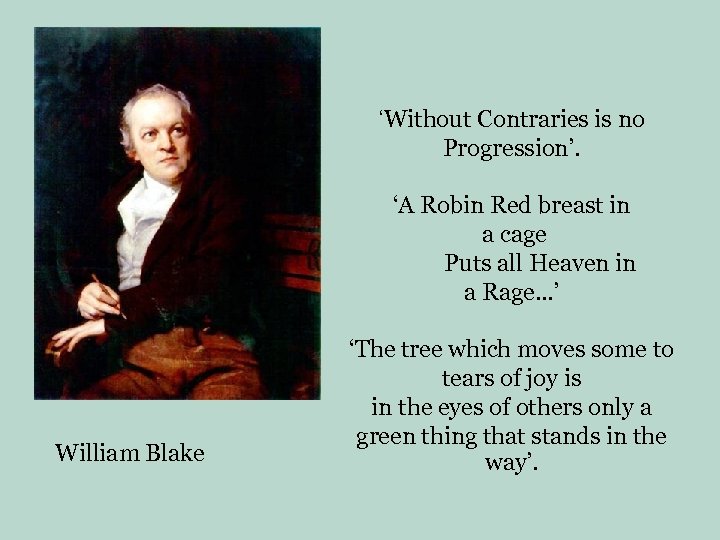 ‘Without Contraries is no Progression’. ‘A Robin Red breast in a cage Puts all Heaven in a Rage. . . ’ William Blake ‘The tree which moves some to tears of joy is in the eyes of others only a green thing that stands in the way’.
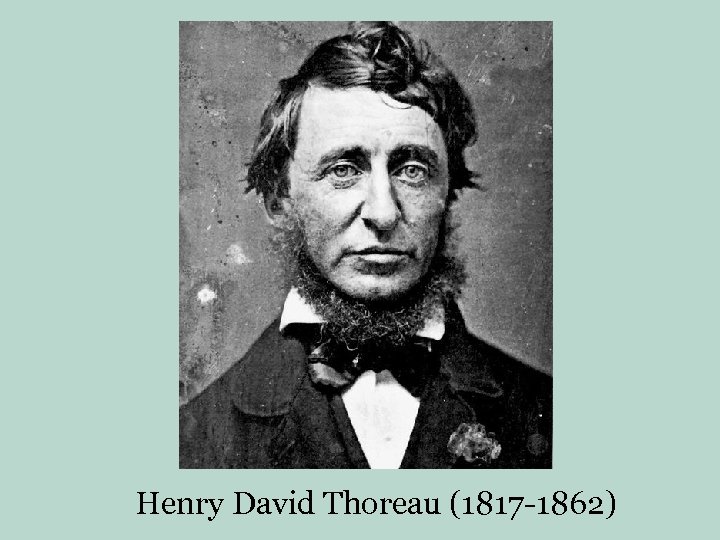 Henry David Thoreau (1817 -1862)
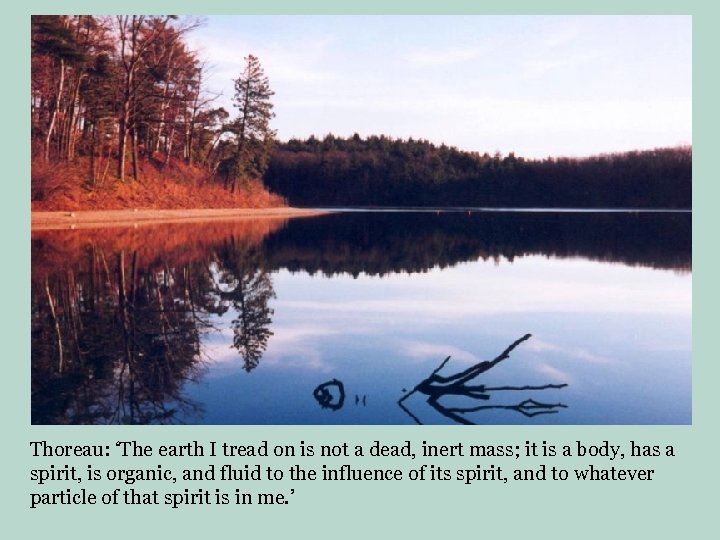 Thoreau: ‘The earth I tread on is not a dead, inert mass; it is a body, has a spirit, is organic, and fluid to the influence of its spirit, and to whatever particle of that spirit is in me. ’
 Thoreau in 1842: ‘The true man of science will know nature better by his finer organisation; he will smell, taste, see, hear, feel, better than other men. His will be a deeper and finer experience. We do not learn by inference and deduction, and the application of mathematics to philosophy, but by direct intercourse and sympathy. . . The most scientific will still be the healthiest and friendliest man, and possess a more perfect Indian [Native American] wisdom. ’