


 Скачать презентацию Natural Grassland Muddy Pool Artificial Grassland
a72c667676cef4a58cb9ff3535fbbf50.ppt
- Количество слайдов: 32
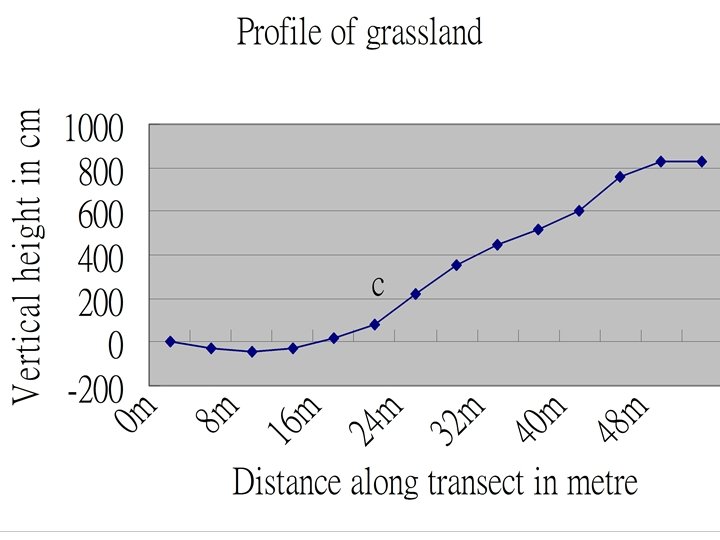
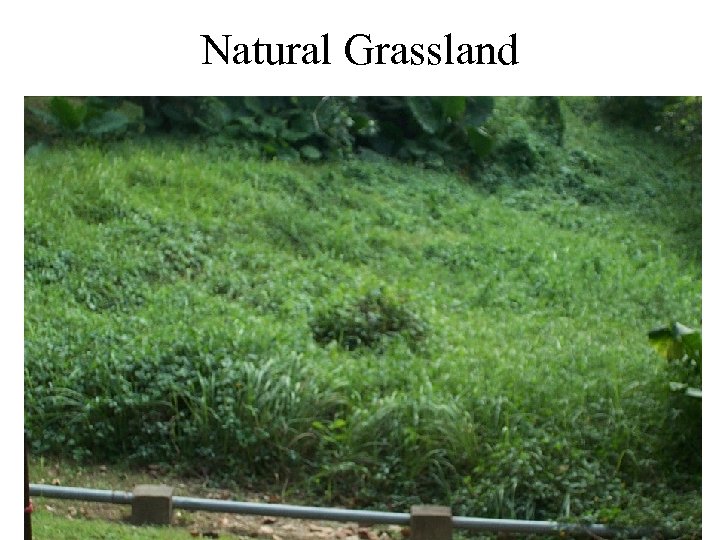 Natural Grassland
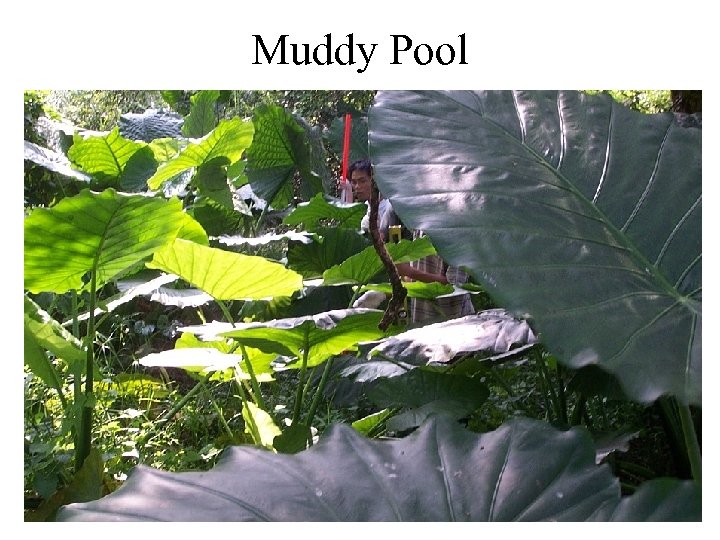 Muddy Pool
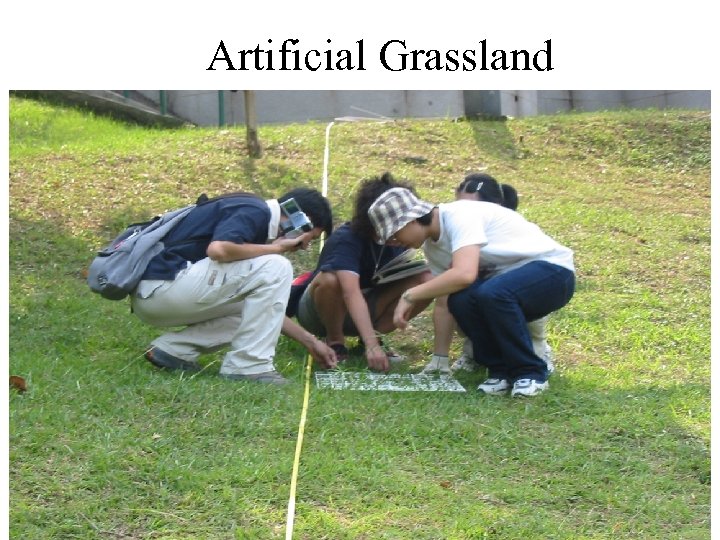 Artificial Grassland
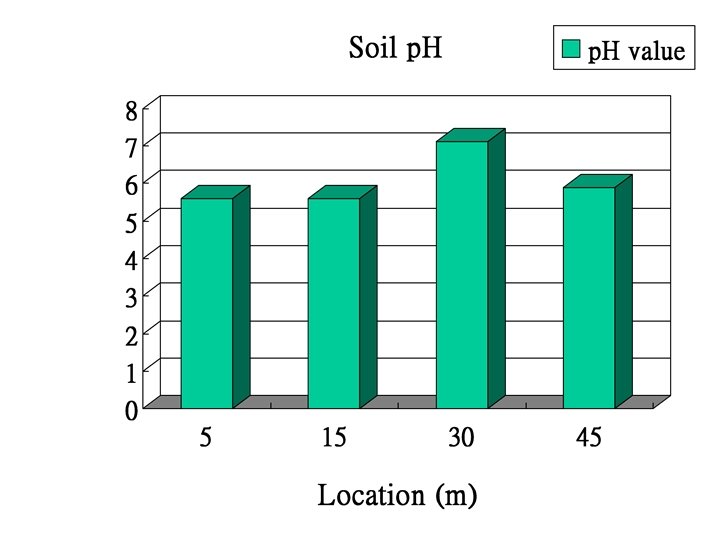
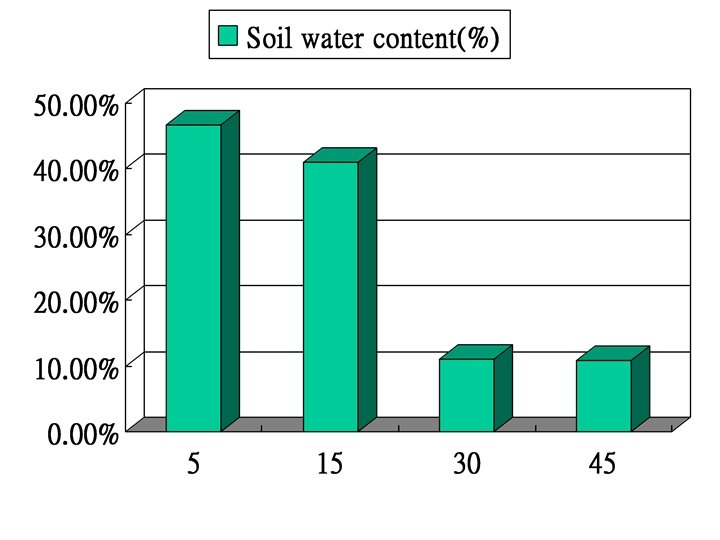
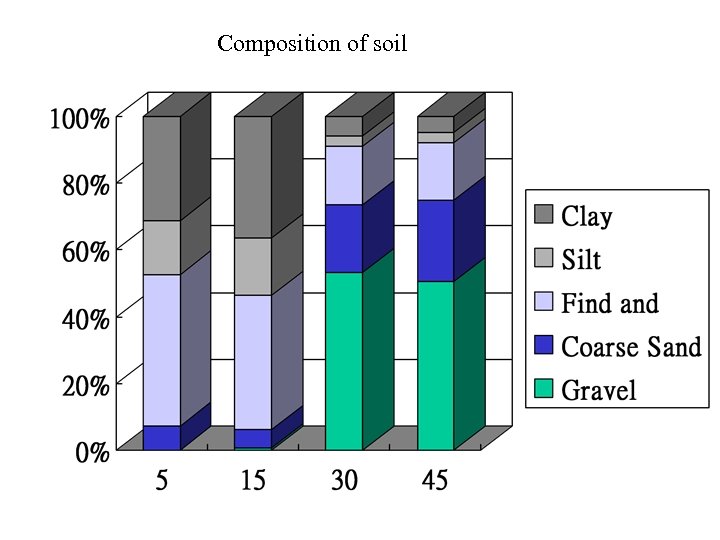 Composition of soil
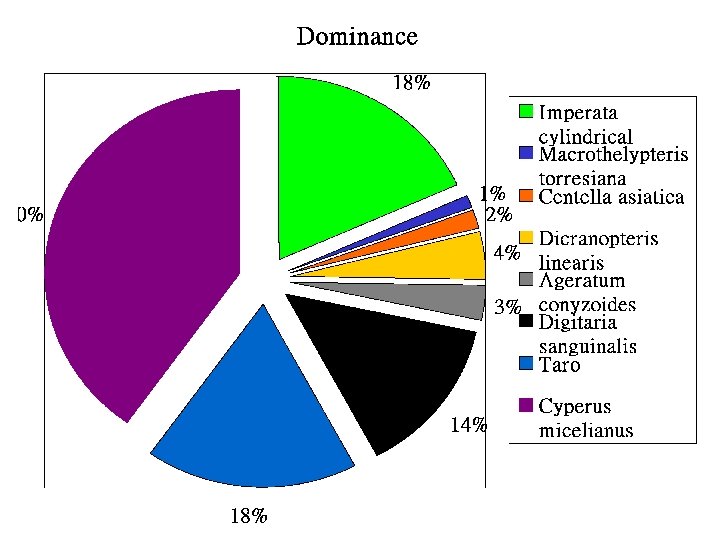
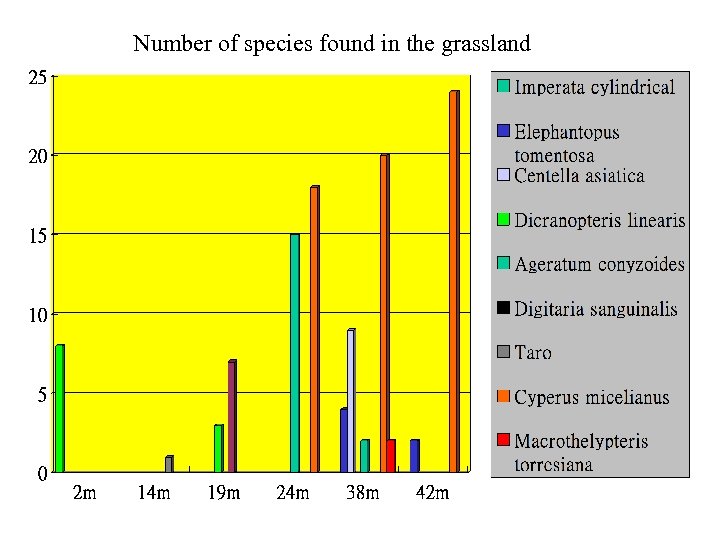 Number of species found in the grassland
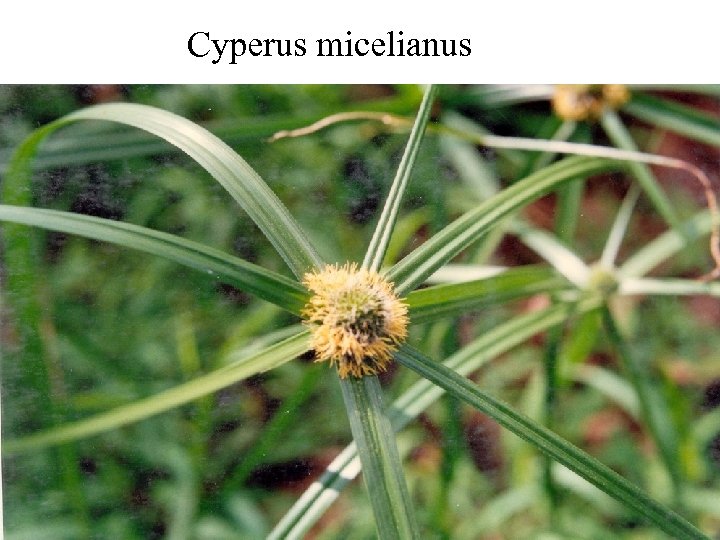 Cyperus micelianus
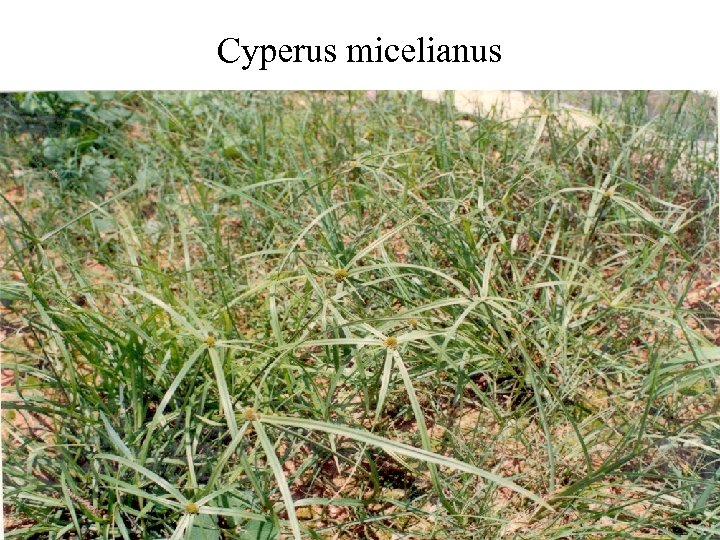 Cyperus micelianus
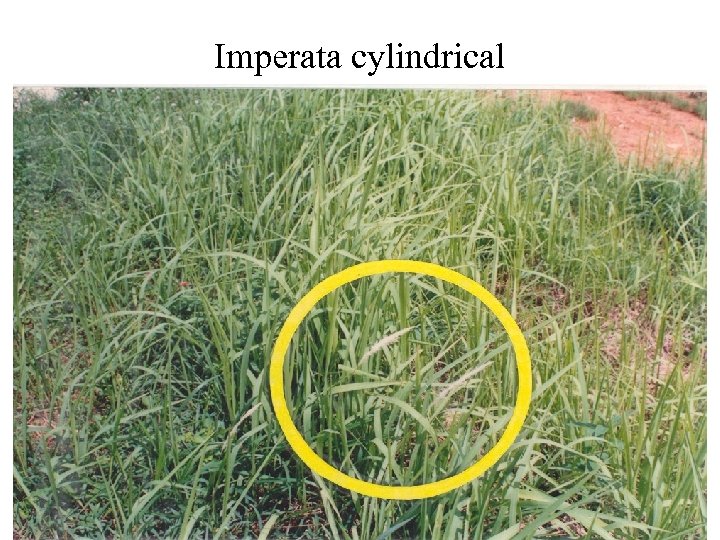 Imperata cylindrical
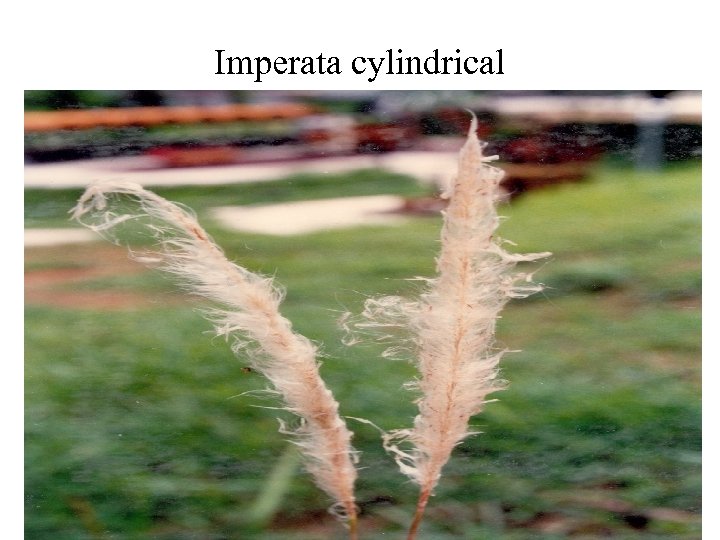 Imperata cylindrical
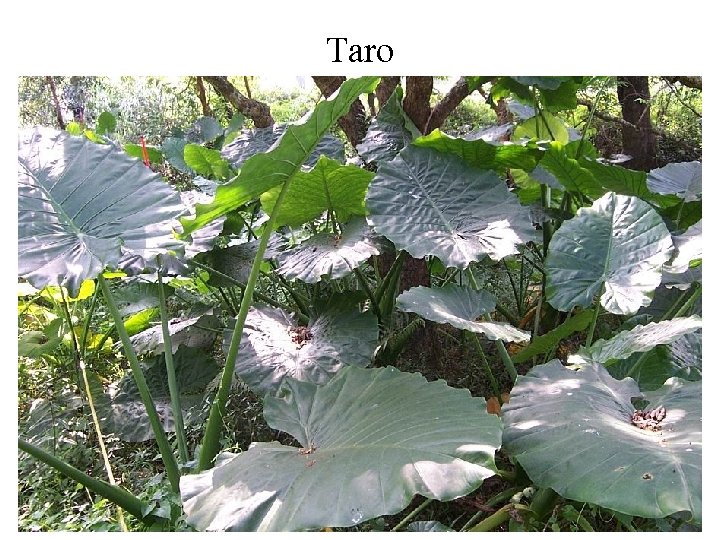 Taro
Taro
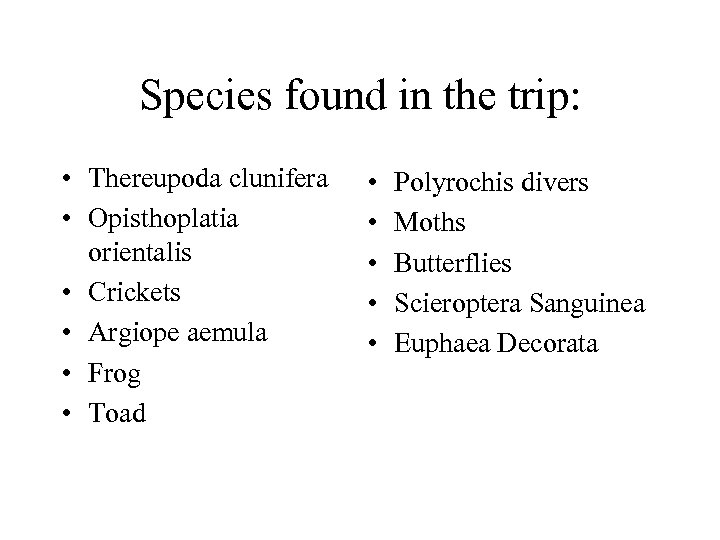 Species found in the trip: • Thereupoda clunifera • Opisthoplatia orientalis • Crickets • Argiope aemula • Frog • Toad • • • Polyrochis divers Moths Butterflies Scieroptera Sanguinea Euphaea Decorata
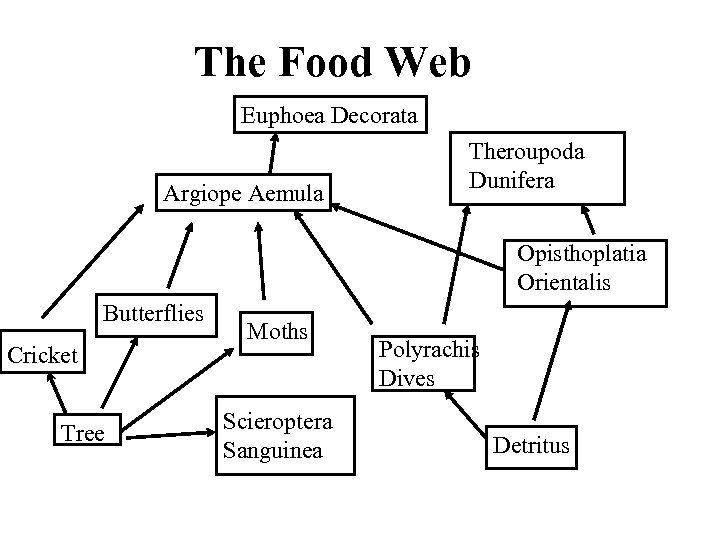 The Food Web Euphoea Decorata Argiope Aemula Theroupoda Dunifera Opisthoplatia Orientalis Butterflies Cricket Tree Moths Scieroptera Sanguinea Polyrachis Dives Detritus
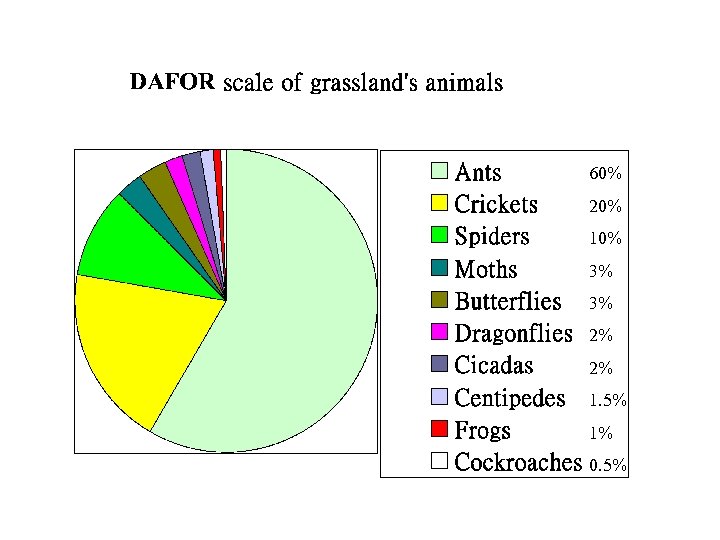 60% 20% 10% 3% 3% 2% 2% 1. 5% 1% 0. 5%
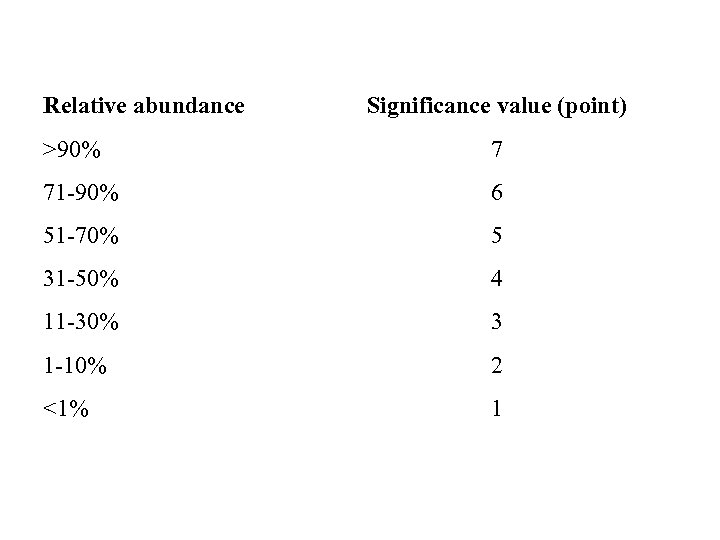 Relative abundance Significance value (point) >90% 7 71 -90% 6 51 -70% 5 31 -50% 4 11 -30% 3 1 -10% 2 <1% 1
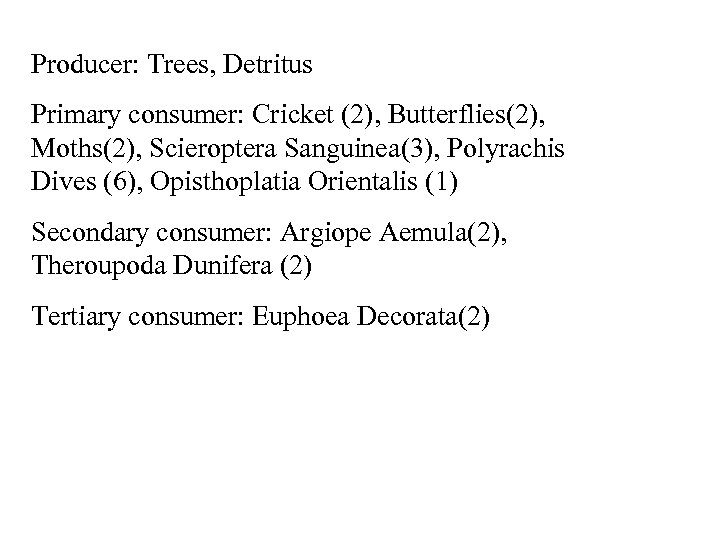 Producer: Trees, Detritus Primary consumer: Cricket (2), Butterflies(2), Moths(2), Scieroptera Sanguinea(3), Polyrachis Dives (6), Opisthoplatia Orientalis (1) Secondary consumer: Argiope Aemula(2), Theroupoda Dunifera (2) Tertiary consumer: Euphoea Decorata(2)
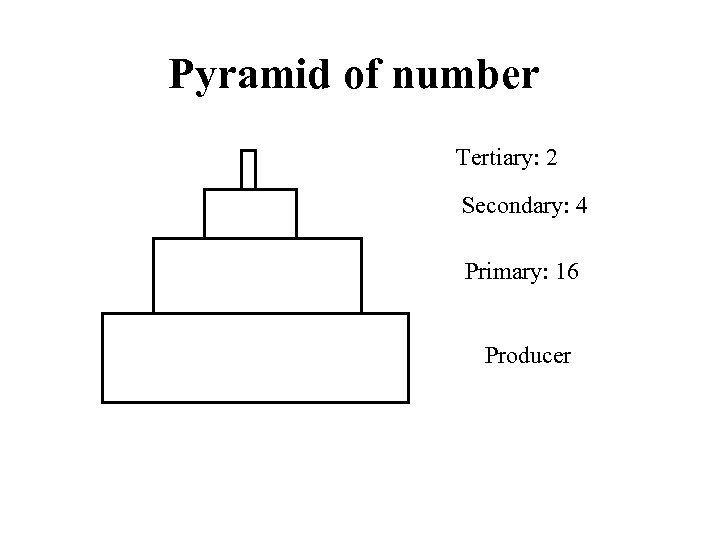 Pyramid of number Tertiary: 2 Secondary: 4 Primary: 16 Producer
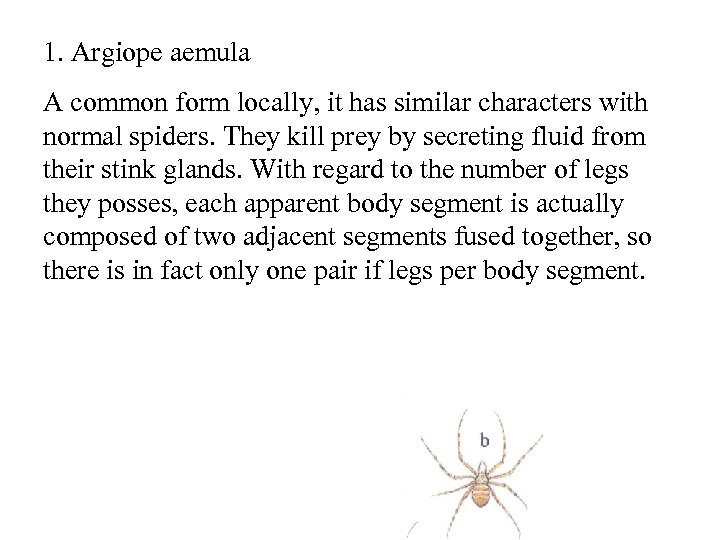 1. Argiope aemula A common form locally, it has similar characters with normal spiders. They kill prey by secreting fluid from their stink glands. With regard to the number of legs they posses, each apparent body segment is actually composed of two adjacent segments fused together, so there is in fact only one pair if legs per body segment.
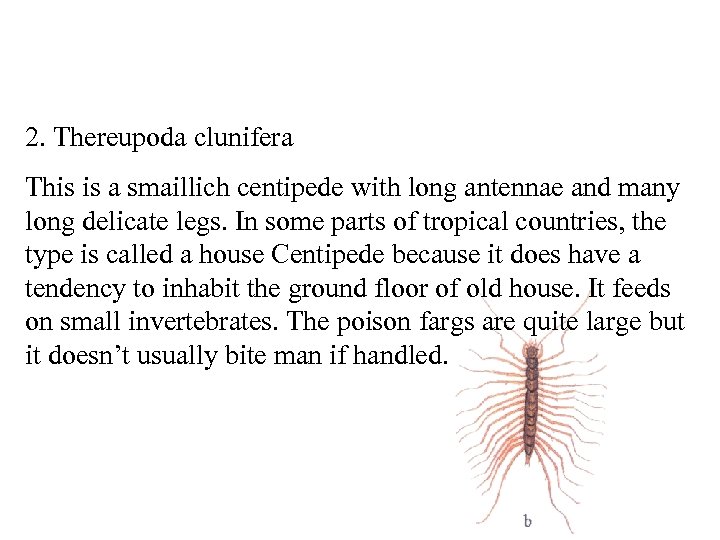 2. Thereupoda clunifera This is a smaillich centipede with long antennae and many long delicate legs. In some parts of tropical countries, the type is called a house Centipede because it does have a tendency to inhabit the ground floor of old house. It feeds on small invertebrates. The poison fargs are quite large but it doesn’t usually bite man if handled.
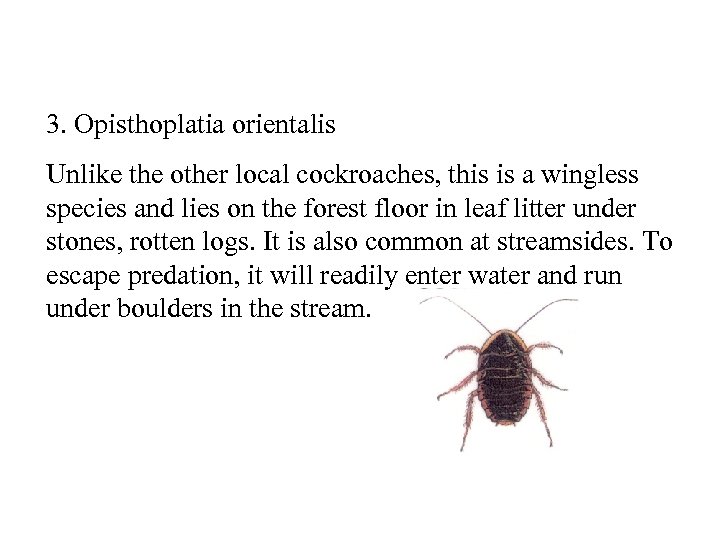 3. Opisthoplatia orientalis Unlike the other local cockroaches, this is a wingless species and lies on the forest floor in leaf litter under stones, rotten logs. It is also common at streamsides. To escape predation, it will readily enter water and run under boulders in the stream.
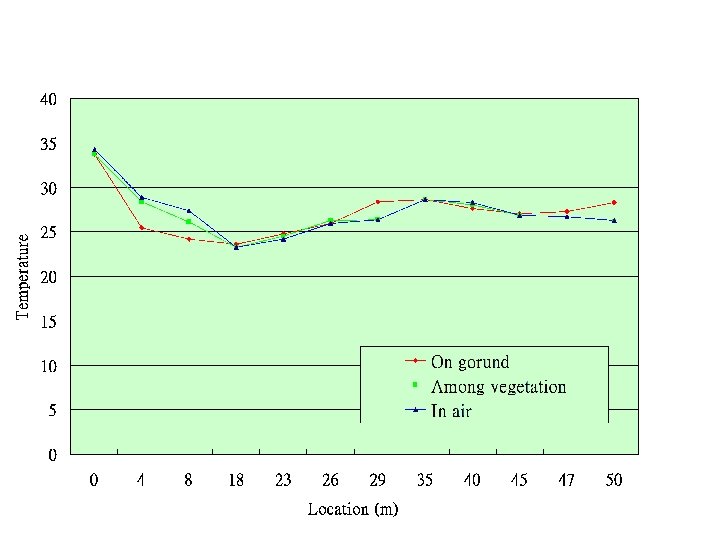
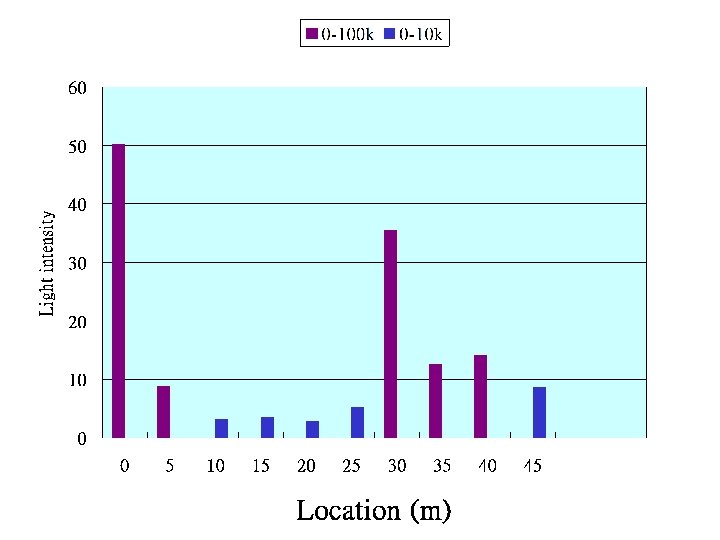
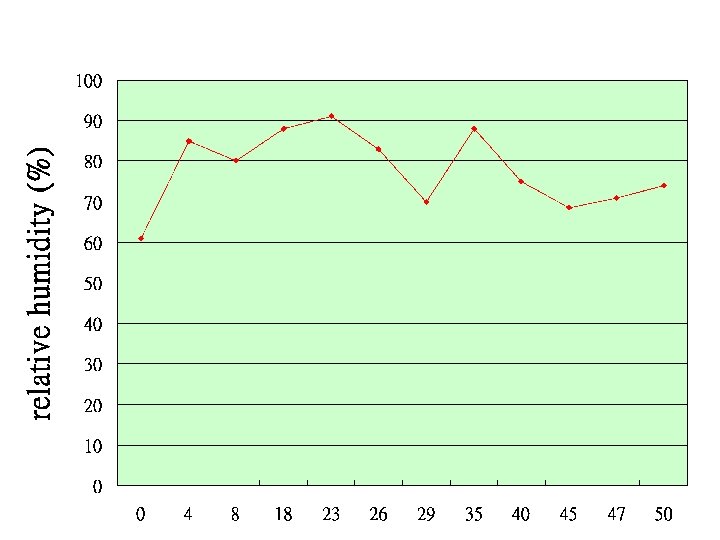
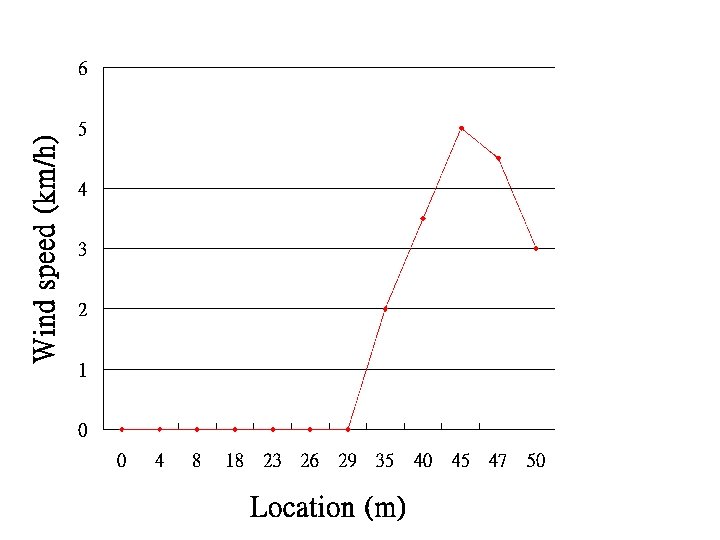
 Data analysis The most abundance animals: ants The less abundance animals: moths and dragonfly Environment: hot and exposed
 There are several adaptive features posses by ants that enable them to become the most abundance animals: 1. Small size which is easy to hide. 2. Sensitive to detect the change in environment. 3. They feed on dead organic matters which have a large supply. 4. They can eject formic acid to paralyze other insects.
 Other adoptive features posses by other animals to adapt the environment: 1. Crickets: camouflage which is needed for protecting themselves. 2. Centipede: Have poison fargs to kill prey.
 Methods of capturing animals: Sources of error: 1. Only same species have been caught or seen, the actual number of species in the grassland cannot be shown. 2. The underground animals may be neglected. 3. Some species may not present in that time (afternoon).
 Suggestions or improvements: 1. More species can be investigated if the animals capturing can be done at different time. The result can be more accurate. 2. Lesser disturbance would be done on animals if there are fewer people on the grassland. This causes less errors to the results.