


 Скачать презентацию Native Californians Yuma Indians Chumash Indians
c107e4f9577fd821e20ec3b9db46a98e.ppt
- Количество слайдов: 42
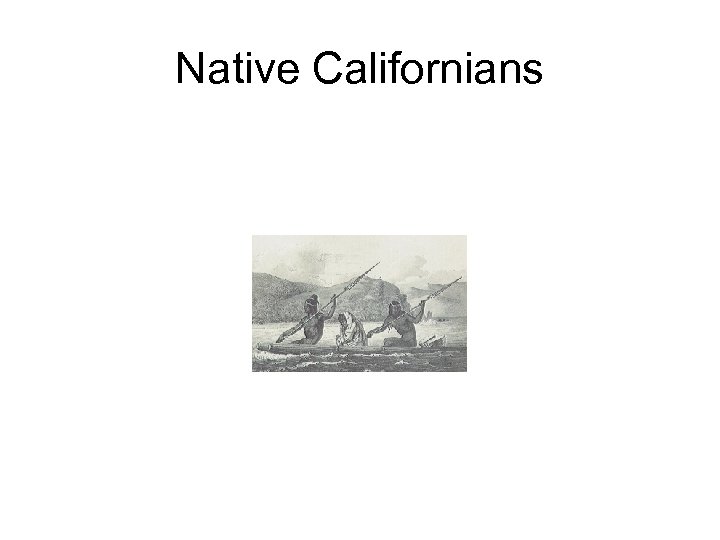 Native Californians
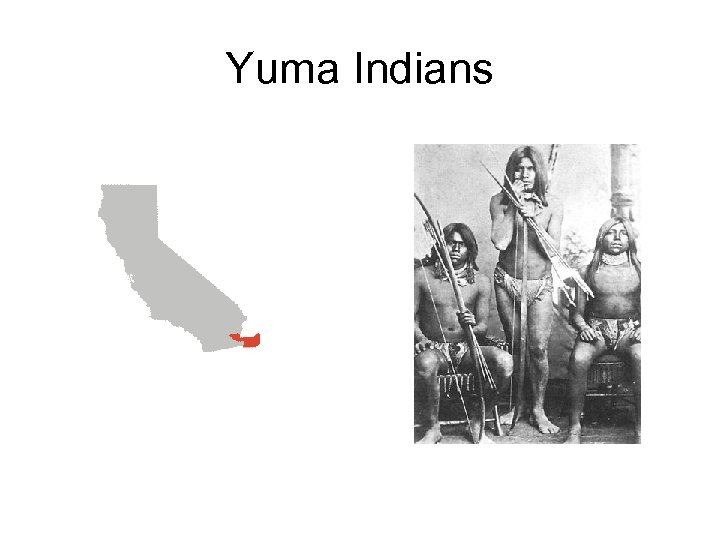 Yuma Indians
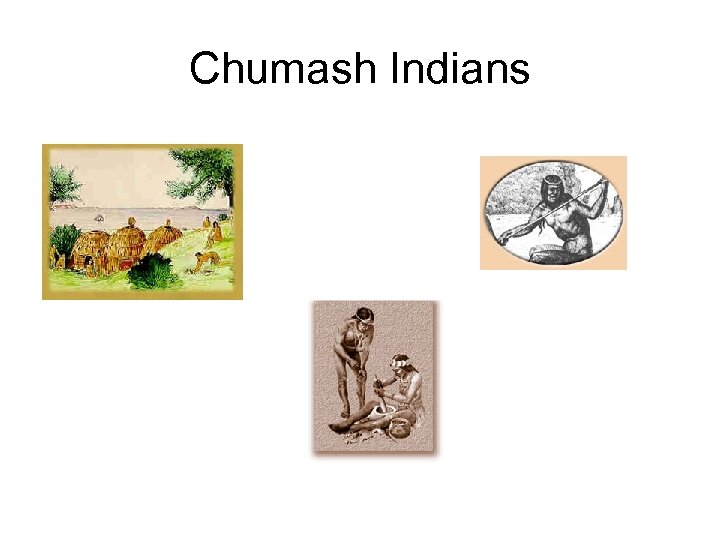 Chumash Indians
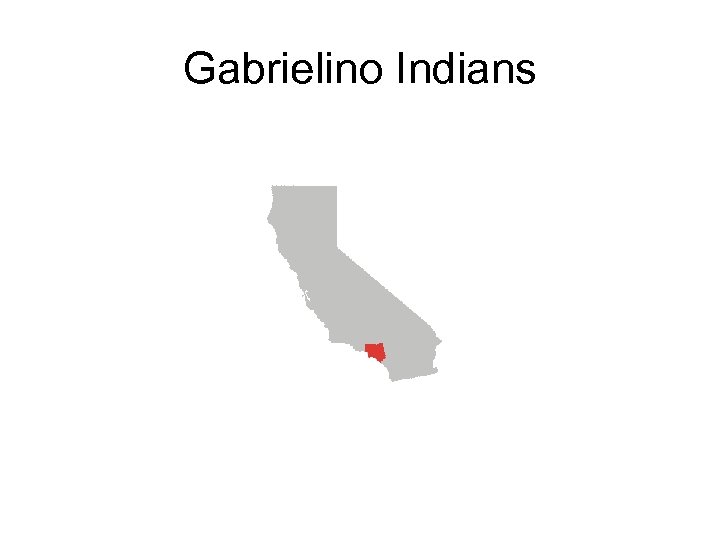 Gabrielino Indians
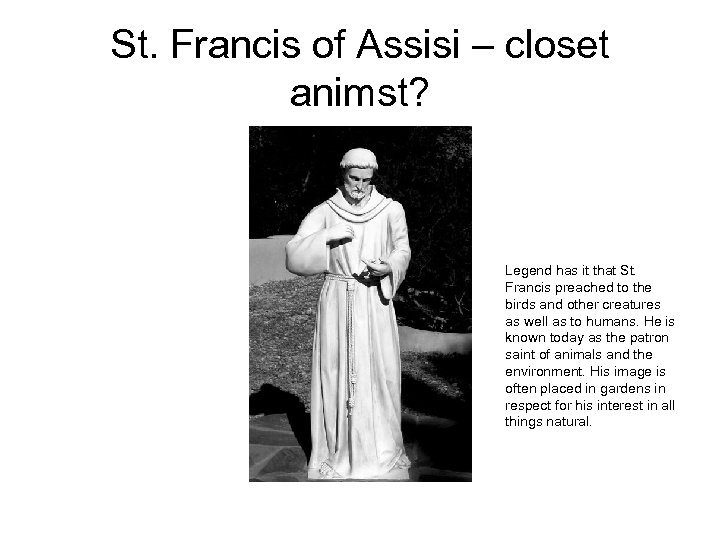 St. Francis of Assisi – closet animst? Legend has it that St. Francis preached to the birds and other creatures as well as to humans. He is known today as the patron saint of animals and the environment. His image is often placed in gardens in respect for his interest in all things natural.
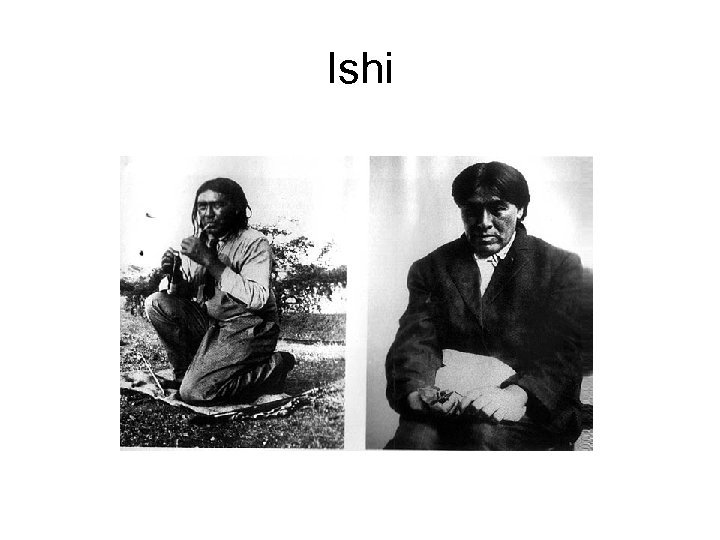 Ishi
Ishi
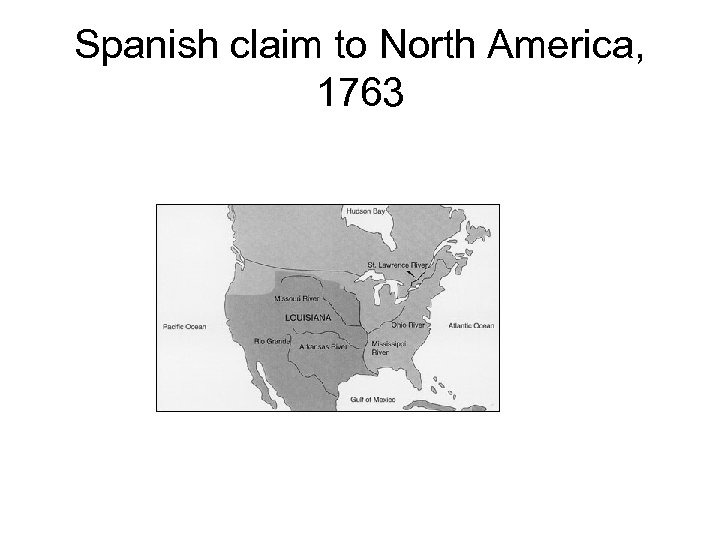 Spanish claim to North America, 1763
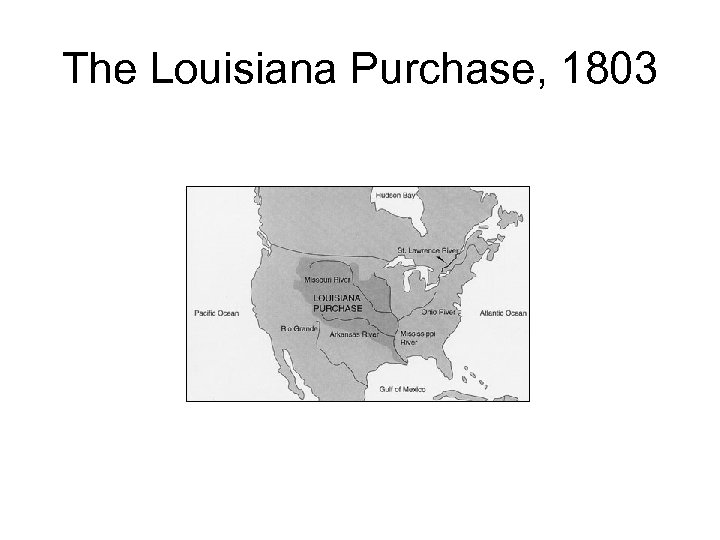 The Louisiana Purchase, 1803
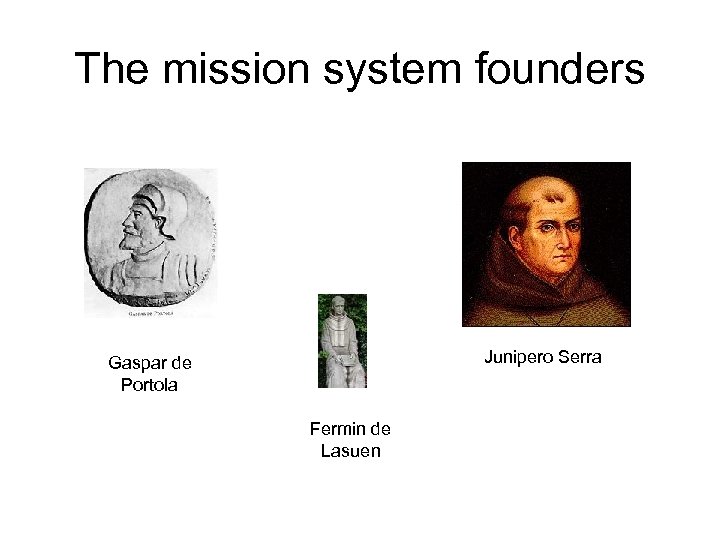 The mission system founders Junipero Serra Gaspar de Portola Fermin de Lasuen
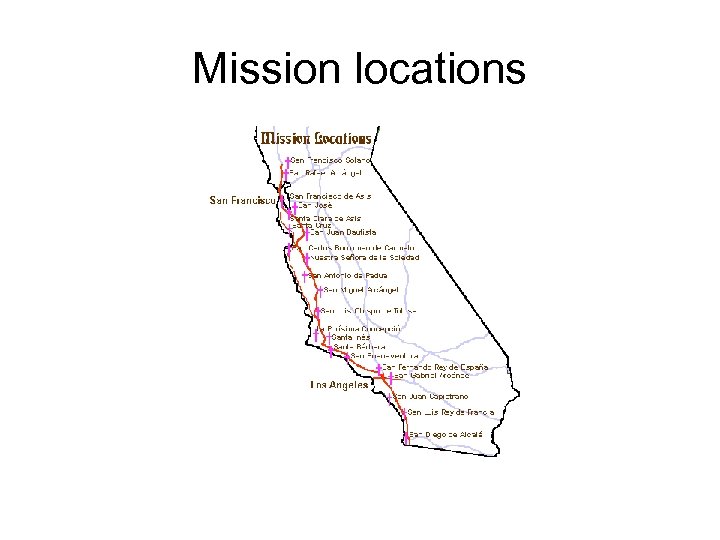 Mission locations
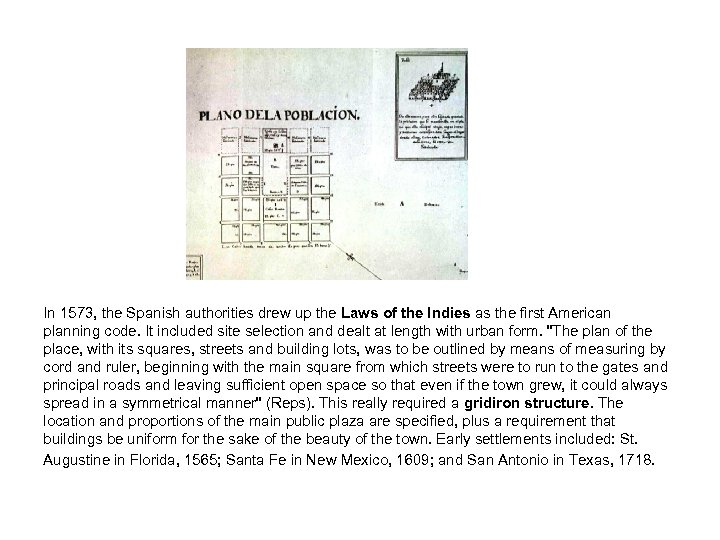 In 1573, the Spanish authorities drew up the Laws of the Indies as the first American planning code. It included site selection and dealt at length with urban form. "The plan of the place, with its squares, streets and building lots, was to be outlined by means of measuring by cord and ruler, beginning with the main square from which streets were to run to the gates and principal roads and leaving sufficient open space so that even if the town grew, it could always spread in a symmetrical manner" (Reps). This really required a gridiron structure. The location and proportions of the main public plaza are specified, plus a requirement that buildings be uniform for the sake of the beauty of the town. Early settlements included: St. Augustine in Florida, 1565; Santa Fe in New Mexico, 1609; and San Antonio in Texas, 1718.
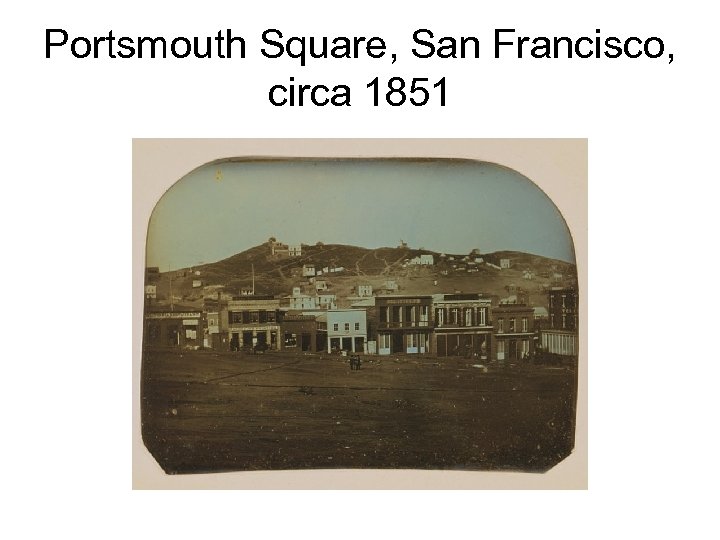 Portsmouth Square, San Francisco, circa 1851
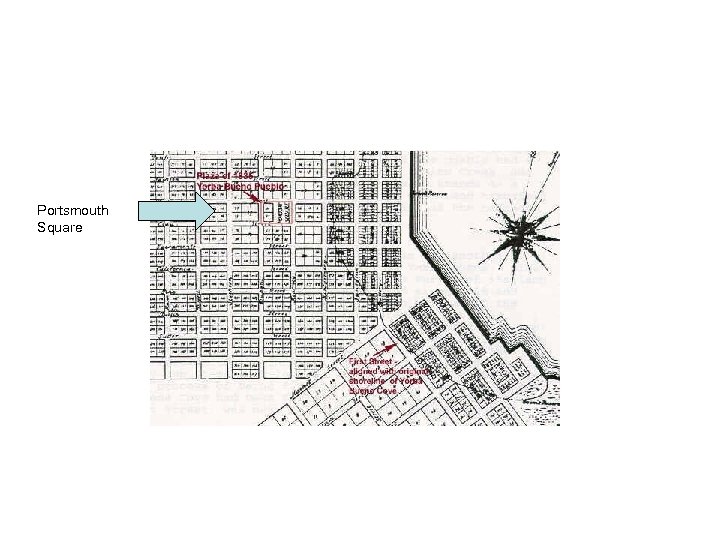 Portsmouth Square
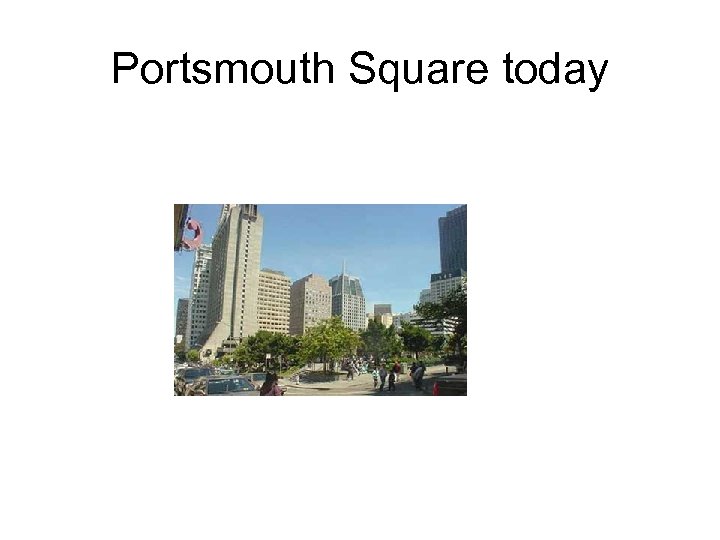 Portsmouth Square today
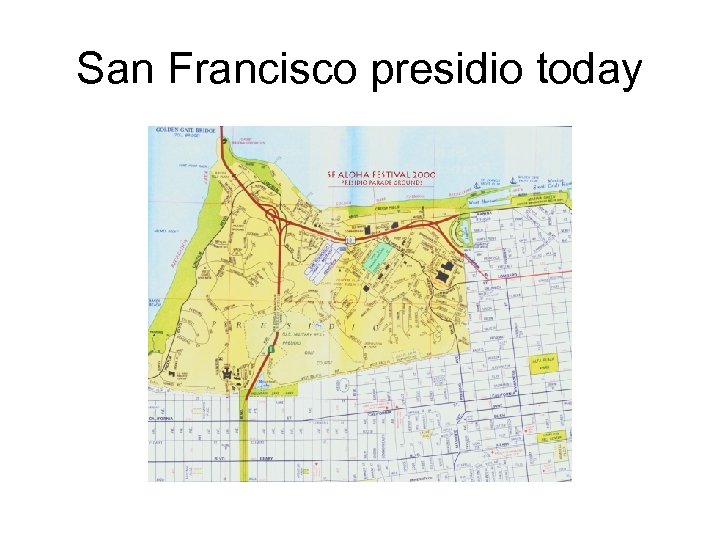 San Francisco presidio today
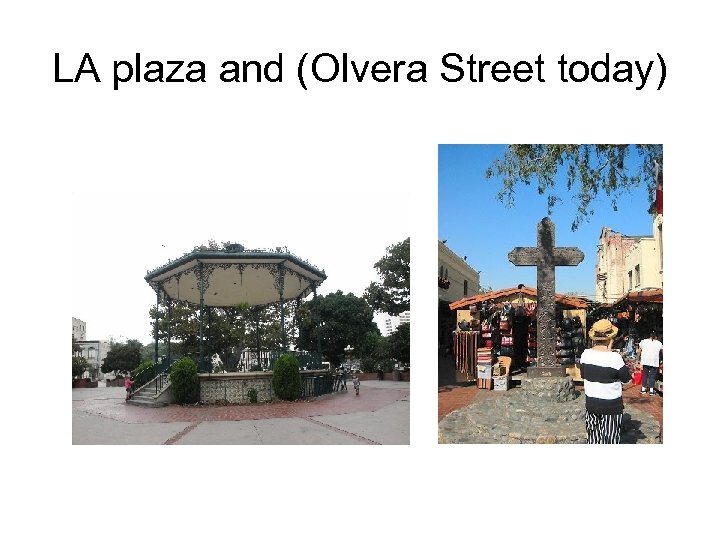 LA plaza and (Olvera Street today)
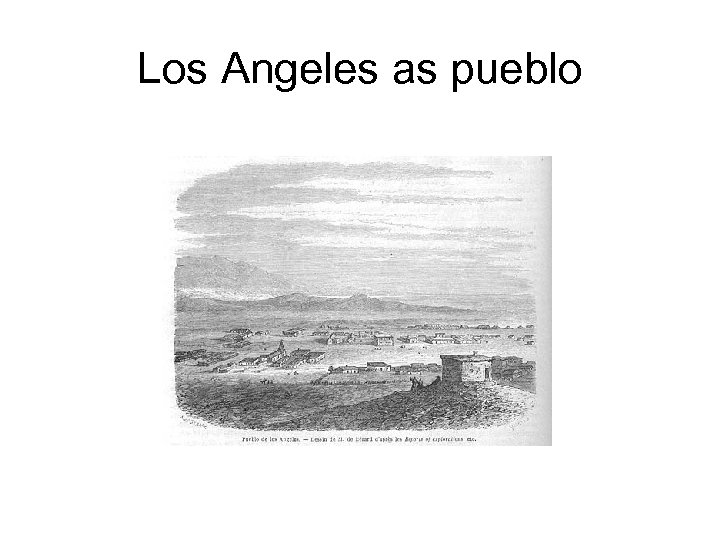 Los Angeles as pueblo
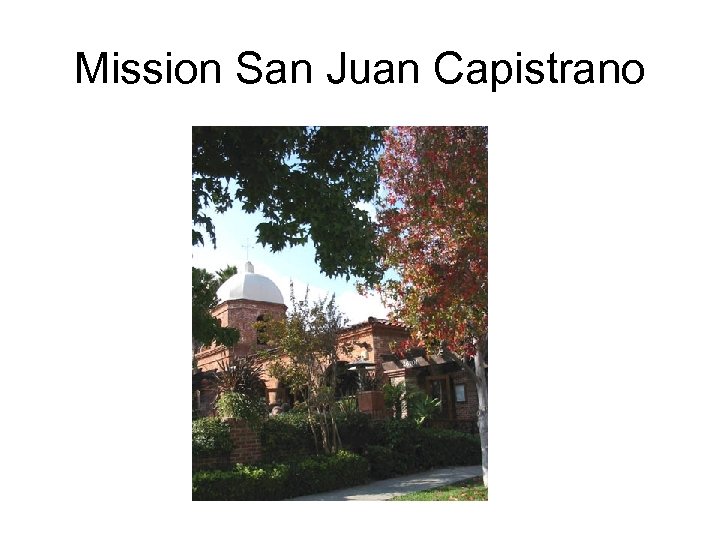 Mission San Juan Capistrano
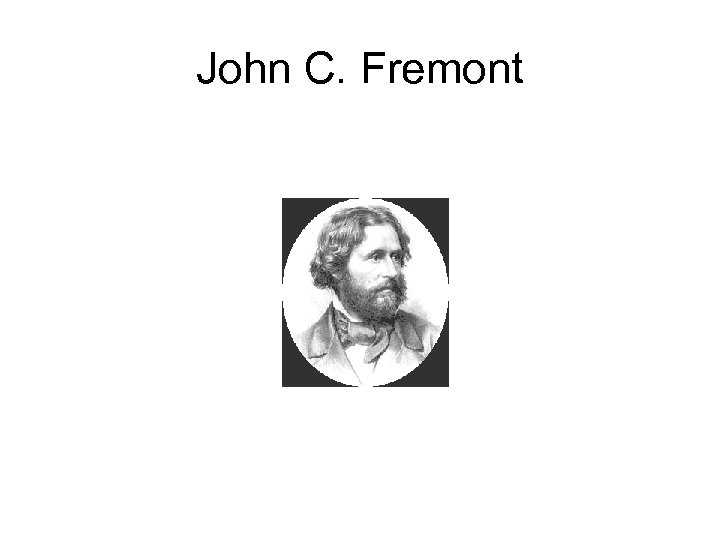 John C. Fremont
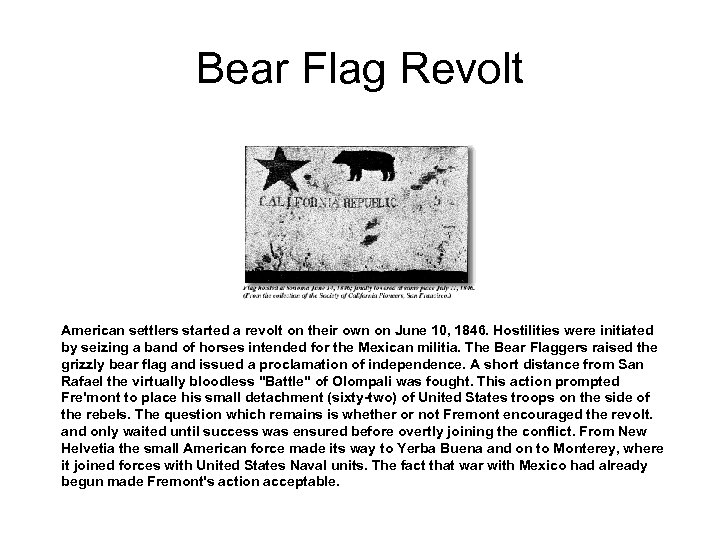 Bear Flag Revolt American settlers started a revolt on their own on June 10, 1846. Hostilities were initiated by seizing a band of horses intended for the Mexican militia. The Bear Flaggers raised the grizzly bear flag and issued a proclamation of independence. A short distance from San Rafael the virtually bloodless "Battle" of Olompali was fought. This action prompted Fre'mont to place his small detachment (sixty-two) of United States troops on the side of the rebels. The question which remains is whether or not Fremont encouraged the revolt. and only waited until success was ensured before overtly joining the conflict. From New Helvetia the small American force made its way to Yerba Buena and on to Monterey, where it joined forces with United States Naval units. The fact that war with Mexico had already begun made Fremont's action acceptable.
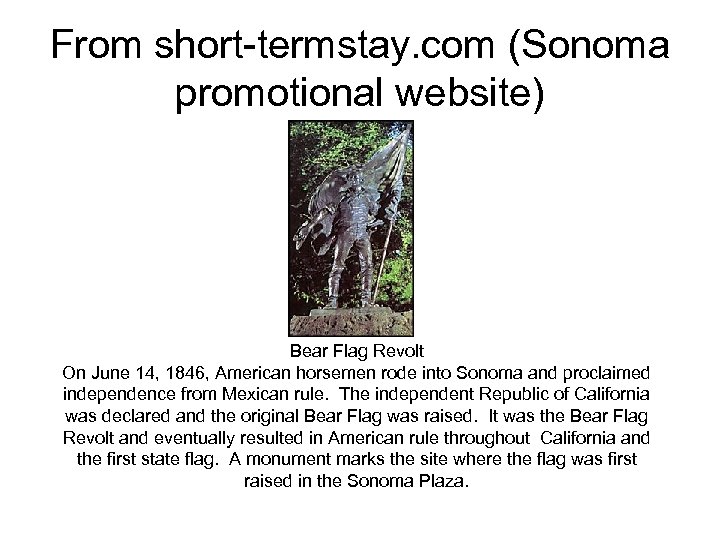 From short-termstay. com (Sonoma promotional website) Bear Flag Revolt On June 14, 1846, American horsemen rode into Sonoma and proclaimed independence from Mexican rule. The independent Republic of California was declared and the original Bear Flag was raised. It was the Bear Flag Revolt and eventually resulted in American rule throughout California and the first state flag. A monument marks the site where the flag was first raised in the Sonoma Plaza.
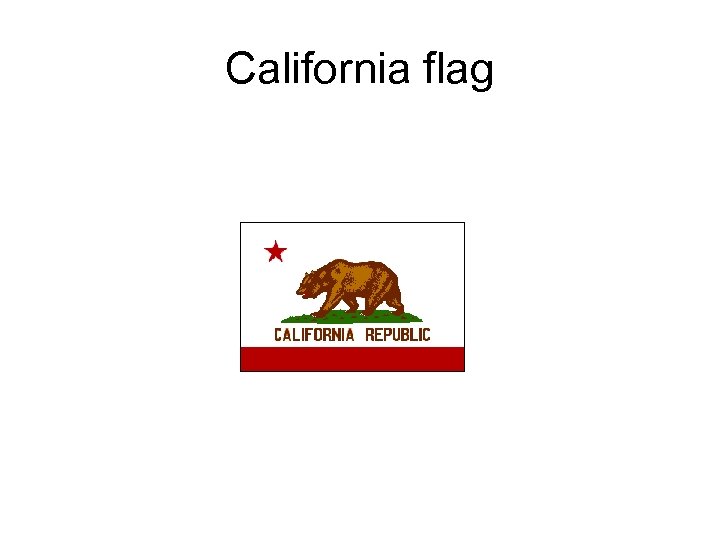 California flag
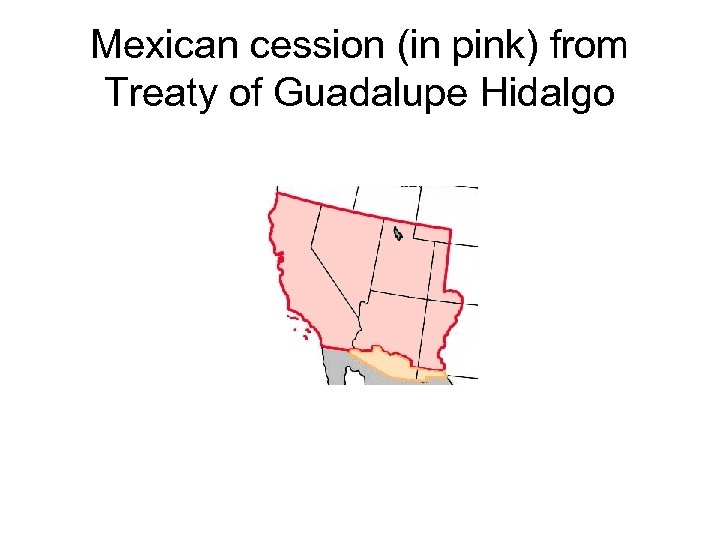 Mexican cession (in pink) from Treaty of Guadalupe Hidalgo
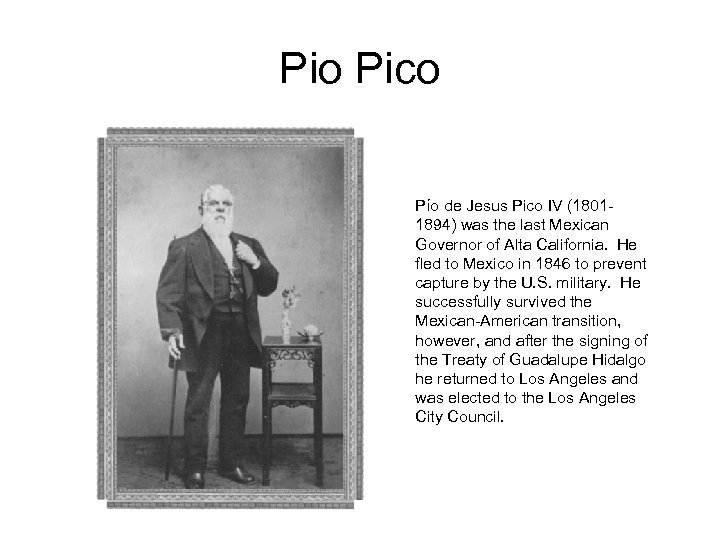 Pio Pico Pío de Jesus Pico IV (18011894) was the last Mexican Governor of Alta California. He fled to Mexico in 1846 to prevent capture by the U. S. military. He successfully survived the Mexican-American transition, however, and after the signing of the Treaty of Guadalupe Hidalgo he returned to Los Angeles and was elected to the Los Angeles City Council.
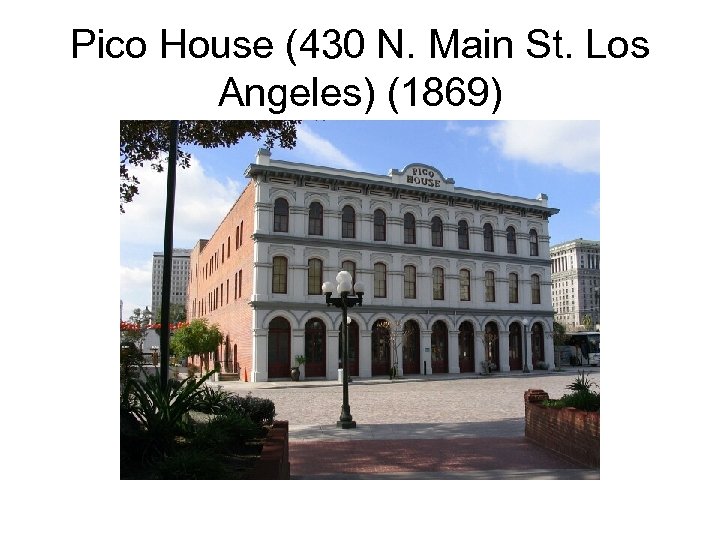 Pico House (430 N. Main St. Los Angeles) (1869)
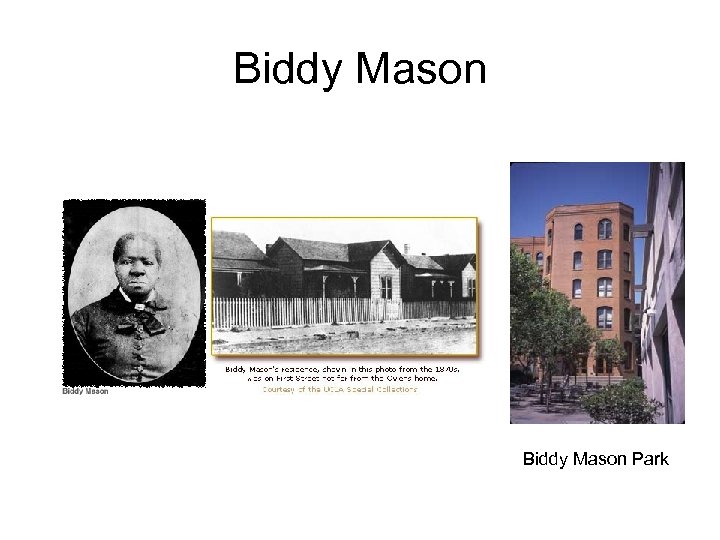 Biddy Mason Park
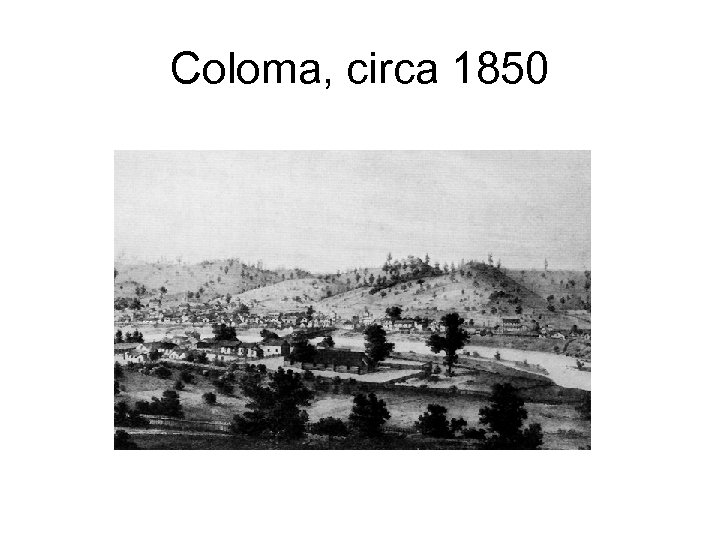 Coloma, circa 1850
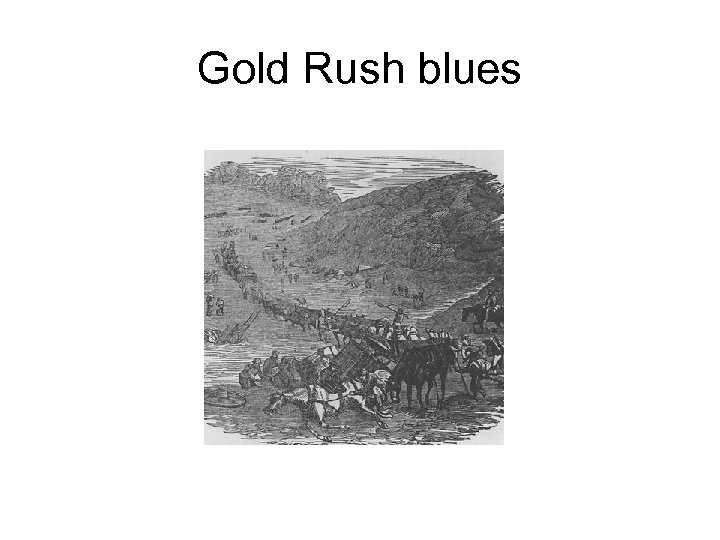 Gold Rush blues
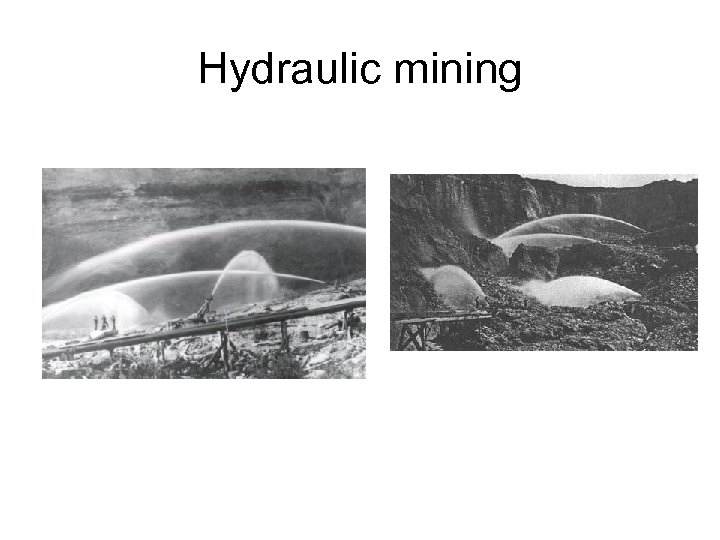 Hydraulic mining
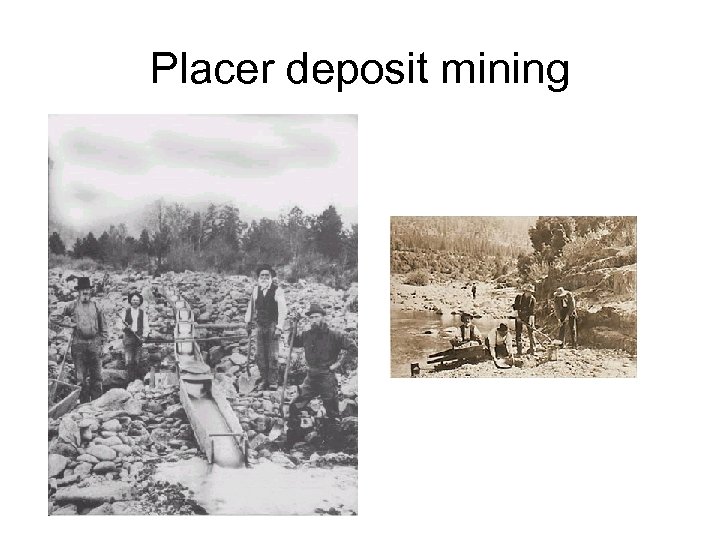 Placer deposit mining
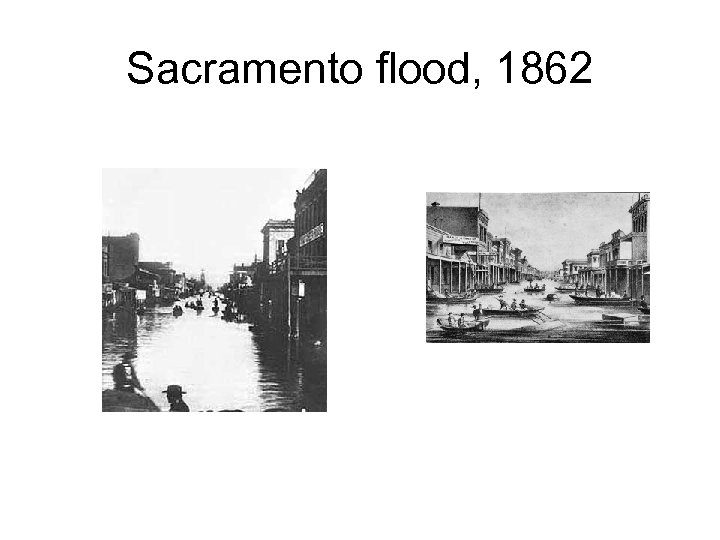 Sacramento flood, 1862
 “What’s this movie really about? ”
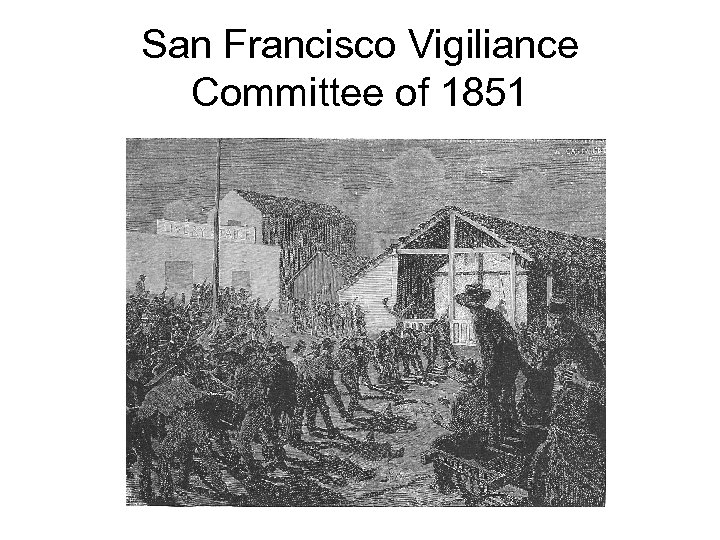 San Francisco Vigiliance Committee of 1851
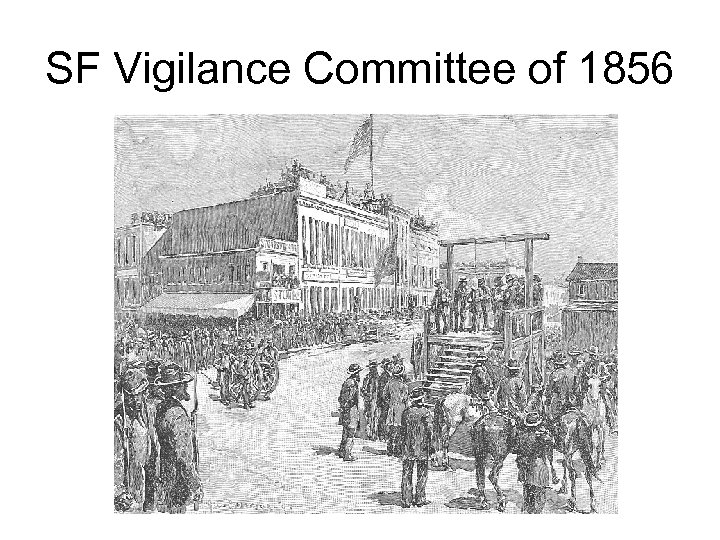 SF Vigilance Committee of 1856
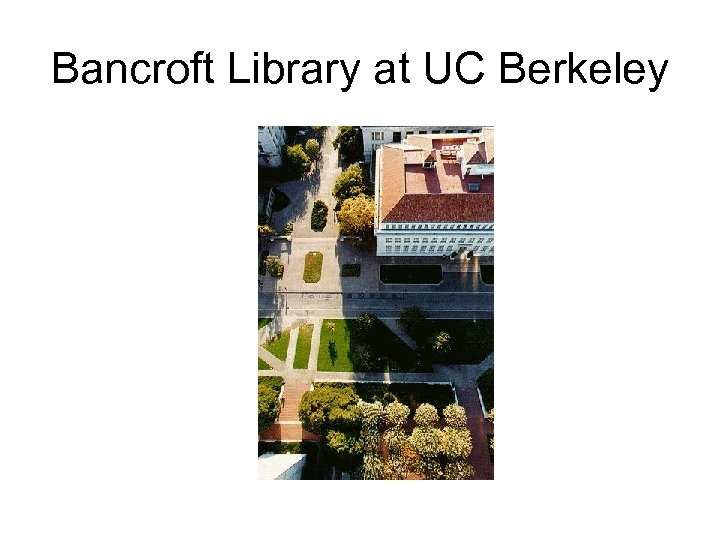 Bancroft Library at UC Berkeley
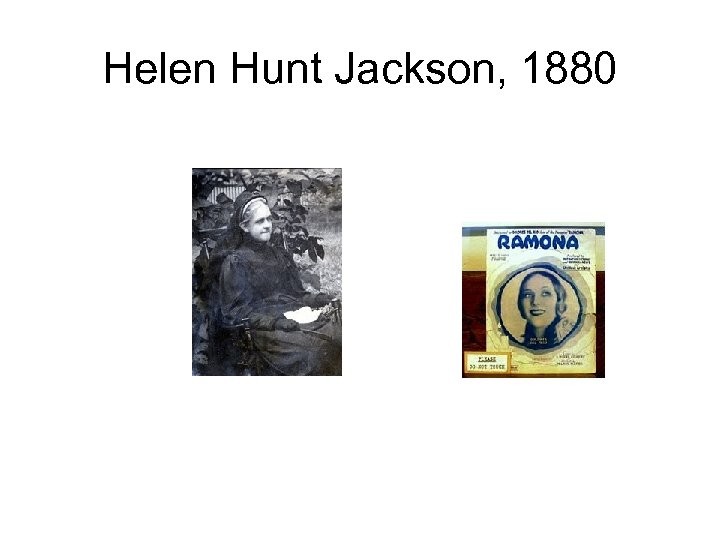 Helen Hunt Jackson, 1880
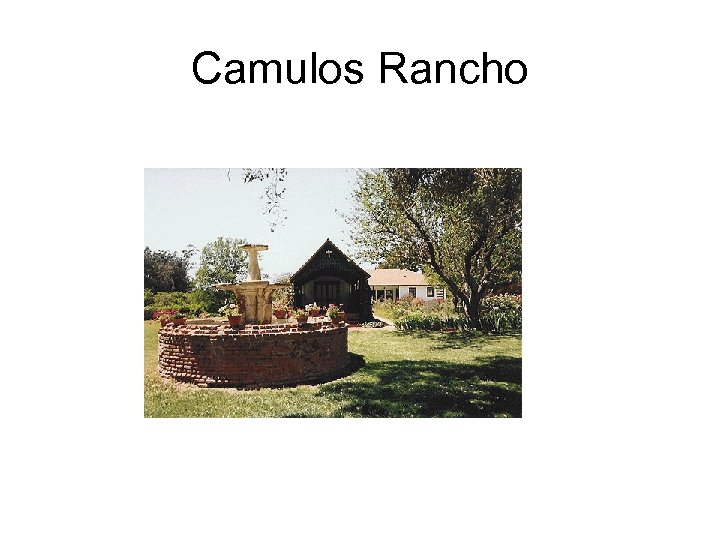 Camulos Rancho
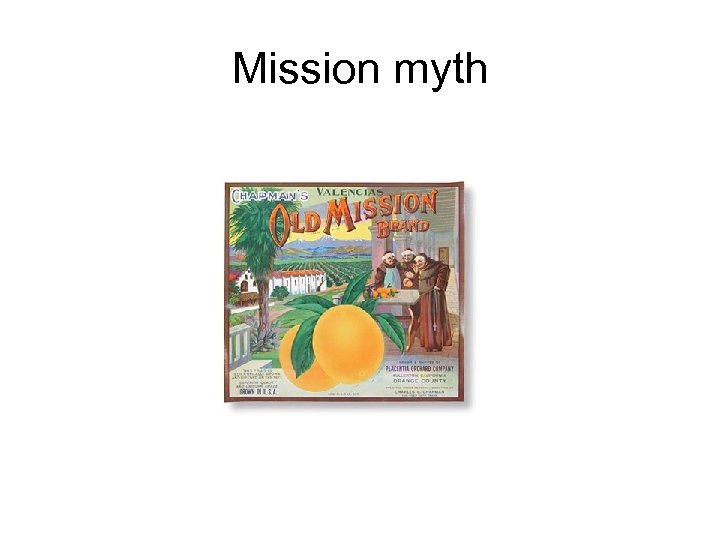 Mission myth
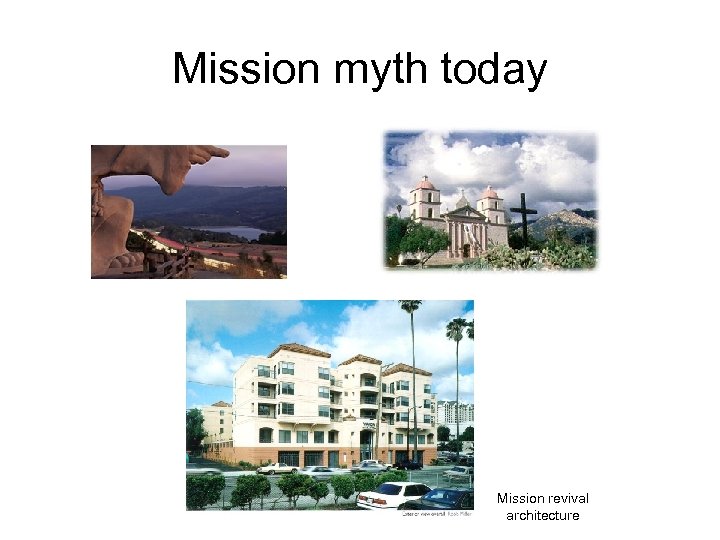 Mission myth today Mission revival architecture