Скачать презентацию National Research Tomsk Polytechnic University Institute of Power
Types of business entity (2).pptx
- Количество слайдов: 14
 National Research Tomsk Polytechnic University Institute of Power Engineering Types of business entity 3 rd year student Raitin Maxim
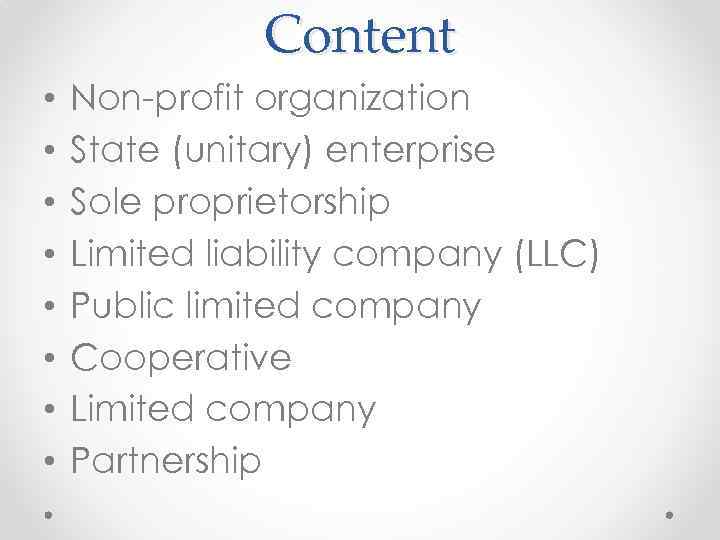 Content • • Non-profit organization State (unitary) enterprise Sole proprietorship Limited liability company (LLC) Public limited company Cooperative Limited company Partnership
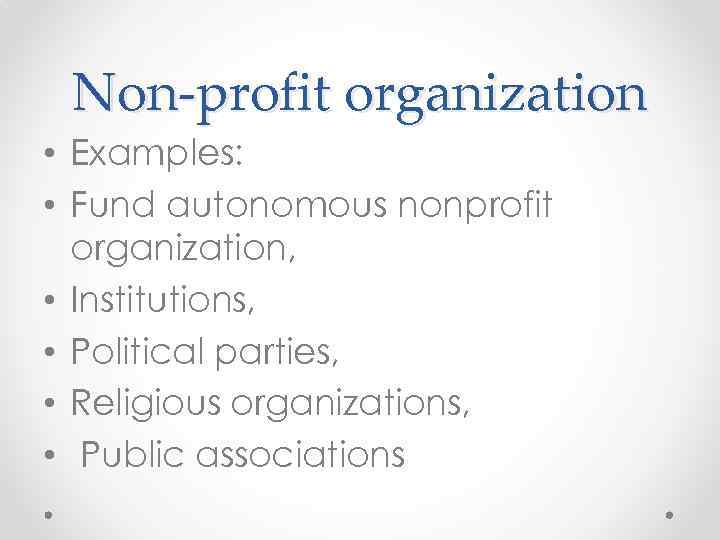 Non-profit organization • Examples: • Fund autonomous nonprofit organization, • Institutions, • Political parties, • Religious organizations, • Public associations
 Non-profit organization • NPOs have a wide diversity of structures and purposes. For legal classification, there are, nevertheless, some elements of importance: Economic activity. Supervision and management provisions. Representation. Accountability and auditing provisions. Provisions for the amendment of the statutes or articles of incorporation. • Provisions for the dissolution of the entity. • Tax status of corporate and private donors. • Tax status of the foundation. • • •
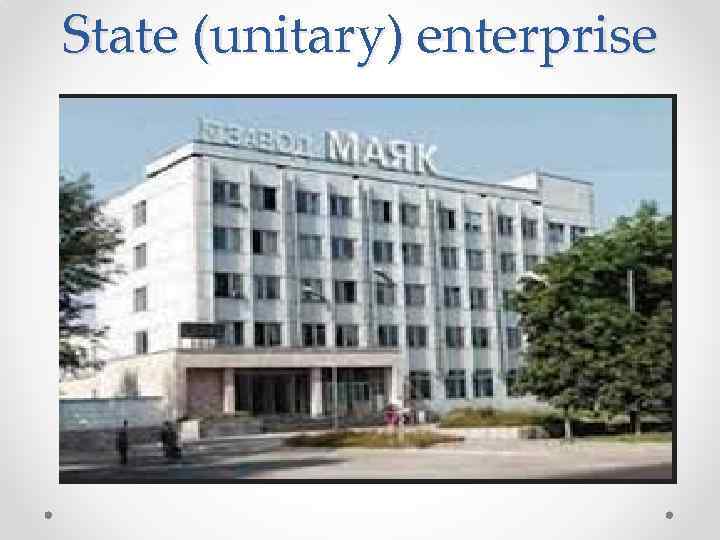 State (unitary) enterprise
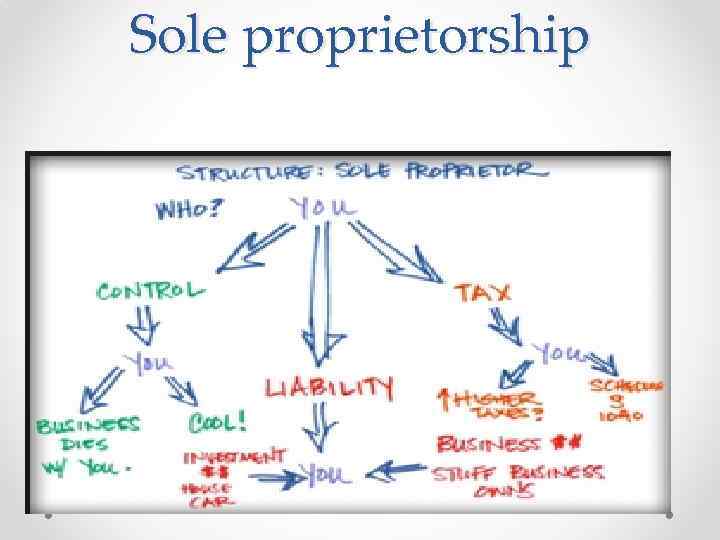 Sole proprietorship
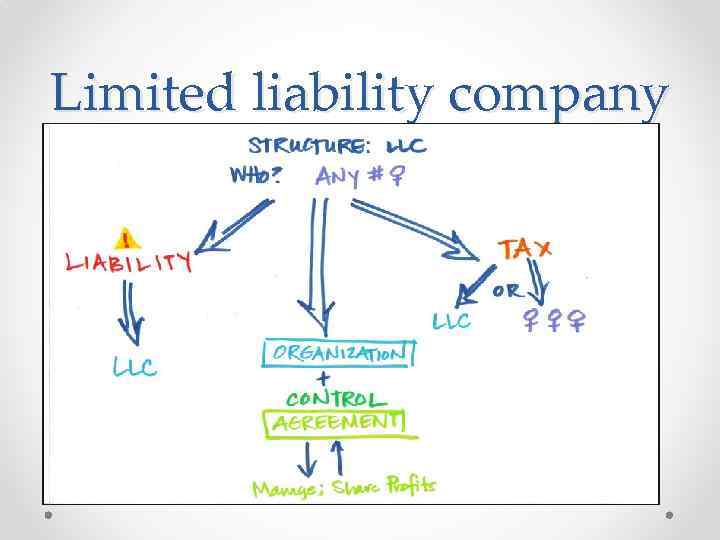 Limited liability company
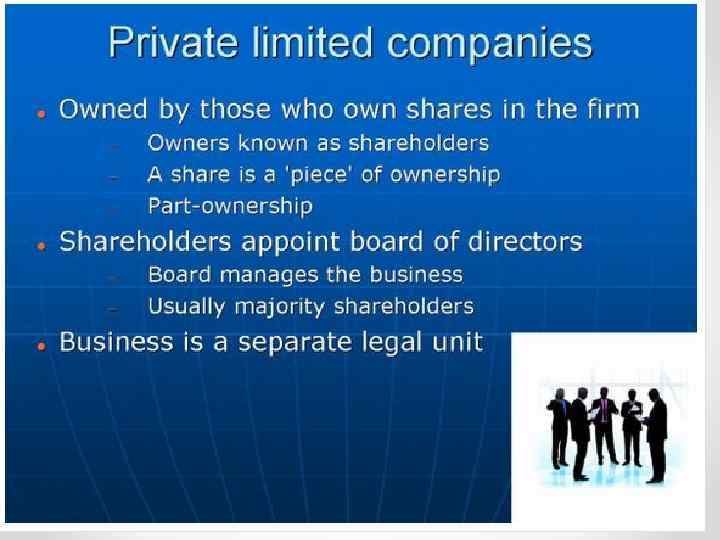
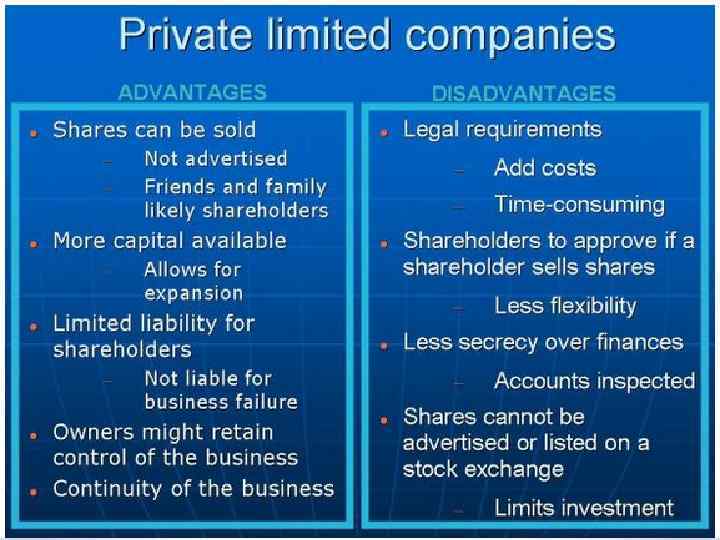
 Cooperative
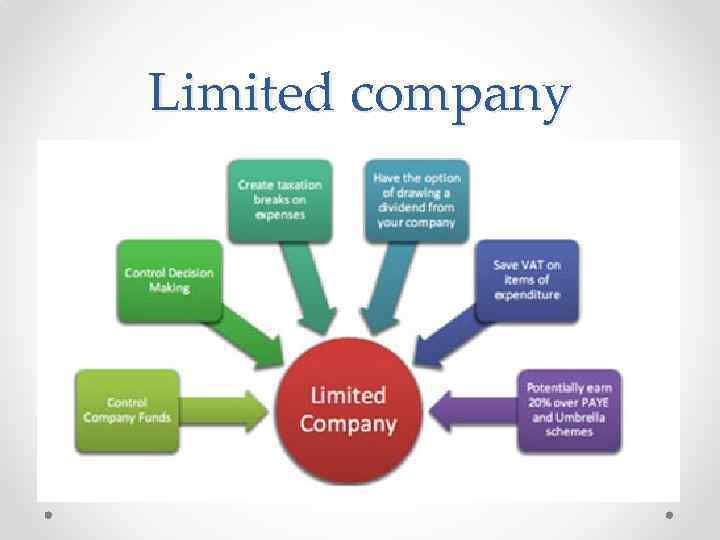 Limited company

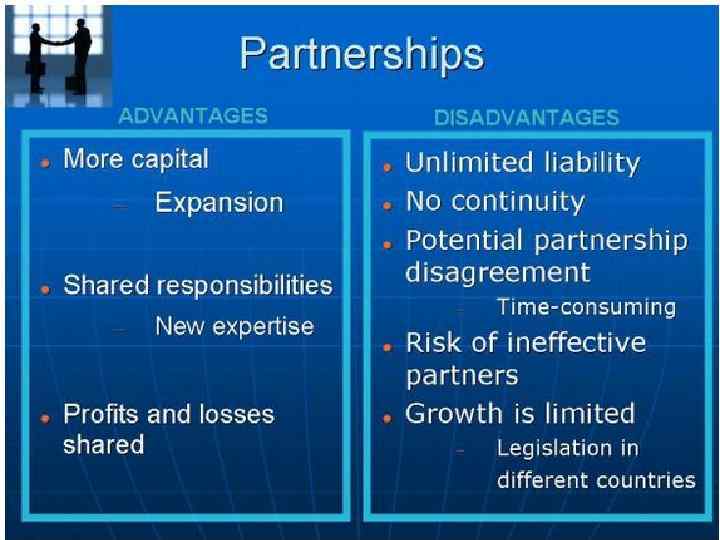
 Partnership • Greater possible capital availability • Greater resources for decision making, support, creative activity • Unlimited liability in general partnerships • Divided authority-having to divide the authority for making decisions among the partners can delay the decision-making process and occasionally lead to disagreement