 Скачать презентацию National Reconstruction Through Education Prof Anil Sahasrabudhe Chairman
c0666d3d7f97e42ef3e67db10cdc42b6.ppt
- Количество слайдов: 50



National Reconstruction Through Education Prof. Anil Sahasrabudhe, Chairman, AICTE Greetings from All India Council for Technical Education
• National Development through Education : • National Reconstruction through Education • Desh Badal Raha Hai
What is a nation state ? ? Dictionary and globally accepted wiki definition • A large body of people united by common descent, history, culture, or language, inhabiting a particular state or geographical contiguous territory.
• Some believe that concept of nation came after French revolution. • Some other scholars believe that concept of nation comes from Latin word and the concept existed in medieval ages. • They talk about ancient Israel, even older nations such as Japan, Korea and China. • Some also discuss India as an ancient nation by the very modern definition.
So India, that is Bharat or Hindustan being in continuous existence for more than 5000 years is certainly a candidate as an ancient nation. Hence we should talk about reconstruction rather than new construction.
Democracy in Ancient India: • The Rig Veda is so committed to democratic principles and ideals that it has made democracy a deity and aptly called it ‘Samjnana’. The term Samjnana means the collective consciousness of the people, the national mind to which the individual mind is to pay its homage as the source from which it derives its potency. The hymn addressed to Samjnana (in Rig Veda) called upon the people to gather in their assembly (Samgachchaddhvam) and speak there in one voice (Samvadaddhvam), in a union of minds (Sammanah), of hearts (Samachittam), of policy (Samanmantrah), and of hopes and aspirations (akuti)
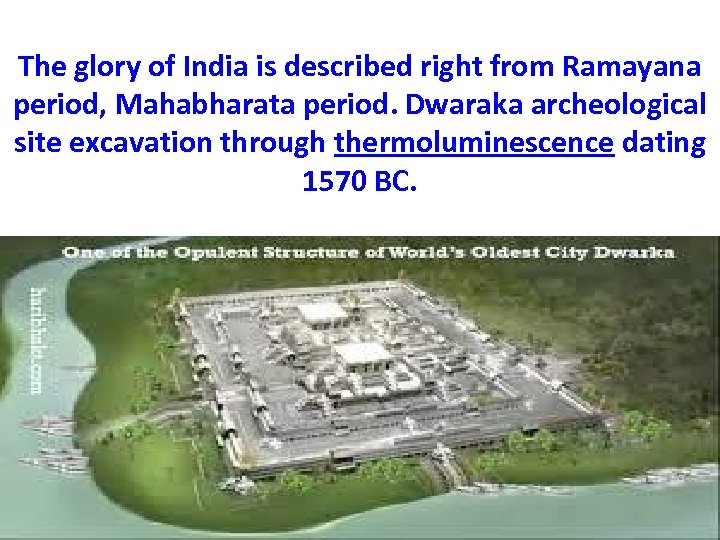
The glory of India is described right from Ramayana period, Mahabharata period. Dwaraka archeological site excavation through thermoluminescence dating 1570 BC.
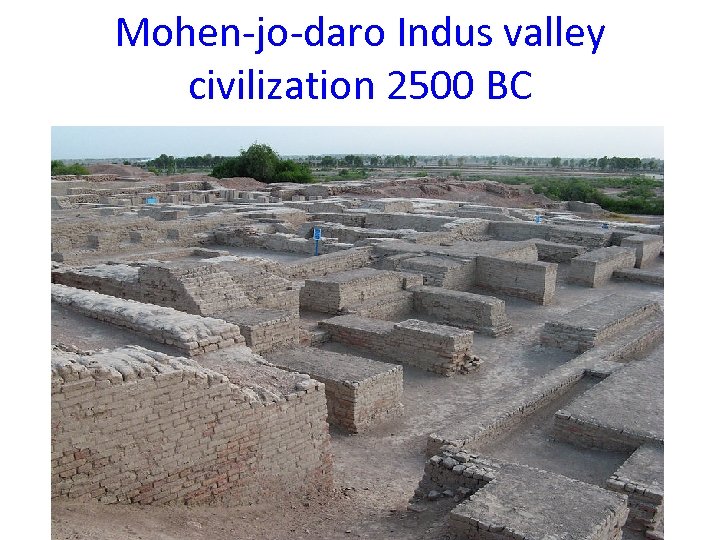
Mohen-jo-daro Indus valley civilization 2500 BC
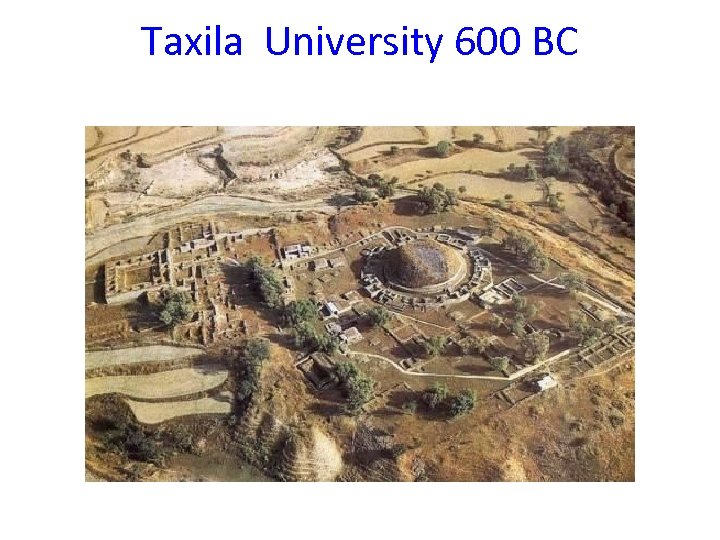
Taxila University 600 BC
Taxila University 600 BC • Taxila flourished between 600 BC and 500 AD, in the kingdom of Gandhar, in Ancient India, but now in Pakistan. • 68 subjects were taught including Vedas, Grammar, Philosophy, Astronomy, Medicine, Surgery, Politics, Archery warfare, Music, Commerce etc. • Minimum entry age was 16. At the time, 10, 500 students studied there, including those from China, Babylon, Syria and Greece. • Platonic Academy Athens Greece 387 BC
Nalanda University • Nalanda functioned from 500 AD to 1300 AD until, it was destroyed by foreign invaders. • It had 300 lecture halls, laboratories, libraries and an observatory. • Chinese travelers recorded that, 10, 000 students were taught by 2000 professors in Nalanda. • It was founded during Gupta age. •
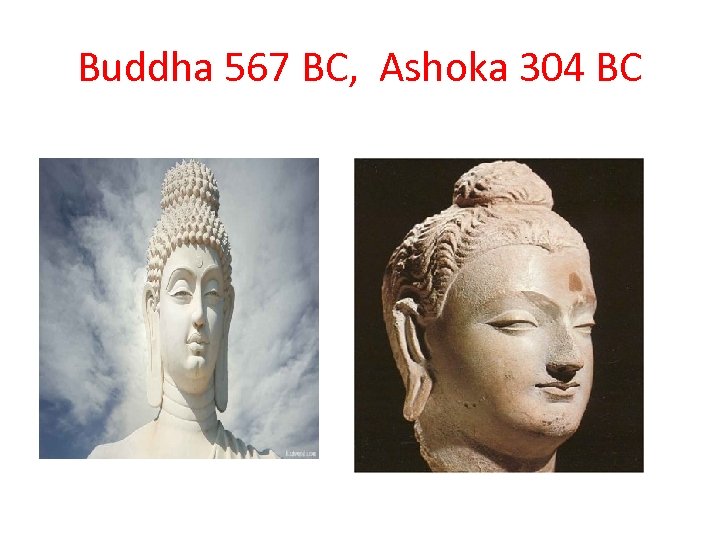
Buddha 567 BC, Ashoka 304 BC
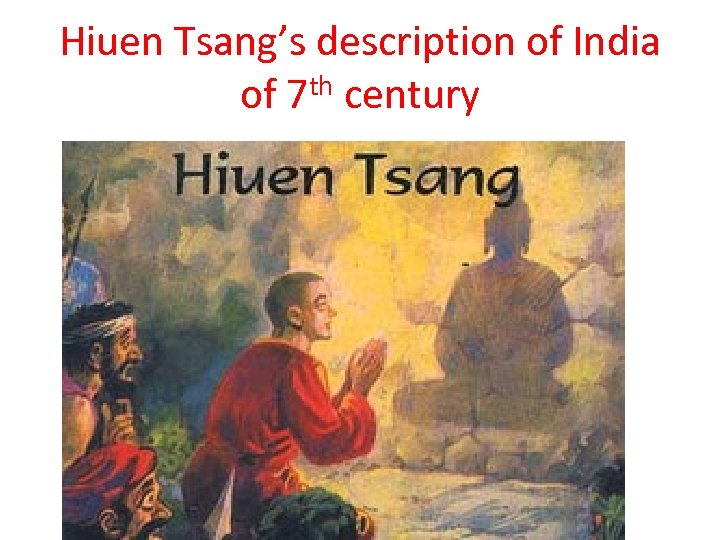
Hiuen Tsang’s description of India of 7 th century
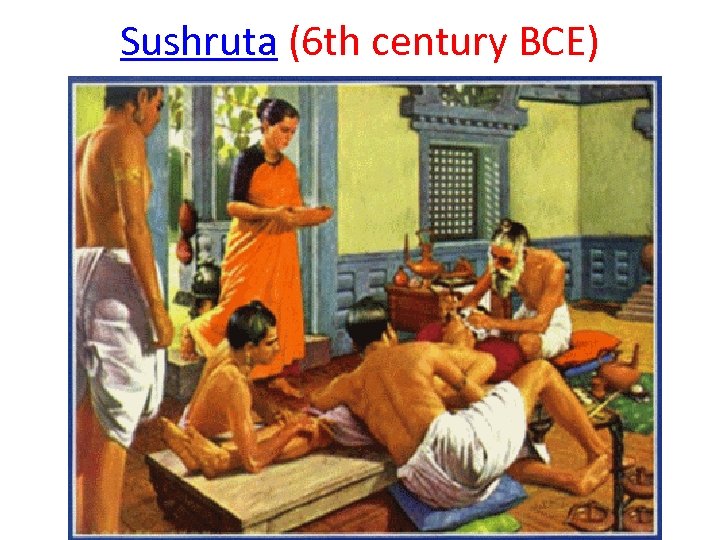
Sushruta (6 th century BCE)
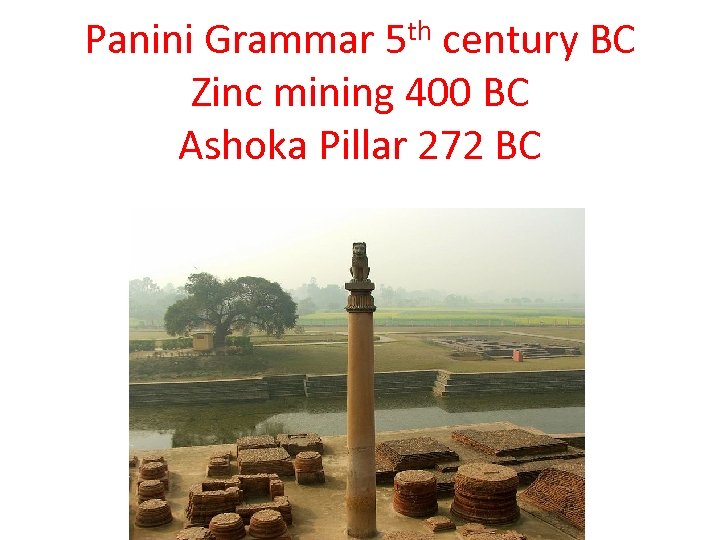
Panini Grammar 5 th century BC Zinc mining 400 BC Ashoka Pillar 272 BC
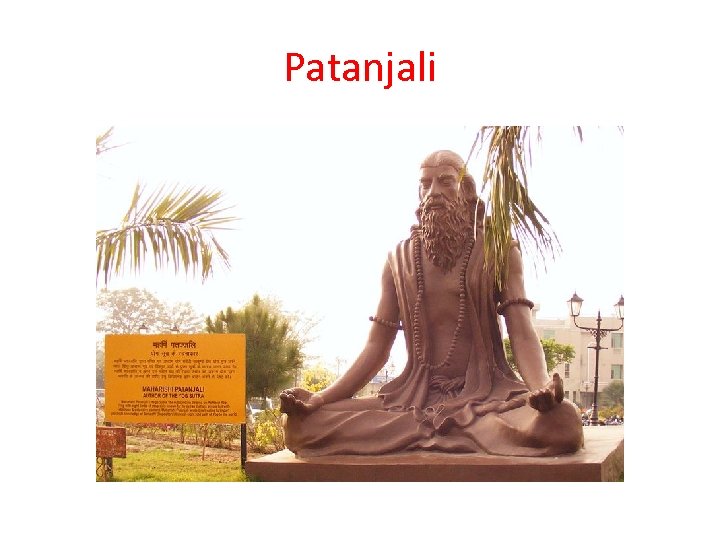
Patanjali
By the 9 th century the Hindu– Arabic numeral system was transmitted from India through the Middle East and to the rest of the world. • The concept of 0 as a number, and not merely a symbol for separation is attributed to India.
• In India, practical calculations were carried out using zero, which was treated like any other number by the 9 th century, even in case of division. • Brahmagupta (598– 668). Bhaskara II concept of perpetual motion machine (1150). The trigonometric functions of sine and versine, from which it was trivial to derive the cosine, were used by the mathematician, Aryabhatta
• Madhava of Sangamagrama (c. 1340 – 1425) and his Kerala school of astronomy and mathematics developed and founded mathematical analysis. • The infinite series for π was stated by him, and he made use of the series expansion of arctan π to obtain an infinite series expression, now known as the Madhava-Gregory series.
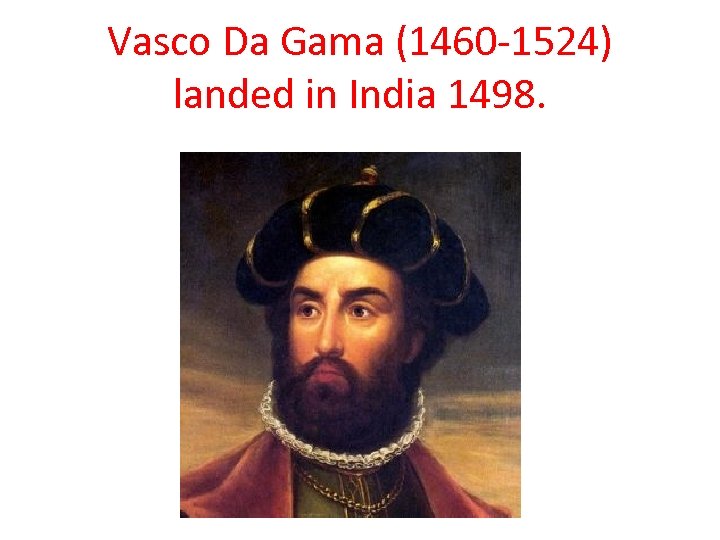
Vasco Da Gama (1460 -1524) landed in India 1498.
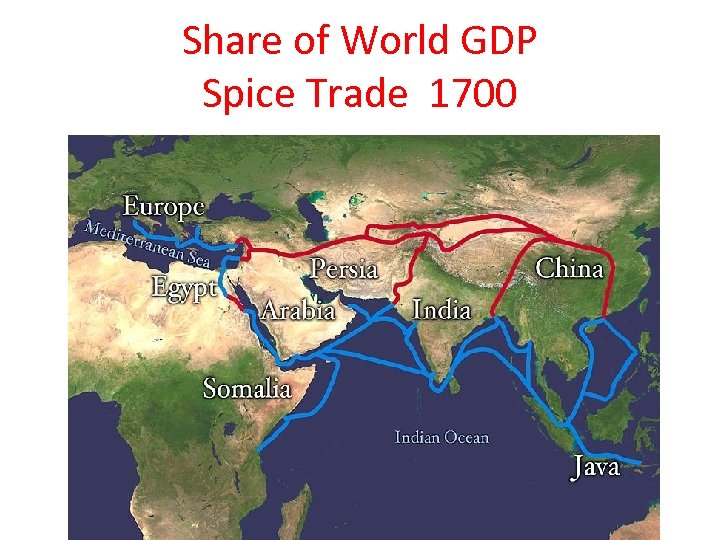
Share of World GDP Spice Trade 1700
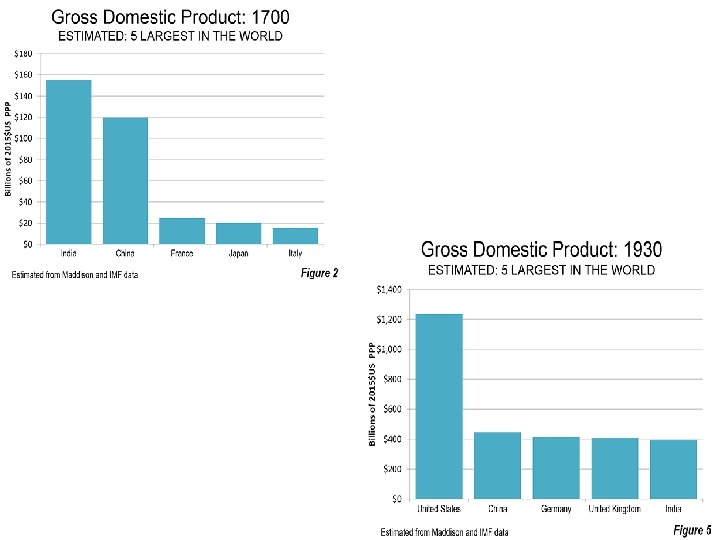
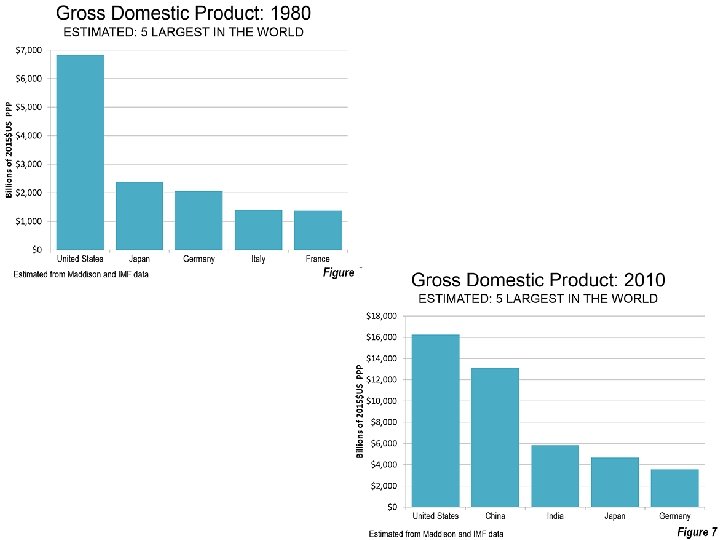
Continually operating Universities • • University of Cambridge, UK 1209. University of Oxford, UK 1096. University of Bologna, Italy 1088. University of Karueein, Morocco, 859. • GDP of a nation is directly related to GER of the nation. • RTI is an important development.
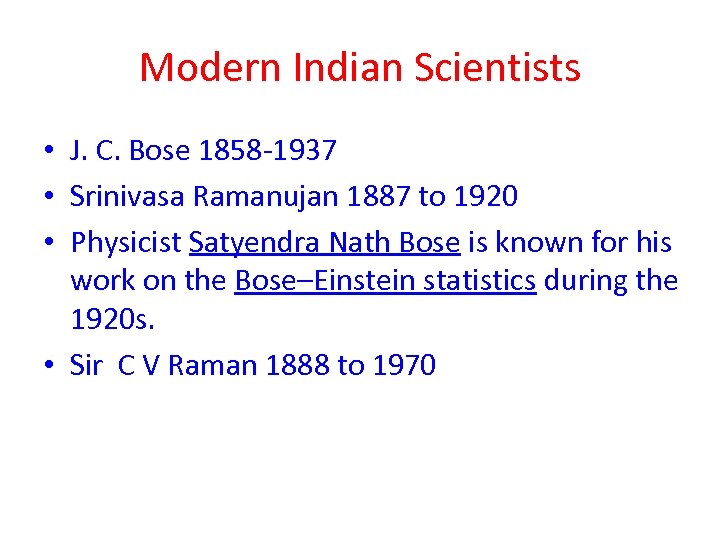
Modern Indian Scientists • J. C. Bose 1858 -1937 • Srinivasa Ramanujan 1887 to 1920 • Physicist Satyendra Nath Bose is known for his work on the Bose–Einstein statistics during the 1920 s. • Sir C V Raman 1888 to 1970
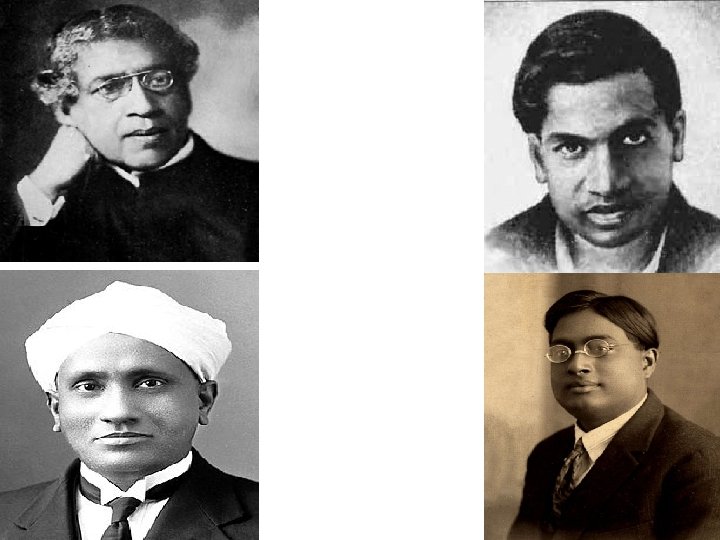
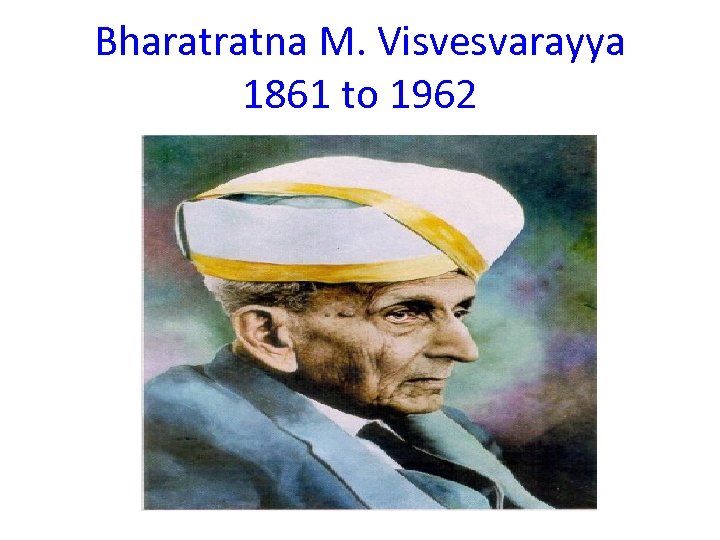
Bharatratna M. Visvesvarayya 1861 to 1962
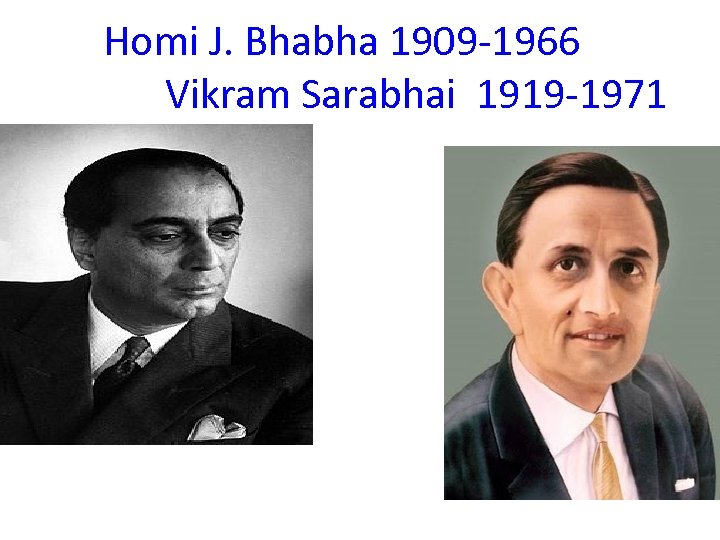
Homi J. Bhabha 1909 -1966 Vikram Sarabhai 1919 -1971
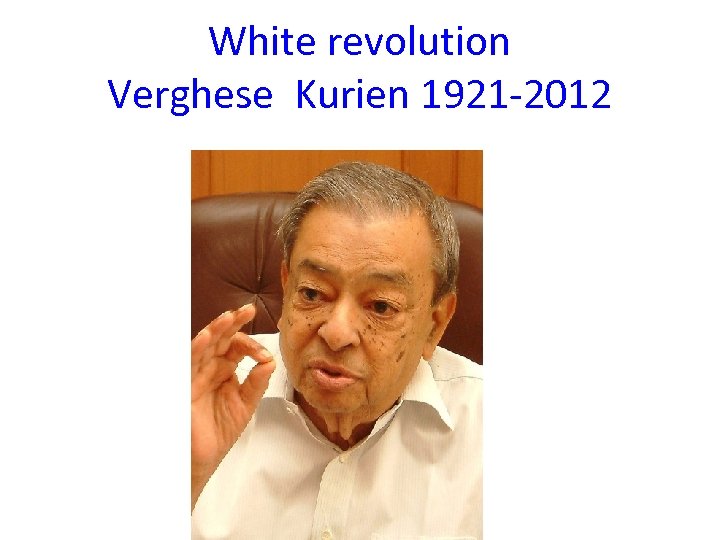
White revolution Verghese Kurien 1921 -2012
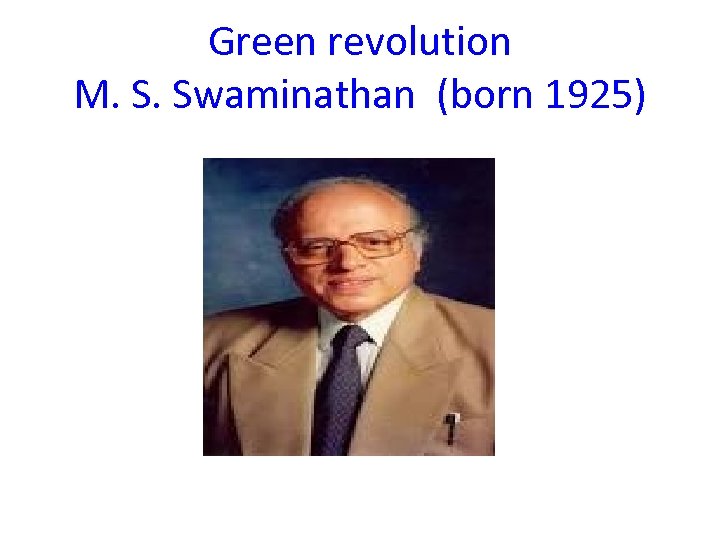
Green revolution M. S. Swaminathan (born 1925)
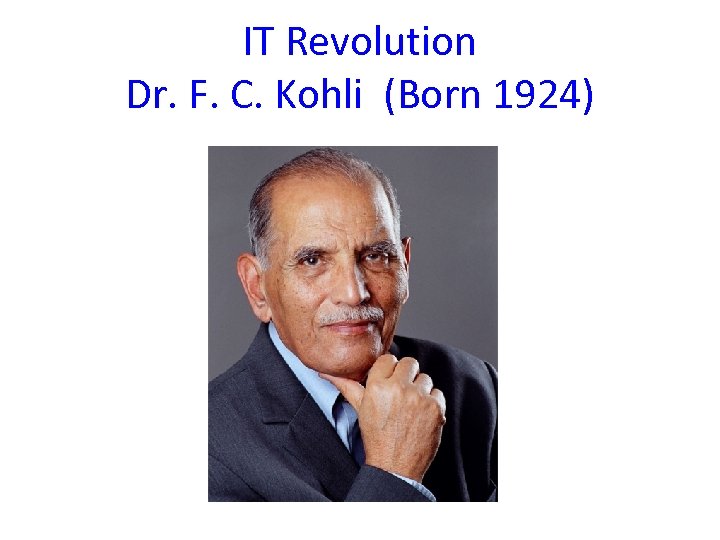
IT Revolution Dr. F. C. Kohli (Born 1924)
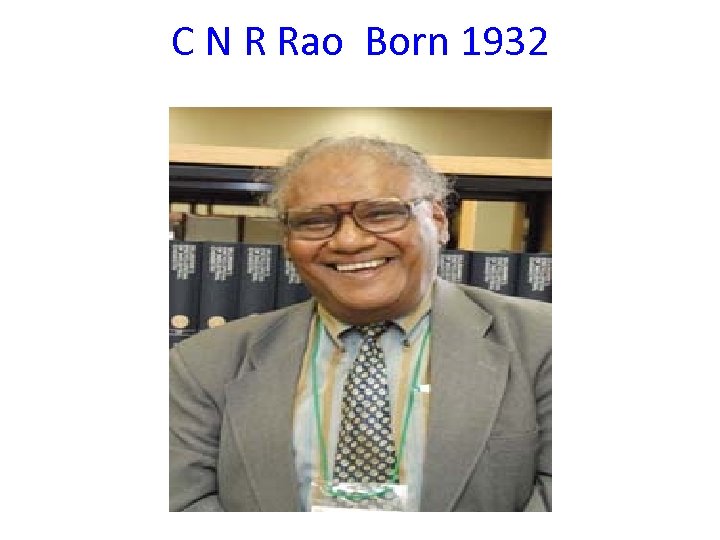
C N R Rao Born 1932
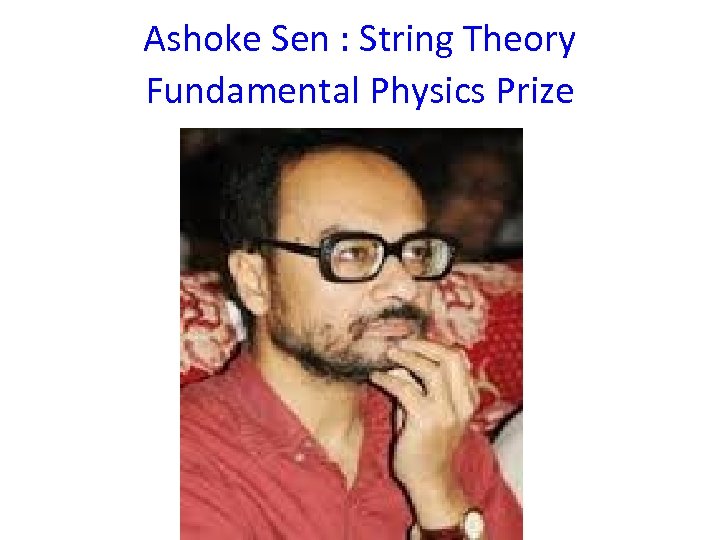
Ashoke Sen : String Theory Fundamental Physics Prize
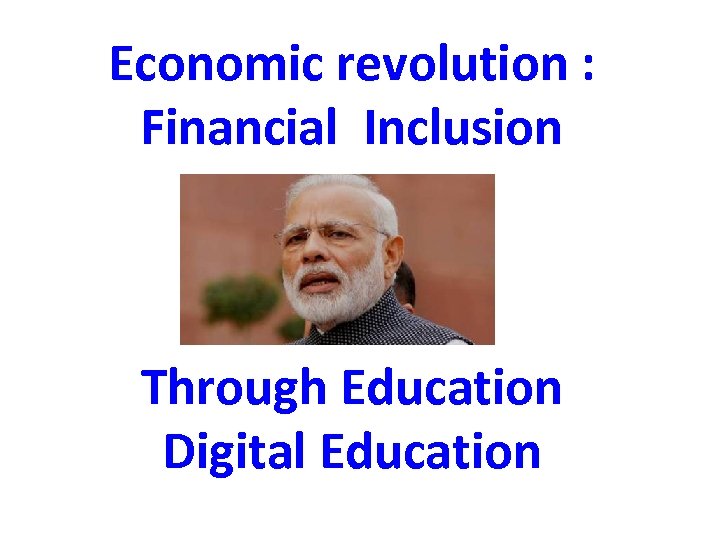
Economic revolution : Financial Inclusion Through Education Digital Education
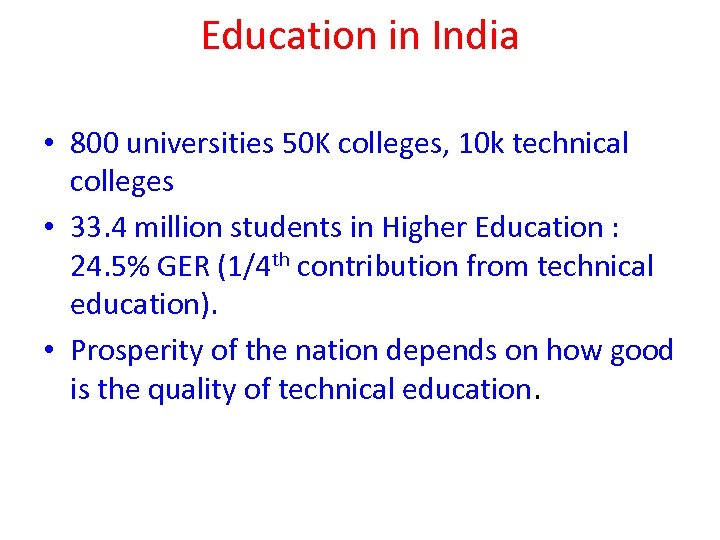
Education in India • 800 universities 50 K colleges, 10 k technical colleges • 33. 4 million students in Higher Education : 24. 5% GER (1/4 th contribution from technical education). • Prosperity of the nation depends on how good is the quality of technical education.
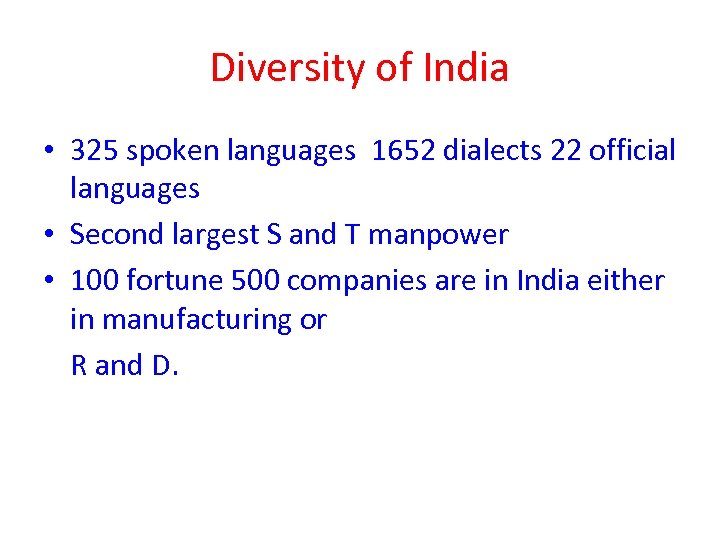
Diversity of India • 325 spoken languages 1652 dialects 22 official languages • Second largest S and T manpower • 100 fortune 500 companies are in India either in manufacturing or R and D.
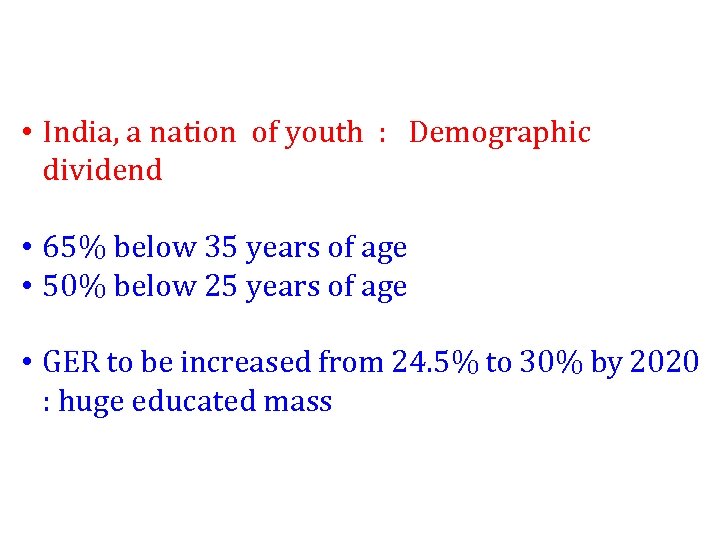
• India, a nation of youth : Demographic dividend • 65% below 35 years of age • 50% below 25 years of age • GER to be increased from 24. 5% to 30% by 2020 : huge educated mass
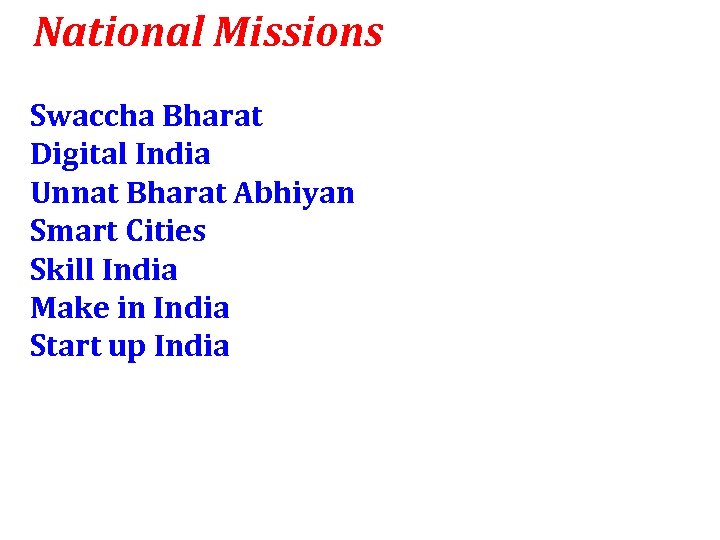
National Missions Swaccha Bharat Digital India Unnat Bharat Abhiyan Smart Cities Skill India Make in India Start up India
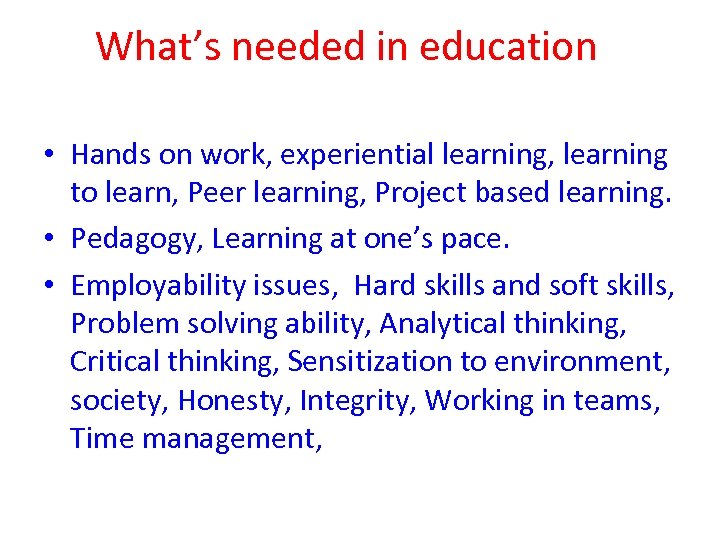
What’s needed in education • Hands on work, experiential learning, learning to learn, Peer learning, Project based learning. • Pedagogy, Learning at one’s pace. • Employability issues, Hard skills and soft skills, Problem solving ability, Analytical thinking, Critical thinking, Sensitization to environment, society, Honesty, Integrity, Working in teams, Time management,
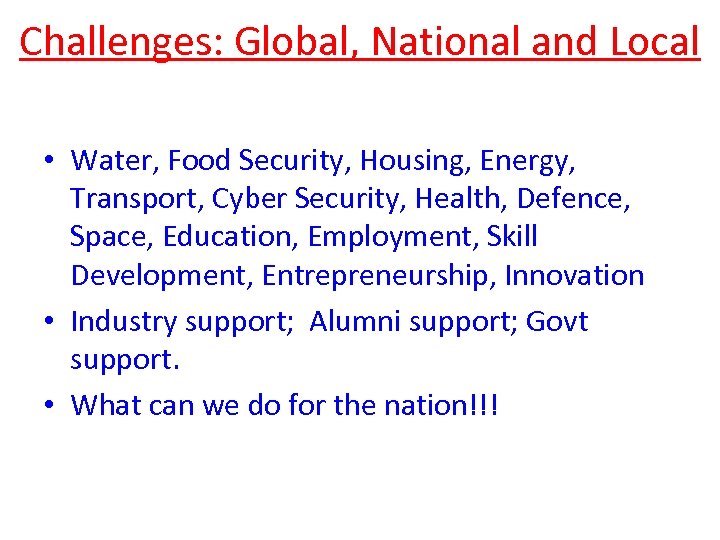
Challenges: Global, National and Local • Water, Food Security, Housing, Energy, Transport, Cyber Security, Health, Defence, Space, Education, Employment, Skill Development, Entrepreneurship, Innovation • Industry support; Alumni support; Govt support. • What can we do for the nation!!!
Greater use of ICT Use disruptive Technologies Collaborative projects and research Broadband Initiative : NKN Connectivity. ICT Infrastructure: video-conferencing facilities. • Content Creation and Availability: highquality rich-media and interactive content. • SWAYAM MOOCs Platform • •
Research, Innovation and Entrepreneurship Support for research : Funding and Philosophy Innovation labs, tinkering labs, fab labs 24 X 7 institute facilities Entrepreneurship Cell Project competitions Innovation workshops Workshops for faculty : Continuing education
Strategic Industry Institute Partnership • Internship in industry • Adjunct Faculty from industry • Challenging live problems of industry to classrooms • Consultancy • Industry supported labs
IPR and Patent Cell • IPR Policy • Ideation and Support for patent search • Product design and development • Support for patent filing • Commercialization of patent
Research Park • Support industry to come on the campus • Bring students and alumni to park • Regular Brain storming sessions • Testing facility
Smart India Hackathon 2017 : World’s Largest Digital Movement • AICTE, MHRD, I 4 C, Persistent Systems, NASSCOM, NIC, UGC, Rambhau Mhalagi Prabodhini, My. Gov, ACM, Suma Softs, Govt departments and Ministries, 583 problem statements from 28 departments • AICTE Start up Policy
Successful Indian Startups in recent times • • • Flipcart Snapdeal Redbus Ola Housing Micromax Paytm Zomato In. Mobi Taxi for Sure
Laboratory to Land : Scaling up • 10, 000 plus technical institutes • 10 start ups per year from at least 1000 institutes • 1, 000 start ups in 10 years • Creation of 10 jobs per startup • 1 million jobs from college start ups
SIBLE POS IS IM HING NOT Passion and Perseverance Never Fails … leads to Sure Success !!!

OU K Y AN TH
Скачать презентацию National Reconstruction Through Education Prof Anil Sahasrabudhe Chairman
c0666d3d7f97e42ef3e67db10cdc42b6.ppt