


 Скачать презентацию National Forum of State Nursing Workforce Centers Denver
6dfce7dcacec9c2b51972f5f764175af.ppt
- Количество слайдов: 26
 National Forum of State Nursing Workforce Centers Denver, Colorado June 12, 2015 Federal and State Policy Perspectives: Focusing and Targeting Collaborations to Achieve Impact Sheila P. Burke, RN, MPA, FAAN Harvard University Baker, Donelson, Bearman, Caldwell & Berkowitz, PC
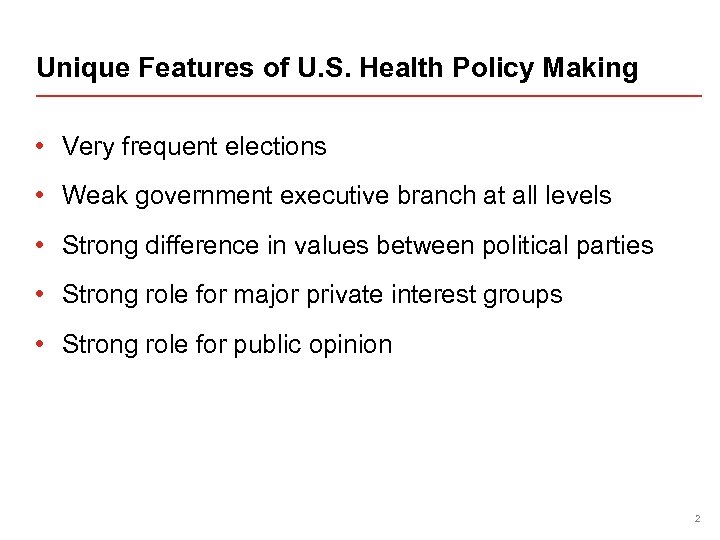 Unique Features of U. S. Health Policy Making • Very frequent elections • Weak government executive branch at all levels • Strong difference in values between political parties • Strong role for major private interest groups • Strong role for public opinion 2
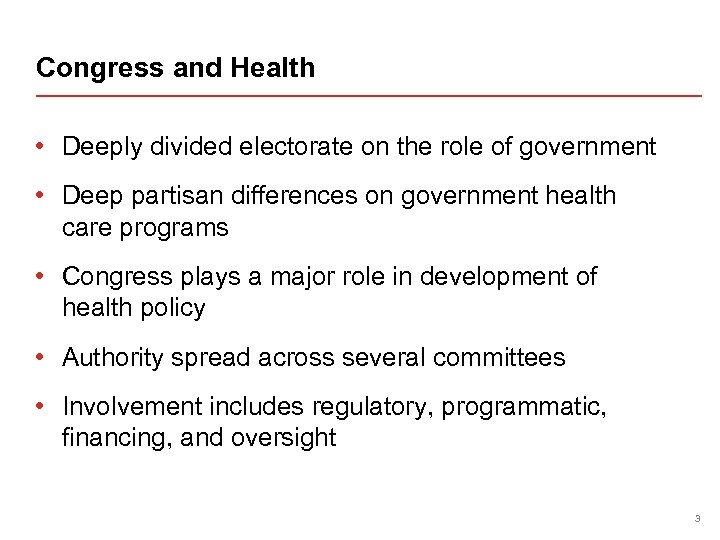 Congress and Health • Deeply divided electorate on the role of government • Deep partisan differences on government health care programs • Congress plays a major role in development of health policy • Authority spread across several committees • Involvement includes regulatory, programmatic, financing, and oversight 3
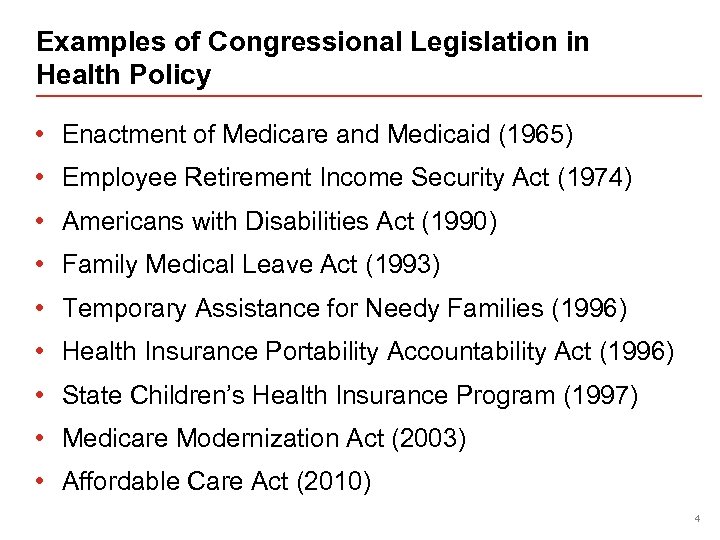 Examples of Congressional Legislation in Health Policy • Enactment of Medicare and Medicaid (1965) • Employee Retirement Income Security Act (1974) • Americans with Disabilities Act (1990) • Family Medical Leave Act (1993) • Temporary Assistance for Needy Families (1996) • Health Insurance Portability Accountability Act (1996) • State Children’s Health Insurance Program (1997) • Medicare Modernization Act (2003) • Affordable Care Act (2010) 4
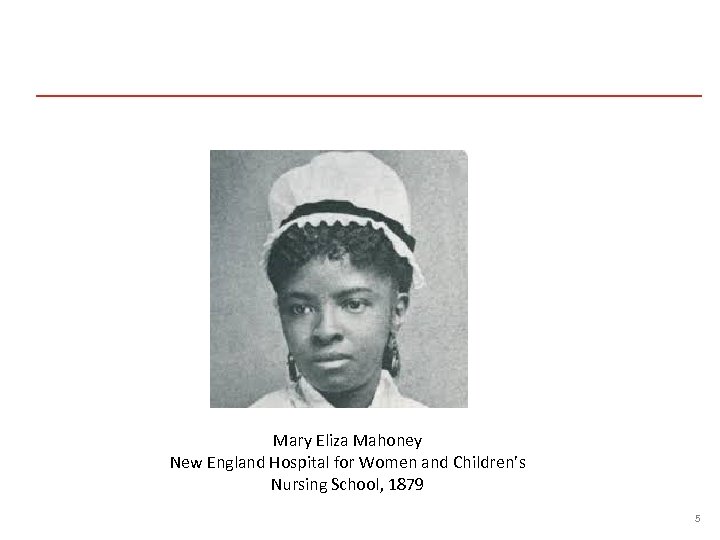 Mary Eliza Mahoney New England Hospital for Women and Children’s Nursing School, 1879 5
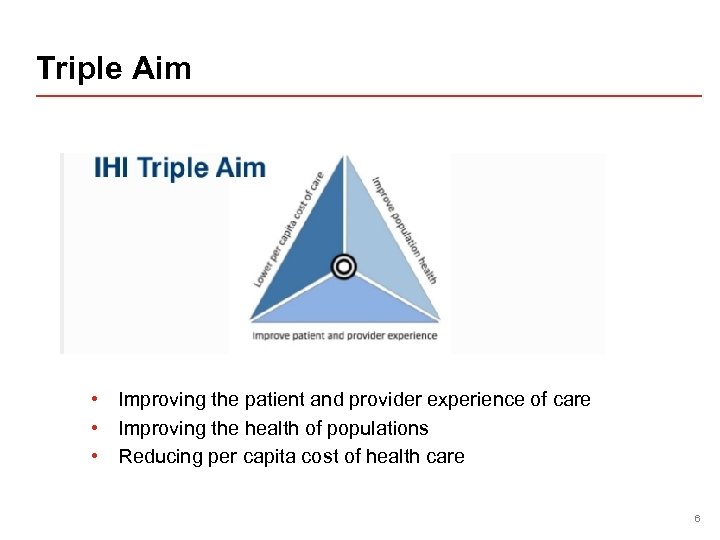 Triple Aim • Improving the patient and provider experience of care • Improving the health of populations • Reducing per capita cost of health care 6
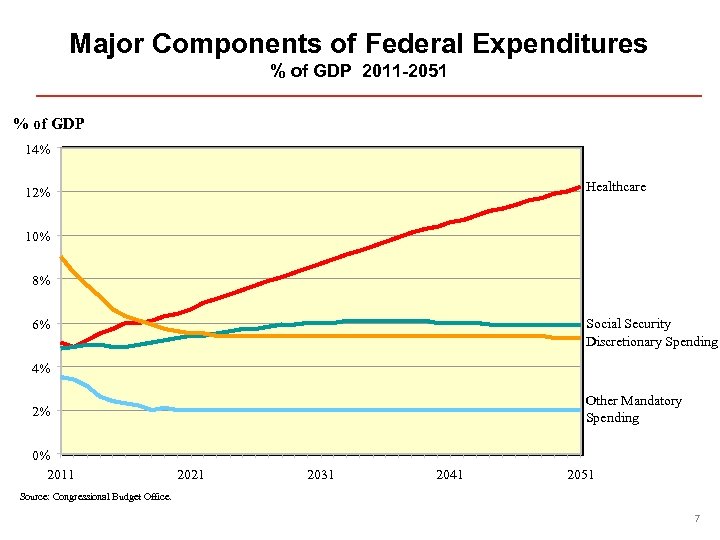 17 Major Components of Federal Expenditures % of GDP 2011 -2051 % of GDP 14% Healthcare 12% 10% 8% Social Security Discretionary Spending 6% 4% Other Mandatory Spending 2% 0% 2011 2021 2031 2041 2051 Source: Congressional Budget Office. WWW. BIPARTISANPOLICY. ORG 7
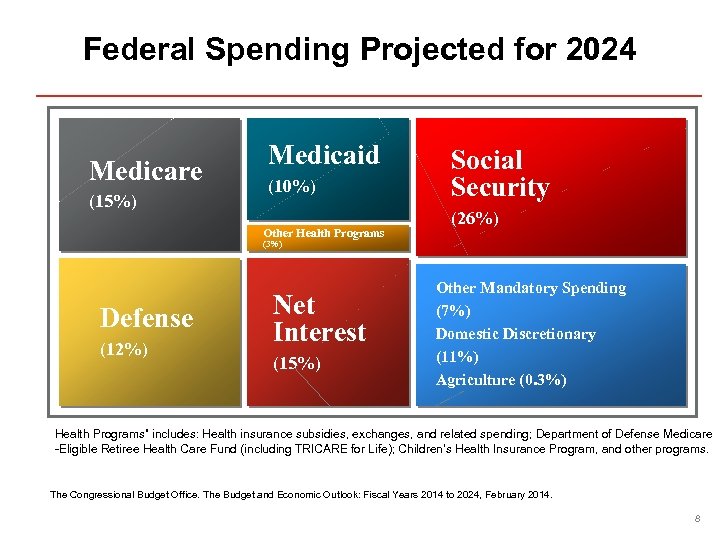 11 Federal Spending Projected for 2024 Medicare (15%) Medicaid (10%) Other Health Programs Social Security (26%) (3%) Defense (12%) Net Interest (15%) Other Mandatory Spending (7%) Domestic Discretionary (11%) Agriculture (0. 3%) Health Programs” includes: Health insurance subsidies, exchanges, and related spending; Department of Defense Medicare -Eligible Retiree Health Care Fund (including TRICARE for Life); Children’s Health Insurance Program, and other programs. Source: The Congressional Budget Office. The Budget and Economic Outlook: Fiscal Years 2014 to 2024, February 2014. 8
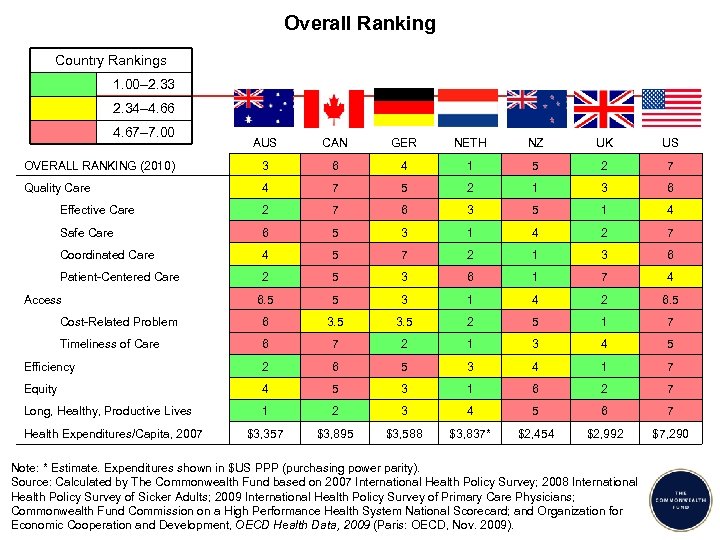 Overall Ranking Country Rankings 1. 00– 2. 33 2. 34– 4. 66 4. 67– 7. 00 AUS CAN GER NETH NZ UK US OVERALL RANKING (2010) 3 6 4 1 5 2 7 Quality Care 4 7 5 2 1 3 6 Effective Care 2 7 6 3 5 1 4 Safe Care 6 5 3 1 4 2 7 Coordinated Care 4 5 7 2 1 3 6 Patient-Centered Care 2 5 3 6 1 7 4 6. 5 5 3 1 4 2 6. 5 Cost-Related Problem 6 3. 5 2 5 1 7 Timeliness of Care 6 7 2 1 3 4 5 Efficiency 2 6 5 3 4 1 7 Equity 4 5 3 1 6 2 7 Long, Healthy, Productive Lives 1 2 3 4 5 6 7 $3, 357 $3, 895 $3, 588 $3, 837* $2, 454 $2, 992 $7, 290 Access Health Expenditures/Capita, 2007 Note: * Estimate. Expenditures shown in $US PPP (purchasing power parity). Source: Calculated by The Commonwealth Fund based on 2007 International Health Policy Survey; 2008 International Health Policy Survey of Sicker Adults; 2009 International Health Policy Survey of Primary Care Physicians; Commonwealth Fund Commission on a High Performance Health System National Scorecard; and Organization for Economic Cooperation and Development, OECD Health Data, 2009 (Paris: OECD, Nov. 2009). 9
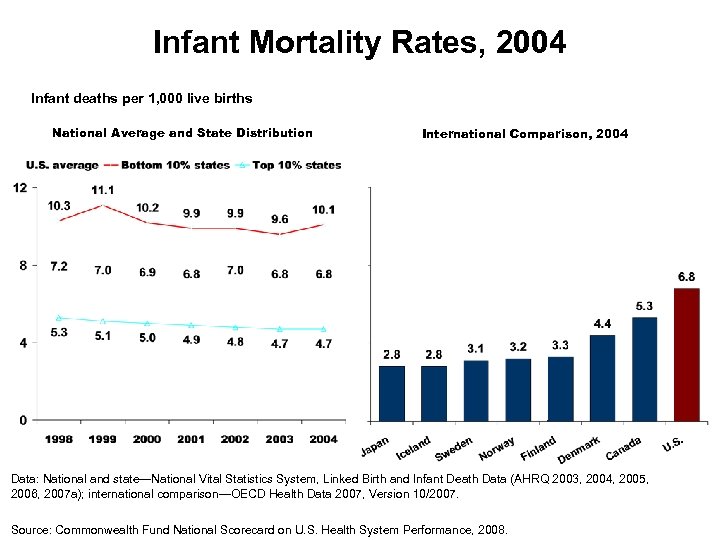 Infant Mortality Rates, 2004 Infant deaths per 1, 000 live births National Average and State Distribution International Comparison, 2004 Data: National and state—National Vital Statistics System, Linked Birth and Infant Death Data (AHRQ 2003, 2004, 2005, 2006, 2007 a); international comparison—OECD Health Data 2007, Version 10/2007. Source: Commonwealth Fund National Scorecard on U. S. Health System Performance, 2008.
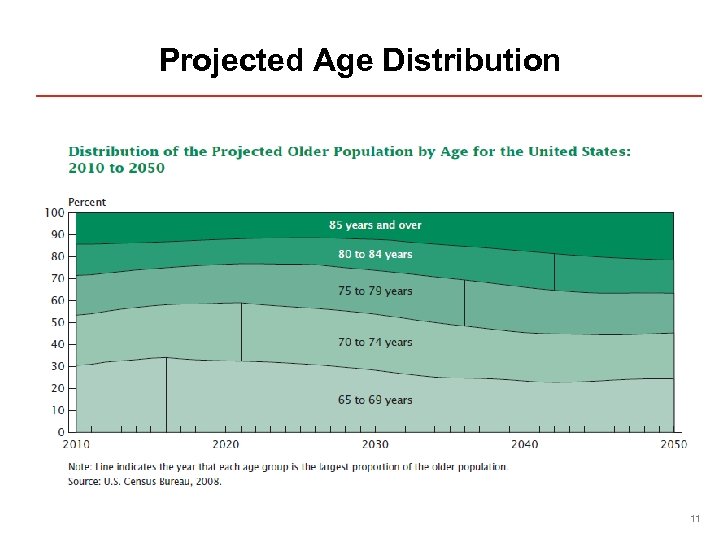 Projected Age Distribution 11
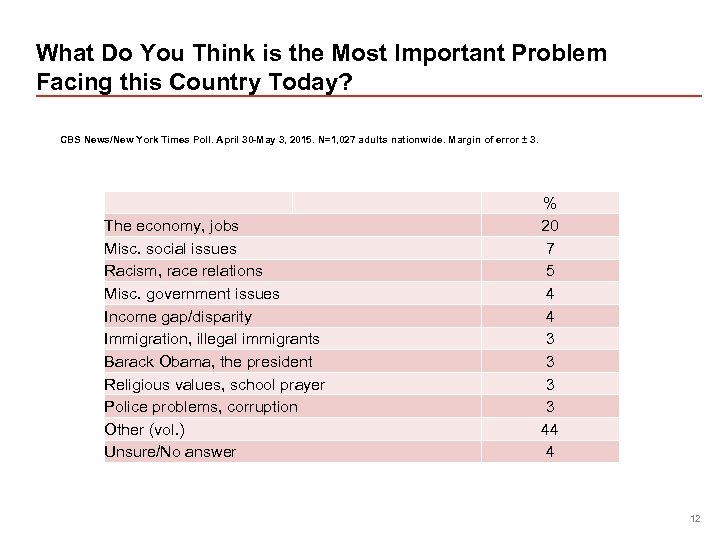 What Do You Think is the Most Important Problem Facing this Country Today? CBS News/New York Times Poll. April 30 -May 3, 2015. N=1, 027 adults nationwide. Margin of error ± 3. The economy, jobs Misc. social issues Racism, race relations Misc. government issues Income gap/disparity Immigration, illegal immigrants Barack Obama, the president Religious values, school prayer Police problems, corruption Other (vol. ) Unsure/No answer % 20 7 5 4 4 3 3 44 4 12
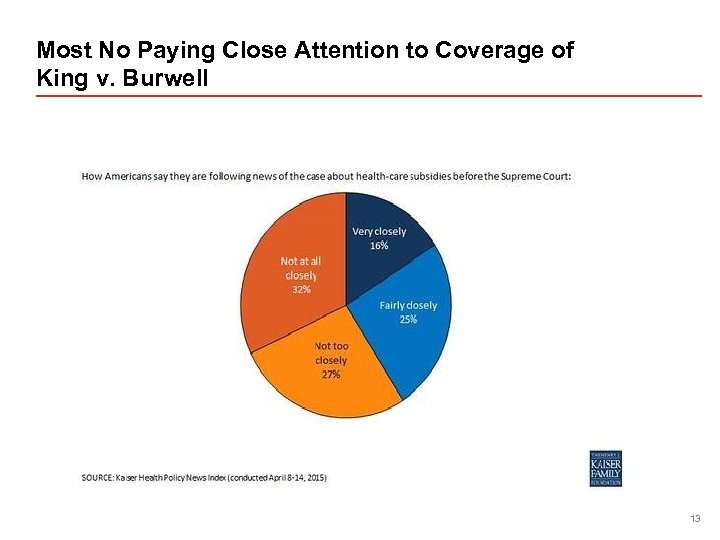 Most No Paying Close Attention to Coverage of King v. Burwell 13
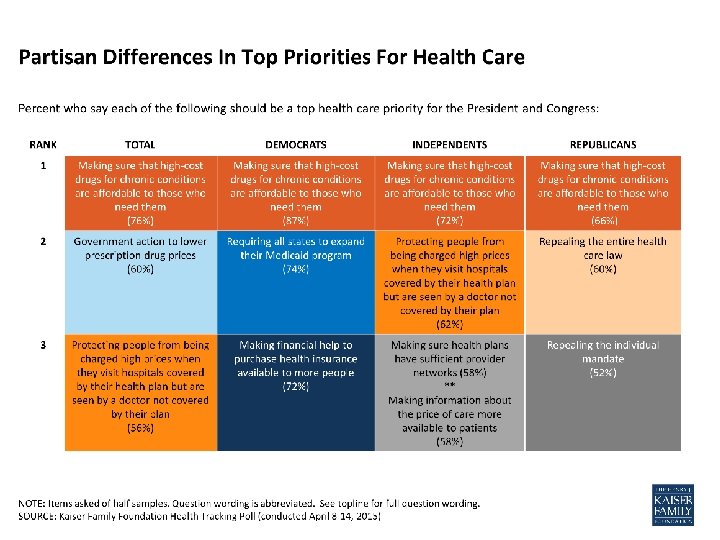 Examples of Congressional Legislation in Health Policy • Harvard presentation 14
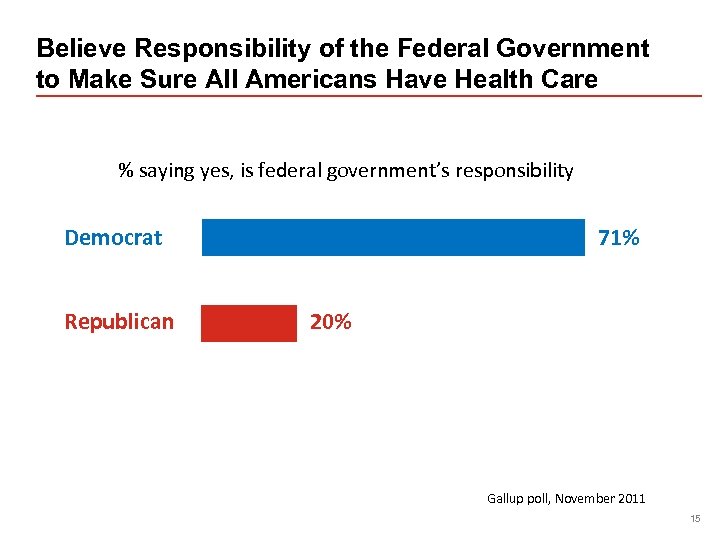 Believe Responsibility of the Federal Government to Make Sure All Americans Have Health Care % saying yes, is federal government’s responsibility Democrat Republican 71% 20% Gallup poll, November 2011 15
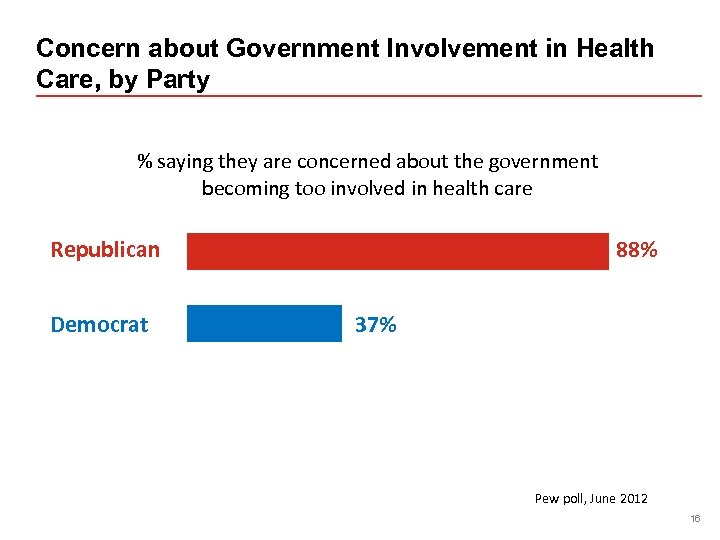 Concern about Government Involvement in Health Care, by Party % saying they are concerned about the government becoming too involved in health care Republican Democrat 88% 37% Pew poll, June 2012 16
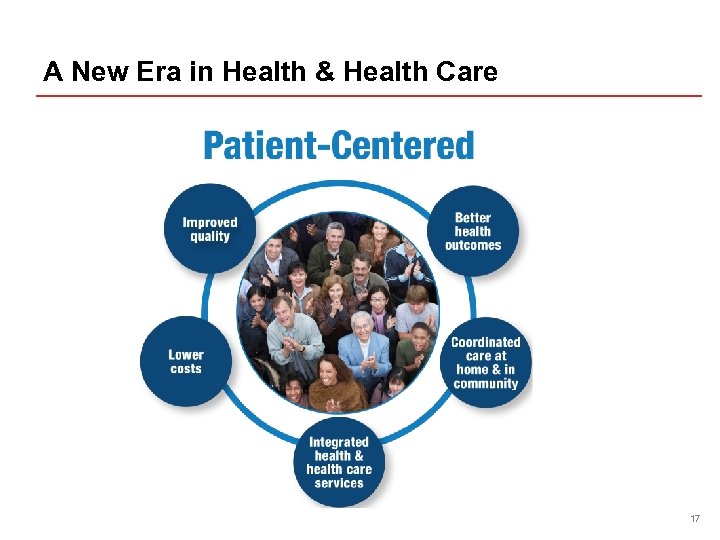 A New Era in Health & Health Care 17
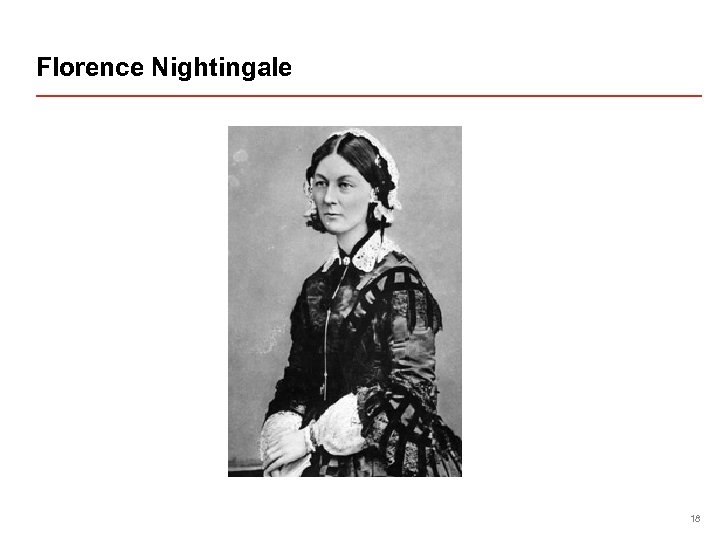 Florence Nightingale 18
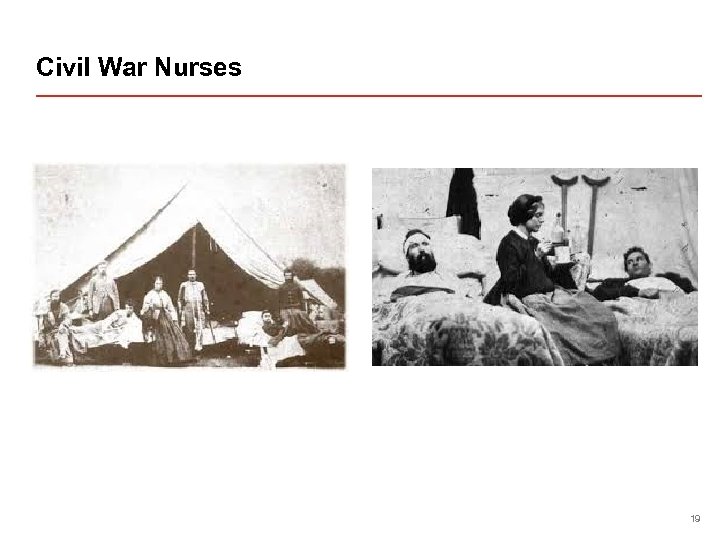 Civil War Nurses 19
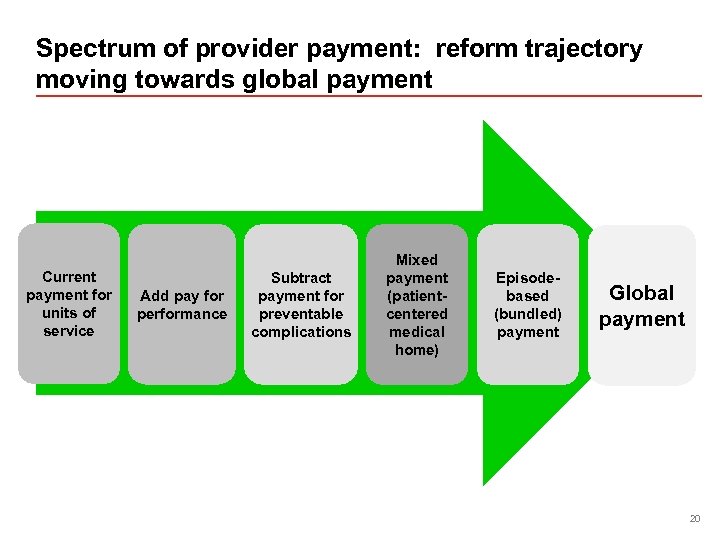 Spectrum of provider payment: reform trajectory moving towards global payment Current payment for units of service Add pay for performance Subtract payment for preventable complications Mixed payment (patientcentered medical home) Episodebased (bundled) payment Global payment 20
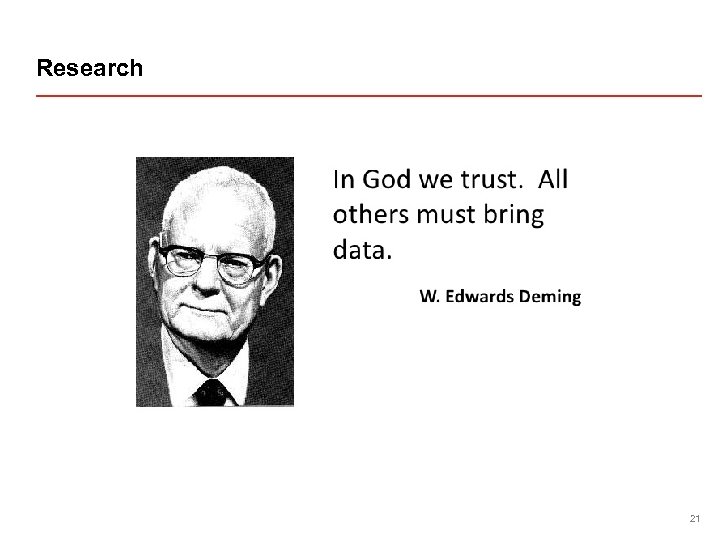 Research 21
 Improving Quality and Reducing Costs – Center for Medicare and Medicaid Innovation (CMMI) • Accountable care organizations (ACOs) • Chronic disease management • Patient-centered medical homes • Health Information Technology (HIT) • Quality reporting • Duals demonstrations 22
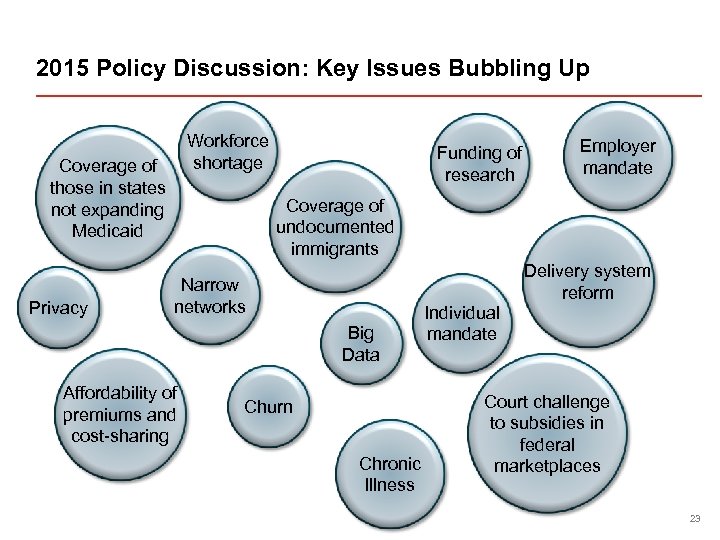 2015 Policy Discussion: Key Issues Bubbling Up Workforce shortage Coverage of those in states not expanding Medicaid Privacy Funding of research Employer mandate Coverage of undocumented immigrants Narrow networks Big Data Affordability of premiums and cost-sharing Individual mandate Churn Chronic Illness Delivery system reform Court challenge to subsidies in federal marketplaces 23
 Next Steps • Start at Home • Find a Mentor • Learn by Doing • Ask the Tough Question • Be Informed • Volunteer 24
 Rules • Bring the evidence to the table • In presenting data, be short and to the point • Narratives that put a human face on an issue have an enormous impact • Timing / Windows of Opportunity • The importance of building bridges and finding partners/advocates • Don’t burn bridges • Know what you Know and Don’t Know • Know your audience! 25
 Conclusion 26