


 Скачать презентацию N Frewan PL 2 Neonatology Division July 2008
a3be6af9cfa42f1492bc838614bcb414.ppt
- Количество слайдов: 73
 N. Frewan, PL 2 Neonatology Division July 2008 Congenital Syphilis

 Background n Between 1905 -1910, Schaudinn & Hoffman identified T pallidum as the cause of syphilis n The name "syphilis" was coined by Italian physician and poet Girolamo Fracastoro in his Latin written poem “Syphilis sive morbus gallicus” ("Syphilis or The French Disease") in 1530
 Introduction n Curable STD caused by the Treponema pallidum organism n 1998: Complete genetic sequence of T. pallidum was published which helped understanding the pathogenesis of syphilis n Belongs to “Spirochaetaceae family” n The genus name, Treponema, is derived from the Greek term for "turning thread“
 Treponema Pallidum n Thin n Motile n Extremely fastidious n Survive only briefly outside host n Not cultivated successfully on artificial media
 Transmission n Direct sexual contact with ulcerative lesions of skin or mucous membranes n Trans placental: - Typically during second half of pregnancy - As early as 6 weeks of gestation - Pregnant with primary or secondary syphilis are more likely to transmit the disease than those with latent (not clinically apparent) disease Cannot be spread through contact with toilet seats, doorknobs, swimming pools, hot tubs, bathtubs, shared clothing, or eating utensils
 Congenital syphilis n Severe, disabling, and often life- threatening infection seen in infants n About half of all infected fetuses die shortly before or after birth
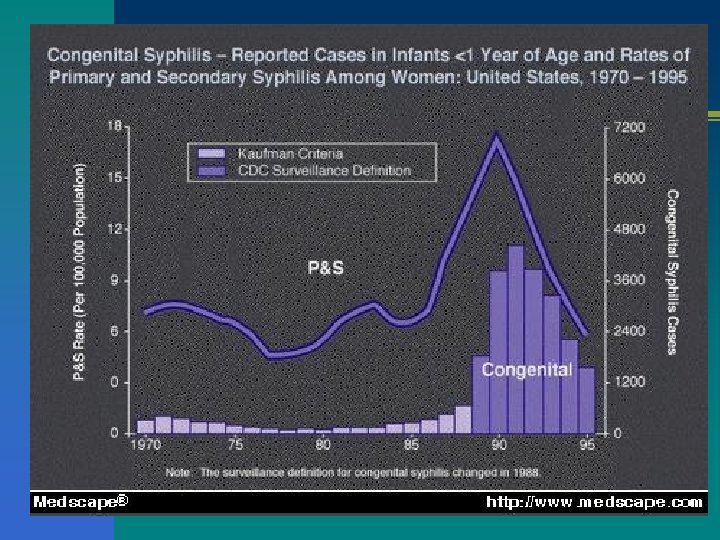
 Incidence US n Despite the fact of being curable if caught early, rising rates among pregnant ♀ in the US have recently ↑ the number of infants born with congenital syphilis n 1985 -1990: overall incidence ↑ 75% ( Sex-Drug traffic)
 Incidence US n 1998: 81. 3% of reported cases of CS occurred because the mother received no/inadequate penicillin tx before or during pregnancy n - According to the CDC: 40% of births are stillborn 40 -70% of the survivors will be infected & 12% of these will subsequently die
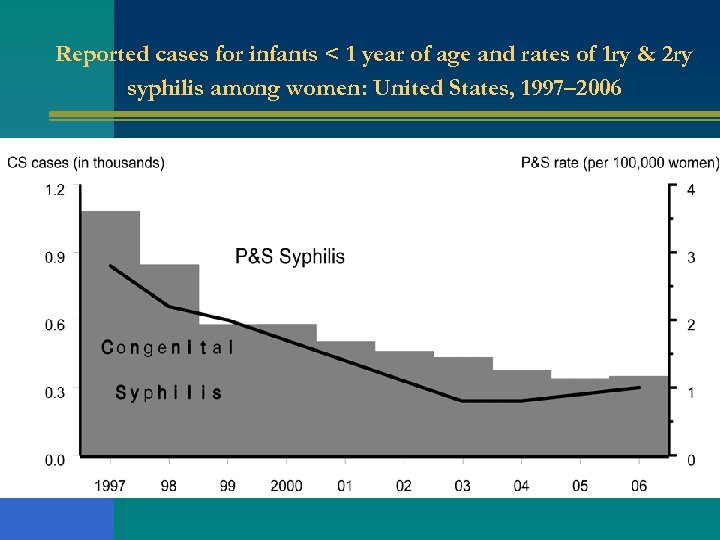 Reported cases for infants < 1 year of age and rates of 1 ry & 2 ry syphilis among women: United States, 1997– 2006
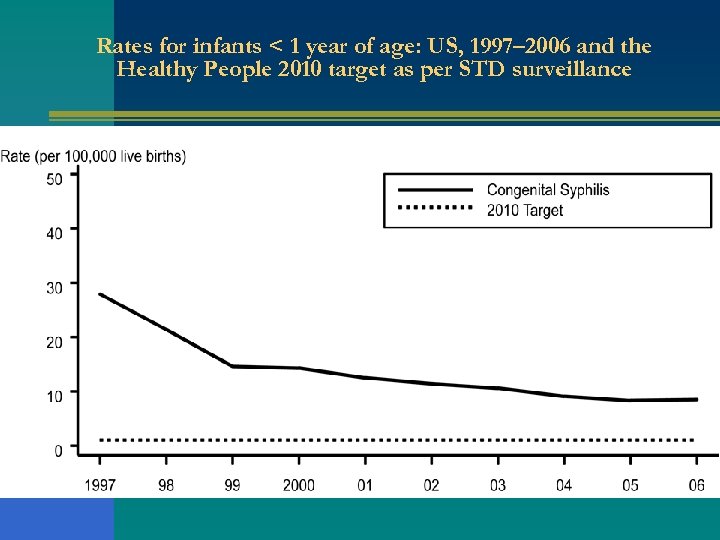 Rates for infants < 1 year of age: US, 1997– 2006 and the Healthy People 2010 target as per STD surveillance
 Incidence International n Worldwide, predominantly in large cities n Certain European countries have seen ↑in congenital syphilis cases n Major public health problem in sub. Saharan Africa and developing world n Main focus in control: Antenatal screening & treatment of infected mothers
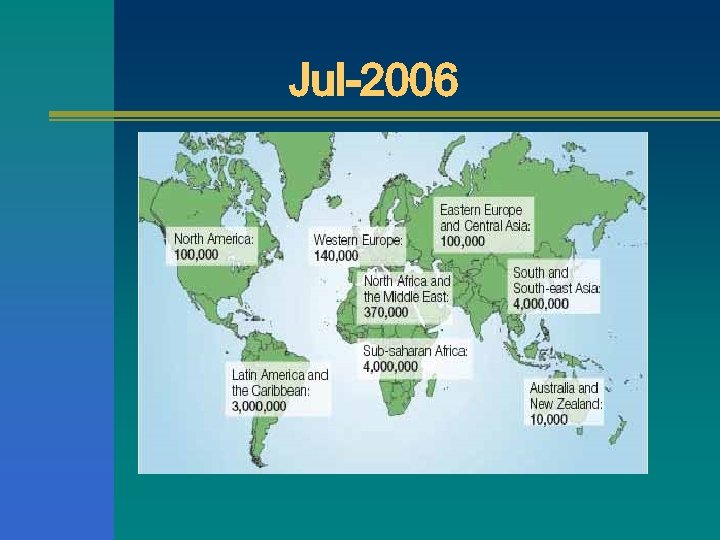 Jul-2006
 Pathophysiology CS n Trans placental transmission n Transmission rate: ~ 60 - 100% n With early onset disease, manifestations result from trans placental spirochetemia and are analogous to secondary stage of acquired syphilis n CS does not have a primary stage
 Clinical Manifestations n Intra-uterine: -Placenta -Fetus n Post-natal: - Early - Late
 Intra-uterine: Placenta n The placenta is typically large and edematous n Characteristic placental findings include: - Hydrops placentalis - Chronic villitis - Perivillous fibrous proliferation - Normoblastemia - Necrotizing funisitis - Acute chorioamnionitis - Plasma cell deciduitis
 Intra-uterine: Fetus n Depends on stage of development at time of infection & duration of untreated infection n Initially characterized by placental involvement and hepatic dysfunction (e. g. , abnormal LFT), followed by amniotic fluid infection, hematologic abnormalities, ascites, and hydrops n Stillbirth / Neonatal death
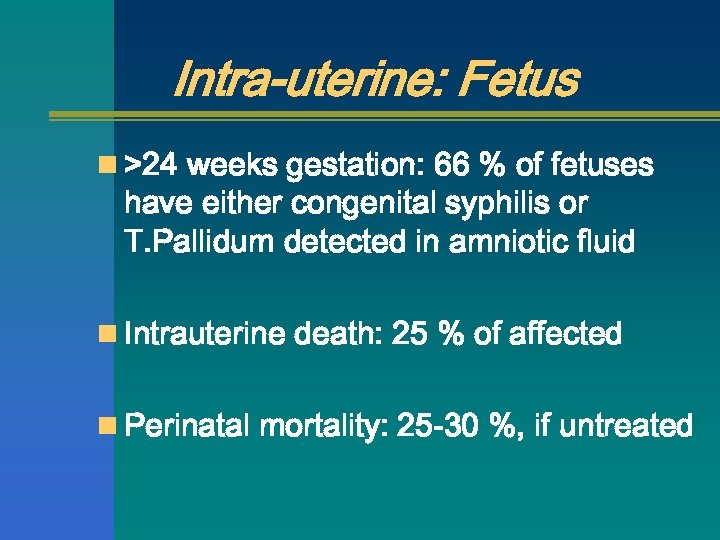 Intra-uterine: Fetus n >24 weeks gestation: 66 % of fetuses have either congenital syphilis or T. Pallidum detected in amniotic fluid n Intrauterine death: 25 % of affected n Perinatal mortality: 25 -30 %, if untreated
 Post-Natal n Among survivors, manifestations been divided into: Early stage = First 2 years Late stage = After 2 years n Inflammatory changes do not occur in the fetus until after first trimester → organogenesis is unaffected n Nevertheless, all organ systems may be involved
 Early CS- Asymptomatic n Occurs between 0 - 2 years n If asymptomatic : - Identified on routine prenatal screening - If not identified and treated, these newborns develop poor feeding and rhinorrhea ➨ Earliest signs of CS may be poor feeding and snuffles (i. e. , syphilitic rhinitis)
 Symptomatic Early CS If Symptomatic: n Variable n Appear within 1 st 5 weeks of life n Stillborn/ Premature n Failure to gain weight or FTT n Fever / Irritability n Severe congenital pneumonia
 Symptomatic Early CS n Most striking lesions affect the mucocutaneous tissues and bones: - Mucous patches - Rhinitis =snuffle - Condylomatous lesions ➨ ➨ highly characteristic features of mucous membrane involvement in CS
 Symptomatic Early CS n Snuffles → Followed quickly by diffuse maculopapular desquamative rash that involves extensive sloughing of the epithelium, on the palms & soles and around the mouth & anus n When chronic → “Saddle Nose” n Lesions & nasal fluid: highly infectious
 Symptomatic Early CS n Bullous skin disease known as “pemphigus syphiliticus” ➲ Early rash -- small blisters on the palms and soles → Ulcerated ➲ Later rash -- copper-colored, flat or bumpy rash on the face, palms, and soles
 Symptomatic Early CS n Other early manifestations include hepatosplenomegaly (100%), jaundice, anemia n Metaphyseal dystrophy and periostitis often are noted on radiographs at birth +/_ Pseudoparalysis
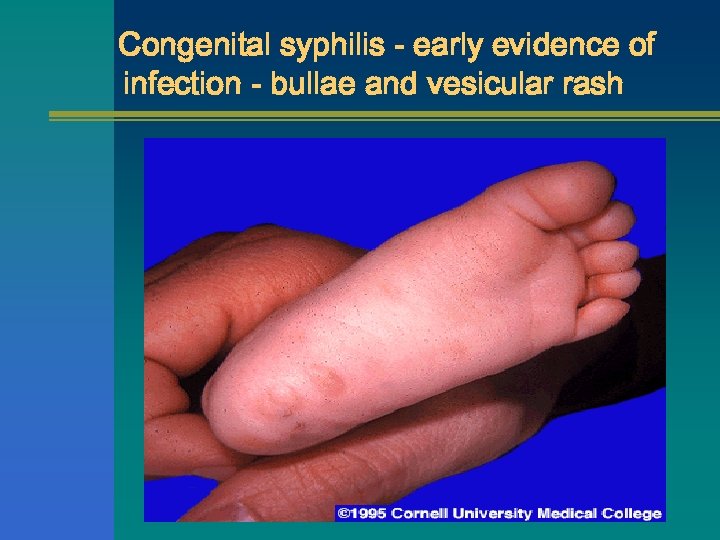 Congenital syphilis - early evidence of infection - bullae and vesicular rash
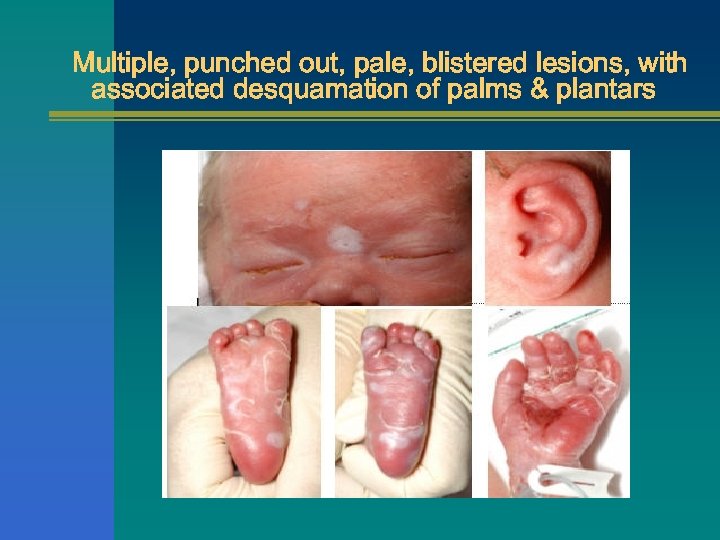 Multiple, punched out, pale, blistered lesions, with associated desquamation of palms & plantars
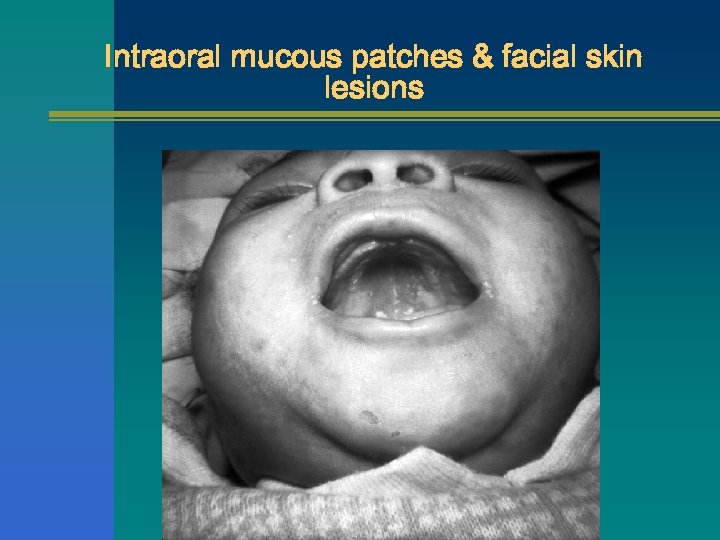 Intraoral mucous patches & facial skin lesions
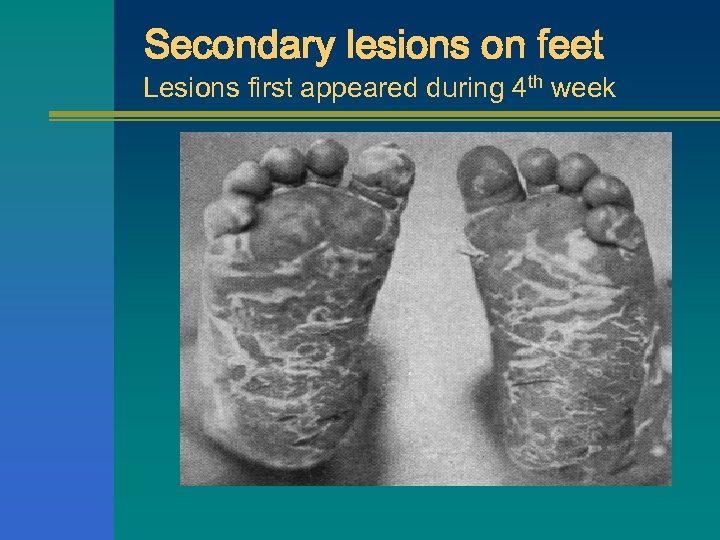 Secondary lesions on feet Lesions first appeared during 4 th week
 Late-onset CS n Develop from scarring related to early infection n Can be prevented by treatment within first 3 months n Can appear as late as 40 years after
 Late-onset CS n Manifestations include neurosyphilis and involvement of teeth, bones, eyes, and 8 th cranial nerve n E. g. : Frontal bossing, short maxilla, high palatal arch, Hutchinson triad, saddle nose, and perioral fissure (Rhagades = bacterial infection of skin lesions )
 Hutchinson triad 1. Deafness (10 – 40 years) 2. Hutchinson’s teeth = centrally notched, widely-spaced peg-shaped upper central incisors 3. Interstitial Keratitis → blindness (5 -20 years)
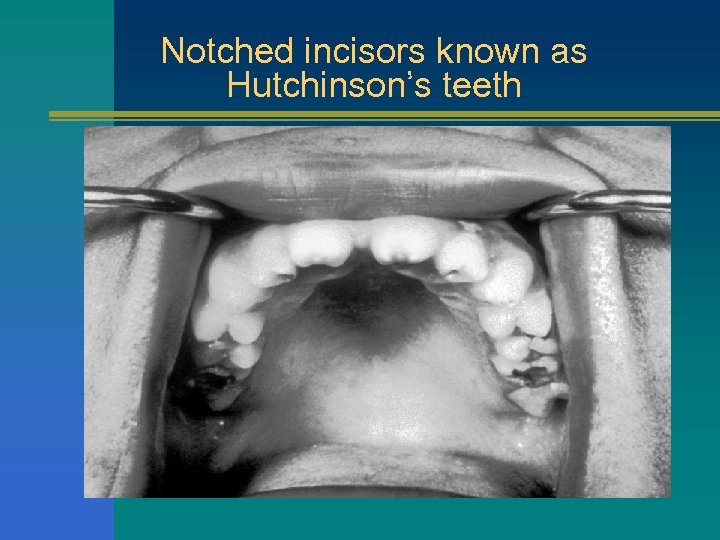 Notched incisors known as Hutchinson’s teeth
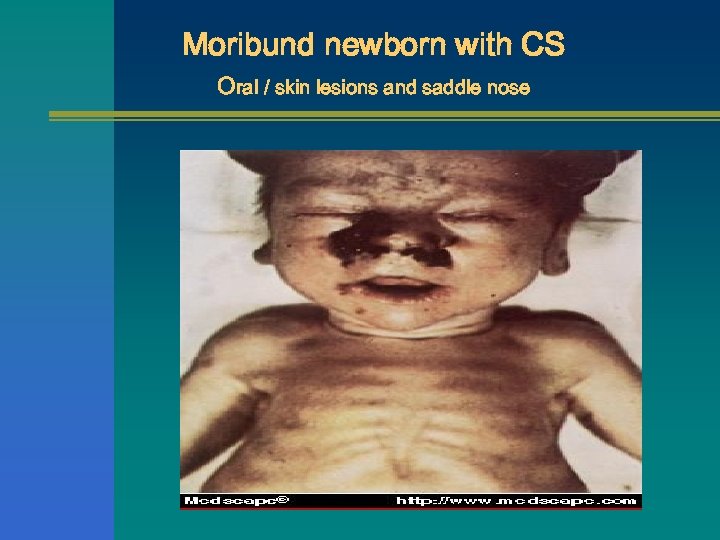 Moribund newborn with CS Oral / skin lesions and saddle nose
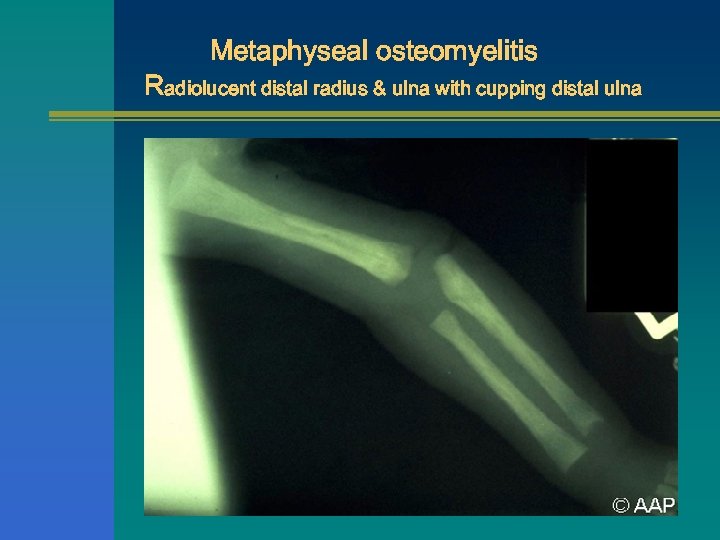 Metaphyseal osteomyelitis Radiolucent distal radius & ulna with cupping distal ulna
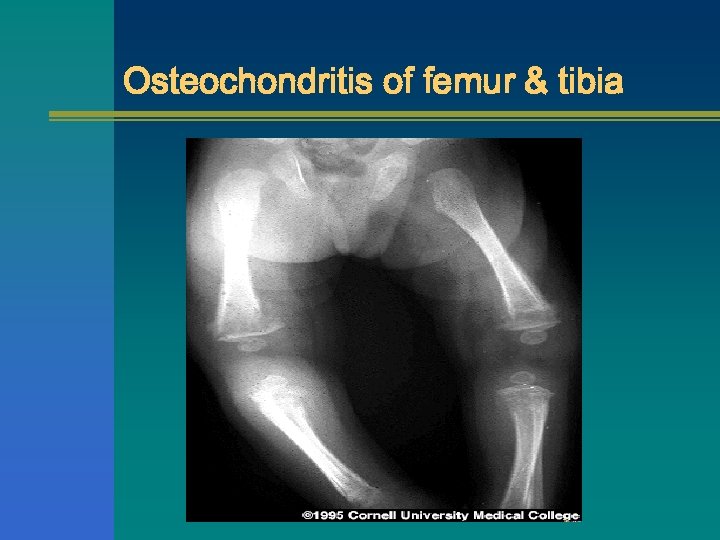 Osteochondritis of femur & tibia
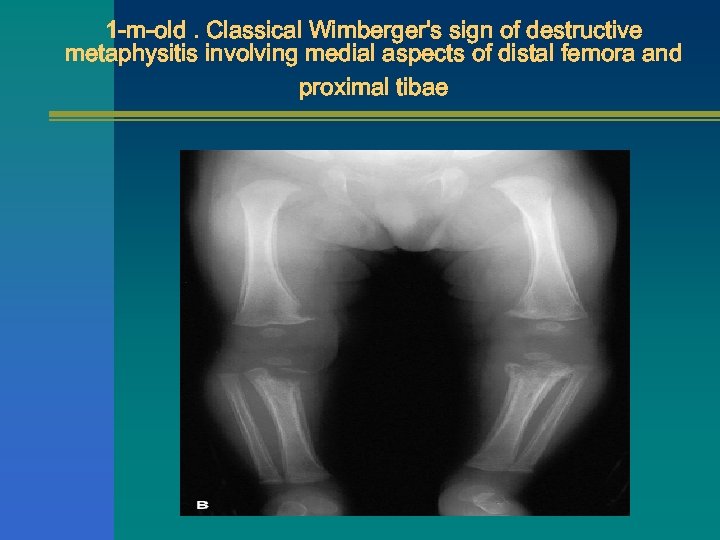 1 -m-old. Classical Wimberger's sign of destructive metaphysitis involving medial aspects of distal femora and proximal tibae
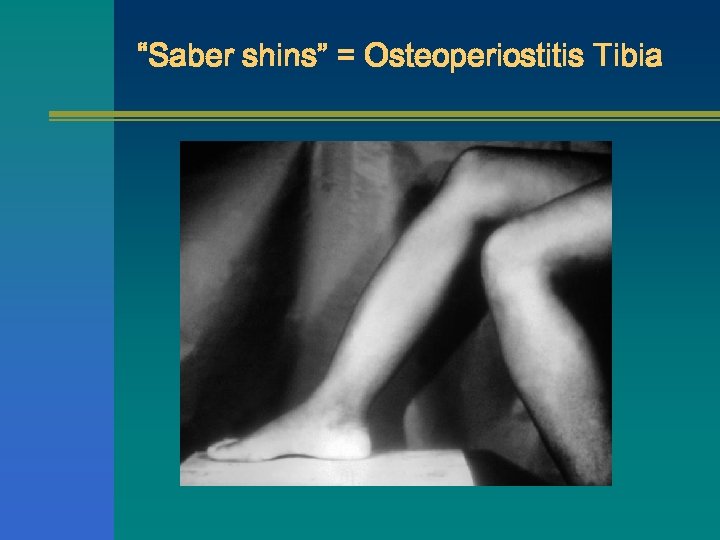 “Saber shins” = Osteoperiostitis Tibia
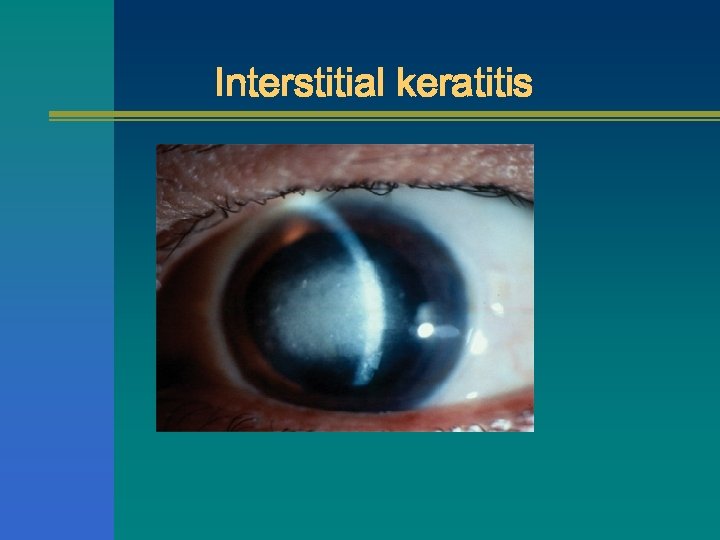 Interstitial keratitis
 Possible Complications n Blindness n Deafness n Facial deformity n Neurological problems
 Labs Definitive diagnosis: By direct visualization of spirochetes using darkfield microscopy 2. Or direct fluorescent antibody tests of lesion exudate or tissue (Placenta/UC) 1. -Helpful early in the disease, prior to development of seroreactivity
 Serologic tests - Presumptive diagnosis can be made using Nontreponemal ( False + in medical conditions) Treponemal (False+ in other spirochetal Diseases) → So use of only one type is insufficient - If nontreponemal test is +→ confirmatory testing is performed with a specific treponemal test
 Nontreponemal test n VDRL (Venereal Disease Research Laboratory) n RPR (Rapid plasma reagin) n ART (Automated reagin test)
 Nontreponemal test - Used for screening (sensitive but not specific) - Inexpensive, performed rapidly, and provide quantitative results → helpful indicators of disease activity & monitor treatment response - Measures Ab directed against lipoidal Ag from T. Pallidum, Ab interaction with host tissues or both - Nonspecific Ab develop 4 -8 weeks following infection
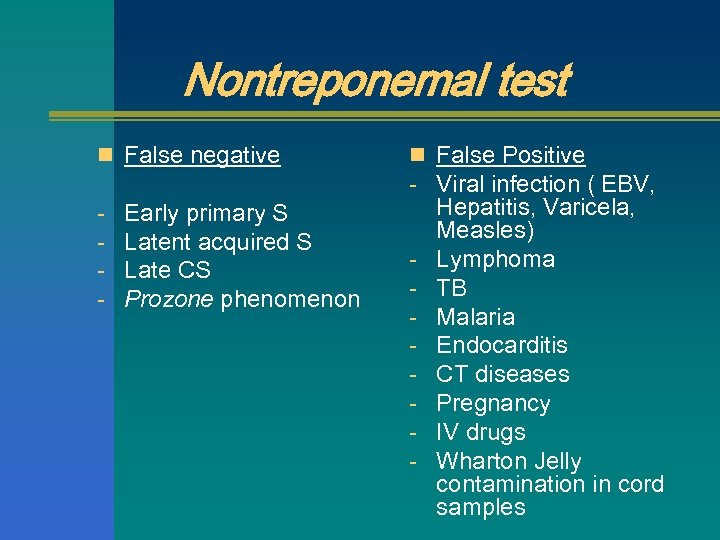 Nontreponemal test n False negative - Early primary S Latent acquired S Late CS Prozone phenomenon n False Positive - Viral infection ( EBV, - Hepatitis, Varicela, Measles) Lymphoma TB Malaria Endocarditis CT diseases Pregnancy IV drugs Wharton Jelly contamination in cord samples
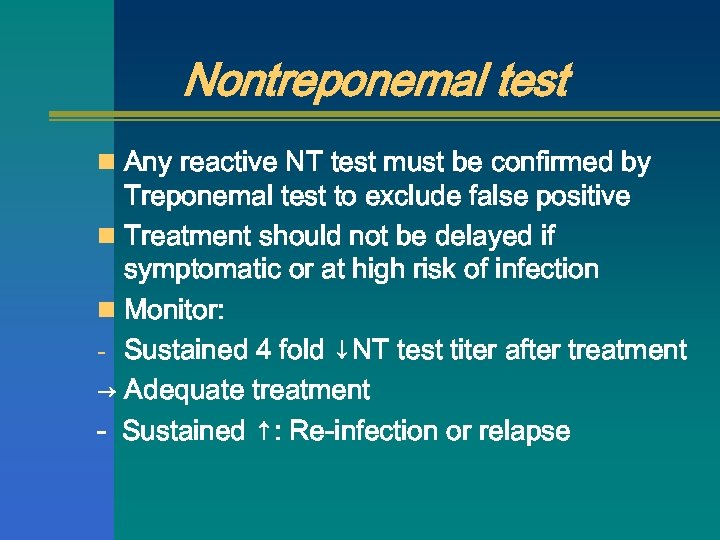 Nontreponemal test n Any reactive NT test must be confirmed by Treponemal test to exclude false positive n Treatment should not be delayed if symptomatic or at high risk of infection n Monitor: - Sustained 4 fold ↓NT test titer after treatment → Adequate treatment - Sustained ↑: Re-infection or relapse
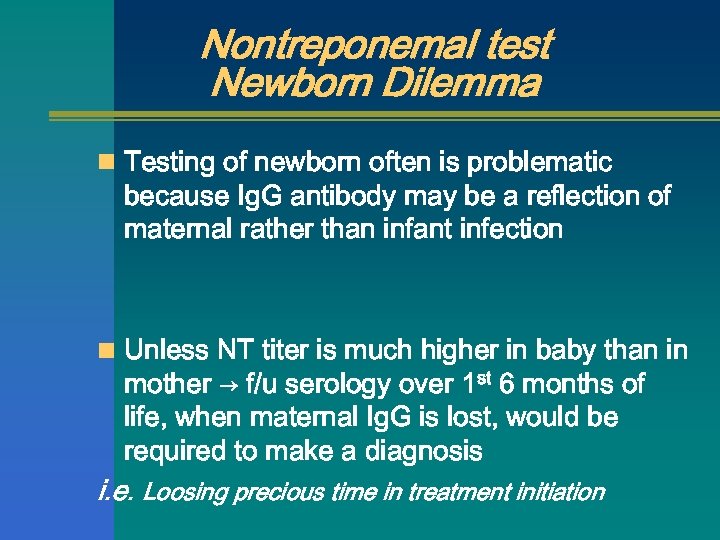 Nontreponemal test Newborn Dilemma n Testing of newborn often is problematic because Ig. G antibody may be a reflection of maternal rather than infant infection n Unless NT titer is much higher in baby than in mother → f/u serology over 1 st 6 months of life, when maternal Ig. G is lost, would be required to make a diagnosis i. e. Loosing precious time in treatment initiation
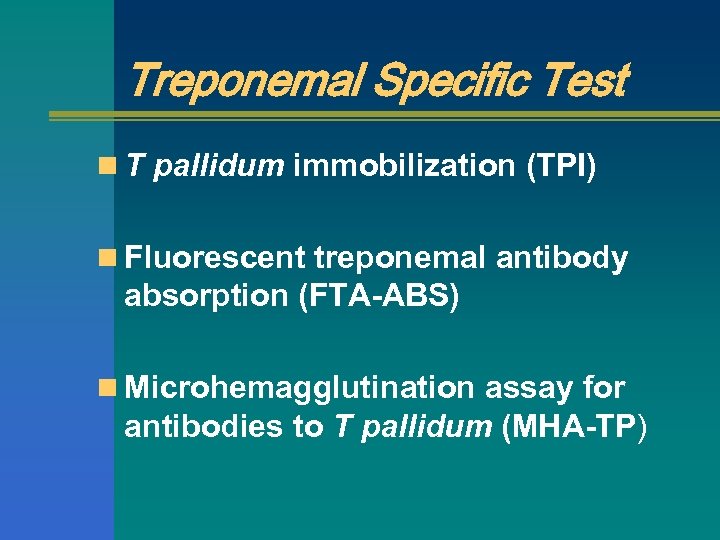 Treponemal Specific Test n T pallidum immobilization (TPI) n Fluorescent treponemal antibody absorption (FTA-ABS) n Microhemagglutination assay for antibodies to T pallidum (MHA-TP)
 Treponemal Specific Test n Confirm + nontreponemal reaginic test n Remain positive for life i. e. Result do not correlate with disease activity and tests are not quantified n False + reactions: → Other spirochetal diseases (e. g. , yaws, pinta, leptospirosis, rat-bite fever, relapsing fever, Lyme disease
 Cerebrospinal Fluid Analysis n n n CSF VDRL Could be negative and still develop signs of neurosyphilis →Therefore, all those with presumptive CS should be treated A nonquantitative VDRL test is the only serologic test that should be performed on CSF Other test like FTA-ABS are less specific on CSF samples
 CBC n CS characterized by anemia, thrombocytopenia, and either leukopenia or leukocytosis n Evidence of Coombs-negative hemolytic anemia or a leukemoid reaction may be present
 Imaging Studies n CXR: - Syphilitic pneumonia is common in CS - Fluffy diffuse infiltrate “pneumonia alba”
 Imaging Studies n Long bone radiography – 95% of symptomatic infants and 20% of asymptomatic – Multiple sites of osteochondritis at wrists, elbows, ankles and knees and periostitis of long bones – The lower extremities almost always affected
 Imaging Studies n Neuroradiography: - Findings nonspecific - May mimic herpes simplex virus - MRI may reveal cerebral hypertrophy and hyperintensity in the temporal lobes
 CDC Newborn Evaluation n The diagnosis of CS is complicated by the trans placental transfer of maternal nontreponemal and treponemal Ig. G Abs to fetus ➨ Making interpretation of reactive serologic tests for CS difficult
 CDC Newborn Evaluation should include: 1. Maternal H/O syphilis including tx type & adequacy before and during the pregnancy 2. P/E of newborn 3. Quantitative NT & T tests 4. CBC, long bone x-rays, CSF (VDRL, cell count, protein), and CXR and/or LFT 5. Pathologic examination of placenta or umbilical cord using specific fluorescent antitreponemal antibody staining
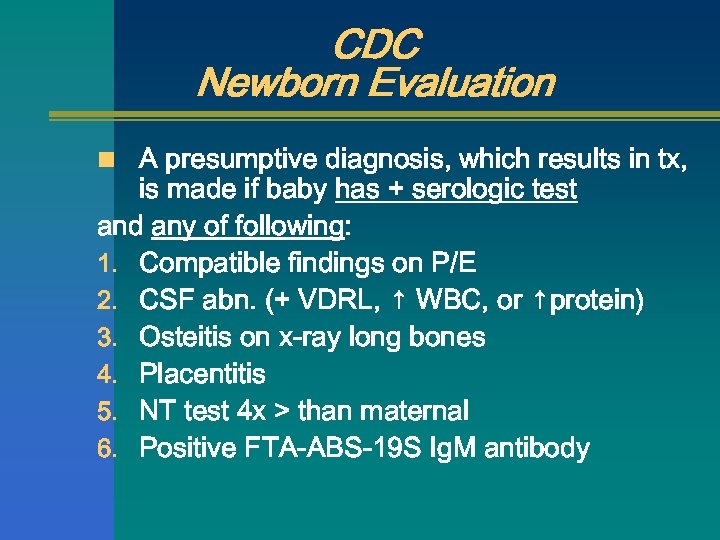 CDC Newborn Evaluation n A presumptive diagnosis, which results in tx, is made if baby has + serologic test and any of following: 1. Compatible findings on P/E 2. CSF abn. (+ VDRL, ↑ WBC, or ↑protein) 3. Osteitis on x-ray long bones 4. Placentitis 5. NT test 4 x > than maternal 6. Positive FTA-ABS-19 S Ig. M antibody
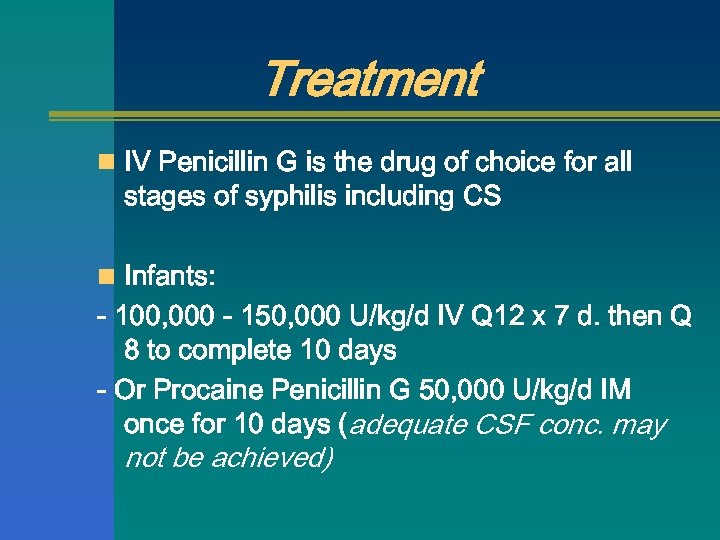 Treatment n IV Penicillin G is the drug of choice for all stages of syphilis including CS n Infants: - 100, 000 - 150, 000 U/kg/d IV Q 12 x 7 d. then Q 8 to complete 10 days - Or Procaine Penicillin G 50, 000 U/kg/d IM once for 10 days (adequate CSF conc. may not be achieved)
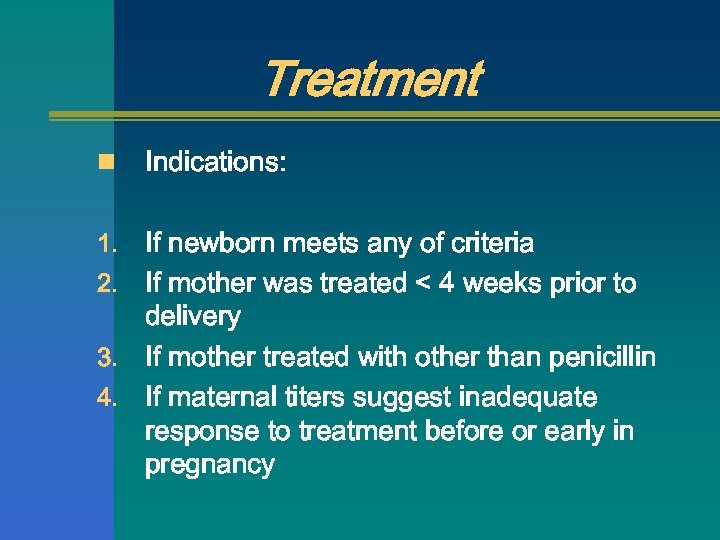 Treatment n Indications: If newborn meets any of criteria 2. If mother was treated < 4 weeks prior to delivery 3. If mother treated with other than penicillin 4. If maternal titers suggest inadequate response to treatment before or early in pregnancy 1.
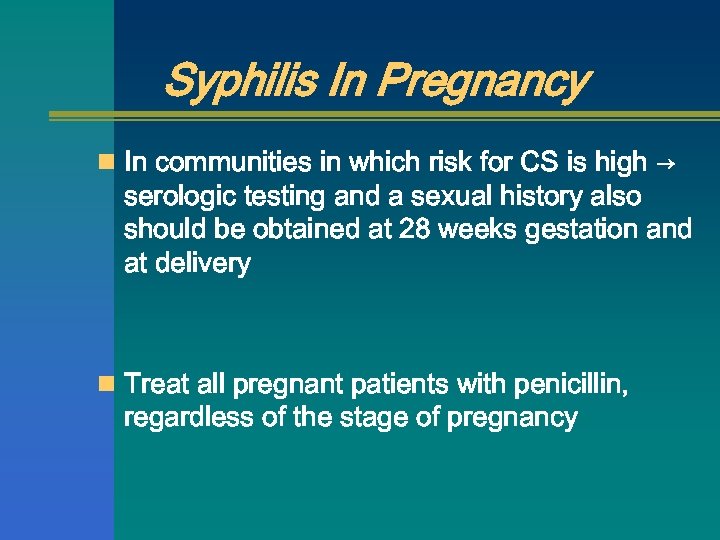 Syphilis In Pregnancy n In communities in which risk for CS is high → serologic testing and a sexual history also should be obtained at 28 weeks gestation and at delivery n Treat all pregnant patients with penicillin, regardless of the stage of pregnancy
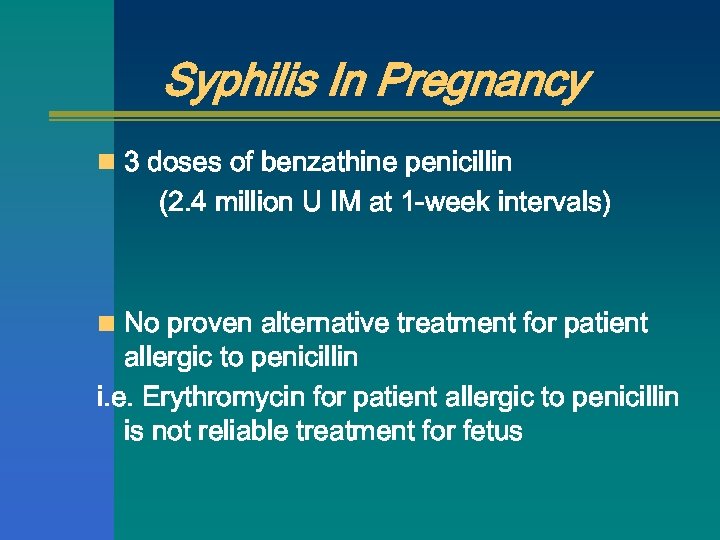 Syphilis In Pregnancy n 3 doses of benzathine penicillin (2. 4 million U IM at 1 -week intervals) n No proven alternative treatment for patient allergic to penicillin i. e. Erythromycin for patient allergic to penicillin is not reliable treatment for fetus
 Evaluation and Treatment of Infants During the First Month of Life The following scenarios describe the evaluation and treatment of infants for congenital syphilis
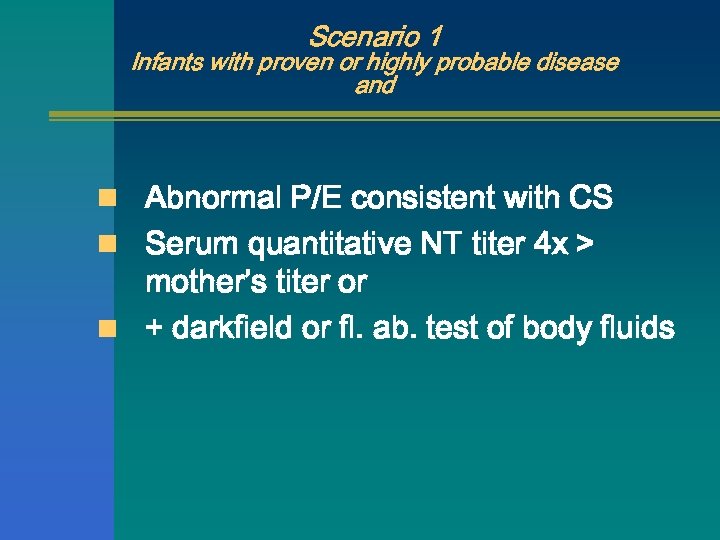 Scenario 1 Infants with proven or highly probable disease and n Abnormal P/E consistent with CS n Serum quantitative NT titer 4 x > mother’s titer or n + darkfield or fl. ab. test of body fluids
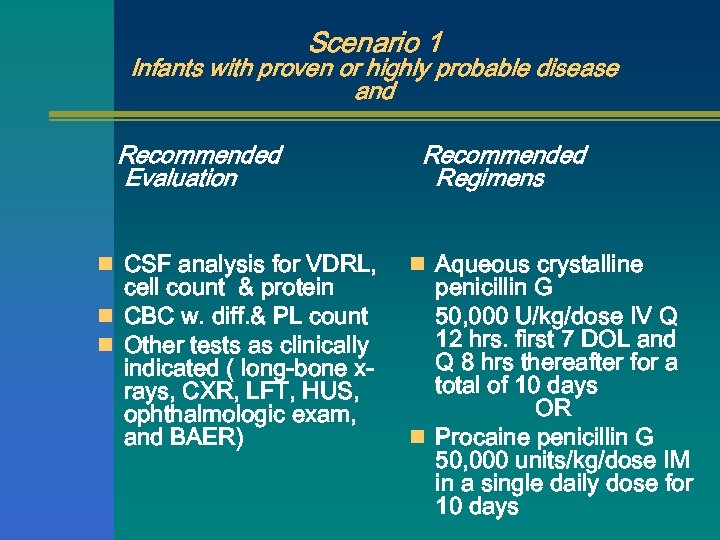 Scenario 1 Infants with proven or highly probable disease and Recommended Evaluation n CSF analysis for VDRL, cell count & protein n CBC w. diff. & PL count n Other tests as clinically indicated ( long-bone xrays, CXR, LFT, HUS, ophthalmologic exam, and BAER) Recommended Regimens n Aqueous crystalline penicillin G 50, 000 U/kg/dose IV Q 12 hrs. first 7 DOL and Q 8 hrs thereafter for a total of 10 days OR n Procaine penicillin G 50, 000 units/kg/dose IM in a single daily dose for 10 days
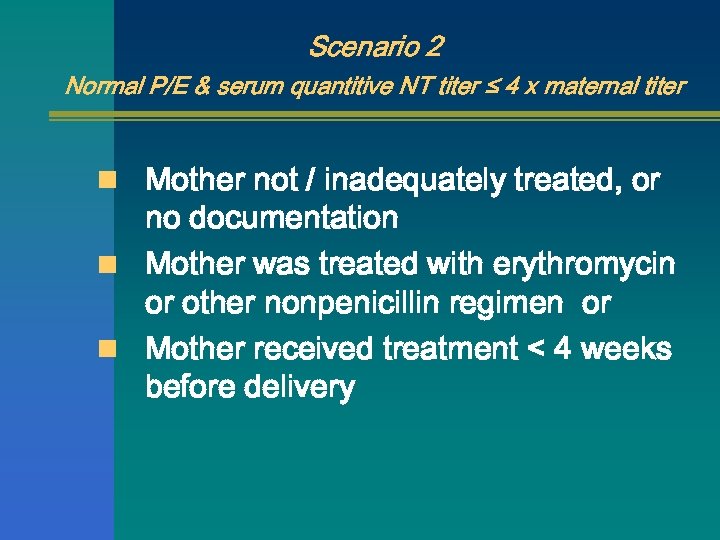 Scenario 2 Normal P/E & serum quantitive NT titer ≤ 4 x maternal titer n Mother not / inadequately treated, or no documentation n Mother was treated with erythromycin or other nonpenicillin regimen or n Mother received treatment < 4 weeks before delivery
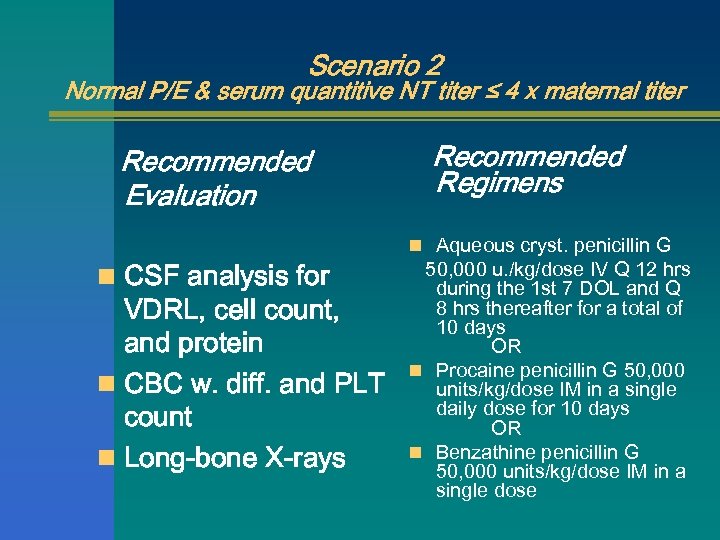 Scenario 2 Normal P/E & serum quantitive NT titer ≤ 4 x maternal titer Recommended Evaluation n CSF analysis for VDRL, cell count, and protein n CBC w. diff. and PLT count n Long-bone X-rays Recommended Regimens n Aqueous cryst. penicillin G 50, 000 u. /kg/dose IV Q 12 hrs during the 1 st 7 DOL and Q 8 hrs thereafter for a total of 10 days OR n Procaine penicillin G 50, 000 units/kg/dose IM in a single daily dose for 10 days OR n Benzathine penicillin G 50, 000 units/kg/dose IM in a single dose
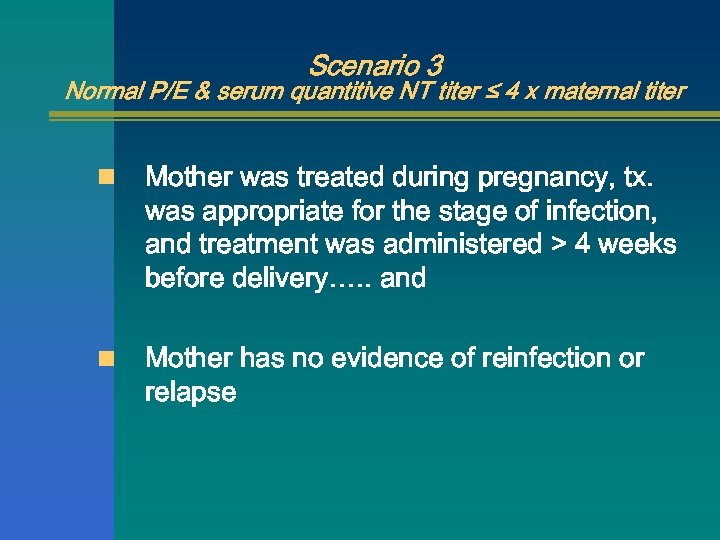 Scenario 3 Normal P/E & serum quantitive NT titer ≤ 4 x maternal titer n Mother was treated during pregnancy, tx. was appropriate for the stage of infection, and treatment was administered > 4 weeks before delivery…. . and n Mother has no evidence of reinfection or relapse
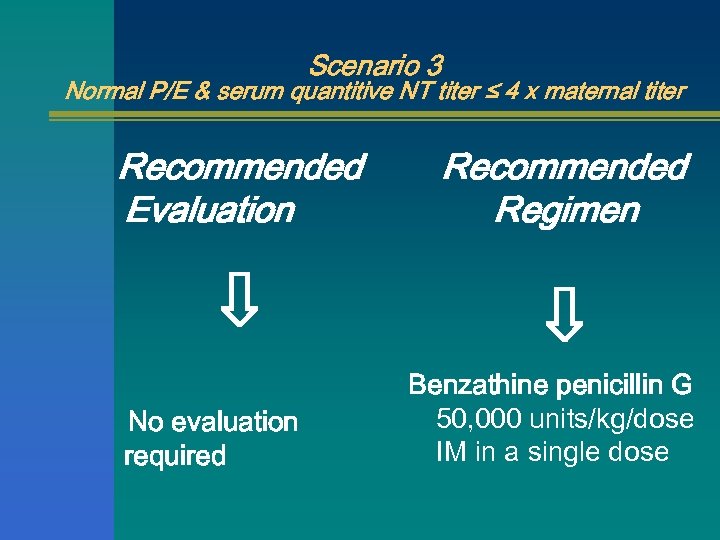 Scenario 3 Normal P/E & serum quantitive NT titer ≤ 4 x maternal titer Recommended Evaluation Recommended Regimen ⇩ ⇩ No evaluation required Benzathine penicillin G 50, 000 units/kg/dose IM in a single dose
 Scenario 4 Normal P/E & serum quantitive NT titer ≤ 4 x maternal titer n Mother’s treatment was adequate before pregnancy…. and n Mother’s NT titer remained low and stable before, during pregnancy and at delivery (VDRL <1: 2; RPR <1: 4)
 Scenario 4 Normal P/E & serum quantitive NT titer ≤ 4 x maternal titer Recommended Evaluation Recommended Regimen ⇩ ⇩ No evaluation required No treatment required
 Outlook (Prognosis) n Infected early in pregnancy ➨ stillborn n Treatment of expectant mother ↓ risk of CS n Babies who become infected when passing through birth canal have better outlook n Death from CS is usually through pulmonary hemorrhage
 References n www. cdc. gov/STD/STATS/figs. gif n Red Book (27 th edition)- 2006 n Overview of TORCH infections: Karen E Johnson, MD. Uptodate 2006 n Early congenital syphilis: Ameeta Singh, BMBS MSc, * Karen Sutherland, RN BSc. N, † Bonita Lee, MD MSc- pubmed n Congenital syphilis re-emerging. Simms I, Broutet N.