Скачать презентацию Muscle tissues Ass Professor Goriachkina Valeria Lvovna
Muscle _tissues.ppt
- Количество слайдов: 33
 Muscle tissues Ass. Professor Goriachkina Valeria Lvovna
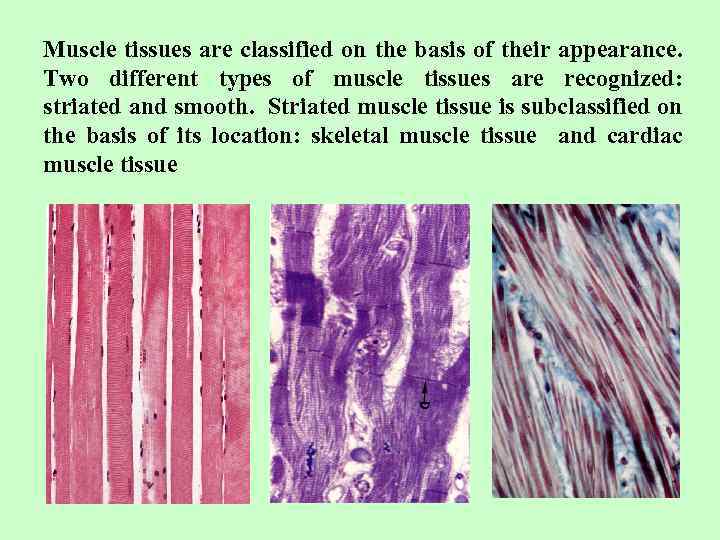 Muscle tissues are classified on the basis of their appearance. Two different types of muscle tissues are recognized: striated and smooth. Striated muscle tissue is subclassified on the basis of its location: skeletal muscle tissue and cardiac muscle tissue
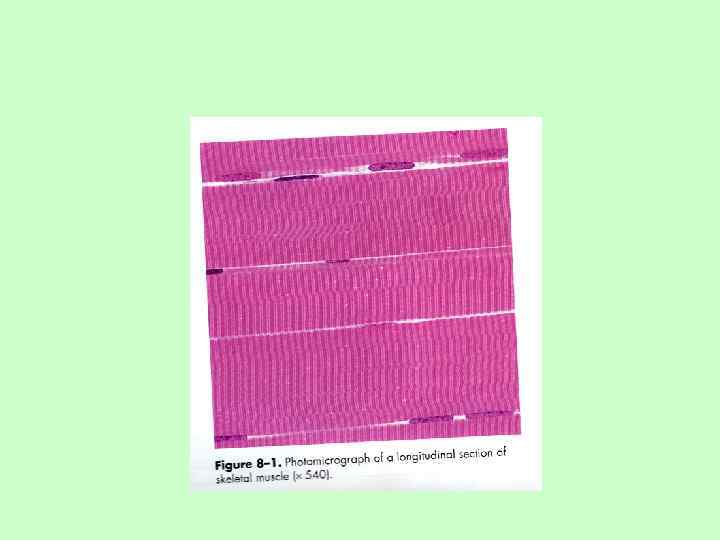
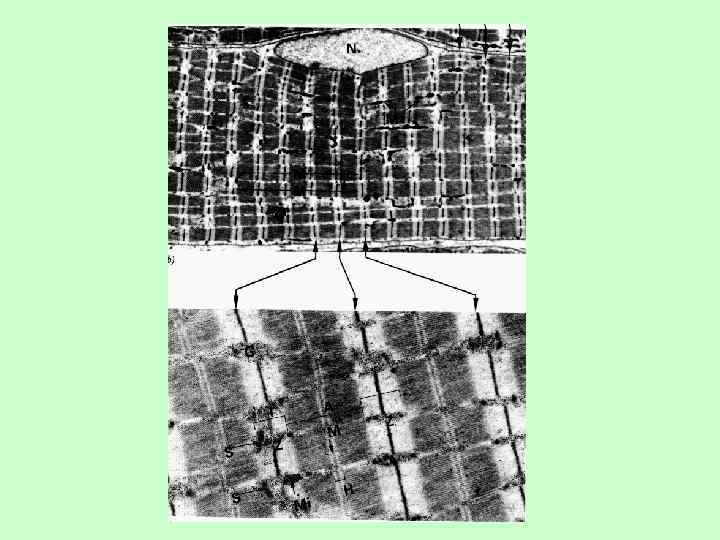
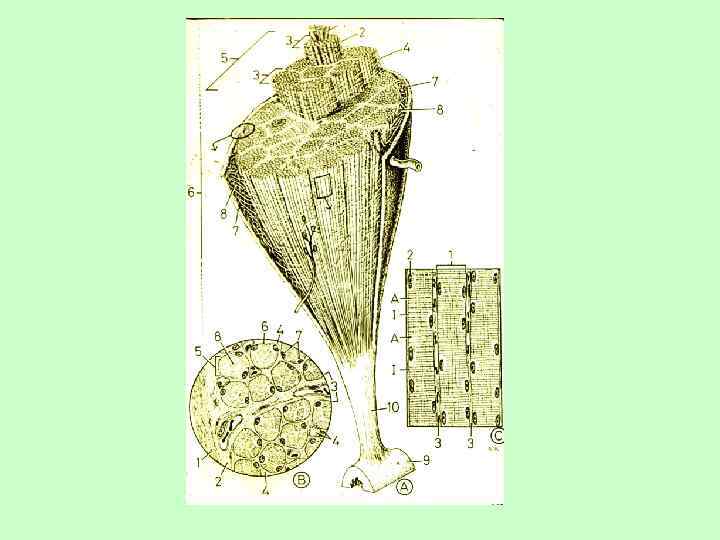
 General Features of Skeletal Muscle Tissue 1. It is form of striated muscle fibers. 2. Each muscle fiber contains many nuclei. They are located immediatly under the plasma membrane. 3. Each muscle fiber contains parallel myoffibrils (80% myofibrils in the fibre), which are trasversely striated. 4. The cytoplasm of the muscle fiber is known as Sarcoplasm (Greek sarkos - flesch) 5. The sarcoplasm contains glycogen, lipids and myoglobin (pigmental protein; it can take up, store, or give up, oxygen as needed). 6. The function of this tissue is controled voluntarily - it could be contracted or relaxe by will skeletal muscle came to be known also as voluntary muscle
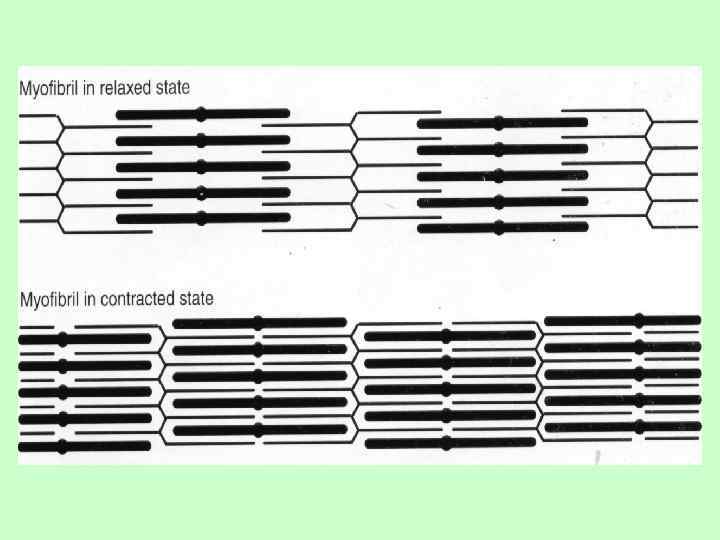
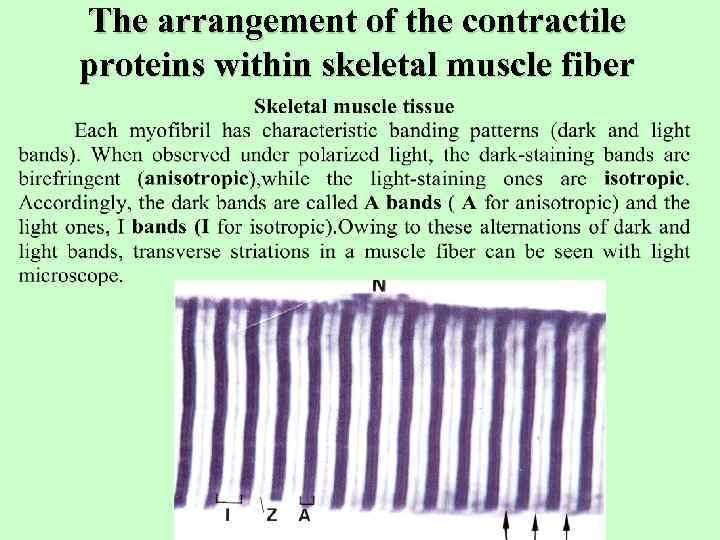 The arrangement of the contractile proteins within skeletal muscle fiber
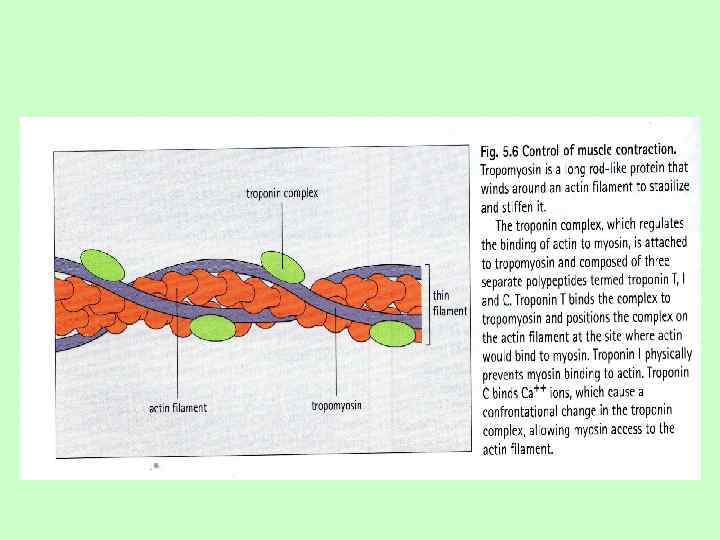
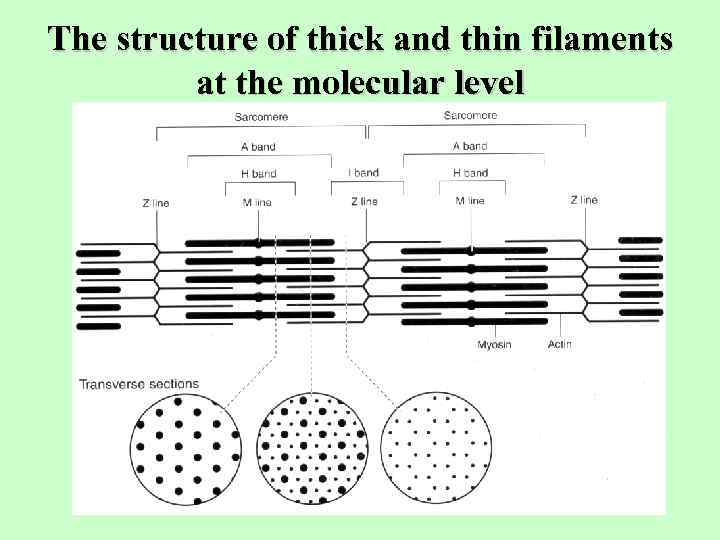 The structure of thick and thin filaments at the molecular level
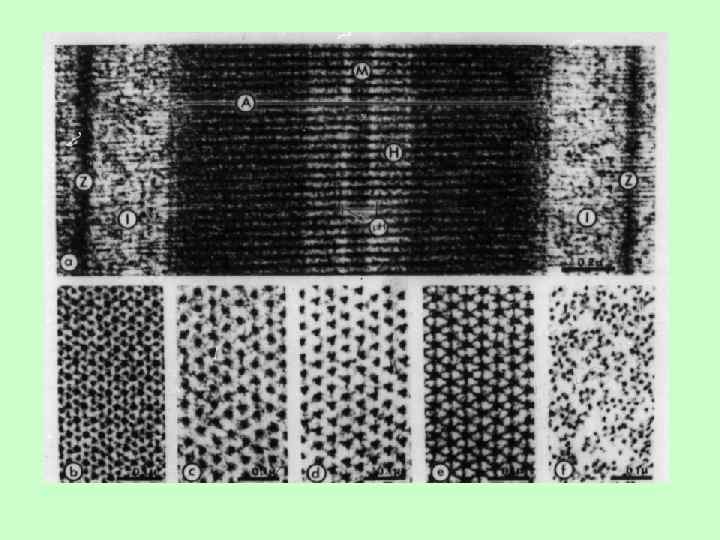
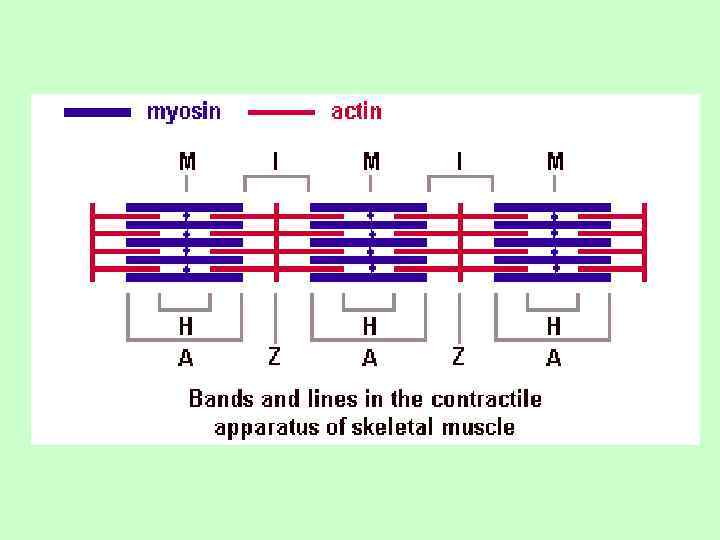
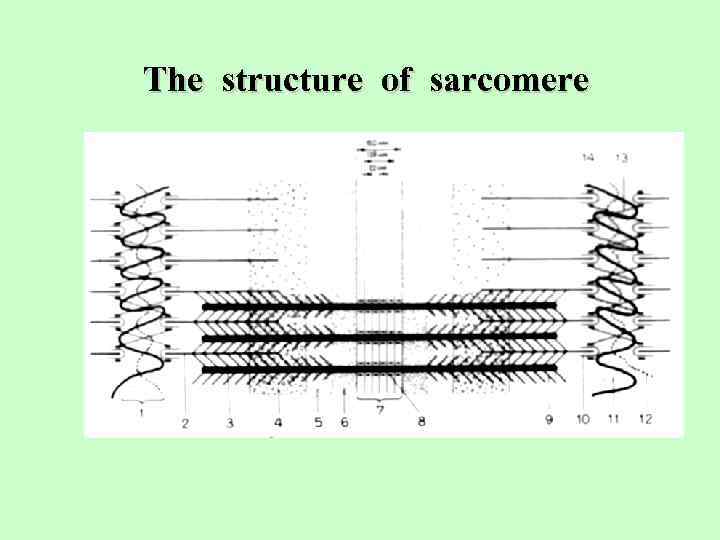 The structure of sarcomere
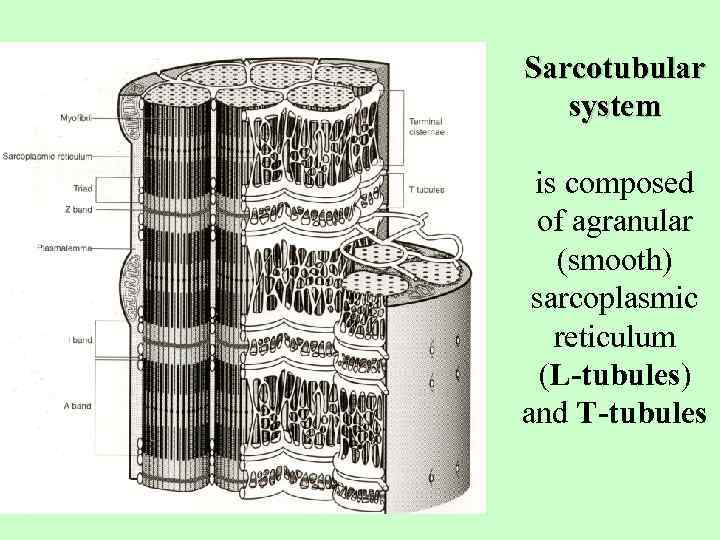 Sarcotubular system is composed of agranular (smooth) sarcoplasmic reticulum (L-tubules) and T-tubules
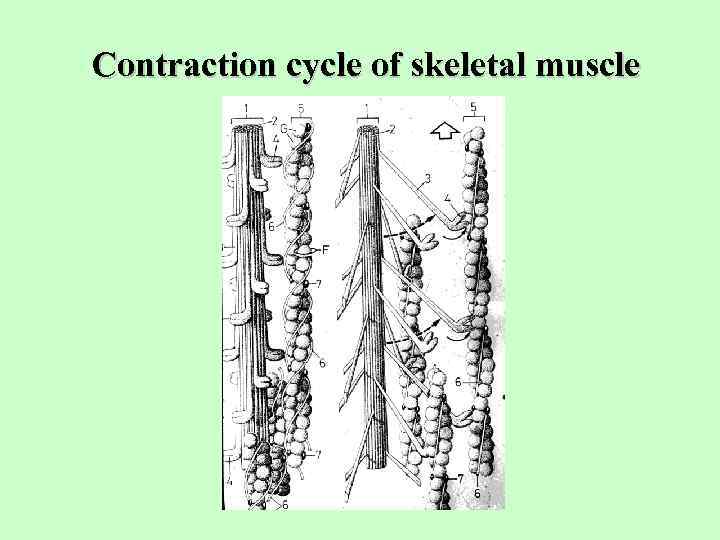 Contraction cycle of skeletal muscle
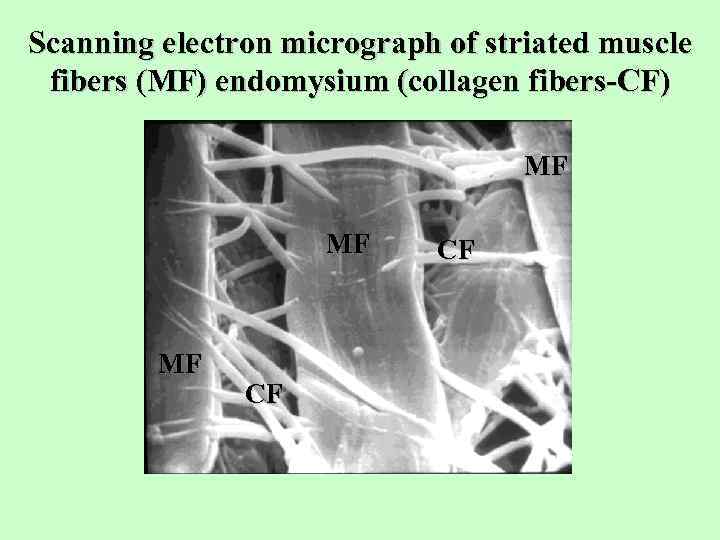 Scanning electron micrograph of striated muscle fibers (MF) endomysium (collagen fibers-СF) MF MF MF СF СF
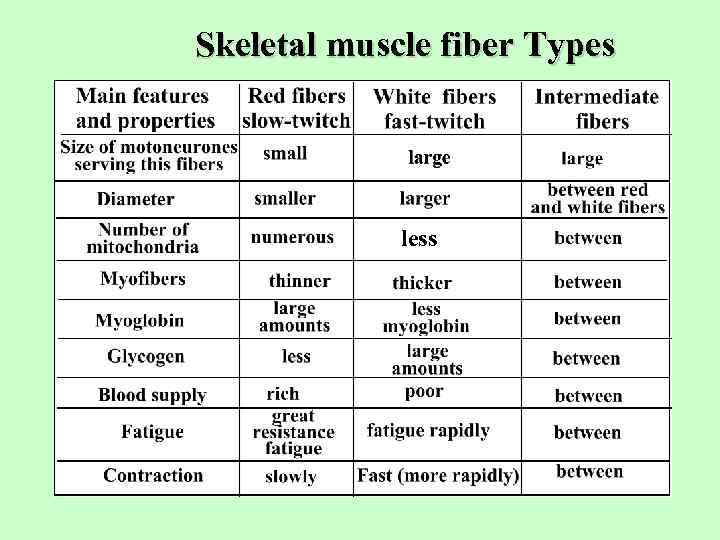 Skeletal muscle fiber Types less
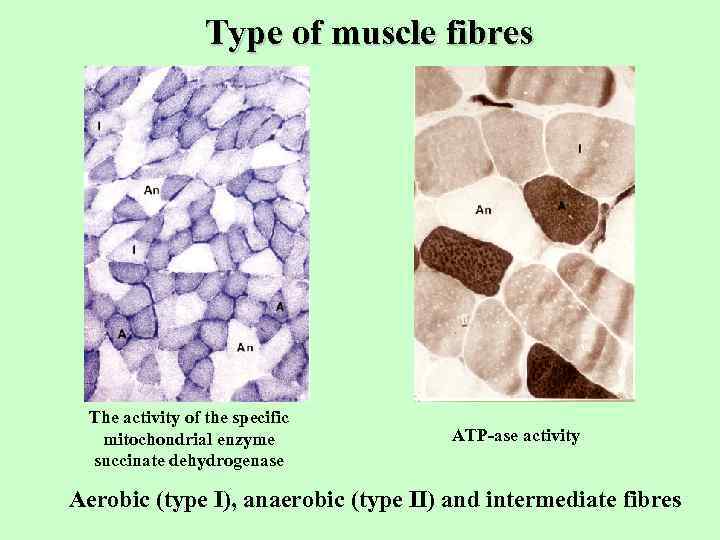 Type of muscle fibres The activity of the specific mitochondrial enzyme succinate dehydrogenase ATP-ase activity Aerobic (type I), anaerobic (type II) and intermediate fibres
 Histogenesis of Skeletal Muscle Fibers 1. From the myotomes arise myoblasts (two cell populations). 2. a) On one side presumptive myoblasts differentiate into true myoblasts. b) On other, presumptive myoblasts remain undifferentiated and give rise to satellite cells. 3. a) True myoblasts range in rows, fuse together and form myotube. b) Satellite cells adhere to myotube. 4. Myotube gradually differentiates into skeletal muscle fiber.
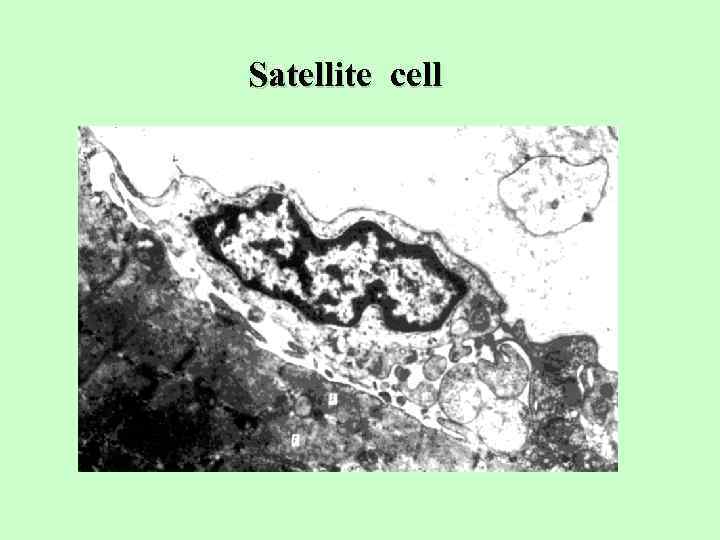 Satellite cell
 General Features of Cardiac Muscle Tissue 1. It is formed of striated muscle cells. 2. Each muscle cell contains one or two nuclei. They are located in the central part of the cell. 3. Each muscle cell contains parallel myofibrils (40% of the myofibrils in the cell), which are transversely striated. 4. Each cardiac muscle cell contains many (40% of the mitochondria in the cell). 5. Cardiac muscle cells are joined end - to - end by the intercalated discs (junctional complex of the two cell membranes of two adjacent cardiac muscle cells). 6. Cardiac muscle is involuntary striated muscle.
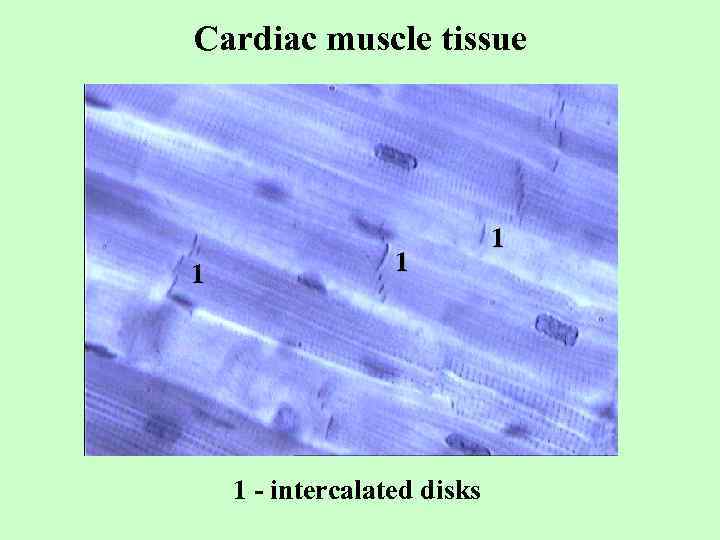 Cardiac muscle tissue 1 1 1 - intercalated disks 1
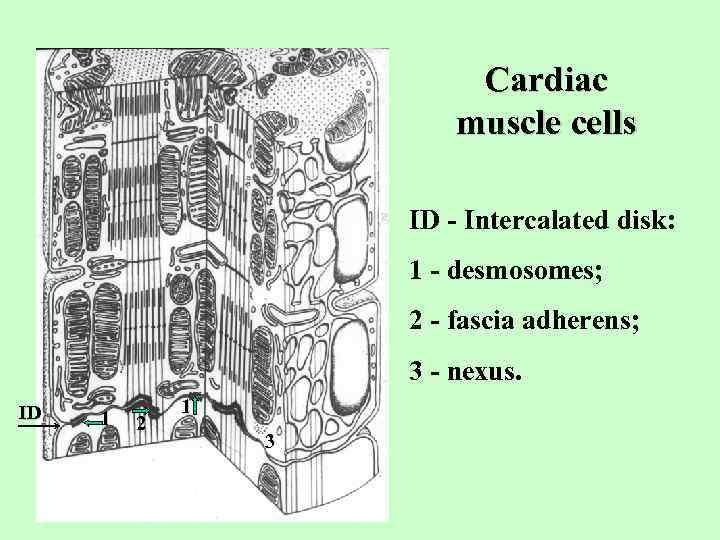 Cardiac muscle cells ID - Intercalated disk: 1 - desmosomes; 2 - fascia adherens; 3 - nexus. ID 1 2 1 3
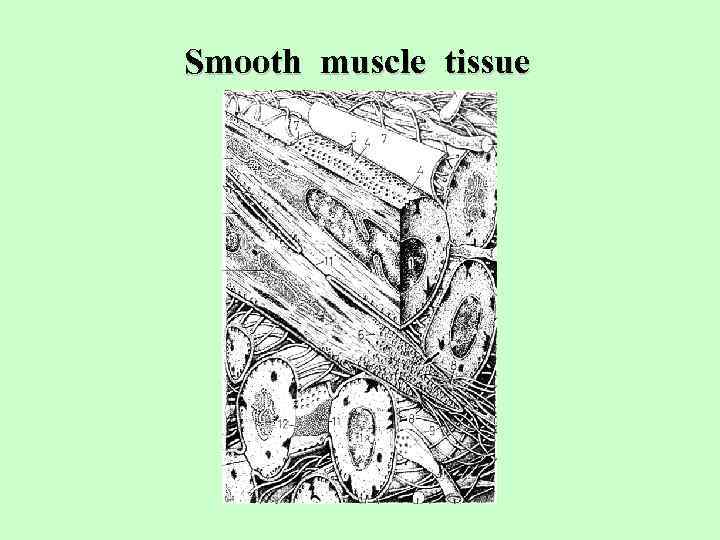
 General Features of Smooth Muscle Tissue 1. It is formed of smooth muscle cells. 2. Each smooth muscle cell contains one rod-shape nucleus. It is located in the center of the cell. 3. Each smooth muscle cell contains myofibrils. They lack any cross striations. 4. Smooth muscle tissue is called involuntary muscle, because it is not controlled by the will.
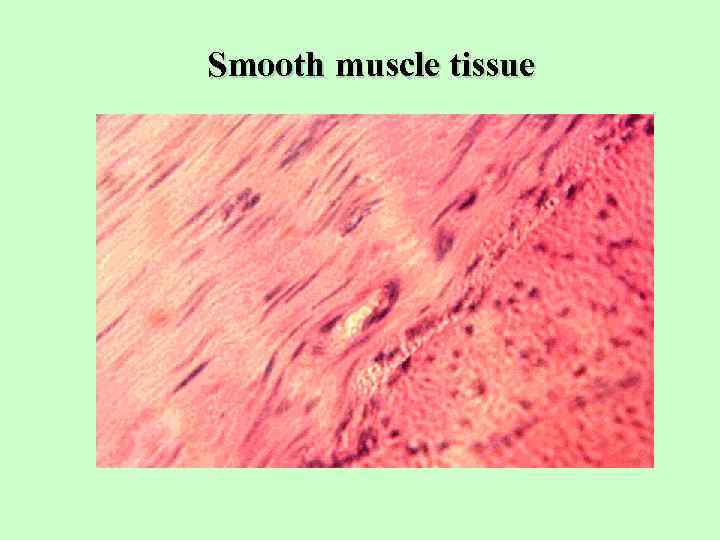 Smooth muscle tissue
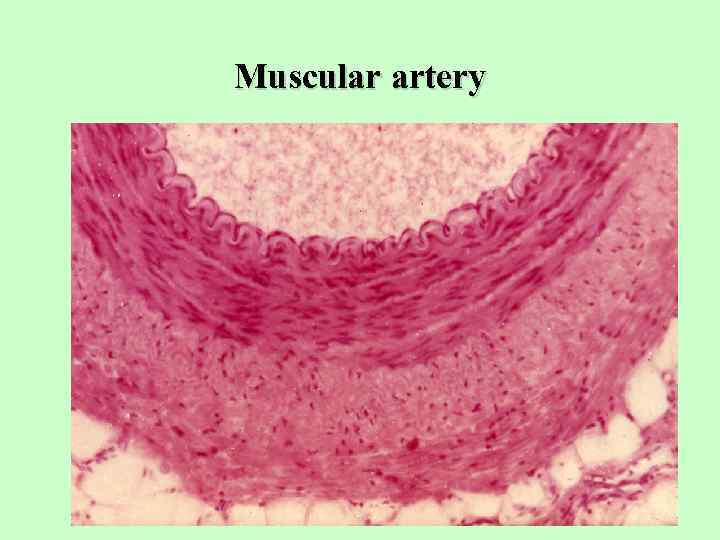 Muscular artery
 Smooth muscle tissue
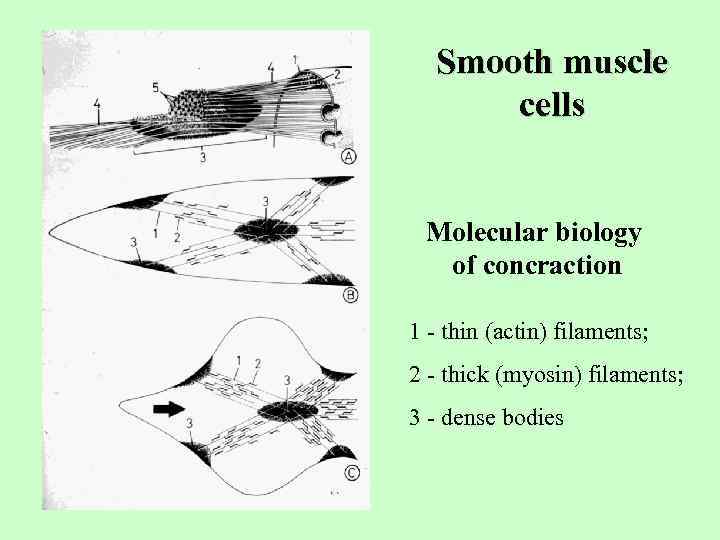 Smooth muscle cells Molecular biology of concraction 1 - thin (actin) filaments; 2 - thick (myosin) filaments; 3 - dense bodies