


 Скачать презентацию Monetary Policy in Emerging Markets Key Current IT
06438a94688c141af8084ad4041b67ed.ppt
- Количество слайдов: 22
 Monetary Policy in Emerging Markets: Key Current IT Themes Leonardo Leiderman Tel-Aviv University E-mail: lleiderman@leoleiderman. com OECD and CCBS/Bank of England Conference, Paris, Feb. 28, 2007 1
 Current Global Conditions Provide Strong Support for IT in Emerging Markets § Globalization has resulted in lower inflation rates § World interest rates have remained low § Rapid growth and reforms have improved EM’s fiscal stance § EM external accounts have improved § Capital mobility has contributed to monetary/fiscal policy discipline § A diminishing role of political uncertainties for market movements? 2
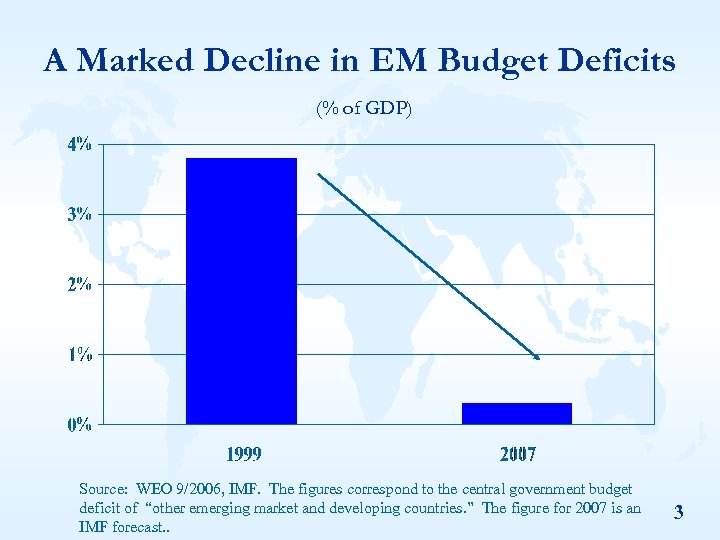 A Marked Decline in EM Budget Deficits (% of GDP) Source: WEO 9/2006, IMF. The figures correspond to the central government budget deficit of “other emerging market and developing countries. ” The figure for 2007 is an IMF forecast. . 3
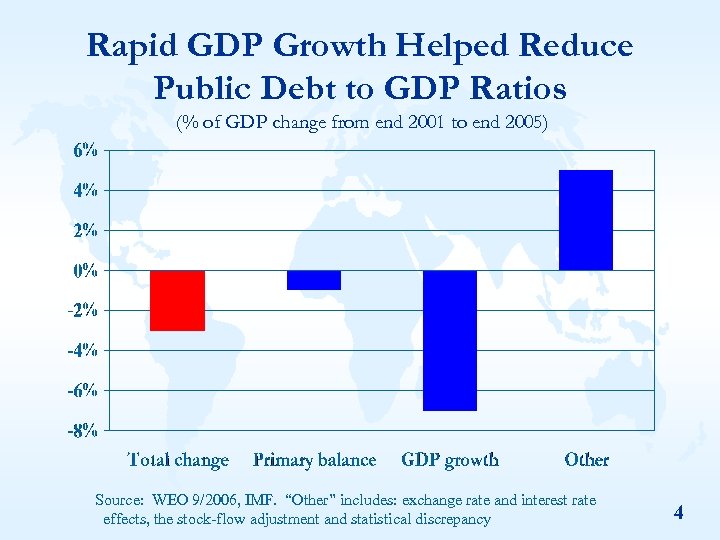 Rapid GDP Growth Helped Reduce Public Debt to GDP Ratios (% of GDP change from end 2001 to end 2005) Source: WEO 9/2006, IMF. “Other” includes: exchange rate and interest rate effects, the stock-flow adjustment and statistical discrepancy 4
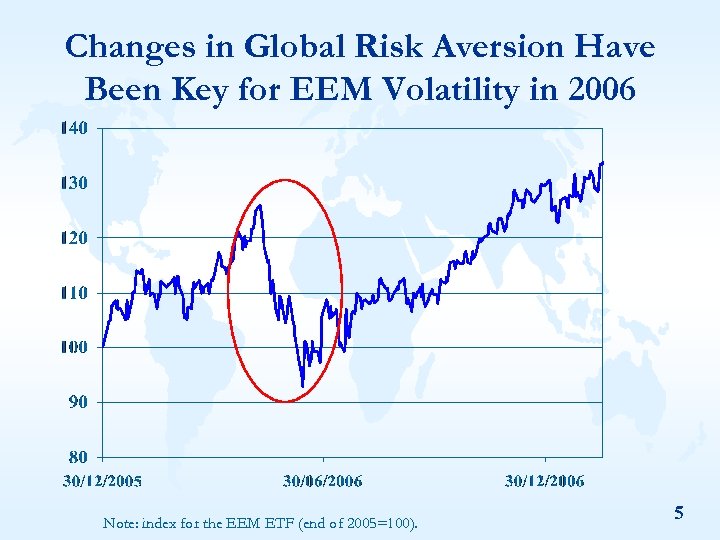 Changes in Global Risk Aversion Have Been Key for EEM Volatility in 2006 Note: index for the EEM ETF (end of 2005=100). 5
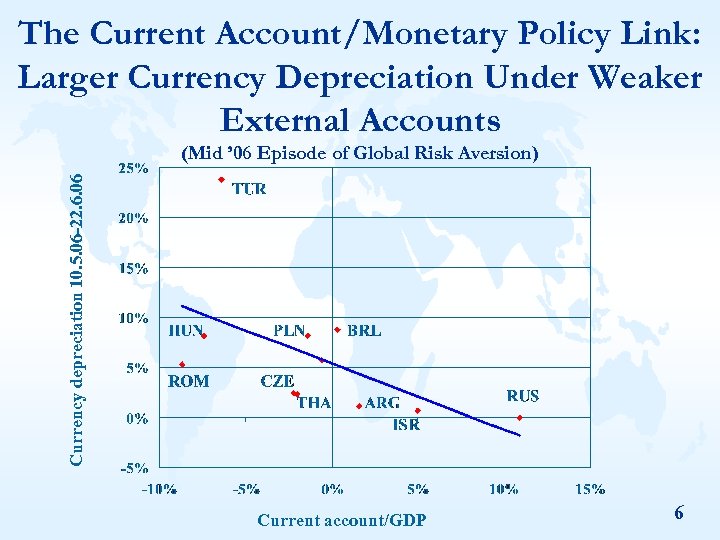 The Current Account/Monetary Policy Link: Larger Currency Depreciation Under Weaker External Accounts Currency depreciation 10. 5. 06 -22. 6. 06 (Mid ’ 06 Episode of Global Risk Aversion) Current account/GDP 6
 The Main Risk Ahead Slower economic growth and weaker fundamentals could make monetary policy in emerging-market economies more vulnerable to adverse shocks. 7
 An Illustration of Current IT Themes Based on Israel’s Experience 8
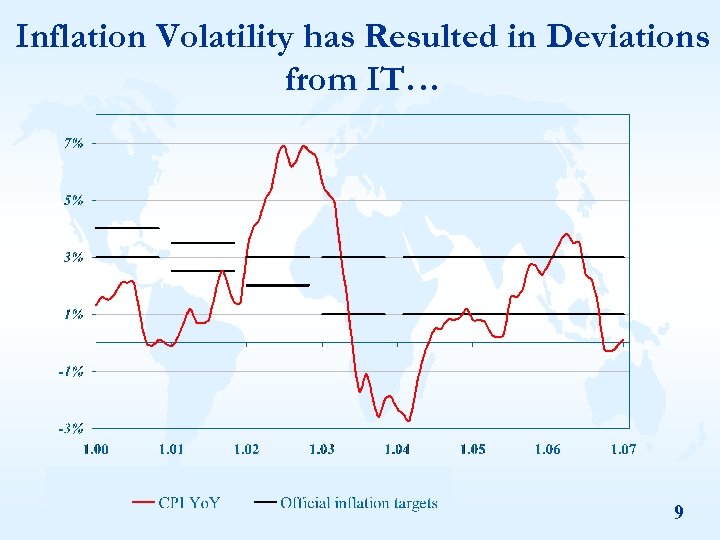 Inflation Volatility has Resulted in Deviations from IT… 9
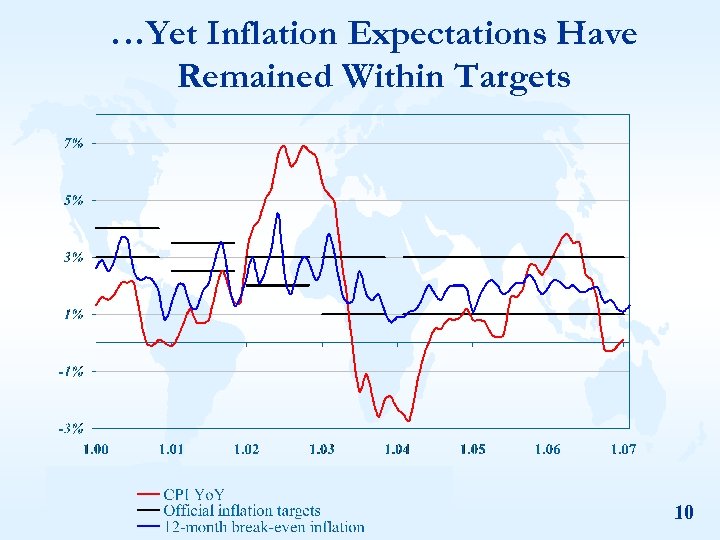 …Yet Inflation Expectations Have Remained Within Targets 10
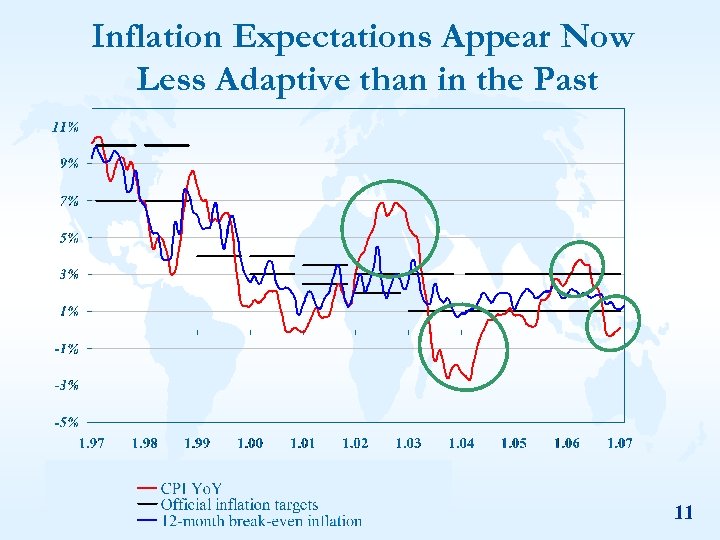 Inflation Expectations Appear Now Less Adaptive than in the Past 11
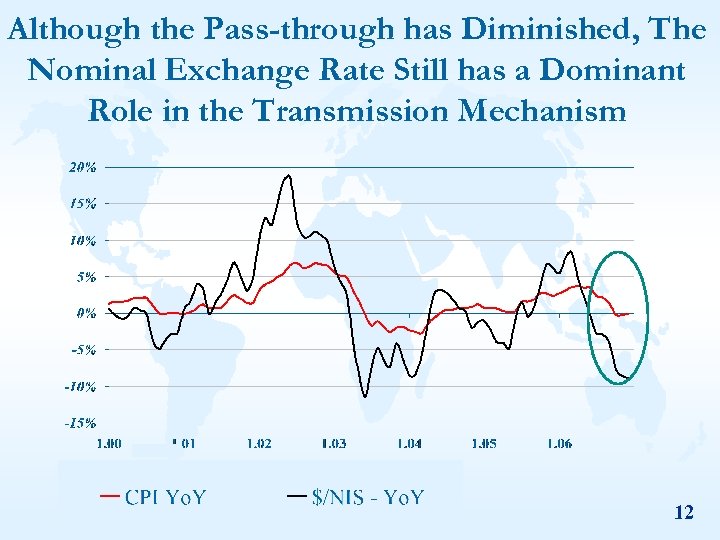 Although the Pass-through has Diminished, The Nominal Exchange Rate Still has a Dominant Role in the Transmission Mechanism 12
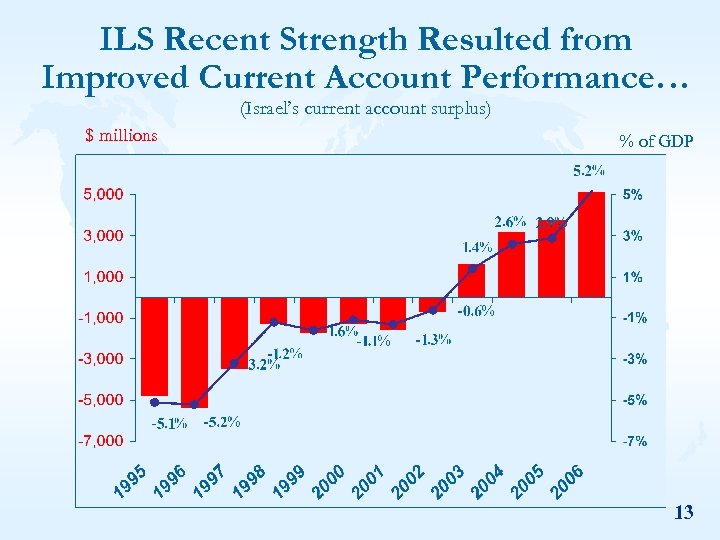 ILS Recent Strength Resulted from Improved Current Account Performance… (Israel’s current account surplus) $ millions % of GDP 13
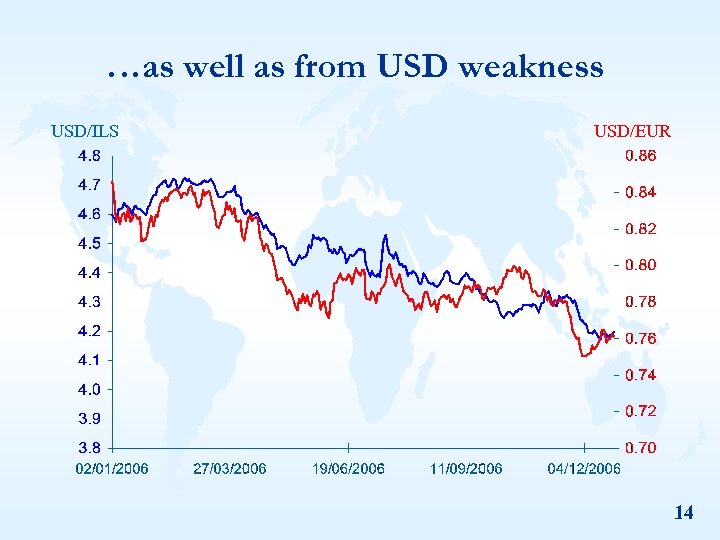 …as well as from USD weakness USD/ILS USD/EUR 14
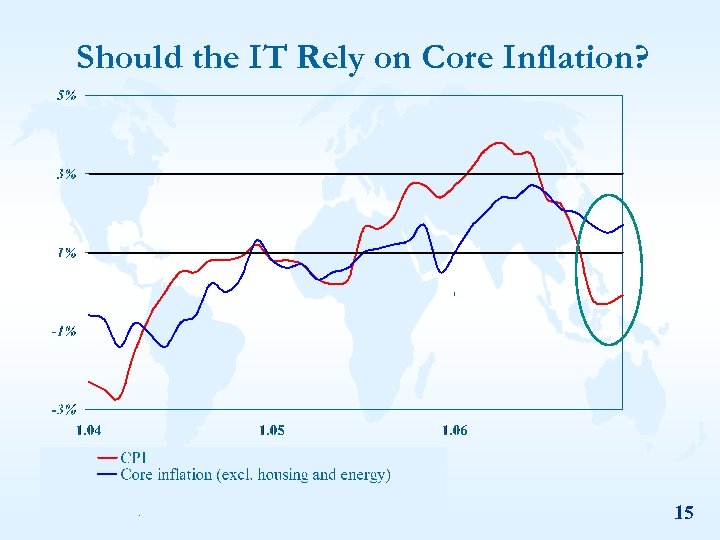 Should the IT Rely on Core Inflation? 15
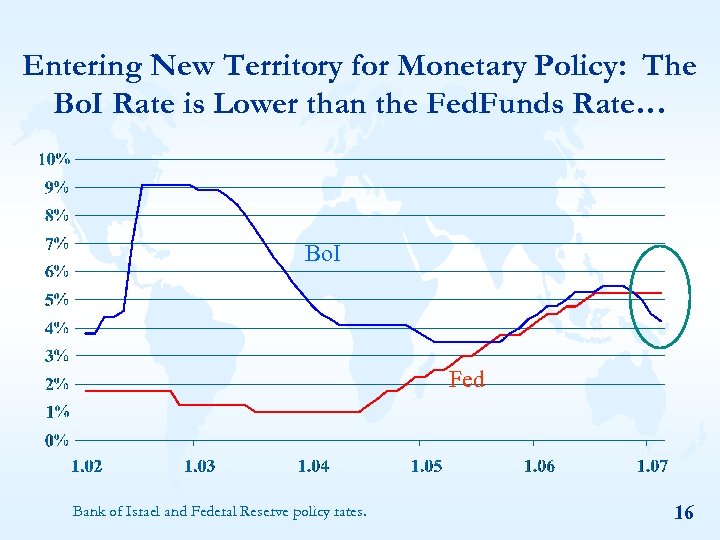 Entering New Territory for Monetary Policy: The Bo. I Rate is Lower than the Fed. Funds Rate… Bo. I Fed Bank of Israel and Federal Reserve policy rates. 16
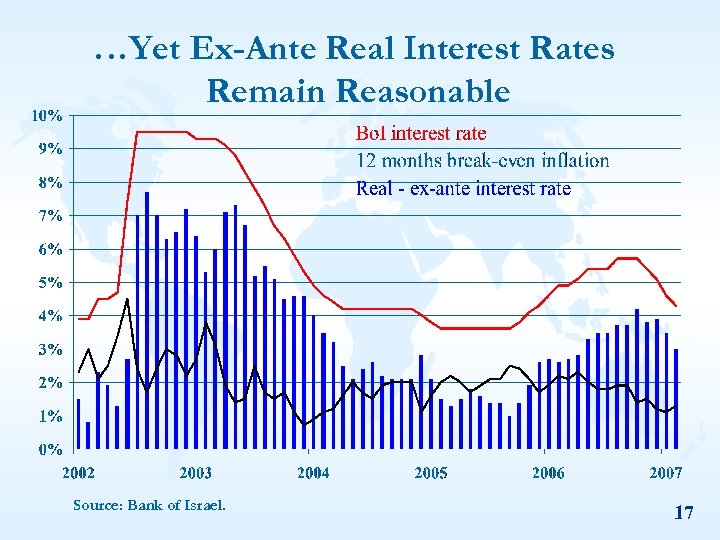 …Yet Ex-Ante Real Interest Rates Remain Reasonable Source: Bank of Israel. 17
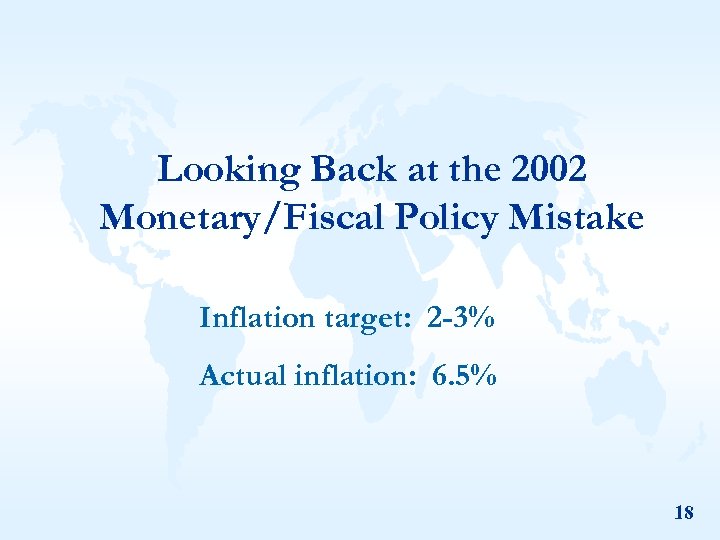 Looking Back at the 2002 Monetary/Fiscal Policy Mistake Inflation target: 2 -3% Actual inflation: 6. 5% 18
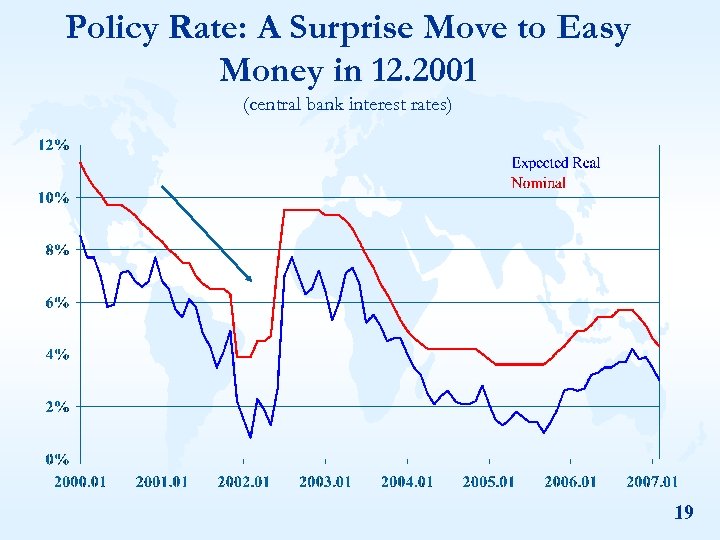 Policy Rate: A Surprise Move to Easy Money in 12. 2001 (central bank interest rates) 19
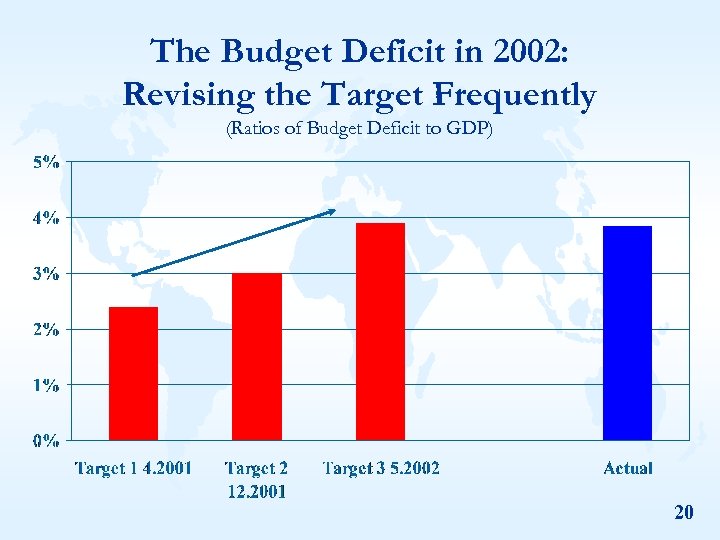 The Budget Deficit in 2002: Revising the Target Frequently (Ratios of Budget Deficit to GDP) 20
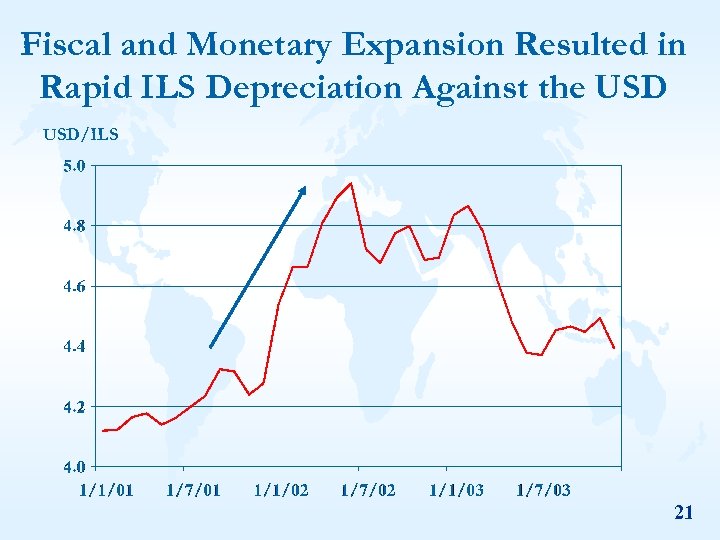 Fiscal and Monetary Expansion Resulted in Rapid ILS Depreciation Against the USD/ILS 21
 Concluding Remarks § § The need for flexibility in implementing IT in emerging-market economies… …yet credibility is especially needed in a ‘flexible’ IT regime The need for defining the IT horizon “over the medium term” Less benign global conditions and weaker fundamentals could pose more difficult tradeoffs for EM monetary policies ahead 22