 Скачать презентацию Molecular Modeling Automation UNC-IBM Collaboration Dr Alex Tropsha
7c25d16f106250d5da4f19de8adc1286.ppt
- Количество слайдов: 22



Molecular Modeling Automation UNC-IBM Collaboration Dr. Alex Tropsha Terry O’Brien
Automated QSAR Workflow for Computer-Aided Drug Discovery An eminent leader in enabling an integrated, flexible infrastructure for scientific research and development – the IBM Life Sciences Framework UNC’s Molecular Modeling Lab – a pioneer in technologies for the development of effective, robust, and validated tools for computer-aided drug discovery + A perfect match to jointly produce a web-enabled, automated predictive QSAR modeling solution that can be deployed to the North Carolina Biogrid.
Project Objectives 1. Web-enable UNC’s predictive QSAR modeling tools. 2. Automate the QSAR model development and validation process. 3. Deploy the QSAR modeling solution on the MCNC Biogrid.
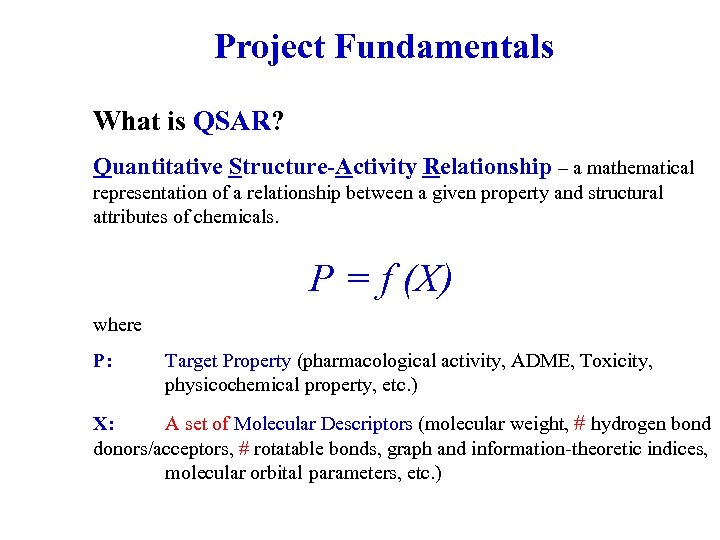
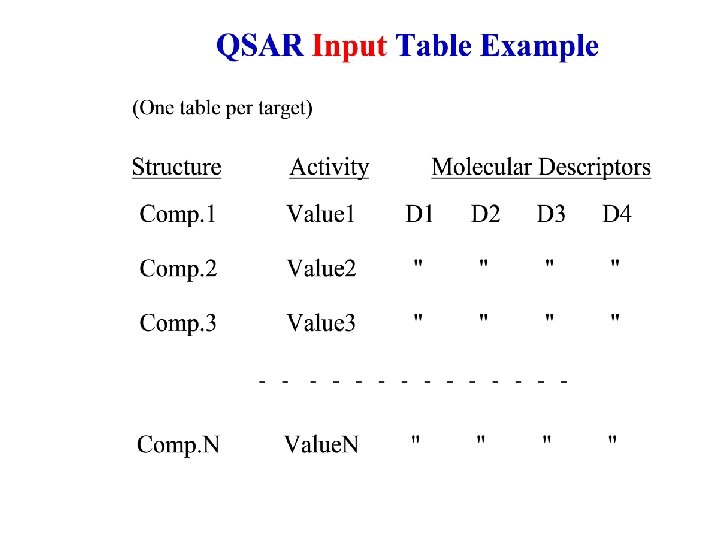
Project Fundamentals What is QSAR? Quantitative Structure-Activity Relationship – a mathematical representation of a relationship between a given property and structural attributes of chemicals. P = f (X) where P: Target Property (pharmacological activity, ADME, Toxicity, physicochemical property, etc. ) X: A set of Molecular Descriptors (molecular weight, # hydrogen bond donors/acceptors, # rotatable bonds, graph and information-theoretic indices, molecular orbital parameters, etc. )
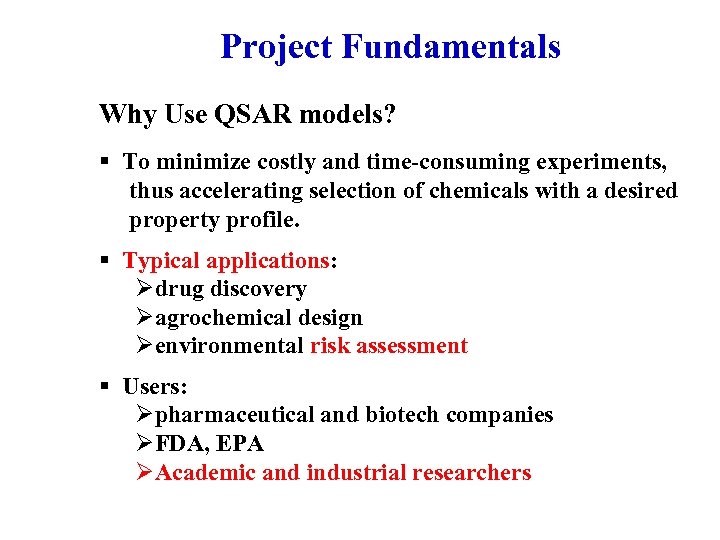
Project Fundamentals Why Use QSAR models? § To minimize costly and time-consuming experiments, thus accelerating selection of chemicals with a desired property profile. § Typical applications: Ødrug discovery Øagrochemical design Øenvironmental risk assessment § Users: Øpharmaceutical and biotech companies ØFDA, EPA ØAcademic and industrial researchers
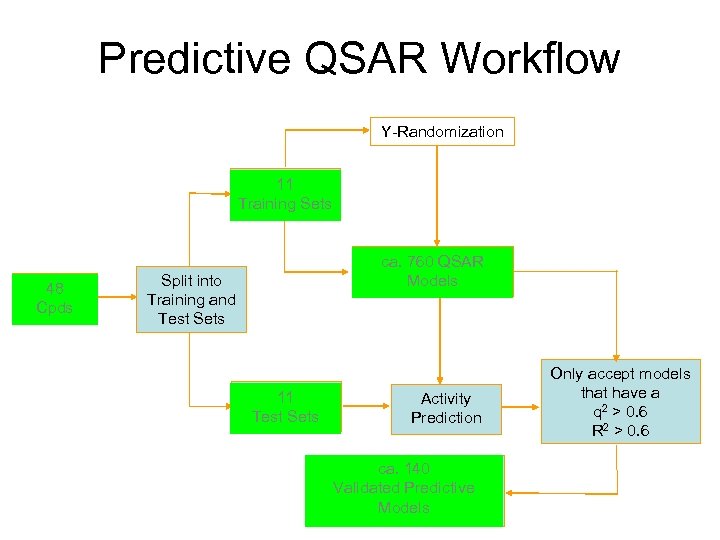
Predictive QSAR Workflow Y-Randomization Multiple 11 Training Sets Original 48 Dataset Cpds Variable Selection ca. 760 QSAR LOO QSAR Models Split into Training and Test Sets Multiple 11 Test Sets Activity Prediction Validated 140 ca. Predictive Models with High Internal Validated Predictive & External Accuracy Models Only accept models that have a q 2 > 0. 6 R 2 > 0. 6
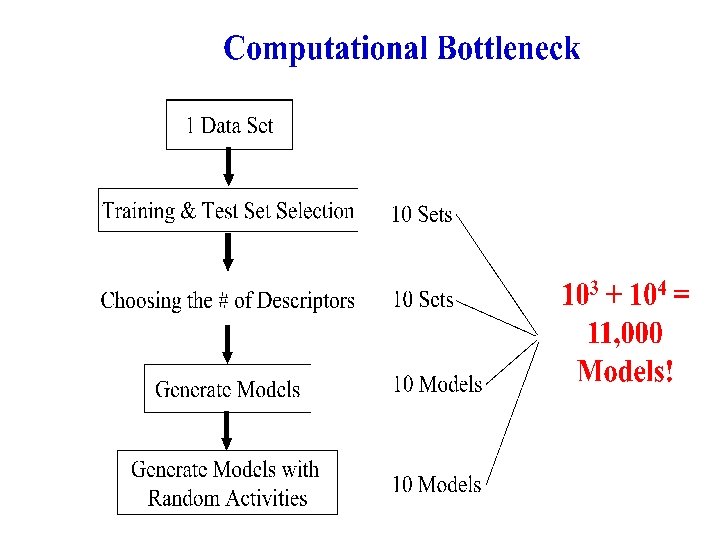
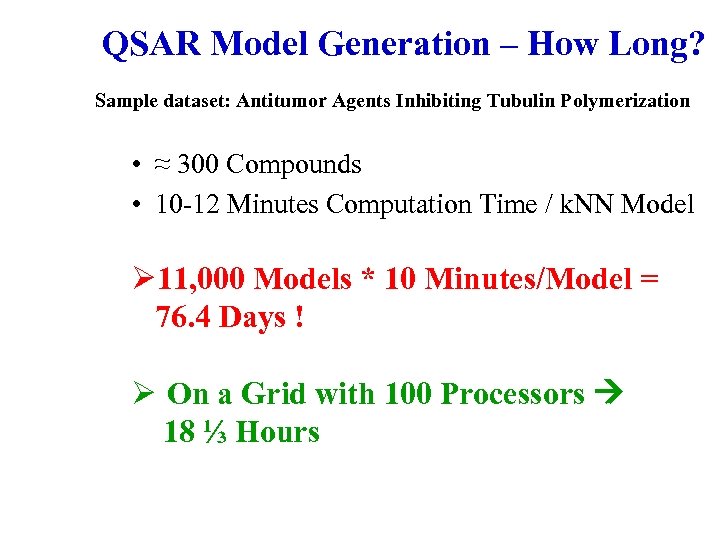
QSAR Model Generation – How Long? Sample dataset: Antitumor Agents Inhibiting Tubulin Polymerization • ≈ 300 Compounds • 10 -12 Minutes Computation Time / k. NN Model Ø 11, 000 Models * 10 Minutes/Model = 76. 4 Days ! Ø On a Grid with 100 Processors 18 ⅓ Hours
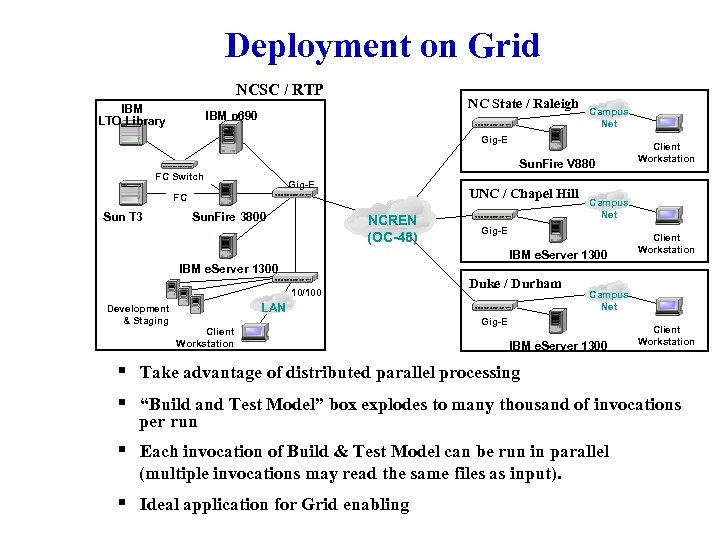
Deployment on Grid NCSC / RTP IBM LTO Library NC State / Raleigh IBM p 690 Campus Net Gig-E Sun. Fire V 880 FC Switch Gig-E UNC / Chapel Hill FC Sun T 3 Sun. Fire 3800 NCREN (OC-48) Client Workstation Campus Net Gig-E IBM e. Server 1300 Client Workstation IBM e. Server 1300 10/100 Development & Staging Duke / Durham LAN Client Workstation Campus Net Gig-E IBM e. Server 1300 Client Workstation § Take advantage of distributed parallel processing § “Build and Test Model” box explodes to many thousand of invocations per run § Each invocation of Build & Test Model can be run in parallel (multiple invocations may read the same files as input). § Ideal application for Grid enabling
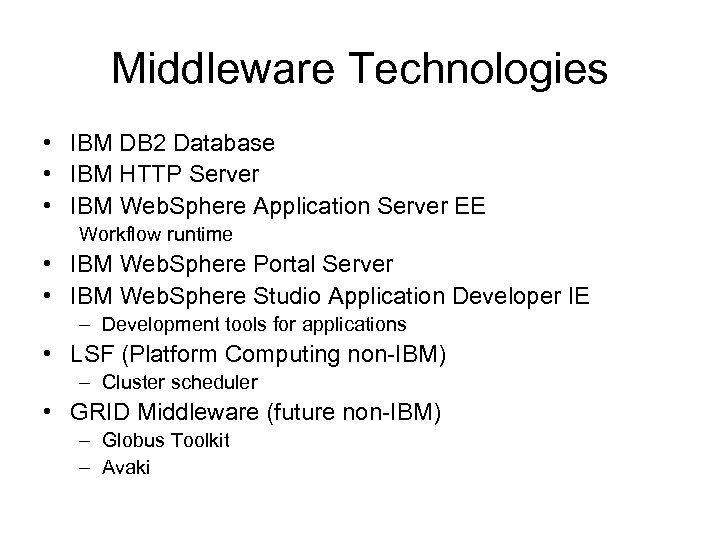
Middleware Technologies • IBM DB 2 Database • IBM HTTP Server • IBM Web. Sphere Application Server EE Workflow runtime • IBM Web. Sphere Portal Server • IBM Web. Sphere Studio Application Developer IE – Development tools for applications • LSF (Platform Computing non-IBM) – Cluster scheduler • GRID Middleware (future non-IBM) – Globus Toolkit – Avaki
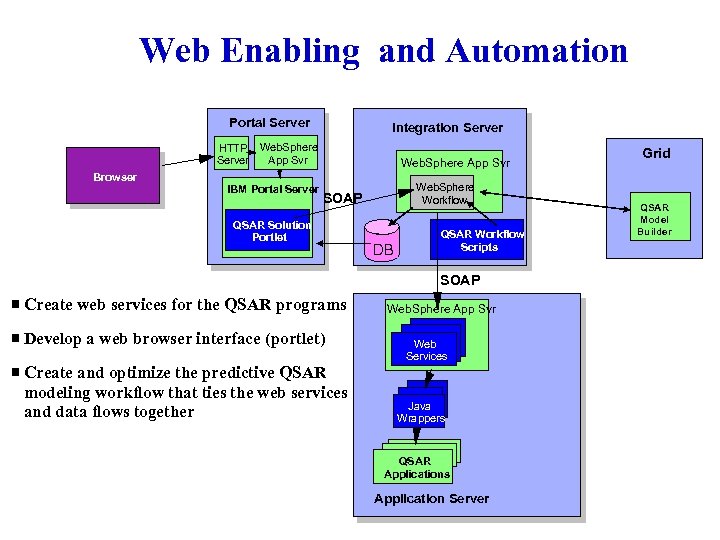
Web Enabling and Automation Portal Server Integration Server HTTP Web. Sphere App Svr Server Web. Sphere App Svr Browser IBM Portal Server Web. Sphere Workflow SOAP QSAR Solution Portlet DB QSAR Workflow Scripts SOAP Create web services for the QSAR programs Develop a web browser interface (portlet) Create and optimize the predictive QSAR modeling workflow that ties the web services and data flows together Web. Sphere App Svr Web Services Java Wrappers QSAR Applications Application Server Grid QSAR Model Builder
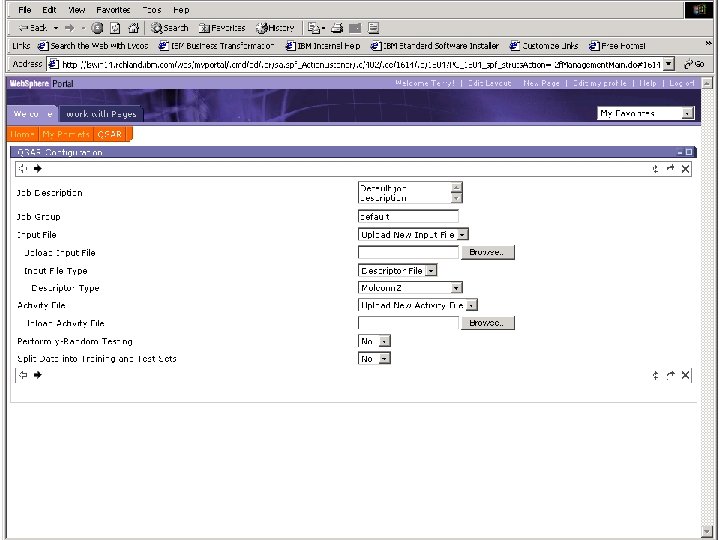
Portal • Job Management Scenario – Model Jobs – Screening jobs • Collects all input for all applications in workflows • Displays results of workflow – Data read from DB 2 – Visualization • Spotfire • Chime (Molecular Structures) • Communicates with workflow via Web. Services over SOAP (no on-demand).
IBM Confidential
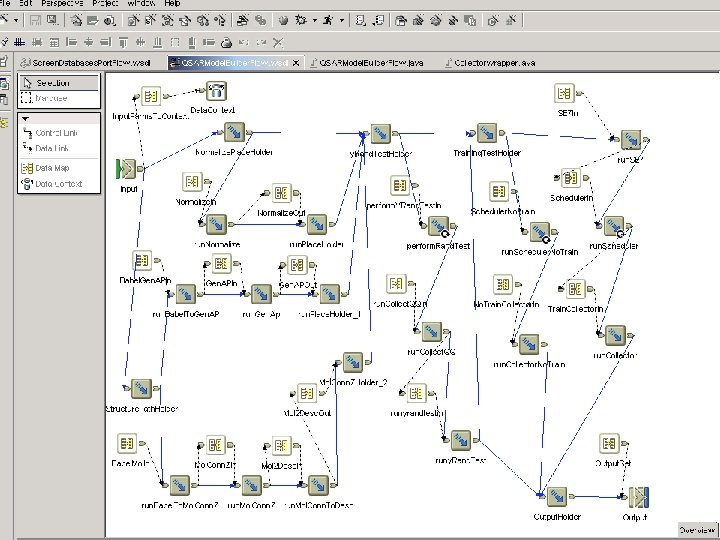
Integration/Application • Static workflow. – Application integration – Non-changeable, run same flow many times. • Workflow modeling tool is Web. Sphere Studio Application Developer – Integration Edition – Graphical workflow modeling tool – All activities have a Web Service description (WSDL) • Web. Service via Java-bindings – Custom Java snippets – Data transformation via Java-beans (setters/getters) • Workflow runtime is Web. Sphere Application Server – Enterprise Edition – Workflows “packaged” as EJB – Web. Service proxy interface allow invocation of Workflow
Initial Application State 1. Set of “C” programs. 2. Written for a single user, interactive. printf(“Enter parm”); scanf(“%s”, parm 1); 3. Output is files written to the cwd 4. Main objective was Not to change the design/architecture of “C” programs 5. Could not run “flow” because of the number of files and invocations of programs.
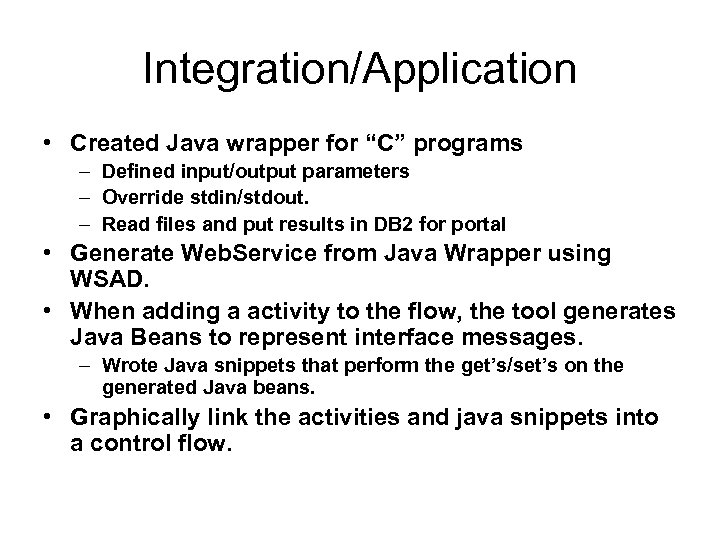
Integration/Application • Created Java wrapper for “C” programs – Defined input/output parameters – Override stdin/stdout. – Read files and put results in DB 2 for portal • Generate Web. Service from Java Wrapper using WSAD. • When adding a activity to the flow, the tool generates Java Beans to represent interface messages. – Wrote Java snippets that perform the get’s/set’s on the generated Java beans. • Graphically link the activities and java snippets into a control flow.
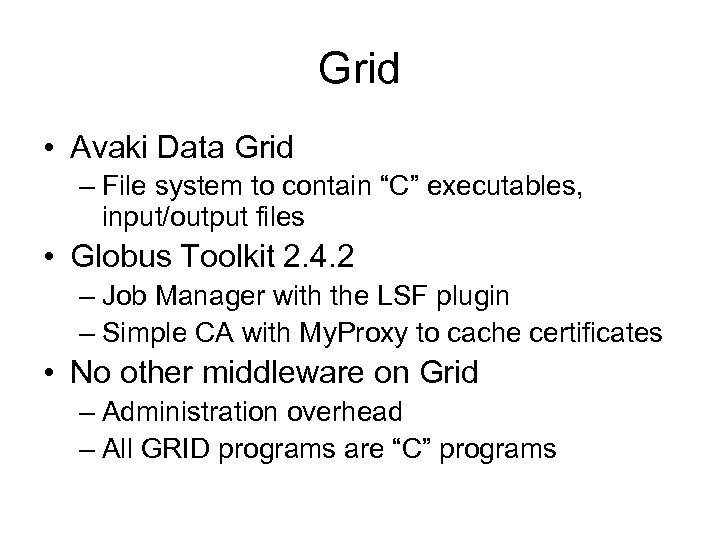
Grid • Avaki Data Grid – File system to contain “C” executables, input/output files • Globus Toolkit 2. 4. 2 – Job Manager with the LSF plugin – Simple CA with My. Proxy to cache certificates • No other middleware on Grid – Administration overhead – All GRID programs are “C” programs
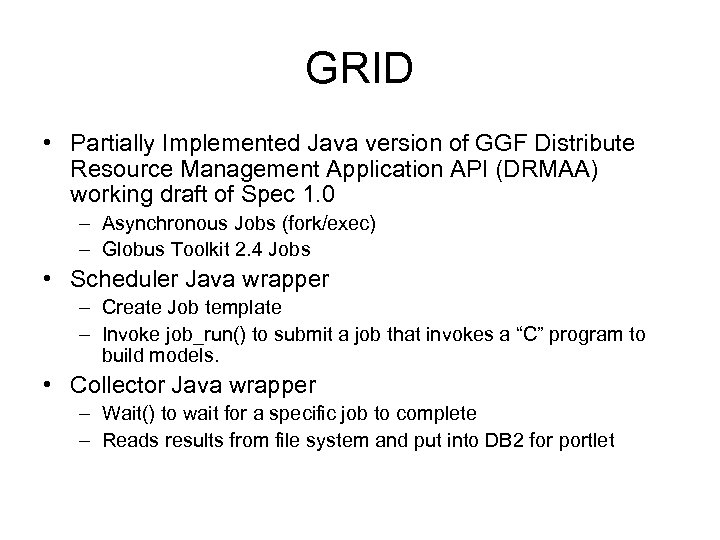
GRID • Partially Implemented Java version of GGF Distribute Resource Management Application API (DRMAA) working draft of Spec 1. 0 – Asynchronous Jobs (fork/exec) – Globus Toolkit 2. 4 Jobs • Scheduler Java wrapper – Create Job template – Invoke job_run() to submit a job that invokes a “C” program to build models. • Collector Java wrapper – Wait() to wait for a specific job to complete – Reads results from file system and put into DB 2 for portlet
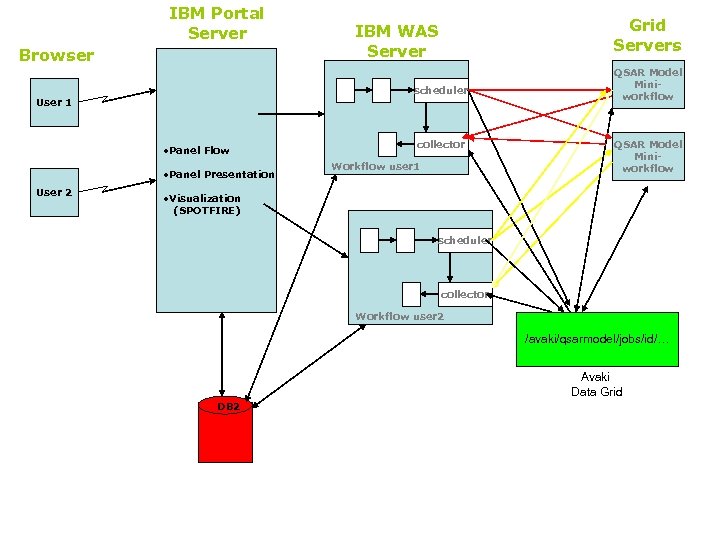
IBM Portal Server Browser scheduler User 1 • Panel Flow • Panel Presentation User 2 Grid Servers IBM WAS Server collector Workflow user 1 QSAR Model Miniworkflow • Visualization (SPOTFIRE) scheduler collector Workflow user 2 /avaki/qsarmodel/jobs/id/… Avaki Data Grid DB 2
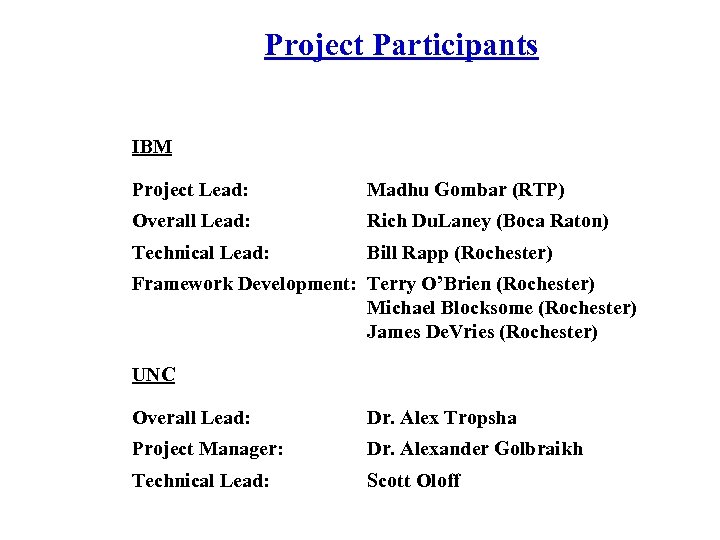
Project Participants IBM Project Lead: Madhu Gombar (RTP) Overall Lead: Rich Du. Laney (Boca Raton) Technical Lead: Bill Rapp (Rochester) Framework Development: Terry O’Brien (Rochester) Michael Blocksome (Rochester) James De. Vries (Rochester) UNC Overall Lead: Dr. Alex Tropsha Project Manager: Dr. Alexander Golbraikh Technical Lead: Scott Oloff
Скачать презентацию Molecular Modeling Automation UNC-IBM Collaboration Dr Alex Tropsha
7c25d16f106250d5da4f19de8adc1286.ppt