


 Скачать презентацию Module 6 Perception Perception Perception Perception SENSATION
70d286b404dd21544a9f758875597807.ppt
- Количество слайдов: 46
 Module 6 Perception Perception Perception Perception
 SENSATION VERSUS PERCEPTION • Basic Differences – Sensations • our first awareness of some outside stimulus. • outside stimulus activates sensory receptors, which in turn produce electrical signals that are transformed by the brain into meaningful bits of information üPerceptions • the experience we have after our brain assembles and combines thousands of individual sensations into a meaningful pattern or image
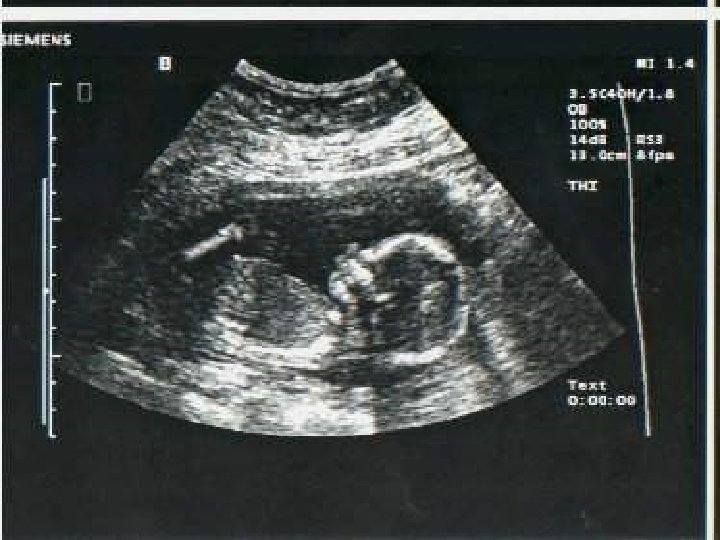
 SENSATION VERSUS PERCEPTION (CONT. ) • Changing sensation into perception 1. Stimulus change of energy in the environment, such as light waves, sound waves, mechanical pressure, or chemicals 2. Transduction • change physical energy into electrical signals • electrical signals are changed into impulses that travel into the brain 3. Brain • impulses from senses first go to different primary areas of the brain
 SENSATION VERSUS PERCEPTION (CONT. ) 4. Changing sensation into perception – brain: association areas – sensation impulses are sent to the appropriate association area in the brain 5. Personalized perceptions – each of us has a unique set of personal experiences, emotions, and memories that are automatically added to our perceptions by other areas of the brain
 PERCEPTUAL THRESHOLDS Becoming aware of a stimulus – Absolute threshold § absolute threshold is the smallest amount of stimulus energy (such as sound or light) that can be observed or experienced üthe intensity level of a stimulus such that a person will have a 50% chance of detecting it
 PERCEPTUAL THRESHOLDS Estimated Absolute Thresholds: • Vision= A candle flame from 30 miles away at night. o Hearing=A tick of a watch from 20 feet away in a quiet room. ü Touch= A bee’s wing falling on your cheek from a height of 1 centimeter. v Smell= A drop of perfume diffused through a three room apartment. Ø Taste= A gram of salt in 500 liters of water.
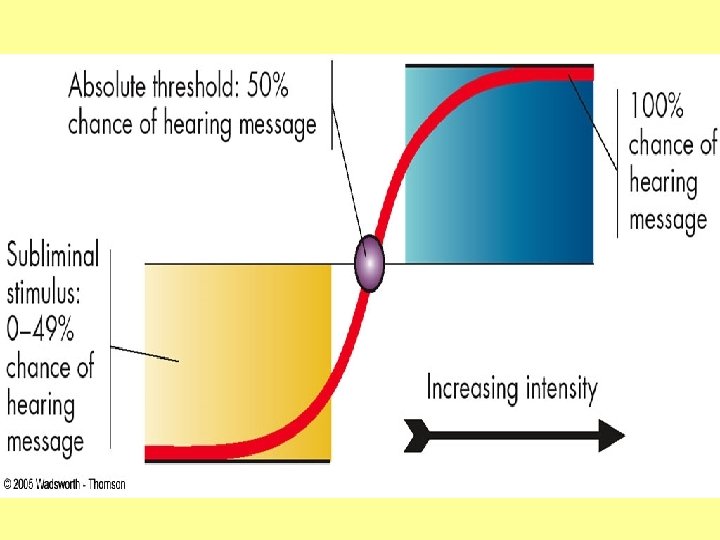
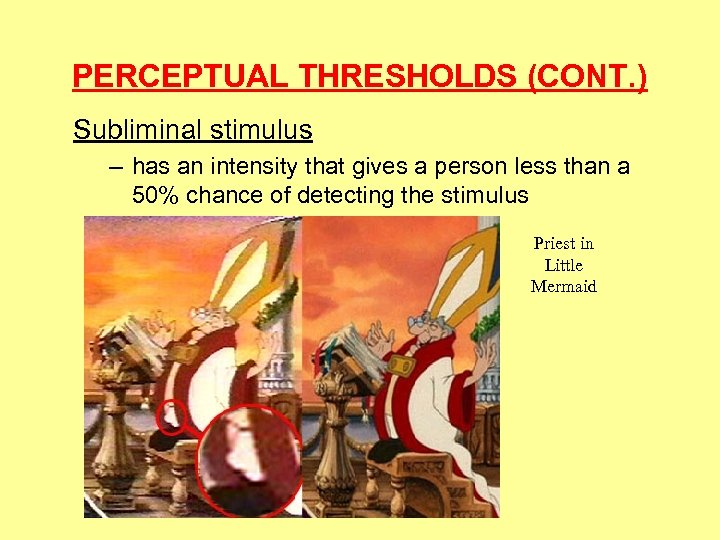 PERCEPTUAL THRESHOLDS (CONT. ) Subliminal stimulus – has an intensity that gives a person less than a 50% chance of detecting the stimulus Priest in Little Mermaid
 Taken from original packaging
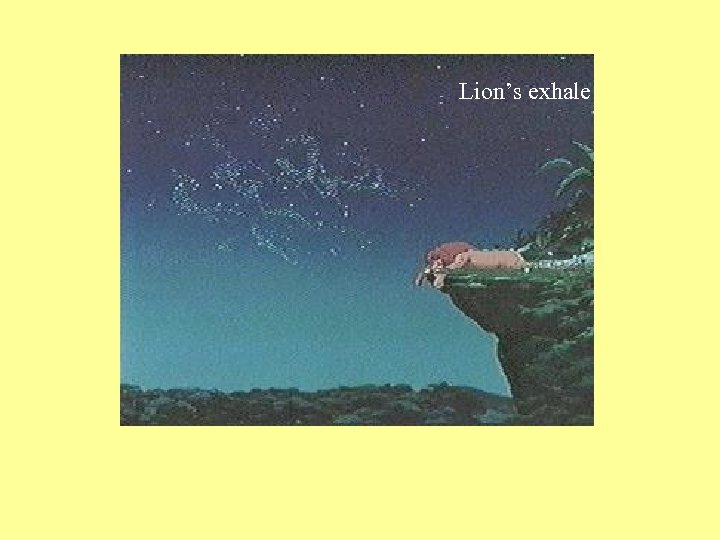 Lion’s exhale
 Will this make you buy popcorn?




 PERCEPTUAL THRESHOLDS (CONT. ) • E. H. Weber – worked on the problem of how we judge whether a stimulus, such as loud music, has increased or decreased in intensity …. called Weber’s law ü concept of just noticeable difference (JND) – the increase in intensity of a stimulus needed to produce a just noticeable difference grows in proportion to the intensity of the initial stimulus.
 Just Noticeable Difference • Imagine you are holding a brick in one hand a dime in the other. Which hand would require more added weight for you to notice the change? - The hand with the brick of course. The more intense a stimulus is, the more change is needed for you to notice the change.
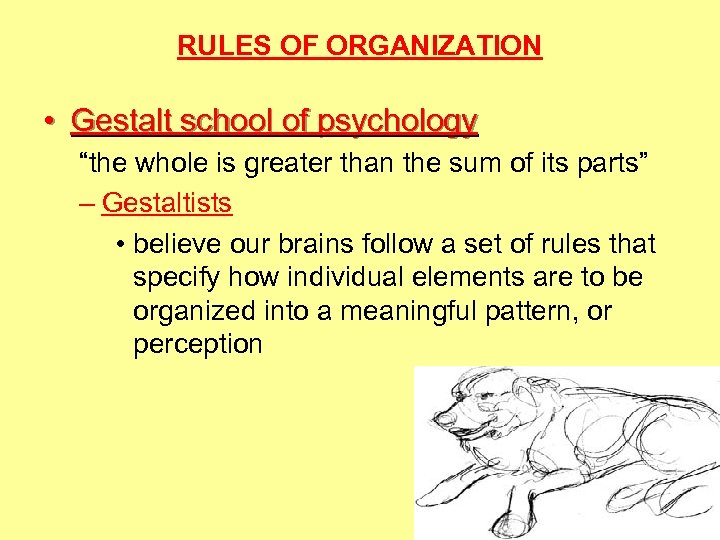 RULES OF ORGANIZATION • Gestalt school of psychology “the whole is greater than the sum of its parts” – Gestaltists • believe our brains follow a set of rules that specify how individual elements are to be organized into a meaningful pattern, or perception

 RULES OF ORGANIZATION (CONT. ) • Organizational rules – rules of organization: specify how our brains combine and organize individual pieces or elements into a meaningful perception 1. Figure-ground • states: in organizing stimuli, we tend to automatically distinguish between a figure and a ground 2. Similarity • states: in organizing stimuli, we group together elements that appear similar
 RULES OF ORGANIZATION (CONT. ) • Organizational rules 3. Closure • states: in organizing stimuli, we tend to fill in any missing parts of a figure and see the figure as complete 4. Proximity • states: in organizing stimuli, we group together objects that are physically close to one another 5. Continuity • states: in organizing stimuli, we tend to favor the smooth or continuous paths when interpreting a series of points or lines

 PERCEPTUAL CONSTANCY • Size, shape, brightness & color constancy – Size constancy • refers to our tendency to perceive objects as remaining the same size even when their images on the retina are continually growing or shrinking – Shape constancy • refers to our tendency to perceive and object as retaining its same shape even though when we view it from different angles, its shape is continually changing its image on the retina
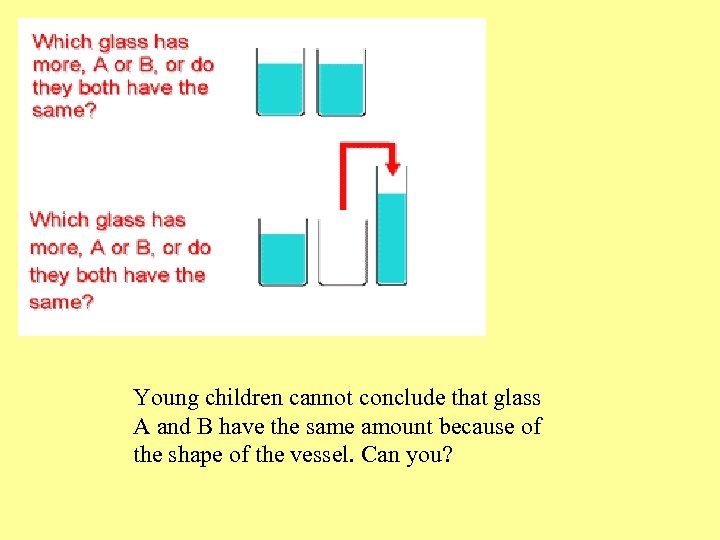 Young children cannot conclude that glass A and B have the same amount because of the shape of the vessel. Can you?
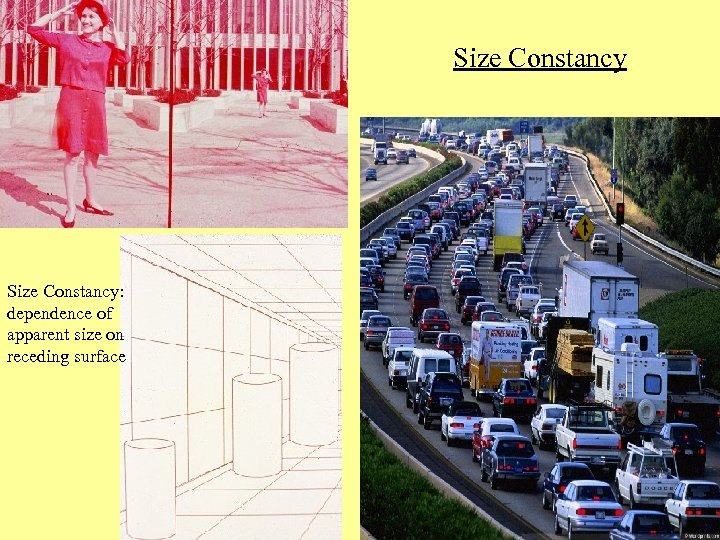 Size Constancy: dependence of apparent size on receding surface
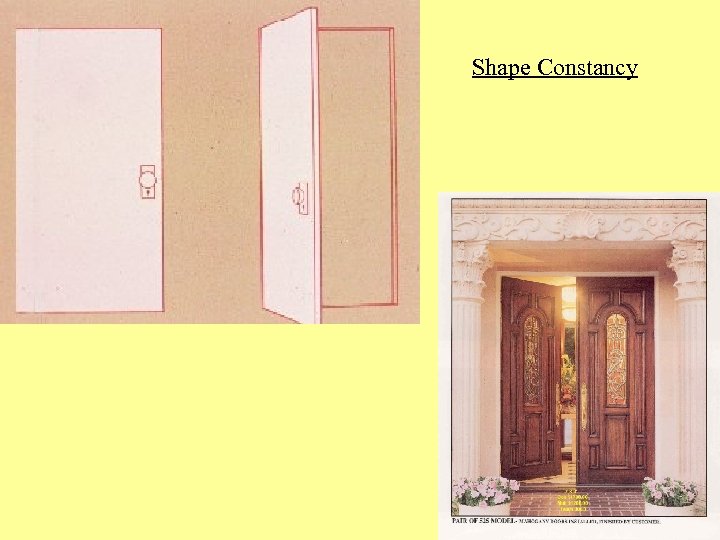 Shape Constancy
 PERCEPTUAL CONSTANCY (CONT. ) • Size, shape, brightness & color constancy – Brightness constancy • refers to the tendency to perceive brightness as remaining the same in changing illumination – Color constancy • refers to the tendency to perceive colors as remaining stable despite differences in lighting
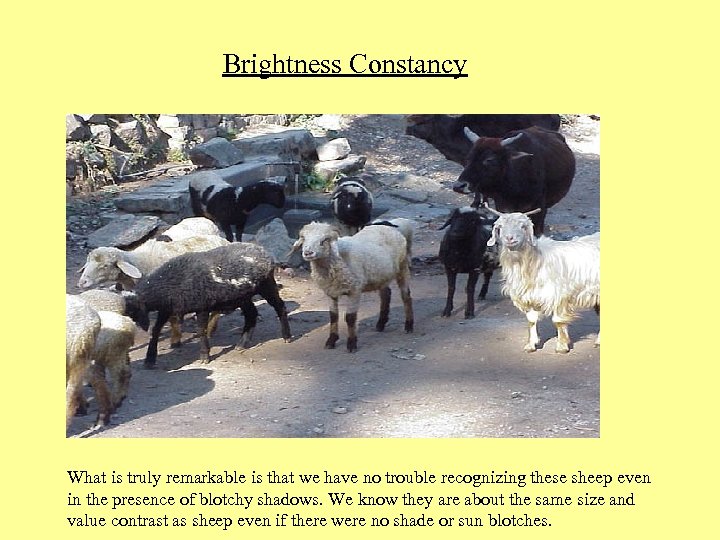 Brightness Constancy What is truly remarkable is that we have no trouble recognizing these sheep even in the presence of blotchy shadows. We know they are about the same size and value contrast as sheep even if there were no shade or sun blotches.
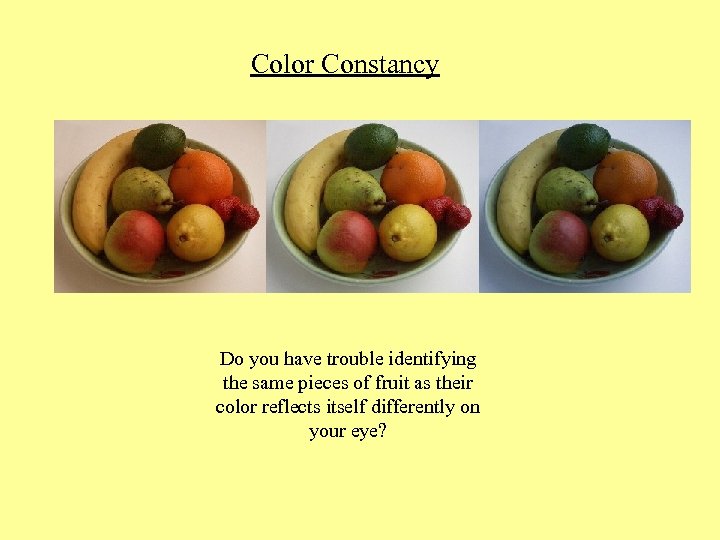 Color Constancy Do you have trouble identifying the same pieces of fruit as their color reflects itself differently on your eye?
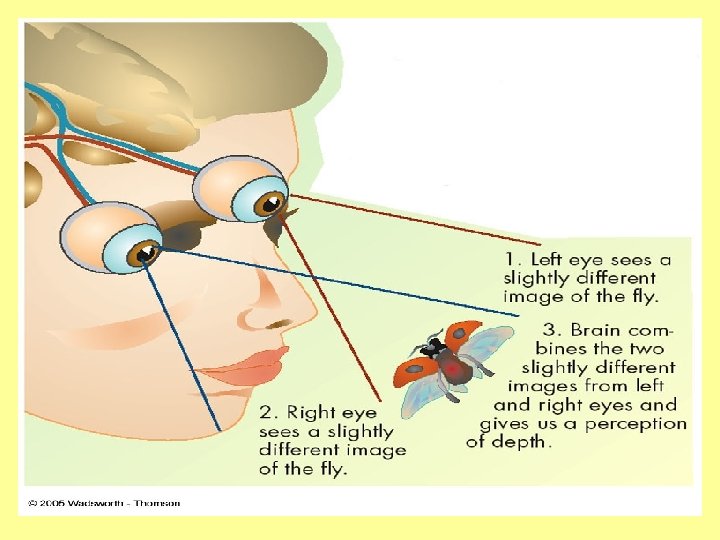
 DEPTH PERCEPTION • Binocular (two eyes) depth cues: depends on the movement of both eyes. …They give us – Depth perception • the ability of your eye and brain to add a third dimension, depth, to all visual perceptions, even though images projected on the retina are in only two dimensions, height, and width. It’s done because of two things.
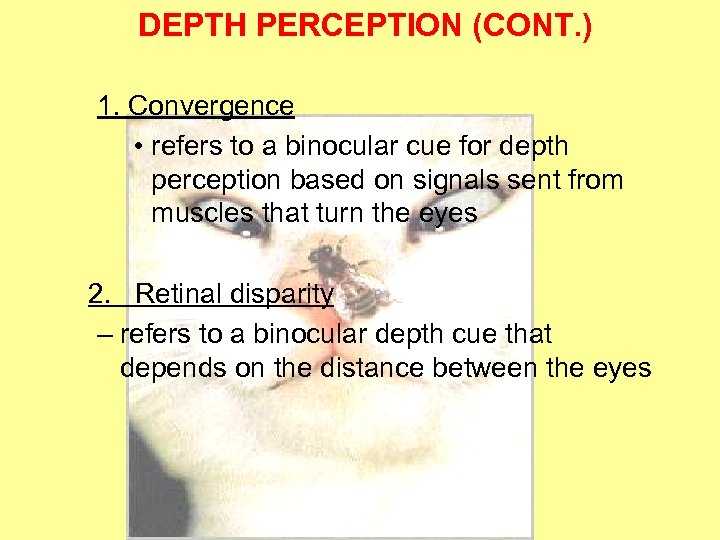 DEPTH PERCEPTION (CONT. ) 1. Convergence • refers to a binocular cue for depth perception based on signals sent from muscles that turn the eyes 2. Retinal disparity – refers to a binocular depth cue that depends on the distance between the eyes
 DEPTH PERCEPTION (CONT. ) • Monocular depth cues – produced by signals from a single eye 1. Linear perspective • monocular depth cue that results as parallel lines come together, converge, in the distance 2. Relative size • monocular depth cue that results when we expect two objects to be the same size and they are not 3. Interposition • monocular depth cue that comes into play when objects overlap
 DEPTH PERCEPTION (CONT. ) • Monocular depth cues 4. Light and shadow • monocular depth cues where brightly lit objects appear closer, while objects in shadows appear farther away 5. Texture gradient • monocular depth cue in which areas with sharp, detailed texture are interpreted as being closer and those with less sharpness and poorer detail are perceived as more distant
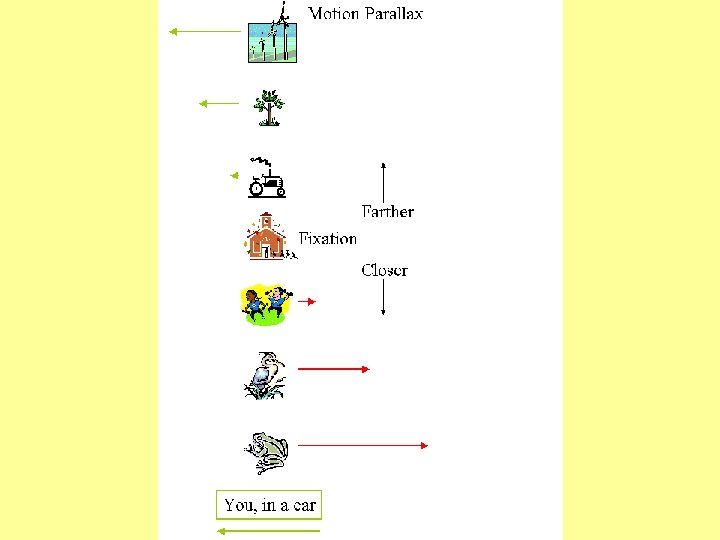
 DEPTH PERCEPTION (CONT. ) • Monocular depth cues 6. Atmospheric perspective • monocular depth cue that is created by the presence of dust, smog, clouds, or water vapor 7. Motion parallax • monocular depth cue based on the speed of moving objects

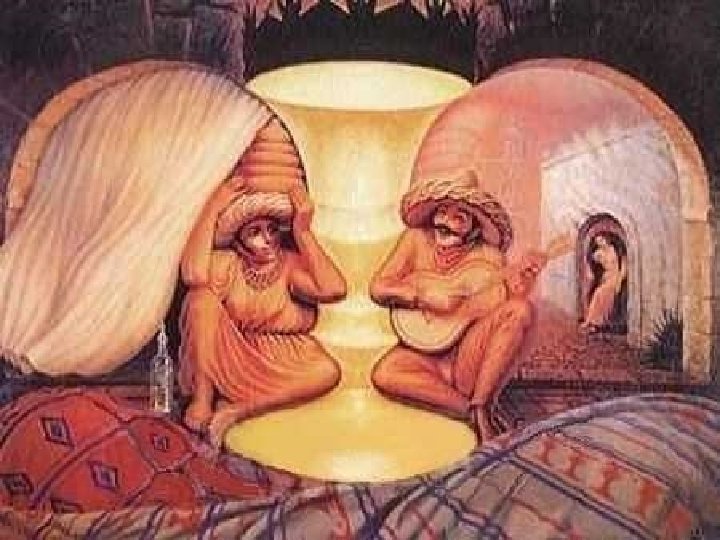
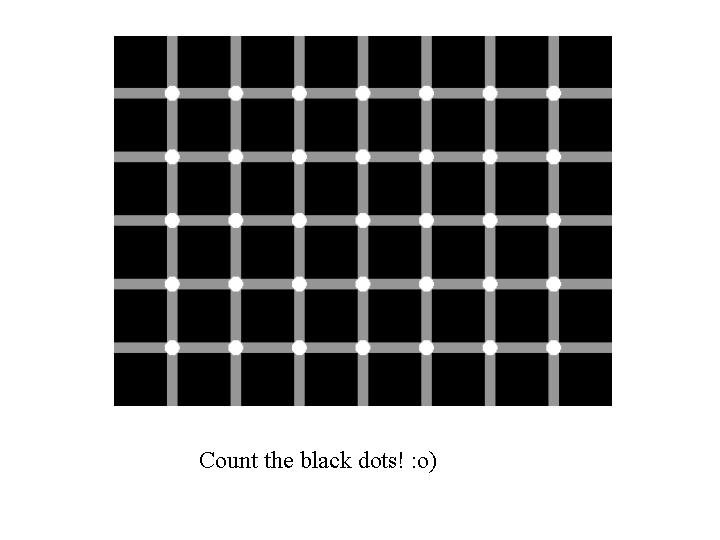
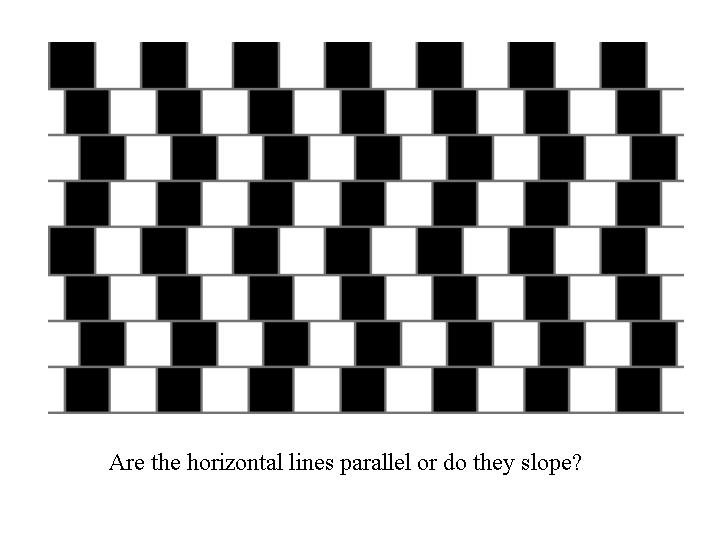
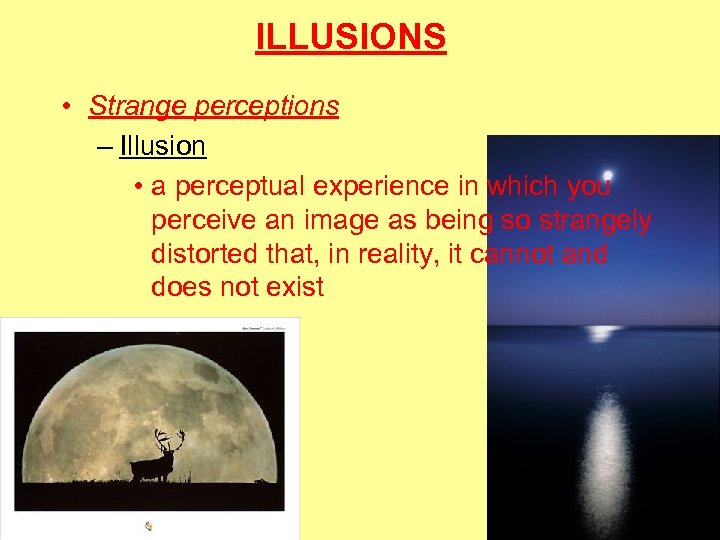 ILLUSIONS • Strange perceptions – Illusion • a perceptual experience in which you perceive an image as being so strangely distorted that, in reality, it cannot and does not exist
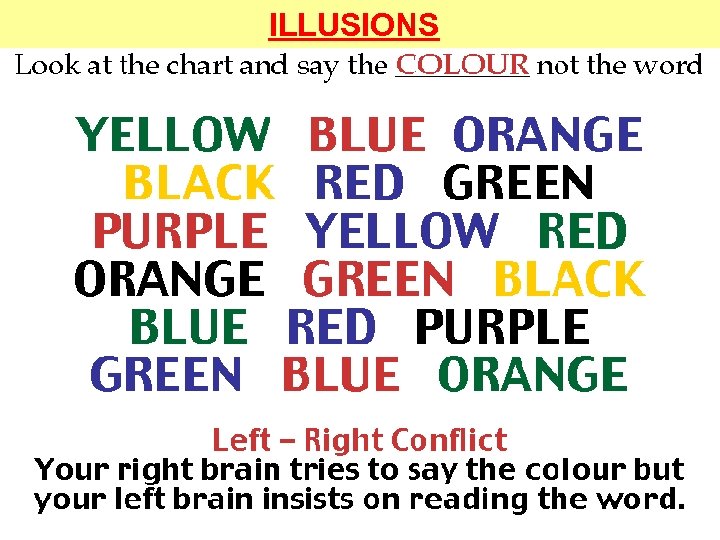 ILLUSIONS
 Dali
Dali
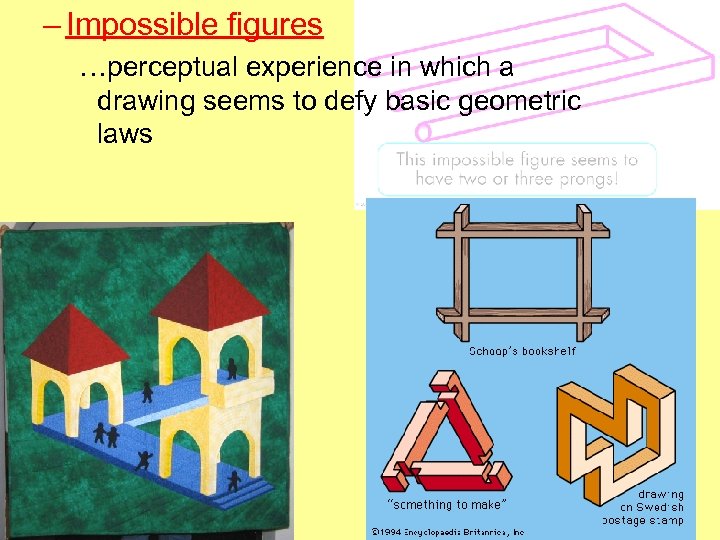 – Impossible figures …perceptual experience in which a drawing seems to defy basic geometric laws
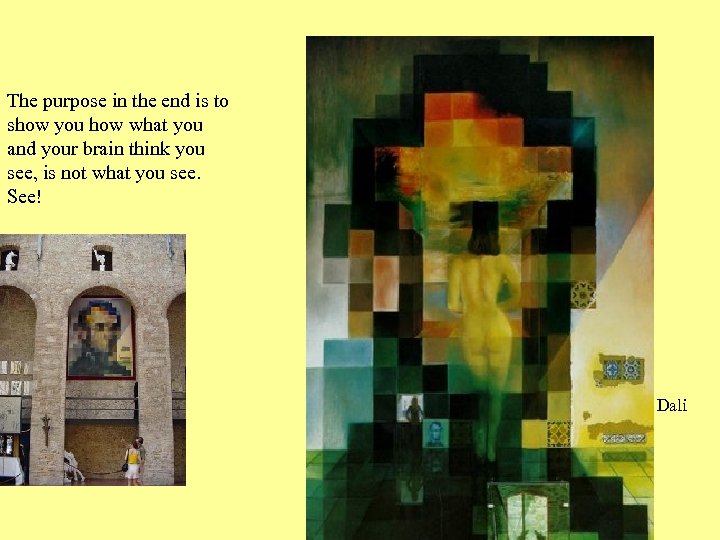 The purpose in the end is to show you how what you and your brain think you see, is not what you see. See! Dali