 Скачать презентацию Modern Money and Its Discontents Big Business and
375916e8ed77d78dda6fa53eecf6bbed.ppt
- Количество слайдов: 24



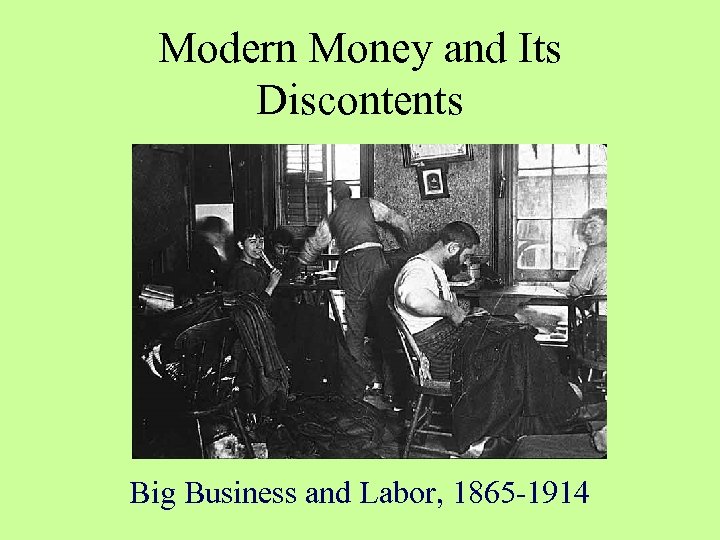
Modern Money and Its Discontents Big Business and Labor, 1865 -1914
Rise of an Industrial Economy • Second Industrial Revolution—integrated transportation and communication; electric power; scientifically-based research and development • Laborers were increasingly a proletariat— only their labor to sell in the marketplace.
Railroads • First Transcontinental Railroad completed in 1869 • Financed by private capital and government land grants (129 million acres of public lands between 1850 and 1870 alone) • Much corruption—Credit Mobilier Scandal; “Robber Barons”
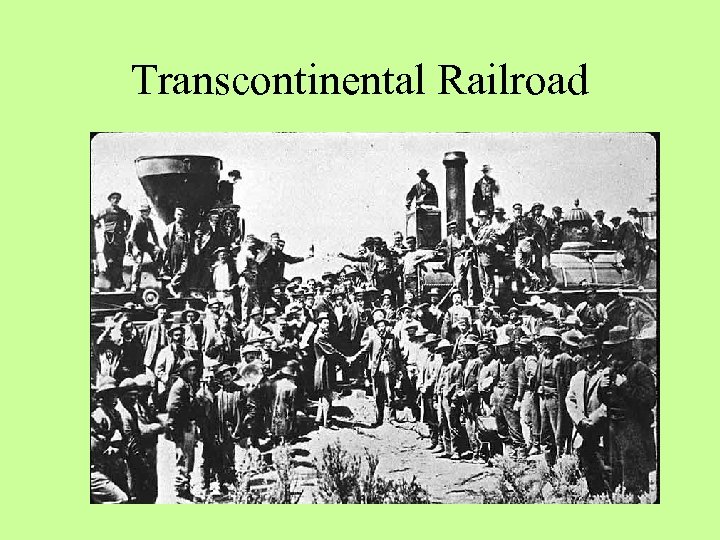
Transcontinental Railroad
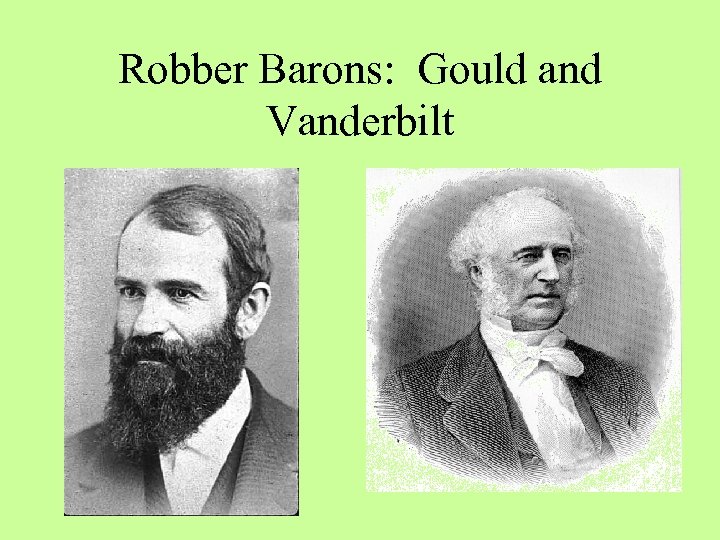
Robber Barons: Gould and Vanderbilt
Inventions Change Lifeways • Alexander Graham Bell—Telephone— 1876 • Thomas Alva Edison—Light bulb in 1879; the phonograph in 1877 • George Westinghouse—airbrake for trains and Alternating Current (beginning of power grid) in 1886. • J. W. Mc. Gaffey—vacuum cleaner 1869 • Many of these inventions required electricity.
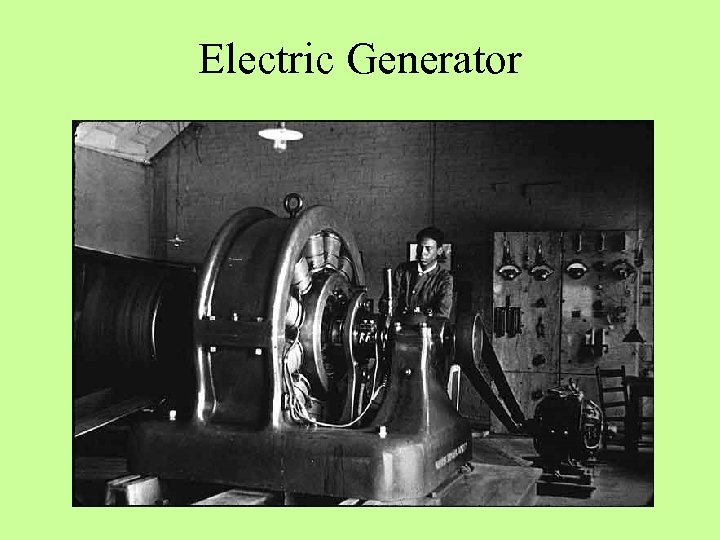
Electric Generator
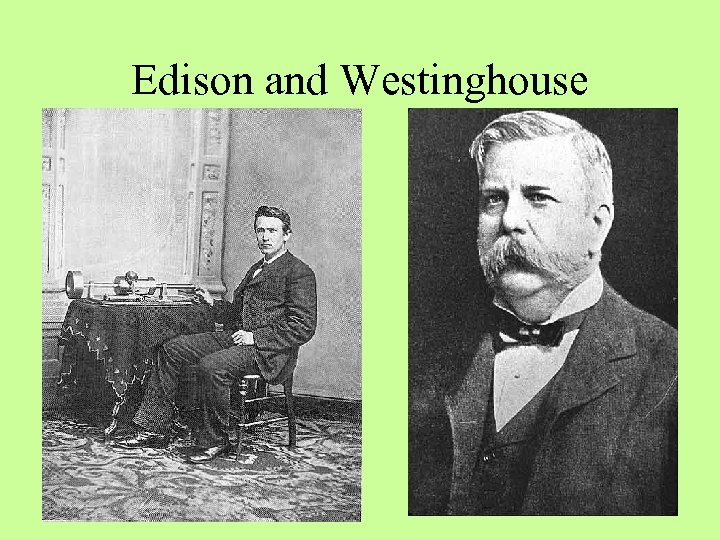
Edison and Westinghouse
New Corporate Models • John David Rockefeller and the Standard Oil Trust —Horizontal Integration (control the bottlenecks) • Andrew Carnegie and Carnegie Steel--Vertical Integration (from raw materials to market) • Corporation: “hasn’t a body to be damned or a soul to be kicked”
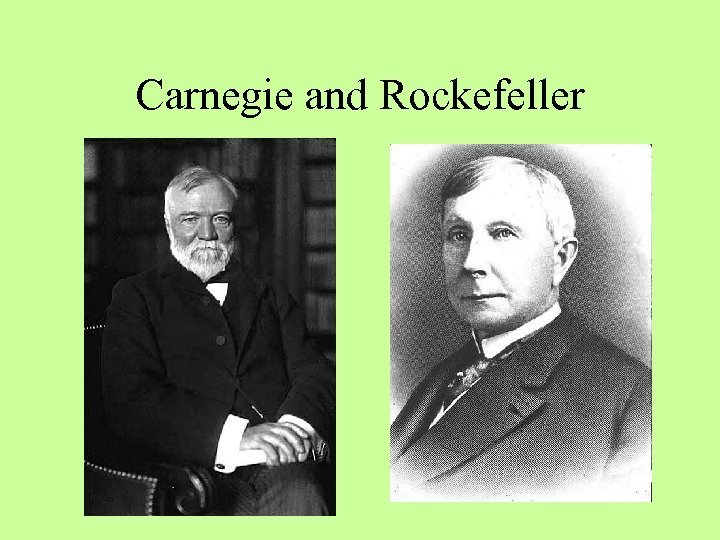
Carnegie and Rockefeller
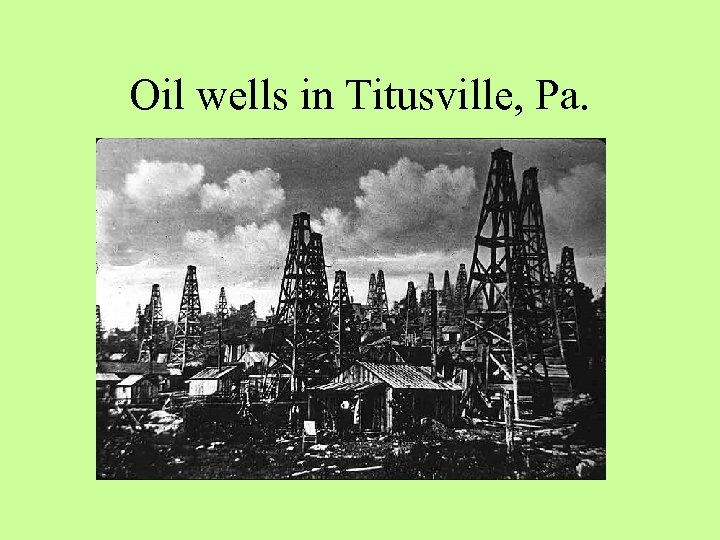
Oil wells in Titusville, Pa.
The Business of Money • J. P. Morgan and Investment Banking • Interlocking boards of directors • Bank of Morgan Assumed control over 1/6 of all U. S. railroading • Created United States Steel Corporation (1901) which controlled about 90% of U. S. steel production
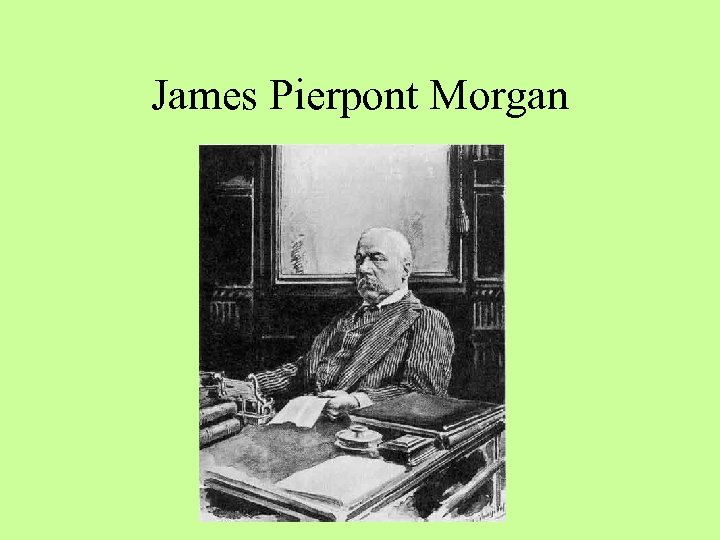
James Pierpont Morgan
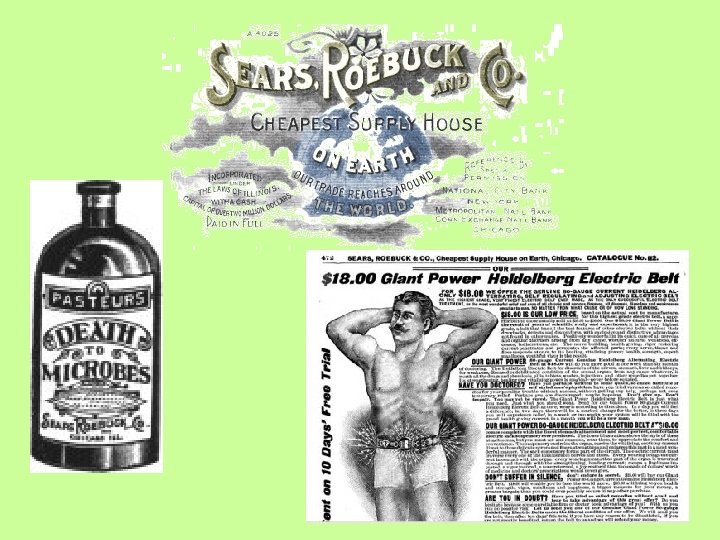
Richard Sears & Alvah Roebuck • Richard Sears & Alvah Roebuck (Sears, Roebuck & Co. ) • Catalog company marketed a wide range of low priced consumer goods • You could even buy a mail order church—just not the pretty girl on page 614 • Rural Free Delivery plus the railroad made this mail order business possible • 6 million catalogs per year by 1900
New Economy Produced Harm for Many • • • Concentration of wealth Alienation of labor Child labor Low wages Industrial accidents
Workers Try to Organize • Contrary to “individualism” • Strife between skilled and unskilled labor • Race/Ethnicity—Dennis Kearney’s Workingmen’s Party • Pinkerton’s as Strikebreakers • Government Prosecution (Sherman Anti. Trust Act)
Knights of Labor • Growth under Terrence V. Powderly • Success in early railroad strikes led membership to swell to 700, 000 by 1886 • Lost favor as a result of Haymarket Affair in 1886
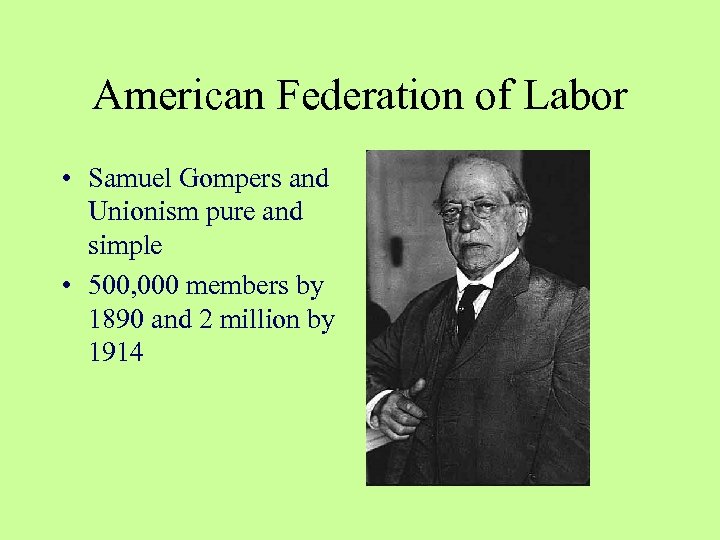
American Federation of Labor • Samuel Gompers and Unionism pure and simple • 500, 000 members by 1890 and 2 million by 1914
1890 s Strikes Illustrate Challenges faced by Unions • Homestead Strike— 1892—use of violence to quell strike. • Pullman Strike— 1894—Federal injunction to criminalize strike.
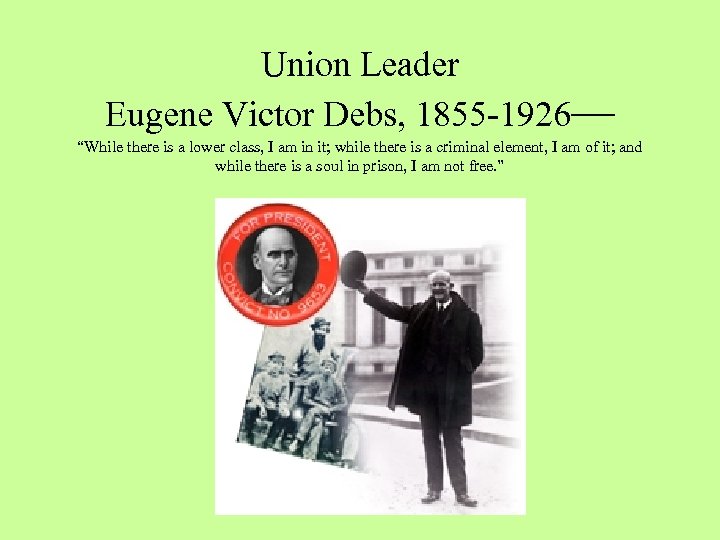
Union Leader Eugene Victor Debs, 1855 -1926— “While there is a lower class, I am in it; while there is a criminal element, I am of it; and while there is a soul in prison, I am not free. ”
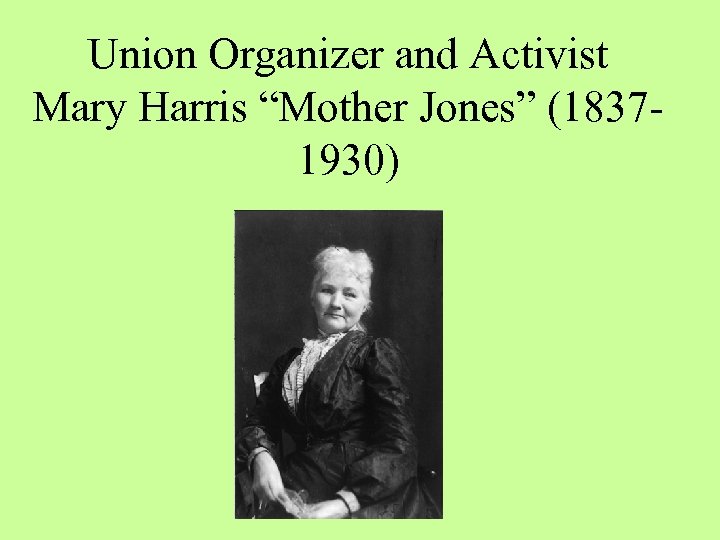
Union Organizer and Activist Mary Harris “Mother Jones” (18371930)
Socialism and Labor • Socialist Party—polled 900, 672 votes in 1912 • IWW • Western Federation of Miners and Big Bill Haywood
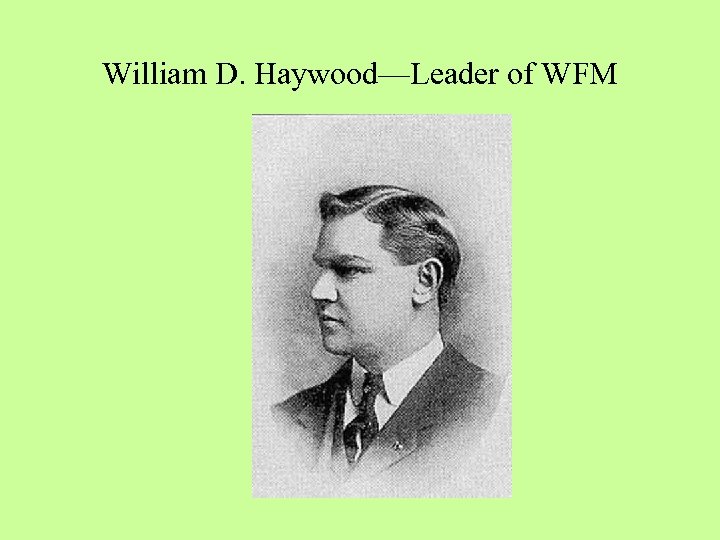
William D. Haywood—Leader of WFM
Скачать презентацию Modern Money and Its Discontents Big Business and
375916e8ed77d78dda6fa53eecf6bbed.ppt