


 Скачать презентацию Models of addiction role of dopamine and other
eaae52714c63a3d371b10a341c972bbf.ppt
- Количество слайдов: 62
 Models of addiction: role of dopamine and other neurobiological substrates Paul E. M. Phillips, Ph. D. Department of Psychiatry and Behavioral Sciences Department of Pharmacology
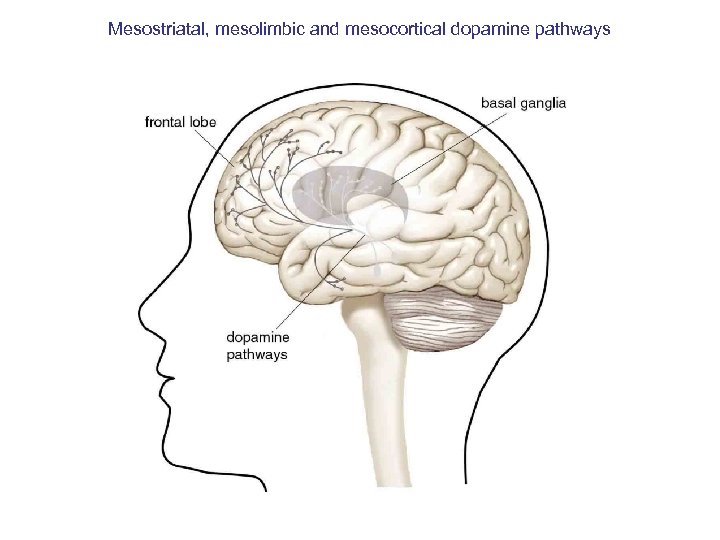 Mesostriatal, mesolimbic and mesocortical dopamine pathways
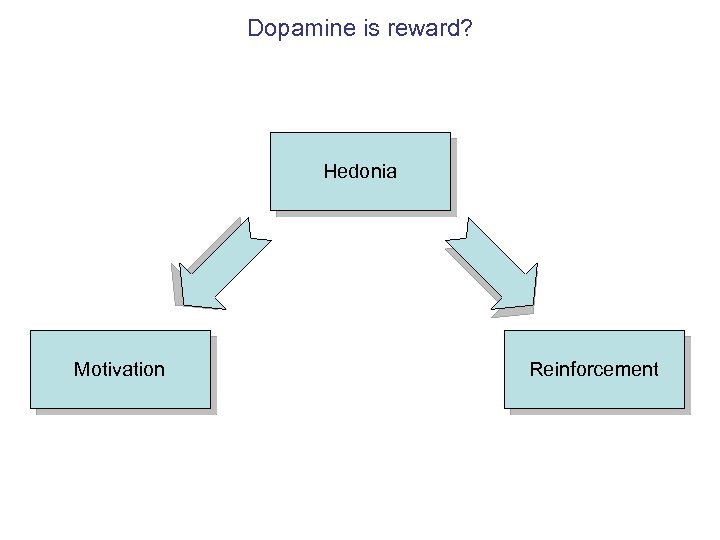 Dopamine is reward? Hedonia Motivation Reinforcement
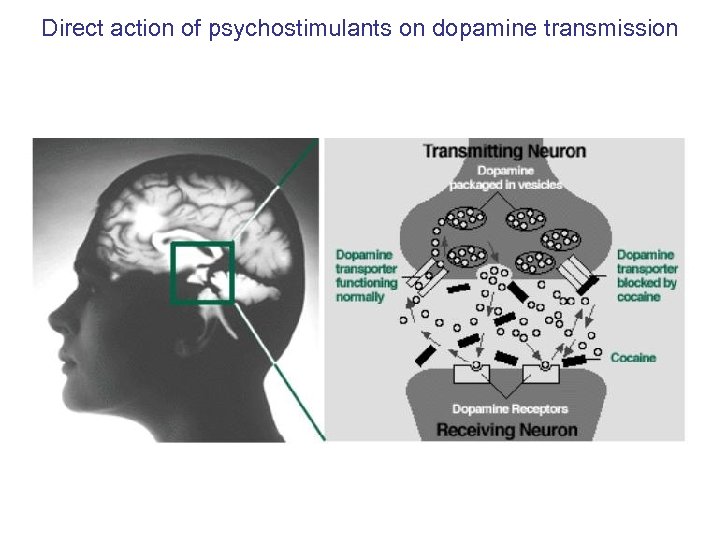 Direct action of psychostimulants on dopamine transmission
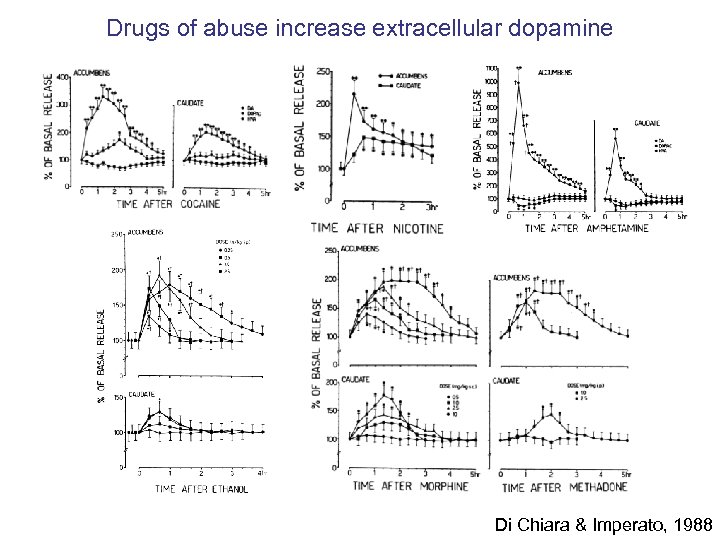 Drugs of abuse increase extracellular dopamine Di Chiara & Imperato, 1988
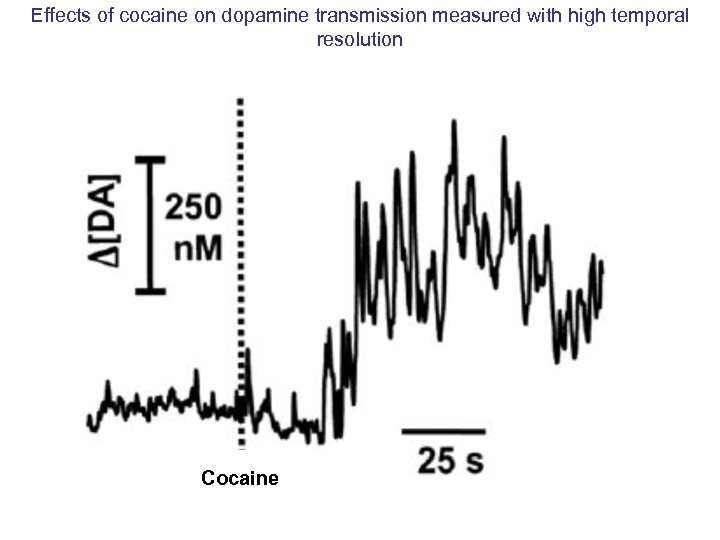 Effects of cocaine on dopamine transmission measured with high temporal resolution Cocaine
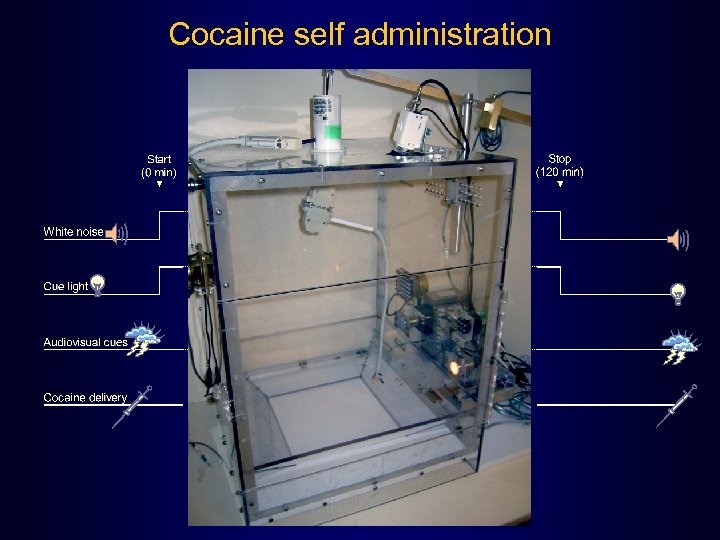 Cocaine self administration each operant response
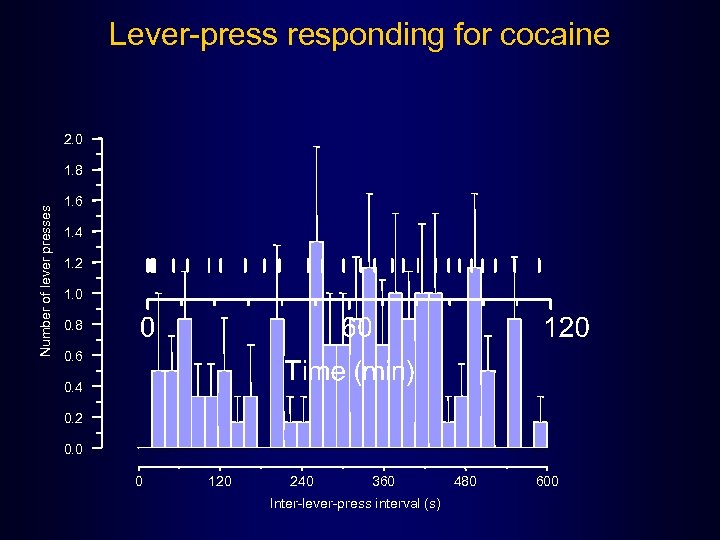 Lever-press responding for cocaine 2. 0 Number of lever presses 1. 8 1. 6 1. 4 1. 2 1. 0 0. 8 0. 6 0. 4 0. 2 0. 0 0 120 240 360 Inter-lever-press interval (s) 480 600
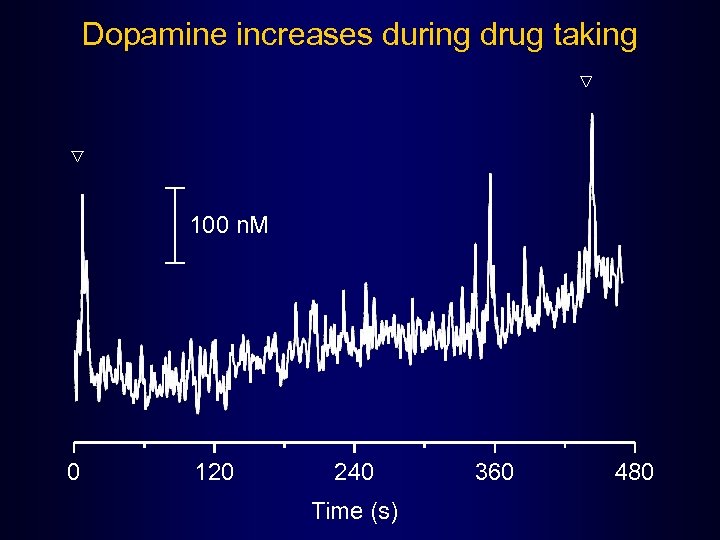 Dopamine increases during drug taking 100 n. M 0 120 240 Time (s) 360 480
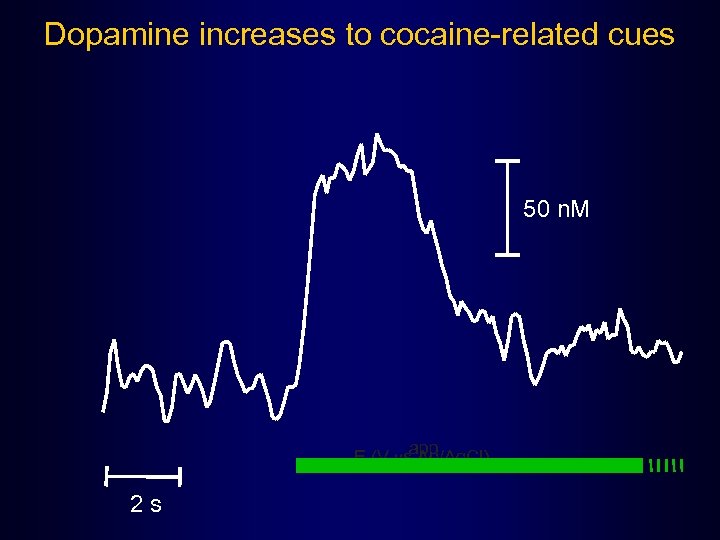 Dopamine increases to cocaine-related cues 50 n. M E (V vsapp Ag/Ag. Cl) 2 s
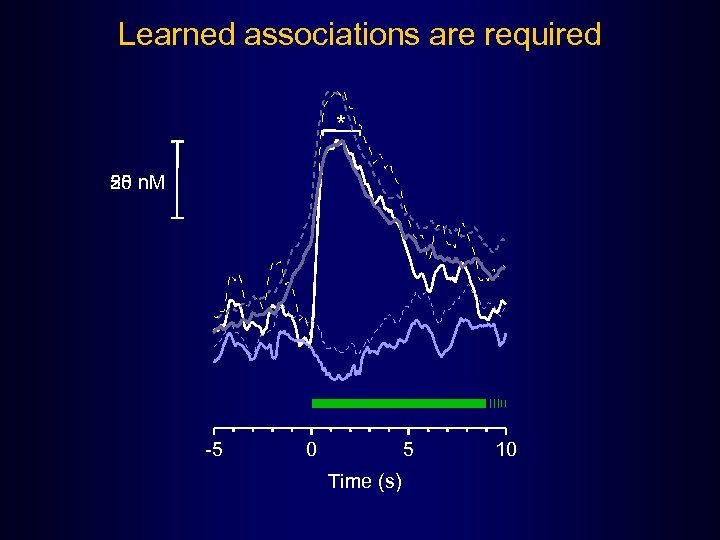 Learned associations are required * 50 n. M 25 -5 0 5 Time (s) 10
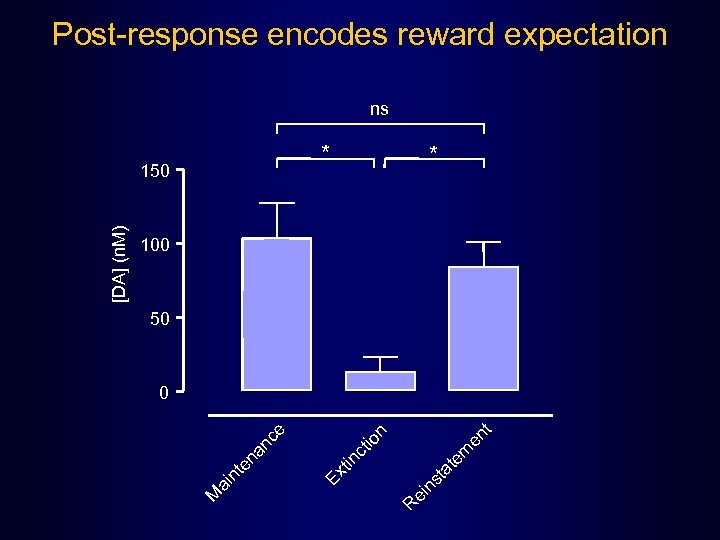 Post-response encodes reward expectation ns * 100 50 t at em en io n R ei ns t in ct Ex t ai n te na nc e 0 M [DA] (n. M) 150 *
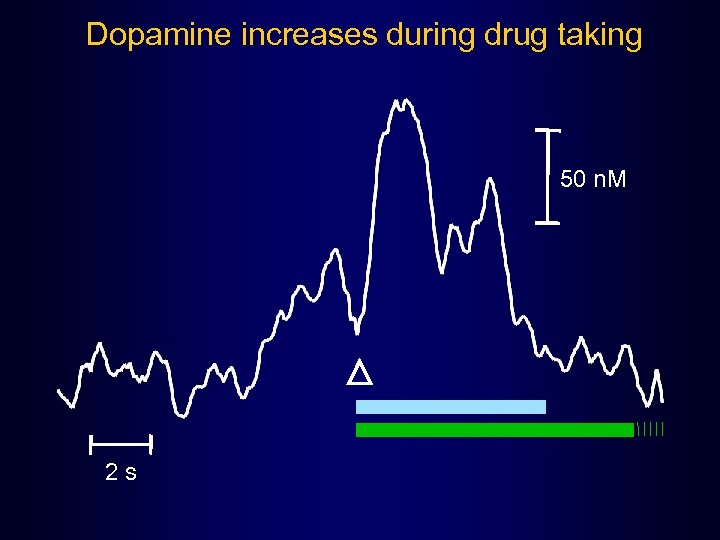 Dopamine increases during drug taking 50 n. M 2 s
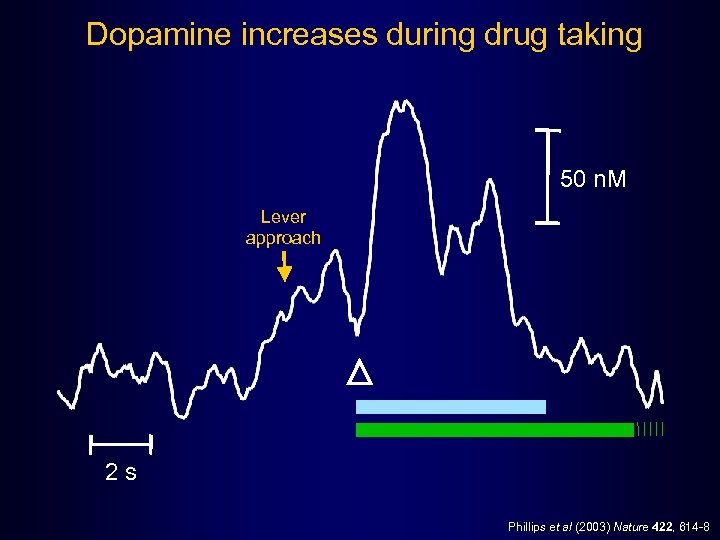 Dopamine increases during drug taking 50 n. M Lever approach 2 s Phillips et al (2003) Nature 422, 614 -8
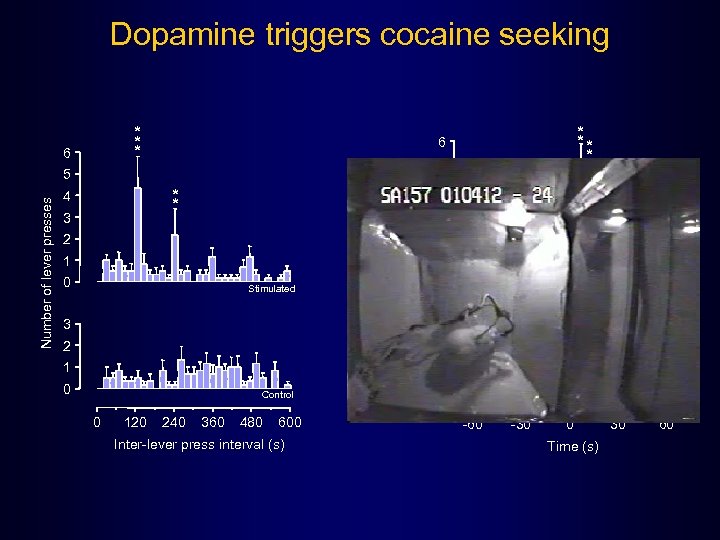 Dopamine triggers cocaine seeking * * * 6 5 4 * * 3 2 1 0 Stimulated 3 2 1 Number of lever presses 5 4 * ** * * 6 3 2 1 0 Stimulated 3 2 1 0 Control 0 120 240 360 480 600 Inter-lever press interval (s) 0 Control -60 -30 0 Time (s) 30 60
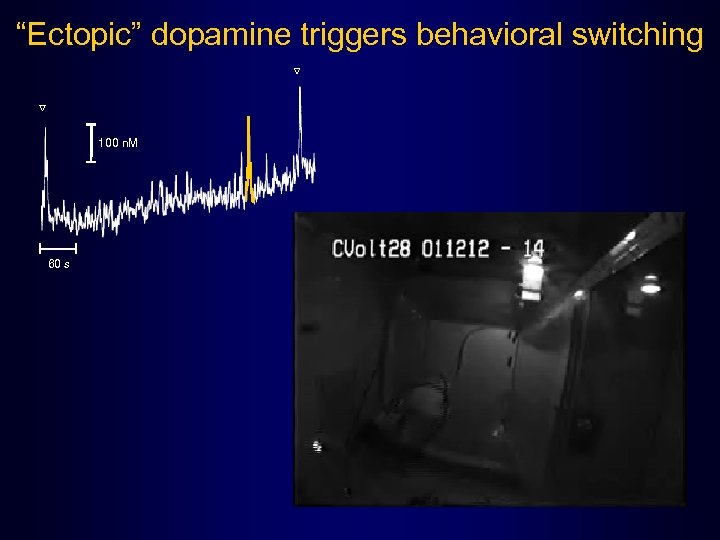 “Ectopic” dopamine triggers behavioral switching 100 n. M 60 s
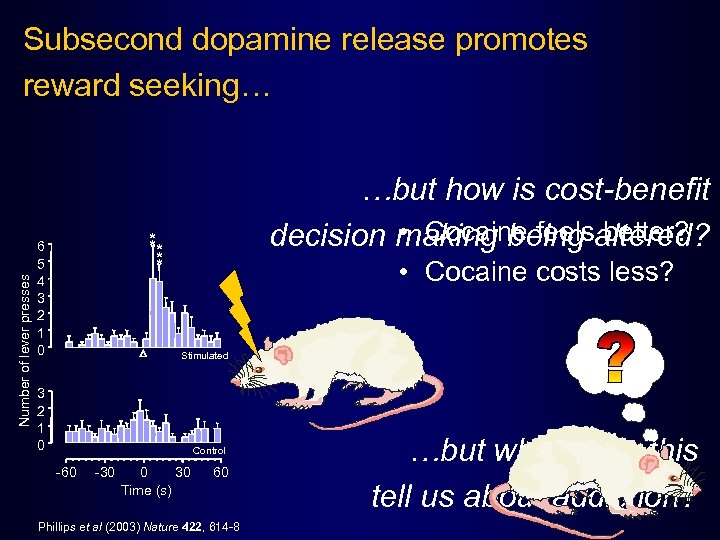 Number of lever presses Subsecond dopamine release promotes reward seeking… …but how is cost-benefit • Cocaine feels better? decision making being altered? * ** * * 6 5 4 3 2 1 0 • Cocaine costs less? Stimulated 3 2 1 0 Control -60 -30 0 30 Time (s) 60 Phillips et al (2003) Nature 422, 614 -8 …but what does this tell us about addiction?
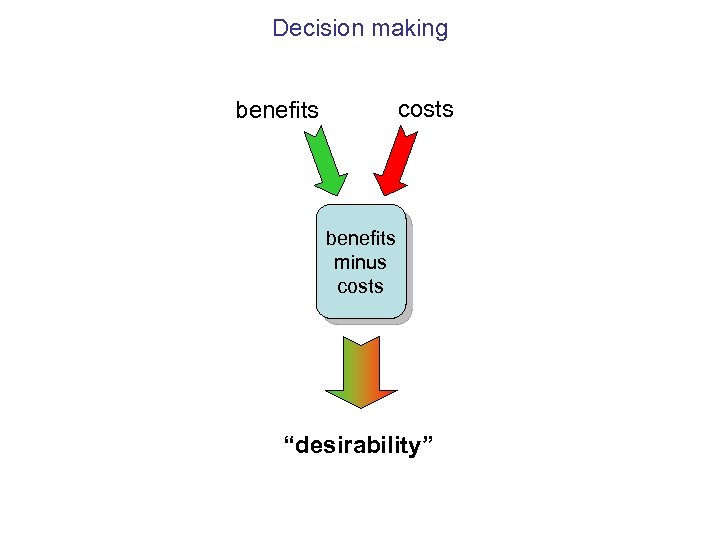 Decision making costs benefits minus costs “desirability”
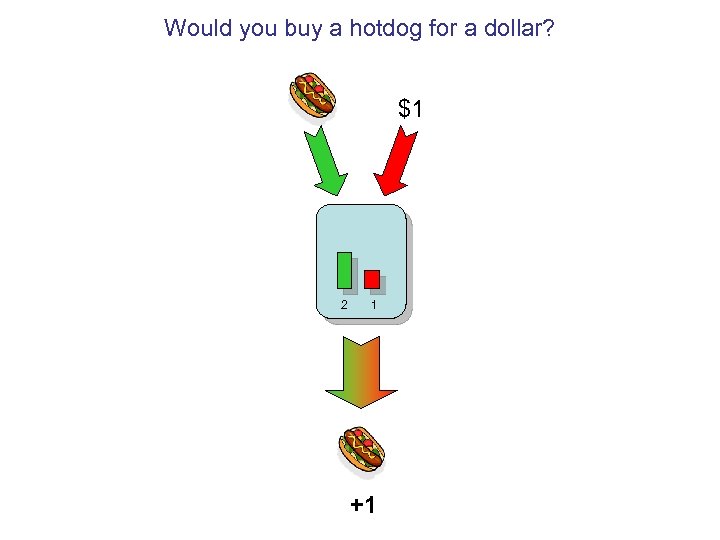 Would you buy a hotdog for a dollar? $1 2 1 +1
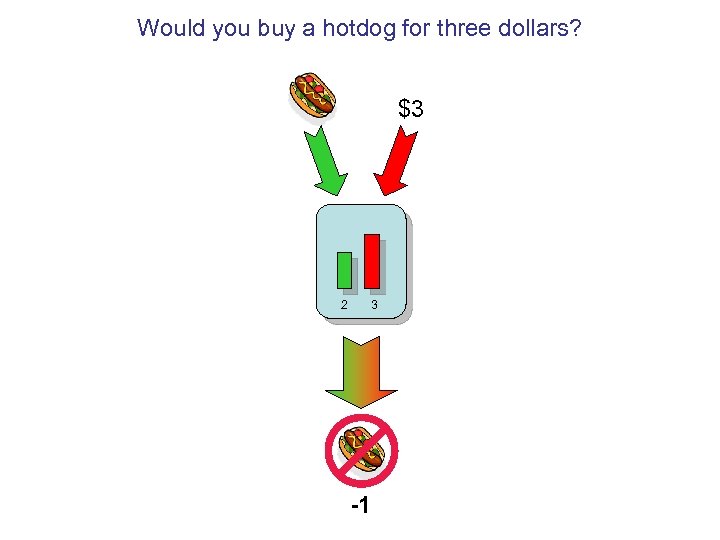 Would you buy a hotdog for three dollars? $3 2 3 -1
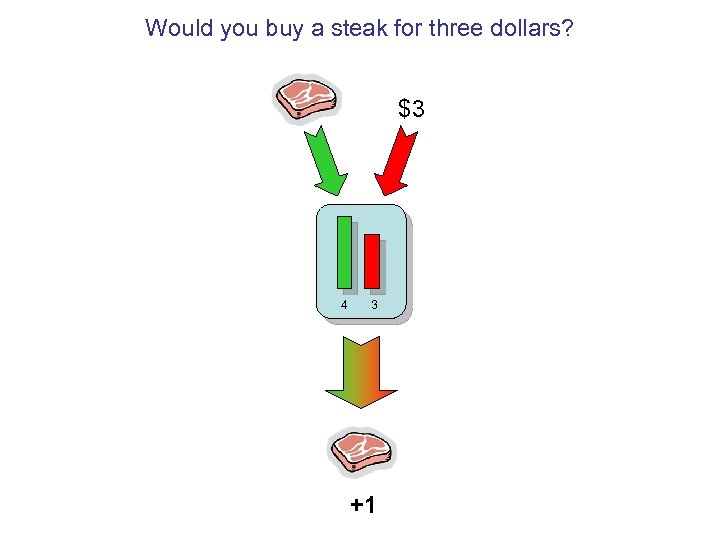 Would you buy a steak for three dollars? $3 4 3 +1
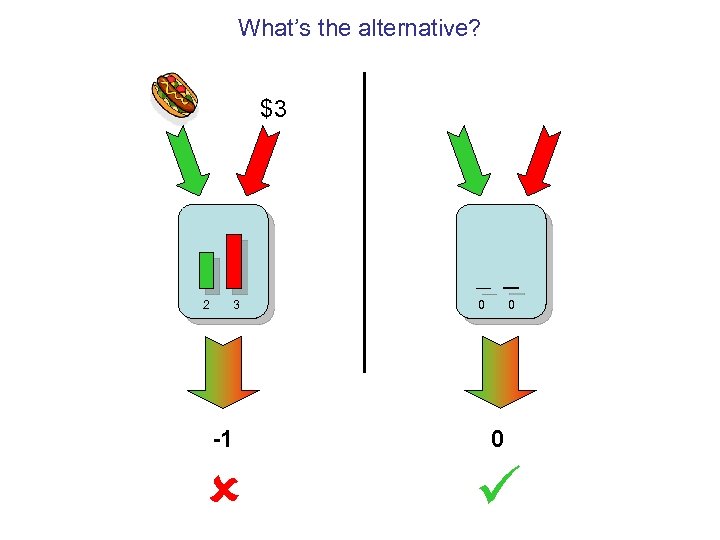 What’s the alternative? $3 2 3 0 0 -1 0
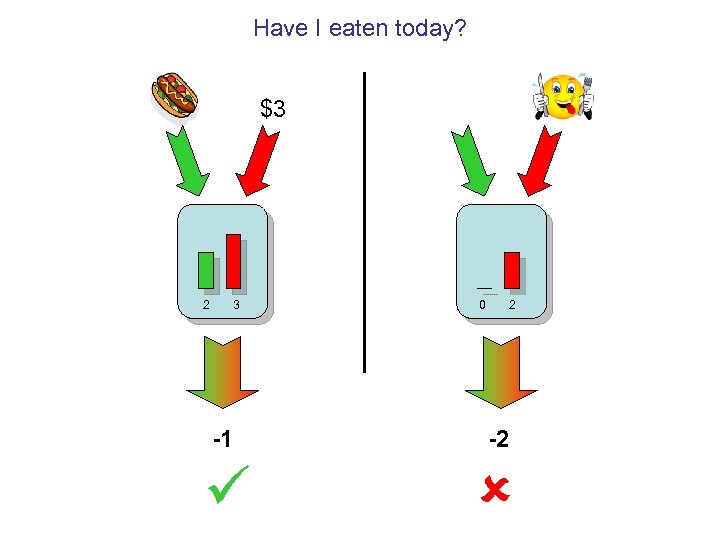 Have I eaten today? $3 2 3 0 2 -1 -2
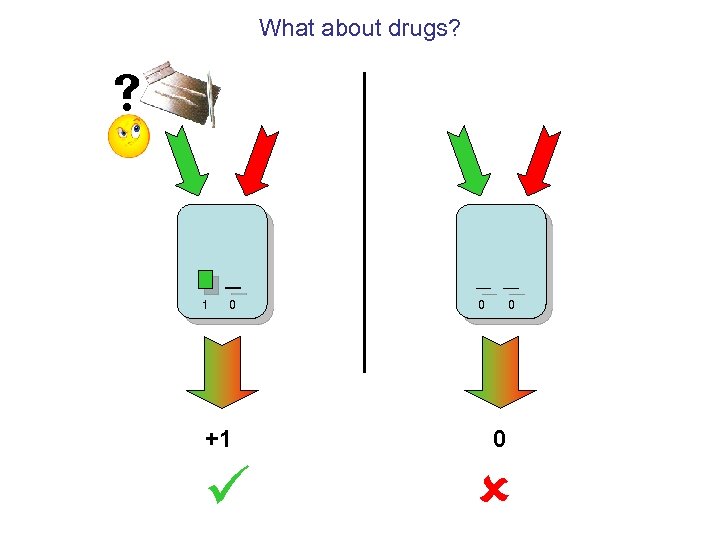 What about drugs? 1 0 +1 0 0 0
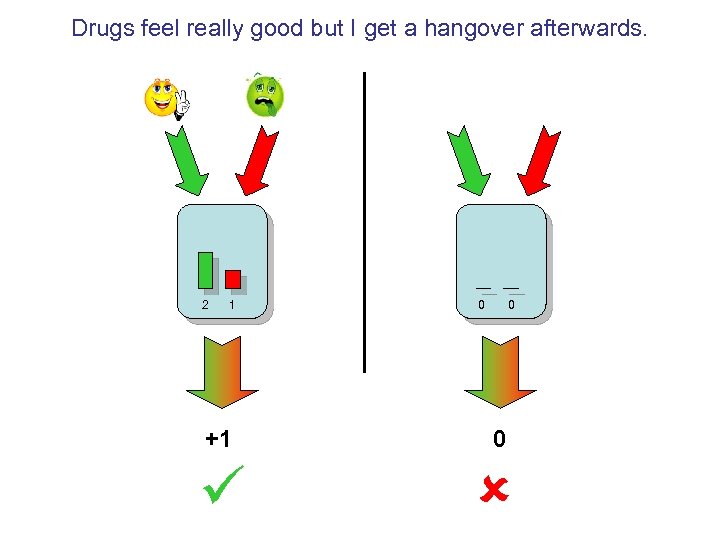 Drugs feel really good but I get a hangover afterwards. 2 1 0 0 +1 0
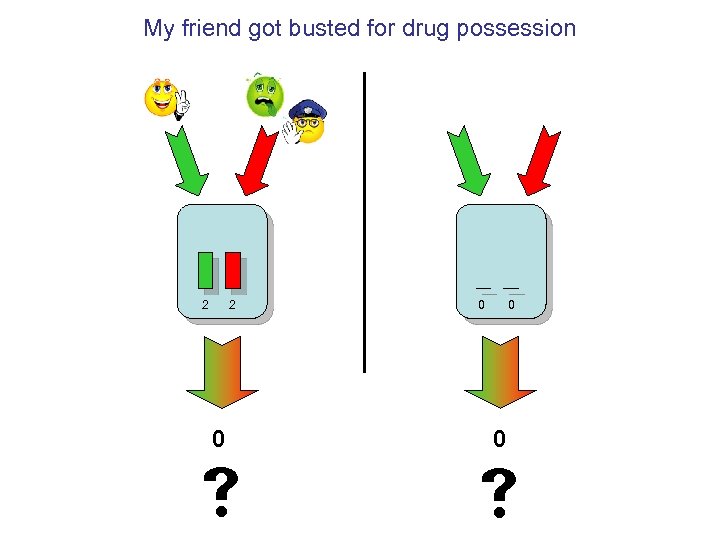 My friend got busted for drug possession 2 2 0 0
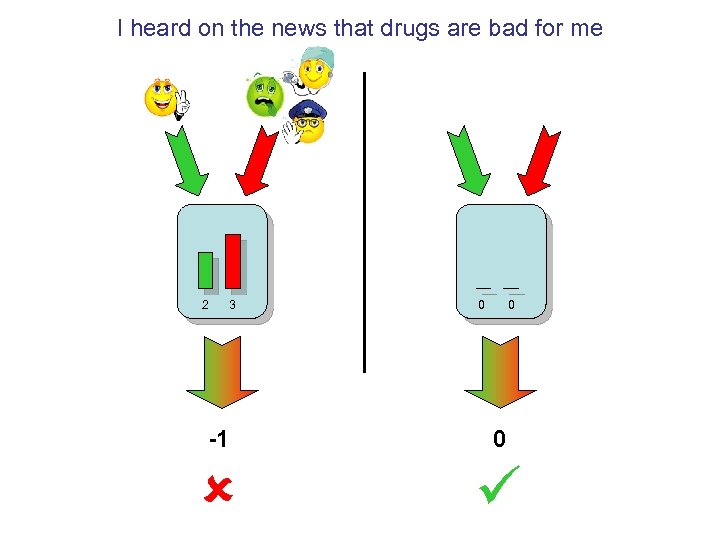 I heard on the news that drugs are bad for me 2 3 0 0 -1 0
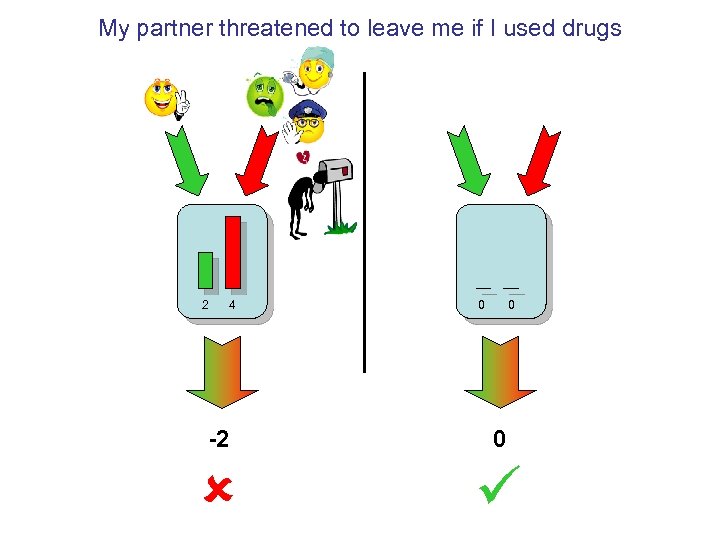 My partner threatened to leave me if I used drugs 2 4 0 0 -2 0
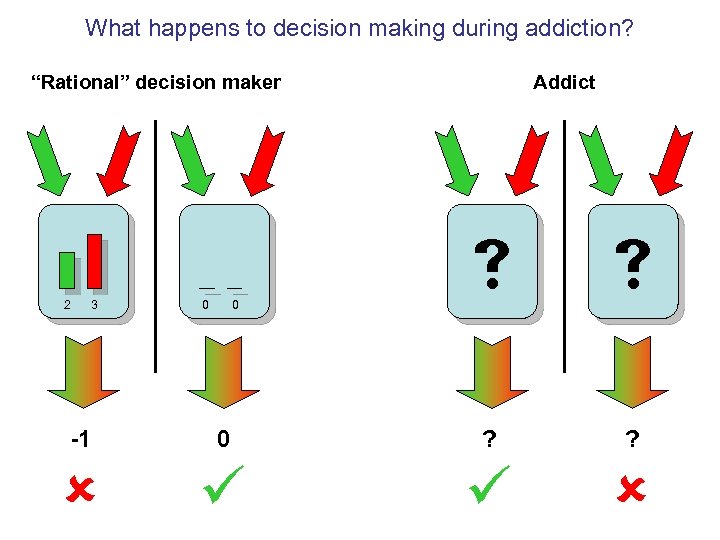 What happens to decision making during addiction? “Rational” decision maker Addict 2 3 0 0 -1 0 ? ?
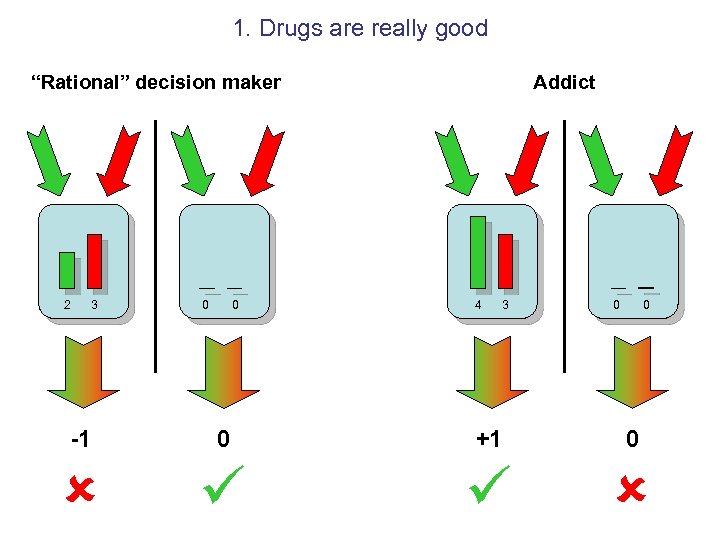 1. Drugs are really good “Rational” decision maker 2 3 0 0 Addict 4 3 0 0 -1 0 +1 0
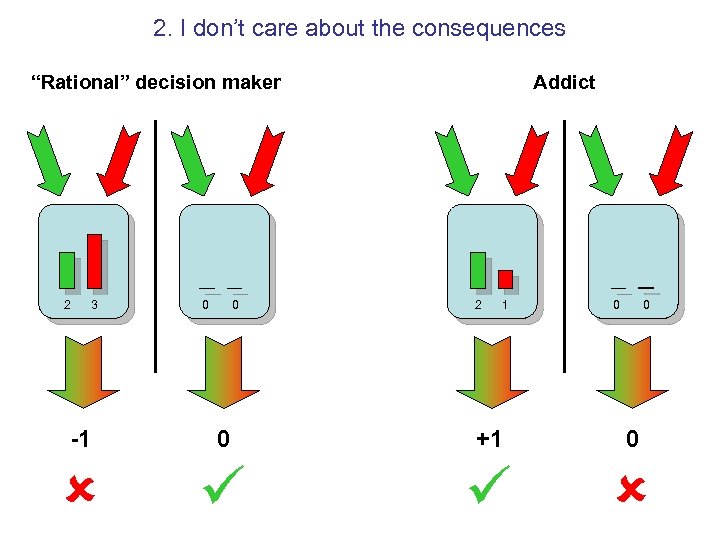 2. I don’t care about the consequences “Rational” decision maker 2 3 0 0 Addict 2 1 0 0 -1 0 +1 0
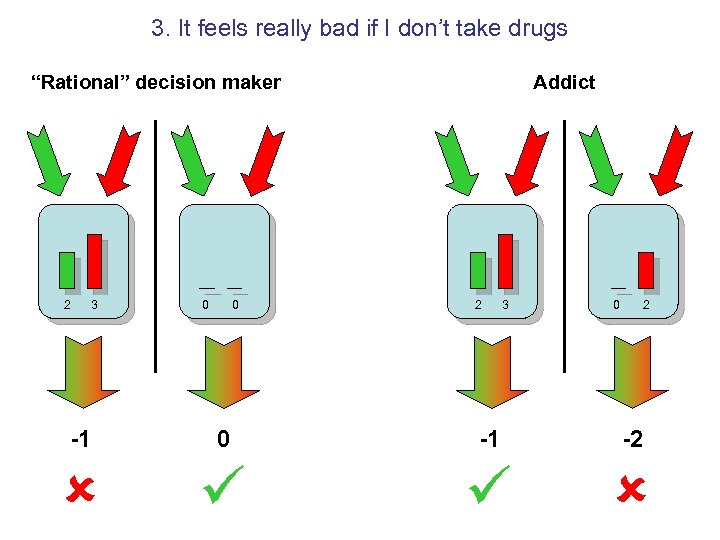 3. It feels really bad if I don’t take drugs “Rational” decision maker 2 3 0 0 Addict 2 3 0 2 -1 0 -1 -2
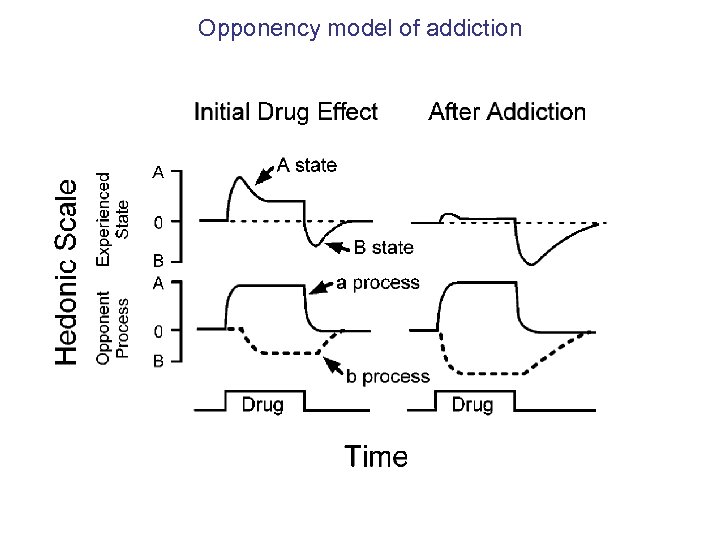 Opponency model of addiction
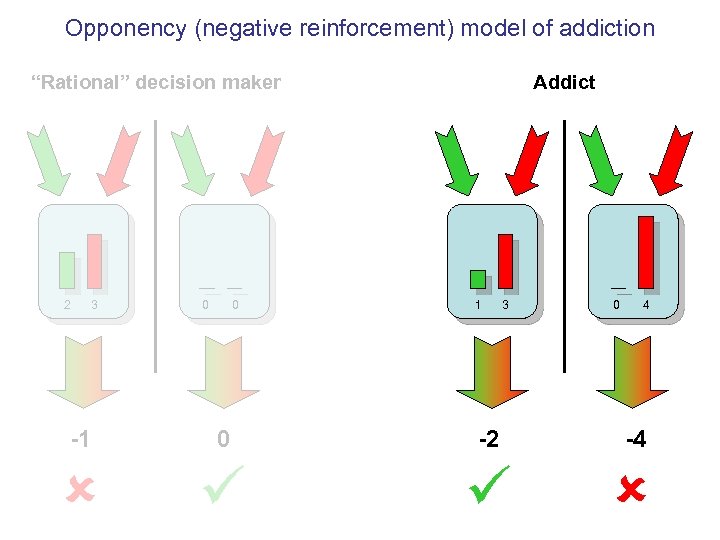 Opponency (negative reinforcement) model of addiction “Rational” decision maker 2 3 0 0 Addict 1 3 0 4 -1 0 -2 -4
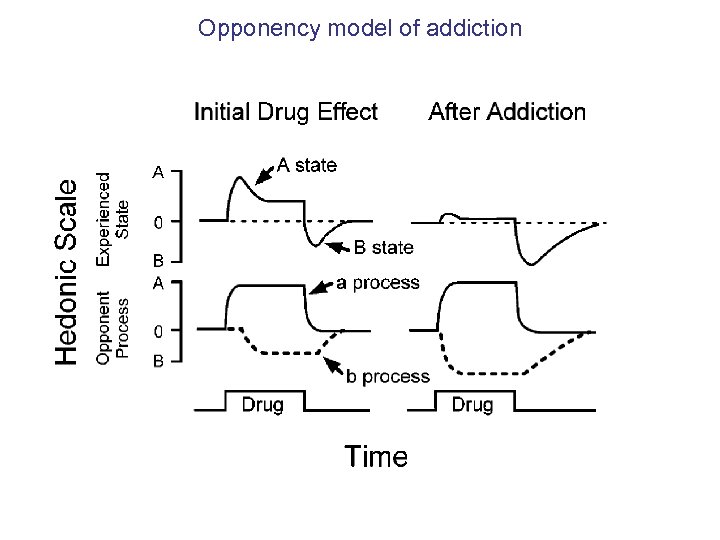 Opponency model of addiction
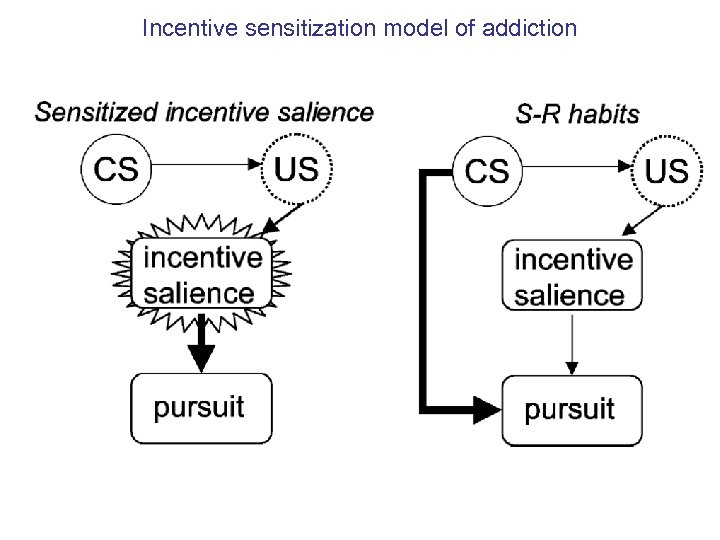 Incentive sensitization model of addiction
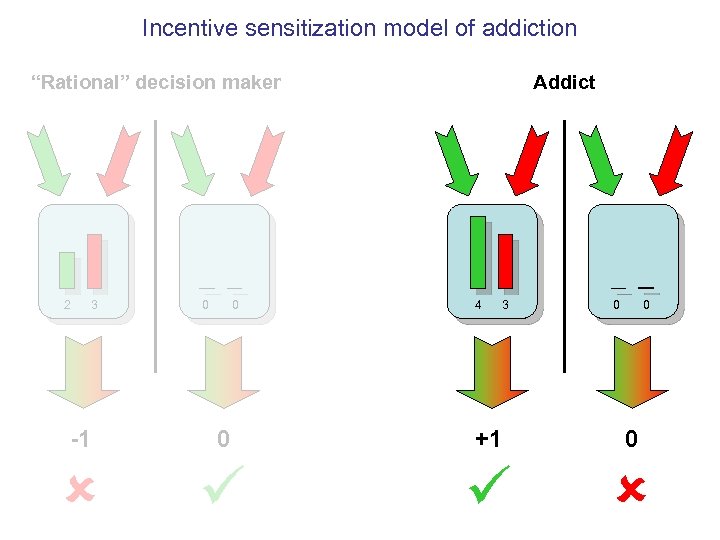 Incentive sensitization model of addiction “Rational” decision maker 2 3 0 0 Addict 4 3 0 0 -1 0 +1 0
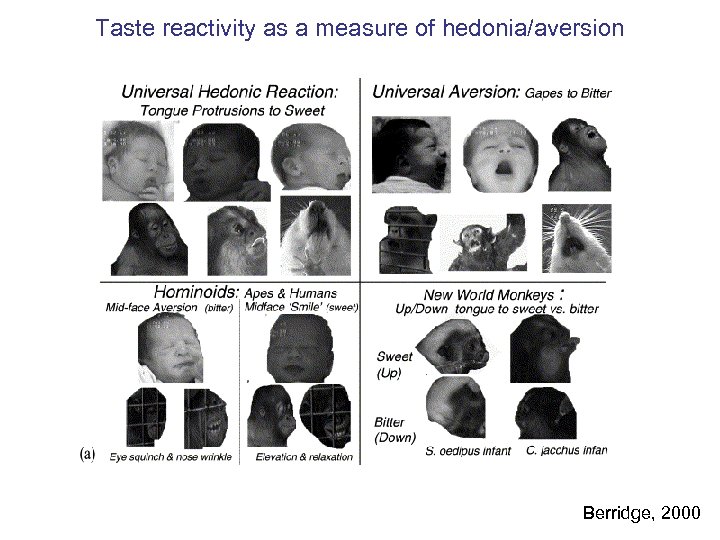 Taste reactivity as a measure of hedonia/aversion Berridge, 2000
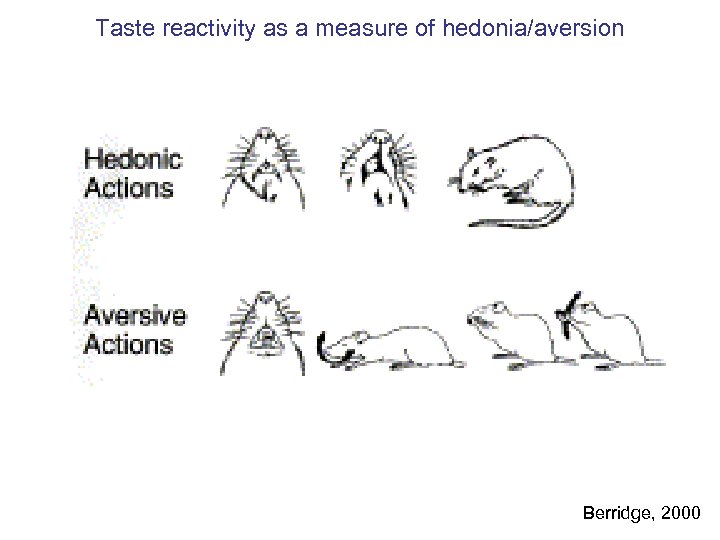 Taste reactivity as a measure of hedonia/aversion Berridge, 2000
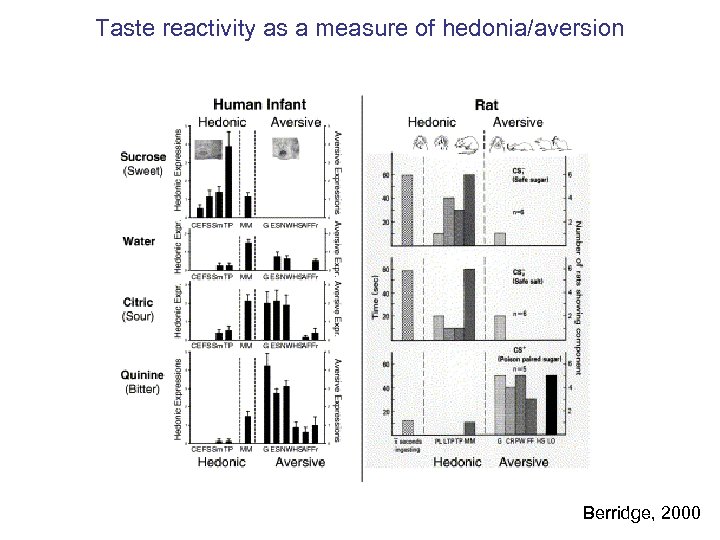 Taste reactivity as a measure of hedonia/aversion Berridge, 2000
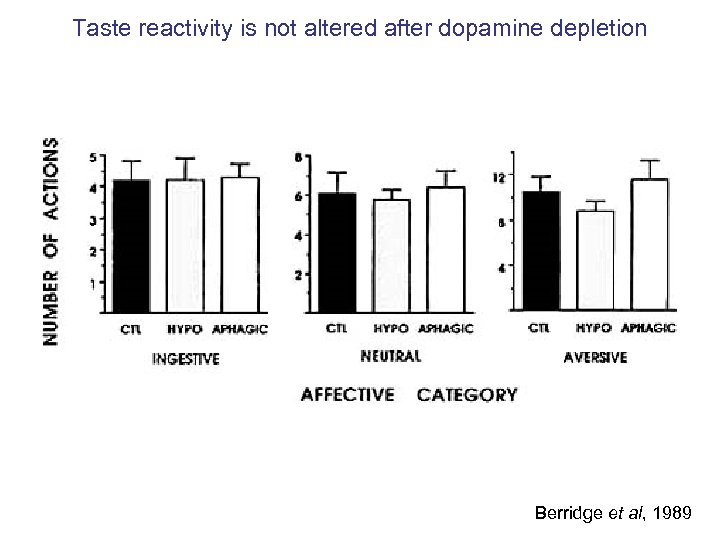 Taste reactivity is not altered after dopamine depletion Berridge et al, 1989
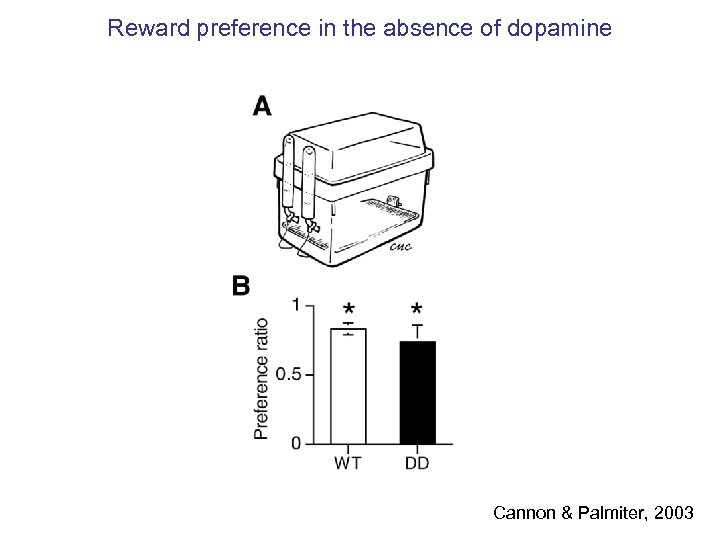 Reward preference in the absence of dopamine Cannon & Palmiter, 2003
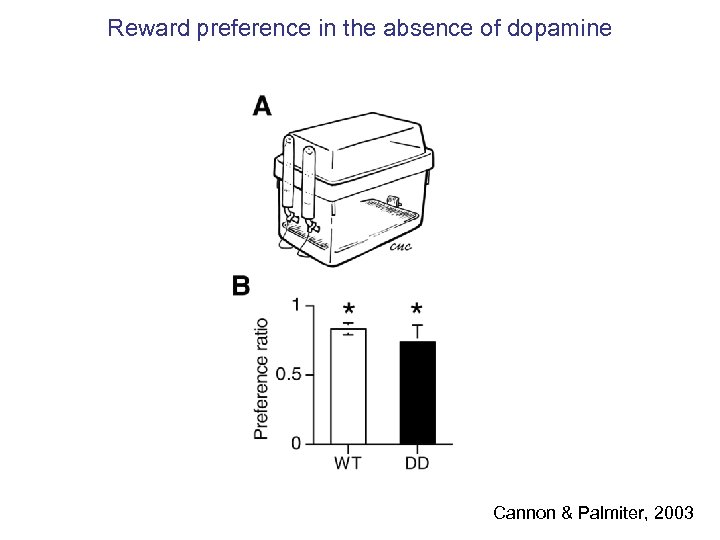 Reward preference in the absence of dopamine Cannon & Palmiter, 2003
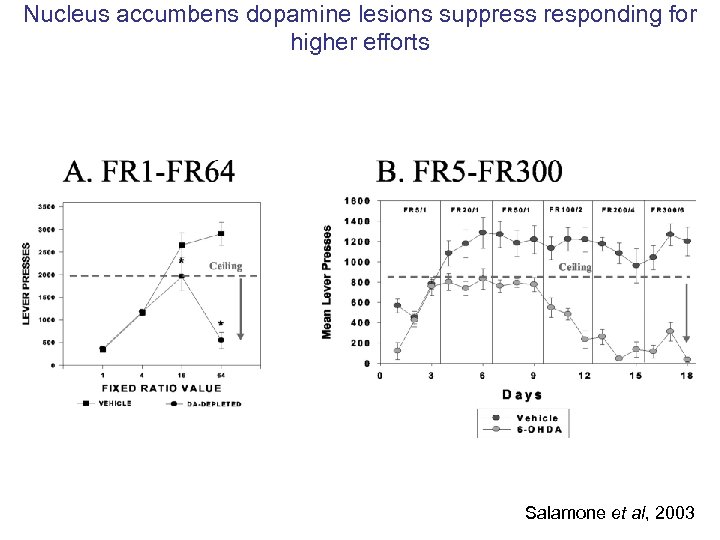 Nucleus accumbens dopamine lesions suppress responding for higher efforts Salamone et al, 2003
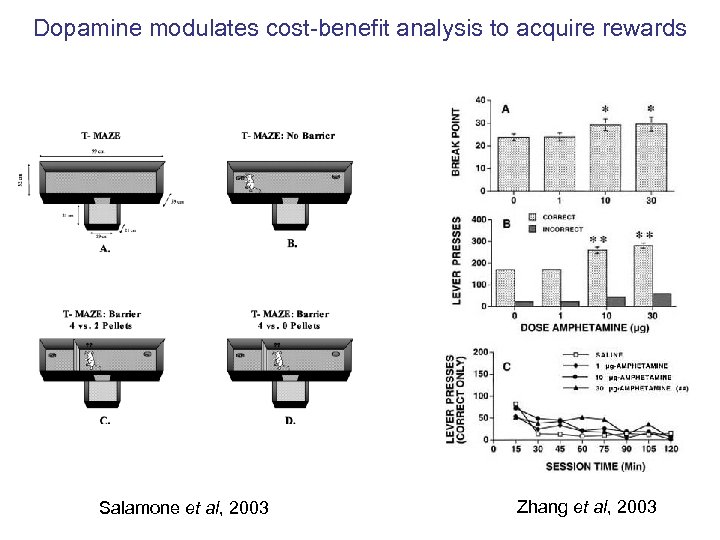 Dopamine modulates cost-benefit analysis to acquire rewards Salamone et al, 2003 Zhang et al, 2003
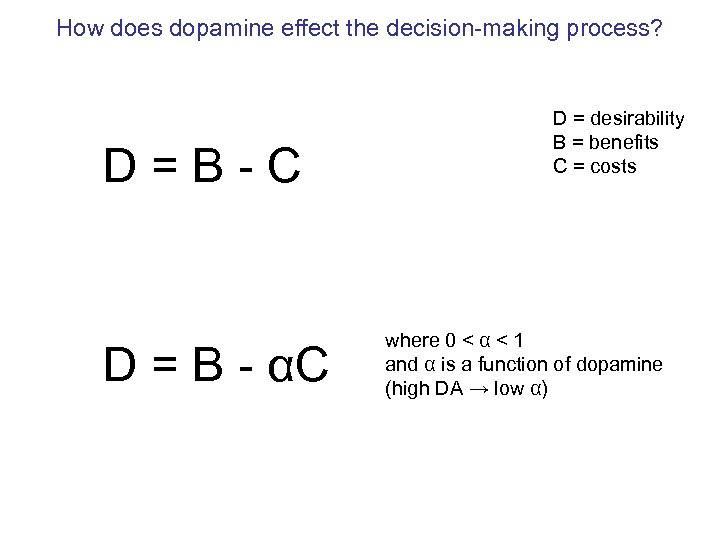 How does dopamine effect the decision-making process? D=B-C D = B - αC D = desirability B = benefits C = costs where 0 < α < 1 and α is a function of dopamine (high DA → low α)
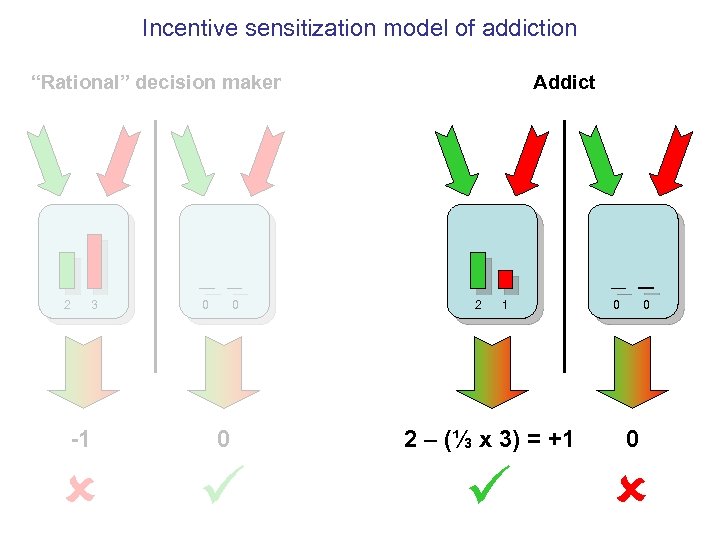 Incentive sensitization model of addiction “Rational” decision maker 2 3 0 0 Addict 2 1 0 0 -1 0 2 – (⅓ x 3) = +1 0
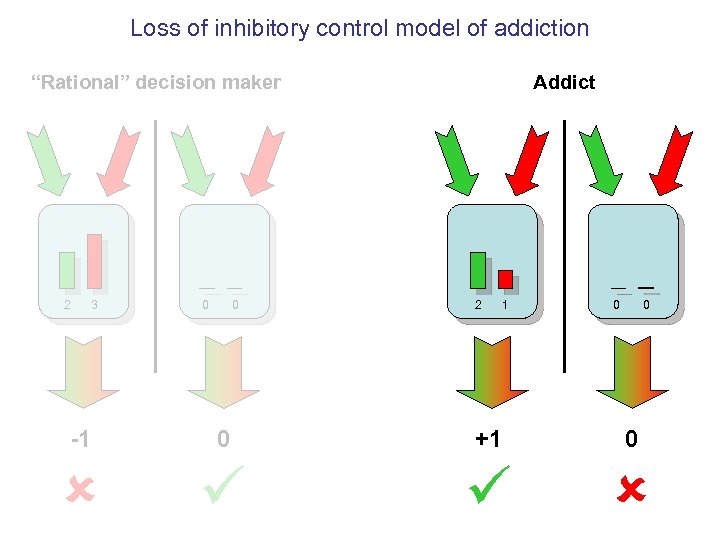 Loss of inhibitory control model of addiction “Rational” decision maker 2 3 0 0 Addict 2 1 0 0 -1 0 +1 0
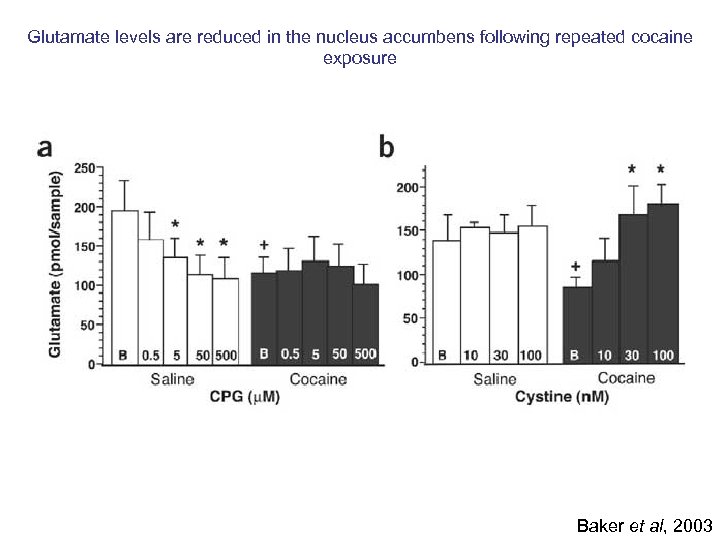 Glutamate levels are reduced in the nucleus accumbens following repeated cocaine exposure Baker et al, 2003
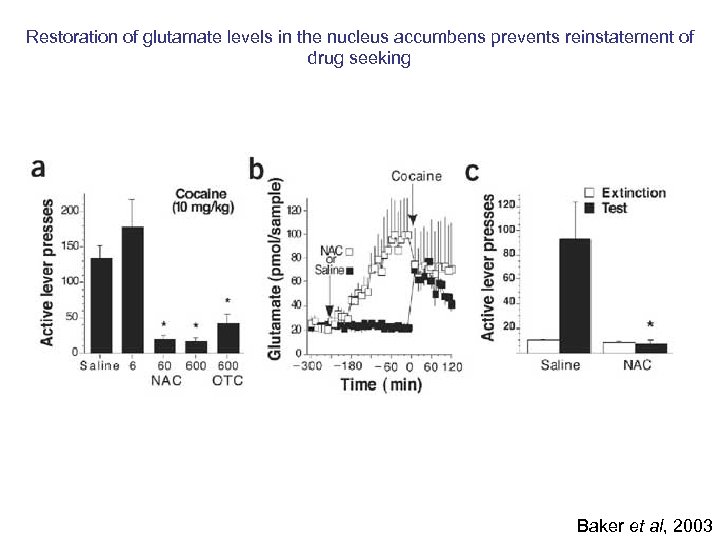 Restoration of glutamate levels in the nucleus accumbens prevents reinstatement of drug seeking Baker et al, 2003
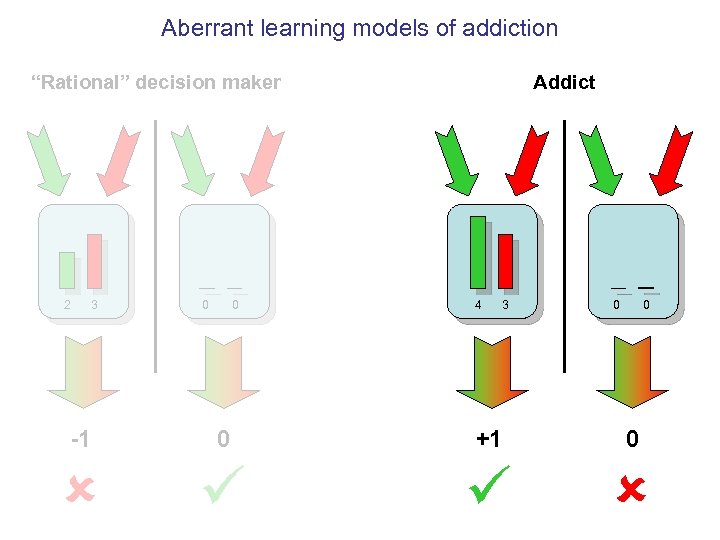 Aberrant learning models of addiction “Rational” decision maker 2 3 0 0 Addict 4 3 0 0 -1 0 +1 0
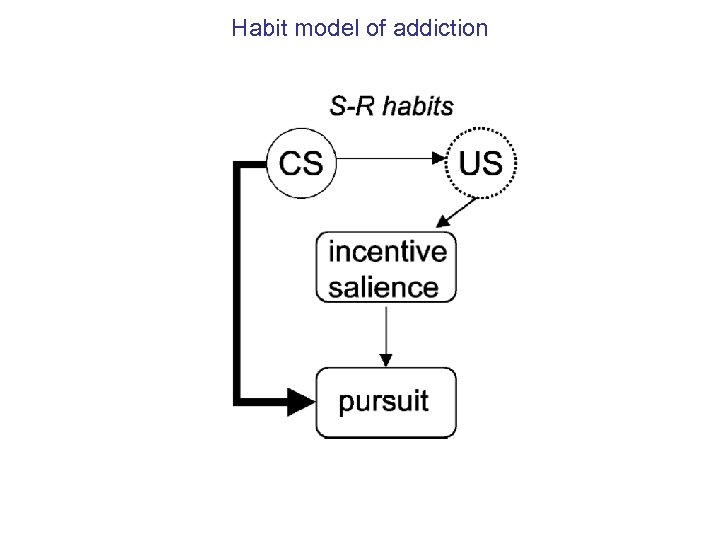 Habit model of addiction
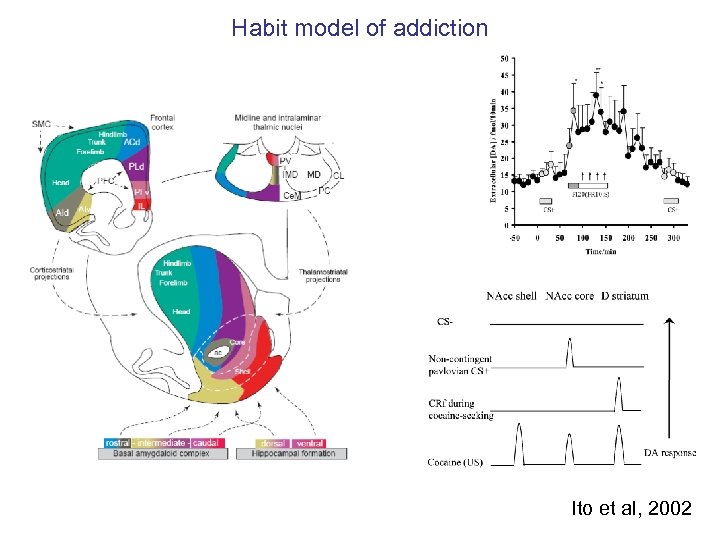 Habit model of addiction Ito et al, 2002
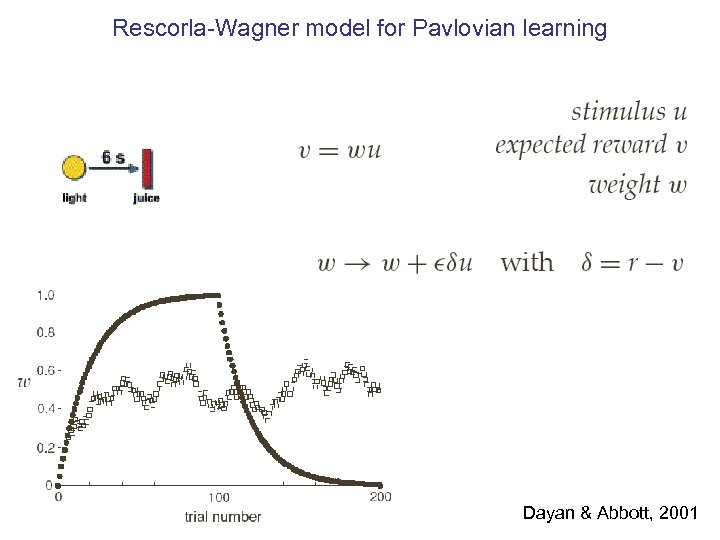 Rescorla-Wagner model for Pavlovian learning Dayan & Abbott, 2001
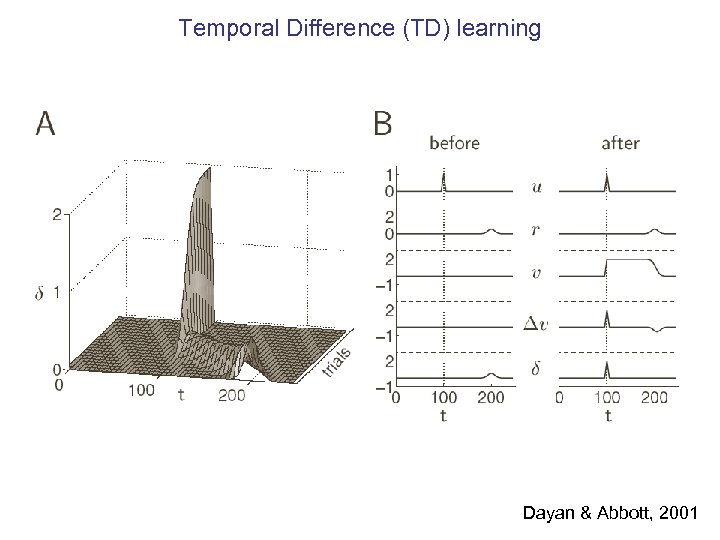 Temporal Difference (TD) learning Dayan & Abbott, 2001
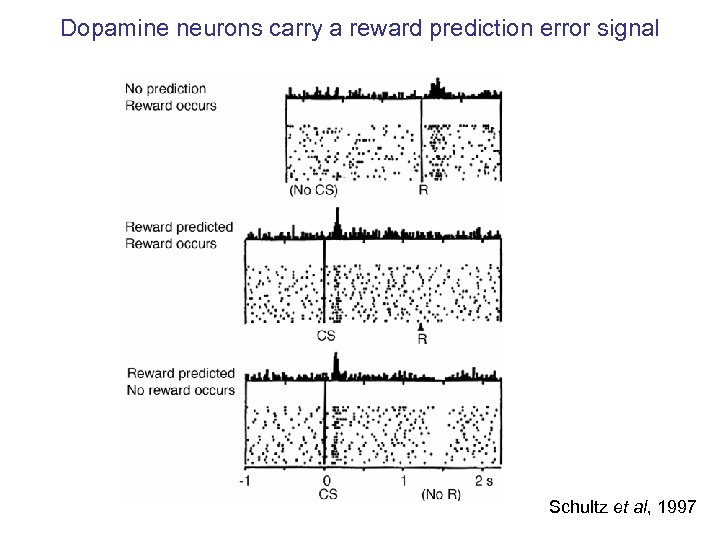 Dopamine neurons carry a reward prediction error signal Schultz et al, 1997
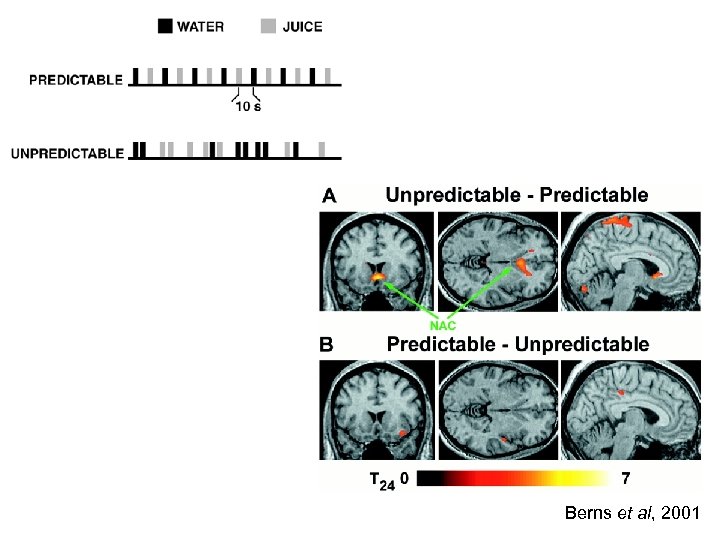 Berns et al, 2001
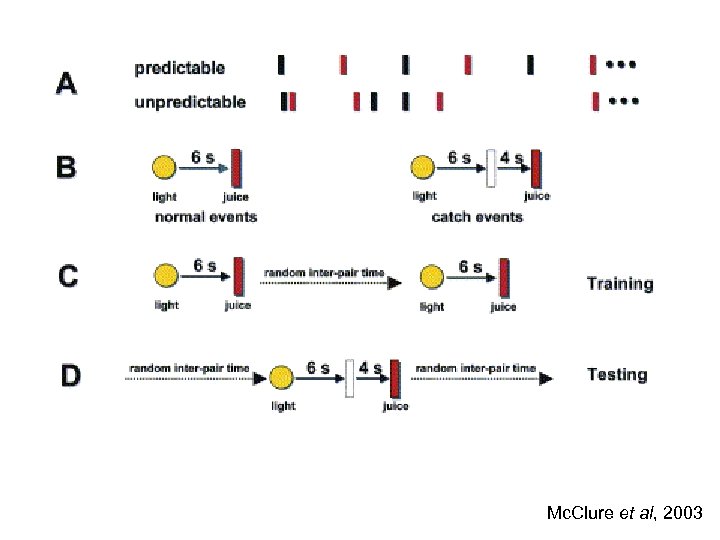 Mc. Clure et al, 2003
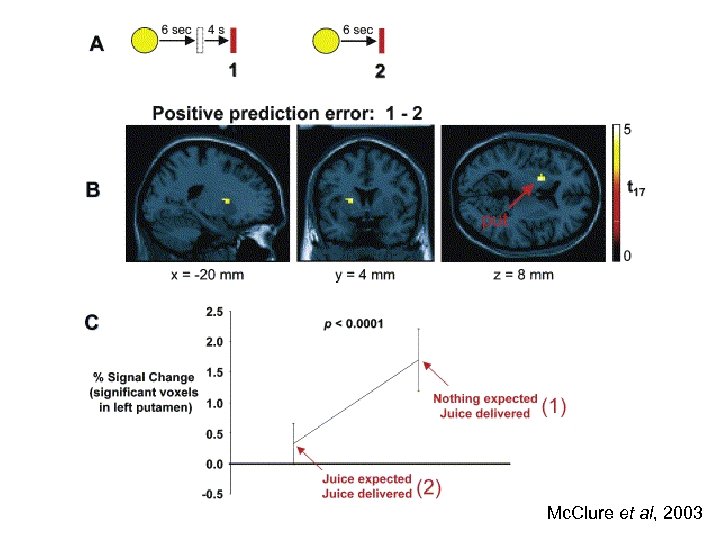 Mc. Clure et al, 2003
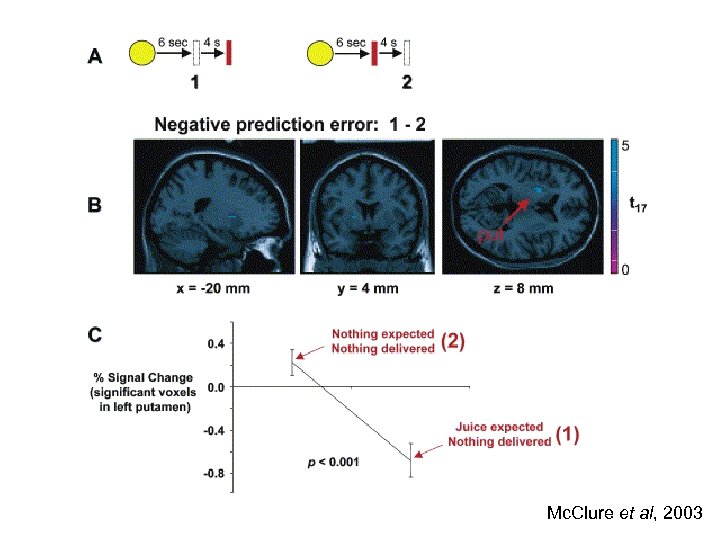 Mc. Clure et al, 2003
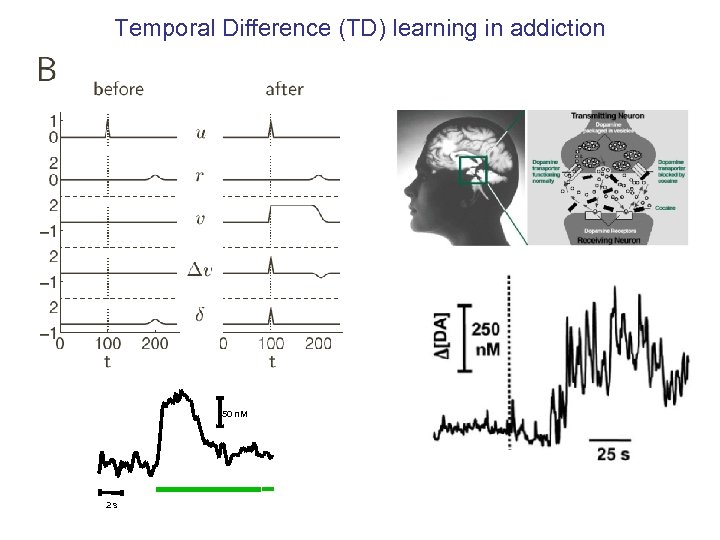 Temporal Difference (TD) learning in addiction 50 n. M 2 s
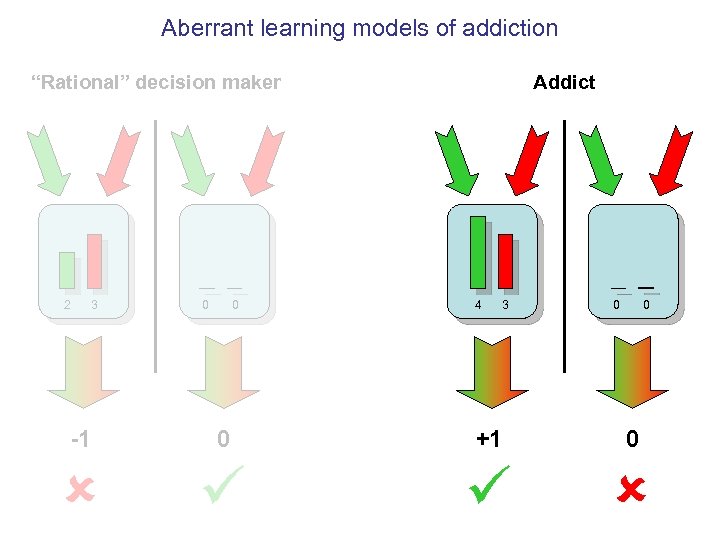 Aberrant learning models of addiction “Rational” decision maker 2 3 0 0 Addict 4 3 0 0 -1 0 +1 0