 Скачать презентацию Mobile Body Sensor Networks for Health Applications Yuan
3aa85dcaf75590491dc6aacbe5e755da.ppt
- Количество слайдов: 26



Mobile Body Sensor Networks for Health Applications Yuan Xue, Vanderbilt Posu Yan, UC Berkeley A collaborative work of Vanderbilt (Sztipanovits, Xue, Werner, Mathe, Jiang) Berkeley (Bajcsy, Sastry’s group) Cornell (Wicker group)

Topics l l Introduction Monitoring congestive heart failure (CHF) patients – – – l System overview Security support Experiments WAVE and Berkeley Fit 2
Introduction l The cost of health care has become a national concern. – – l Medicare was 35 million for 2003 and 35. 4 million for 2004 Health care expenditures in the United States will project to rise to 15. 9% of the GDP ($2. 6 trillion) by 2010. Impact of Information Technology – – Electronic Patient Records Remote Patient Monitoring l Integration of wireless communication, networking and information technology l large amount of medical information can be collected to help determine the most effective strategies for treating chronic illness, reducing disability and secondary conditions l improving health outcomes, and reducing the healthcare expenses by more efficient use of clinical resources. 3
Remote Patient Monitoring l l Needs to be part of the overall chronic disease management process. Requires fully integration of – IT Technologies l wireless communication, sensor platform, networking, and database Clinical enterprise practice Explicitly incorporates security and privacy policies to protect the end-to-end communication and access of sensitive medical information. – l 4
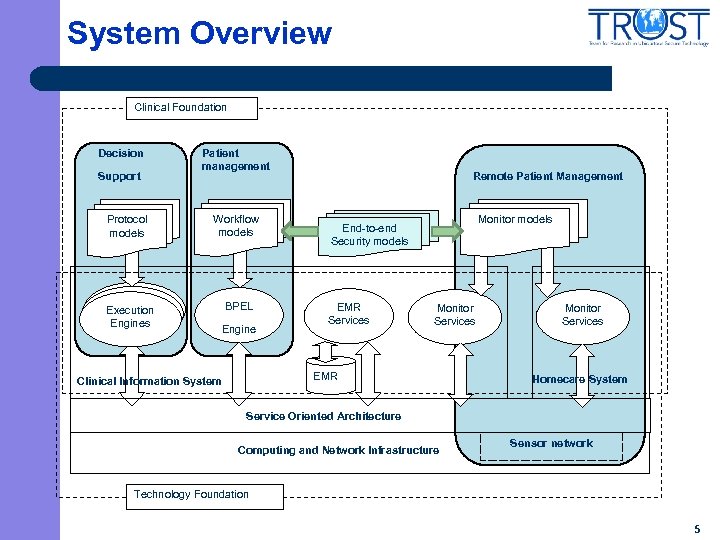
System Overview Clinical Foundation Decision Support Protocol models Execution Engines Patient management Workflow models BPEL Engine Remote Patient Management Monitor models End-to-end Security models EMR Services Monitor Services EMR Clinical Information System Monitor Services Homecare System Service Oriented Architecture Computing and Network Infrastructure Sensor network Technology Foundation 5
Monitoring CHF Patients l Provide unobtrusive and persistent monitoring – – l Weight Blood pressure Heart rate Energy expenditure Data analysis and feedback – – Automated - based on thresholds (i. e. cannot allow rapid weight fluctuation, etc. ) Doctor intervention 6
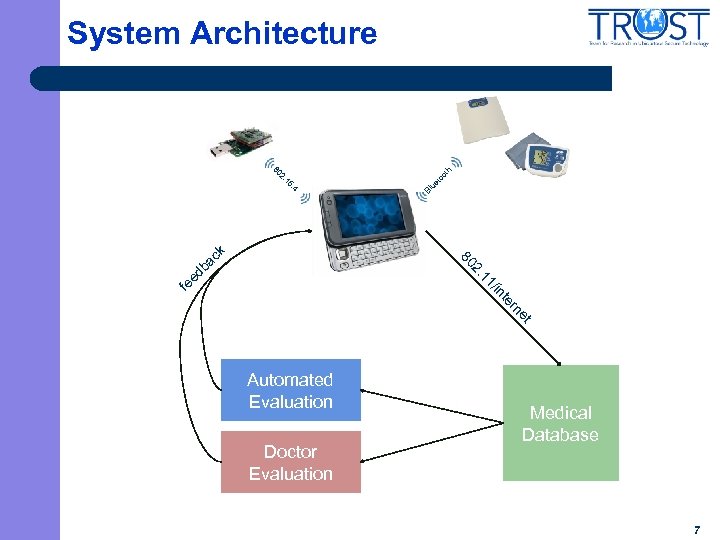
ot ue to Bl t ne er t in fe / 11 2. ed b 80 ac k . 4 15 2. 80 h System Architecture Automated Evaluation Doctor Evaluation Medical Database 7
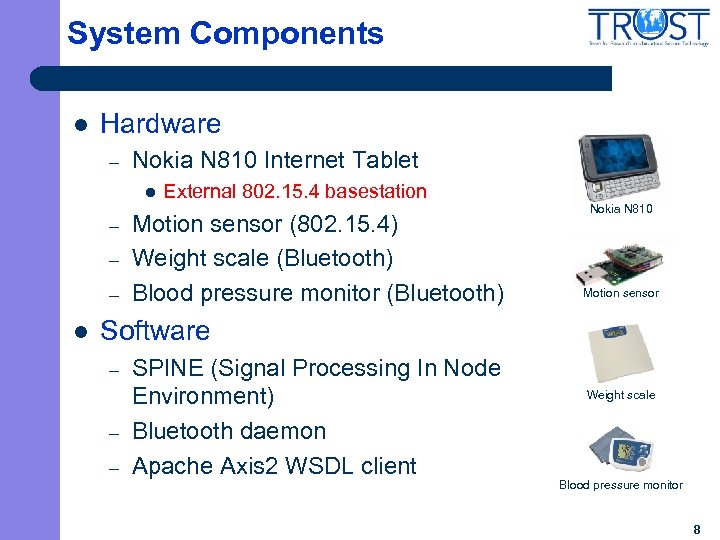
System Components l Hardware – Nokia N 810 Internet Tablet l – – – l External 802. 15. 4 basestation Motion sensor (802. 15. 4) Weight scale (Bluetooth) Blood pressure monitor (Bluetooth) Nokia N 810 Motion sensor Software – – – SPINE (Signal Processing In Node Environment) Bluetooth daemon Apache Axis 2 WSDL client Weight scale Blood pressure monitor 8
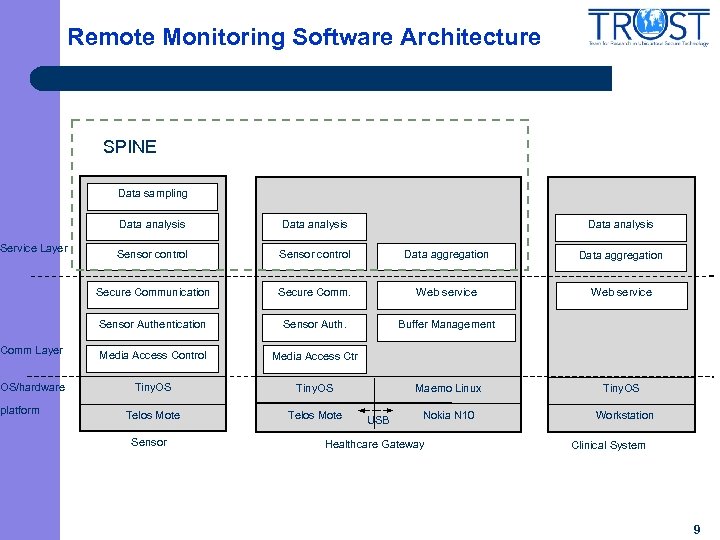
Remote Monitoring Software Architecture SPINE Data sampling Data analysis OS/hardware platform Sensor control Data aggregation Secure Comm. Web service Sensor Authentication Comm Layer Sensor control Secure Communication Service Layer Data analysis Sensor Auth. Buffer Management Media Access Control Media Access Ctr Tiny. OS Telos Mote Sensor Data analysis Maemo Linux USB Nokia N 10 Healthcare Gateway Tiny. OS Workstation Clinical System 9
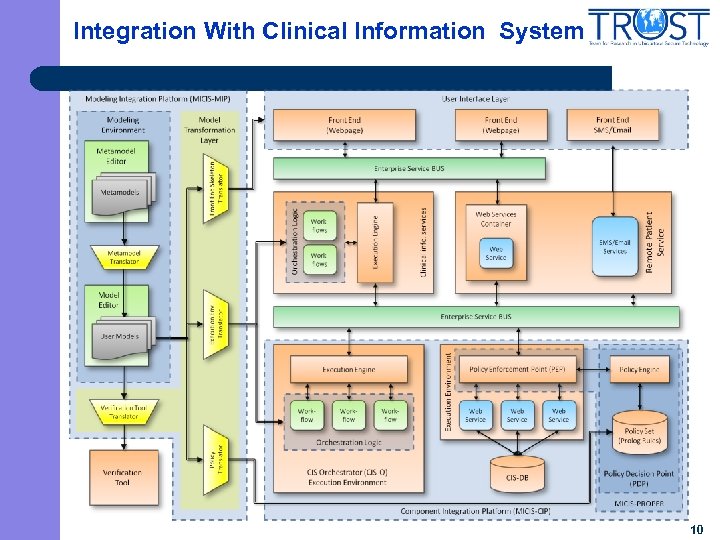
Integration With Clinical Information System 10
SPINE l Open-source framework for managing wireless sensor networks – Discovery l – Configuration l – Energy expenditure feature @ 1 Hz Data processing l l 1 motion sensor node Calculate kilocalories per minute SPINEController – Main application which runs a SPINE server, communicates with Bluetooth daemon, runs networking thread (WSDL Client) 11
Bluetooth Daemon l Communicates with weight scale and blood pressure monitor – – l SDP (Service Discovery Protocol) and SPP (Serial Port Profile) protocols Hardware configured to send last measurement automatically after measurement is taken Communicates with SPINEController through text files 12
Apache Axis 2 WSDL Client l l Runs in thread in SPINEController Queues data – – l Sends data in queue to medical database Automatically retries to send data if unsuccessful (no wireless connectivity) Data log files – – All data Queued data 13
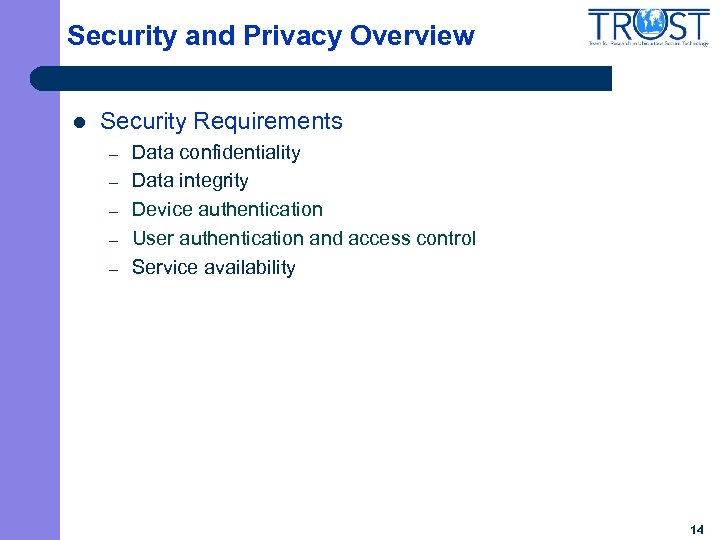
Security and Privacy Overview l Security Requirements – – – Data confidentiality Data integrity Device authentication User authentication and access control Service availability 14
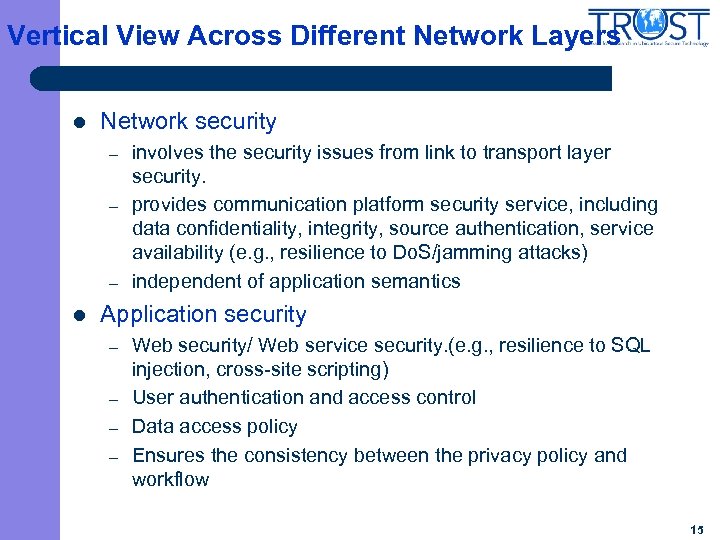
Vertical View Across Different Network Layers l Network security – – – l involves the security issues from link to transport layer security. provides communication platform security service, including data confidentiality, integrity, source authentication, service availability (e. g. , resilience to Do. S/jamming attacks) independent of application semantics Application security – – Web security/ Web service security. (e. g. , resilience to SQL injection, cross-site scripting) User authentication and access control Data access policy Ensures the consistency between the privacy policy and workflow 15
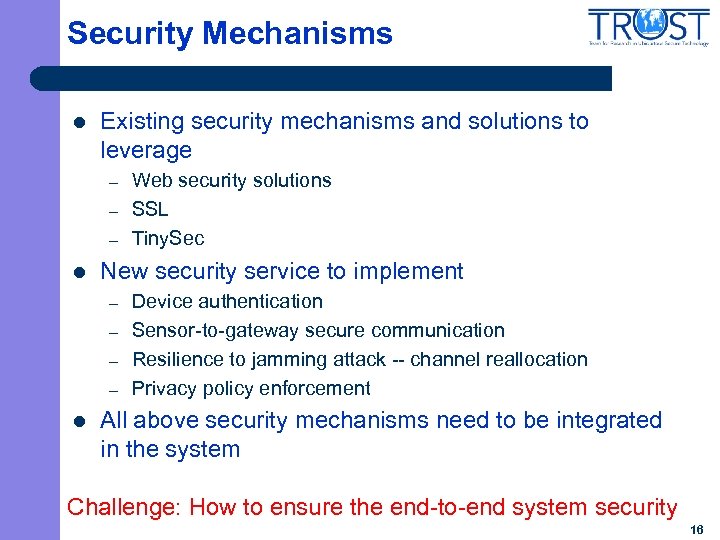
Security Mechanisms l Existing security mechanisms and solutions to leverage – – – l New security service to implement – – l Web security solutions SSL Tiny. Sec Device authentication Sensor-to-gateway secure communication Resilience to jamming attack -- channel reallocation Privacy policy enforcement All above security mechanisms need to be integrated in the system Challenge: How to ensure the end-to-end system security 16
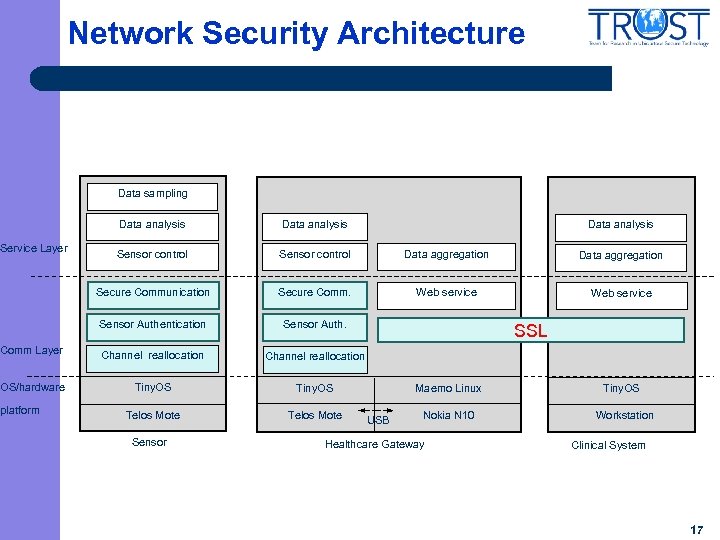
Network Security Architecture Service Layer Comm Layer OS/hardware platform Data sampling Data analysis Sensor control Data aggregation Secure Communication Secure Comm. Web service Sensor Authentication Sensor Auth. Channel reallocation Tiny. OS Telos Mote Sensor Data analysis SSL Maemo Linux USB Nokia N 10 Healthcare Gateway Tiny. OS Workstation Clinical System 17
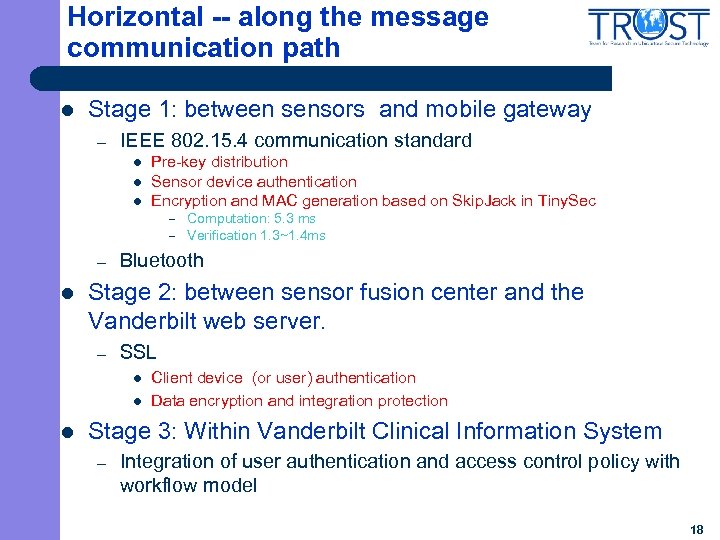
Horizontal -- along the message communication path l Stage 1: between sensors and mobile gateway – IEEE 802. 15. 4 communication standard l l l Pre-key distribution Sensor device authentication Encryption and MAC generation based on Skip. Jack in Tiny. Sec – Computation: 5. 3 ms – Verification 1. 3~1. 4 ms – l Bluetooth Stage 2: between sensor fusion center and the Vanderbilt web server. – SSL l l l Client device (or user) authentication Data encryption and integration protection Stage 3: Within Vanderbilt Clinical Information System – Integration of user authentication and access control policy with workflow model 18
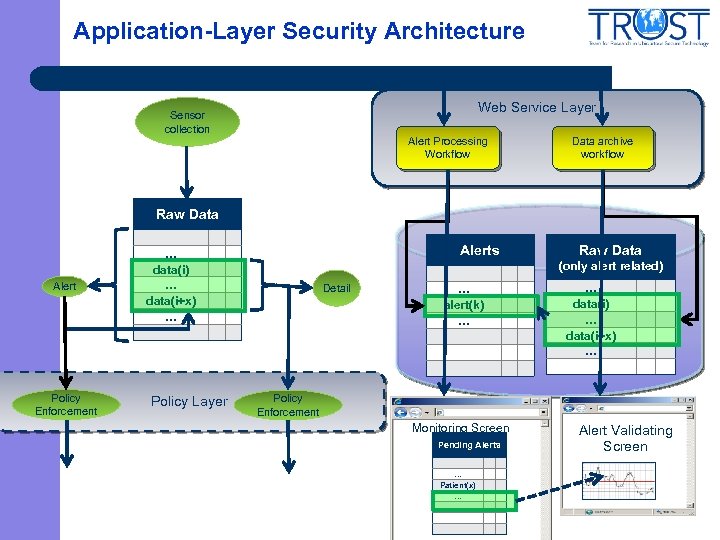
Application-Layer Security Architecture Web Service Layer Sensor collection Alert Processing Workflow Data archive workflow Raw Data Alert Policy Enforcement Alerts … data(i) … data(i+x) … Policy Layer Raw Data (only alert related) Detail … alert(k) … … data(i) … data(i+x) … Policy Enforcement Monitoring Screen Pending Alerts … Patient(x) … Alert Validating Screen
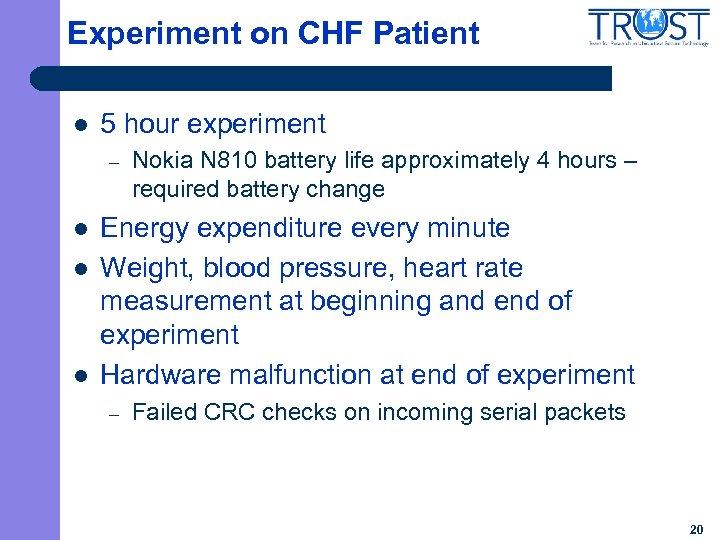
Experiment on CHF Patient l 5 hour experiment – l l l Nokia N 810 battery life approximately 4 hours – required battery change Energy expenditure every minute Weight, blood pressure, heart rate measurement at beginning and end of experiment Hardware malfunction at end of experiment – Failed CRC checks on incoming serial packets 20
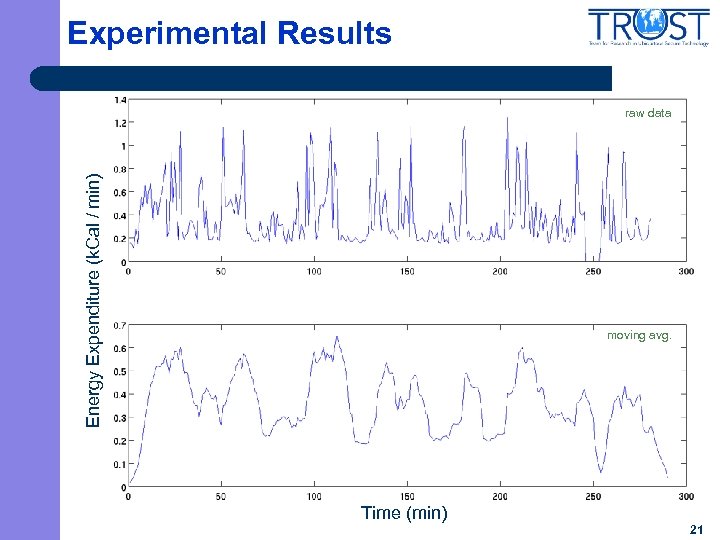
Experimental Results Energy Expenditure (k. Cal / min) raw data moving avg. Time (min) 21
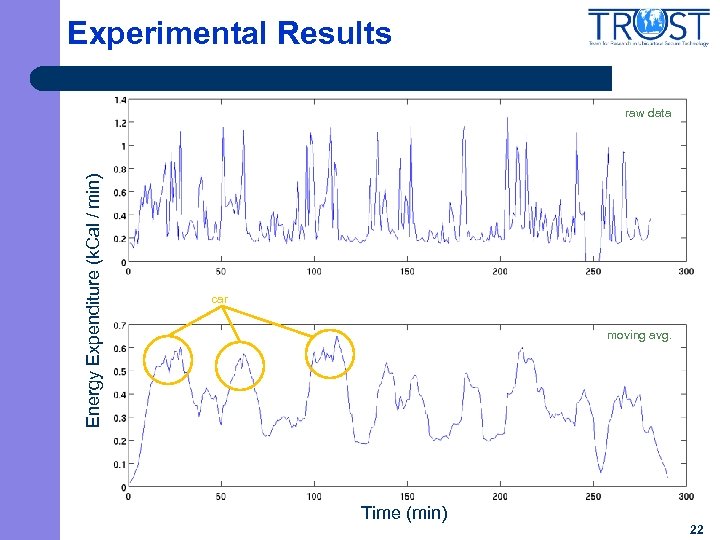
Experimental Results Energy Expenditure (k. Cal / min) raw data car moving avg. Time (min) 22
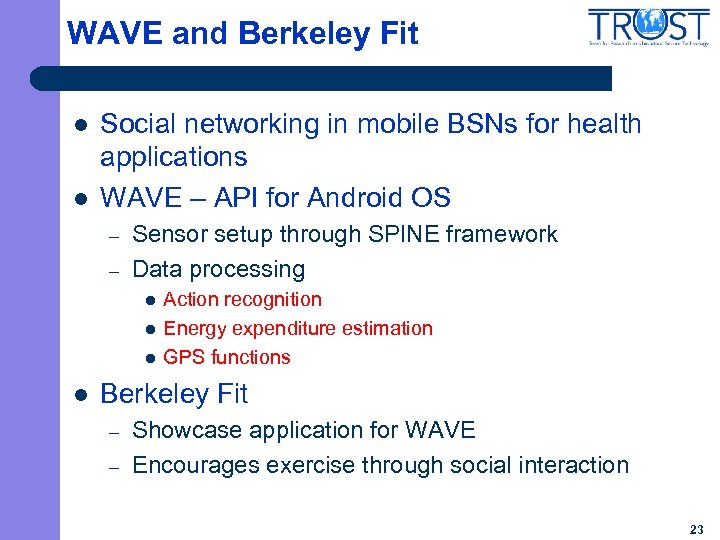
WAVE and Berkeley Fit l l Social networking in mobile BSNs for health applications WAVE – API for Android OS – – Sensor setup through SPINE framework Data processing l l Action recognition Energy expenditure estimation GPS functions Berkeley Fit – – Showcase application for WAVE Encourages exercise through social interaction 23
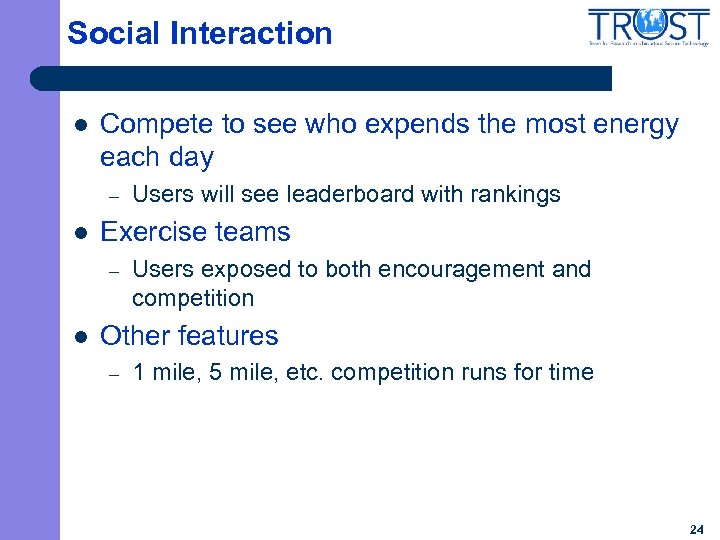
Social Interaction l Compete to see who expends the most energy each day – l Exercise teams – l Users will see leaderboard with rankings Users exposed to both encouragement and competition Other features – 1 mile, 5 mile, etc. competition runs for time 24
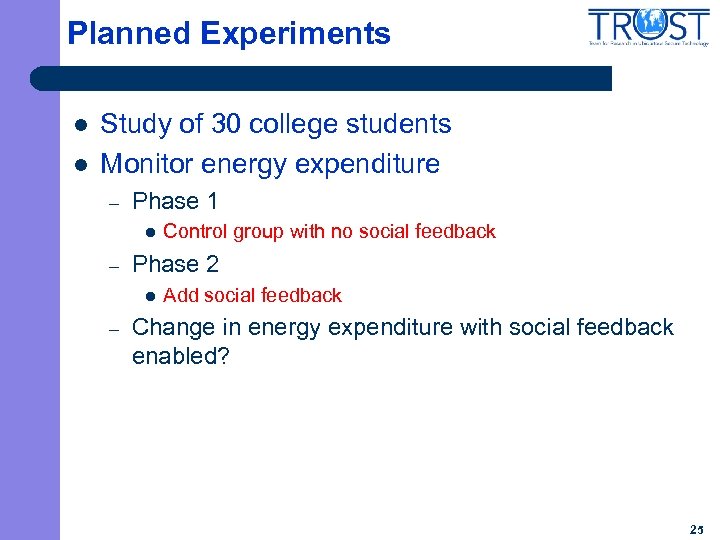
Planned Experiments l l Study of 30 college students Monitor energy expenditure – Phase 1 l – Phase 2 l – Control group with no social feedback Add social feedback Change in energy expenditure with social feedback enabled? 25
Summary and Future Work l Our system is consistent with the existing clinical enterprise practice, and thus have the capability to scale and become part of the overall patient management process. l Future Work – Full migration to Android l – – – Current Android release has no support for Bluetooth – no external sensors – Android 2. 0 will have Bluetooth API Distributed action recognition Experiments on obese children Extension of security models to sensor networking system and integration with application-level security models 26
Скачать презентацию Mobile Body Sensor Networks for Health Applications Yuan
3aa85dcaf75590491dc6aacbe5e755da.ppt