


 Скачать презентацию Mme Sally WYATT ROYAL NETHERLANDS ACADEMY MAASTRICHT
173fe0f6e43a08d2df36083b53cb73cf.ppt
- Количество слайдов: 11
 Mme Sally WYATT ROYAL NETHERLANDS ACADEMY & MAASTRICHT UNIVERSITY
 Santé, internet, information
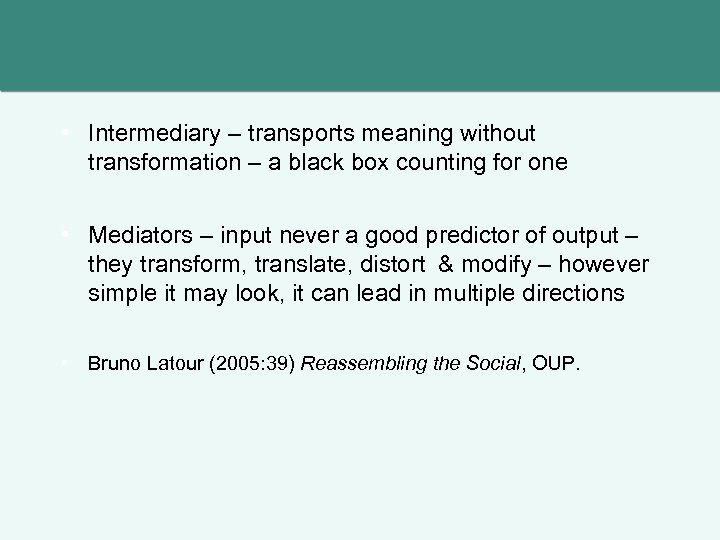 • Intermediary – transports meaning without transformation – a black box counting for one • Mediators – input never a good predictor of output – they transform, translate, distort & modify – however simple it may look, it can lead in multiple directions • Bruno Latour (2005: 39) Reassembling the Social, OUP.
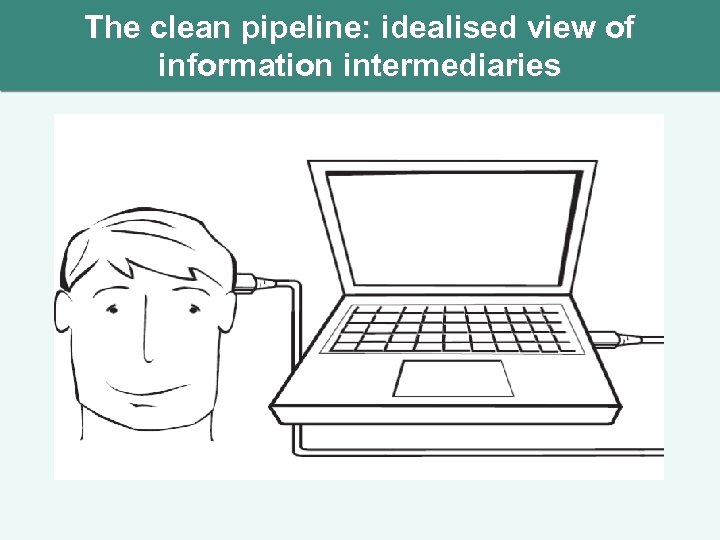 The clean pipeline: idealised view of information intermediaries
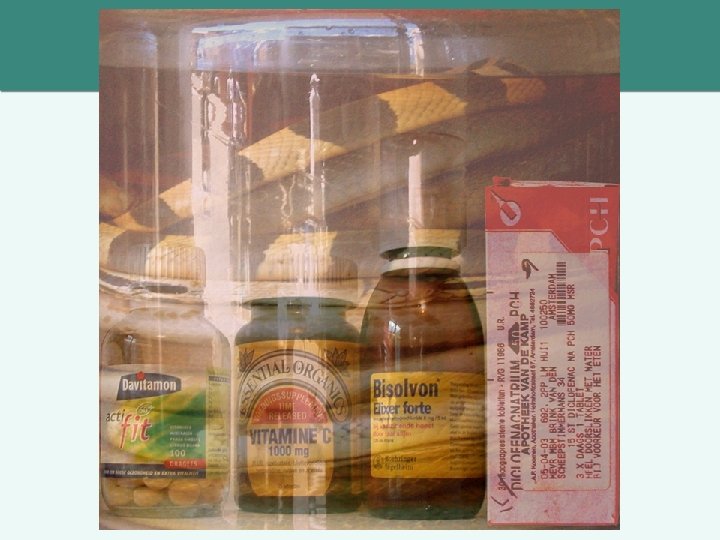
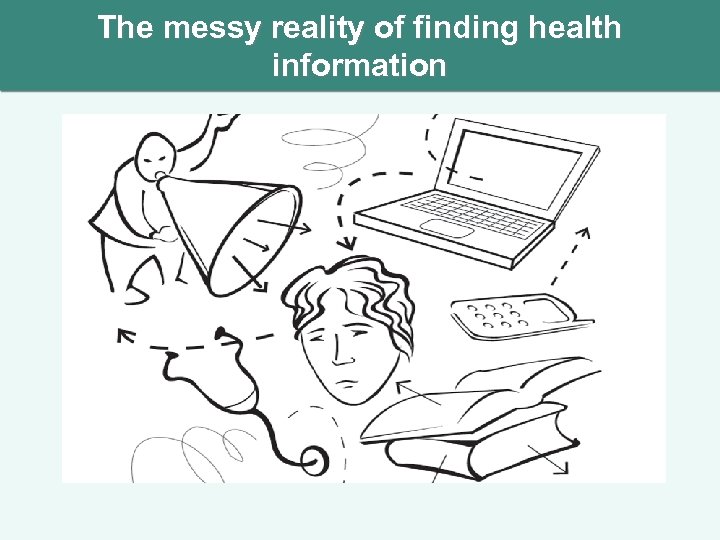 The messy reality of finding health information
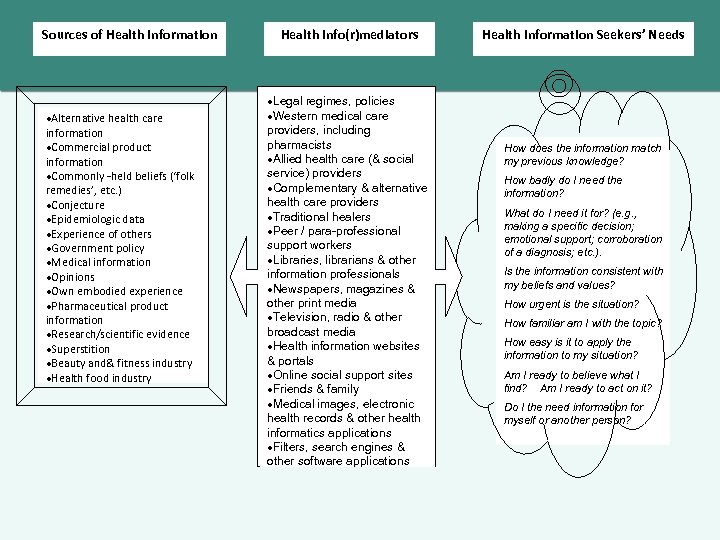 Sources of Health Information Alternative health care information Commercial product information Commonly -held beliefs (‘folk remedies’, etc. ) Conjecture Epidemiologic data Experience of others Government policy Medical information Opinions Own embodied experience Pharmaceutical product information Research/scientific evidence Superstition Beauty and& fitness industry Health food industry Health Info(r)mediators Legal regimes, policies Western medical care providers, including pharmacists Allied health care (& social service) providers Complementary & alternative health care providers Traditional healers Peer / para-professional support workers Libraries, librarians & other information professionals Newspapers, magazines & other print media Television, radio & other broadcast media Health information websites & portals Online social support sites Friends & family Medical images, electronic health records & other health informatics applications Filters, search engines & other software applications Health Information Seekers’ Needs How does the information match my previous knowledge? How badly do I need the information? What do I need it for? (e. g. , making a specific decision; emotional support; corroboration of a diagnosis; etc. ). Is the information consistent with my beliefs and values? How urgent is the situation? How familiar am I with the topic? How easy is it to apply the information to my situation? Am I ready to believe what I find? Am I ready to act on it? Do I the need information for myself or another person?
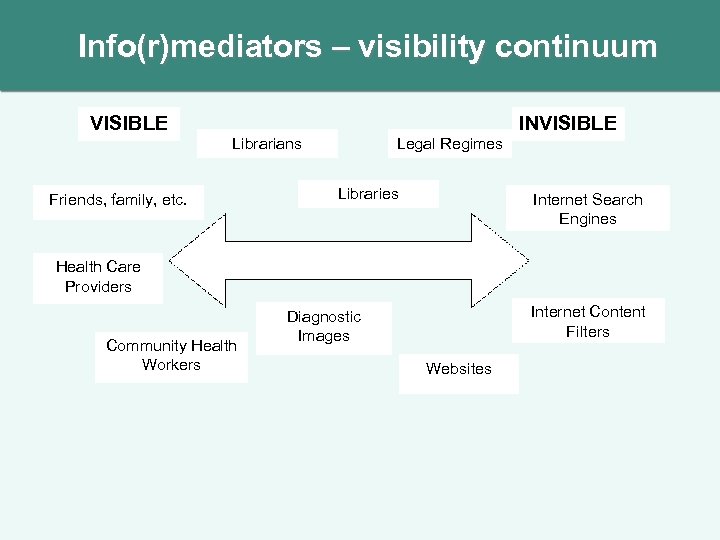 Info(r)mediators – visibility continuum VISIBLE Librarians Friends, family, etc. Legal Regimes Libraries INVISIBLE Internet Search Engines Health Care Providers Community Health Workers Internet Content Filters Diagnostic Images Websites
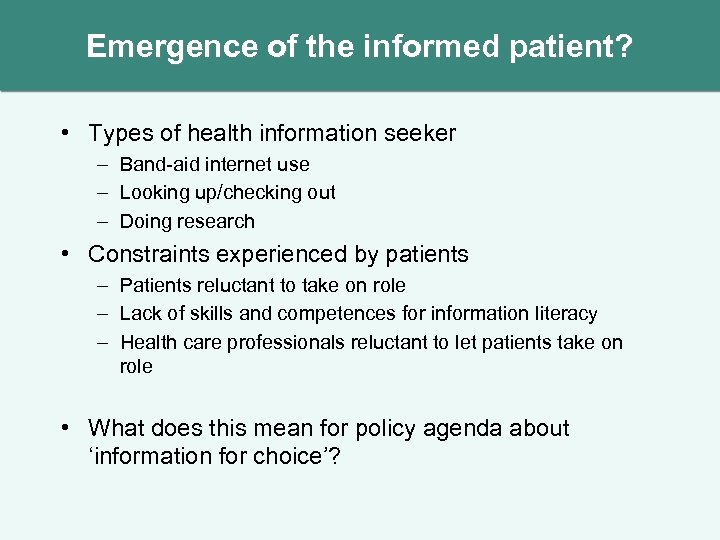 Emergence of the informed patient? • Types of health information seeker – Band-aid internet use – Looking up/checking out – Doing research • Constraints experienced by patients – Patients reluctant to take on role – Lack of skills and competences for information literacy – Health care professionals reluctant to let patients take on role • What does this mean for policy agenda about ‘information for choice’?
 Web 2. 0 • New patient responsibilities – Sharing health information – Sharing health experiences – Sharing experiences of health care provision • Who benefits? Evidence for what and for whom? • Legal and ethical constraints
 Vive la différence! • Using the internet to find and share health information is not a linear process. Different ways of using the internet need to be understood in terms of different types of users and also in relation to different temporal and social trajectories. Health, well-being, ageing, changing jobs, moving house all affect how people, individually and collectively, use the internet.