 Скачать презентацию Miss Boughey www weatherheadhistory ik org Downloaded from
3fbd95cd1d52638b8e27ade5cbb06284.ppt
- Количество слайдов: 6




Miss Boughey: www. weatherheadhistory. ik. org Downloaded from www. School. History. co. uk
The appliance of organic chemistry solved the old problem of keeping soil fertile. A scientist, Justus von Leibig, discovered that chemicals known as nitrates and phosphates were the most important nutrients needed by plants and crops. The best source for this was crushed animal bones which could be spread on the fields.
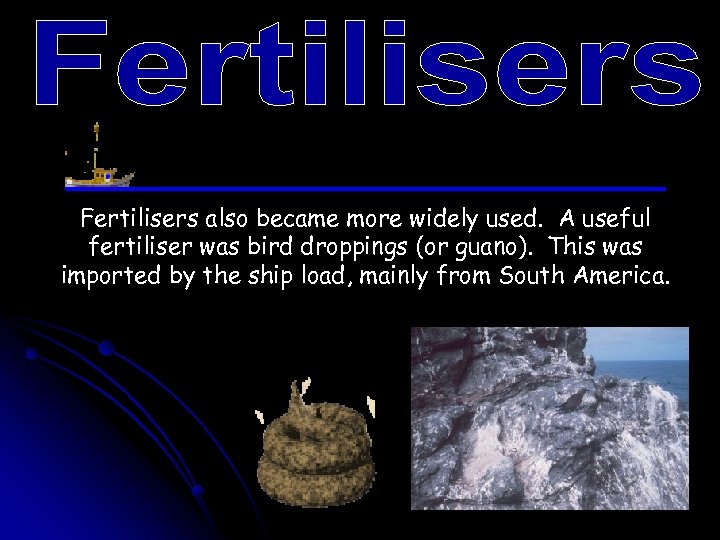
Fertilisers also became more widely used. A useful fertiliser was bird droppings (or guano). This was imported by the ship load, mainly from South America.
Another important development came in 1843. A landowner, called J. B. Lawes set up a scientific research station on his fields at Rothamstead. He experimented and noted the effects of different fertilisers on different plots of land. His greatest success was the production of superphosphates which he made by using sulphuric acid on bones. Britain had discovered artificial fertilisers.
1. Scientific advances also brought new levels of efficiency to pastoral farming. 2. Animal feeds were produced by crushing seed crops (linseed, oilseed and rape) to produce oilcake – used for fattening cattle. 3. The development of artificial fertilisers meant that farmers could specialise more effectively.
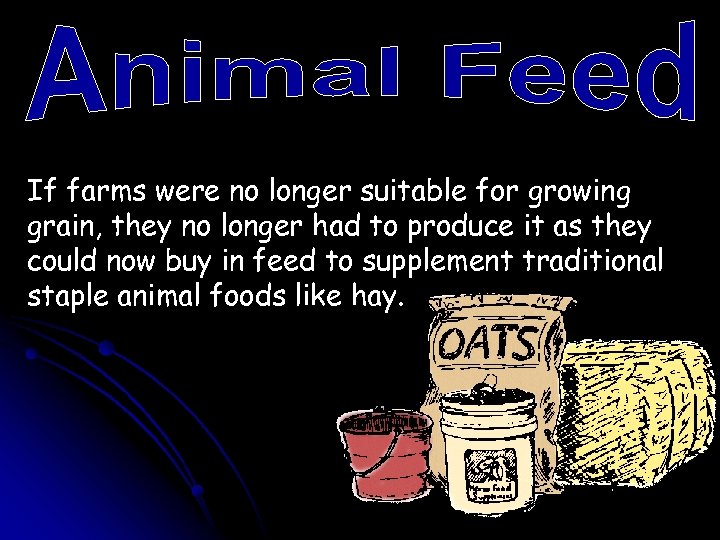
If farms were no longer suitable for growing grain, they no longer had to produce it as they could now buy in feed to supplement traditional staple animal foods like hay.
Скачать презентацию Miss Boughey www weatherheadhistory ik org Downloaded from
3fbd95cd1d52638b8e27ade5cbb06284.ppt