 Скачать презентацию Ministry of Education and science of Republic Kazakhstan
litra Dari.pptx
- Количество слайдов: 17



Ministry of Education and science of Republic Kazakhstan Abylai Khan University of International Relations and world languages Faculty: Translation and Philology Chair: Foreign Philology Theme : The place of literature among arts. The particularities of literature as an art. Done by: Checked by:
What is literature? “Literature is a term used to describe written or spoken material. Broadly speaking, "literature" is used to describe anything from creative writing to more technical or scientific works, but the term is most commonly used to refer to works of the creative imagination, including works of poetry, drama, fiction, and nonfiction.
What is art? It is easier to describe it as the way something is done -- "the use of skill and imagination in the creation of aesthetic objects, environments, or experiences that can be shared with others"
Art makes use of the following things Perspective Light Color Form Motion Proportion Symbols Lines
Whether you’re the reader, or the writer, a great story includes all these literary elements!!! foreshadowing protagonist conflict characters setting point of view climax
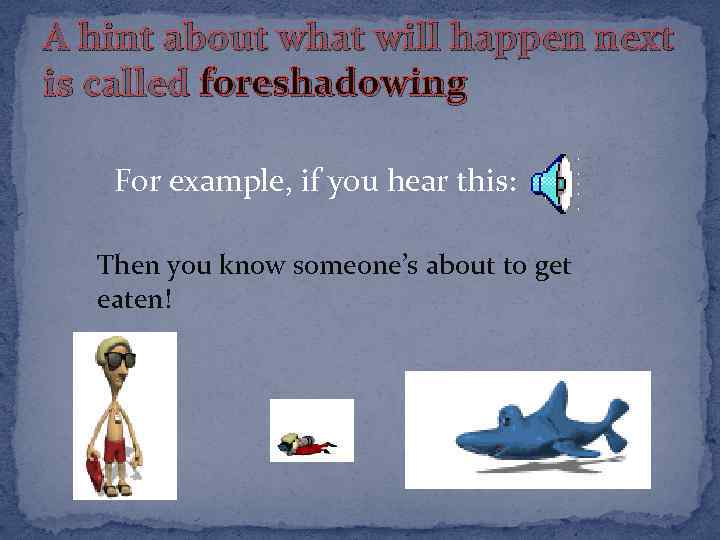
A hint about what will happen next is called foreshadowing For example, if you hear this: Then you know someone’s about to get eaten!
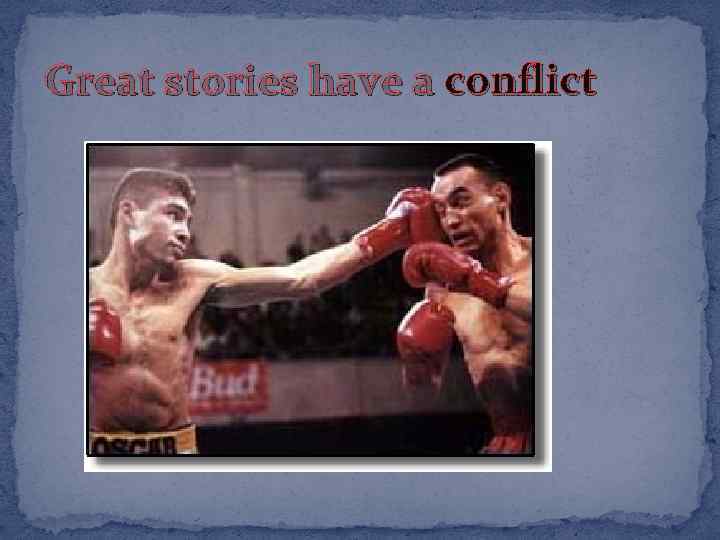
Great stories have a conflict
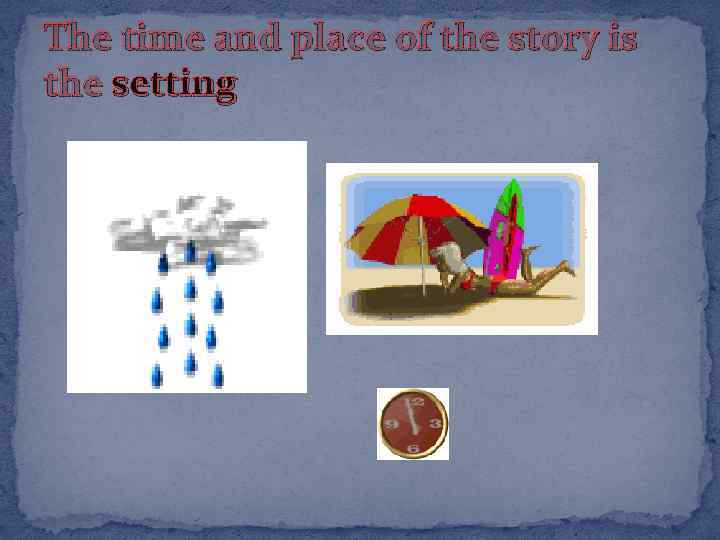
The time and place of the story is the setting
Every story needs characters People Animals Or Creatures
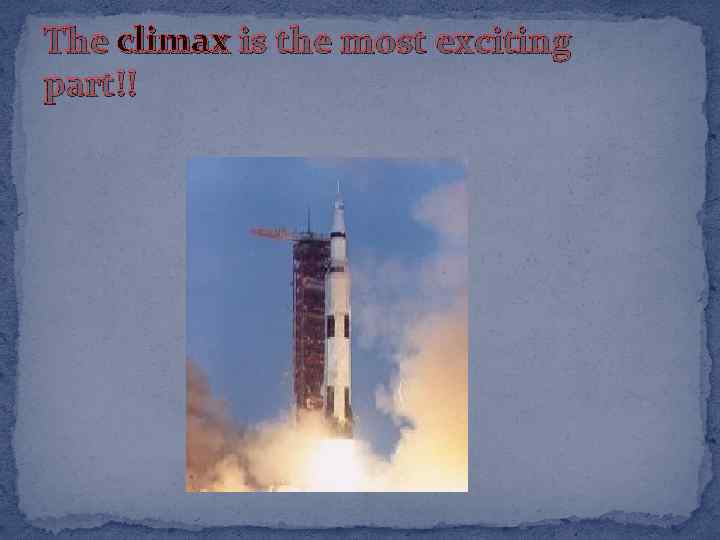
The climax is the most exciting part!!
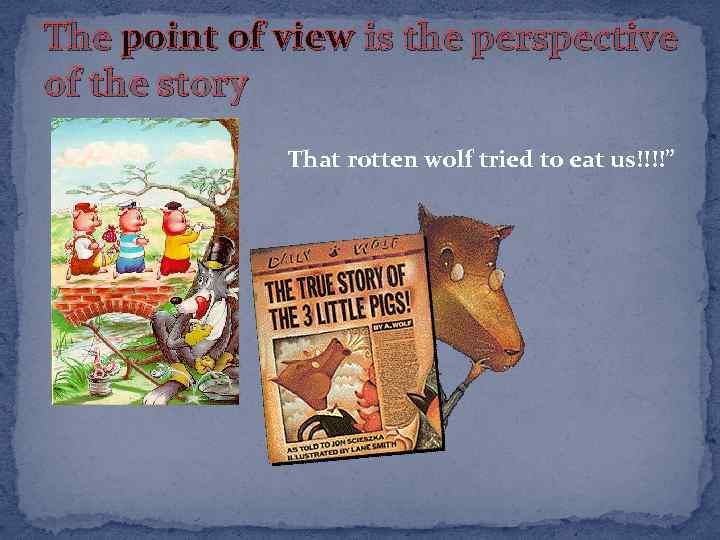
The point of view is the perspective of the story That rotten wolf tried to eat us!!!!”
If a picture paints a thousand words then an author surely writes them. In The World According to Garp, Garp said something to the effect that writers write because they can't paint. Both create mages that speak more than just paint, canvas and a subject or words on a page with a characters and a plot. A painting will grab your attention because of it's detail, or lack thereof and even if t‘ s just that certain something that offers more than just what is there. A novel will do the same. Music operates on this same principle. All mediums employ devices to represent our world, to imitate reality but most importantly to lead us towards our own imagination.
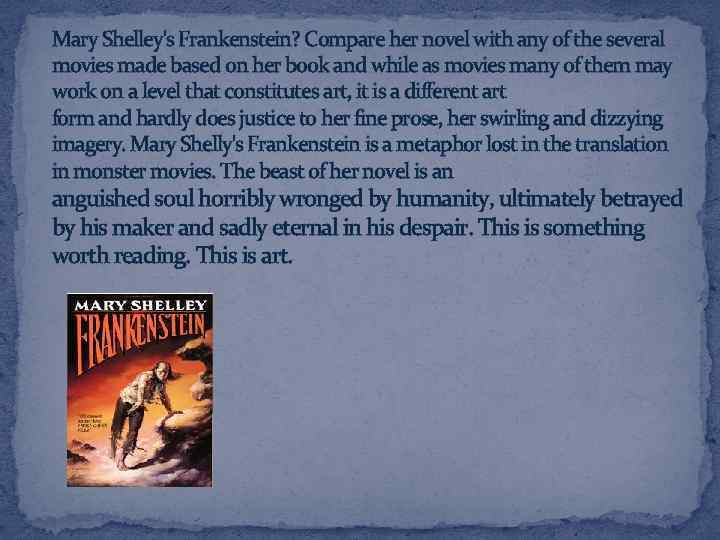
Mary Shelley's Frankenstein? Compare her novel with any of the several movies made based on her book and while as movies many of them may work on a level that constitutes art, it is a different art form and hardly does justice to her fine prose, her swirling and dizzying imagery. Mary Shelly's Frankenstein is a metaphor lost in the translation in monster movies. The beast of her novel is an anguished soul horribly wronged by humanity, ultimately betrayed by his maker and sadly eternal in his despair. This is something worth reading. This is art.
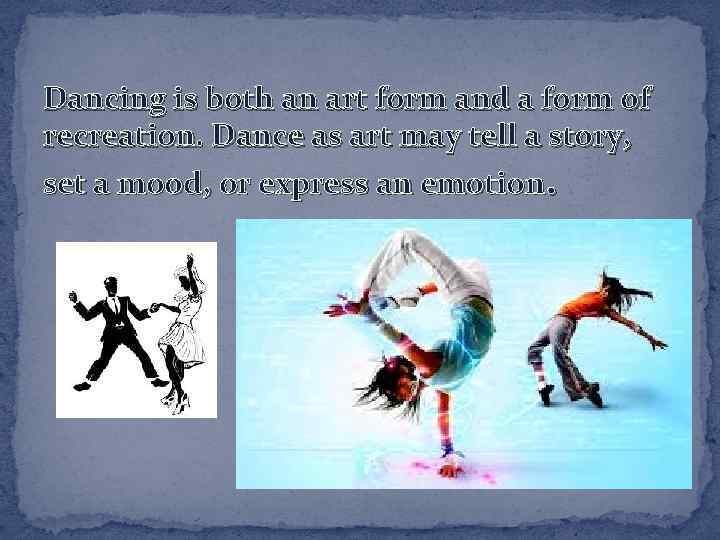
Dancing is both an art form and a form of recreation. Dance as art may tell a story, set a mood, or express an emotion.
Literature, like the other arts you mention, is an expression of individual thought and feeling achieved through the creative process. Artists seek to share their experiences, observations, and understanding (their "truths") through the medium that most effectively lends itself to their personal skills and abilities. Whether artists are writing stories, painting pictures, writing music, composing a photograph, or creating a film, they are expressing their relationship to the world around them at that moment. Their works share certain expressive elements, such as structure, theme, and tone. Art connects human beings to each other in that it allows us to share each other's perceptions, emotions, and experiences. A gifted artist may capture creatively what we feel but cannot express ourselves.
Conclusion I tend to think that all of these arts are a response to the culture and events of particular time periods. Though literature may not be directly affected by another type of artistic movement, both are affected by history. For example, when you looked at Modernist literature (Early 20 th century) and compare that to the other arts, certain themes pop up: the need for the individual to express himself or herself in an increasingly more chaotic world, an experimentation with or even rejection of certain traditional elements, etc. For example, compare and contrast the movie Metropolis (directed by Fritz Lang in 1927) with The Trial (1925) by Franz Kafka, you see two completely separate works that both deal with the fear of dystopia and the complete extermination of individual free will. Considering both of these were created post World War I by German artists who would have reason to fear a crumbling society, this feeling certainly makes sense
Thank you for attention!
Скачать презентацию Ministry of Education and science of Republic Kazakhstan
litra Dari.pptx