


 Скачать презентацию Methane turnover in permafrost affected landscapes and its
Lecture_SChool_Ladoga.pptx
- Количество слайдов: 35
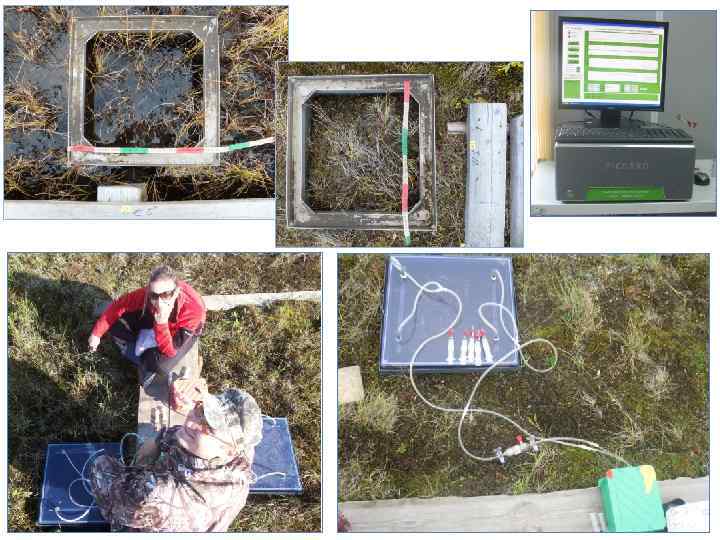
 Methane turnover in permafrost affected landscapes and its study on different scales A general overview on methane fluxes in permafrost landscapes Microbial processes in the methane turnover in soils (methane production and oxidation) Stable isotopes in methane turnover research Different methods and scales of methane detection Chamber methods Field school-seminar for young scientists on polar research September 18— 23, 2016, Field station of AARI “Ladoga”
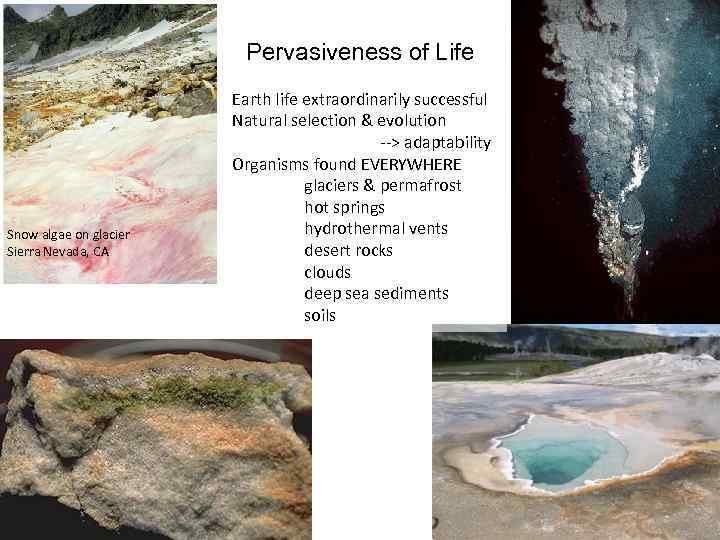 Pervasiveness of Life Snow algae on glacier Sierra Nevada, CA Earth life extraordinarily successful Natural selection & evolution --> adaptability Organisms found EVERYWHERE glaciers & permafrost hot springs hydrothermal vents desert rocks clouds deep sea sediments soils
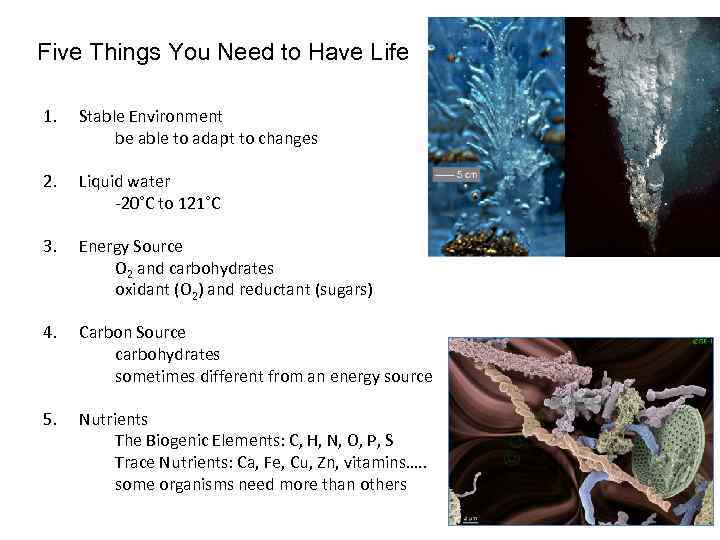 Five Things You Need to Have Life 1. Stable Environment be able to adapt to changes 2. Liquid water -20˚C to 121˚C 3. Energy Source O 2 and carbohydrates oxidant (O 2) and reductant (sugars) 4. Carbon Source carbohydrates sometimes different from an energy source 5. Nutrients The Biogenic Elements: C, H, N, O, P, S Trace Nutrients: Ca, Fe, Cu, Zn, vitamins…. . some organisms need more than others
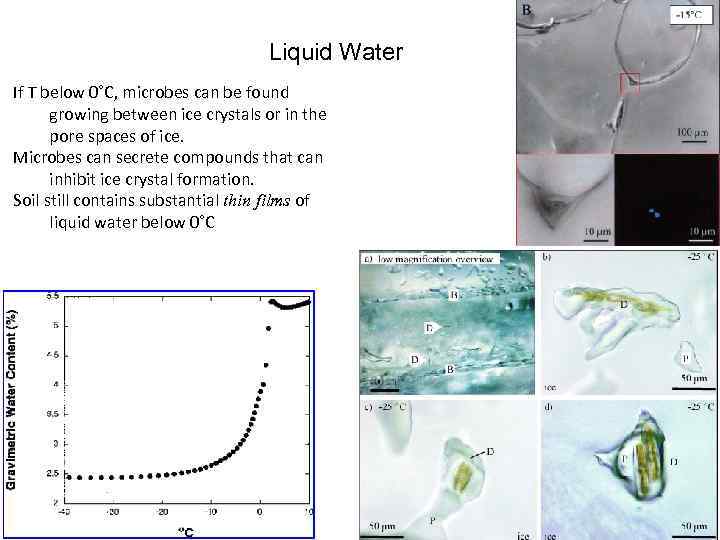 Liquid Water If T below 0˚C, microbes can be found growing between ice crystals or in the pore spaces of ice. Microbes can secrete compounds that can inhibit ice crystal formation. Soil still contains substantial thin films of liquid water below 0˚C
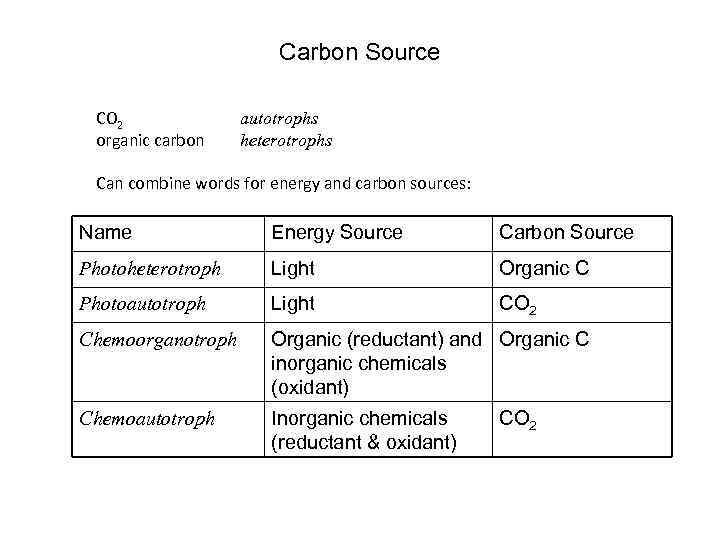 Carbon Source CO 2 organic carbon autotrophs heterotrophs Can combine words for energy and carbon sources: Name Energy Source Carbon Source Photoheterotroph Light Organic C Photoautotroph Light CO 2 Chemoorganotroph Organic (reductant) and Organic C inorganic chemicals (oxidant) Chemoautotroph Inorganic chemicals (reductant & oxidant) CO 2
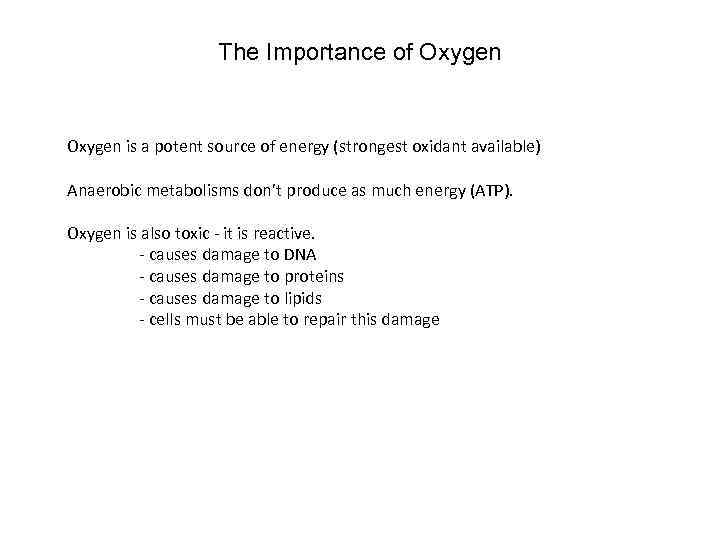 The Importance of Oxygen is a potent source of energy (strongest oxidant available) Anaerobic metabolisms don’t produce as much energy (ATP). Oxygen is also toxic - it is reactive. - causes damage to DNA - causes damage to proteins - causes damage to lipids - cells must be able to repair this damage
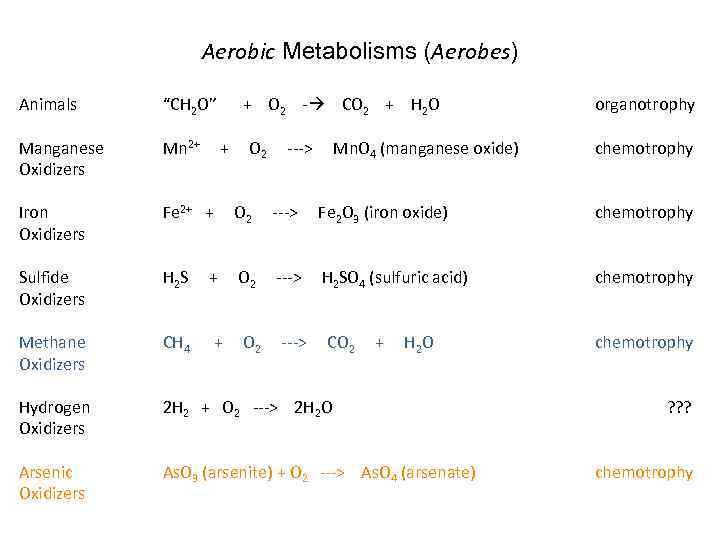 Aerobic Metabolisms (Aerobes) Animals “CH 2 O” + O 2 - CO 2 + H 2 O Manganese Oxidizers Mn 2+ Iron Oxidizers Fe 2+ + O 2 ---> Fe 2 O 3 (iron oxide) chemotrophy Sulfide Oxidizers H 2 S O 2 ---> H 2 SO 4 (sulfuric acid) chemotrophy Methane Oxidizers CH 4 O 2 ---> CO 2 chemotrophy Hydrogen Oxidizers 2 H 2 + O 2 ---> 2 H 2 O Arsenic Oxidizers As. O 3 (arsenite) + O 2 ---> As. O 4 (arsenate) + + + O 2 ---> Mn. O 4 (manganese oxide) + H 2 O organotrophy chemotrophy ? ? ? chemotrophy
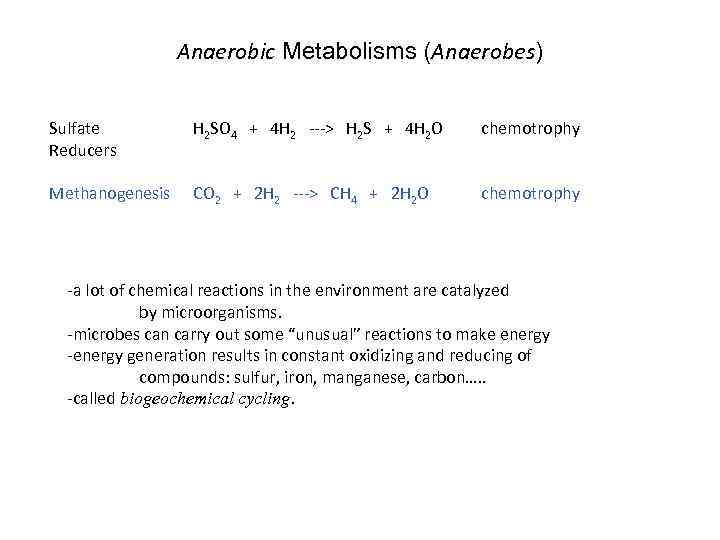 Anaerobic Metabolisms (Anaerobes) Sulfate Reducers H 2 SO 4 + 4 H 2 ---> H 2 S + 4 H 2 O chemotrophy Methanogenesis CO 2 + 2 H 2 ---> CH 4 + 2 H 2 O chemotrophy -a lot of chemical reactions in the environment are catalyzed by microorganisms. -microbes can carry out some “unusual” reactions to make energy -energy generation results in constant oxidizing and reducing of compounds: sulfur, iron, manganese, carbon…. . -called biogeochemical cycling.
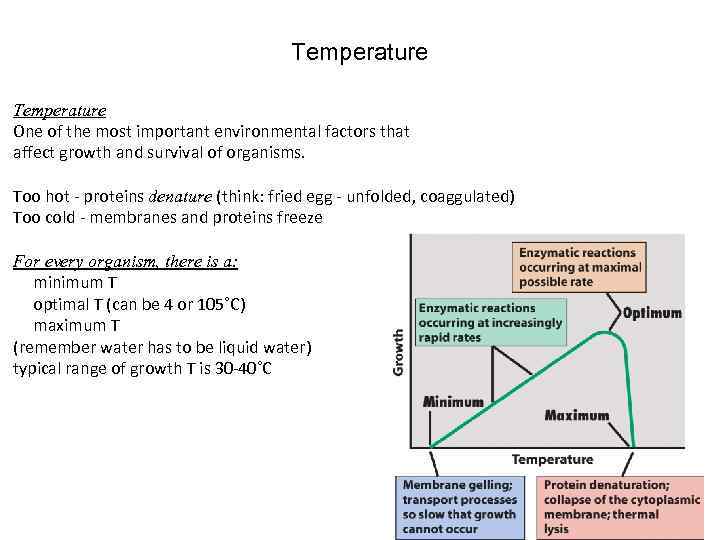 Temperature One of the most important environmental factors that affect growth and survival of organisms. Too hot - proteins denature (think: fried egg - unfolded, coaggulated) Too cold - membranes and proteins freeze For every organism, there is a: minimum T optimal T (can be 4 or 105˚C) maximum T (remember water has to be liquid water) typical range of growth T is 30 -40˚C
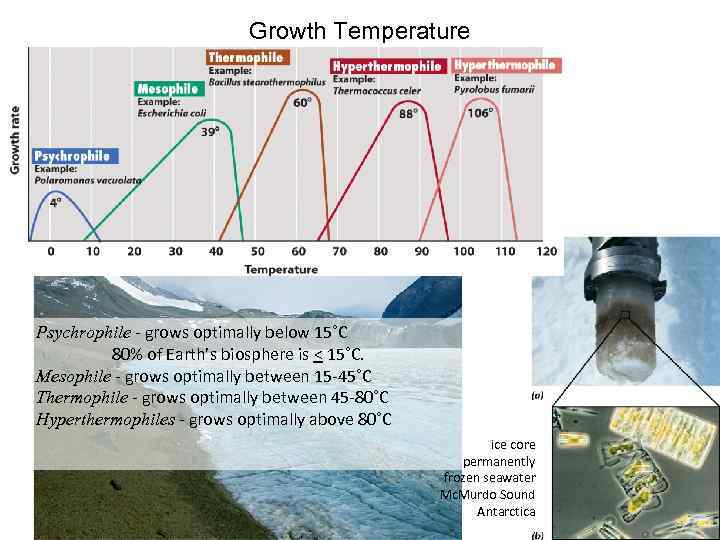 Growth Temperature Psychrophile - grows optimally below 15˚C 80% of Earth’s biosphere is < 15˚C. Mesophile - grows optimally between 15 -45˚C Thermophile - grows optimally between 45 -80˚C Hyperthermophiles - grows optimally above 80˚C ice core permanently frozen seawater Mc. Murdo Sound Antarctica
 Extremophiles What is extreme for one organism is necessary for another. Organisms are all highly adapted to their niches. Psychrophile - grows optimally below 15˚C 80% of Earth’s biosphere is < 15˚C
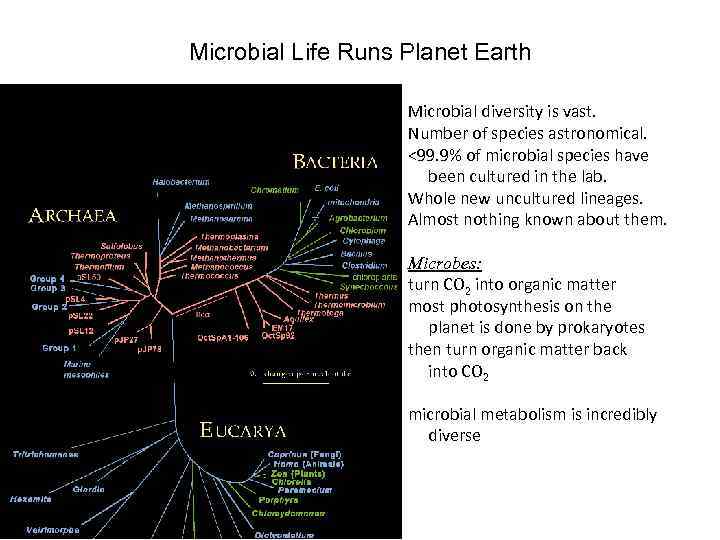 Microbial Life Runs Planet Earth Microbial diversity is vast. Number of species astronomical. <99. 9% of microbial species have been cultured in the lab. Whole new uncultured lineages. Almost nothing known about them. Microbes: turn CO 2 into organic matter most photosynthesis on the planet is done by prokaryotes then turn organic matter back into CO 2 microbial metabolism is incredibly diverse
 Methane production and oxidation Metanogens – Archaea – absence of oxygen Metanotrophs – I and II types – presence of oxygen Metanotrophs of I type – high amount of methane (e. g. 600 ppm) Metanotrophs of II type – low amount of methane (ambient or so) Microbial cultures Biomarkers (PLFAs, PLELs, alive microbes) Molecular biology Fluxes
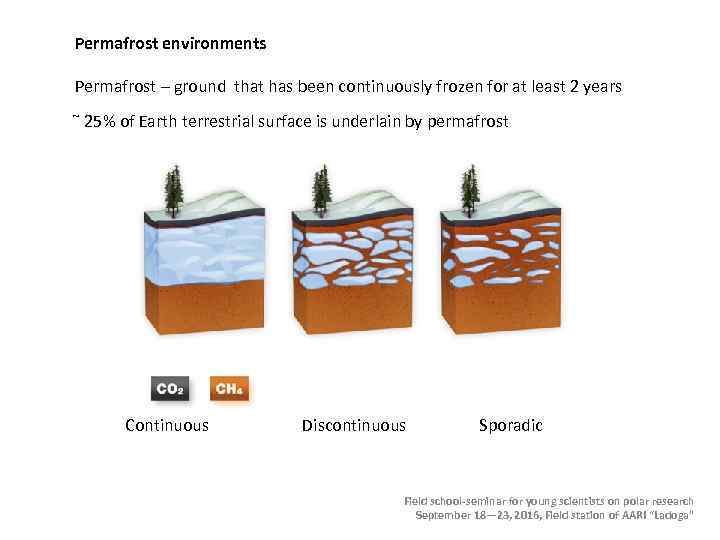 Permafrost environments Permafrost – ground that has been continuously frozen for at least 2 years 25% of Earth terrestrial surface is underlain by permafrost Continuous Discontinuous Sporadic Field school-seminar for young scientists on polar research September 18— 23, 2016, Field station of AARI “Ladoga”
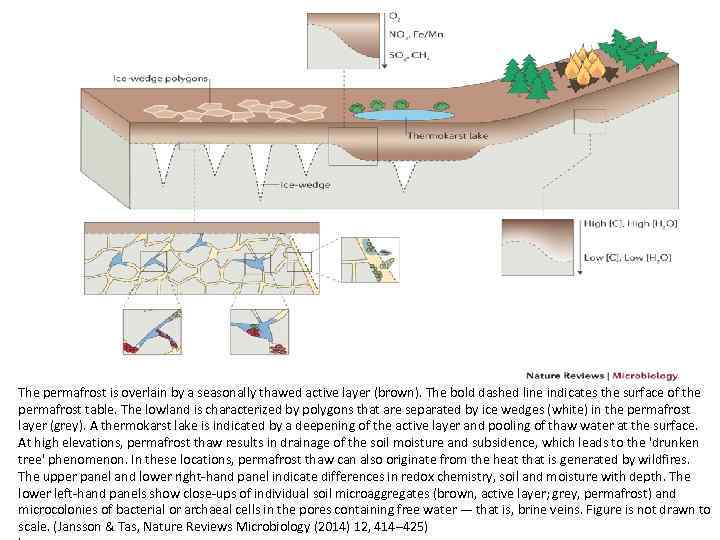 The permafrost is overlain by a seasonally thawed active layer (brown). The bold dashed line indicates the surface of the permafrost table. The lowland is characterized by polygons that are separated by ice wedges (white) in the permafrost layer (grey). A thermokarst lake is indicated by a deepening of the active layer and pooling of thaw water at the surface. At high elevations, permafrost thaw results in drainage of the soil moisture and subsidence, which leads to the 'drunken tree' phenomenon. In these locations, permafrost thaw can also originate from the heat that is generated by wildfires. The upper panel and lower right-hand panel indicate differences in redox chemistry, soil and moisture with depth. The lower left-hand panels show close-ups of individual soil microaggregates (brown, active layer; grey, permafrost) and microcolonies of bacterial or archaeal cells in the pores containing free water — that is, brine veins. Figure is not drawn to scale. (Jansson & Tas, Nature Reviews Microbiology (2014) 12, 414– 425)
 Field school-seminar for young scientists on polar research September 18— 23, 2016, Field station of AARI “Ladoga”
 Frozen conditions in permafrost efficiently preserve biological material from DNA to wooly mammoths. Low water potential, reduced protein flexibility and enzyme activity, limited membrane fluidity, and ice nucleation and melting are all potentially lethal, so it was long assumed that microbes were either dead or dormant when frozen. However, high ionic strength within pore water can depress the freezing point and preserve cell viability. Recent experiments demonstrated that permafrost microorganisms remain active at extremely low temperatures (Vishnivetskaya et al. , 2006; Gilichinsky and Rivkina, 2011) Thus, warming could induce SOM decomposition even before permafrost thaws completely. Microbial activity at low temperatures could transform complex organic compounds to soluble metabolites and gases, including the greenhouse gases (GHG): CO 2, CH 4 and N 2 O Field school-seminar for young scientists on polar research September 18— 23, 2016, Field station of AARI “Ladoga”
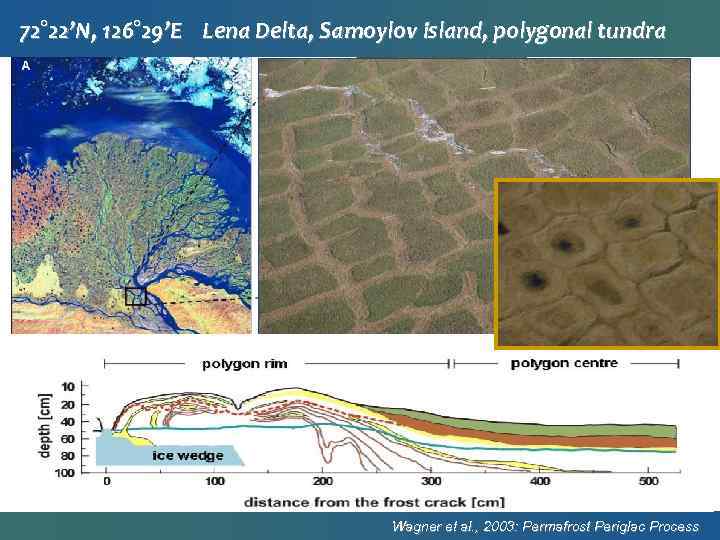 72° 22’N, 126° 29’E Lena Delta, Samoylov island, polygonal tundra Wagner et al. , 2003: Permafrost Periglac Process
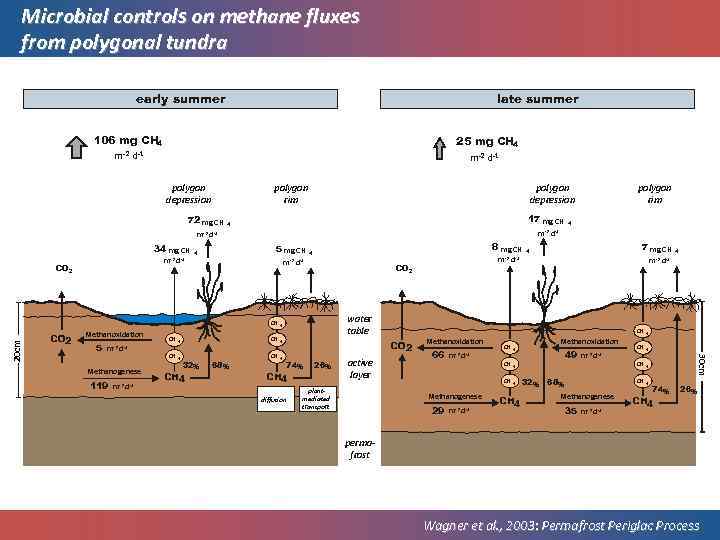 Microbial controls on methane fluxes from polygonal tundra late summer early summer 106 mg CH 4 m-2 d-1 25 mg CH 4 m-2 d-1 polygon depression polygon rim 72 mg CH m-2 34 mg CH m-2 d-1 CO 2 polygon depression 17 mg CH 4 5 mg CH m-2 8 mg CH 4 d-1 water table 5 m-2 d-1 Methanogenese 119 m-2 d-1 CH 4 32% CH 4 68% CH 4 CO 2 74% CH 4 diffusion 26% active layer plantmediated transport 4 m-2 d-1 Methanoxidation 66 m-2 d-1 Methanoxidation CH 4 49 m-2 d-1 CH 4 Methanogenese 29 m-2 d-1 Methanoxidation CH 4 32% 68% CH 4 Methanogenese 35 m-2 d-1 30 cm 20 cm Methanoxidation 7 mg CH 4 m-2 d-1 CO 2 CH 4 CO 2 4 m-2 d-1 4 polygon rim 74% CH 4 26% permafrost Wagner et al. , 2003: Permafrost Periglac Process
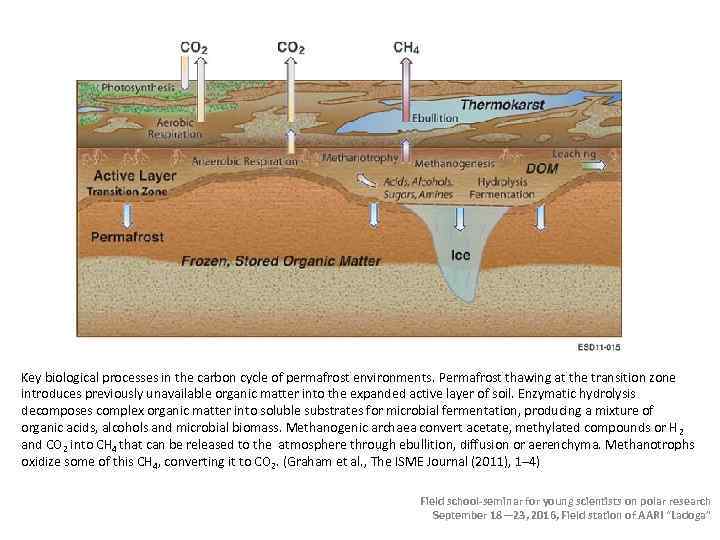 Key biological processes in the carbon cycle of permafrost environments. Permafrost thawing at the transition zone introduces previously unavailable organic matter into the expanded active layer of soil. Enzymatic hydrolysis decomposes complex organic matter into soluble substrates for microbial fermentation, producing a mixture of organic acids, alcohols and microbial biomass. Methanogenic archaea convert acetate, methylated compounds or H 2 and CO 2 into CH 4 that can be released to the atmosphere through ebullition, diffusion or aerenchyma. Methanotrophs oxidize some of this CH 4, converting it to CO 2. (Graham et al. , The ISME Journal (2011), 1– 4) Field school-seminar for young scientists on polar research September 18— 23, 2016, Field station of AARI “Ladoga”
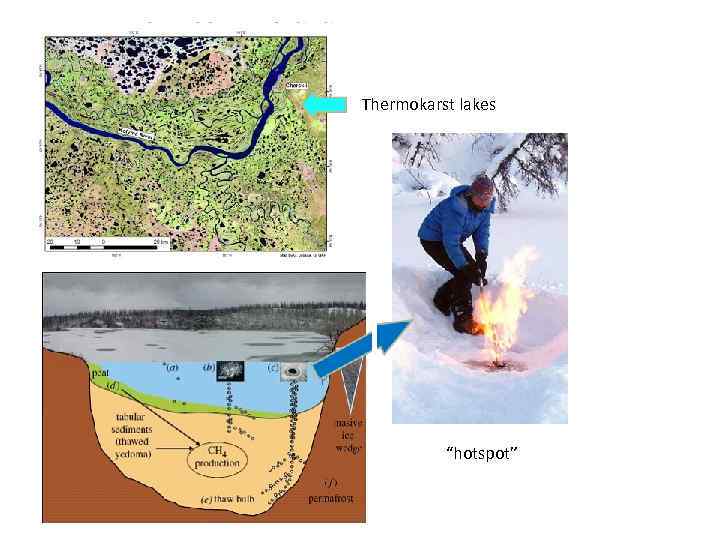 Thermokarst lakes “hotspot”
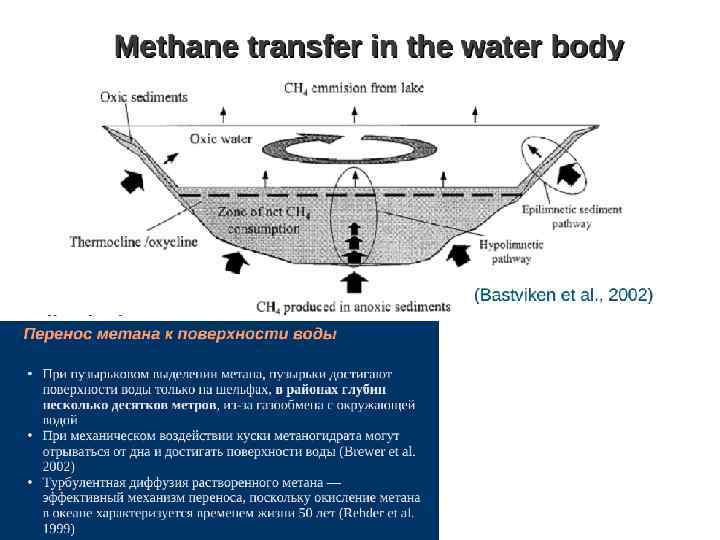
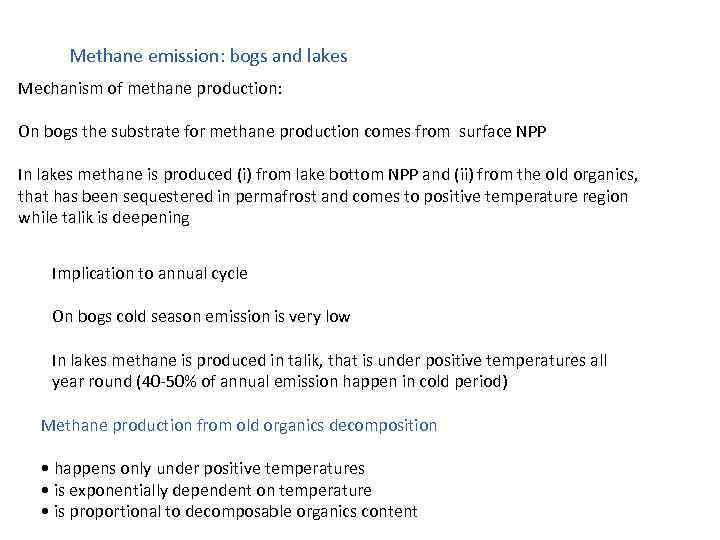 Methane emission: bogs and lakes Mechanism of methane production: On bogs the substrate for methane production comes from surface NPP In lakes methane is produced (i) from lake bottom NPP and (ii) from the old organics, that has been sequestered in permafrost and comes to positive temperature region while talik is deepening Implication to annual cycle On bogs cold season emission is very low In lakes methane is produced in talik, that is under positive temperatures all year round (40 -50% of annual emission happen in cold period) Methane production from old organics decomposition • happens only under positive temperatures • is exponentially dependent on temperature • is proportional to decomposable organics content
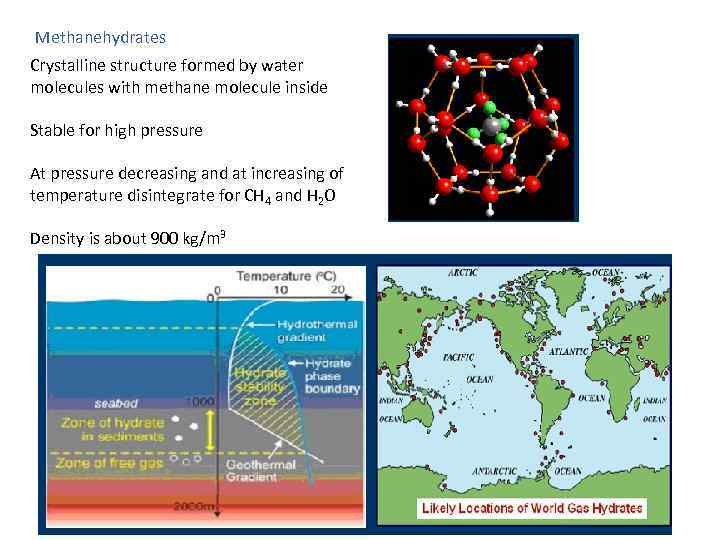 Methanehydrates Crystalline structure formed by water molecules with methane molecule inside Stable for high pressure At pressure decreasing and at increasing of temperature disintegrate for CH 4 and H 2 O Density is about 900 kg/m 3
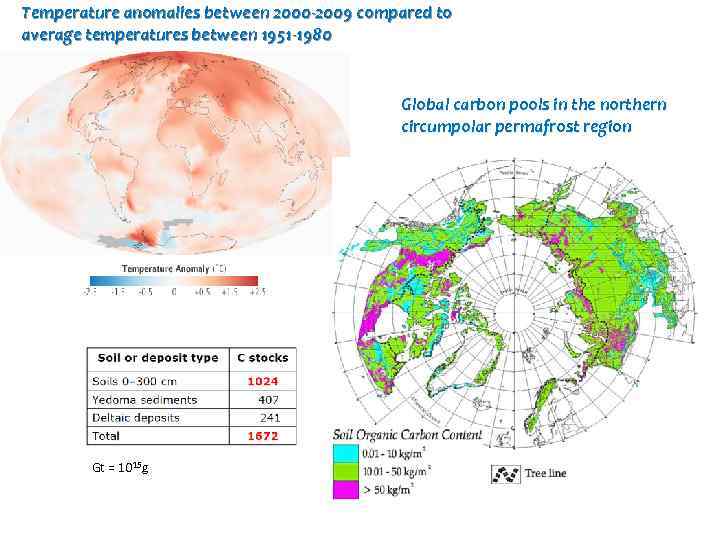 Temperature anomalies between 2000 -2009 compared to average temperatures between 1951 -1980 Global carbon pools in the northern circumpolar permafrost region Gt = 1015 g
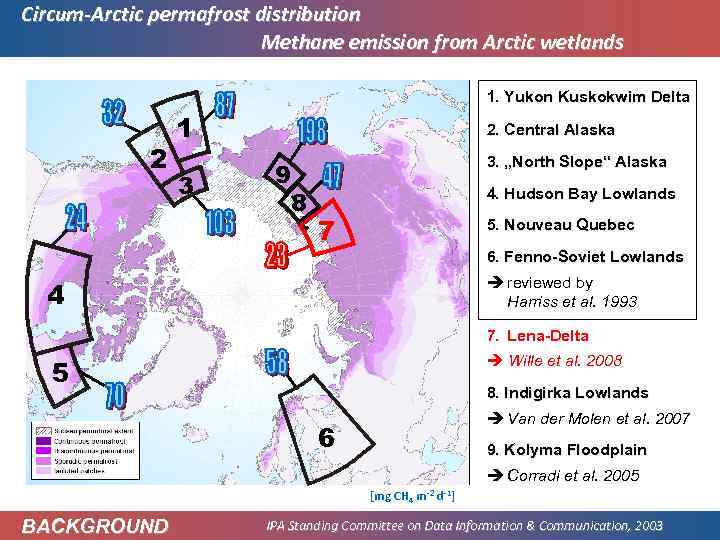 Circum-Arctic permafrost distribution Methane emission from Arctic wetlands 1. Yukon Kuskokwim Delta 2 1 3 2. Central Alaska 9 8 3. „North Slope“ Alaska 4. Hudson Bay Lowlands 7 5. Nouveau Quebec 6. Fenno-Soviet Lowlands reviewed by Harriss et al. 1993 4 7. Lena-Delta Wille et al. 2008 5 8. Indigirka Lowlands Van der Molen et al. 2007 6 9. Kolyma Floodplain Corradi et al. 2005 [mg CH 4 BACKGROUND m-2 d-1] IPA Standing Committee on Data Information & Communication, 2003
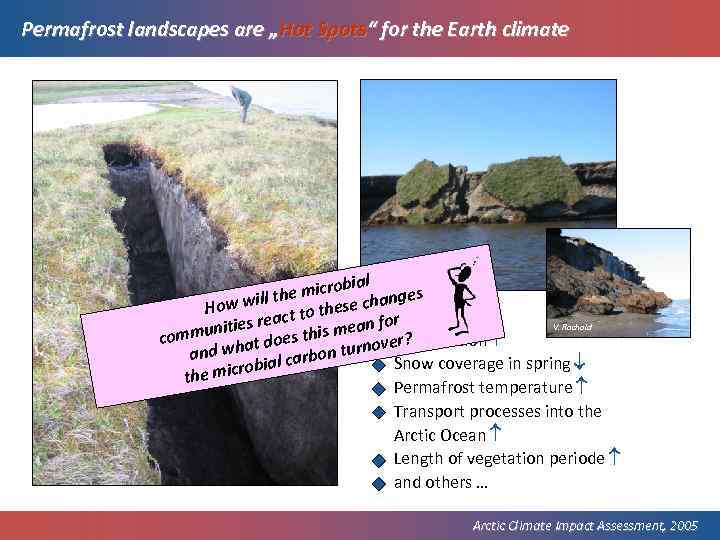 Permafrost landscapes are „Hot Spots“ for the Earth climate V. Rachold, 2002 icrobial es he m w will t o these chang Ho ct t V. Rachold ties rea this mean for ni commu hat does Precipitation ver? n turno nd w a carbo Snow coverage in spring icrobial the m Permafrost temperature Transport processes into the Arctic Ocean Length of vegetation periode and others … Arctic Climate Impact Assessment, 2005
 Currently, we cannot predict how microbes will use SOM released by permafrost thawing, or reliably estimate the temperature-dependent activities of the enzymes they produce to degrade this material. Current biogeochemical models segregate SOM into conceptual pools with different mean residence times (Smith et al. , 1997). If most organic matter trapped in permafrost is difficult to degrade because of its chemical structure (for example, lignin) or its physical structure (for example, particulates or mineral complexes), then this humus comprises a recalcitrant pool that will slowly stimulate microbial growth and GHG production. Alternatively, if plant litter was rapidly frozen in permafrost, then microbes could quickly metabolize thawed polymers like cellulose or protein. Increased temperature may also cause changes in protein structure and conformation, protein adsorption, altered protein expression and shifts in microbial populations, which are not currently modeled (Waldrop et al. , 2010; Wallenstein et al. , 2011). We might expect soil warming to select for microbes producing enzymes that degrade SOM more efficiently at higher temperatures. Field school-seminar for young scientists on polar research September 18— 23, 2016, Field station of AARI “Ladoga”
 Predictions of soil GHG flux include increasingly sophisticated representations of processes in the subsurface carbon cycle , but these models are poorly parameterized for permafrost regions (Riley et al. , 2011). 16 S r. RNA gene sequence data have identified both hydrogenotrophic and acetotrophic (methylotrophic) methanogen phylotypes in Arctic tundra samples, at substantial abundance (Wagner and Liebner, 2010). The two groups of methanogens differ in their substrates, syntrophic associations and isotopic fractionation of carbon: it is important to distinguish between the methanogenic pathways to predict the proportions of CH 4 and CO 2, as well as fluxes (Walter et al. , 2008). Changes in methanogen abundance could also confuse estimates of the temperature and p. H response factors. Eventually, microbial activities will dictate whether permafrost environments will be a net source or sink of GHG in the coming decades and whether large-scale feedbacks to regional and global climate will develop because of increased CO 2, N 2 O and CH 4 emissions and vegetation changes in the Arctic. Field school-seminar for young scientists on polar research September 18— 23, 2016, Field station of AARI “Ladoga”
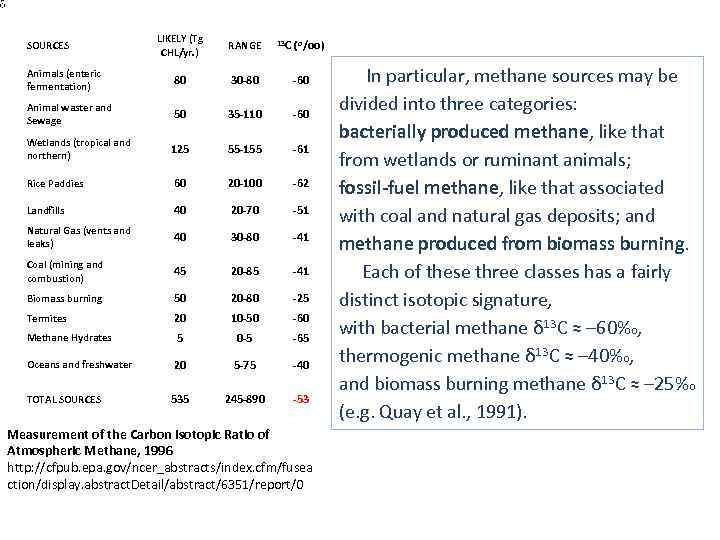 LIKELY (Tg CHL/yr. ) RANGE 13 C (o/oo) Animals (enteric fermentation) 80 30 -80 -60 Animal waster and Sewage 50 35 -110 -60 Wetlands (tropical and northern) 125 55 -155 -61 Rice Paddies 60 20 -100 -62 Landfills 40 20 -70 -51 Natural Gas (vents and leaks) 40 30 -80 -41 Coal (mining and combustion) 45 20 -85 -41 Biomass burning 50 20 -80 -25 Termites 20 10 -50 -60 Methane Hydrates 5 0 -5 -65 Oceans and freshwater 20 5 -75 -40 TOTAL SOURCES 535 245 -890 -53 SOURCES Measurement of the Carbon Isotopic Ratio of Atmospheric Methane, 1996 http: //cfpub. epa. gov/ncer_abstracts/index. cfm/fusea ction/display. abstract. Detail/abstract/6351/report/0 In particular, methane sources may be divided into three categories: bacterially produced methane, like that from wetlands or ruminant animals; fossil-fuel methane, like that associated with coal and natural gas deposits; and methane produced from biomass burning. Each of these three classes has a fairly distinct isotopic signature, with bacterial methane δ 13 C ≈ – 60‰, thermogenic methane δ 13 C ≈ – 40‰, and biomass burning methane δ 13 C ≈ – 25‰ (e. g. Quay et al. , 1991).
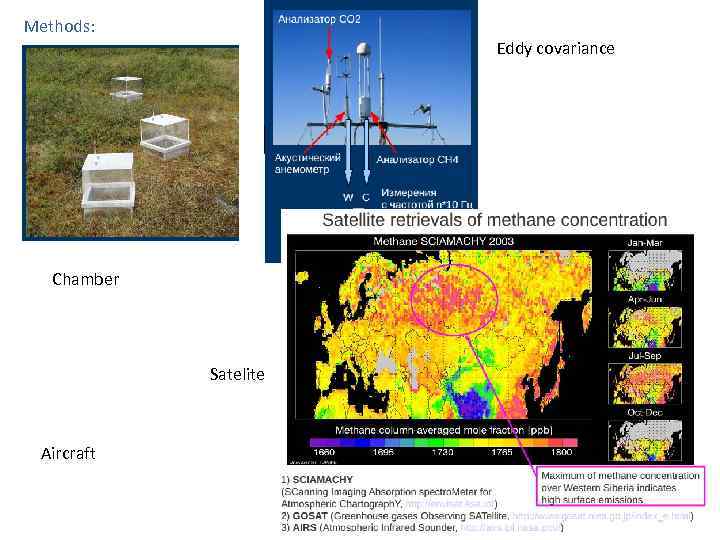 Methods: Eddy covariance Chamber Satelite Aircraft
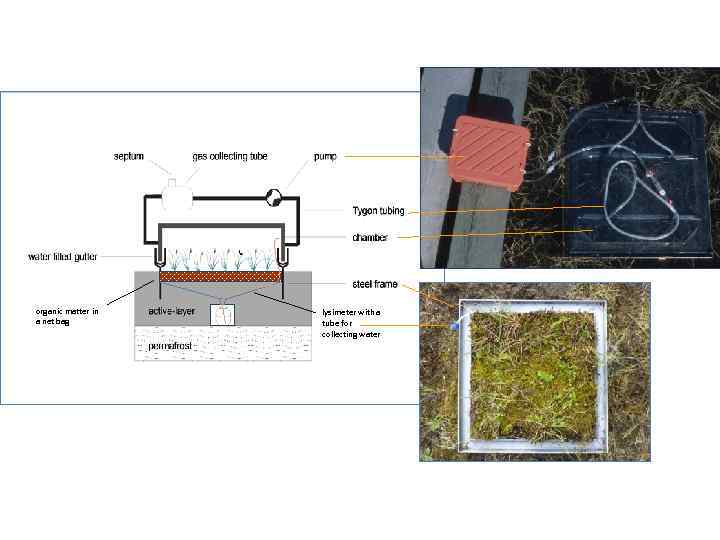 organic matter in a net bag lysimeter with a tube for collecting water
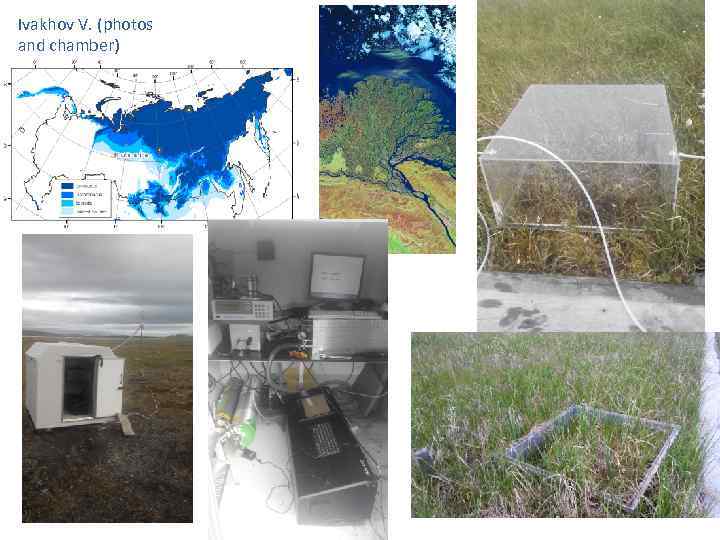 Ivakhov V. (photos and chamber)
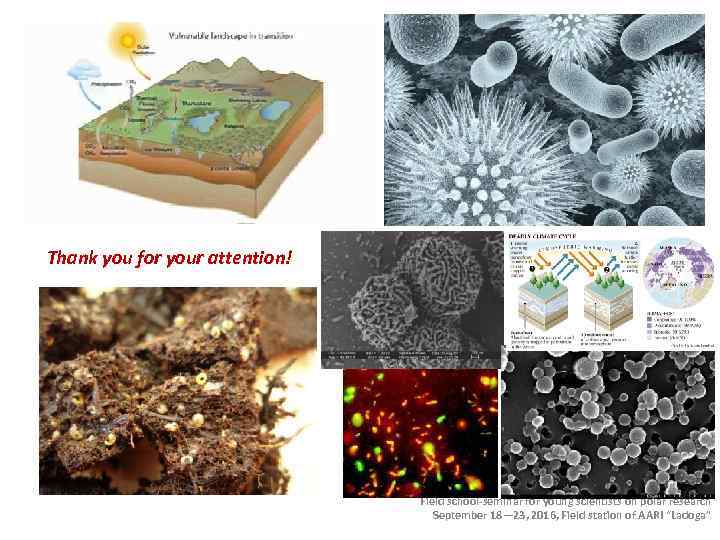 Thank you for your attention! Field school-seminar for young scientists on polar research September 18— 23, 2016, Field station of AARI “Ladoga”