 Скачать презентацию Metabola Syndromet 2006 Björn Carlsson Apex Block III
d63fa37fe343ba8508a7f02c087c2ca2.ppt
- Количество слайдов: 48




Metabola Syndromet 2006 Björn Carlsson Apex Block III, delkurs IV HT 2006
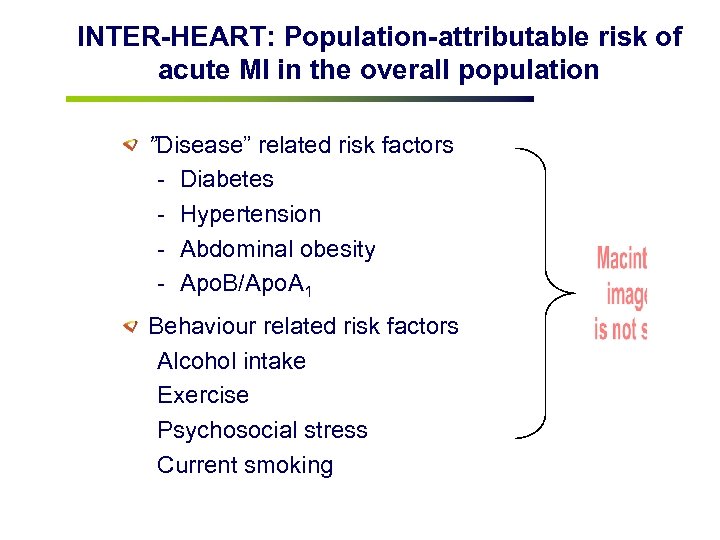
INTER-HEART: Population-attributable risk of acute MI in the overall population ”Disease” related risk factors - Diabetes - Hypertension - Abdominal obesity - Apo. B/Apo. A 1 Behaviour related risk factors Alcohol intake Exercise Psychosocial stress Current smoking
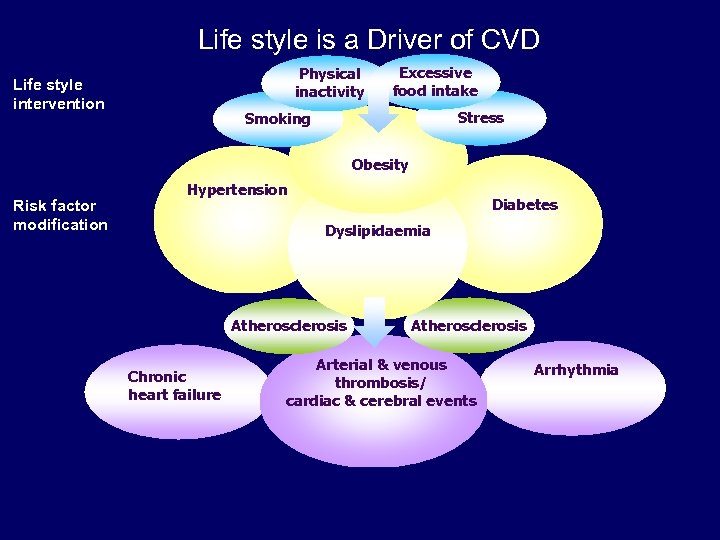
Life style is a Driver of CVD Physical inactivity Life style intervention Excessive food intake Stress Smoking Obesity Risk factor modification Hypertension Diabetes Dyslipidaemia Atherosclerosis Chronic heart failure Atherosclerosis Arterial & venous thrombosis/ cardiac & cerebral events Arrhythmia
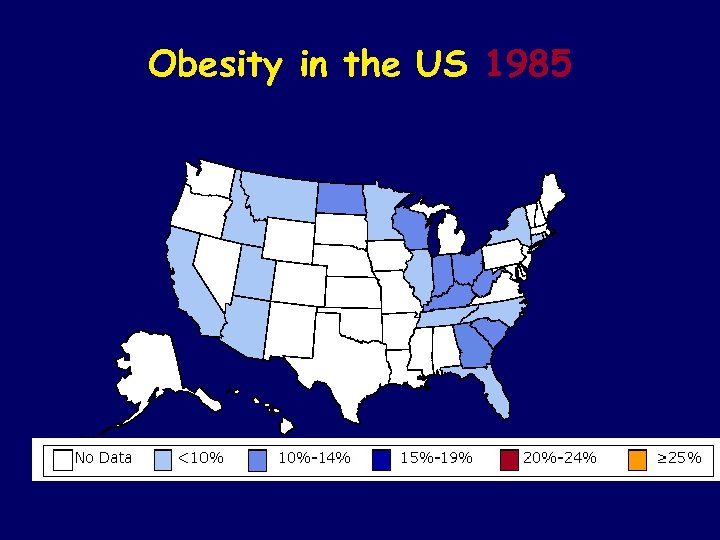
Obesity in the US 1985
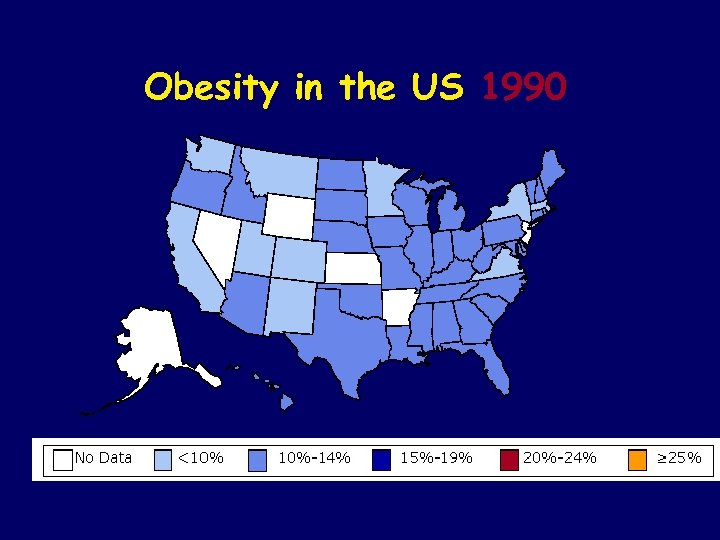
Obesity in the US 1990
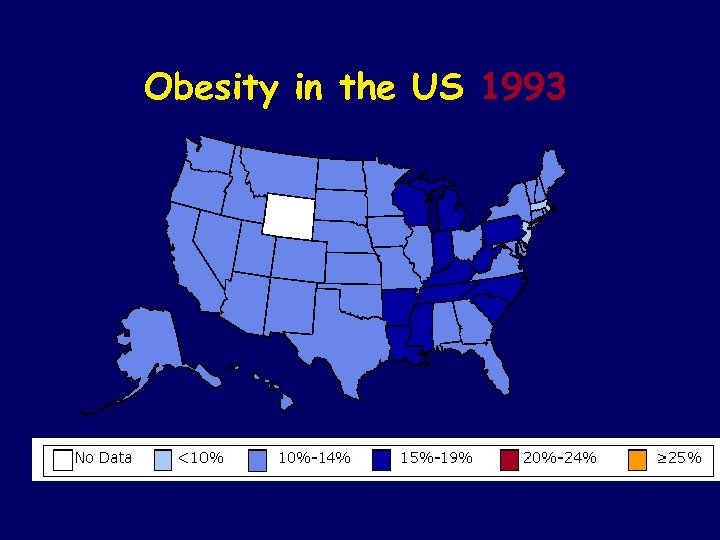
Obesity in the US 1993
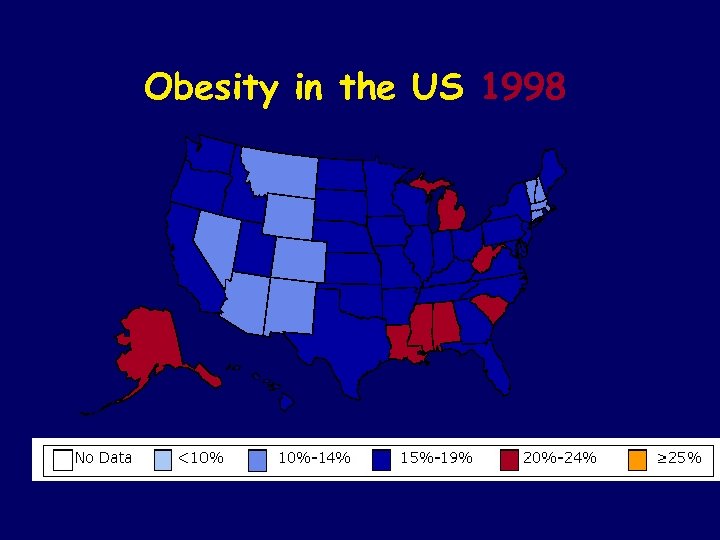
Obesity in the US 1998
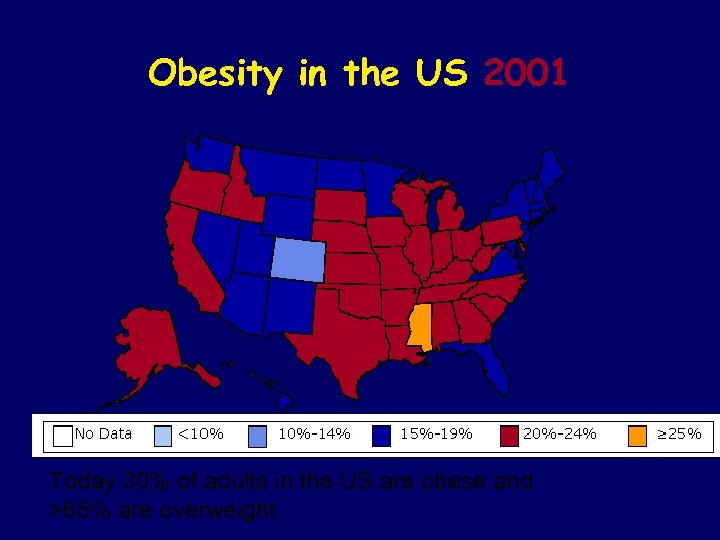
Obesity in the US 2001 Today 30% of adults in the US are obese and >65% are overweight
Obesity is a major driver of obesity and diabetes From Mokdad et al, JAMA 2003
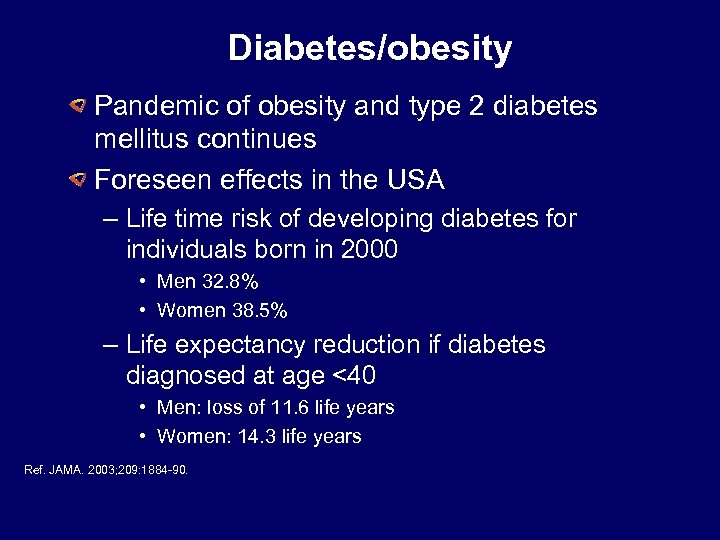
Diabetes/obesity Pandemic of obesity and type 2 diabetes mellitus continues Foreseen effects in the USA – Life time risk of developing diabetes for individuals born in 2000 • Men 32. 8% • Women 38. 5% – Life expectancy reduction if diabetes diagnosed at age <40 • Men: loss of 11. 6 life years • Women: 14. 3 life years Ref. JAMA. 2003; 209: 1884 -90.
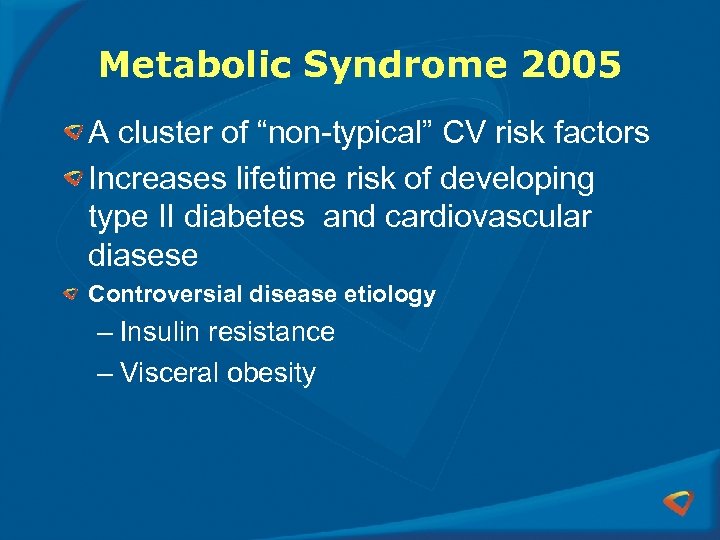
Metabolic Syndrome 2005 A cluster of “non-typical” CV risk factors Increases lifetime risk of developing type II diabetes and cardiovascular diasese Controversial disease etiology – Insulin resistance – Visceral obesity
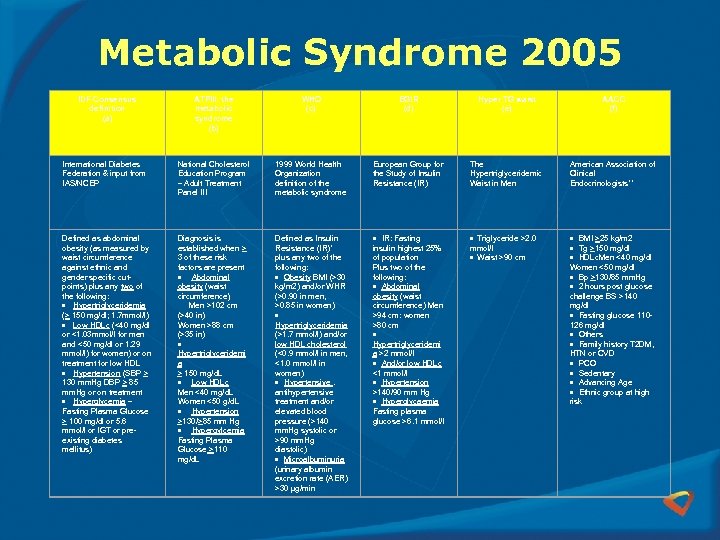
Metabolic Syndrome 2005 IDF Consensus definition (a) ATPIII: the metabolic syndrome (b) WHO (c) EGIR (d) Hyper TG waist (e) AACC (f) International Diabetes Federation & input from IAS/NCEP National Cholesterol Education Program – Adult Treatment Panel III 1999 World Health Organization definition of the metabolic syndrome European Group for the Study of Insulin Resistance (IR) The Hypertriglyceridemic Waist in Men American Association of Clinical Endocrinologists** Defined as abdominal obesity (as measured by waist circumference against ethnic and gender specific cutpoints) plus any two of the following: · Hypertriglyceridemia (> 150 mg/dl; 1. 7 mmol/l) · Low HDLc (<40 mg/dl or <1. 03 mmol/l for men and <50 mg/dl or 1. 29 mmol/l) for women) or on treatment for low HDL · Hypertension (SBP > 130 mm. Hg DBP > 85 mm. Hg or on treatment · Hyperglycemia – Fasting Plasma Glucose > 100 mg/dl or 5. 6 mmol/l or IGT or preexisting diabetes mellitus) Diagnosis is established when > 3 of these risk factors are present · Abdominal obesity (waist circumference) Men >102 cm (>40 in) Women >88 cm (>35 in) · Hypertriglyceridemi a > 150 mg/d. L · Low HDLc Men <40 mg/d. L Women <50 g/d. L · Hypertension >130/>85 mm Hg · Hypergylcemia Fasting Plasma Glucose >110 mg/d. L Defined as Insulin Resistance (IR)* plus any two of the following: · Obesity BMI (>30 kg/m 2) and/or WHR (>0. 90 in men, >0. 85 in women) · Hypertriglyceridemia (>1. 7 mmol/l) and/or low HDL cholesterol (<0. 9 mmol/l in men, <1. 0 mmol/l in women) · Hypertensive. antihypertensive treatment and/or elevated blood pressure (>140 mm. Hg systolic or >90 mm. Hg diastolic) · Microalbuminuria (urinary albumin excretion rate (AER) >30 µg/min · IR: Fasting insulin highest 25% of population Plus two of the following: · Abdominal obesity (waist circumference) Men >94 cm: women >80 cm · Hypertriglyceridemi a >2 mmol/l · And/or low HDLc <1 mmol/l · Hypertension >140/90 mm Hg · Hyperglycaemia Fasting plasma glucose >6. 1 mmol/l · Triglyceride >2. 0 mmol/l · Waist >90 cm · BMI >25 kg/m 2 · Tg >150 mg/dl · HDLc. Men <40 mg/dl Women <50 mg/dl · Bp >130/85 mm. Hg · 2 hours post glucose challenge BS >140 mg/dl · Fasting glucose 110126 mg/dl · Others · Family history T 2 DM, HTN or CVD · PCO · Sedentary · Advancing Age · Ethnic group at high risk
Targeting cardiometabolic risk in patients with intra-abdominal adiposity and related comorbidities
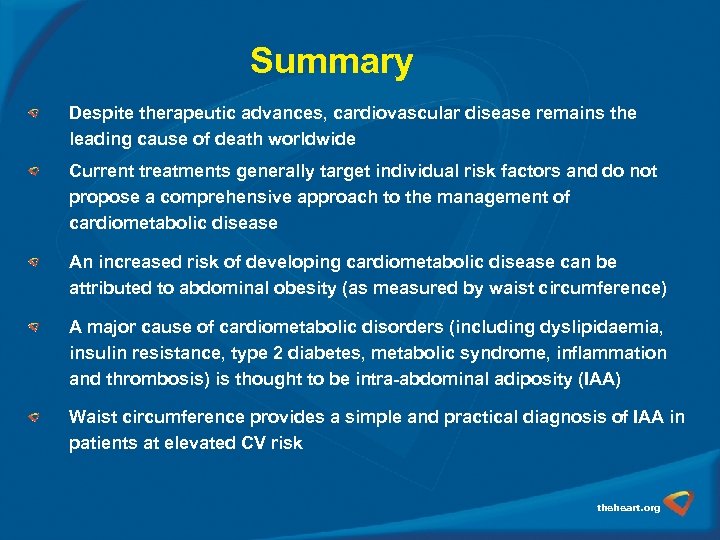
Summary Despite therapeutic advances, cardiovascular disease remains the leading cause of death worldwide Current treatments generally target individual risk factors and do not propose a comprehensive approach to the management of cardiometabolic disease An increased risk of developing cardiometabolic disease can be attributed to abdominal obesity (as measured by waist circumference) A major cause of cardiometabolic disorders (including dyslipidaemia, insulin resistance, type 2 diabetes, metabolic syndrome, inflammation and thrombosis) is thought to be intra-abdominal adiposity (IAA) Waist circumference provides a simple and practical diagnosis of IAA in patients at elevated CV risk theheart. org
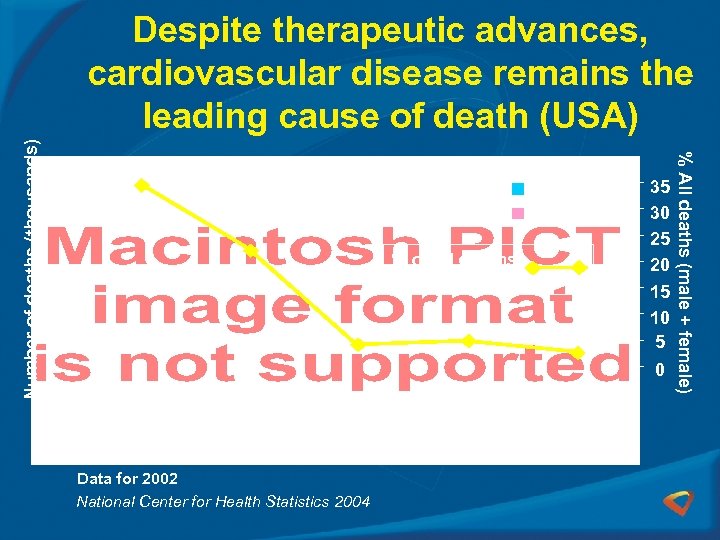
No. of deaths (left axis) % of all deaths (right axis) Male Female 35 30 25 20 15 10 5 0 Data for 2002 National Center for Health Statistics 2004 % All deaths (male + female) Number of deaths (thousands) Despite therapeutic advances, cardiovascular disease remains the leading cause of death (USA)
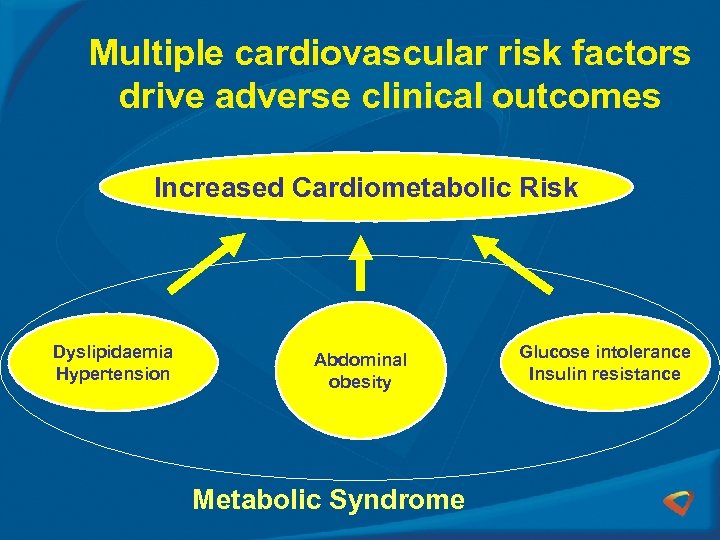
Multiple cardiovascular risk factors drive adverse clinical outcomes Increased Cardiometabolic Risk Dyslipidaemia Hypertension Abdominal obesity Metabolic Syndrome Glucose intolerance Insulin resistance
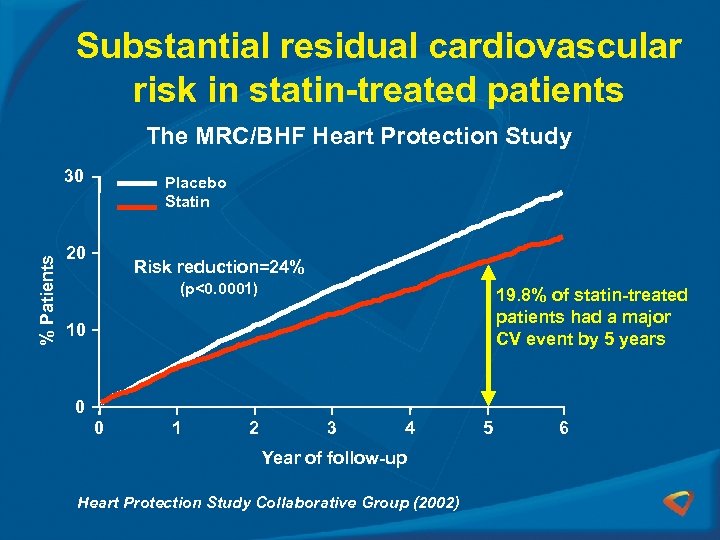
Substantial residual cardiovascular risk in statin-treated patients The MRC/BHF Heart Protection Study % Patients 30 Placebo Statin 20 Risk reduction=24% (p<0. 0001) 19. 8% of statin-treated patients had a major CV event by 5 years 10 0 0 1 2 3 4 Year of follow-up Heart Protection Study Collaborative Group (2002) 5 6
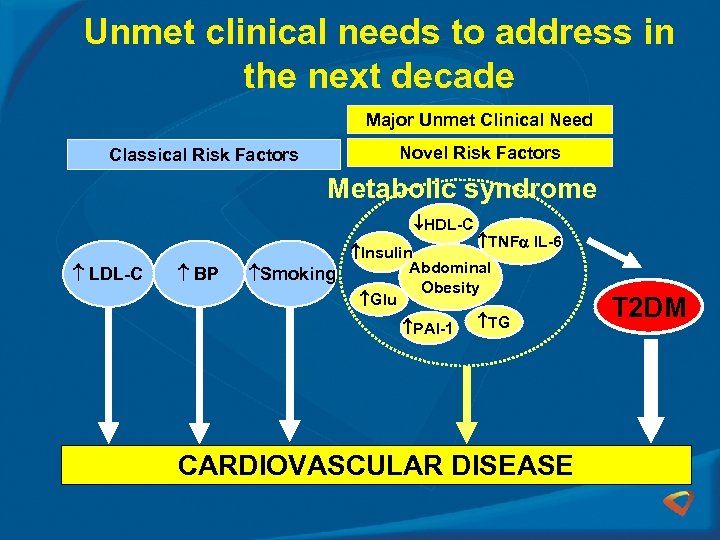
Unmet clinical needs to address in the next decade Major Unmet Clinical Need Classical Risk Factors Novel Risk Factors Metabolic syndrome HDL-C LDL-C BP TNF IL-6 Insulin Abdominal Smoking Obesity Glu PAI-1 TG CARDIOVASCULAR DISEASE T 2 DM
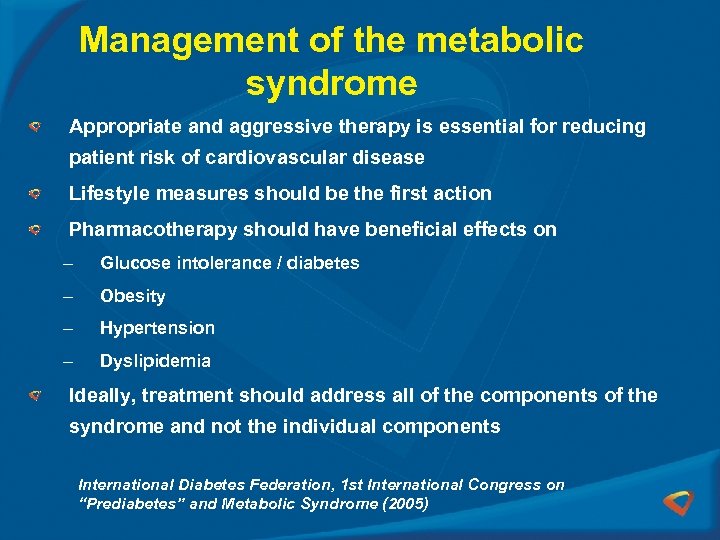
Management of the metabolic syndrome Appropriate and aggressive therapy is essential for reducing patient risk of cardiovascular disease Lifestyle measures should be the first action Pharmacotherapy should have beneficial effects on – Glucose intolerance / diabetes – Obesity – Hypertension – Dyslipidemia Ideally, treatment should address all of the components of the syndrome and not the individual components International Diabetes Federation, 1 st International Congress on “Prediabetes” and Metabolic Syndrome (2005)
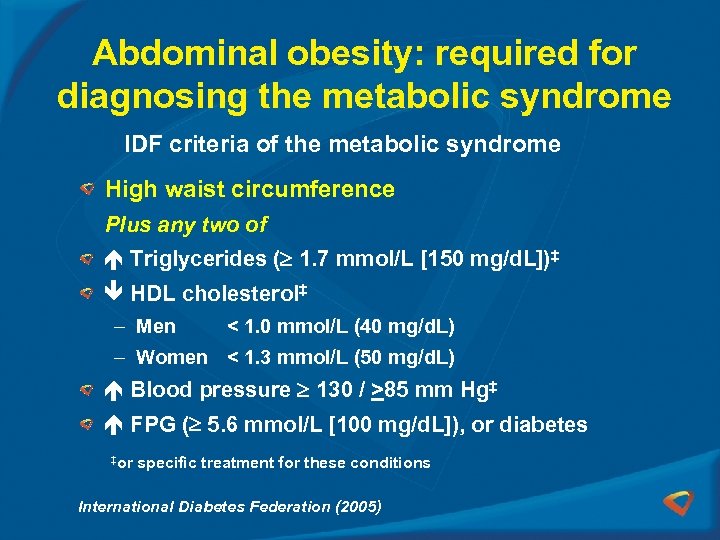
Abdominal obesity: required for diagnosing the metabolic syndrome IDF criteria of the metabolic syndrome High waist circumference Plus any two of Triglycerides ( 1. 7 mmol/L [150 mg/d. L])‡ HDL cholesterol‡ – Men < 1. 0 mmol/L (40 mg/d. L) – Women < 1. 3 mmol/L (50 mg/d. L) Blood pressure 130 / >85 mm Hg‡ FPG ( 5. 6 mmol/L [100 mg/d. L]), or diabetes ‡or specific treatment for these conditions International Diabetes Federation (2005)
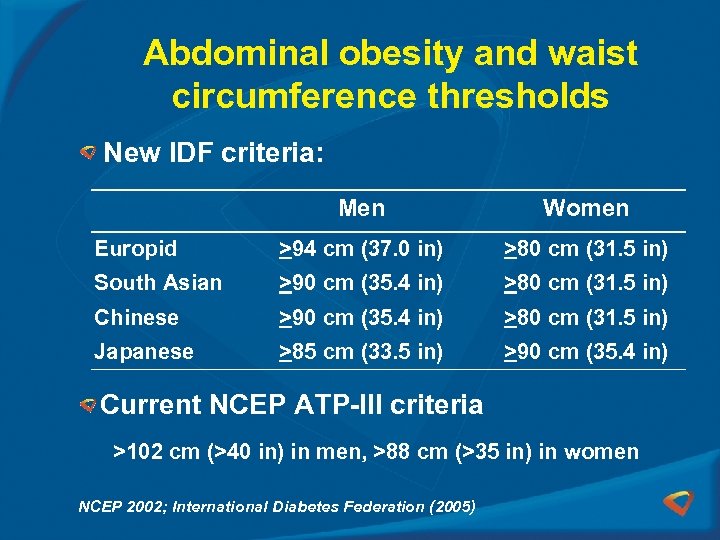
Abdominal obesity and waist circumference thresholds New IDF criteria: Men Women Europid >94 cm (37. 0 in) >80 cm (31. 5 in) South Asian >90 cm (35. 4 in) >80 cm (31. 5 in) Chinese >90 cm (35. 4 in) >80 cm (31. 5 in) Japanese >85 cm (33. 5 in) >90 cm (35. 4 in) Current NCEP ATP-III criteria >102 cm (>40 in) in men, >88 cm (>35 in) in women NCEP 2002; International Diabetes Federation (2005)
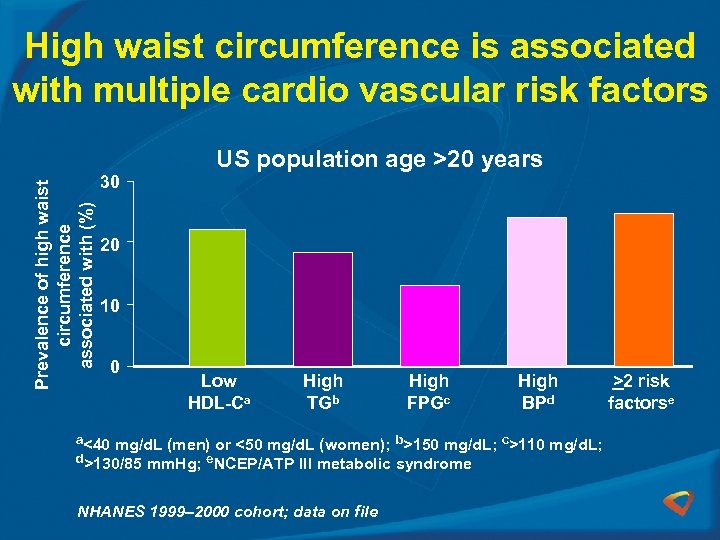
High waist circumference is associated with multiple cardio vascular risk factors Prevalence of high waist circumference associated with (%) US population age >20 years 30 20 10 0 Low HDL-Ca High TGb High FPGc High BPd a<40 mg/d. L (men) or <50 mg/d. L (women); b>150 mg/d. L; c>110 d>130/85 mm. Hg; e. NCEP/ATP III metabolic syndrome NHANES 1999– 2000 cohort; data on file mg/d. L; >2 risk factorse
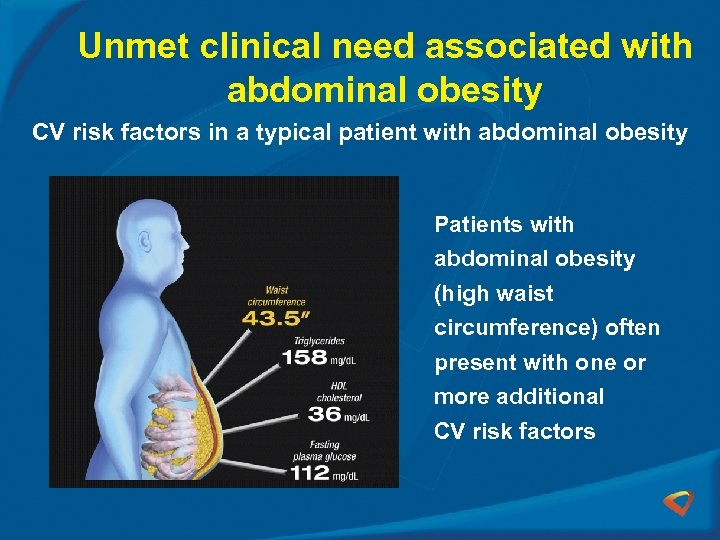
Unmet clinical need associated with abdominal obesity CV risk factors in a typical patient with abdominal obesity Patients with abdominal obesity (high waist circumference) often present with one or more additional CV risk factors
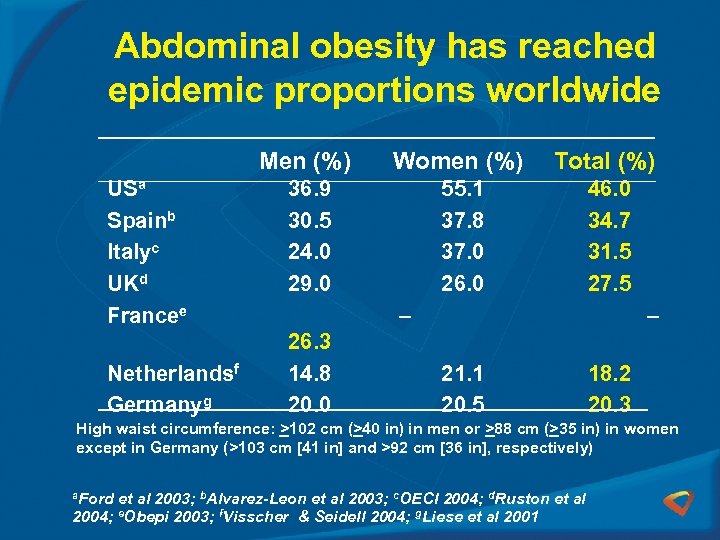
Abdominal obesity has reached epidemic proportions worldwide Men (%) USa Spainb Italyc UKd Francee Netherlandsf Germanyg Women (%) Total (%) 36. 9 30. 5 24. 0 29. 0 55. 1 37. 8 37. 0 26. 0 46. 0 34. 7 31. 5 27. 5 – 26. 3 14. 8 20. 0 – 21. 1 20. 5 18. 2 20. 3 High waist circumference: >102 cm (>40 in) in men or >88 cm (>35 in) in women except in Germany (>103 cm [41 in] and >92 cm [36 in], respectively) a. Ford et al 2003; b. Alvarez-Leon et al 2003; c. OECI 2004; d. Ruston et al 2004; e. Obepi 2003; f. Visscher & Seidell 2004; g. Liese et al 2001
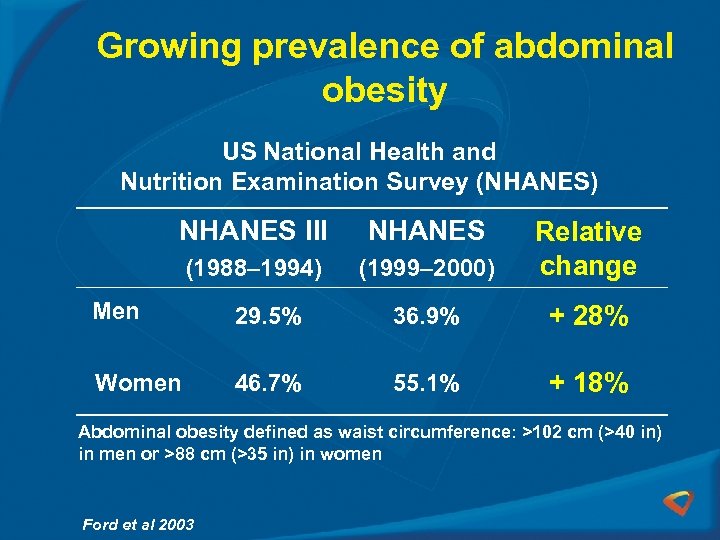
Growing prevalence of abdominal obesity US National Health and Nutrition Examination Survey (NHANES) NHANES III NHANES (1988– 1994) (1999– 2000) Relative change Men 29. 5% 36. 9% + 28% Women 46. 7% 55. 1% + 18% Abdominal obesity defined as waist circumference: >102 cm (>40 in) in men or >88 cm (>35 in) in women Ford et al 2003
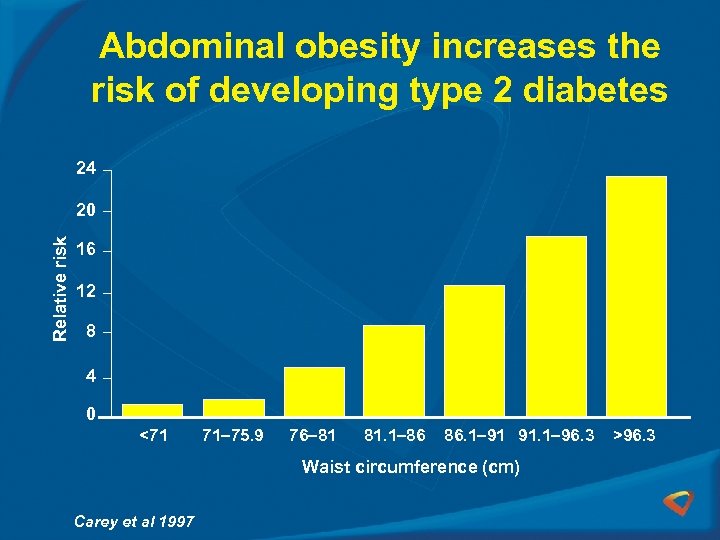
Abdominal obesity increases the risk of developing type 2 diabetes 24 Relative risk 20 16 12 8 4 0 <71 71– 75. 9 76– 81 81. 1– 86 86. 1– 91 91. 1– 96. 3 Waist circumference (cm) Carey et al 1997 >96. 3
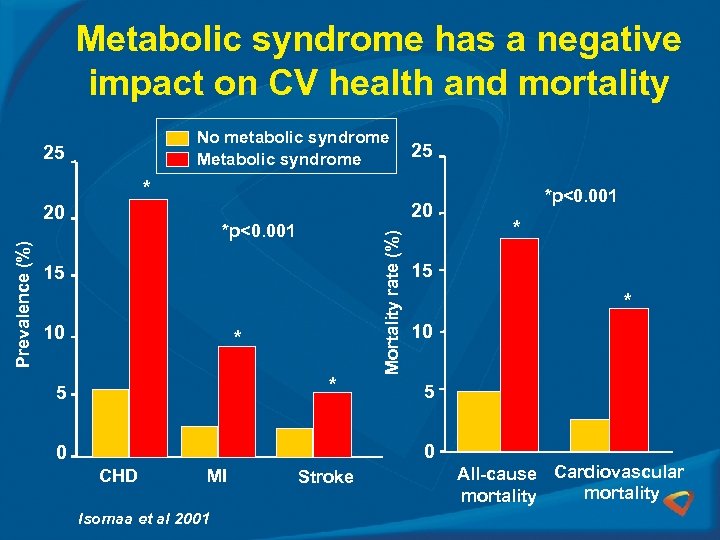
Metabolic syndrome has a negative impact on CV health and mortality No metabolic syndrome Metabolic syndrome 25 25 * 20 *p<0. 001 15 10 * * 5 Mortality rate (%) Prevalence (%) 20 CHD MI Isomaa et al 2001 Stroke * 15 * 10 5 0 0 *p<0. 001 All-cause Cardiovascular mortality
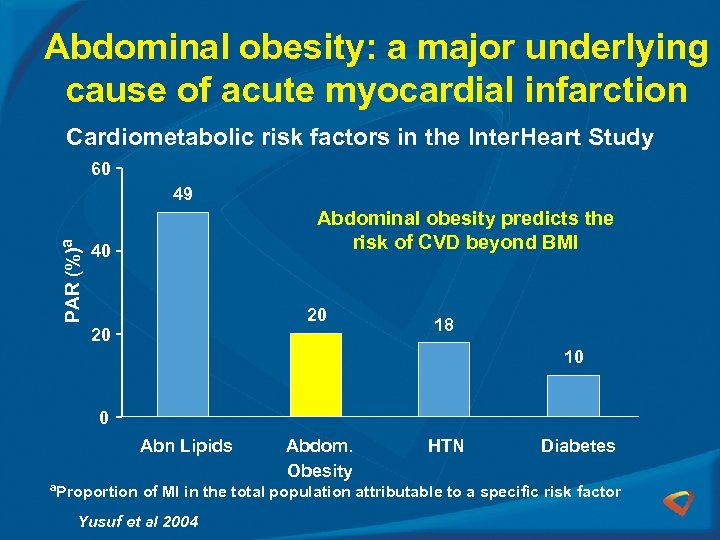
Abdominal obesity: a major underlying cause of acute myocardial infarction Cardiometabolic risk factors in the Inter. Heart Study 60 PAR (%)a 49 Abdominal obesity predicts the risk of CVD beyond BMI 40 20 20 18 10 0 Abn Lipids a. Proportion Abdom. Obesity HTN Diabetes of MI in the total population attributable to a specific risk factor Yusuf et al 2004
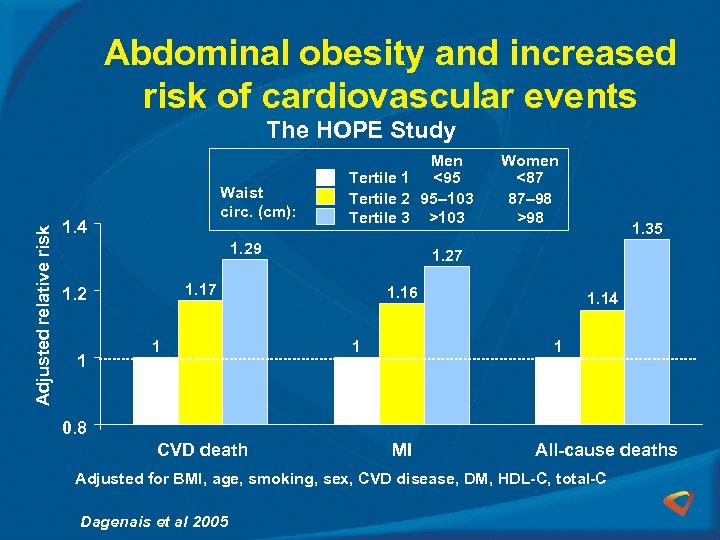
Abdominal obesity and increased risk of cardiovascular events Adjusted relative risk The HOPE Study Waist circ. (cm): 1. 4 Men Tertile 1 <95 Tertile 2 95– 103 Tertile 3 >103 1. 29 1 1 1. 35 1. 27 1. 17 1. 2 Women <87 87– 98 >98 1. 16 1 1. 14 1 0. 8 CVD death MI All-cause deaths Adjusted for BMI, age, smoking, sex, CVD disease, DM, HDL-C, total-C Dagenais et al 2005
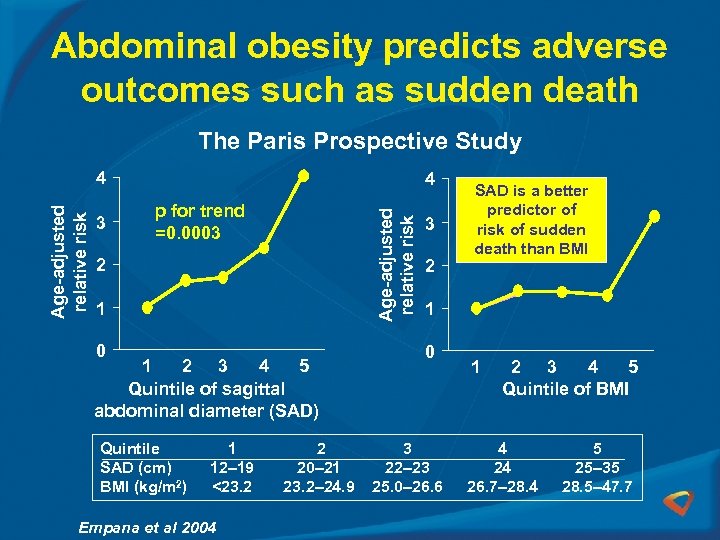
Abdominal obesity predicts adverse outcomes such as sudden death The Paris Prospective Study 3 4 p for trend =0. 0003 Age-adjusted relative risk 4 2 1 0 1 2 3 4 5 Quintile of sagittal abdominal diameter (SAD) Quintile SAD (cm) BMI (kg/m 2) 1 12– 19 <23. 2 Empana et al 2004 2 20– 21 23. 2– 24. 9 3 2 SAD is a better predictor of risk of sudden death than BMI 1 0 3 22– 23 25. 0– 26. 6 1 2 3 4 5 Quintile of BMI 4 24 26. 7– 28. 4 5 25– 35 28. 5– 47. 7
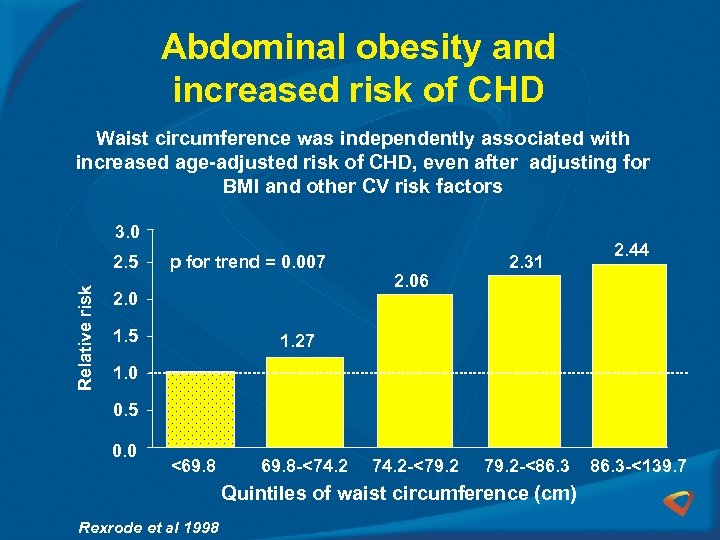
Abdominal obesity and increased risk of CHD Waist circumference was independently associated with increased age-adjusted risk of CHD, even after adjusting for BMI and other CV risk factors 3. 0 Relative risk 2. 5 p for trend = 0. 007 2. 0 1. 5 2. 06 2. 31 2. 44 1. 27 1. 0 0. 5 0. 0 <69. 8 -<74. 2 -<79. 2 -<86. 3 Quintiles of waist circumference (cm) Rexrode et al 1998 86. 3 -<139. 7
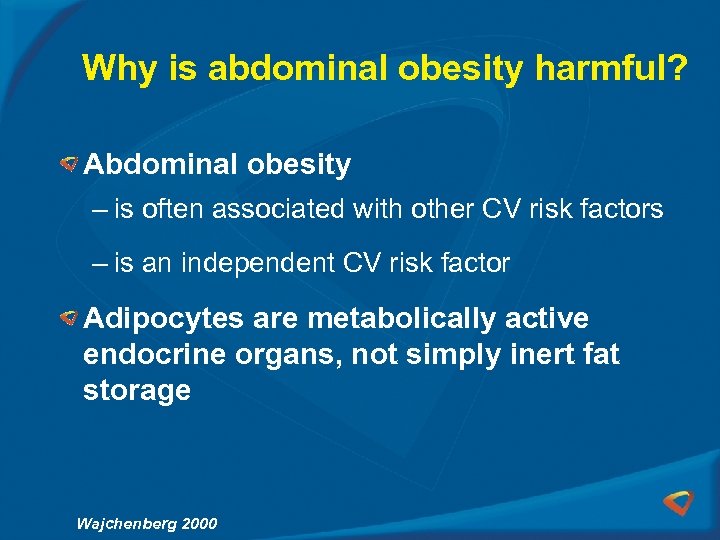
Why is abdominal obesity harmful? Abdominal obesity – is often associated with other CV risk factors – is an independent CV risk factor Adipocytes are metabolically active endocrine organs, not simply inert fat storage Wajchenberg 2000
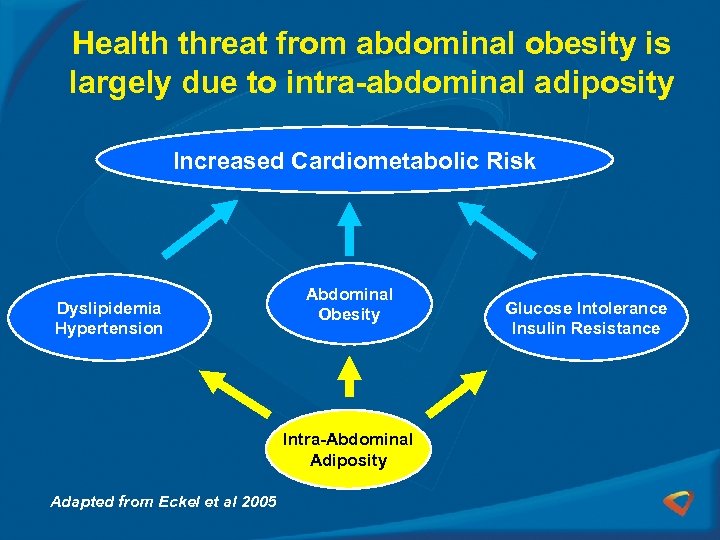
Health threat from abdominal obesity is largely due to intra-abdominal adiposity Increased Cardiometabolic Risk Dyslipidemia Hypertension Abdominal Obesity Intra-Abdominal Adiposity Adapted from Eckel et al 2005 Glucose Intolerance Insulin Resistance
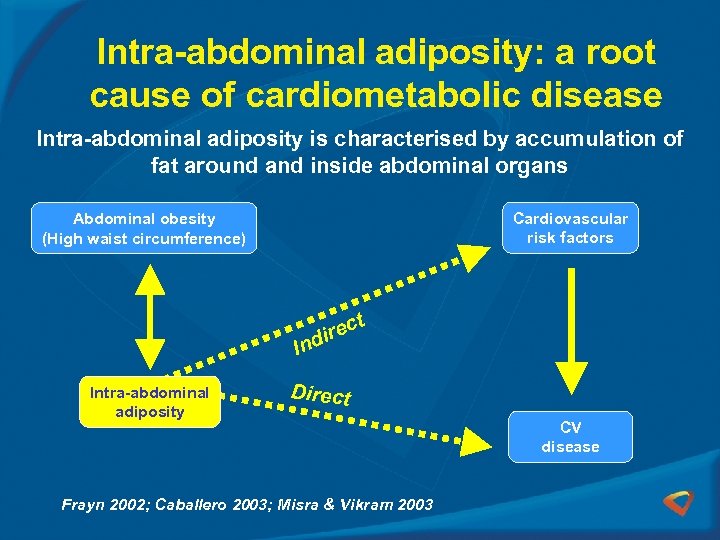
Intra-abdominal adiposity: a root cause of cardiometabolic disease Intra-abdominal adiposity is characterised by accumulation of fat around and inside abdominal organs Cardiovascular risk factors Abdominal obesity (High waist circumference) ect ir Ind Intra-abdominal adiposity Direct Frayn 2002; Caballero 2003; Misra & Vikram 2003 CV disease
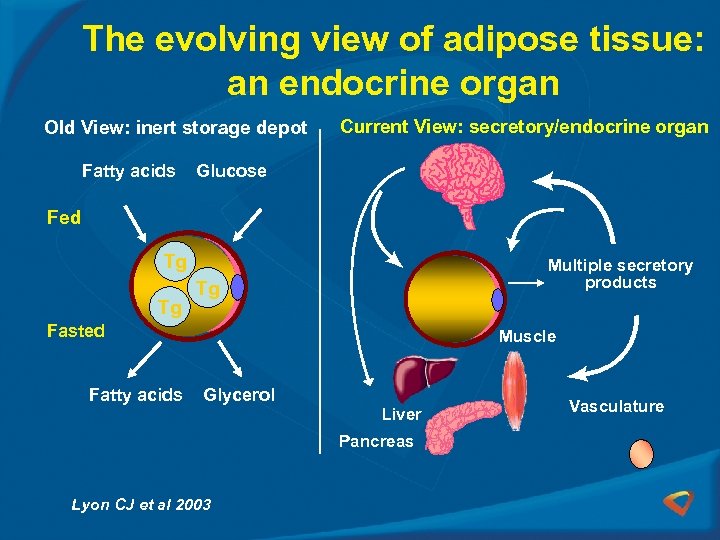
The evolving view of adipose tissue: an endocrine organ Old View: inert storage depot Fatty acids Current View: secretory/endocrine organ Glucose Fed Tg Tg Multiple secretory products Tg Fasted Fatty acids Muscle Glycerol Liver Pancreas Lyon CJ et al 2003 Vasculature
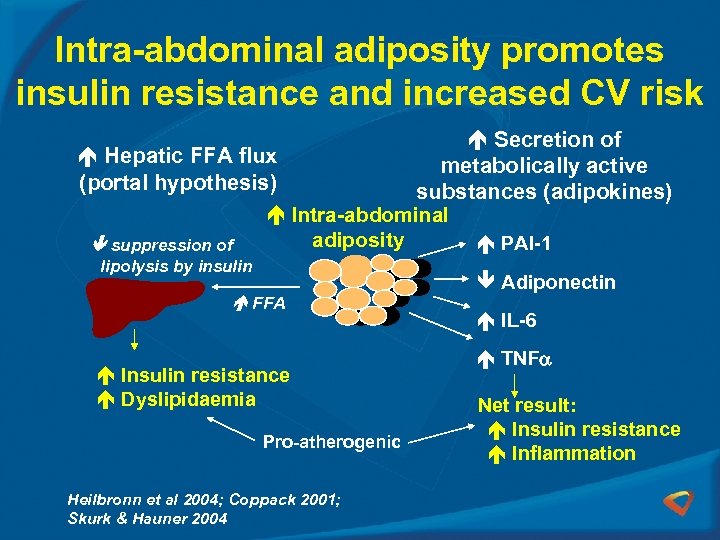
Intra-abdominal adiposity promotes insulin resistance and increased CV risk Secretion of Hepatic FFA flux metabolically active (portal hypothesis) substances (adipokines) Intra-abdominal adiposity PAI-1 suppression of lipolysis by insulin FFA Insulin resistance Dyslipidaemia Pro-atherogenic Heilbronn et al 2004; Coppack 2001; Skurk & Hauner 2004 Adiponectin IL-6 TNF Net result: Insulin resistance Inflammation
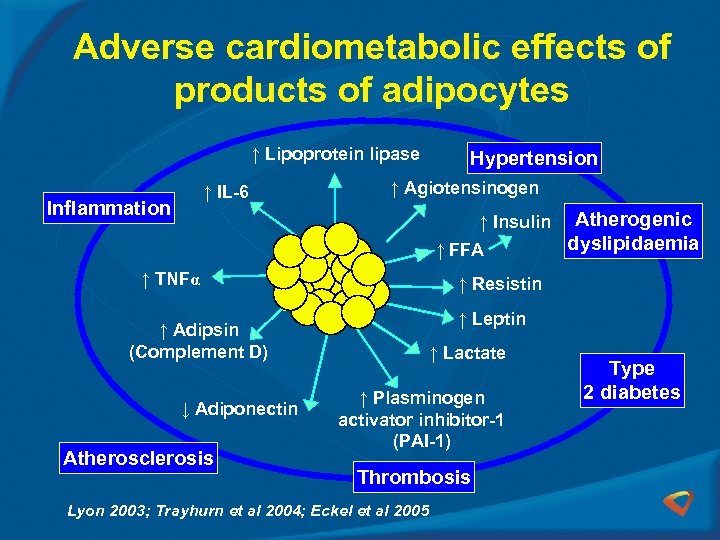
Adverse cardiometabolic effects of products of adipocytes ↑ Lipoprotein lipase ↑ Agiotensinogen ↑ IL-6 Inflammation Hypertension ↑ Insulin ↑ TNFα Adipose tissue ↑ Adipsin (Complement D) ↓ Adiponectin Atherosclerosis ↑ FFA ↑ Resistin ↑ Leptin ↑ Lactate ↑ Plasminogen activator inhibitor-1 (PAI-1) Thrombosis Lyon 2003; Trayhurn et al 2004; Eckel et al 2005 Atherogenic dyslipidaemia Type 2 diabetes
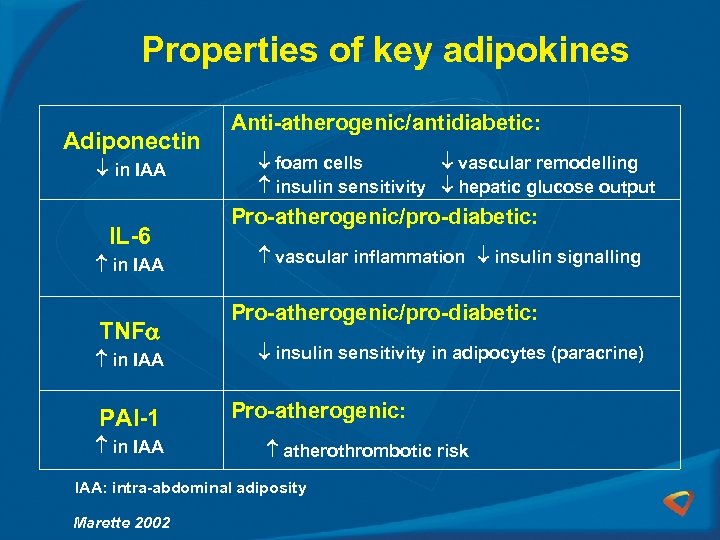
Properties of key adipokines Adiponectin in IAA IL-6 in IAA TNF in IAA PAI-1 in IAA Anti-atherogenic/antidiabetic: foam cells vascular remodelling insulin sensitivity hepatic glucose output Pro-atherogenic/pro-diabetic: vascular inflammation insulin signalling Pro-atherogenic/pro-diabetic: insulin sensitivity in adipocytes (paracrine) Pro-atherogenic: atherothrombotic risk IAA: intra-abdominal adiposity Marette 2002
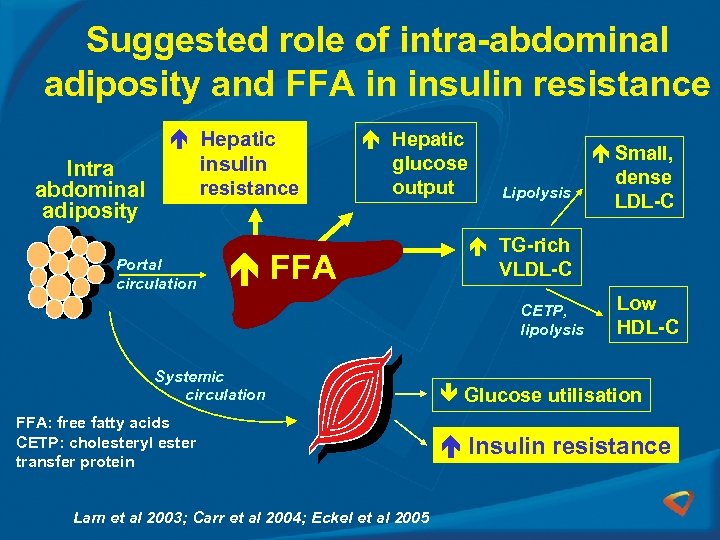
Suggested role of intra-abdominal adiposity and FFA in insulin resistance Intra abdominal adiposity Hepatic insulin resistance Portal circulation Hepatic glucose output FFA Lipolysis TG-rich VLDL-C CETP, lipolysis Systemic circulation FFA: free fatty acids CETP: cholesteryl ester transfer protein Lam et al 2003; Carr et al 2004; Eckel et al 2005 Small, dense LDL-C Low HDL-C Glucose utilisation Insulin resistance
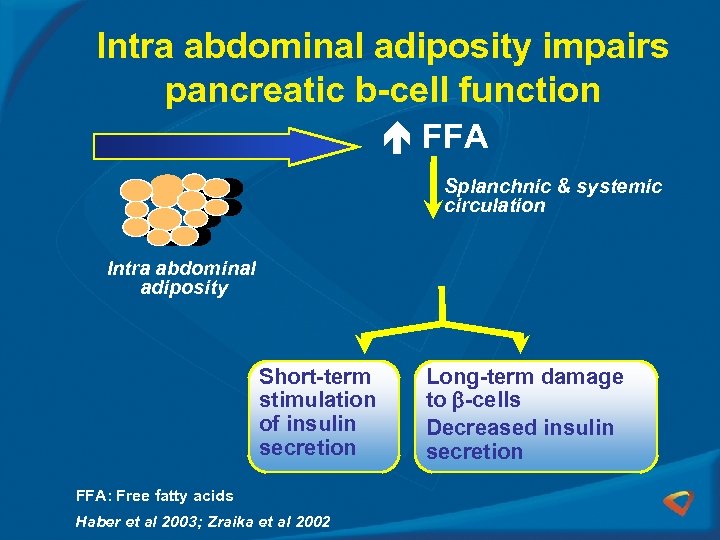
Intra abdominal adiposity impairs pancreatic b-cell function FFA Splanchnic & systemic circulation Intra abdominal adiposity Short-term stimulation of insulin secretion FFA: Free fatty acids Haber et al 2003; Zraika et al 2002 Long-term damage to b-cells Decreased insulin secretion
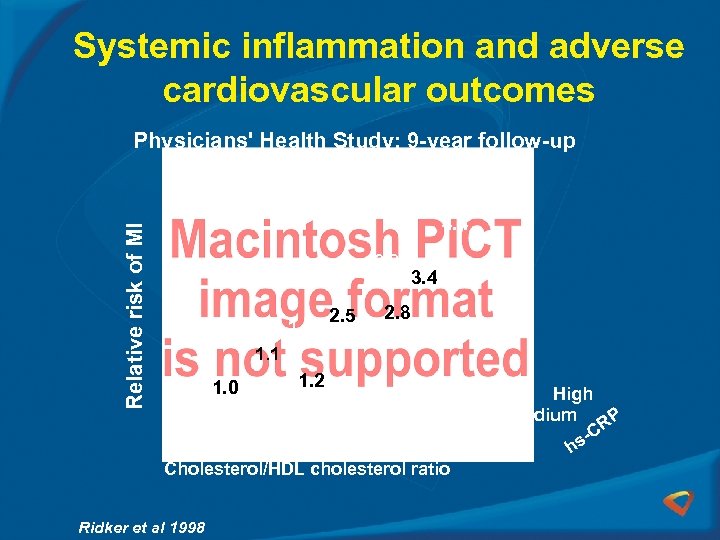
Systemic inflammation and adverse cardiovascular outcomes Physicians' Health Study: 9 -year follow-up Relative risk of MI 4. 4 2. 8 1. 3 2. 5 3. 4 2. 8 1. 1 1. 0 Low 1. 2 Medium High Cholesterol/HDL cholesterol ratio Ridker et al 1998 High Medium RP Low C sh
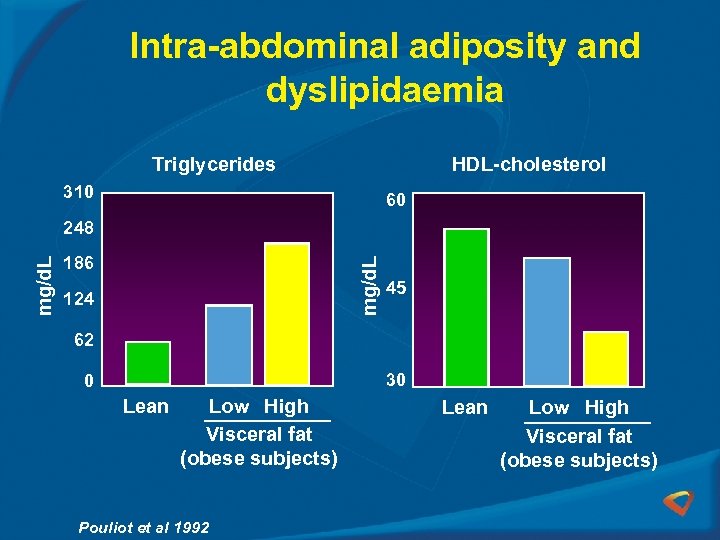
Intra-abdominal adiposity and dyslipidaemia Triglycerides HDL-cholesterol 310 60 186 mg/d. L 248 124 45 62 30 0 Lean Low High Visceral fat (obese subjects) Pouliot et al 1992 Lean Low High Visceral fat (obese subjects)
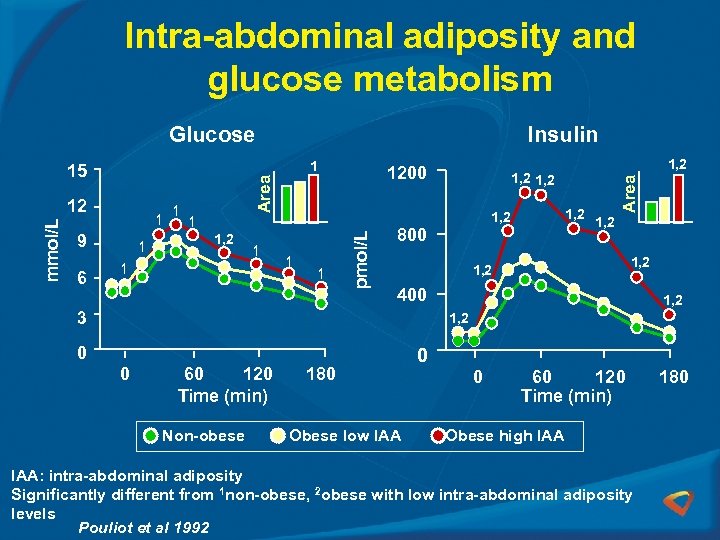
Intra-abdominal adiposity and glucose metabolism Glucose 9 1 1 Area 1 1 1, 2 1 1 pmol/L mmol/L 12 1200 1, 2 1, 2 800 Area 1 15 6 Insulin 1, 2 400 3 1, 2 0 0 60 120 Time (min) Non-obese 180 Obese low IAA 0 0 60 120 Time (min) Obese high IAA: intra-abdominal adiposity Significantly different from 1 non-obese, 2 obese with low intra-abdominal adiposity levels Pouliot et al 1992 180
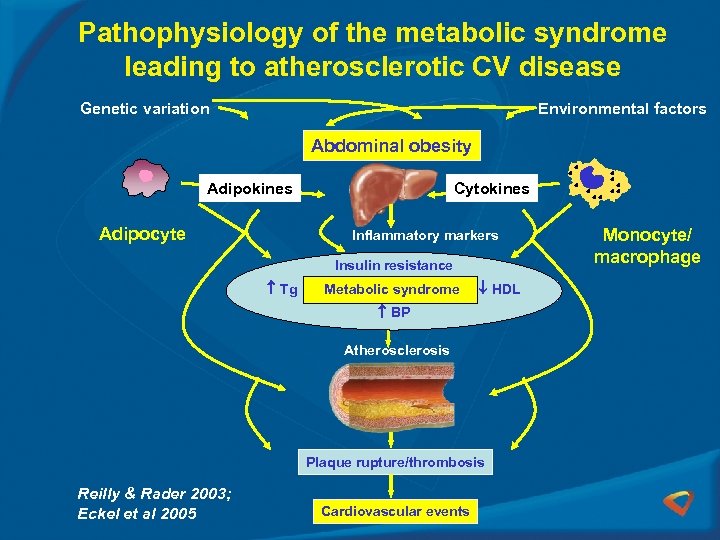
Pathophysiology of the metabolic syndrome leading to atherosclerotic CV disease Genetic variation Environmental factors Abdominal obesity Adipokines Adipocyte Cytokines Inflammatory markers Insulin resistance Tg Metabolic syndrome HDL BP Atherosclerosis Plaque rupture/thrombosis Reilly & Rader 2003; Eckel et al 2005 Cardiovascular events Monocyte/ macrophage
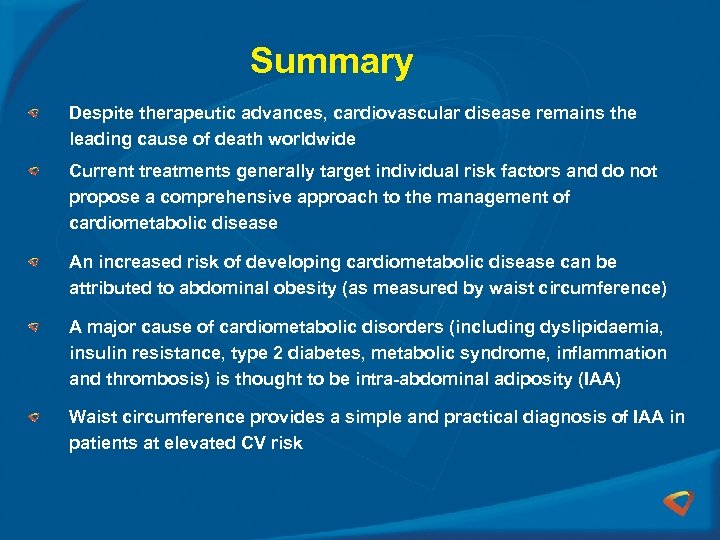
Summary Despite therapeutic advances, cardiovascular disease remains the leading cause of death worldwide Current treatments generally target individual risk factors and do not propose a comprehensive approach to the management of cardiometabolic disease An increased risk of developing cardiometabolic disease can be attributed to abdominal obesity (as measured by waist circumference) A major cause of cardiometabolic disorders (including dyslipidaemia, insulin resistance, type 2 diabetes, metabolic syndrome, inflammation and thrombosis) is thought to be intra-abdominal adiposity (IAA) Waist circumference provides a simple and practical diagnosis of IAA in patients at elevated CV risk
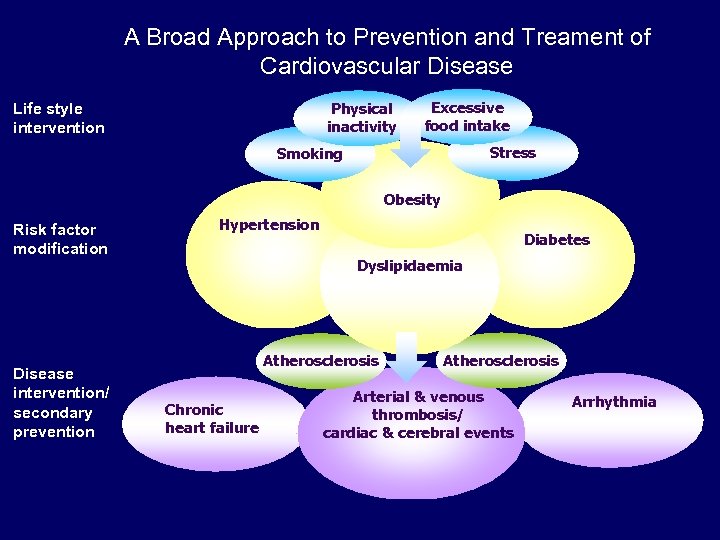
A Broad Approach to Prevention and Treament of Cardiovascular Disease Physical inactivity Life style intervention Excessive food intake Stress Smoking Obesity Risk factor modification Disease intervention/ secondary prevention Hypertension Diabetes Dyslipidaemia Atherosclerosis Chronic heart failure Atherosclerosis Arterial & venous thrombosis/ cardiac & cerebral events Arrhythmia

Can we change our life-style? Buy a dog!

Thank you for your attention!
Скачать презентацию Metabola Syndromet 2006 Björn Carlsson Apex Block III
d63fa37fe343ba8508a7f02c087c2ca2.ppt