Скачать презентацию Meiosis is a special cell division which takes
09-Meiosis.ppt
- Количество слайдов: 28

 Meiosis is a special cell division which takes place in the reproductive organs of living things.
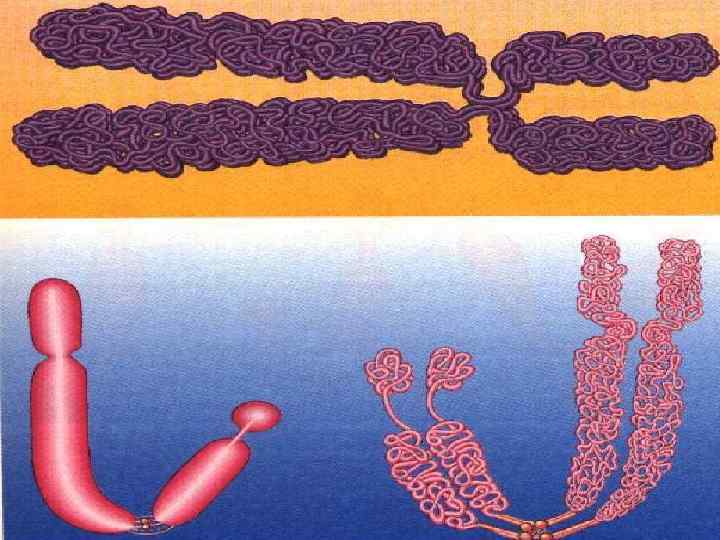
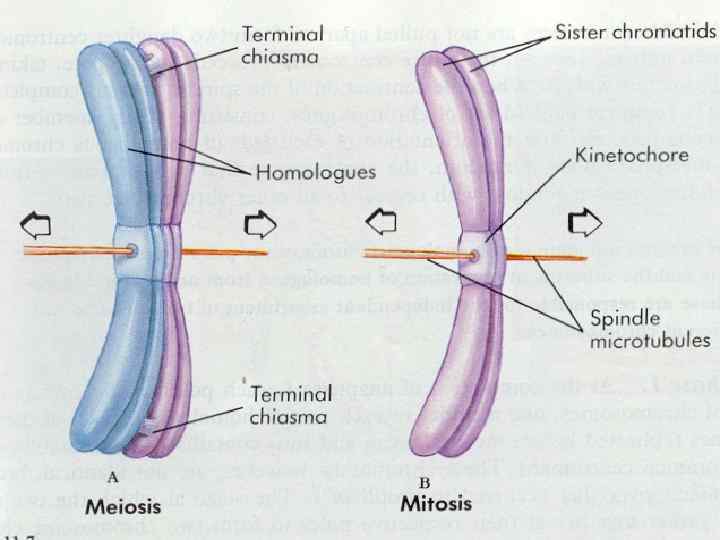
 • Characters of living things are carried by means of a pair of chromosomes. One of them comes from father and other comes from mother. • These pair of chromosomes is called homologous chromosomes. Homologous chromosomes carry similar characters in the same order.
 • Cell that has full number of chromosomes which characterises the species is called diploid (2 n) cell. • At the end of the meiosis 4 different haploid (n) cells are formed. • These cells have half chromosome number of their parent cells.
 STAGES OF MEIOSIS • The Meiosis consists of two cell divisions: –MEIOSIS-II
 MEIOSIS-I • At the beginning of meiosis, cells have the diploid number of chromosomes. • There is interphase before the beginning of the first meiotic division. • DNA is replicated in interphase.
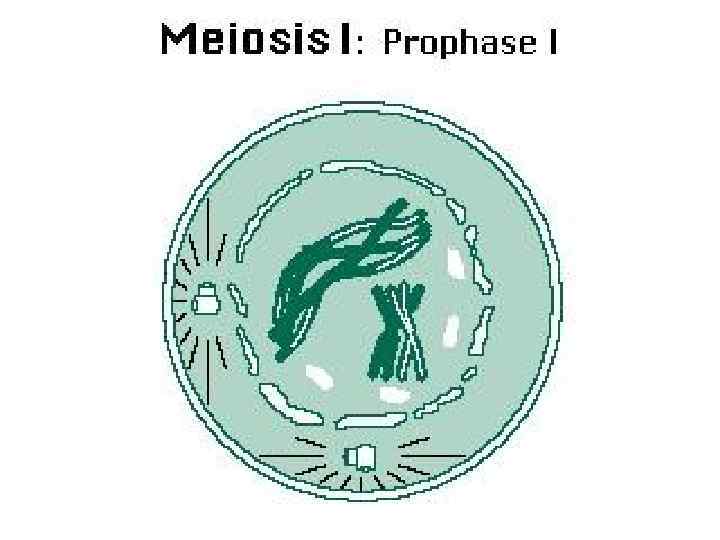
 PROPHASE-I • Spindle fibers are formed by centrioles. • Nuclear membrane and nucleolus disappear. • DNA are shortened and thickened to form chromosomes. • Each chromosome lines up exactly with its homologous chromosome. • Homologous chromosomes attach to their pairs and tetrads are formed.
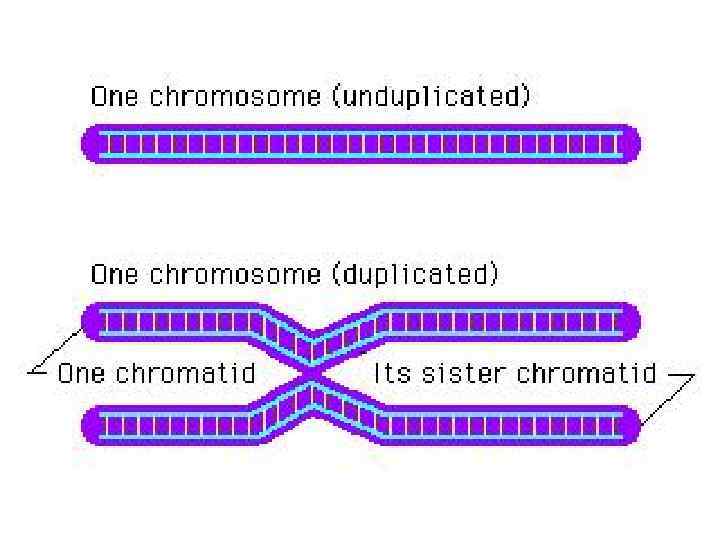
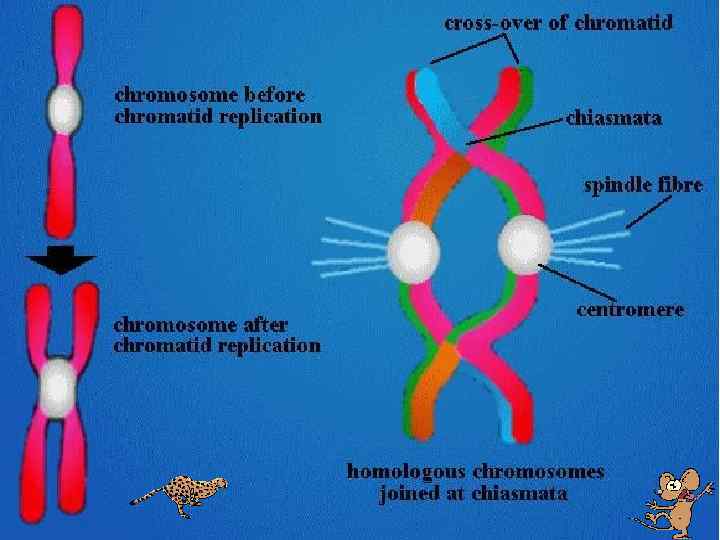
 CROSSING-OVER • Pairs of homologous chromosomes forms the TETRADS. • The gen exchange between chromatids of homologous chromosomes pairs is called crossingover. • Crossing-over provide the variaty in species.
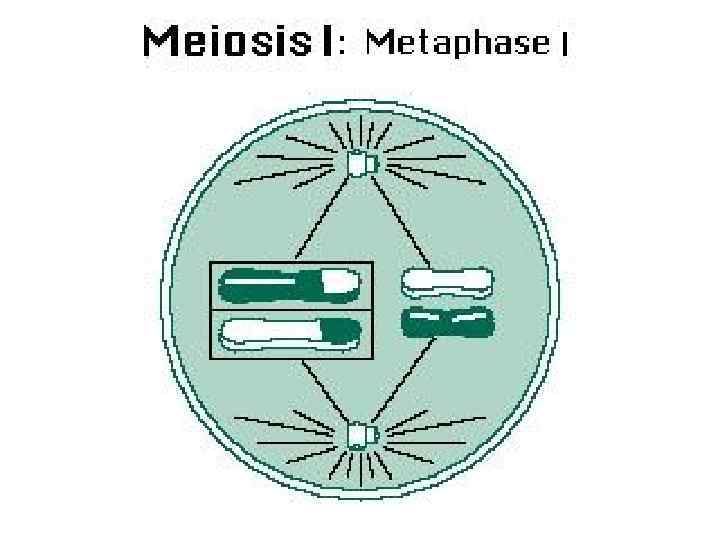
 METAPHASE-I • Homologous chromosome pairs line up on the equator. • The chromosomes attach to the spindle fibers at their centromers.
 ANAPHASE-I • The homologous chromosomes of each tetrad separate from each other. • They move to opposite poles of the cell. • The set of chromosomes around each pole is haploid.
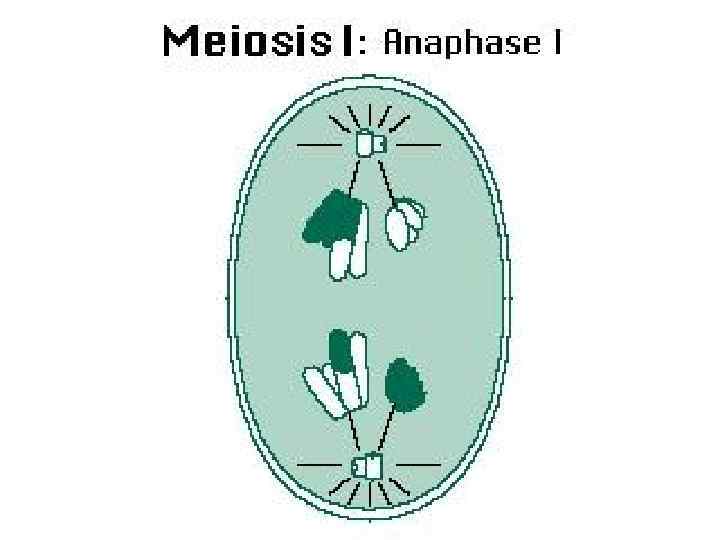
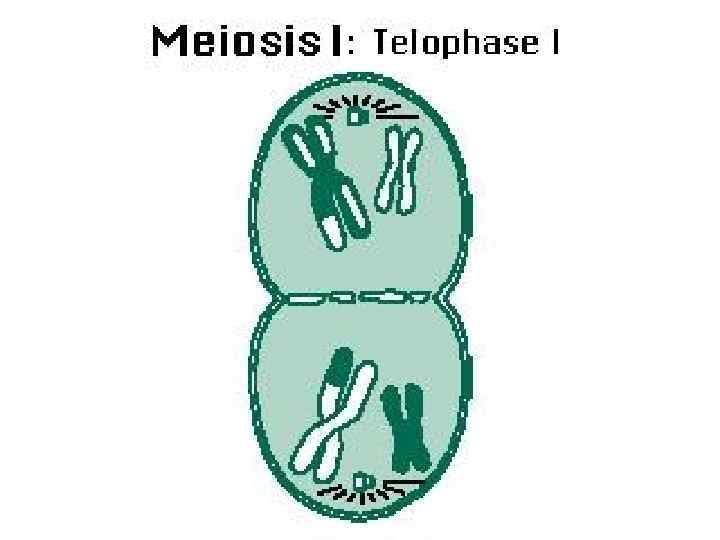
 TELOPHASE-I • Nuclear membranes are formed. The cytoplasm divides forming two daughter cells.
 MEIOSIS-II • The second division of the meiosis is similar to the mitotic cell division.
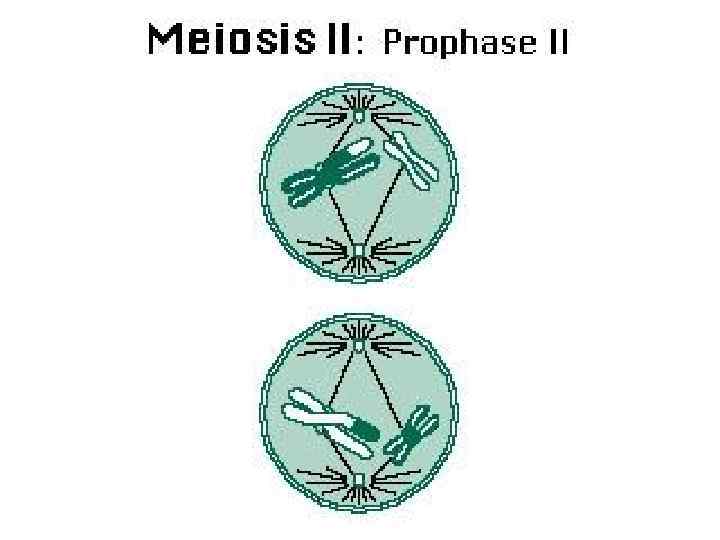
 PROPHASE-II • Each of the daughter cells forms a spindle and the double stranded. • Chromosomes move towards the middle of the cell.
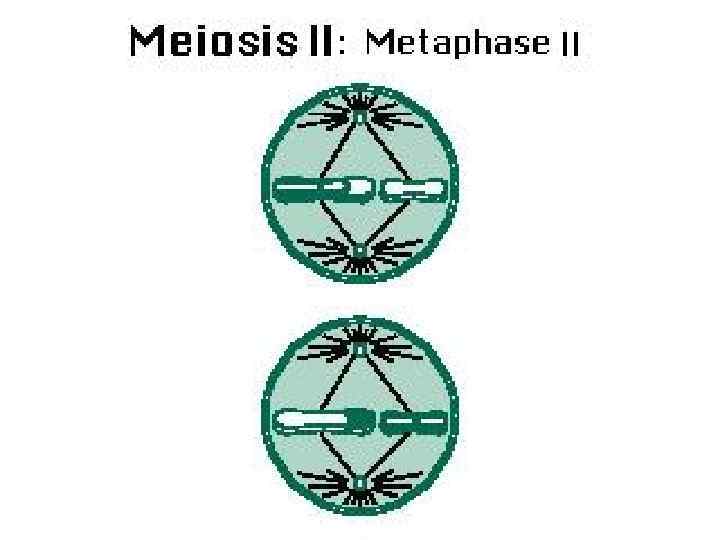
 METAPHASE-II • The chromosomes become attached to the spindle fibers at their centromers. • And the chromosomes line up on the equator.
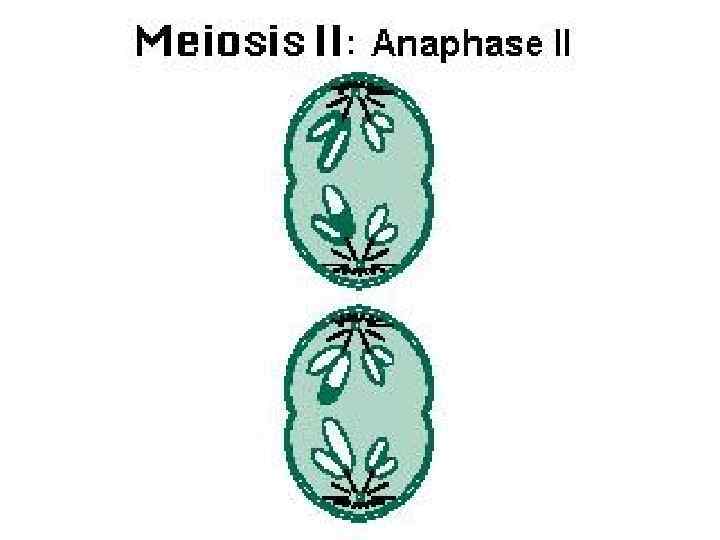
 ANAPHASE-II • The Centromers divide and the sister chromatids seperate. • The chromatids move towards the opposite poles of the cells.
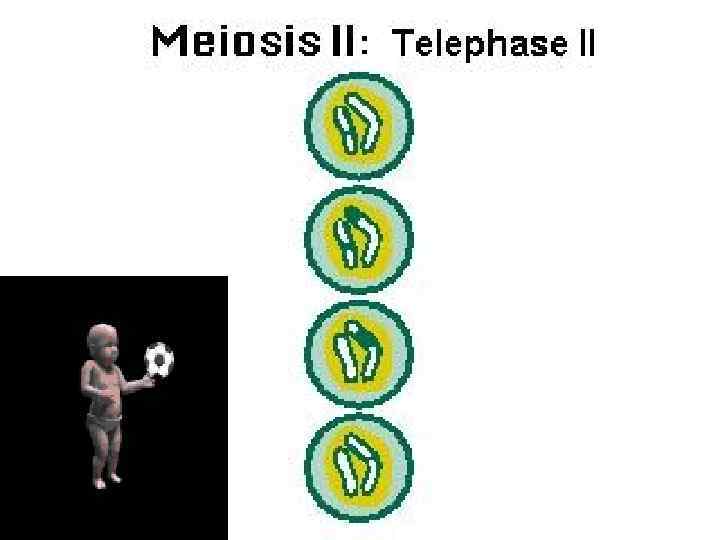
 TELOPHASE-II • Both daughter cells divide forming 4 haploid cells. • The nuclear membrane and nucleolus reappear.