 Скачать презентацию MEDLIFE Miami Brigade Meeting Brigade August 7 —
c7139b302626eb6b9b948dd2e8305ad5.ppt
- Количество слайдов: 39



MEDLIFE Miami: Brigade Meeting Brigade: August 7 - August 14 : Riobamba, Ecuador
New MEDLIFE Miami Website • Check us out at: – www. orgs. muohio. edu/medlife
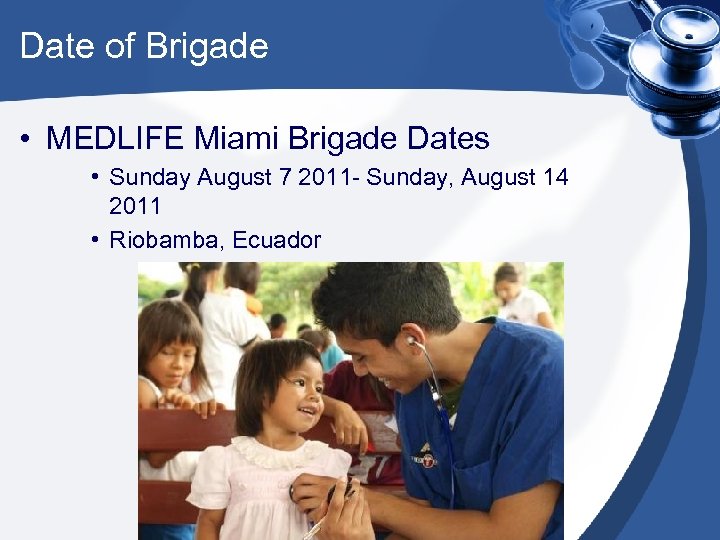
Date of Brigade • MEDLIFE Miami Brigade Dates • Sunday August 7 2011 - Sunday, August 14 2011 • Riobamba, Ecuador
Brigade Application Process • Active Participant in MEDLIFE Miami • Miami University Policies – Minimum GPA: • 2. 00 – Age: • At least 18 years of age • Attend Orientation and Training – Last week of April – Closer to departure • Language and Skills training • Packing advice and safety/security information • Deposit – $100 non-refundable at time of application
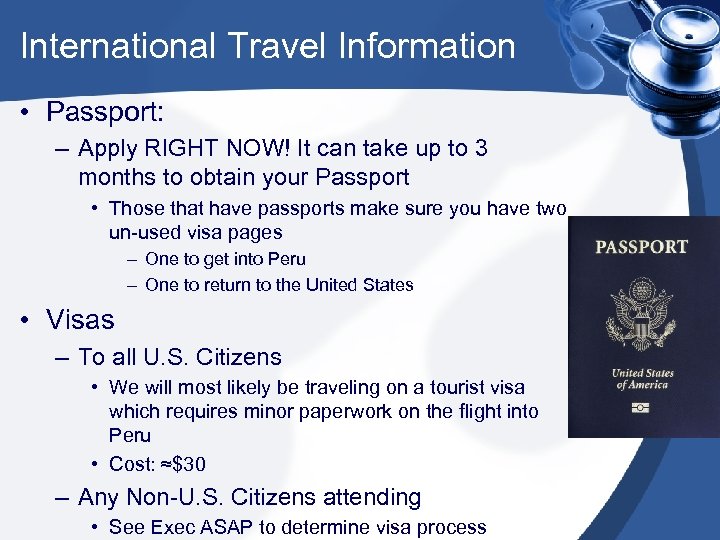
International Travel Information • Passport: – Apply RIGHT NOW! It can take up to 3 months to obtain your Passport • Those that have passports make sure you have two un-used visa pages – One to get into Peru – One to return to the United States • Visas – To all U. S. Citizens • We will most likely be traveling on a tourist visa which requires minor paperwork on the flight into Peru • Cost: ≈$30 – Any Non-U. S. Citizens attending • See Exec ASAP to determine visa process
Flight Update • We will be in contact with a travel agent from MEDLIFE. – Flights will be approx. $800. 00 – MEDLIFE Miami recently received supportive funding from Miami University’s ASG • The first 20 participants will obtain a $50 -$100 flight credit to cut the cost of travel – Flexibility in Departure Airport • Home Miami, FL • Miami, FL Ecuador
Vaccination and Immunizations • All required U. S. Vaccinations – MMR – DTP (diphtheria/pertussis/tetanus) • Recommendations by CDC – Yellow Fever (10 year inc. ) – Hep A/ Hep B – Rabies • Required by MEDLIFE – Still being determined
MEDLIFE Brigade and your Health • International Health Insurance: – THIS IS A REQUIREMENT by both Miami University and MEDLIFE: • HTH World Wide Insurance – Miami University requirement » $11. 35 person per week » Any person under 49 years of age – If a medical emergency occurs: • Most cases will be handed by MEDLIFE and associated physician • Insurance (HTH) is provide for those that need specialties only available in the United States
On-Site information: Housing, Meals and Transportation • Housing: – Hotel Monte Carlo – Avenida 10 de agosto 25 41 entre García Moreno y España, Riobamba, Ecuador – All hotels have electricity, running water and hot showers, internet access, clean linens, and safe-lock boxes. Bottled water and safe food are always available • Meals: Breakfast and lunch are for sure provided within your participation fee – Breakfast is provided at the hotel • typically juice/tea/coffee, fruit, bread, and eggs – Lunch is provided during clinic days. – Dinner: is taken either at the hotel or at a reputable local restaurant. – People with allergies talk with Exec member before departure • Transportation – All on-site transportation is provide by MEDLIFE, paid by participation fee
Total Cost: Analysis Individual fee International Health Insurance Flight (round trip) Total (Charged) Casual Spending (meals for two days, soveniers, extra food, ext) Total (charged and spending) $679. 50 $11. 35 $800. 00 $1, 290. 85 $200. 00 $1, 490. 85
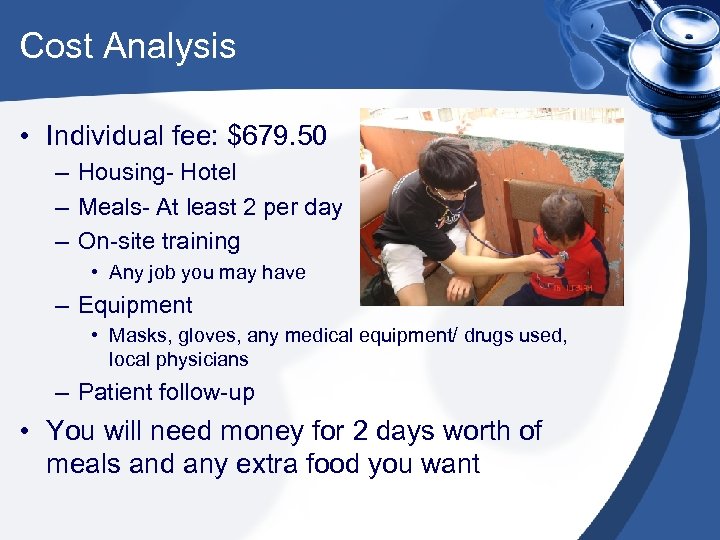
Cost Analysis • Individual fee: $679. 50 – Housing- Hotel – Meals- At least 2 per day – On-site training • Any job you may have – Equipment • Masks, gloves, any medical equipment/ drugs used, local physicians – Patient follow-up • You will need money for 2 days worth of meals and any extra food you want
Support from ASG • The first 20 participants of the MEDLIFE Miami trip on Aug 7 – Aug 14 will be able to get $50 -$100 off airfare
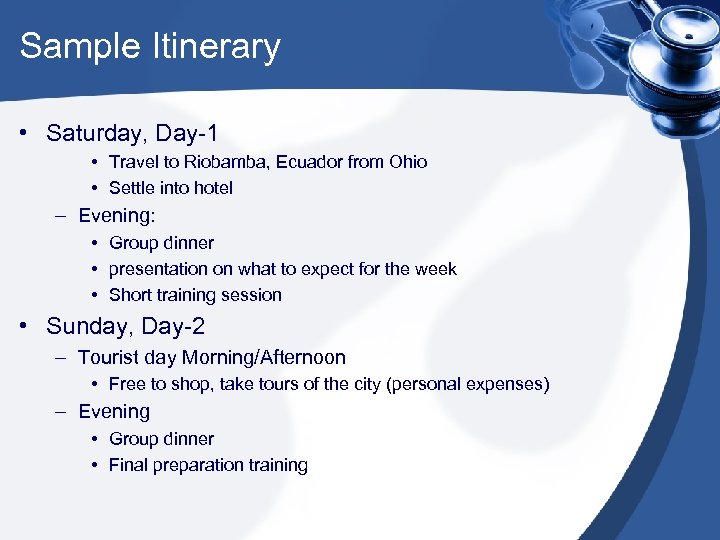
Sample Itinerary • Saturday, Day-1 • Travel to Riobamba, Ecuador from Ohio • Settle into hotel – Evening: • Group dinner • presentation on what to expect for the week • Short training session • Sunday, Day-2 – Tourist day Morning/Afternoon • Free to shop, take tours of the city (personal expenses) – Evening • Group dinner • Final preparation training
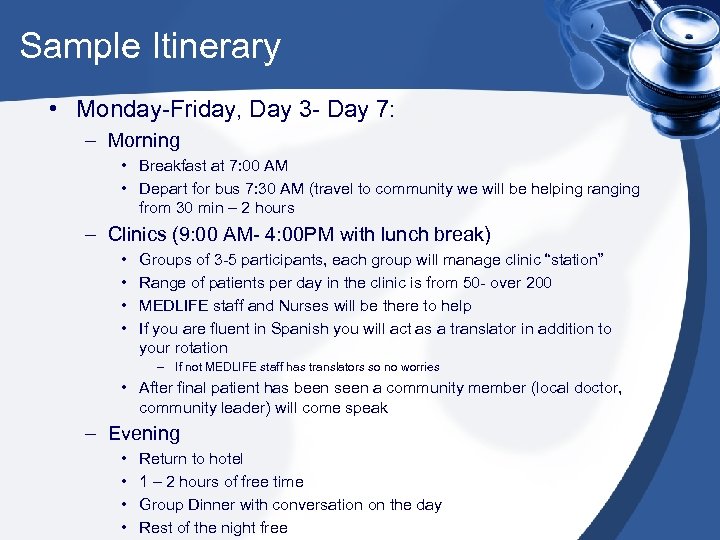
Sample Itinerary • Monday-Friday, Day 3 - Day 7: – Morning • Breakfast at 7: 00 AM • Depart for bus 7: 30 AM (travel to community we will be helping ranging from 30 min – 2 hours – Clinics (9: 00 AM- 4: 00 PM with lunch break) • • Groups of 3 -5 participants, each group will manage clinic “station” Range of patients per day in the clinic is from 50 - over 200 MEDLIFE staff and Nurses will be there to help If you are fluent in Spanish you will act as a translator in addition to your rotation – If not MEDLIFE staff has translators so no worries • After final patient has been seen a community member (local doctor, community leader) will come speak – Evening • • Return to hotel 1 – 2 hours of free time Group Dinner with conversation on the day Rest of the night free
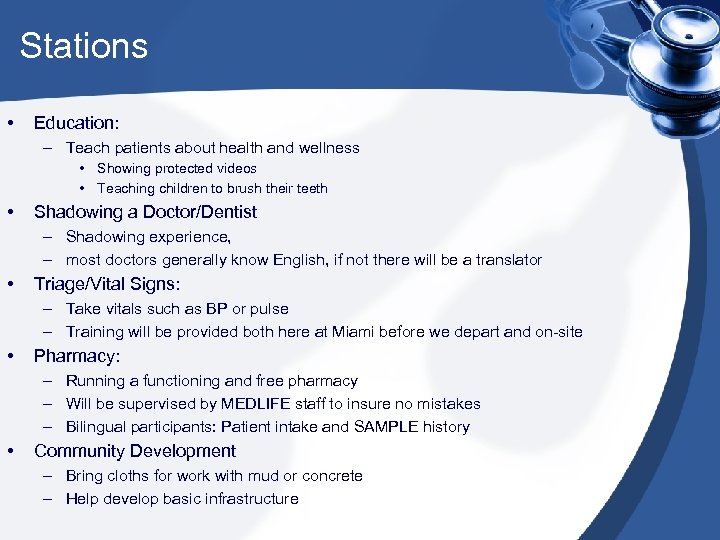
Stations • Education: – Teach patients about health and wellness • Showing protected videos • Teaching children to brush their teeth • Shadowing a Doctor/Dentist – Shadowing experience, – most doctors generally know English, if not there will be a translator • Triage/Vital Signs: – Take vitals such as BP or pulse – Training will be provided both here at Miami before we depart and on-site • Pharmacy: – Running a functioning and free pharmacy – Will be supervised by MEDLIFE staff to insure no mistakes – Bilingual participants: Patient intake and SAMPLE history • Community Development – Bring cloths for work with mud or concrete – Help develop basic infrastructure
Sample Itinerary • Saturday, Day-8 – All day • Shopping/ tourist activates • Pay for your own meals • Sunday, Day-9 – Travel back to Ohio
What to bring? • Small travel bag Towel Comfortable walking shoes Shorts (1 -3)Long pants (1 -3) Long and short-sleeved shirts (3 -5) Socks Underwear Sunscreen Sunglasses Windbreaker or light rain jacket Camera, film and battery Any medicine you may be taking Toilette kit (toothbrush, shampoo etc) Hand sanitizer Passport with Yellow Book Airline tickets Insurance card (health/travel) Money Credit cards, ATM card Personal ID, Drivers license Watch with second hand is very useful
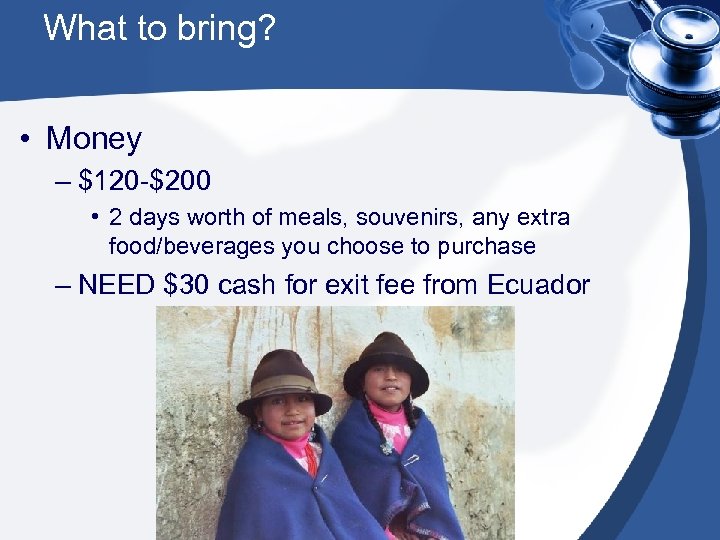
What to bring? • Money – $120 -$200 • 2 days worth of meals, souvenirs, any extra food/beverages you choose to purchase – NEED $30 cash for exit fee from Ecuador
Part II: Useful Spanish Interactive? http: //www. medlifeweb. org/medical-brigades/spanish-phrases
Useful Spanish- Greetings • Good morning/afternoon/night – Buenos días / buenas tardes / buenas noches • How are you? / Fine/bad – ¿Cómo está? / Bien/mal • Hello, my name is John/I am 23 years old/I am from the United States – Hola, me llamo John / Tengo 23 años/ Soy de los Estados Unidos • Goodbye/ See you later – Adiós / Hasta luego / Ciao
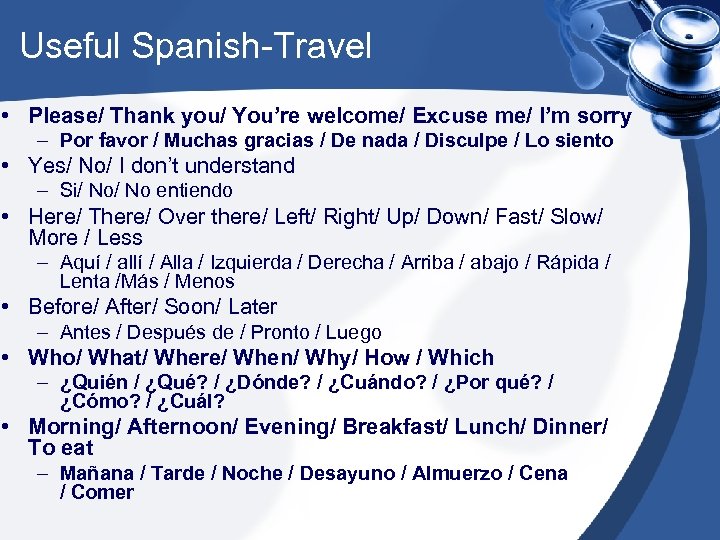
Useful Spanish-Travel • Please/ Thank you/ You’re welcome/ Excuse me/ I’m sorry – Por favor / Muchas gracias / De nada / Disculpe / Lo siento • Yes/ No/ I don’t understand – Si/ No entiendo • Here/ There/ Over there/ Left/ Right/ Up/ Down/ Fast/ Slow/ More / Less – Aquí / allí / Alla / Izquierda / Derecha / Arriba / abajo / Rápida / Lenta /Más / Menos • Before/ After/ Soon/ Later – Antes / Después de / Pronto / Luego • Who/ What/ Where/ When/ Why/ How / Which – ¿Quién / ¿Qué? / ¿Dónde? / ¿Cuándo? / ¿Por qué? / ¿Cómo? / ¿Cuál? • Morning/ Afternoon/ Evening/ Breakfast/ Lunch/ Dinner/ To eat – Mañana / Tarde / Noche / Desayuno / Almuerzo / Cena / Comer
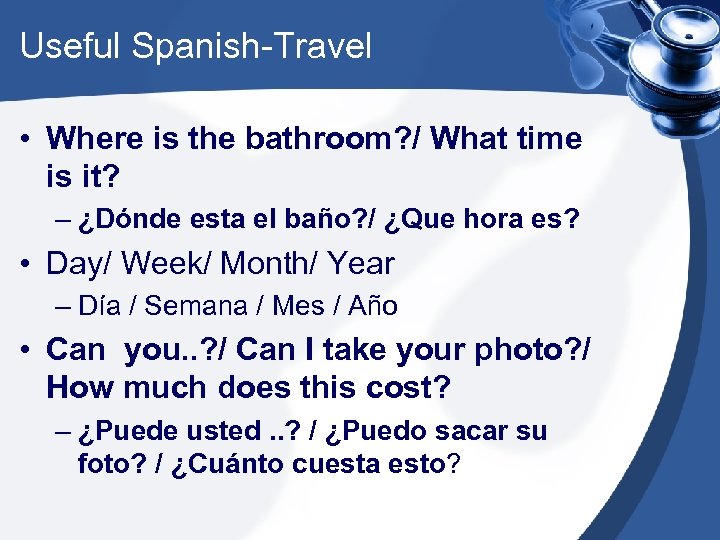
Useful Spanish-Travel • Where is the bathroom? / What time is it? – ¿Dónde esta el baño? / ¿Que hora es? • Day/ Week/ Month/ Year – Día / Semana / Mes / Año • Can you. . ? / Can I take your photo? / How much does this cost? – ¿Puede usted. . ? / ¿Puedo sacar su foto? / ¿Cuánto cuesta esto?
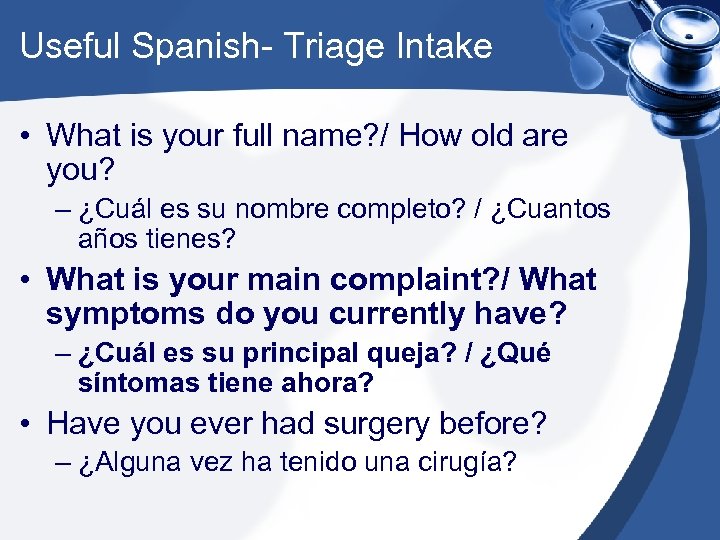
Useful Spanish- Triage Intake • What is your full name? / How old are you? – ¿Cuál es su nombre completo? / ¿Cuantos años tienes? • What is your main complaint? / What symptoms do you currently have? – ¿Cuál es su principal queja? / ¿Qué síntomas tiene ahora? • Have you ever had surgery before? – ¿Alguna vez ha tenido una cirugía?
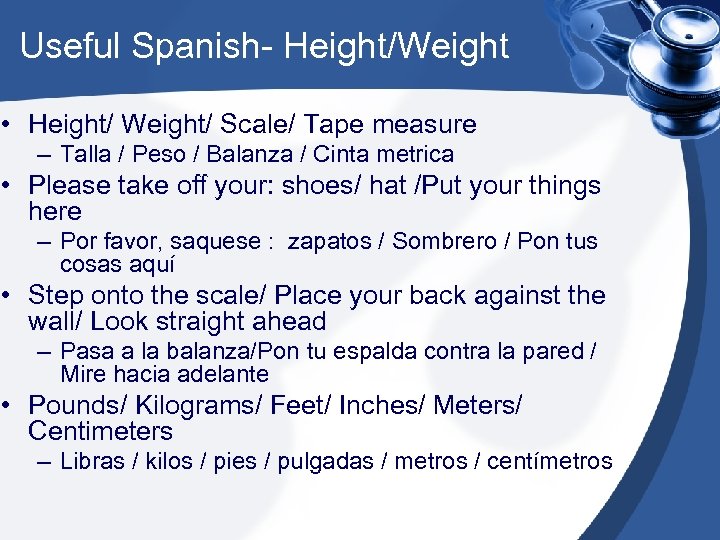
Useful Spanish- Height/Weight • Height/ Weight/ Scale/ Tape measure – Talla / Peso / Balanza / Cinta metrica • Please take off your: shoes/ hat /Put your things here – Por favor, saquese : zapatos / Sombrero / Pon tus cosas aquí • Step onto the scale/ Place your back against the wall/ Look straight ahead – Pasa a la balanza/Pon tu espalda contra la pared / Mire hacia adelante • Pounds/ Kilograms/ Feet/ Inches/ Meters/ Centimeters – Libras / kilos / pies / pulgadas / metros / centímetros
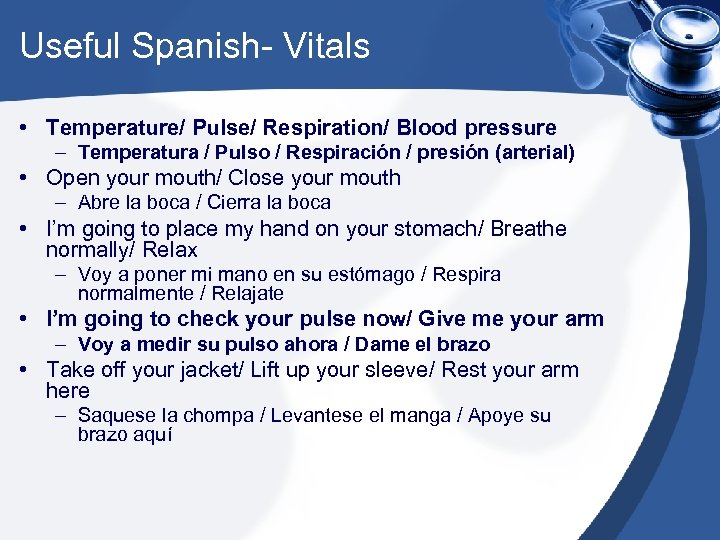
Useful Spanish- Vitals • Temperature/ Pulse/ Respiration/ Blood pressure – Temperatura / Pulso / Respiración / presión (arterial) • Open your mouth/ Close your mouth – Abre la boca / Cierra la boca • I’m going to place my hand on your stomach/ Breathe normally/ Relax – Voy a poner mi mano en su estómago / Respira normalmente / Relajate • I’m going to check your pulse now/ Give me your arm – Voy a medir su pulso ahora / Dame el brazo • Take off your jacket/ Lift up your sleeve/ Rest your arm here – Saquese la chompa / Levantese el manga / Apoye su brazo aquí
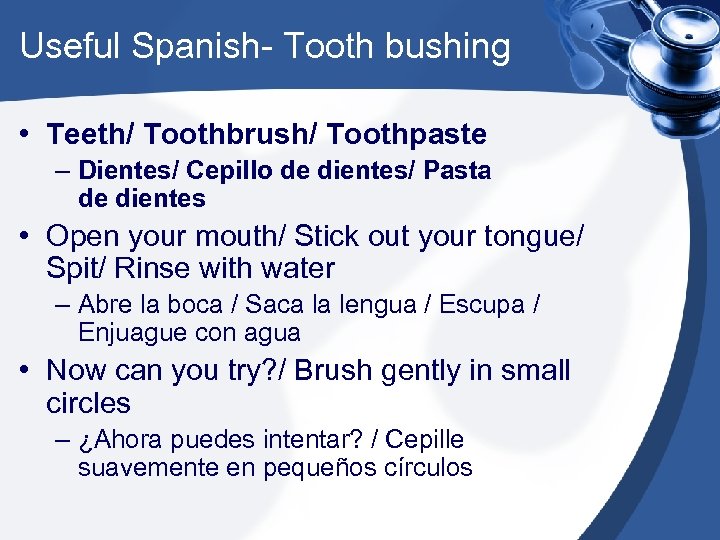
Useful Spanish- Tooth bushing • Teeth/ Toothbrush/ Toothpaste – Dientes/ Cepillo de dientes/ Pasta de dientes • Open your mouth/ Stick out your tongue/ Spit/ Rinse with water – Abre la boca / Saca la lengua / Escupa / Enjuague con agua • Now can you try? / Brush gently in small circles – ¿Ahora puedes intentar? / Cepille suavemente en pequeños círculos
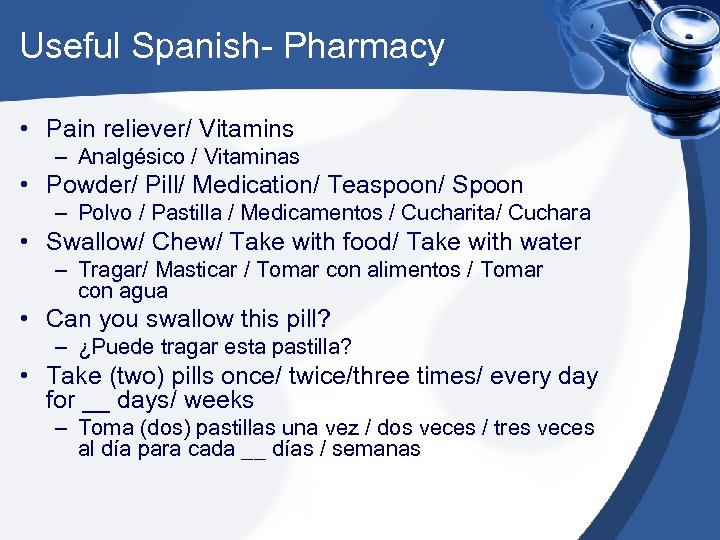
Useful Spanish- Pharmacy • Pain reliever/ Vitamins – Analgésico / Vitaminas • Powder/ Pill/ Medication/ Teaspoon/ Spoon – Polvo / Pastilla / Medicamentos / Cucharita/ Cuchara • Swallow/ Chew/ Take with food/ Take with water – Tragar/ Masticar / Tomar con alimentos / Tomar con agua • Can you swallow this pill? – ¿Puede tragar esta pastilla? • Take (two) pills once/ twice/three times/ every day for __ days/ weeks – Toma (dos) pastillas una vez / dos veces / tres veces al día para cada __ días / semanas
Part III: Lectura Médica y Práctica Kevin Hawkins, EMT-B Katie Hasselfeld, EMT-B
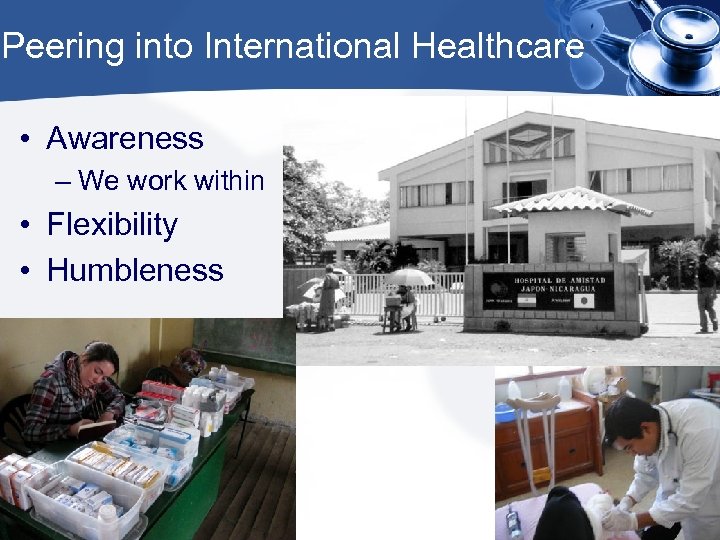
Peering into International Healthcare • Awareness – We work within • Flexibility • Humbleness
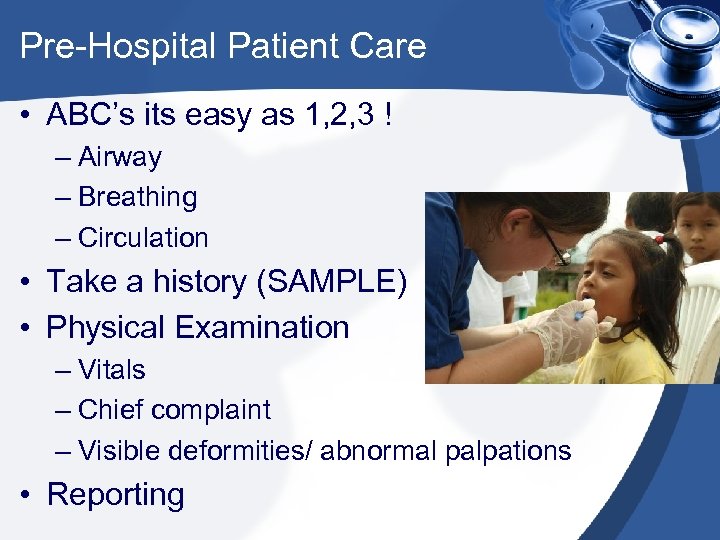
Pre-Hospital Patient Care • ABC’s its easy as 1, 2, 3 ! – Airway – Breathing – Circulation • Take a history (SAMPLE) • Physical Examination – Vitals – Chief complaint – Visible deformities/ abnormal palpations • Reporting
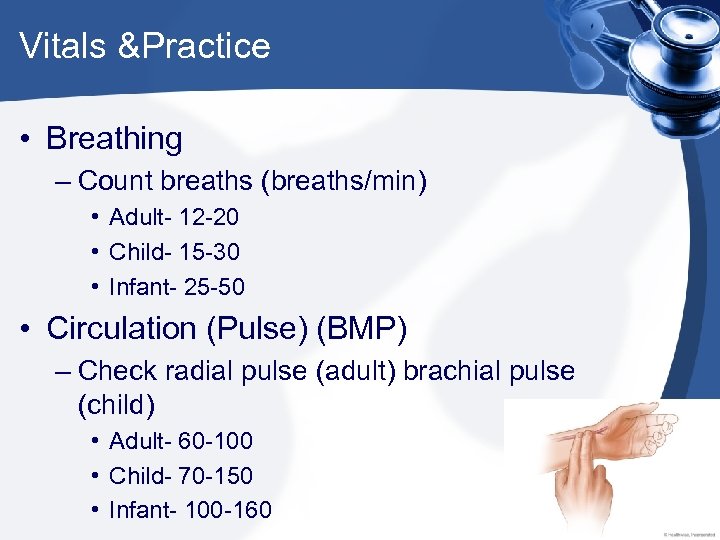
Vitals &Practice • Breathing – Count breaths (breaths/min) • Adult- 12 -20 • Child- 15 -30 • Infant- 25 -50 • Circulation (Pulse) (BMP) – Check radial pulse (adult) brachial pulse (child) • Adult- 60 -100 • Child- 70 -150 • Infant- 100 -160
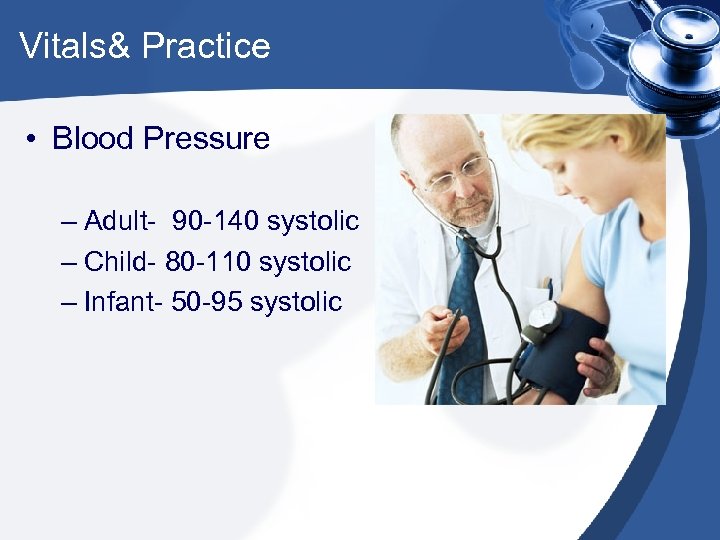
Vitals& Practice • Blood Pressure – Adult- 90 -140 systolic – Child- 80 -110 systolic – Infant- 50 -95 systolic
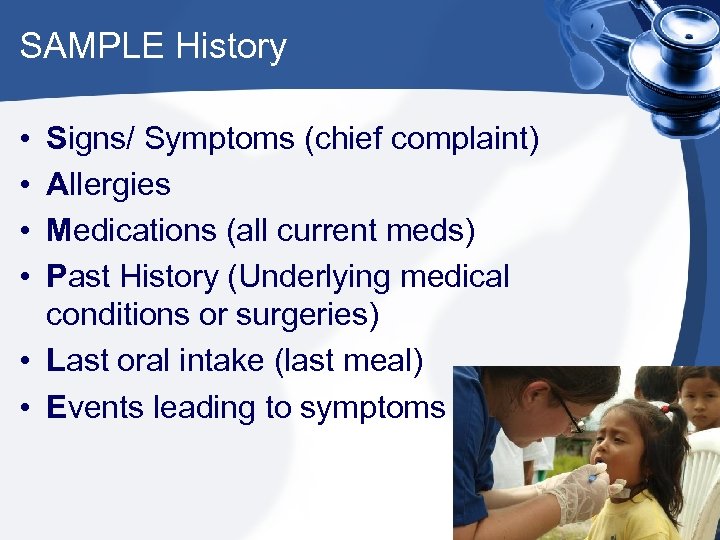
SAMPLE History • • Signs/ Symptoms (chief complaint) Allergies Medications (all current meds) Past History (Underlying medical conditions or surgeries) • Last oral intake (last meal) • Events leading to symptoms
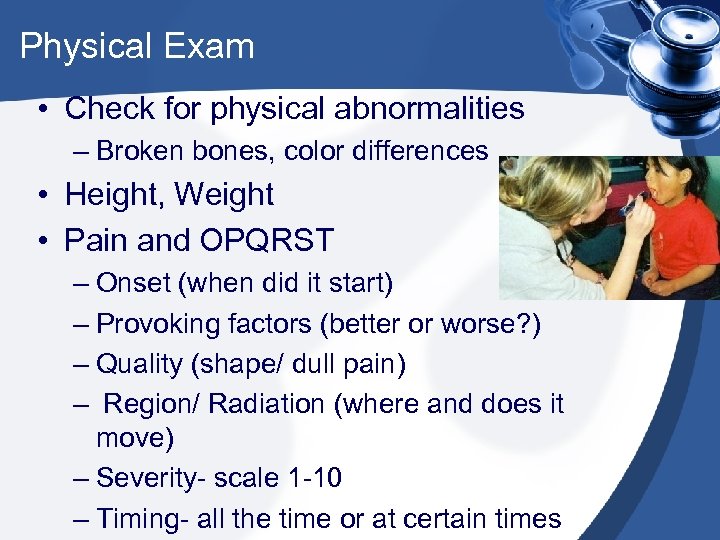
Physical Exam • Check for physical abnormalities – Broken bones, color differences • Height, Weight • Pain and OPQRST – Onset (when did it start) – Provoking factors (better or worse? ) – Quality (shape/ dull pain) – Region/ Radiation (where and does it move) – Severity- scale 1 -10 – Timing- all the time or at certain times
Reporting • Take notes on all patient – Include • Vitals • SAMPLE history – Pain OPQRST • Additional comments
Emergency? • Check ABC’s • Call for a médico (doctor)
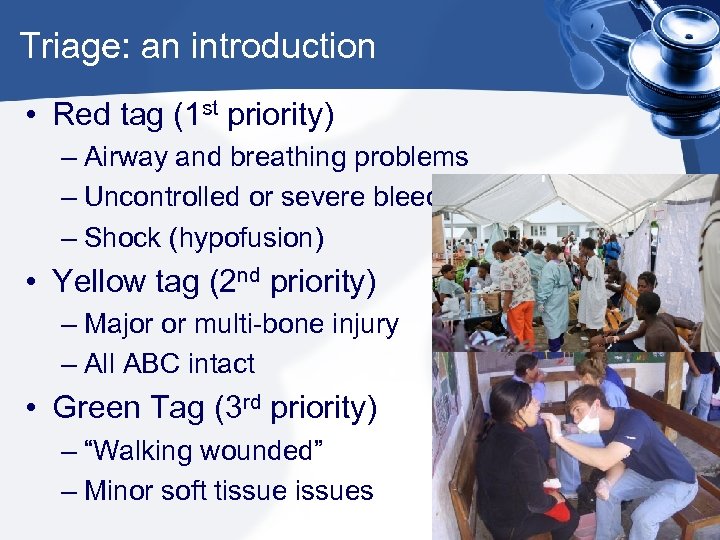
Triage: an introduction • Red tag (1 st priority) – Airway and breathing problems – Uncontrolled or severe bleeding – Shock (hypofusion) • Yellow tag (2 nd priority) – Major or multi-bone injury – All ABC intact • Green Tag (3 rd priority) – “Walking wounded” – Minor soft tissues
Stations • Shadowing – Watching and learning • Tooth brushing – Running a class to children of its importance and how to • Pharmacy – Helping run the pharmacy and explaining how to take a pill or the amount and for how long

Questions/ Concerns
Скачать презентацию MEDLIFE Miami Brigade Meeting Brigade August 7 —
c7139b302626eb6b9b948dd2e8305ad5.ppt