


 Скачать презентацию Medical University of Sofia Faculty of Med Department
226c93127857f1bafd1bb4826c7d5fbc.ppt
- Количество слайдов: 65
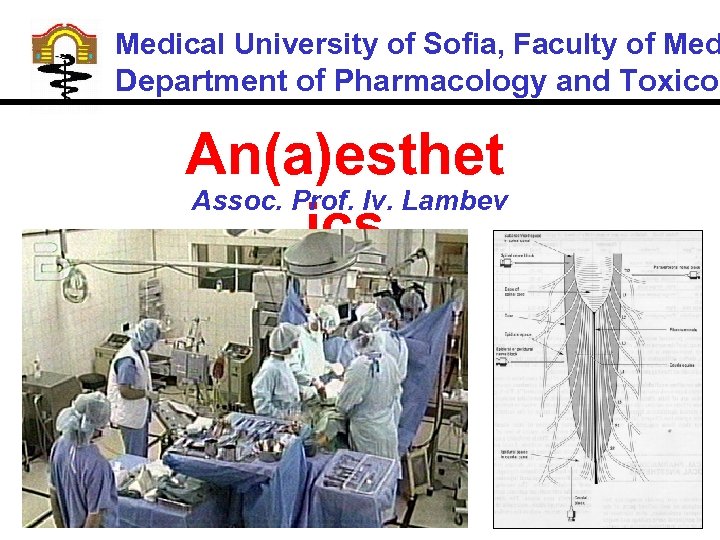 Medical University of Sofia, Faculty of Med Department of Pharmacology and Toxicol An(a)esthet Assoc. Prof. Iv. Lambev ics
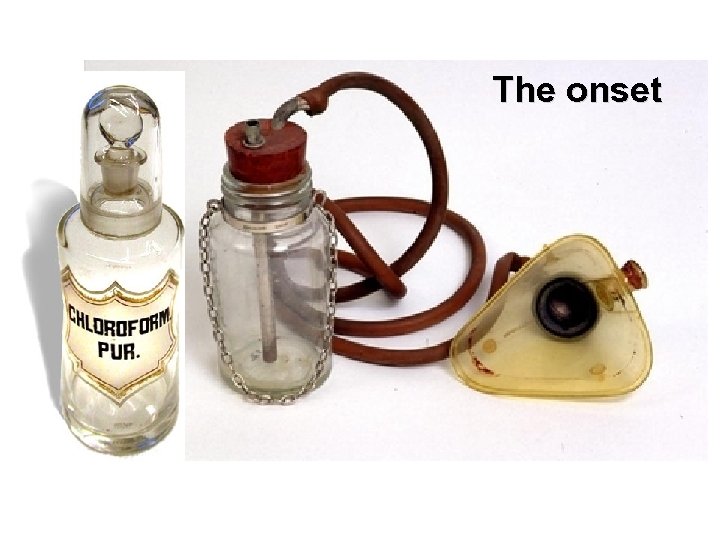
 General anesthetics (GAs) History General anesthesia was introduced into clinical practice in the 19 th centu with the use of volatile liquids such a diethyl ether and chloroform. Cardiac and hepatic toxicity limited the usefulness of chloroform (out of
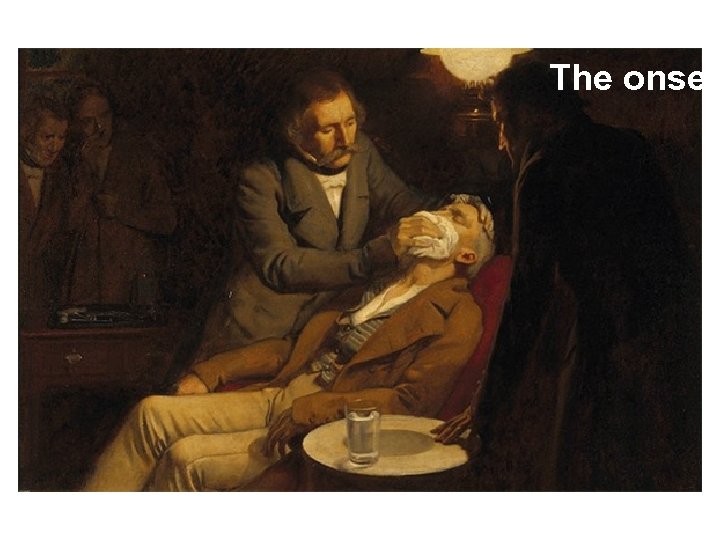
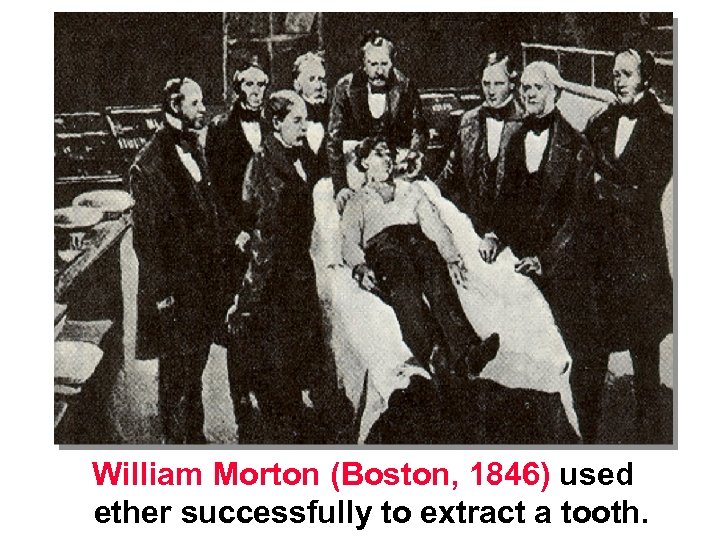 William Morton (Boston, 1846) used ether successfully to extract a tooth.
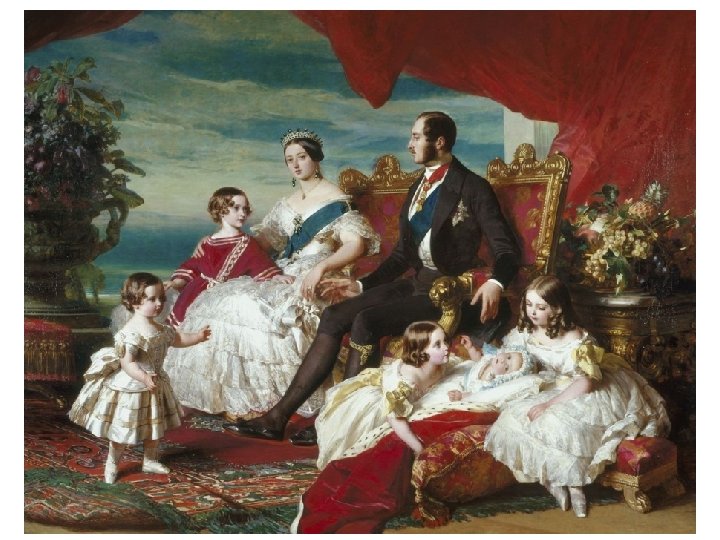
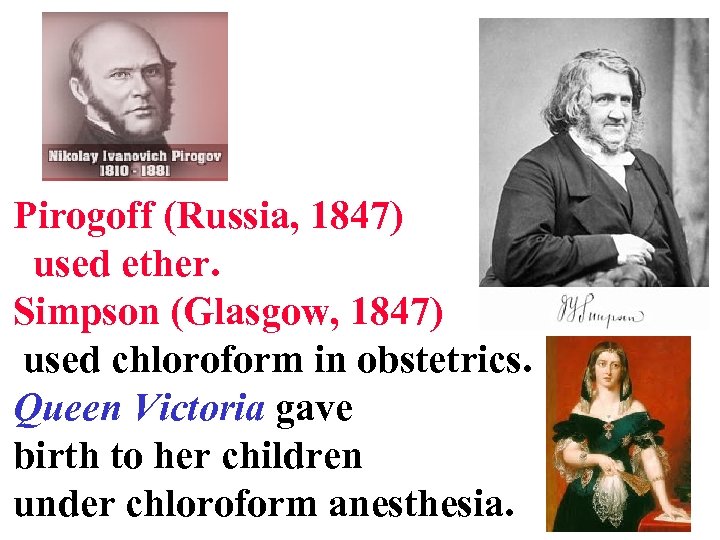 Pirogoff (Russia, 1847) used ether. Simpson (Glasgow, 1847) used chloroform in obstetrics. Queen Victoria gave birth to her children under chloroform anesthesia.
 The onset
 The onset
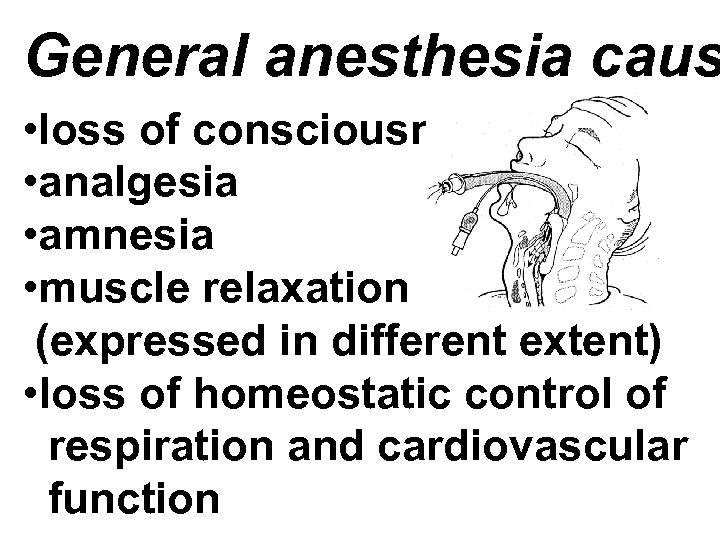 General anesthesia caus • loss of consciousness • analgesia • amnesia • muscle relaxation (expressed in different extent) • loss of homeostatic control of respiration and cardiovascular function
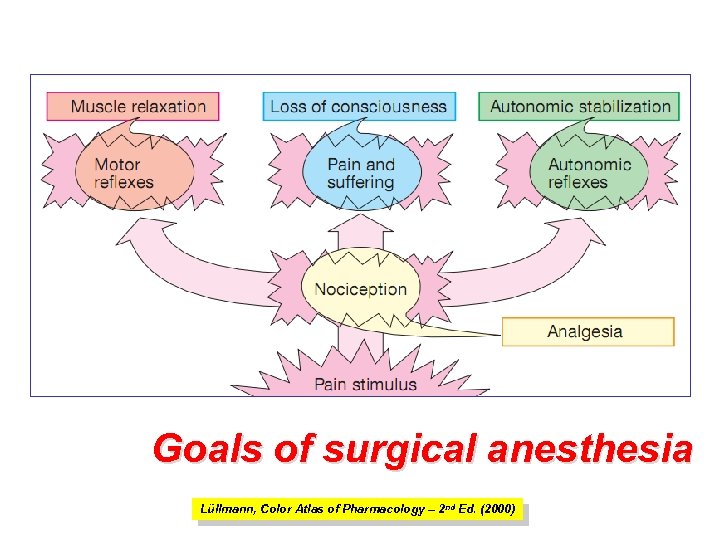 Goals of surgical anesthesia Lüllmann, Color Atlas of Pharmacology – 2 nd Ed. (2000)
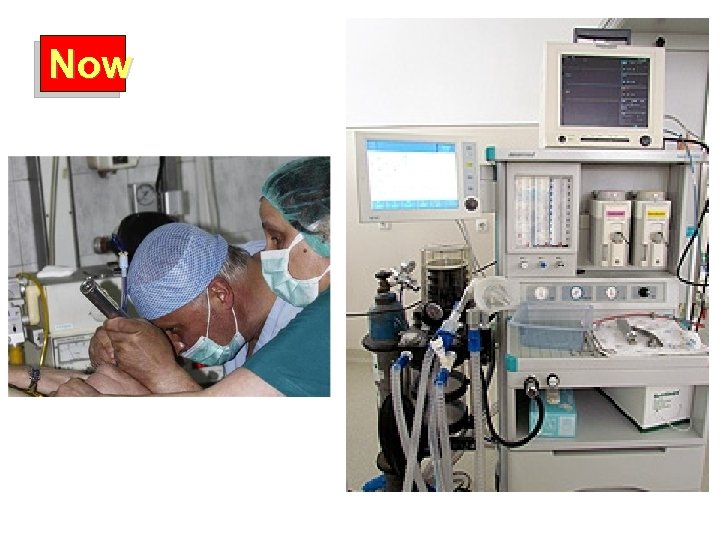 Now
Now
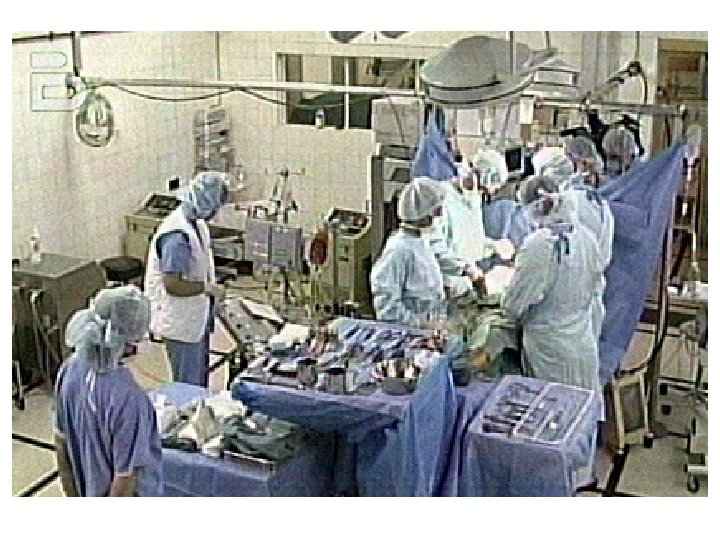
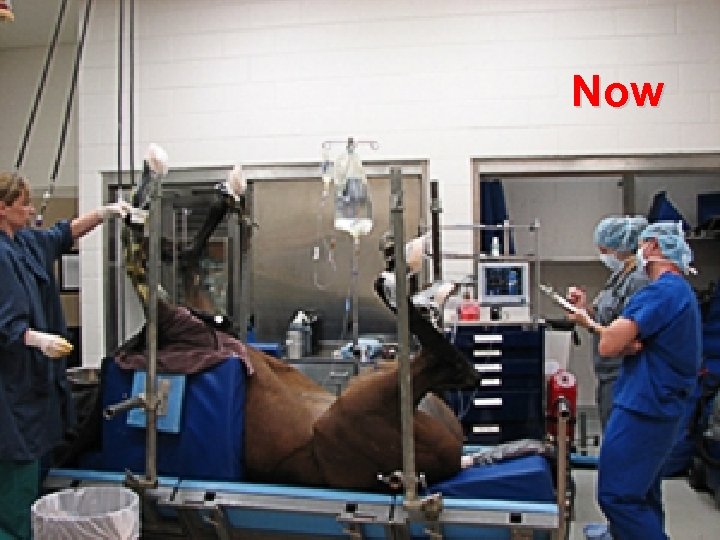 Now
Now
 The mode of action of GAs is still debated. • All GAs act on the mid-brain reticular activating system and cerebral cortex to produce complete but reversible 13
 According to the new olysynaptolytic theory general anesthetics inhibit reversible neurotransmission in many synapses of CNS.
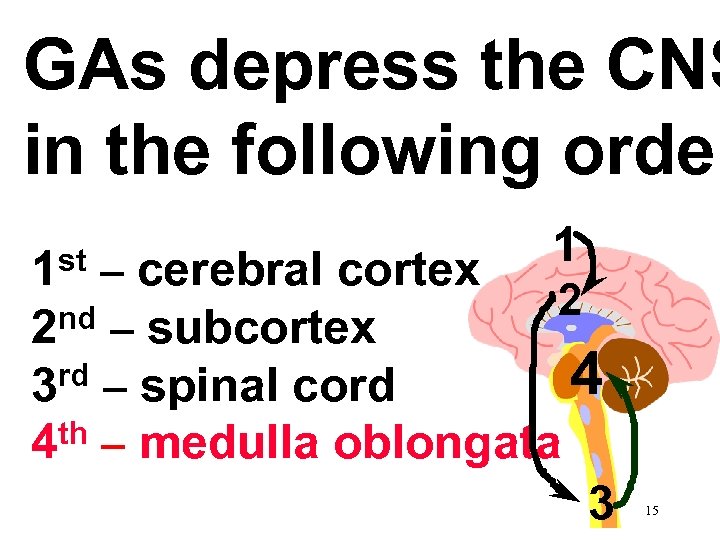 GAs depress the CNS in the following order st 1 1 – cerebral cortex 2 2 nd – subcortex rd – spinal cord 4 3 th – medulla oblongata 4 3 15
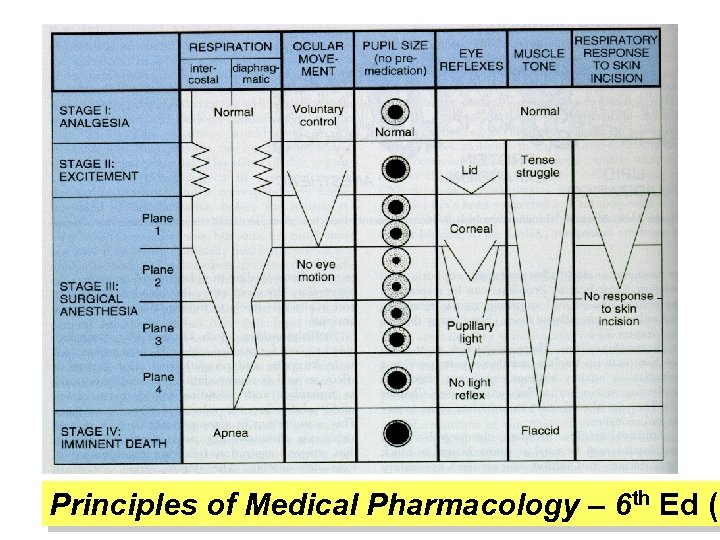 Principles of Medical Pharmacology – 6 th 16 Ed (1
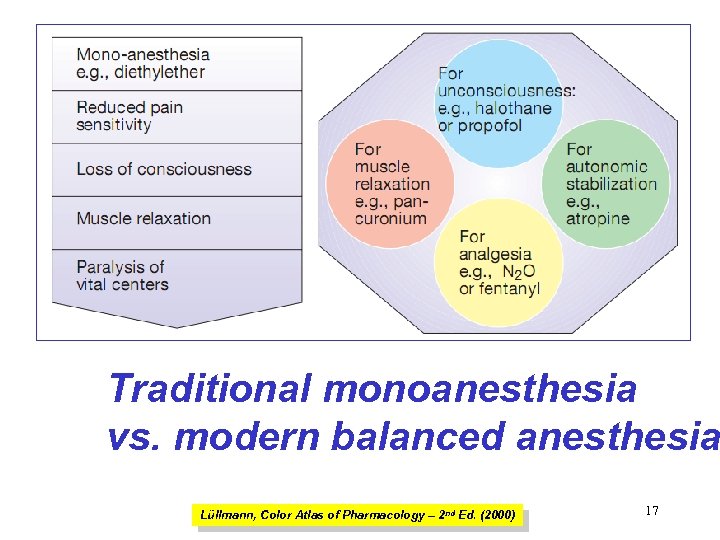 Traditional monoanesthesia vs. modern balanced anesthesia Lüllmann, Color Atlas of Pharmacology – 2 nd Ed. (2000) 17
 Inhalation anesthetics are not particularly effectiv analgesics and vary in their ability to produce mu relaxation; hence if they are used alone to produc general anesthesia, high concentrations are nece If inhalation anesthetics are used in combination specific analgesic or muscle-relaxant drugs th inspired concentration of inhalation agent can be reduced, with an associated decrease in adverse effects. The use of such drug combinations has b termed balanced anesthesia.
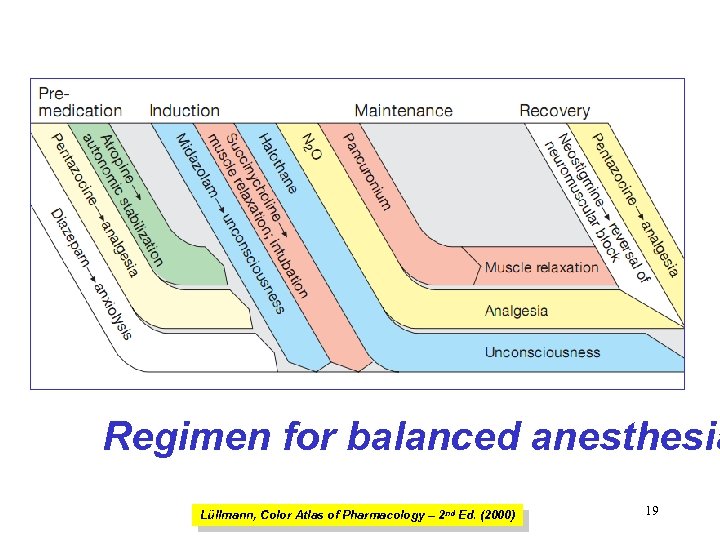 Regimen for balanced anesthesia Lüllmann, Color Atlas of Pharmacology – 2 nd Ed. (2000) 19
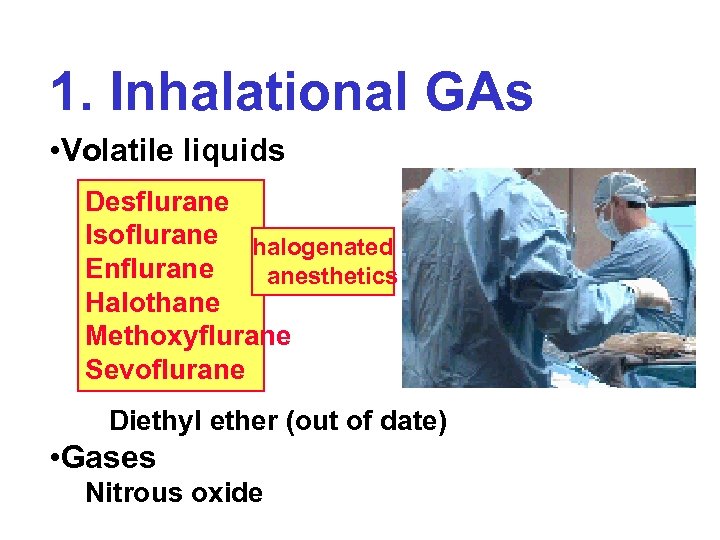 1. Inhalational GAs • Volatile liquids Desflurane Isoflurane halogenated Enflurane anesthetics Halothane Methoxyflurane Sevoflurane Diethyl ether (out of date) • Gases Nitrous oxide
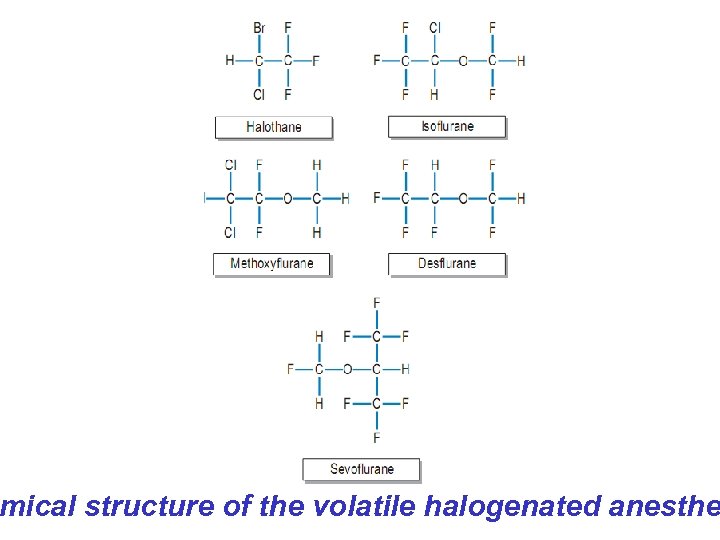 mical structure of the volatile halogenated anesthe
 General pharmacokinetics The vapor pressure gives an indication of the ease with which a volatile anesthetic evaporates. The higher the vapor pressure, the more volatile the anesthetic. The saturated vapor pressure also dictates maximum concentration of vapor that can exist at a given temperature. The higher the saturated vapor pressure, the greater the concentration of volatile agen can be delivered to the patient. To determine the maximum concentration, vapor pressure is expressed a percentage of barometric pressure at sea level, i. e. 760 mm. Hg. For example, halothane has a saturated vapor pressure of 244 mm. Hg at 20°C; therefore the maximum concentration of halothane that can be deliv at this temperature is 32% (244/760 × 100 = 32%).
 The aim in using inhalation anesthetics is to ach a partial pressure of anesthetic in the brain suffic to depress CNS function and induce general anesthesia. Thus, anesthetic depth is determined by the partial pressure of anesthetic brain. To reach the brain, molecules of anesthet or vapor must diffuse down a series of partial pre gradients, from inspired air to alveolar air, from alveolar air to blood and from blood to brain: Inspired air → Alveolar air → Blood → B
 The rate of change of anesthetic depth Factors that produce a rapid change in alveolar pressure of anesthetic will produce a rapid change i anesthetic depth, appreciated clinically as a rapid in and recovery. The most important factors are listed below and can be broadly divided into those that aff delivery of anesthetic to the alveoli and those that a removal of anesthetic from the alveoli: ● inspired concentration; ● alveolar ventilation; ● solubility of anesthetic in blood; ● solubility of anesthetic in tissues; ● cardiac output.
 Metabolism and elimination Inhalation anesthetics are eliminated primarily thr the lungs, i. e. they are exhaled. Nonetheless, the agents are not totally inert and undergo biotransfo primarily in the liver, to a variable degree. Metabo might be expected to promote recovery from anesthesia. However, for the newer inhalation age any contribution to recovery is slight. Of more dire importance is the potential production of toxic metabolites.
 Anesthetic potency: minimum alveolar concentration (MAC) The potency of a drug is a measure of the quanti that drug that must be administered to achieve a effect. In the case of inhalation anesthetics poten described by the minimum alveolar concentration (MAC). The MAC value is the minimum alveolar concentration of anesthetic that produces immob in 50% of patients exposed to a standard noxious stimulus.
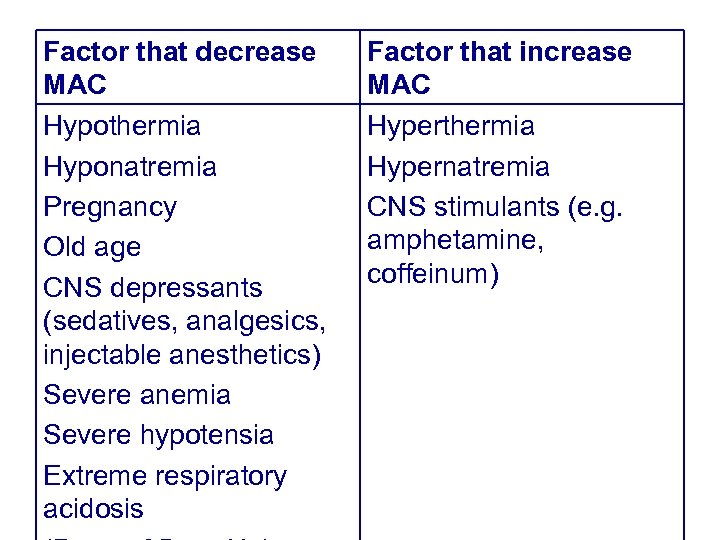 Factor that decrease MAC Hypothermia Hyponatremia Pregnancy Old age CNS depressants (sedatives, analgesics, injectable anesthetics) Severe anemia Severe hypotensia Extreme respiratory acidosis Factor that increase MAC Hyperthermia Hypernatremia CNS stimulants (e. g. amphetamine, coffeinum)
 For practical purposes GAs can regarded physicochemicaly as id gases: their solubility in different media can be expressed as parti coefficients (PC), defined as the ratio of the concentration of the agent in two phases at equilibriu
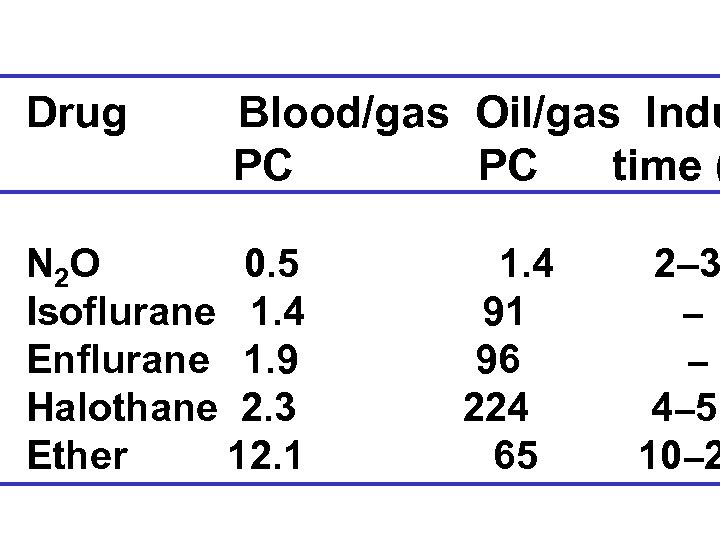 Drug Blood/gas Oil/gas Indu PC PC time ( N 2 O 0. 5 Isoflurane 1. 4 Enflurane 1. 9 Halothane 2. 3 Ether 12. 1 1. 4 91 96 224 65 2– 3 – – 4 – 5 10 – 2
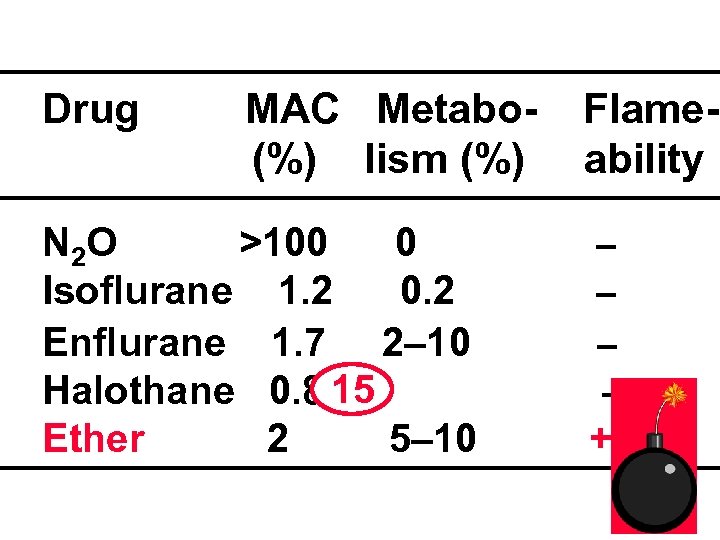 Drug MAC Metabo(%) lism (%) N 2 O >100 0 Isoflurane 1. 2 0. 2 Enflurane 1. 7 2– 10 Halothane 0. 8 15 Ether 2 5– 10 Flameаbility – – ++ 30
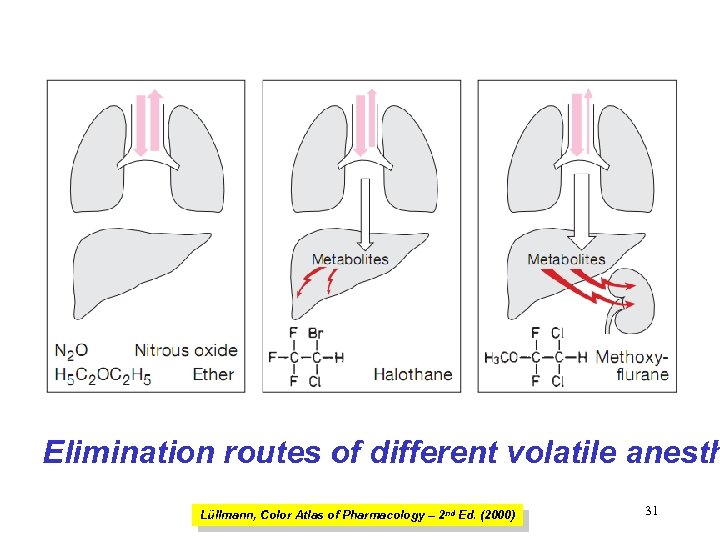 Elimination routes of different volatile anesth Lüllmann, Color Atlas of Pharmacology – 2 nd Ed. (2000) 31
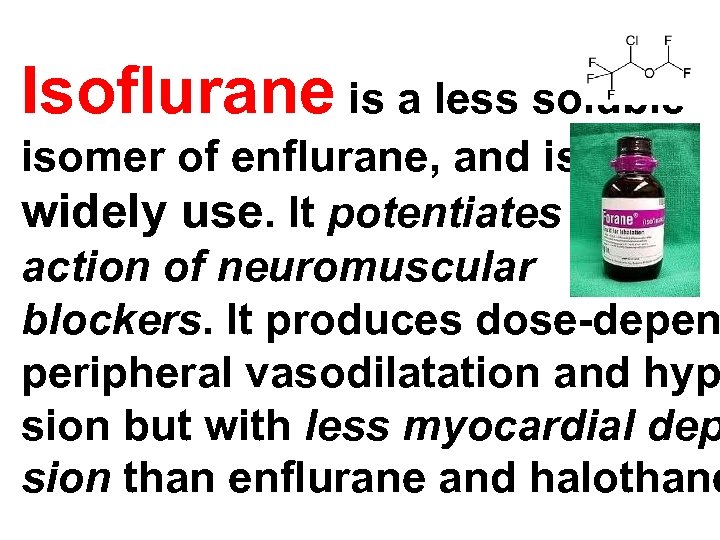 Isoflurane is a less soluble isomer of enflurane, and is widely use. It potentiates the action of neuromuscular blockers. It produces dose-depen peripheral vasodilatation and hyp sion but with less myocardial dep sion than enflurane and halothane
 • Cerebral blood flow is little affected by isoflurane which makes it an agent of choice during neurosurgery. • Uterine tone is well maintaine compared with halothane or enflurane, and thereby isoflura reduces postpartum hemorrhag 33
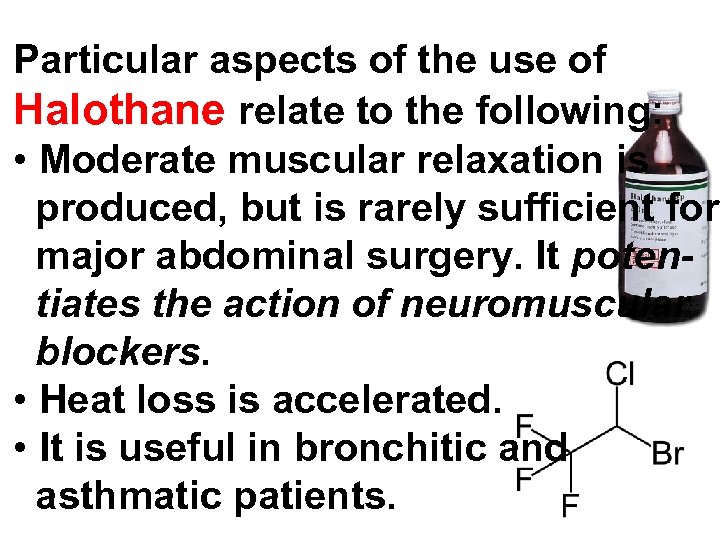 Particular aspects of the use of Halothane relate to the following: • Moderate muscular relaxation is produced, but is rarely sufficient for major abdominal surgery. It potentiates the action of neuromuscular blockers. • Heat loss is accelerated. • It is useful in bronchitic and asthmatic patients.
 Adverse effects of halothane • Increased myocardial excitability (ventricular exstrasystoles, tachycardia and fibrillation). Extrasystoles can be controlled by beta-blockers. • Blood pressure usually falls, due to central vasomotor depression and myocardial depression. • Cerebral blood flow is increased which is an contraindication for use in head injury and intracranial tumors. 35
 • Halothane is not good analgesic and also may lead to convulsions. • It can produce massive hepatic necrosis or subclinical hepatitis following anesthesia. The liver damage appears to be a hypersensitivity type of hepatitis which is independent of dose. • Halothane can cause malignant hyperth (which needs treatment with Dantrolene uterine atony and postpartum hemorrha It has a teratogenic activity. 36
 • N 2 O uses to reduce pain during childbirth. • Concomitant administration of N 2 O with one of the volatile GAs reduces the MAC value of the volatile drug by up to 75%. • Risk of bone marrow depression occurs with prolonged administration of N 2 O.
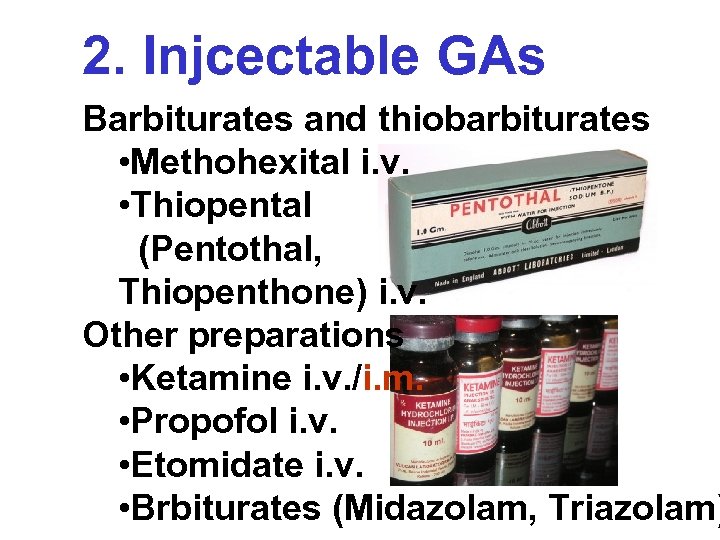 2. Injcectable GAs Barbiturates and thiobarbiturates • Methohexital i. v. • Thiopental (Pentothal, Thiopenthone) i. v. Other preparations • Ketamine i. v. /i. m. • Propofol i. v. • Etomidate i. v. • Brbiturates (Midazolam, Triazolam)
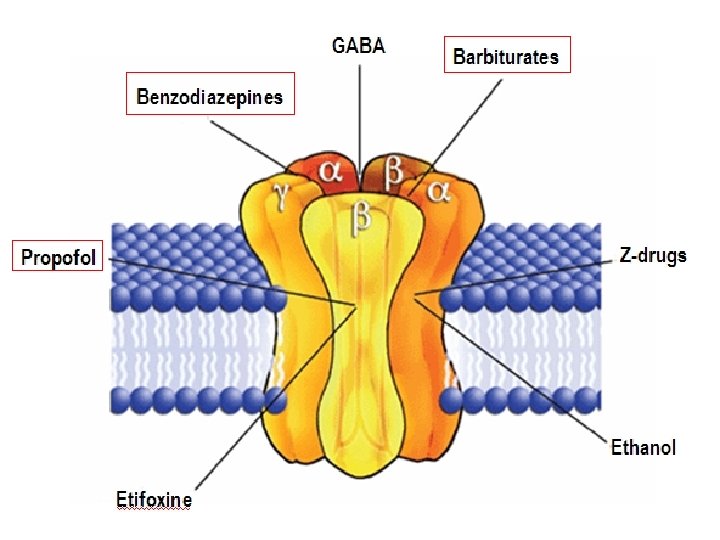
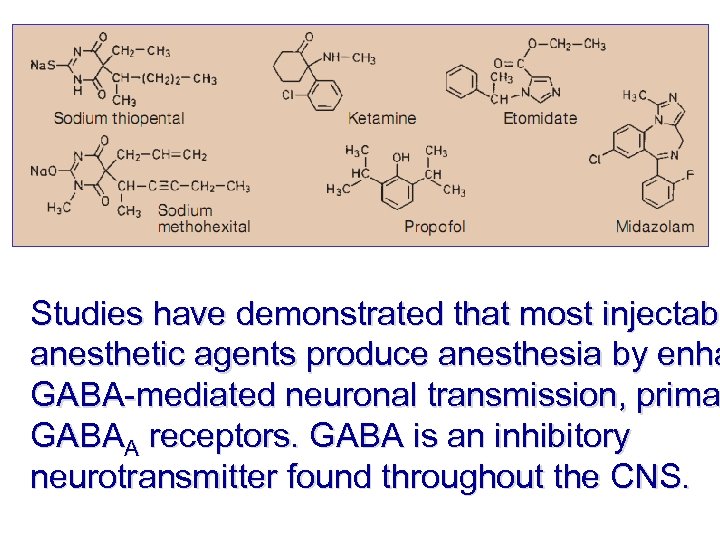 Studies have demonstrated that most injectabl injectab anesthetic agents produce anesthesia by enha GABA-mediated neuronal transmission, prima GABAA receptors. GABA is an inhibitory neurotransmitter found throughout the CNS.
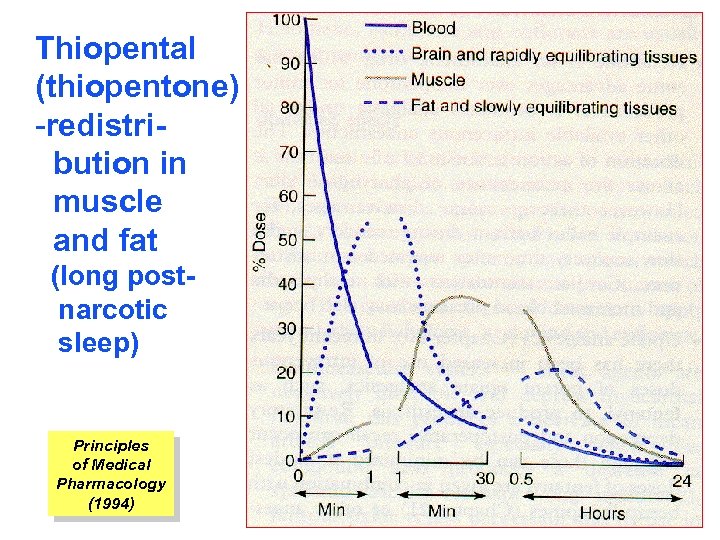 Thiopental (thiopentone) -redistribution in muscle and fat (long postnarcotic sleep) Principles of Medical Pharmacology (1994)
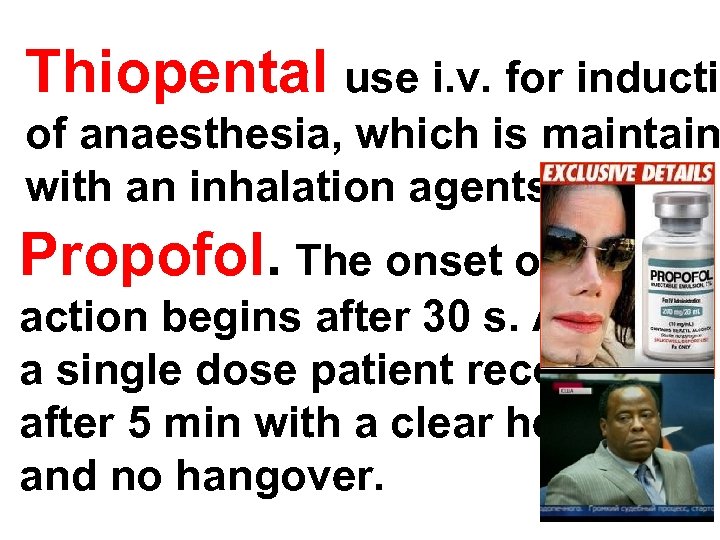 Thiopental use i. v. for inductio of anaesthesia, which is maintain with an inhalation agents. Propofol. The onset of its action begins after 30 s. After a single dose patient recovers after 5 min with a clear head and no hangover.
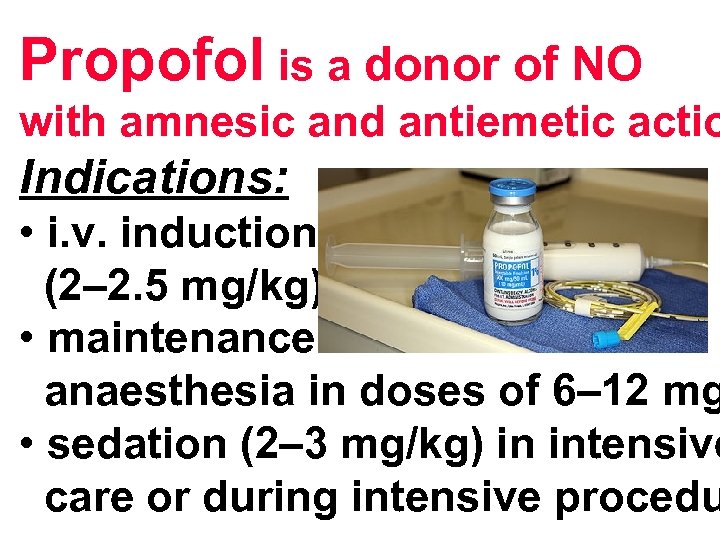 Propofol is a donor of NO with amnesic and antiemetic actio Indications: • i. v. induction (2– 2. 5 mg/kg) • maintenance of anaesthesia in doses of 6– 12 mg • sedation (2– 3 mg/kg) in intensive care or during intensive procedu
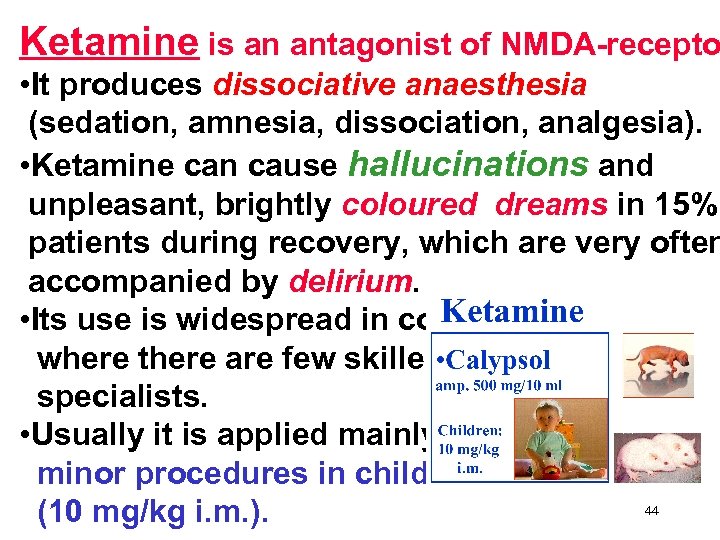 Ketamine is an antagonist of NMDA-recepto • It produces dissociative anaesthesia (sedation, amnesia, dissociation, analgesia). • Ketamine can cause hallucinations and unpleasant, brightly coloured dreams in 15% patients during recovery, which are very often accompanied by delirium. • Its use is widespread in countries where there are few skilled specialists. • Usually it is applied mainly for minor procedures in children 44 (10 mg/kg i. m. ).
 Local anesthetics (LAs) • LAs are drugs which reversibly pr vent the transmission of pain stimu locally at their site of administratio • The clinical uses and responses of depend both on the drug selected the site of administration. 45
 LAs are weak bases (p. Kb 7– 8) They exist as an equilibrium between nized (LAH+) and unionized (LA) form The unionized forms are lipid soluble and cross the axonal membranes. Aft that the part of the unionized forms protonates intracellulary into the ionized forms. The ionized forms bind to the intracellular receptors, obstruc and block Na+ channel (see figure). 46
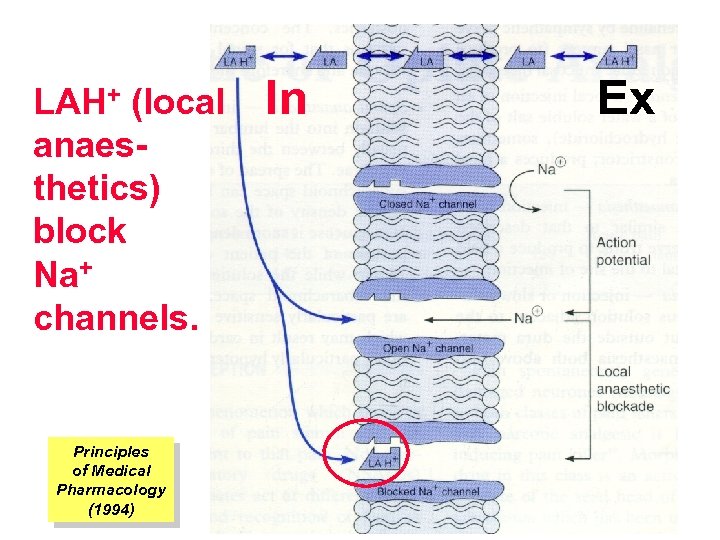 LAH+ (local anaesthetics) block Na+ channels. Principles of Medical Pharmacology (1994) In Ex
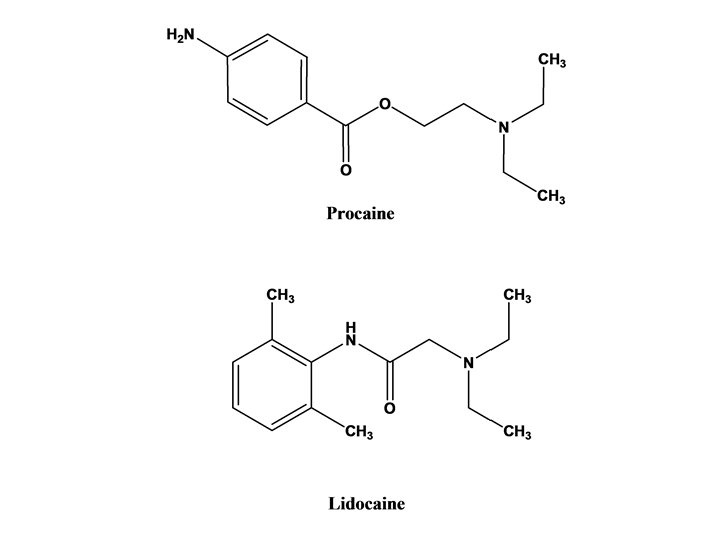
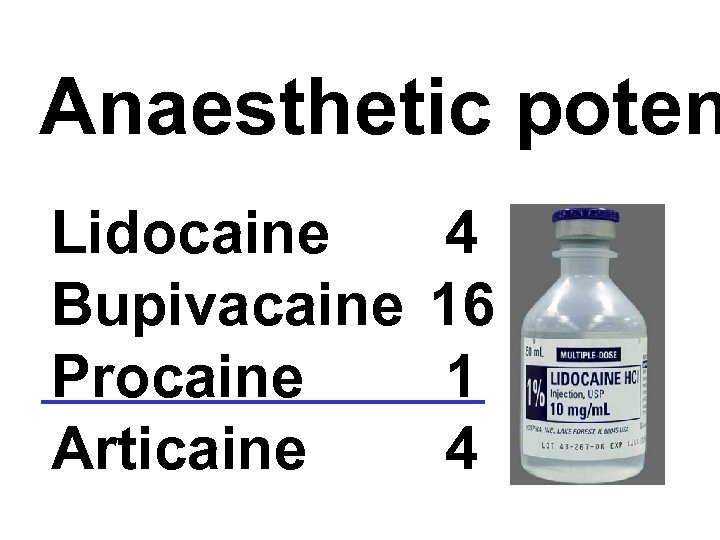 Anaesthetic poten Lidocaine Bupivacaine Procaine Articaine 4 16 1 4
 LAs from the group of ester (proc tetracaine, benzocaine) in plasma liver hydrolyze to the para-aminobenzoic acid, which is a competit antagonist of the sulfonamides. T the co-administration of esters an sulfonamides is not rational. 50
 Unwanted effects Local effects at the site of administ tion: irritation and inflammation; local hypoxia (if co-administered wi vasoconstrictor); tissue damage (so times necrosis) following inappropr ate administration (e. g. accidental intra-arterial administration or spina administration of an epidural dose) 51
 Systemic effects. High systemic dos may affect other excitable membran such as the heart (e. g. lidocaine can cause AV block and cardiovascular collapse; bupivacaine can cause ser arrhythmias) or the CNS (tetracaine can cause convulsions and eye disturbances; cocaine – euphoria, hallucinations, and drug abuse). 52
 Procaine sometimes causes urticaria. Some systemic unwanted effe due to the vasoconstrictor NA or adrenaline. They include hypertension and tachycardia. 53
 Clinical uses The extent of local anesthesia depend largely on the technique of administra Surface administration (anesthes - high concentrations (2– 5%) of the LAs can slowly penetrate the skin a mucous membranes to give a smal localized anesthesia. 54
 Benzocaine and tetracaine are su table for these purposes. They prod useful anesthesia of the mucous membranes of the throat. Cocaine and tetracaine are used b re painful ophthalmological procedu Propipocaine widely used in dentis dermatology, and obstetrics to prod surface anesthesia. 55
 Infiltration anesthesia can produce with 0. 25– 0. 5% aqueous solution of lidocaine or procaine (usually with co-administration of adrenaline). 56
 The other main types of local anesthesia are: • nerve trunk block anesthesia; • epidural anesthesia (injection of the to the spinal column but outside the dura mater), used in obstetrics • spinal anesthesia (injection of the L into the lumbar subarachnoid space, usually between the 3 rd and lumbar vertebrae). 57
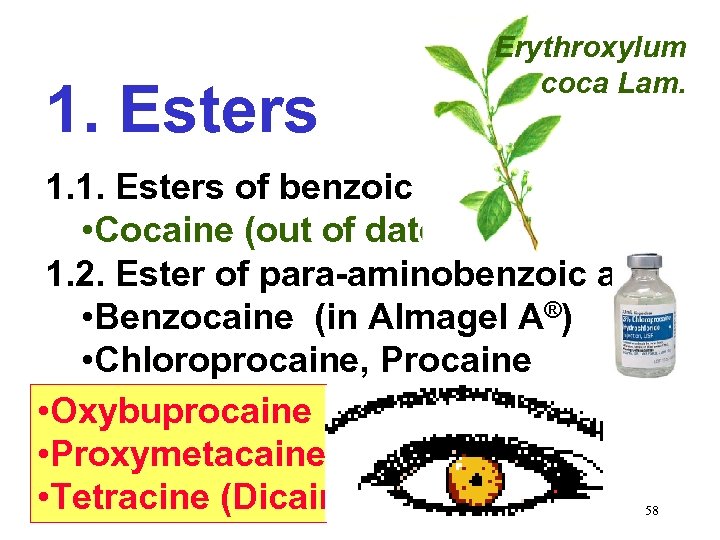 1. Esters Erythroxylum coca Lam. 1. 1. Esters of benzoic acid • Cocaine (out of date) 1. 2. Ester of para-aminobenzoic acid • Benzocaine (in Almagel A®) • Chloroprocaine, Procaine • Oxybuprocaine • Proxymetacaine • Tetracine (Dicain®) 58
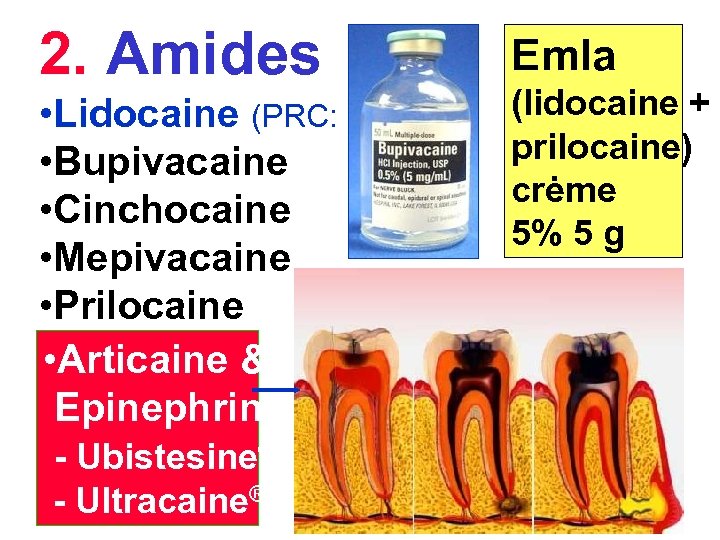 2. Amides • Lidocaine (PRC: B) • Bupivacaine • Cinchocaine • Mepivacaine • Prilocaine • Articaine & Epinephrine - Ubistesine® - Ultracaine® Emla (lidocaine + prilocaine) crėme 5% 5 g
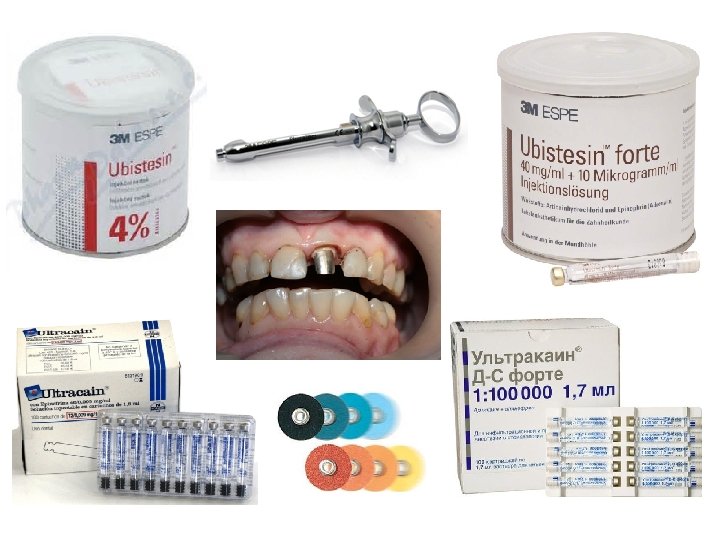
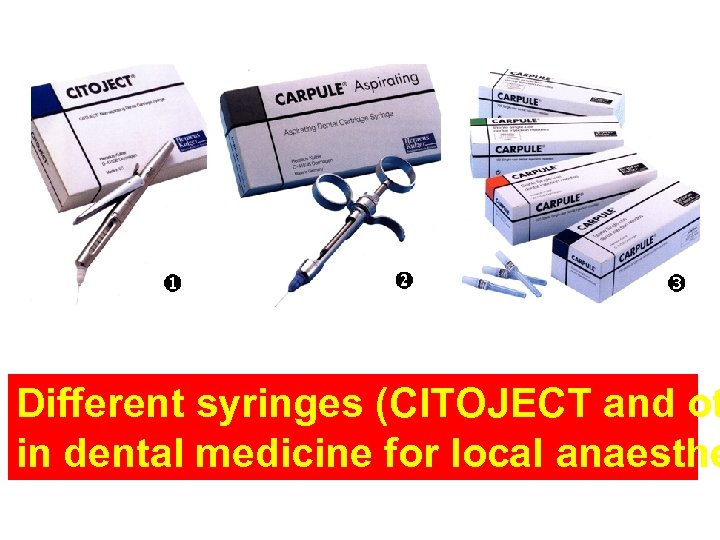 Different syringes (CITOJECT and ot in dental medicine for local anaesthe

 Lidocaine (Lignocaine) has also antiarrhythmic action. It is an antidysrhythmic agent from class IB, used for the trea of ventricular tachyarrhythmia from myocardial infarction, ventricular tachycardia, and ventricular fibrillation. 63
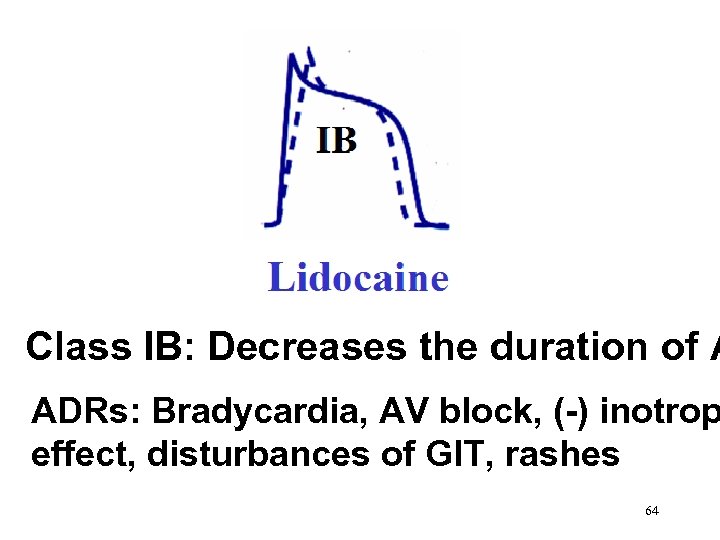 Class IB: Decreases the duration of A ADRs: Bradycardia, AV block, (-) inotrop effect, disturbances of GIT, rashes 64
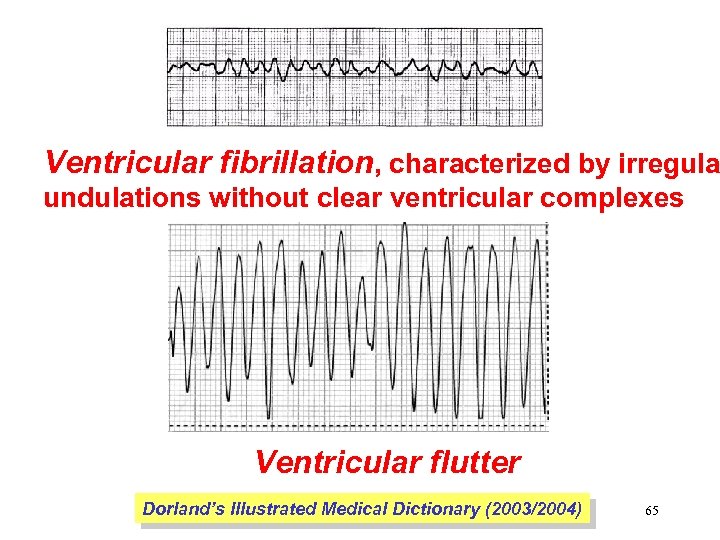 Ventricular fibrillation, characterized by irregula undulations without clear ventricular complexes Ventricular flutter Dorland’s Illustrated Medical Dictionary (2003/2004) 65