 Скачать презентацию Medical Profession Peter Toth M D Med Habil
59874307d7bd69030f6d3cdaf9bdd945.ppt
- Количество слайдов: 21



Medical Profession Peter Toth M. D. Med. Habil. 2 nd Dept. Ob/Gyn Semmelweis University, Budapest
The definition of medicine in modern world • Medicine originates from the Latin words „ars medicina” (the art of healing) • Medicine is one branch of health sciences • Main tasks are: study, diagnosis, treatment, prevention • The base of medical activity is research and applied practice of knowledge
The practice of medicine is legally limited • Medical degree – license to treat since 9 th century is mandatory • Legal limitations for the practice of medicine in many countries – e. g. USMLE in USA • Local authorities for regulation and supervision (ANTSZ) • Medical boards for subdivisions of clinical branches
The cultural differences in medicine • Western medicine – evidence based medicine – using much technical support and modern equipments • Chinese medicine – herbal medicine, acupunture, massage • Tibetan medicine • Ayurvedic medicine
The development of Western medicine • First steps in Western medicine – Using plants and animal tissues – Animism – Spiritualism – Shamanism – Divination
The development of Western medicine • Most important persons in medical field – Harvey, Virchow, Charcot, – Koch – bacteria – Semmelweis – prevention of postpartal fever and thus decreasing maternal morbidity • Modern medicine – human genome, molecular biology
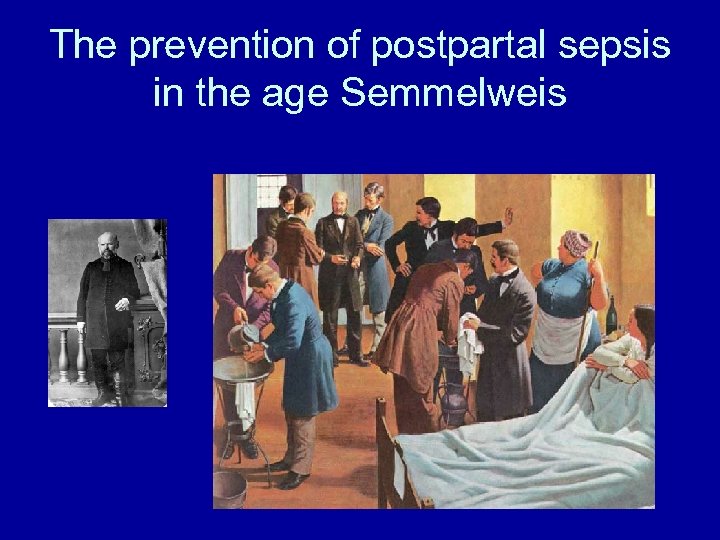
The prevention of postpartal sepsis in the age Semmelweis
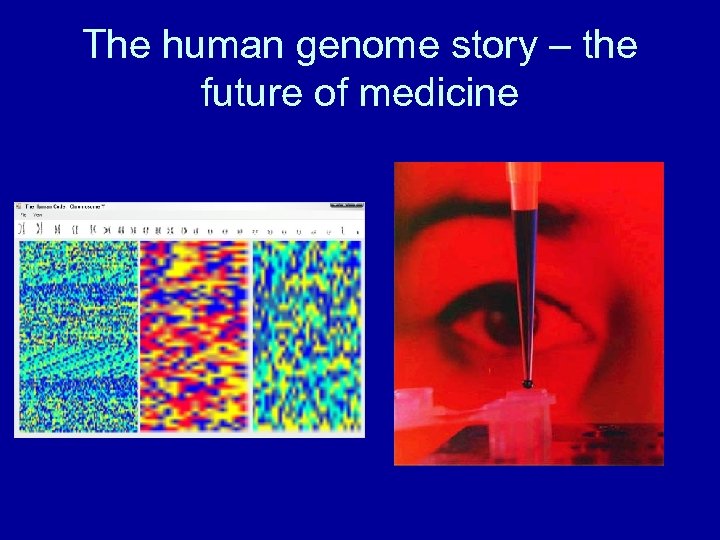
The human genome story – the future of medicine
Characteristics for success in clinical setting • To apply properly the scientific knowledge in clinical field it is necessary: – Solid knowledge – Intuition – Empathy – Clinical judgment – Patient-physician relationship built up on common interest – Punctual record keeping
The usual clinical activity • • • Getting the medical history Examinations Treatment plan Follow up New characterictics in western medicine – Quality control – Financing
The levels of health care providers • Institutional levels – Primary care center – local settings i. e. physician office – Secondary care center – medical specialists in offices or local community hospitals – Tertiary care center – special hospitals, clinical departments
Characteristics for success in clinical setting • Communication skills • Keeping eye contact • Focusing and directing the talk with the patient • Using tolerance and proper management of the encounter • Flexible style with the patient and collegues
Characteristics of the physician for successful clinical job • Good synthetic skill to analyze the clinical data gathered • Concise decision making in timely manner • To be able to act promptly when it is needed • Consultation with other physicians whenever it is necessary
Characteristics of the physician for successful clinical job • Look is important – it should give comfort and trust for the patient • Using proper language directed for the level of the patient – It depends on the cultural level of the patient – It should be always completely understandable for the patient – It gives support and relieves anxiety
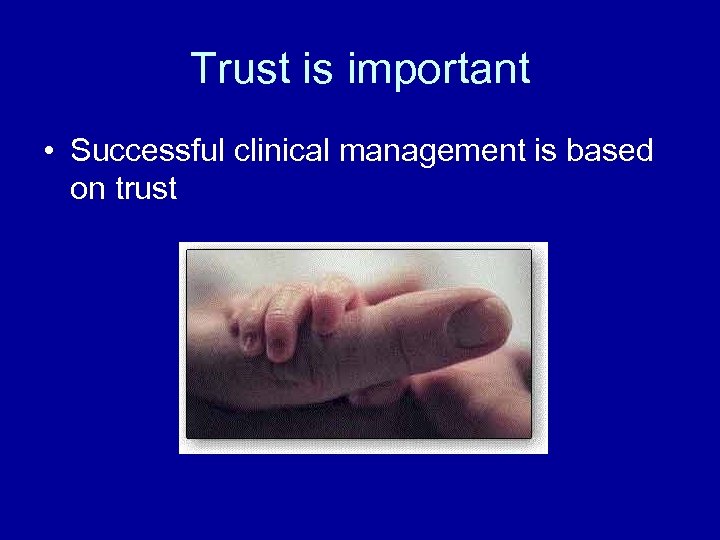
Trust is important • Successful clinical management is based on trust
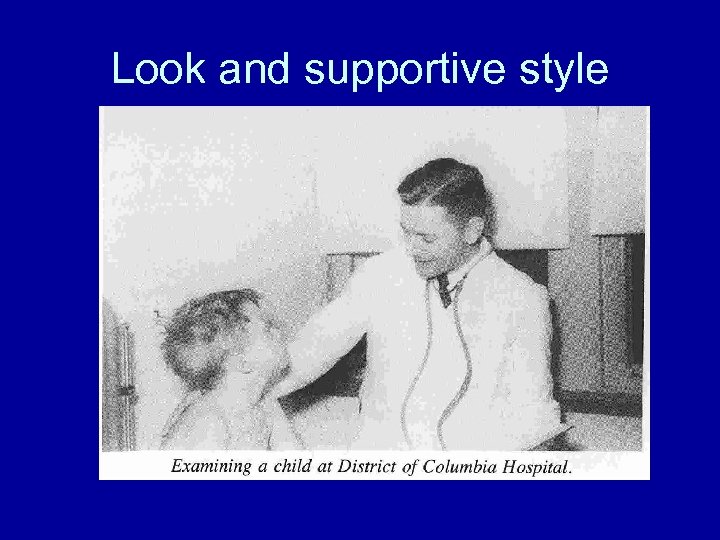
Look and supportive style
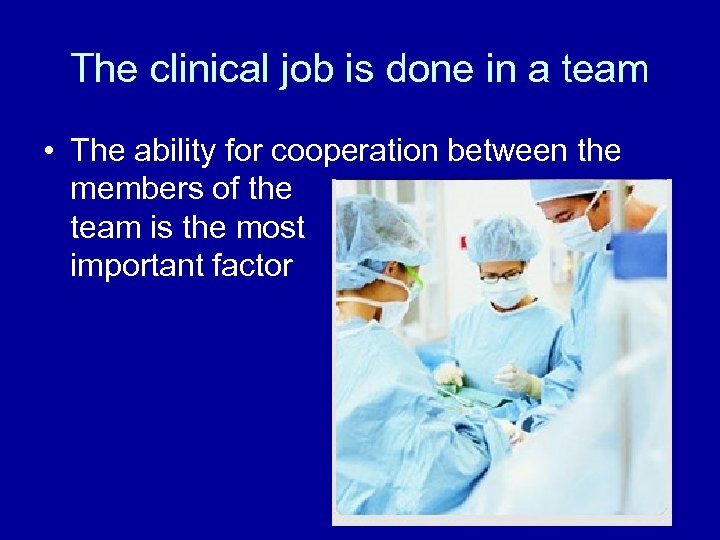
The clinical job is done in a team • The ability for cooperation between the members of the team is the most important factor
The structure of the ob/gyn department • • Ambulatory care building Maternal-fetal medicine Delivery room Postpartum unit Neonatology intensive care unit Gynecology and oncology unit Operating rooms
Professional challenges of a clinical department • Highest level of care – the patient can not be referred for next level – the personal and technical support should be the highest for the defined field • Leader in scientific activity – international cooperation and exchange programs – organizing multicenter studies – proper funding of investigations
Scientific activity in the 2 nd Dept. Ob/Gyn • Student scientific work – Maternal-fetal medicine: the study of the regulation of pregnancy implantation, angiogenesis – Gynecology oncology – Endoscopy • Ph. D. fellowship – Maternal-fetal medicine • Cooperation with national institutes and other basic science research centers • International cooperation – USA (University of Louisville, KY, USA) Germany, Austria, Poland
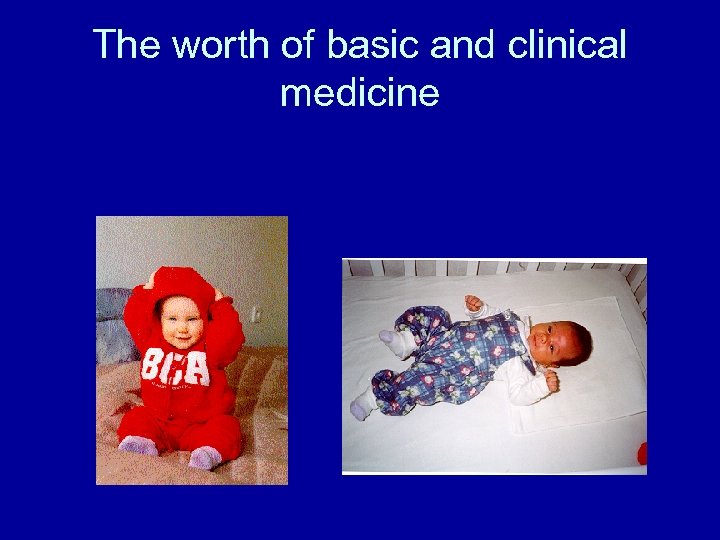
The worth of basic and clinical medicine
Скачать презентацию Medical Profession Peter Toth M D Med Habil
59874307d7bd69030f6d3cdaf9bdd945.ppt