 Скачать презентацию Massimo Florio Department of Economics Business and Statistics
068b789d844efbc0e0f25d5d1dd12287.ppt
- Количество слайдов: 48



Massimo Florio, Department of Economics, Business and Statistics, University of Milan WELFARE EFFECTS OF PRIVATIZATION AND UTILITY REFORM THE Inter-American Development Bank, Washington DC April 25, 2005 Presentation based on: Carrera J. , Checchi D. , Florio M. (2005), Privatization discontent and its determinants: evidence from Latin America Florio M. (2004), The Great Divestiture. Evaluating the welfare impact of British privatizations 1979 -1997, Cambridge (MA), Mit Press Brau R. , Florio M. (2004), “Privatisations as price reforms: Evaluating consumers’ welfare changes in the UK”, Annales d’éconmie et de statistique, n. 75 -76, 109 -133 Florio M. (2003), A State without ownership: the welfare impact of British Privatizations 19791997
RESEARCH MOTIVATION • Privatization has been a major policy reform in the last 20 -30 years. Chile and UK paved the way to a worldwide trend, then the transition economies followed. Denationalization is still important in many EU countries and elsewhere, including Latin America. • Utilities (electricity, gas, telecom, water, etc) are often the key industries for a privatization policy. Changes in economic welfare potentially affect millions of users. There are concerns about redistribution impacts, and increasing popular opposition in some countries (particularly in LA, but in the UK and elsewhere as well) • We need to evaluate welfare changes caused by utility reforms in order to offer feasible policy advice. • If possible, we need to disentangle the welfare effects of privatization from regulation and liberalization. These in principle are different policies: we can observe and evaluate different combinations (across countries, over time)

EARLIER RESEARCH • • There is a huge empirical literature on privatization (Megginson and Netter, JEL, 2001); 1717 books in Amazon; 1516 books at the LSE Library, thousands papers in REPEC and SSRN, etc. This literature however typically focuses on efficiency in a narrow sense. Most of the research takes a business economics, or financial perspective. Limited evidence on allocative efficiency, very few studies on welfare effects. Most of the literature concludes that privatization raises profitability. This is true, but not very relevant for economic welfare (monopoly profit argument) Many productivity studies in the EU, Latin America, and elsewhere typically consider company accounts or crude productivity indicators some years ‘before’ and some years ‘after’ divestiture and find that labor productivity increases ‘after’ divestitures (less strong evidence for TFP). However, with this approach, you very often would get the same for nationalization in the ‘ 50 s and ’ 60 in Western Europe. We need long time series, and control for exogenous shocks. Florio (2003) and Florio and Puglisi (2005) study 40 years of British Telecom data, and find no statistically significant impact of ownership change.

EARLIER RESEARCH (2) • Galal et al (1994), Newbery and Pollitt (1997), Newbery (2000), Pollitt (several papers), and others use social cost benefit analysis to study specific companies or industries. Florio (2004, The Great Divestiture. Evaluating the welfare impact of British Privatisations 1979 -1997, Cambridge (MA), the Mit Press) uses CBA to evaluate the whole UK programme (1979 -1997). • Waddams Price and Ugaz (2003) study redistribution effects in LA. See also Chong and Lopez de Silanes (2003), Estache (2003, Several country studies: Galiani et al (2003), Anuatti, Neto et al (2003) on Brazil; Aspiazu ans Schorr (2003), Chisari et al (1995), Galiani et al (2003) on Argentina, Barja et al (2002) on Bolivia, Paredes (2001) on Chile, Torero and Pasco-Font on Peru (2001). Example: Delfino and Casarin (2003) 4
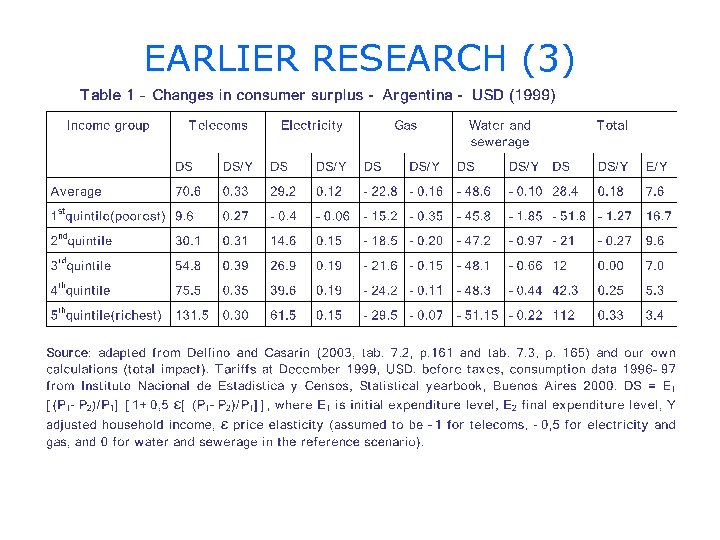
EARLIER RESEARCH (3)
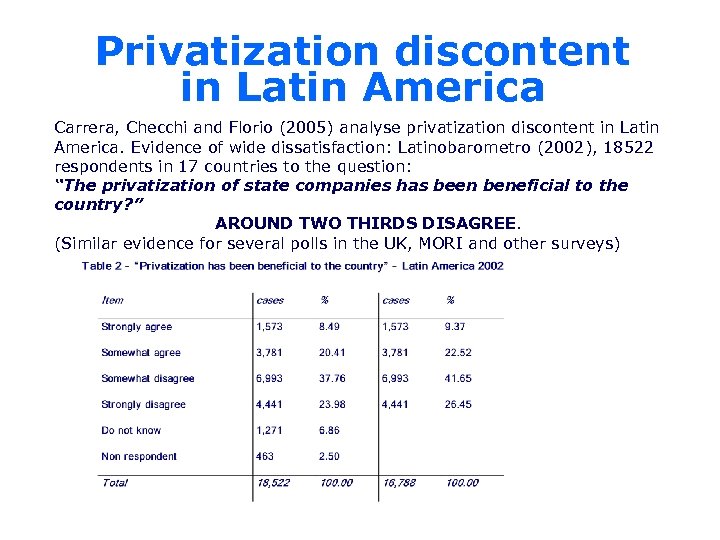
Privatization discontent in Latin America Carrera, Checchi and Florio (2005) analyse privatization discontent in Latin America. Evidence of wide dissatisfaction: Latinobarometro (2002), 18522 respondents in 17 countries to the question: “The privatization of state companies has been beneficial to the country? ” AROUND TWO THIRDS DISAGREE. (Similar evidence for several polls in the UK, MORI and other surveys)
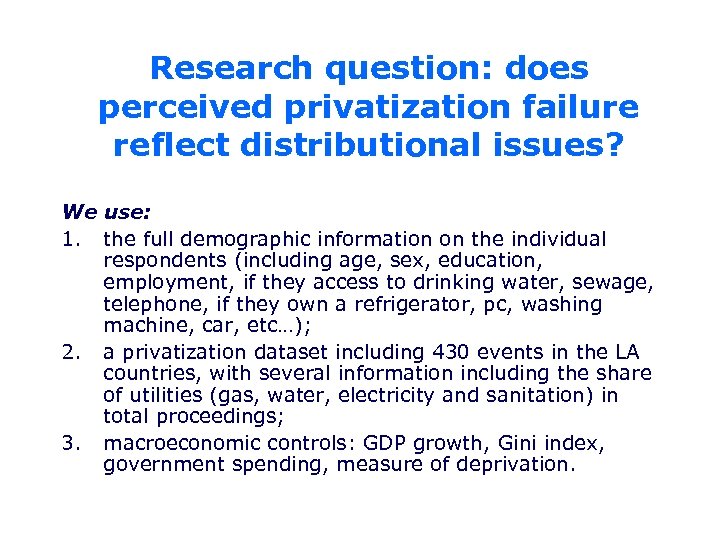
Research question: does perceived privatization failure reflect distributional issues? We use: 1. the full demographic information on the individual respondents (including age, sex, education, employment, if they access to drinking water, sewage, telephone, if they own a refrigerator, pc, washing machine, car, etc…); 2. a privatization dataset including 430 events in the LA countries, with several information including the share of utilities (gas, water, electricity and sanitation) in total proceedings; 3. macroeconomic controls: GDP growth, Gini index, government spending, measure of deprivation.
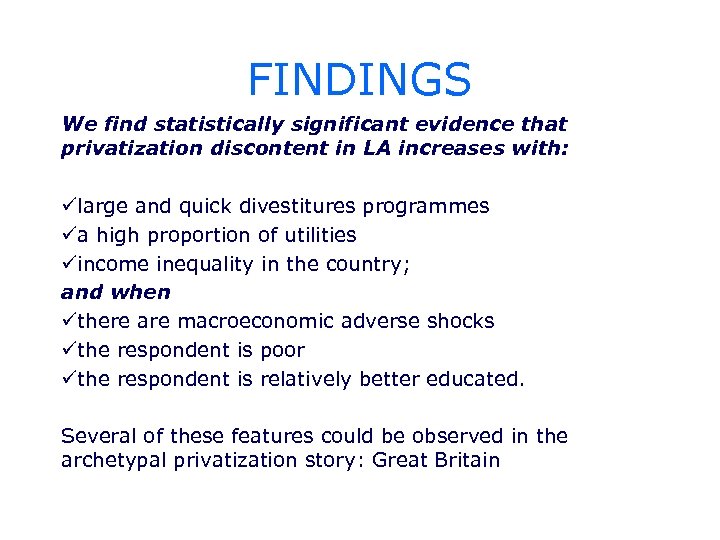
FINDINGS We find statistically significant evidence that privatization discontent in LA increases with: ülarge and quick divestitures programmes üa high proportion of utilities üincome inequality in the country; and when üthere are macroeconomic adverse shocks üthe respondent is poor üthe respondent is relatively better educated. Several of these features could be observed in the archetypal privatization story: Great Britain

Fig. 1 -Estimates of the impact of education and socio-economic level on support to privatization – Latin America 2002

Fig. 2 -Estimates of the impact of education and ownership of durables on support to privatization – Latin America 2002

Research objectives An evaluation of the long-term welfare impact of divestitures of public enterprises in the UK Motivation British privatisations are an ideal case study in economic-policy evaluation Five reasons: 1) The UK case study is a large scale one and in principle major welfare impacts should be observable in the long run 2) An assessment of the British experience is relevant for an international debate on the economic role of the state. 3) We have long time series for several industries, and we can study two quite different policy environments (before and after 1979) 4) We can capitalize on a wealth of high quality empirical analysis (more than 300 papers and books) 5) No previous evaluation on the overall impact (on individual industries Galal et al 1994, Newbery and Pollitt, 1997, Waddams-Price, Hancock 1998, Newbery 2000). 11
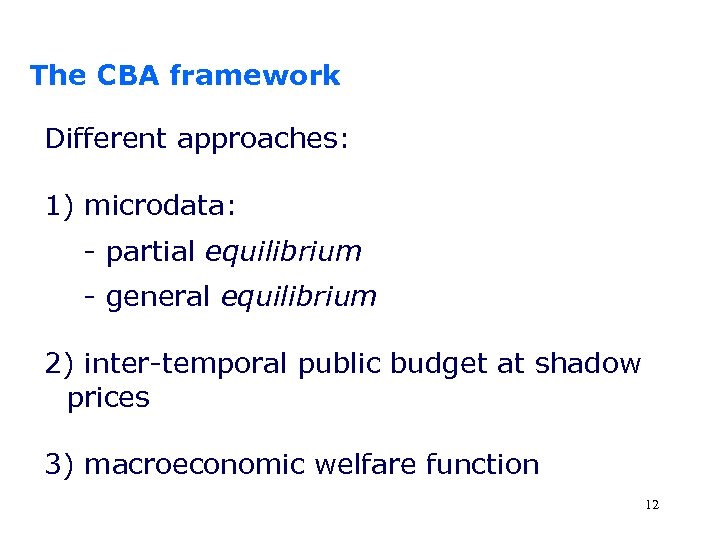
The CBA framework Different approaches: 1) microdata: - partial equilibrium - general equilibrium 2) inter-temporal public budget at shadow prices 3) macroeconomic welfare function 12
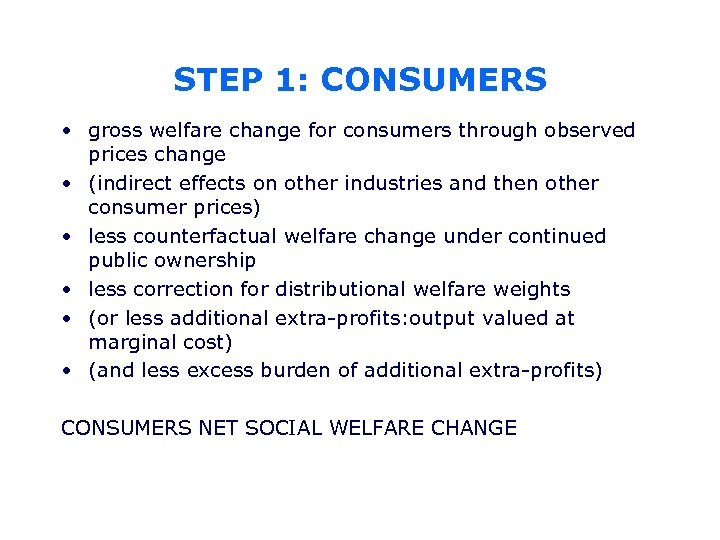
STEP 1: CONSUMERS • gross welfare change for consumers through observed prices change • (indirect effects on other industries and then other consumer prices) • less counterfactual welfare change under continued public ownership • less correction for distributional welfare weights • (or less additional extra-profits: output valued at marginal cost) • (and less excess burden of additional extra-profits) CONSUMERS NET SOCIAL WELFARE CHANGE

STEP 2: SHAREHOLDERS § net present value of gross (extra) profits § less price paid to by the privatized assets § less NPV of corporate taxes § (less windfall tax) § distributive correction for high incomes SHAREHOLDERS NET SOCIAL WELFARE CHANGE
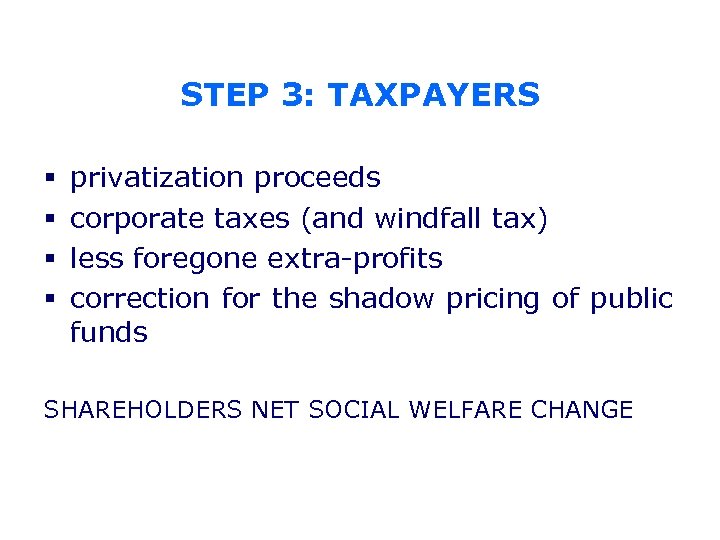
STEP 3: TAXPAYERS § § privatization proceeds corporate taxes (and windfall tax) less foregone extra-profits correction for the shadow pricing of public funds SHAREHOLDERS NET SOCIAL WELFARE CHANGE
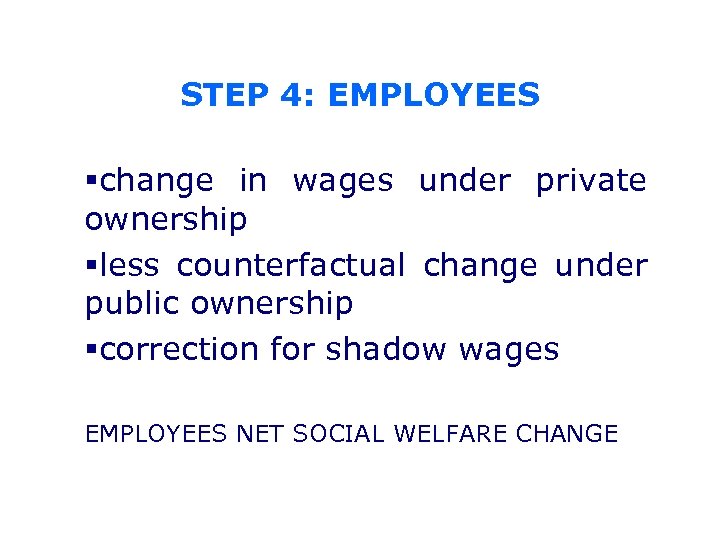
STEP 4: EMPLOYEES §change in wages under private ownership §less counterfactual change under public ownership §correction for shadow wages EMPLOYEES NET SOCIAL WELFARE CHANGE

STEP 5: OVERALL BALANCE § § CUNSUMERS NSWC SHAREHOLDERS NSWC WORKERS NSWC TAXPAYERS NSWC WELFARE IMPACT OF PRIVATIZATIONS
CONSUMERS Price trends Comparison between the trends in nominal prices “before” and “after” privatizations a) Electricity b) Gas c) Water d) Bus e) Railways f) Telecom Scarce evidence of structural breaks following privatization, and different shocks: • regulatory impact (price controls) • liberalization (monopoly, duopoly, regional oligopoly, collusion, open competition) • exogenous/endogenous change in costs • side-impact of other policy changes (eg. environment laws) • changes in quality, information, contractual arrangement
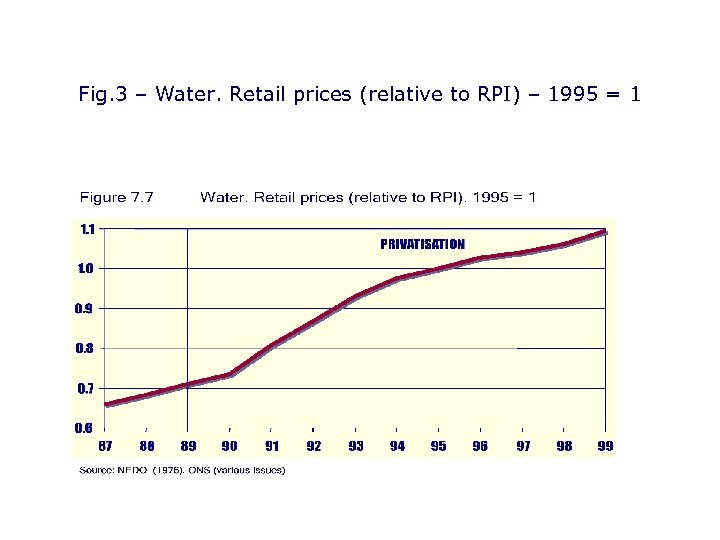
Fig. 3 – Water. Retail prices (relative to RPI) – 1995 = 1
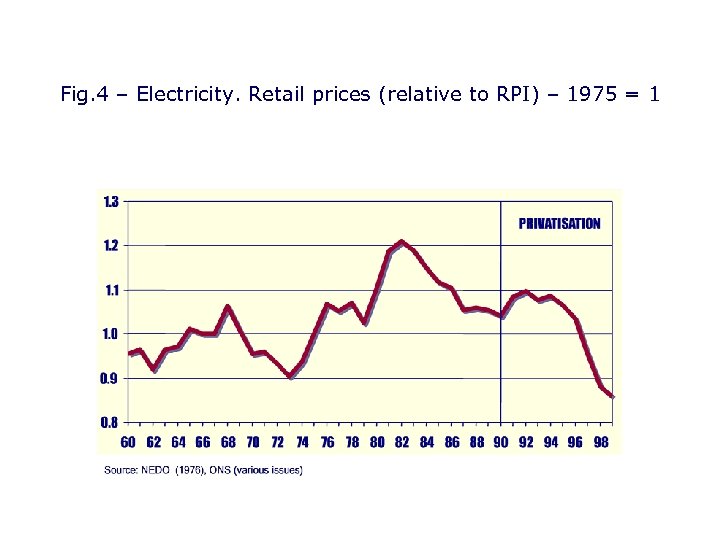
Fig. 4 – Electricity. Retail prices (relative to RPI) – 1975 = 1
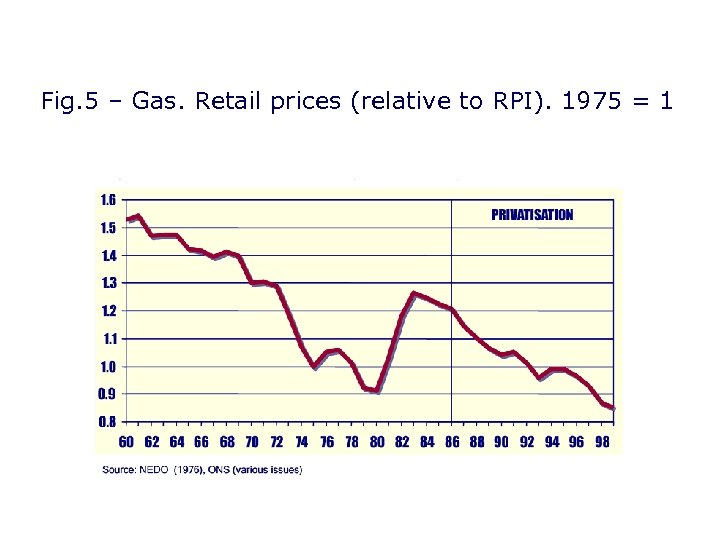
Fig. 5 – Gas. Retail prices (relative to RPI). 1975 = 1
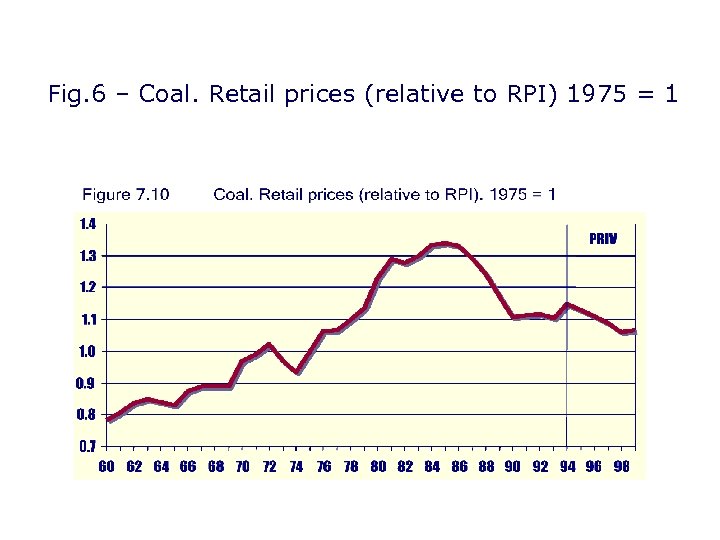
Fig. 6 – Coal. Retail prices (relative to RPI) 1975 = 1
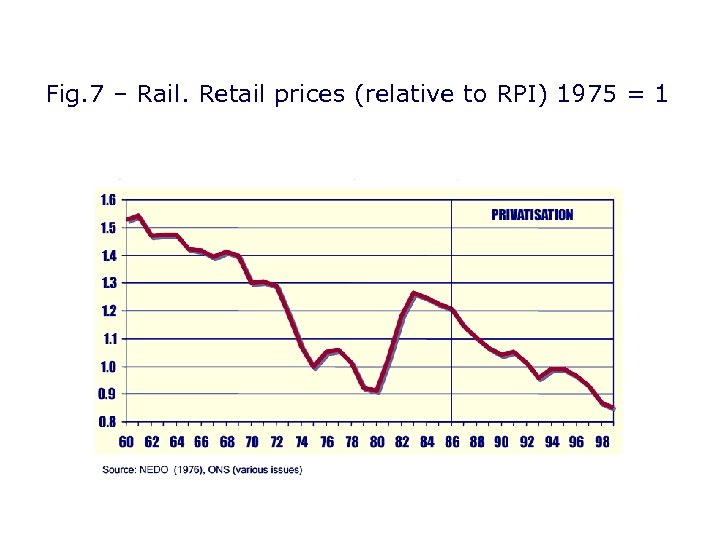
Fig. 7 – Rail. Retail prices (relative to RPI) 1975 = 1
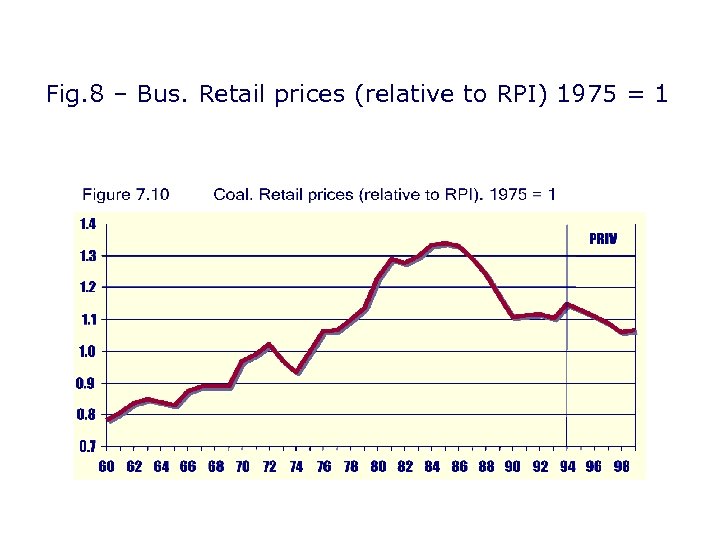
Fig. 8 – Bus. Retail prices (relative to RPI) 1975 = 1
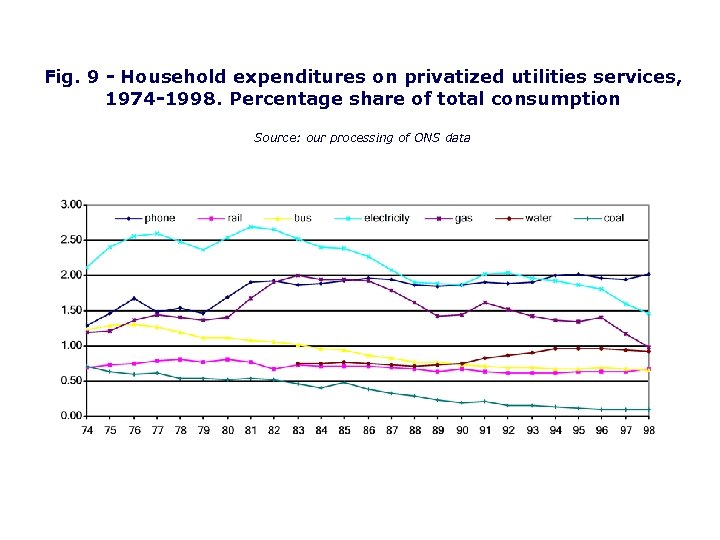
Fig. 9 - Household expenditures on privatized utilities services, 1974 -1998. Percentage share of total consumption Source: our processing of ONS data
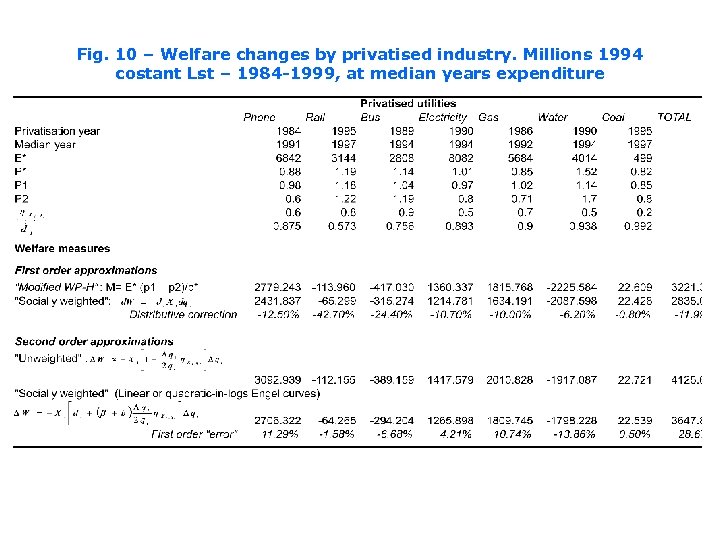
Fig. 10 – Welfare changes by privatised industry. Millions 1994 costant Lst – 1984 -1999, at median years expenditure
SHAREHOLDERS & TAXPAYERS Social dimensions • “popular capitalism” • share owners from 2, 5 millions ‘ 80 s to 11 end ‘ 90 s, but • 54% of individual shareholders own shares in only one company • 83% of individuals own portfolios of no more than 3 shares (unefficient, marginal, shareholding) • and only 17% in four or more. • In 1957 almost two-thirds of shares were owned by individuals. In 1997: 16, 5% • Foreign sector the biggest owner: 24% • Then unit trusts, pension funds, etc.
Underpricing -BT recorded a price difference of 33% after the first trading day (subsequent tranches were less underpriced). -tender offers (ABP, BAA, BP, Britoil, C&W, Enterprise Oil): underpricing was nil -a multiple of the value of the offering: e. g. 32 times for BA, 35 times for ABP, typically 7 -8 times greater than supply. Cawthron (1999): the IRR of 38 placements up to 1997, based on the return for the holder of a share at May 31 st, 1997 assuming that the share was purchased at the issue price or on the secondary market 24 hours later. The difference between the two rates gives us an idea of the underpricing. The absolute difference in the real IRR varies from a minimum of 3 -4 points to over 10 (on average 5. 7 points) (25% difference). Levis (1993) examines 712 IPOs in the UK over the period 1980 -88, roughly the same period as that studied by Vickers and Yarrow (1988) and finds that the average abnormal adjusted return after 24 hours is 14. 3%.
Abnormal returns in the long term International empirical literature shows that with ordinary IPOs, subsequent negative abnormal returns correct the excessive reaction of the market. Levis (1993) finds that for a period of 36 months there is evidence of underperformance also in the case of the UK: the cumulated abnormal return of the IPOs as a whole was 55. 72%, that of the privatised firms was almost double: 96. 91%. Florio, Manzoni (2002): sample of privatised firms (55 cases), extending the analysis to different periods of time: 1 year, 5 years, 10 years (for the latter the sample was reduced to 14 cases). We excluded the first month, so the initial underpricing is not included. We confirm that there is clear evidence of abnormal returns in the long run (using the FTA index as a benchmark). The cumulative abnormal returns are 21% at one year; 30% at two years; 57% at five years; and down to 38% at 10 years (for a smaller sample). We decompose the results by subsamples, particularly by industry, and by the time of the public offering and other variables.
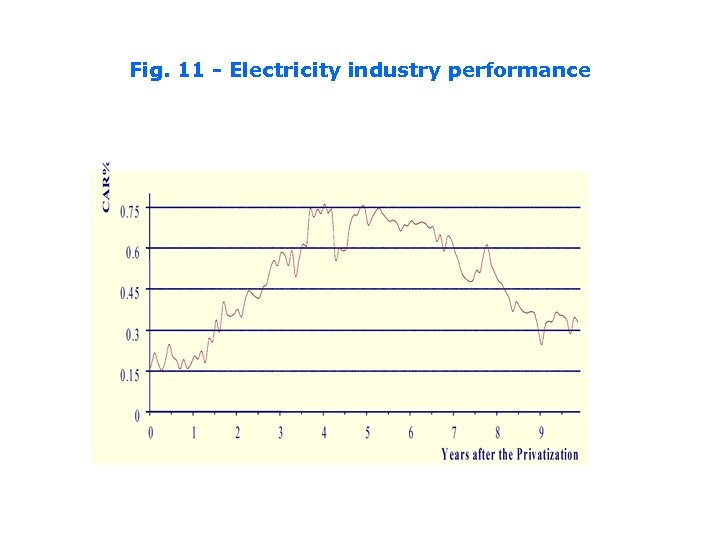
Fig. 11 - Electricity industry performance
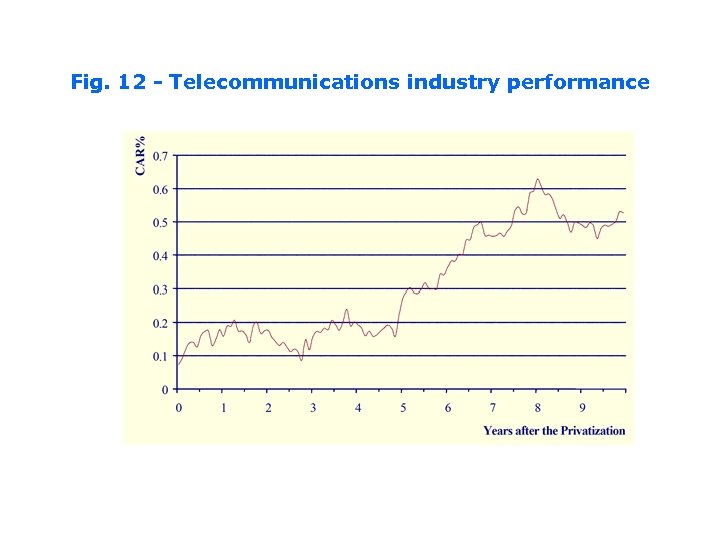
Fig. 12 - Telecommunications industry performance
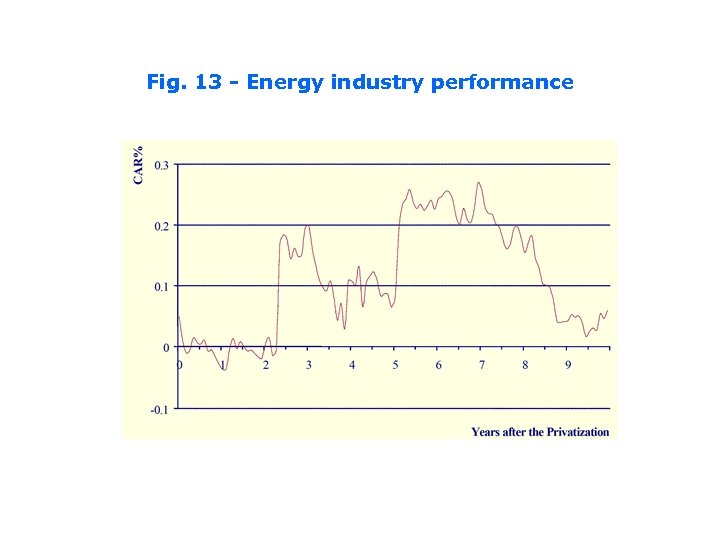
Fig. 13 - Energy industry performance
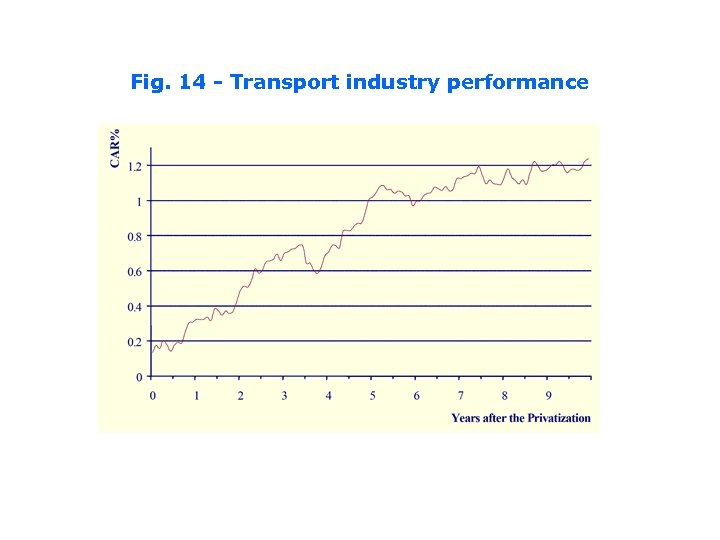
Fig. 14 - Transport industry performance
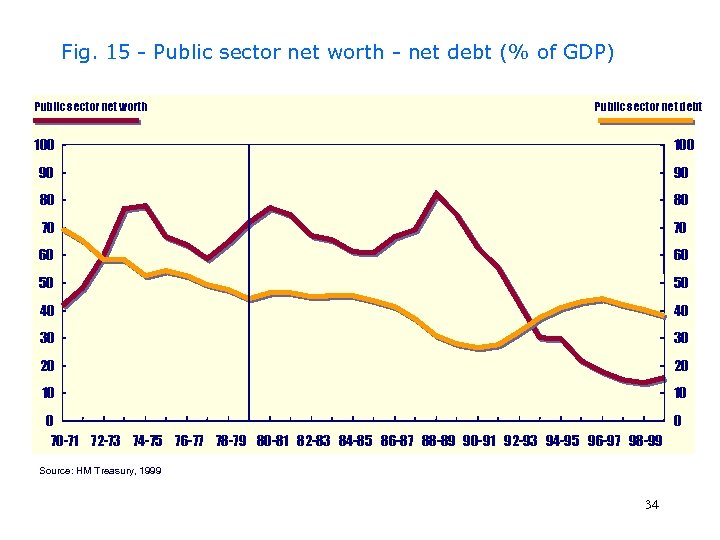
Fig. 15 - Public sector net worth - net debt (% of GDP) Public sector net worth Public sector net debt 100 90 90 80 80 70 70 60 60 50 50 40 40 30 30 20 20 10 10 0 0 70 -71 72 -73 74 -75 76 -77 78 -79 80 -81 82 -83 84 -85 86 -87 88 -89 90 -91 92 -93 94 -95 96 -97 98 -99 Source: HM Treasury, 1999 34

HM Treasury (1998) admits that: “privatizations may have had an effect on net wealth insofar as the balance sheet valuation of the underlying asset was different from the privatization proceeds received; in some cases the differences seem to have been significant and we think that this would mainly reflect inaccurate valuation in the balance sheet data (or perhaps valuation on a different basis). ”
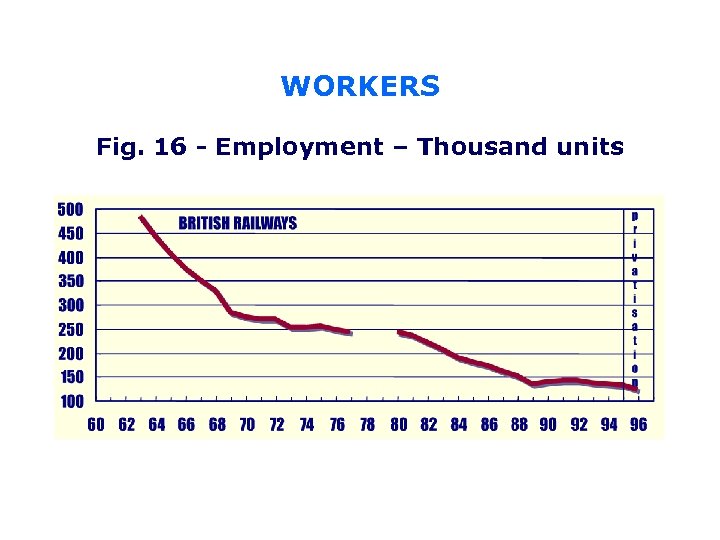
WORKERS Fig. 16 - Employment – Thousand units
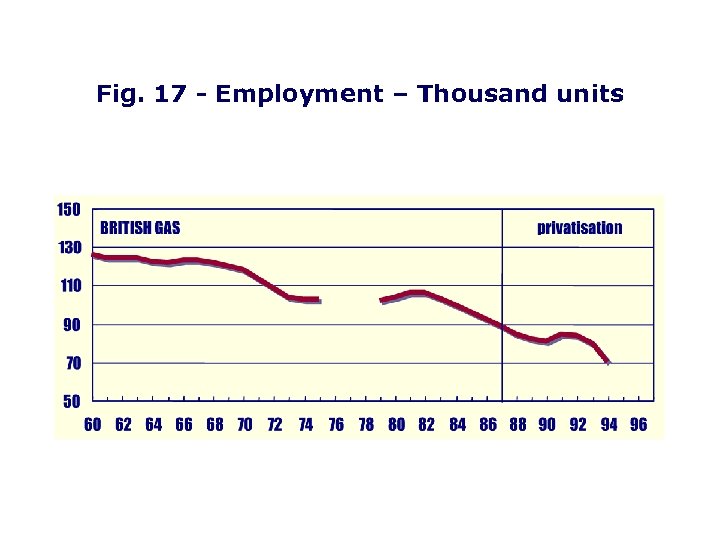
Fig. 17 - Employment – Thousand units
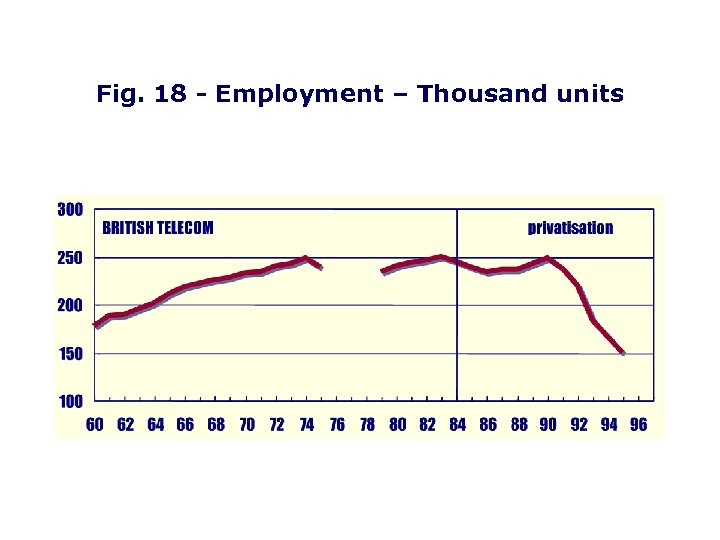
Fig. 18 - Employment – Thousand units
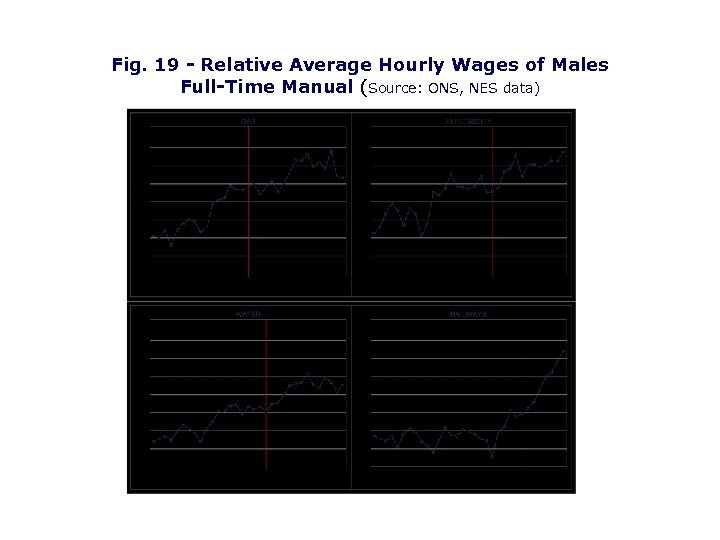
Fig. 19 - Relative Average Hourly Wages of Males Full-Time Manual (Source: ONS, NES data)
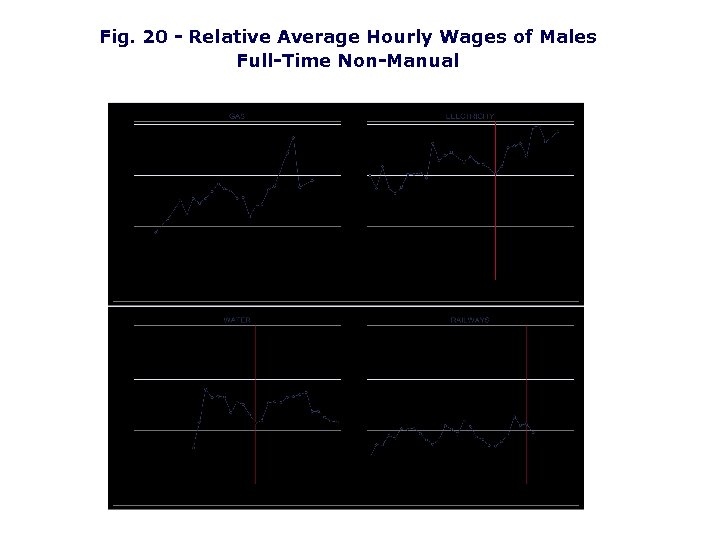
Fig. 20 - Relative Average Hourly Wages of Males Full-Time Non-Manual
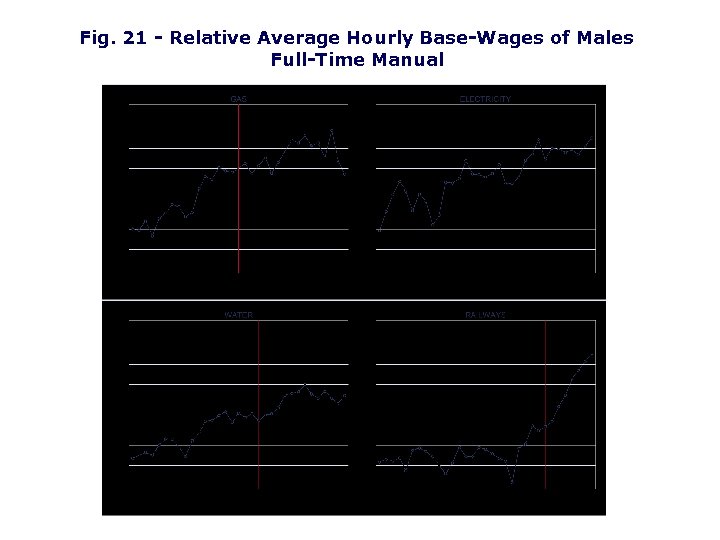
Fig. 21 - Relative Average Hourly Base-Wages of Males Full-Time Manual
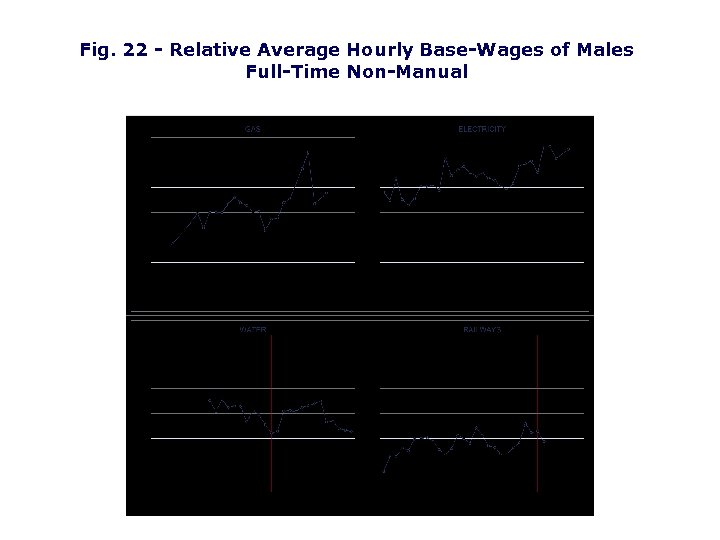
Fig. 22 - Relative Average Hourly Base-Wages of Males Full-Time Non-Manual
Conclusion: a conjecture on the overall welfare balance The assumptions: - we focus on 4 agents: • consumers, • workers, • shareholders, • taxpayers. -We guess the actual welfare change for each group, then we sum the values: the balance is the gross welfare change for the society. - The net welfare change is defined as the actual gross value, less a virtual value for a counterfactual scenario of continued public ownership - All values are expressed in constant 1995 sterling - the social discount rate we use is real 5% - end of the period 1979 -1997 and then stay unchanged with an infinite time horizon: we convert all yearly values in their NPV perpetuity
RESULTS a) Consumers Without any shadow pricing and with a prudent benchmark counterfactual (nationalized industry would have been able to offer only 50% price decrease), the observed consumers net welfare change at 1997 was around Lst 2 bn. With shadow pricing and correcting for redistributive impacts, there is probably a small net welfare loss as compared with optimal regulation or continued public ownership at marginal costs. b) Shareholders 1) pay to buy shares, 2) enjoy capital gains by underpricing and ouperformance 3) pay corporate taxes. Suppose extraprofits (gross of taxes) were £ 7 billion per year. Taking the Corporate Tax rate, which is around 30%, as a reference point we would have £ 2. 1 billion yearly as a tax burden for the shareholders. Taking the higher estimate supplied by HM Treasury (1995), or data by NERA (1996), we would have £ 2. 8 billion, whose perpetual value at 5% is £ 56 billion. Thus the Treasury receives around £ 126 billion of discounted sterling, £ 70 billion from privatisation proceeds + £ 56 billion from corporate taxes. Buyers pay £ 70 billion and they appropriate excess profits, net of taxes, of £ 4. 2 billion a year, whose perpetual value is £ 84 billion. The result is a net benefit to shareholders of £ 14 billion, or 20% of underpricing.
c) Taxpayers Conversely the loss suffered by taxpayers is equal to all of the underpricing. The above reasoning can be easily repeated. The Treasury, on behalf of the taxpayers sold at £ 70 billion assets worth £ 84 billion to the buyers, thus it was unable or unwilling to extract by them all the potential rents. Correction for the shadow price of public funds. Because public funds have a shadow price due to distortionary taxation, with a 0. 30 correction, the net loss to the taxpayer is around £ 18 billion. d) Workers We did not find clear evidence that employment and pay under the counterfactual would have differed much from the actual trend under private ownership. Blue-collars suffered a welfare loss and top managers and part of the white-collars enjoyed increased rents. But the evidence so far is not enough to guess a figure for the average workers’ welfare change. Presumably there was a regressive redistribution of income, but we are unable to quantify it. Thus we suggest no change.
CONCLUSION Overall balance without shadow prices: Our overall result, without the use of any shadow price, would be that: • taxpayers suffered a loss of £ 14 billion, • but this was cancelled out by the equivalent transfer to shareholders (privatization price doesn’t matter here), • workers’ welfare was probably slightly negatively affected, but overall this impact was negligible, • consumers enjoyed a perpetual net discount on prices worth around £ 35 per capita during the privatisation years 1979 -97, or a perpetuity of £ 700 per capita. With indirect effects and the most generous assumptions, no more than £ 1000 per capita. This is also the overall perpetual welfare change for the UK.
Overall balance with shadow prices • If we consider monopoly profits as costly rents, • we introduce a shadow price for public funds of 0. 30, • welfare weights in order to account for regressive redistribution of the income, • then there is a per capita perpetual welfare net loss of less than £ 400, or £ 20 pounds during the privatisation years. This offers us a conjecture on a range of values. 47
Concluding remarks and further research • Industry by industry evaluation • Sensitivity analysis for the values of the various parameters involved in the calculation, including shadow prices and welfare weights. • Microdata on impact on consumers The measurable net social benefit of British privatisations was low. The highest value we may conjecture is around Lst 50 per capita (at 1997). (The lowest is a loss of around Lst 30 per capita). This is on yearly basis, 0, 004 of private consumption (or 0, 06 of the utilities bill). 48
Скачать презентацию Massimo Florio Department of Economics Business and Statistics
068b789d844efbc0e0f25d5d1dd12287.ppt