 Скачать презентацию Maryland s Engineering by Design Advanced Design Applications Supervisor
7e84ba962705a0ccf43e6e010a61548e.ppt
- Количество слайдов: 34



Maryland’s Engineering by. Design™ Advanced Design Applications Supervisor Meeting Baltimore, Maryland January 9, 2007
Begin with the End in Mind What is Advanced Design Applications? What is Advanced Technological Applications? Structure for Eb. D™ Advanced Technology Courses How do I access the courses?
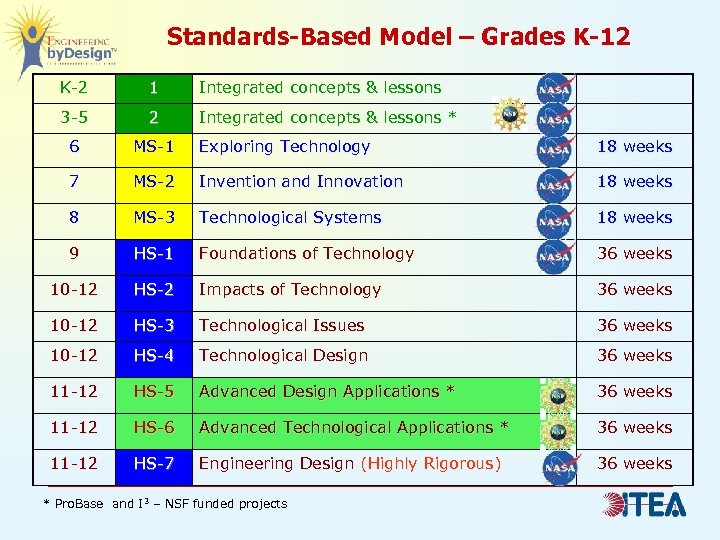
Standards-Based Model – Grades K-12 K-2 1 Integrated concepts & lessons 3 -5 2 Integrated concepts & lessons * 6 MS-1 Exploring Technology 18 weeks 7 MS-2 Invention and Innovation 18 weeks 8 MS-3 Technological Systems 18 weeks 9 HS-1 Foundations of Technology 36 weeks 10 -12 HS-2 Impacts of Technology 36 weeks 10 -12 HS-3 Technological Issues 36 weeks 10 -12 HS-4 Technological Design 36 weeks 11 -12 HS-5 Advanced Design Applications * 36 weeks 11 -12 HS-6 Advanced Technological Applications * 36 weeks 11 -12 HS-7 Engineering Design (Highly Rigorous) 36 weeks * Pro. Base and I 3 – NSF funded projects
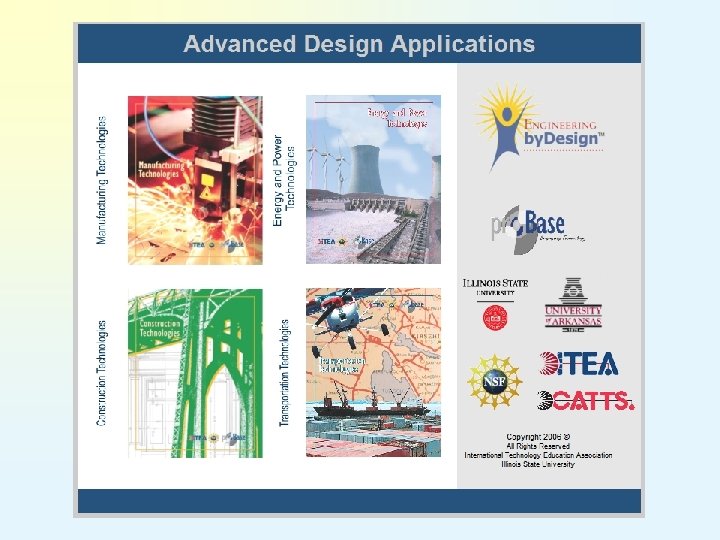
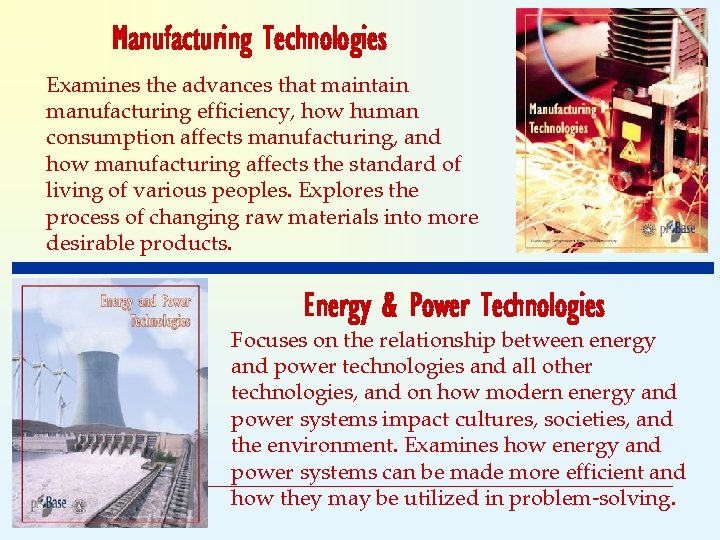
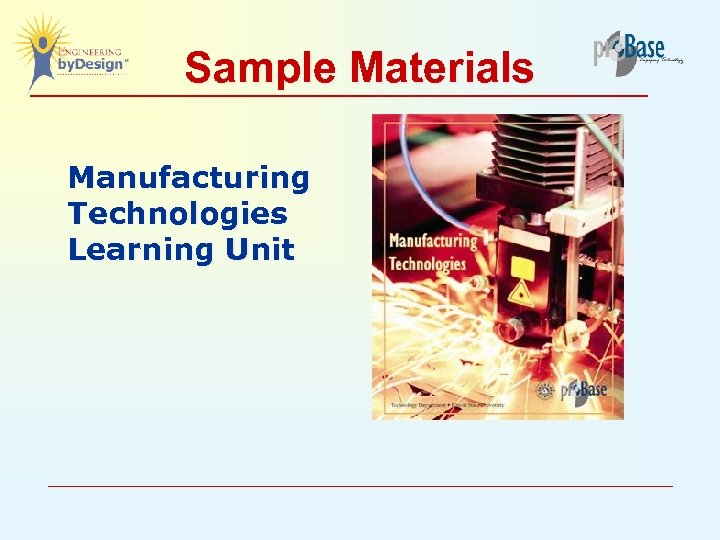
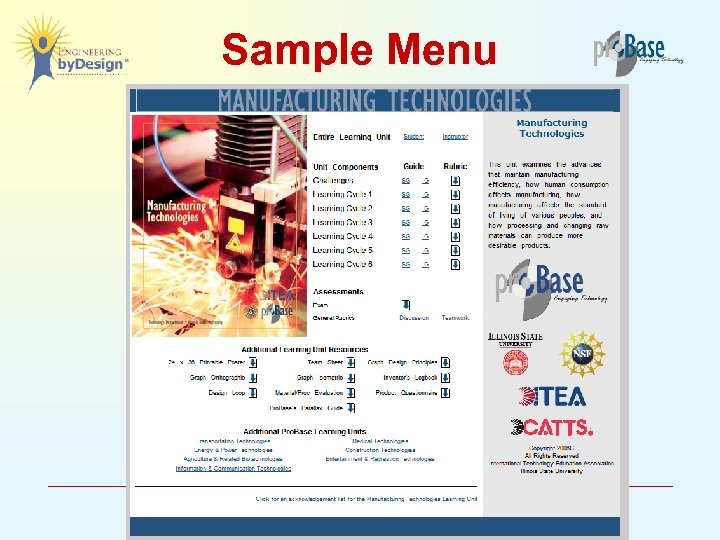
Manufacturing Technologies Examines the advances that maintain manufacturing efficiency, how human consumption affects manufacturing, and how manufacturing affects the standard of living of various peoples. Explores the process of changing raw materials into more desirable products. Energy & Power Technologies Focuses on the relationship between energy and power technologies and all other technologies, and on how modern energy and power systems impact cultures, societies, and the environment. Examines how energy and power systems can be made more efficient and how they may be utilized in problem-solving.
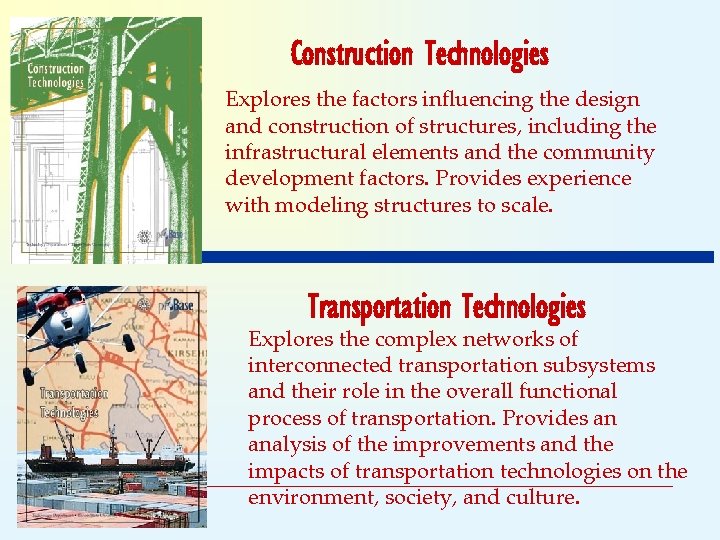
Construction Technologies Explores the factors influencing the design and construction of structures, including the infrastructural elements and the community development factors. Provides experience with modeling structures to scale. Transportation Technologies Explores the complex networks of interconnected transportation subsystems and their role in the overall functional process of transportation. Provides an analysis of the improvements and the impacts of transportation technologies on the environment, society, and culture.
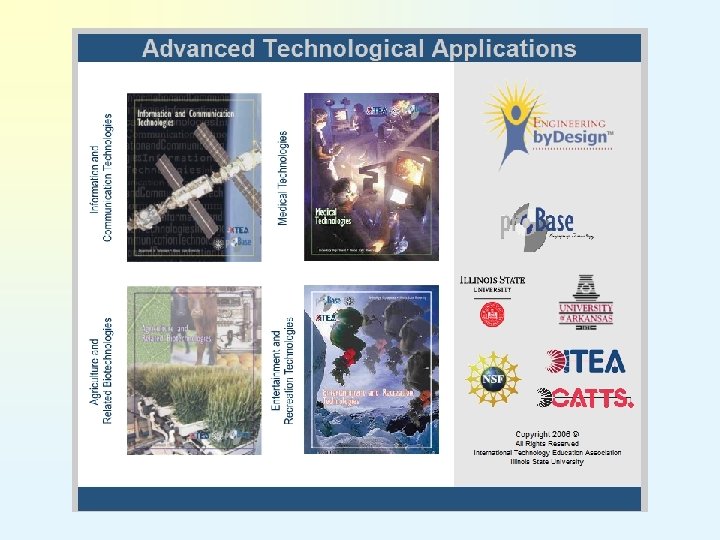
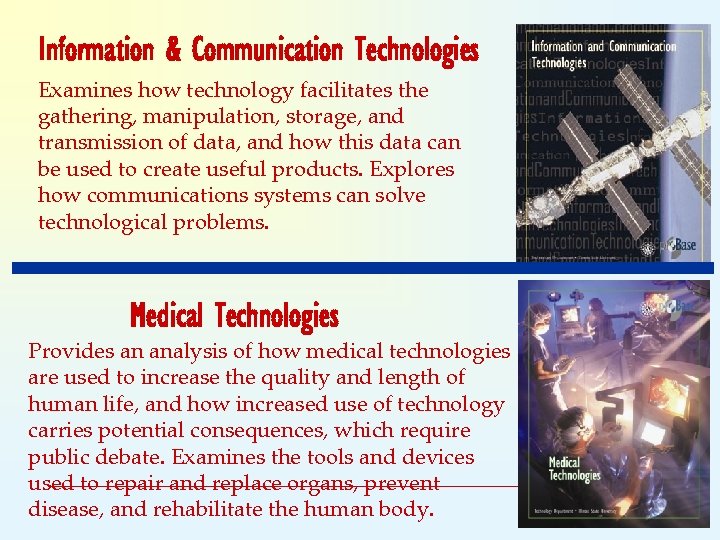
Information & Communication Technologies Examines how technology facilitates the gathering, manipulation, storage, and transmission of data, and how this data can be used to create useful products. Explores how communications systems can solve technological problems. Medical Technologies Provides an analysis of how medical technologies are used to increase the quality and length of human life, and how increased use of technology carries potential consequences, which require public debate. Examines the tools and devices used to repair and replace organs, prevent disease, and rehabilitate the human body.
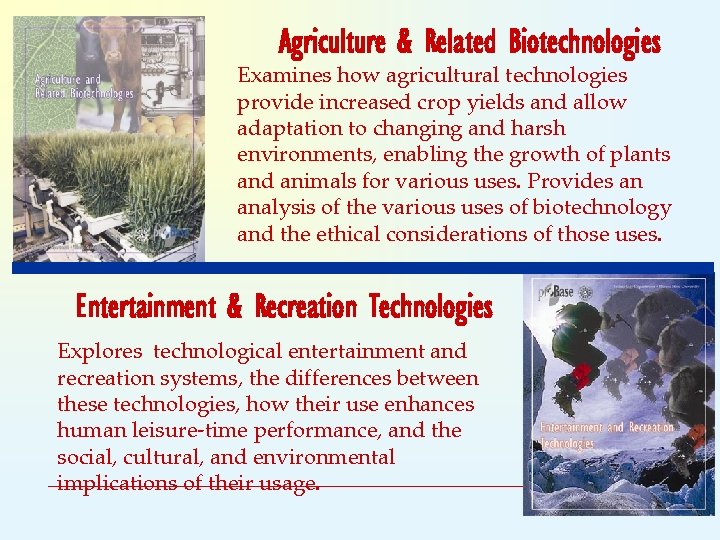
Agriculture & Related Biotechnologies Examines how agricultural technologies provide increased crop yields and allow adaptation to changing and harsh environments, enabling the growth of plants and animals for various uses. Provides an analysis of the various uses of biotechnology and the ethical considerations of those uses. Entertainment & Recreation Technologies Explores technological entertainment and recreation systems, the differences between these technologies, how their use enhances human leisure-time performance, and the social, cultural, and environmental implications of their usage.
& § Provides hands-on, problem-based, concept-driven curriculum materials for high school technology education students. § Prepares students for post-secondary education in engineering or advanced level technical programs at the community college level by providing a sound educational base for the firstyear transition.
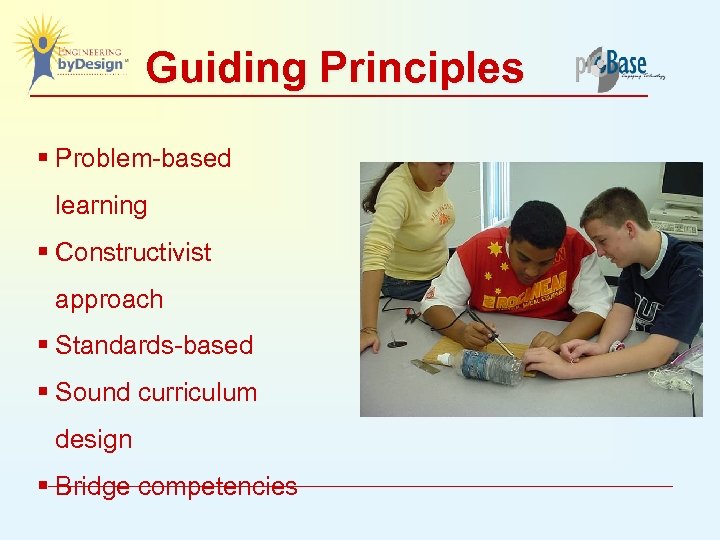
Guiding Principles § Problem-based learning § Constructivist approach § Standards-based § Sound curriculum design § Bridge competencies
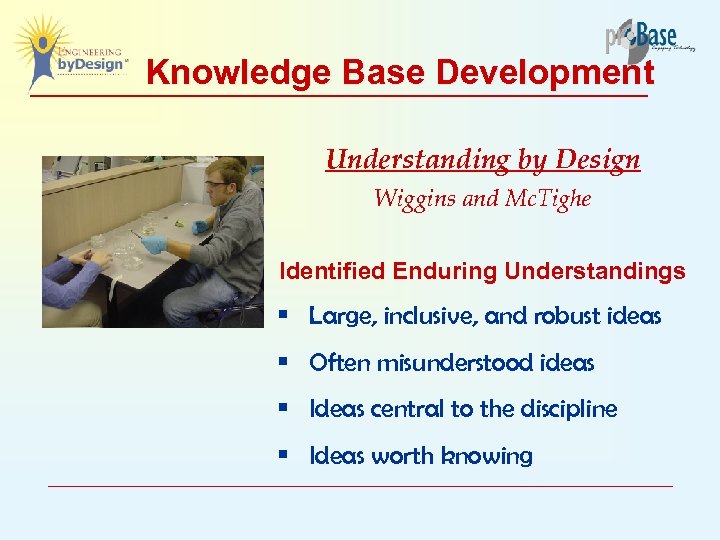
Knowledge Base Development Understanding by Design Wiggins and Mc. Tighe Identified Enduring Understandings § Large, inclusive, and robust ideas § Often misunderstood ideas § Ideas central to the discipline § Ideas worth knowing
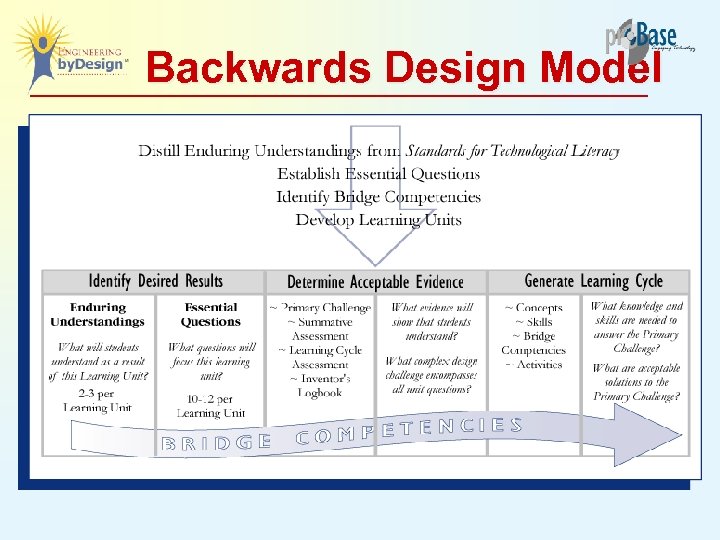
Backwards Design Model
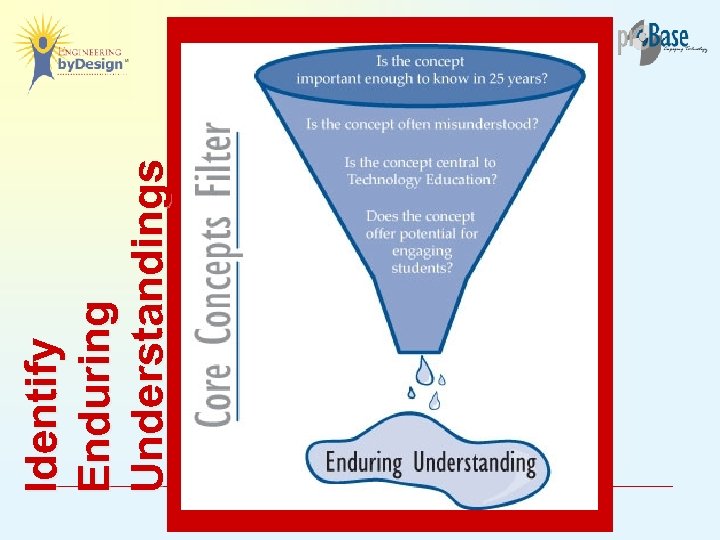
Identify Enduring Understandings
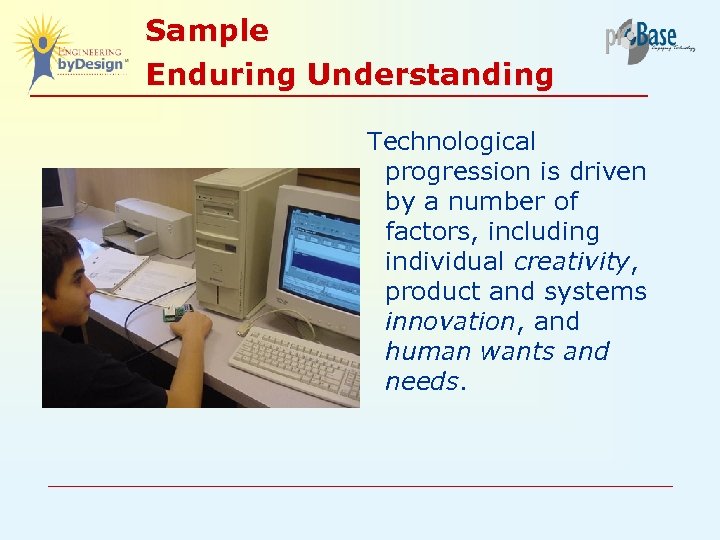
Sample Enduring Understanding Technological progression is driven by a number of factors, including individual creativity, product and systems innovation, and human wants and needs.
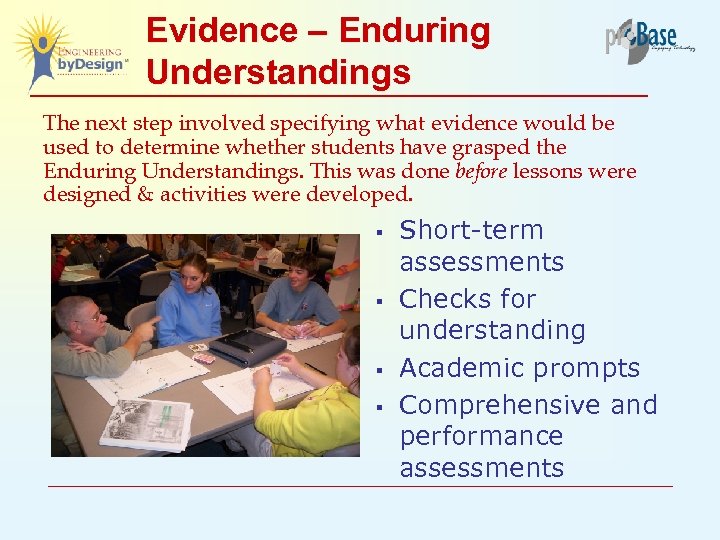
Evidence – Enduring Understandings The next step involved specifying what evidence would be used to determine whether students have grasped the Enduring Understandings. This was done before lessons were designed & activities were developed. § § Short-term assessments Checks for understanding Academic prompts Comprehensive and performance assessments
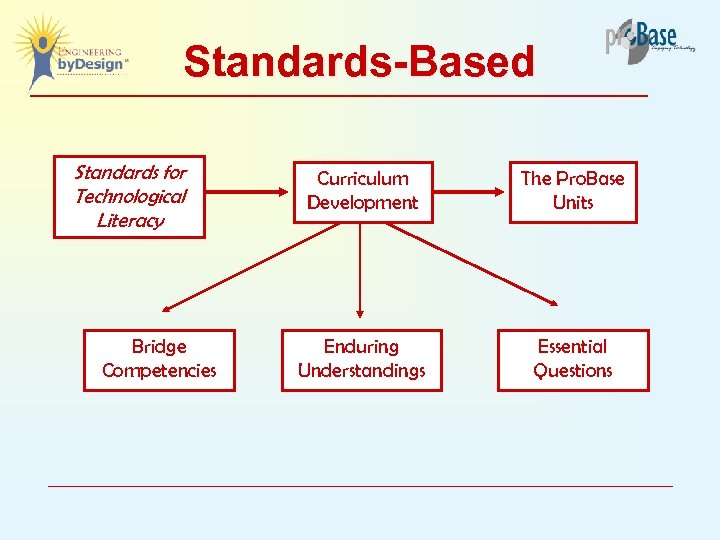
Standards-Based Standards for Technological Literacy Bridge Competencies Curriculum Development The Pro. Base Units Enduring Understandings Essential Questions
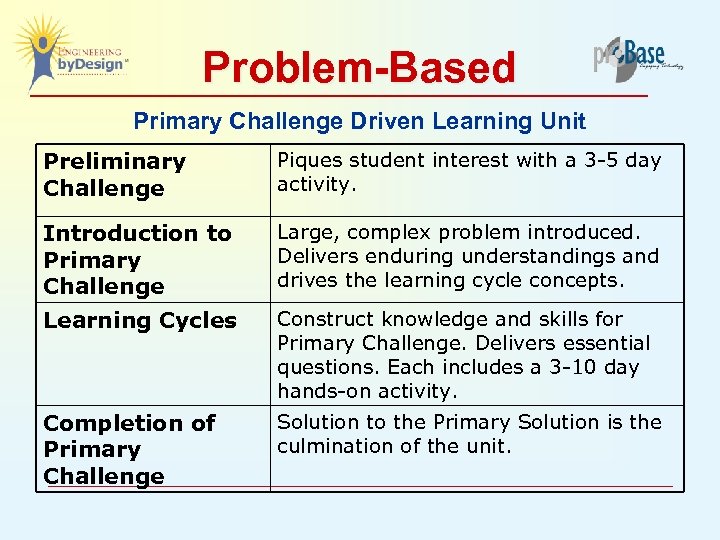
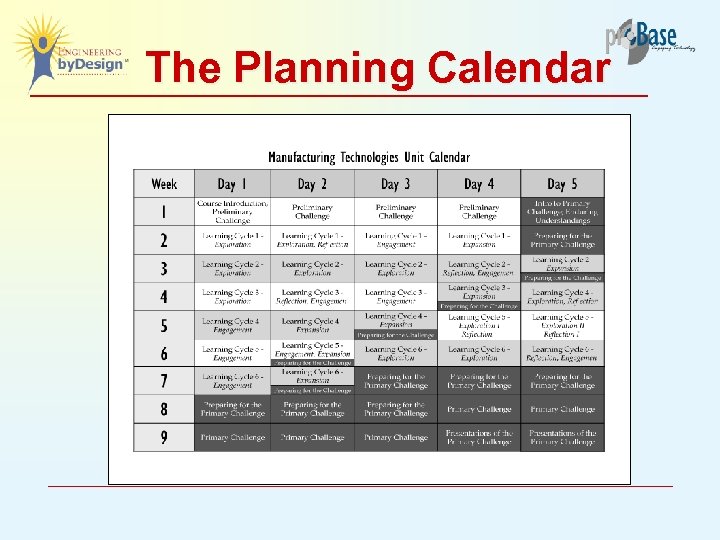
Problem-Based Primary Challenge Driven Learning Unit Preliminary Challenge Piques student interest with a 3 -5 day activity. Introduction to Primary Challenge Large, complex problem introduced. Delivers enduring understandings and drives the learning cycle concepts. Learning Cycles Construct knowledge and skills for Primary Challenge. Delivers essential questions. Each includes a 3 -10 day hands-on activity. Completion of Primary Challenge Solution to the Primary Solution is the culmination of the unit.
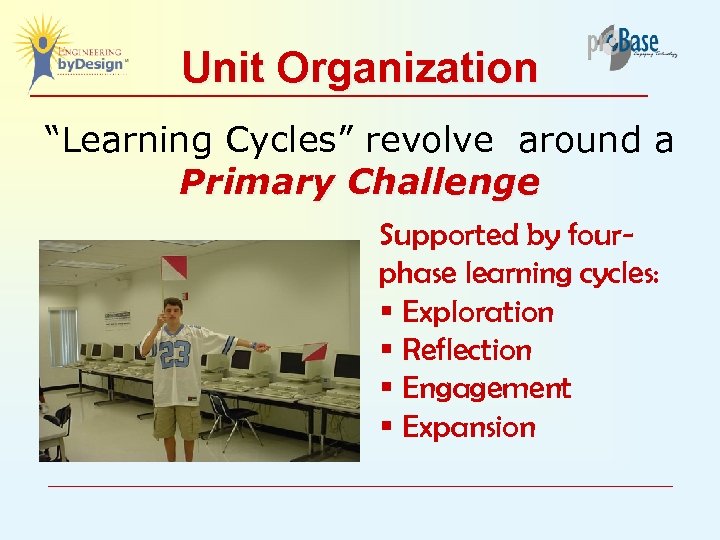
Unit Organization “Learning Cycles” revolve around a Primary Challenge Supported by fourphase learning cycles: § Exploration § Reflection § Engagement § Expansion
Sample Materials Manufacturing Technologies Learning Unit
Sample Menu
The Planning Calendar
Materials List
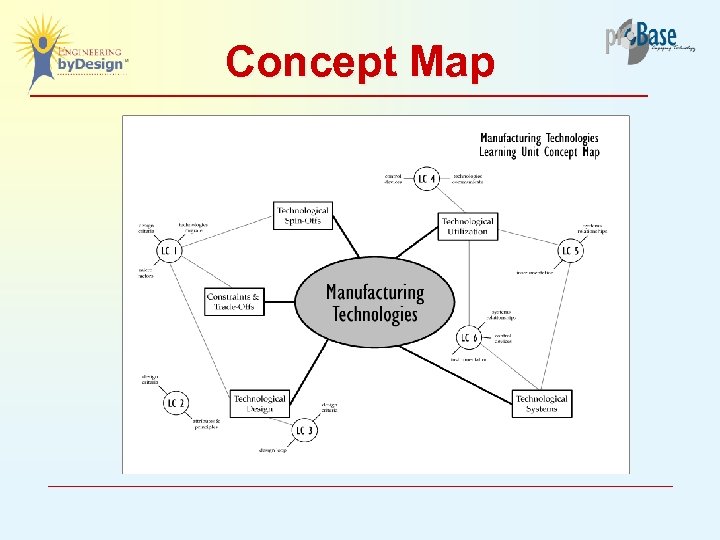
Concept Map
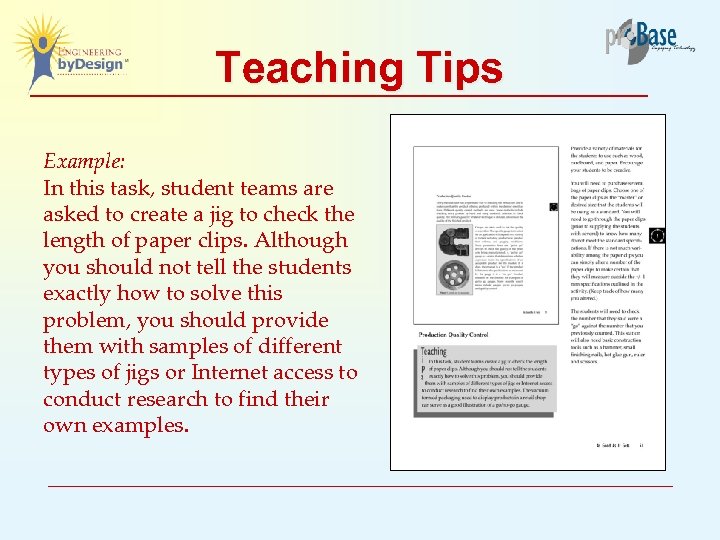
Teaching Tips Example: In this task, student teams are asked to create a jig to check the length of paper clips. Although you should not tell the students exactly how to solve this problem, you should provide them with samples of different types of jigs or Internet access to conduct research to find their own examples.
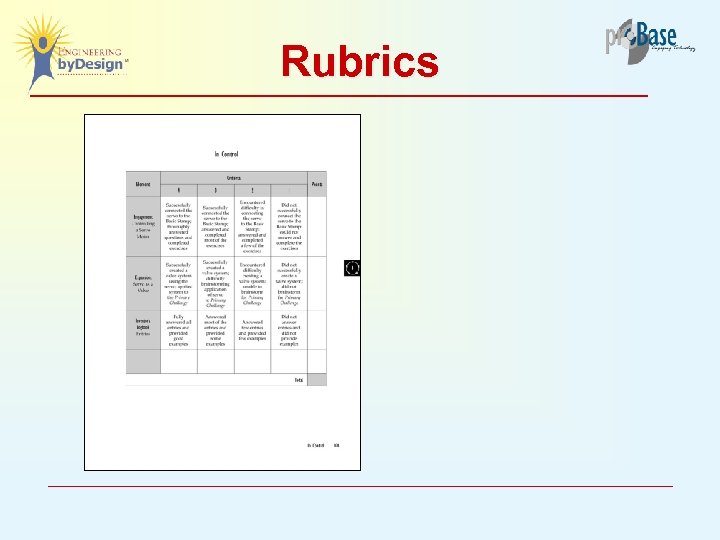
Rubrics
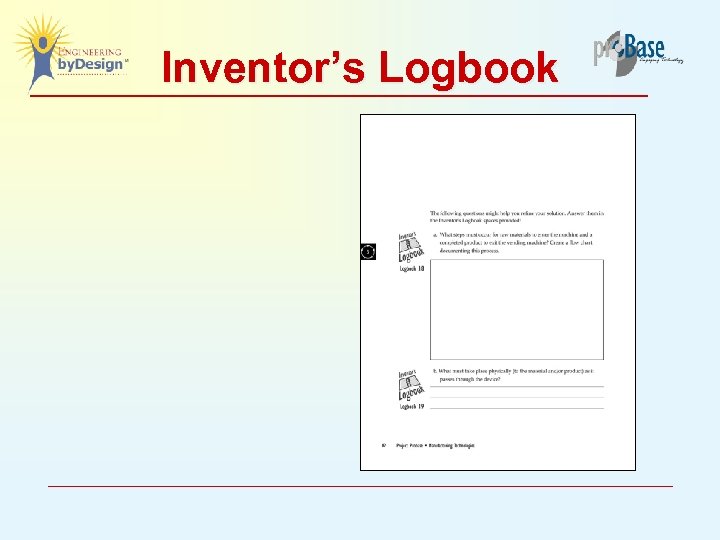
Inventor’s Logbook
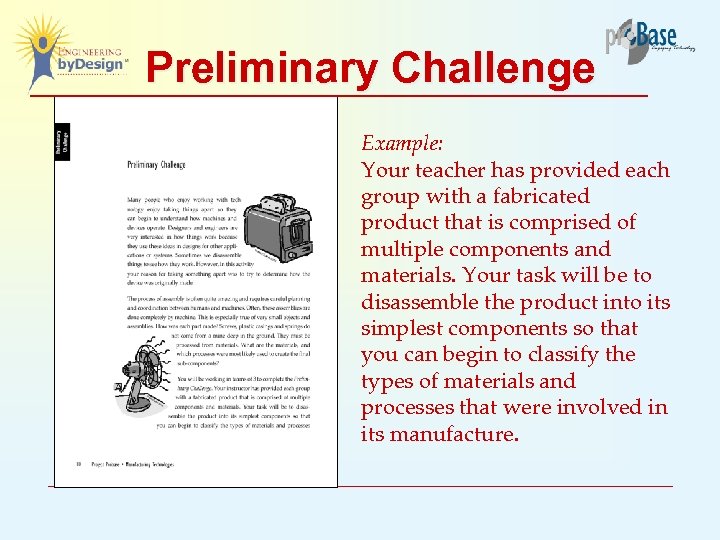
Preliminary Challenge Example: Your teacher has provided each group with a fabricated product that is comprised of multiple components and materials. Your task will be to disassemble the product into its simplest components so that you can begin to classify the types of materials and processes that were involved in its manufacture.
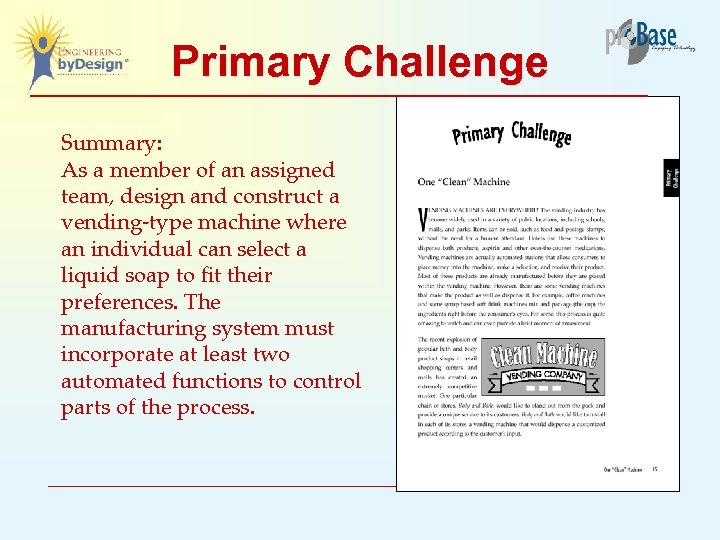
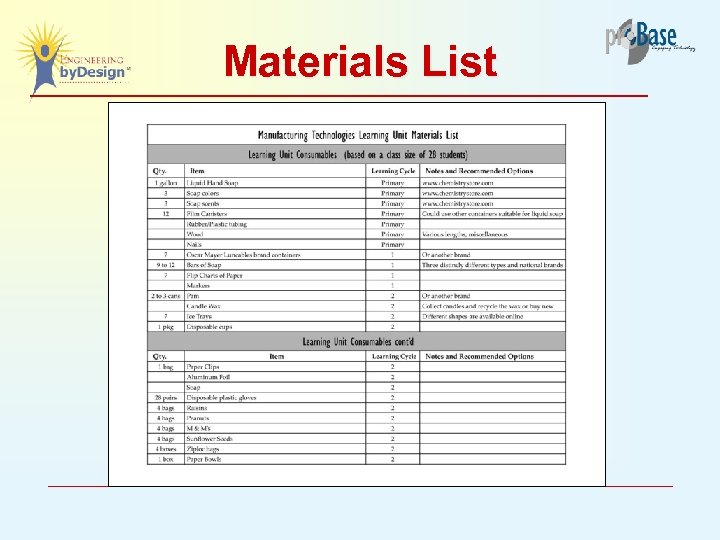
Primary Challenge Summary: As a member of an assigned team, design and construct a vending-type machine where an individual can select a liquid soap to fit their preferences. The manufacturing system must incorporate at least two automated functions to control parts of the process.
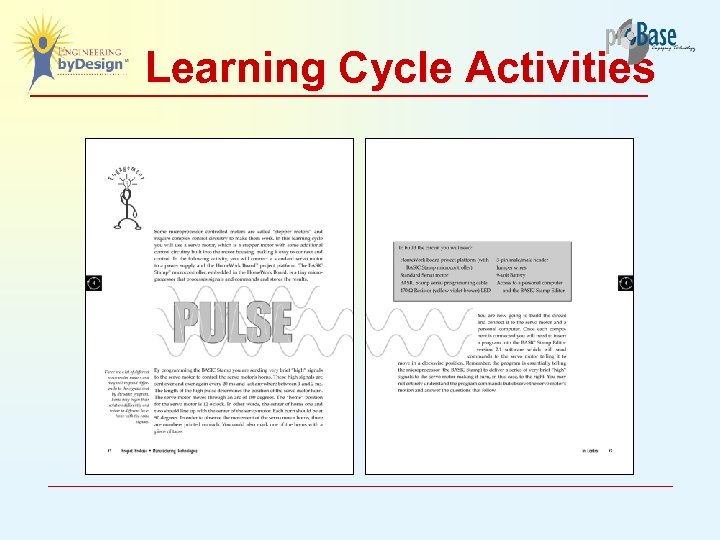
Learning Cycle Activities
Accessing Advanced Design Applications: www. iteaconnect. org/ Eb. D/CATTSresources/ CATTSresources. MD 03. htm
bburke@iteaconnect. org Barry Burke www. engineeringbydesign. or g
www. engineeringbydesign. o rg
Скачать презентацию Maryland s Engineering by Design Advanced Design Applications Supervisor
7e84ba962705a0ccf43e6e010a61548e.ppt