


 Скачать презентацию MARKETING STRATEGY 6 Analyzing Consumer Markets What
8afb7dfee18ac805d1604b799fe0ffc1.ppt
- Количество слайдов: 34
 MARKETING STRATEGY 6 Analyzing Consumer Markets
 What Influences Consumer Behavior? Cultural factors n Social factors n Personal factors n 2
 Culture The fundamental determinant of a person’s wants and behaviors acquired through socialization processes with family and other key institutions. 3
 Subcultures More specific identification and socialization for their members. n Nationalities n Religions n Racial groups n Geographic regions n Special interests 4
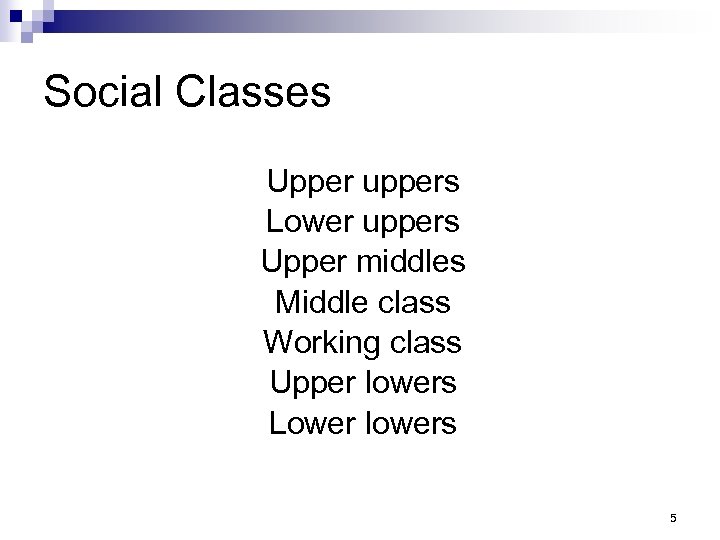 Social Classes Upper uppers Lower uppers Upper middles Middle class Working class Upper lowers Lower lowers 5
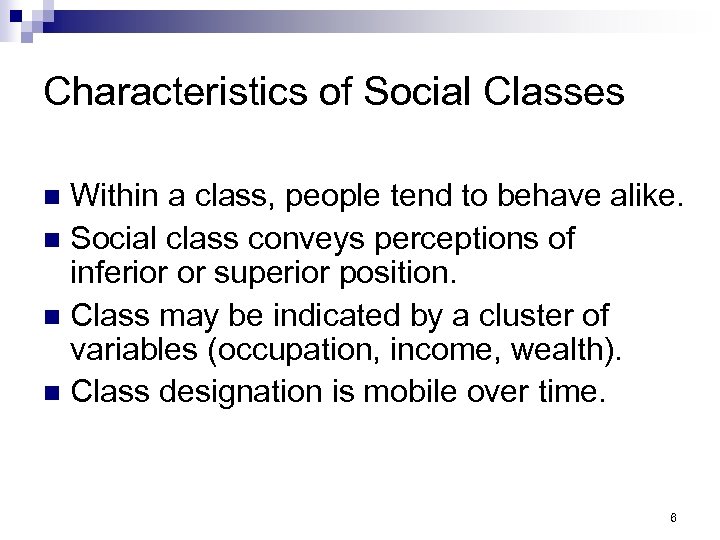 Characteristics of Social Classes Within a class, people tend to behave alike. n Social class conveys perceptions of inferior or superior position. n Class may be indicated by a cluster of variables (occupation, income, wealth). n Class designation is mobile over time. n 6
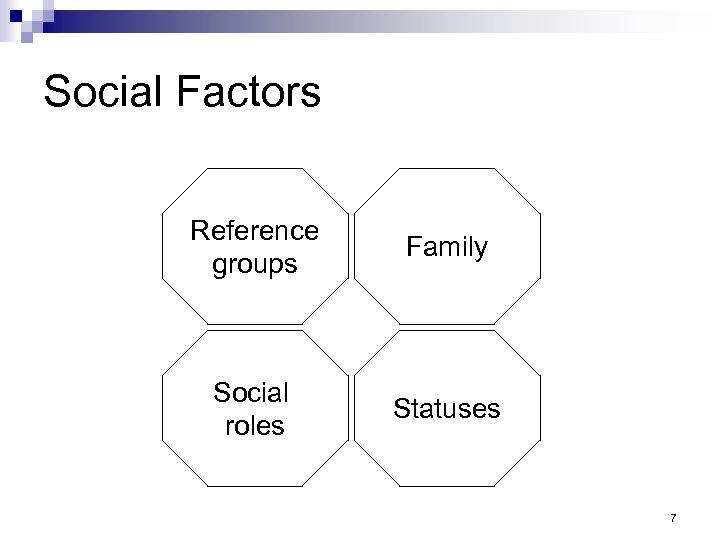 Social Factors Reference groups Family Social roles Statuses 7
 Social Factors (cont/d) n Reference groups: consists of all the groups that have a direct (face-to face) or indirect influence on his/her attitudes (e. g. primary groups - family, friends, co-workers, secondary groups – religious, trade unions) Reference groups expose an individual to new behaviors, life styles & attitudes. Opinion Leader: is the person in informal, product related communications who offers advise or information about a specific product or product category. 8
 Social Factors (cont/d) n Family: is the most important consumer buying organization in society, and family members constitute the most influential primary reference group. Marketers are interested in the roles and relative influence of family members in the purchase of products. 9
 Social Factors (cont/d) n n n Roles and Statuses: The person’s position in each group can be defined in terms of role and status. Role: consists of the activities a person is expected to perform. Each role carries a status (being a marketing manager has more status than a sales manager). People choose products that reflect and communicate their role and actual or desired status in society. 10
 Personal Factors n n Age Life cycle stage Occupation Wealth n n Personality Values Lifestyle Self-concept 11
 Personal Factors (cont/d) n Age and Stage in the life Cycle: People buy different goods and services over a life time; taste in food, clothes, furniture. Consumption is also shaped by the family life cycle and the number, age and gender of people in the household. 12
 Personal Factors (cont/d) Occupation and Economic Circumstances: A blue color worker will buy work clothes, shoes and lunchboxes. A company president will buy dress suits, air-travel and club memberships. n Product choice is also affected by spendable income and saving patterns. n 13
 Personal Factors (cont/d) n n Personality: Each person has its own personality traits that influence his/her buying behavior. Personality is described in terms of self-confidence, dominance, autonomy, sociability or adaptability. Brand Personality: specific mix of human traits that may be attributed to a particular brand. Consumers are likely to choose brands whose personalities much their own. Brand Personality traits: ¨ Excitement (imaginative, up-to-date) ¨ Competence (reliable, successful, intelligent) ¨ Sophistication (upper-class, charming) ¨ Ruggedness (tough) 14
 Personal Factors (cont/d) n Lifestyle and Values: A lifestyle is a person’s pattern of living as expressed in activities, interests, and opinions. 15
 Key Psychological Processes Motivation n Perception n Learning n Memory n 16
 Motivation n Motive: is a need that is sufficiently to drive a person to act Freud’s theory: assumed that psychological forces shaping people’s behavior are largely unconscious, and that a person can not fully understand his/her own motivations. Maslow’s hierarchy of needs: Human needs are arranged in a hierarchy, from the most pressing to the least pressing; psychological needs: (food, water, shelter), Safety needs: (security, protection), Social needs: (sense of belonging, love), Esteem needs: (recognition, status), Self actualization: (selfdevelopment and realization). 17
 Motivation (cont/d) n Herzberg’s two-factor theory: factors that distinguishes dissatisfaction and satisfaction (e. g. warranty). 18
 Perception Sensation is the immediate response of our sensory receptors (eyes, ears, nose, mouth, and fingers) to basic stimuli (light, color, sound, odor, and texture). n Perception is the process by which sensations are selected, organized, and interpreted n 19
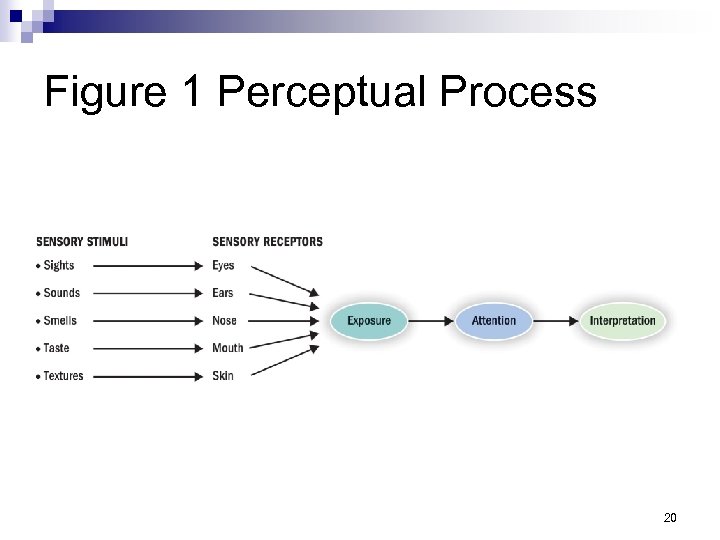 Figure 1 Perceptual Process 20
 Perception n n Selective attention: marketers have to attract consumer’s notice; finding the appropriate stimuli. Selective retention: retain information that supports their attitudes and beliefs; remember good points about a product that we like. Selective retention works to the advantage of strong brands Selective distortion: tendency to interpret information in a way that will be consistent with prior brand product beliefs. Subliminal perception: marketers use the appropriate messages in their ads or packages that will attract consumers to become actively involved. 21
 Learning involves changes in an individual’s behavior arising from experience. Most human behavior is learned. n Drive: strong internal stimulus impelling action. n Cues: minor stimuli that determine when, where, and how a person responds. n 22
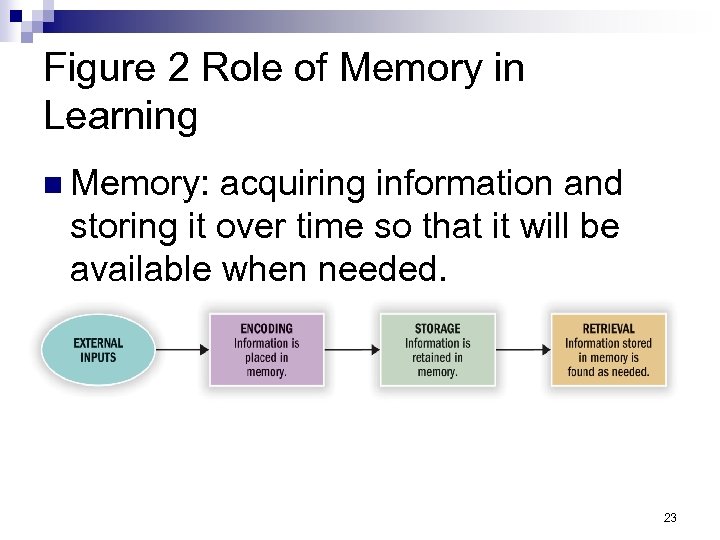 Figure 2 Role of Memory in Learning n Memory: acquiring information and storing it over time so that it will be available when needed. 23
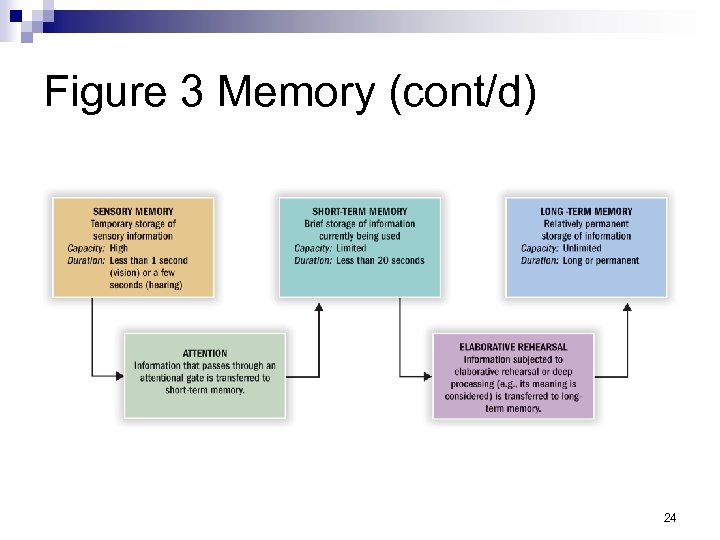 Figure 3 Memory (cont/d) 24
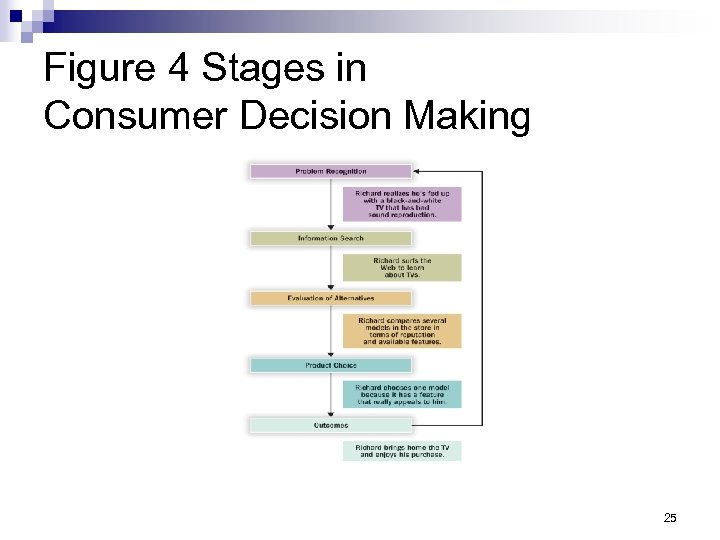 Figure 4 Stages in Consumer Decision Making 25
 Consumer Buying Process Problem recognition n Information search n Evaluation n Product Choice; Purchase decision n Outcomes; Postpurchase behavior n 26
 Stage 1: Problem Recognition n Occurs when consumer sees difference between some current state of affairs and some desired/ideal state ¨ Need recognition: actual state declines ( when an actual problem is realized – need recognition) ¨ Opportunity recognition: ideal state moves upward (when a consumer admires a newer flashier car) 27
 Stage 2: Information Search n The process by which we survey the environment for appropriate data to make a reasonable decision Prepurchase search: a consumer may recognize a need and then search the marketplace for specific information. ¨ Ongoing search: the consumer like to stay up-to-date on what is happening in the marketplace. ¨ Internal search: scanning our memory banks to assemble information. ¨ External search: information coming from external sources (advertisements, friends, online search). ¨ 28
 How much search occurs? n n Search activity is greater when the purchase is important, when there is need to learn more about the purchase. Consumers differ in the amount of search they tend to undertake, regardless of the product category in question. Younger and better educated people who enjoy shopping tend to conduct more information search. Women tend to search more than men, as they place more value on style and image. 29
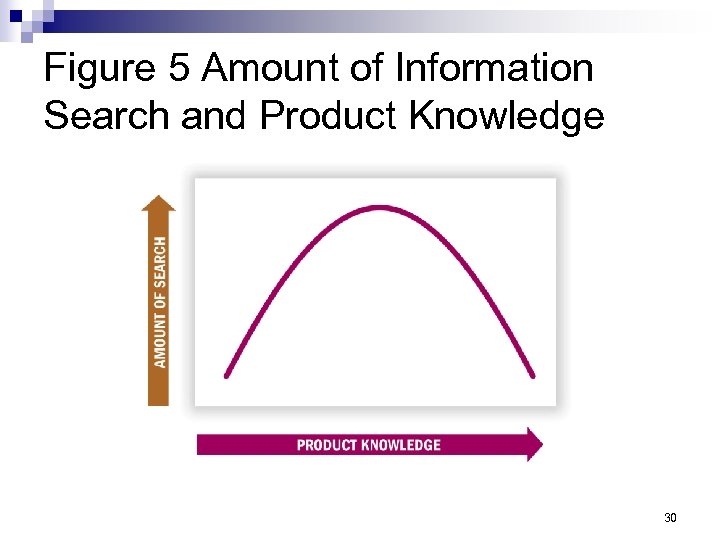 Figure 5 Amount of Information Search and Product Knowledge 30
 Product Choice: How Do We Decide? Once we assemble and evaluate relevant options from a category, we must choose among them n Decision rules for product choice can be very simple or very complicated n ¨ Prior experience with (similar) product ¨ Present information at time of purchase ¨ Beliefs about brands (from advertising) 31
 Other Theories of Consumer Decision Making Involvement n Elaboration Likelihood Model n Low-involvement marketing strategies n Variety-seeking buying behavior Decision Heuristics n Availability n Representativeness n Anchoring and adjustment 32
 Heuristics n n n Product signals: perceived associations among events that may or may not influence one another; association between product quality and the length of time a manufacturer is being in the business, well known brand names with country of origin, price and the retail outlet Market beliefs: assumptions about companies, products and stores; price-quality relationship, place or store that we choose to shop Country of origin: people sometimes assume that a product made overseas is of better qualities (e. g. electronic products made in Japan, Irish pubs). Is an important piece of information in the decisionmaking process. 33
 Choosing Familiar Brand Names n n n Consumer inertia: the tendency to buy a brand out of habit merely because it requires less effort Many people tend to buy the same brand about every time out of a habit. No belief – attitude behavior. When there is little or no commitment to a particular brand, promotional tools such as displays, noticeable price reductions may be sufficient to ‘unfreeze’ a consumer’s habitual pattern. Brand loyalty: repeat purchasing behavior that reflects a conscious decision to continue buying the same brand 34