 Скачать презентацию Marketing Public Health Goal for Presentation
014a958274830731c501668b9b241508.ppt
- Количество слайдов: 72



Marketing Public Health
Goal for Presentation • Review “Stump Presentation” for the Marketing Plan • Glean Ideas for Making Useful for Expansive Local Use • Next Steps Discussion – Internal Marketing
• Public Health Highlights – Kim Singh • Research on Public Health Perceptions – Amy Slonim • Public Health Marketing Plan – Mark Bertler
Definition of Public Health Public health addresses the health of the population as a whole rather than medical health care, which focuses on treatment of the individual ailment. According to the Institute of Medicine, the mission of public health is defined as "fulfilling society's interest in assuring conditions in which people can be healthy.
The Impact of Public Health
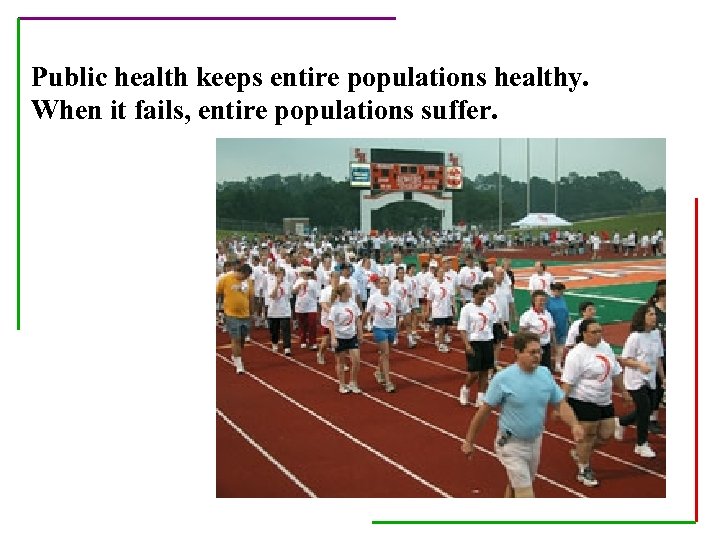
Public health keeps entire populations healthy. When it fails, entire populations suffer.
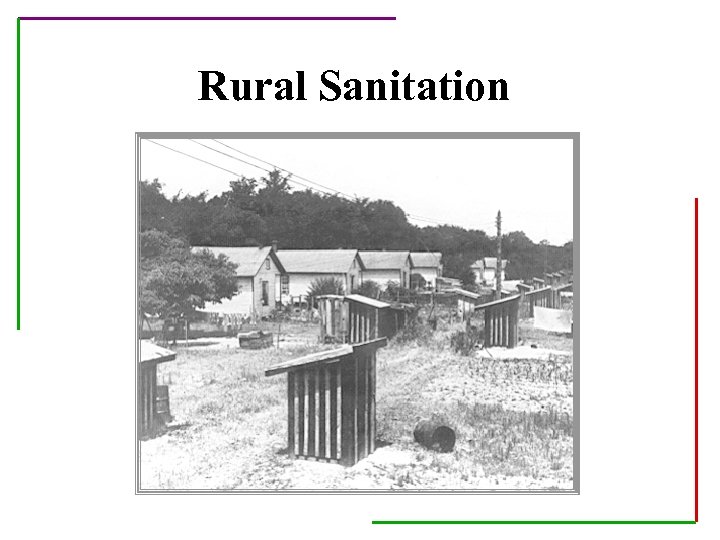
Rural Sanitation
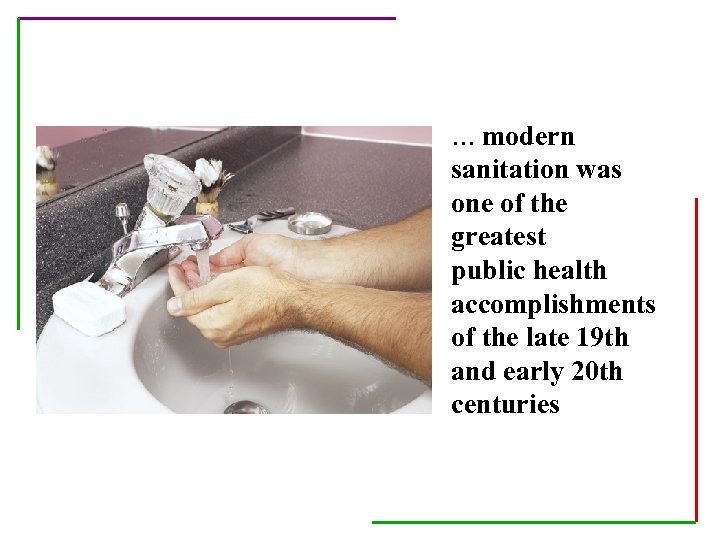
… modern sanitation was one of the greatest public health accomplishments of the late 19 th and early 20 th centuries
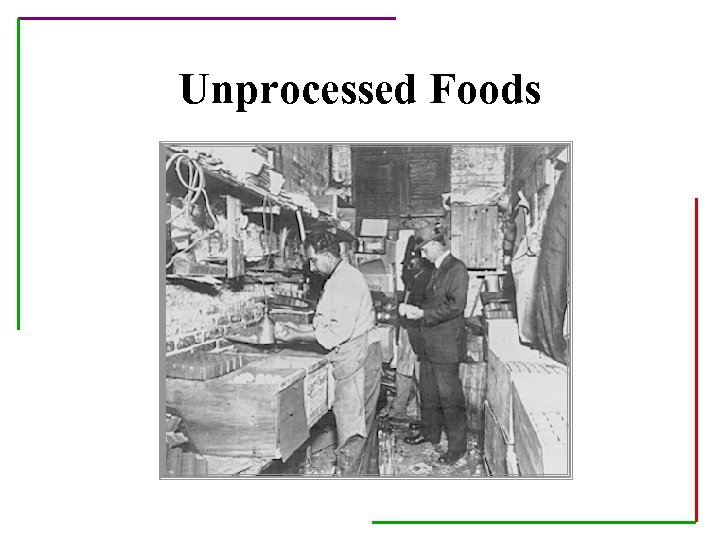
Unprocessed Foods
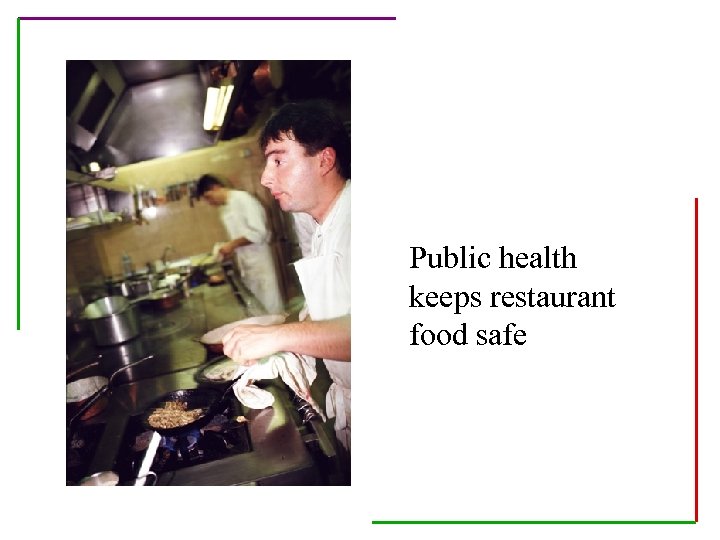
Public health keeps restaurant food safe
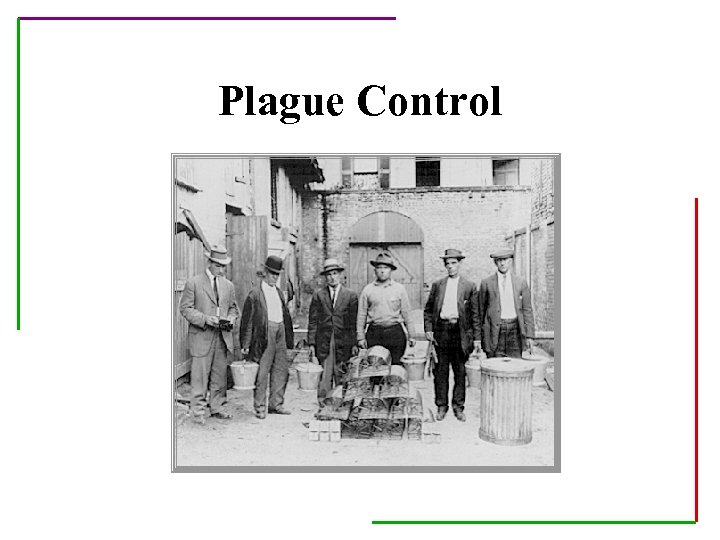
Plague Control
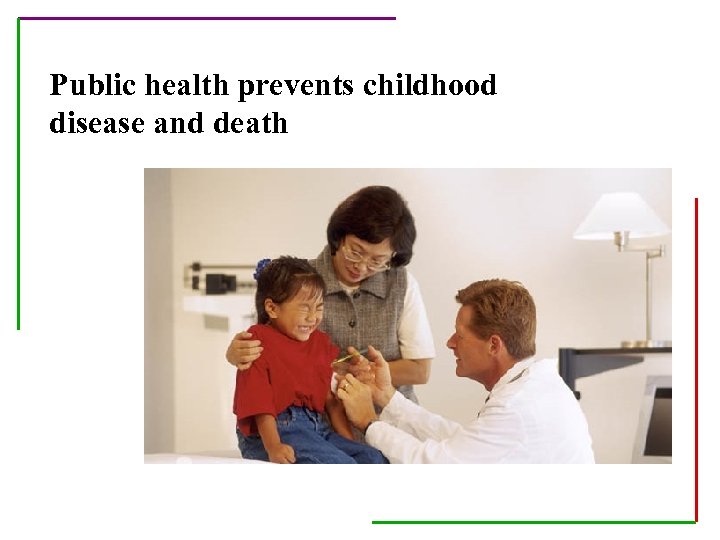
Public health prevents childhood disease and death
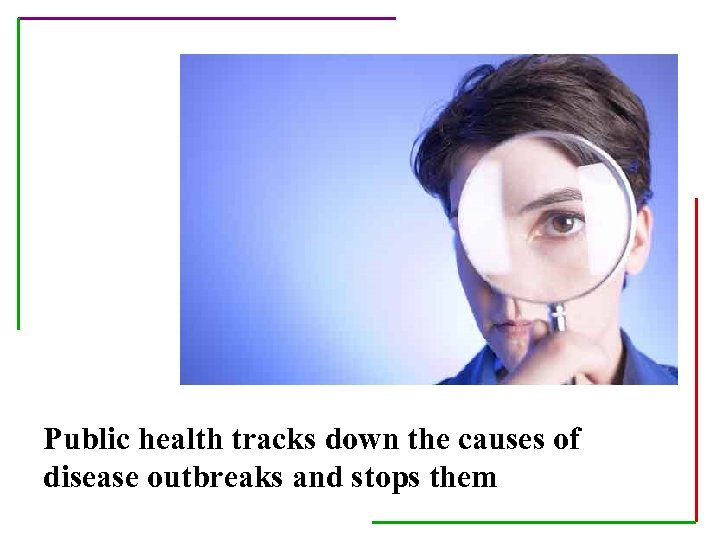
Public health tracks down the causes of disease outbreaks and stops them
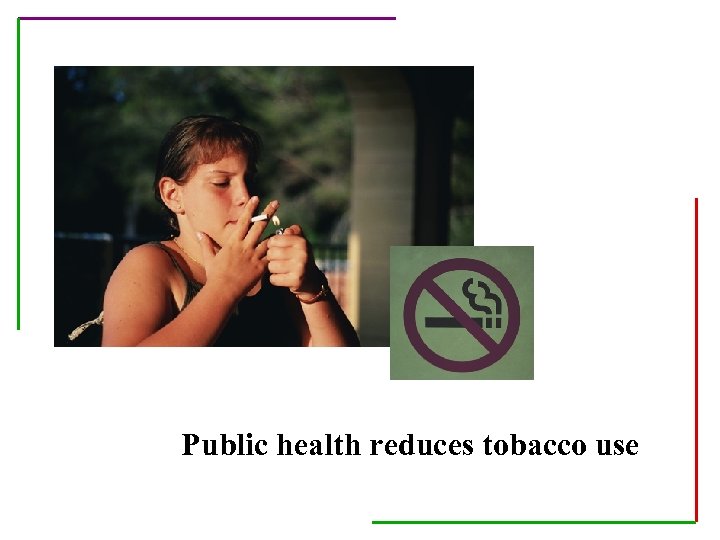
Public health reduces tobacco use
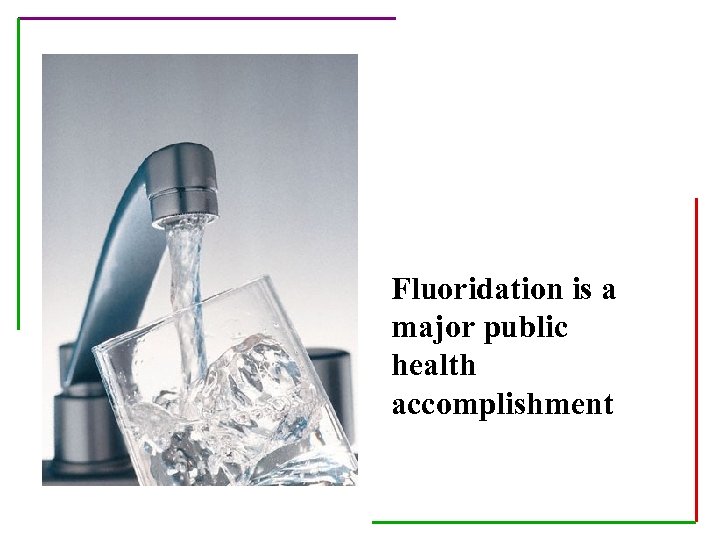
Fluoridation is a major public health accomplishment
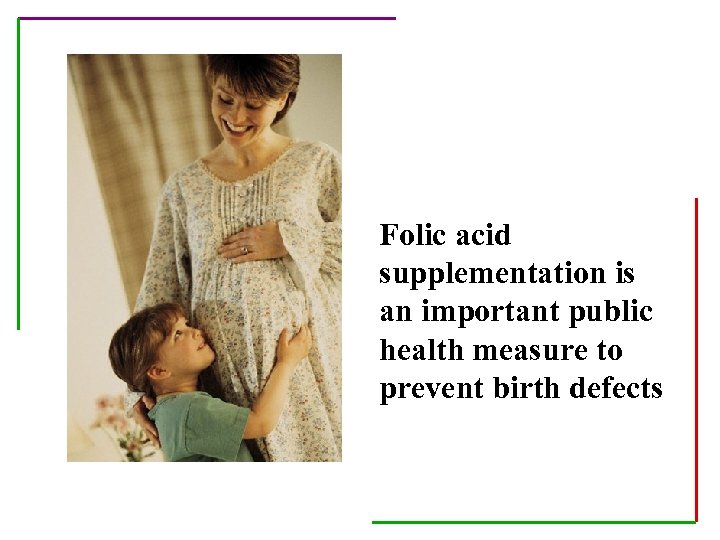
Folic acid supplementation is an important public health measure to prevent birth defects
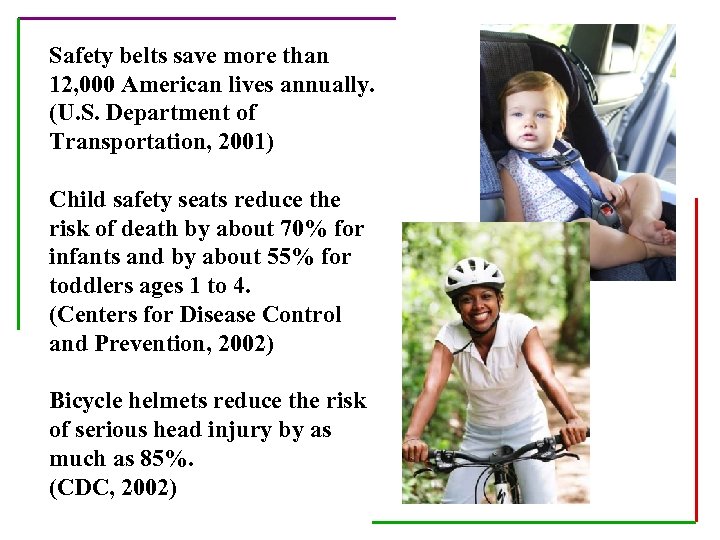
Safety belts save more than 12, 000 American lives annually. (U. S. Department of Transportation, 2001) Child safety seats reduce the risk of death by about 70% for infants and by about 55% for toddlers ages 1 to 4. (Centers for Disease Control and Prevention, 2002) Bicycle helmets reduce the risk of serious head injury by as much as 85%. (CDC, 2002)
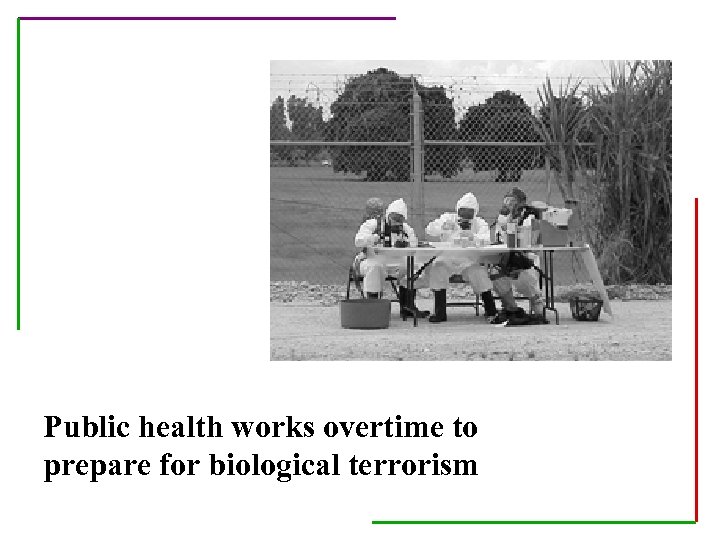
Public health works overtime to prepare for biological terrorism
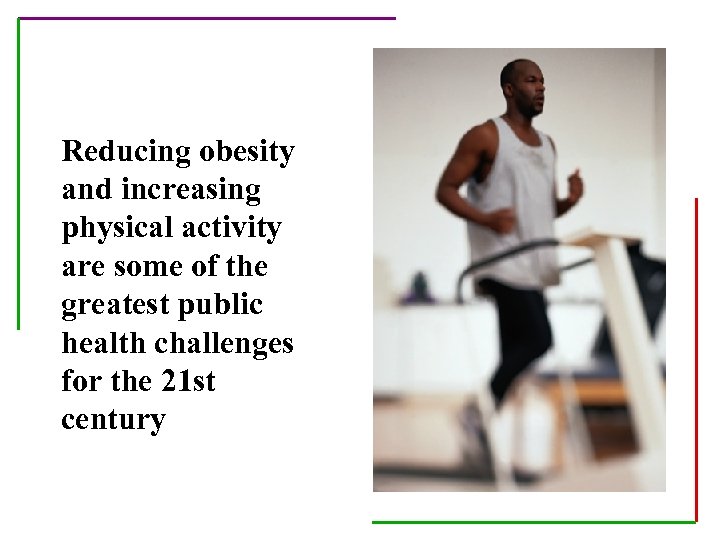
Reducing obesity and increasing physical activity are some of the greatest public health challenges for the 21 st century
10 Great Public Health Achievements
10 Great Public Health Achievements (1900 -1999) • Vaccination has resulted in the eradication of smallpox; elimination of poliomyelitis in the Americas; and control of measles, rubella, tetanus, diphtheria, Haemophilus influenza type b, and other infectious diseases in the United States. • Motor Vehicle Safety has reduced fatal injuries through improved engineering, safer highways and changes in personal behavior. • Safer workplaces has resulted in a 40% reduction in fatal occupational injuries through greater knowledge of risks and control of exposure.
10 Great Public Health Achievements (1900 -1999) • Control of infectious diseases has resulted from cleaner drinking water and improved sanitation the first half of the century, as well as the discovery of antibiotics. • Decline in deaths from heart disease and stroke the second half of the century have resulted from risk factor reduction (e. g. , smoking, high blood pressure) coupled with improved access to early detection and treatment. • Safer and healthier foods have resulted from a decrease in microbial contamination and increases in nutritional content early in the century; food fortification programs have nearly eliminated major nutritional deficiency diseases in the United States.
10 Great Public Health Achievements (1900 -1999) • Healthier mothers and babies have resulted from better hygiene and nutrition, access to healthcare and technologic advances. Since 1900, infant and maternal mortality has decreased by 90%. • Family planning and contraceptive services have allowed for greater planning of childbirth and a reduction in sexually transmitted diseases. • Fluoridation of drinking water benefits children and adults by preventing tooth decay and reducing tooth loss, regardless of access to care or socioeconomic status. • Recognition of tobacco as a health hazard has resulted in changes in social norms to prevent onset of smoking and promote cessation. Since the U. S. Surgeon General’s report in 1964 on the risks of smoking, the prevalence among adults has decreased.
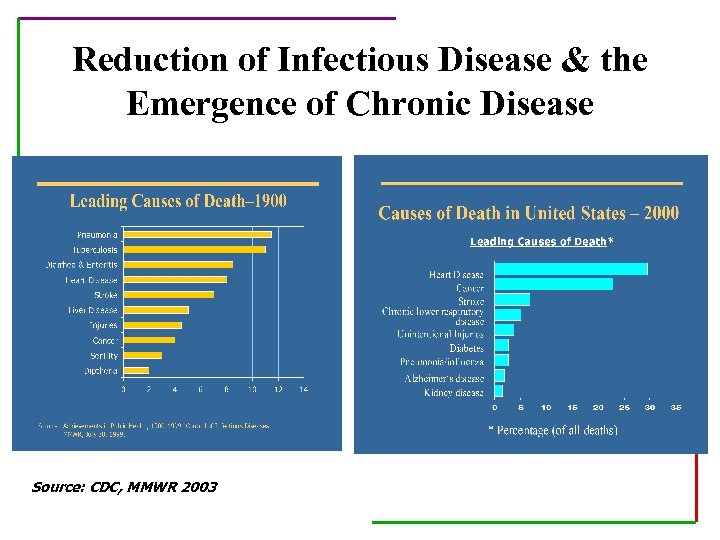
Reduction of Infectious Disease & the Emergence of Chronic Disease Source: CDC, MMWR 2003
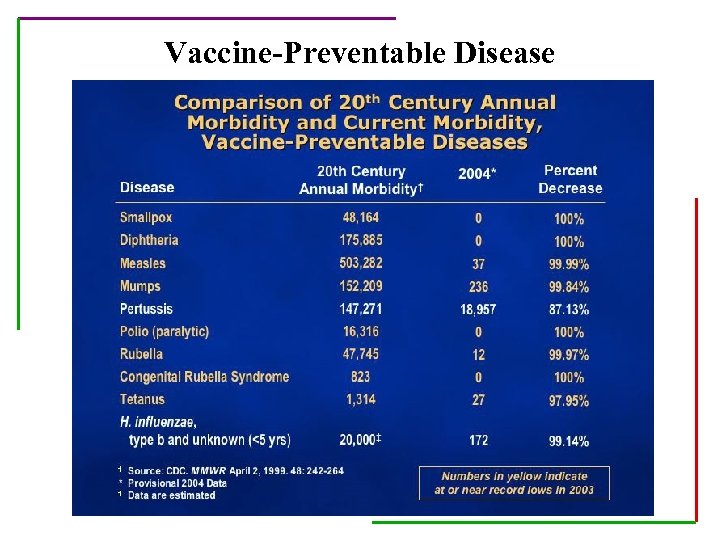
Vaccine-Preventable Disease
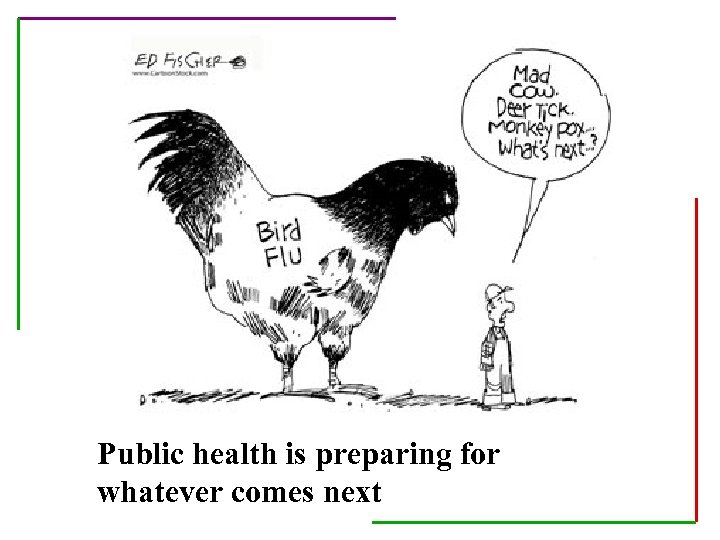
Public health is preparing for whatever comes next
Local Public Health in Michigan
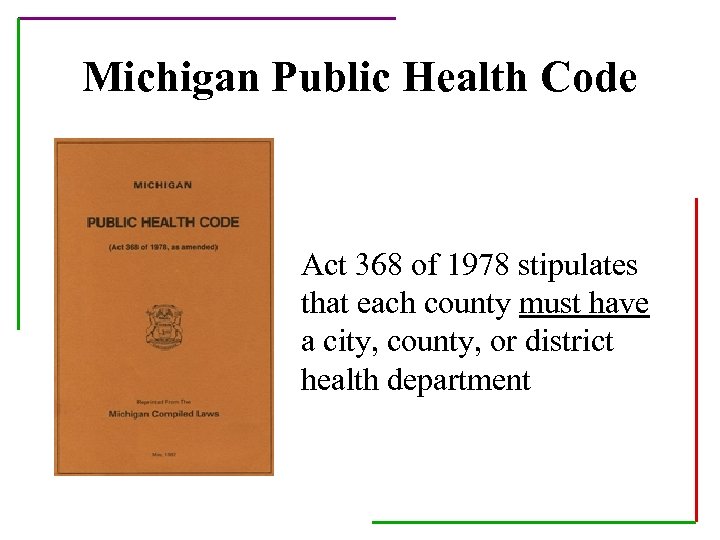
Michigan Public Health Code Act 368 of 1978 stipulates that each county must have a city, county, or district health department
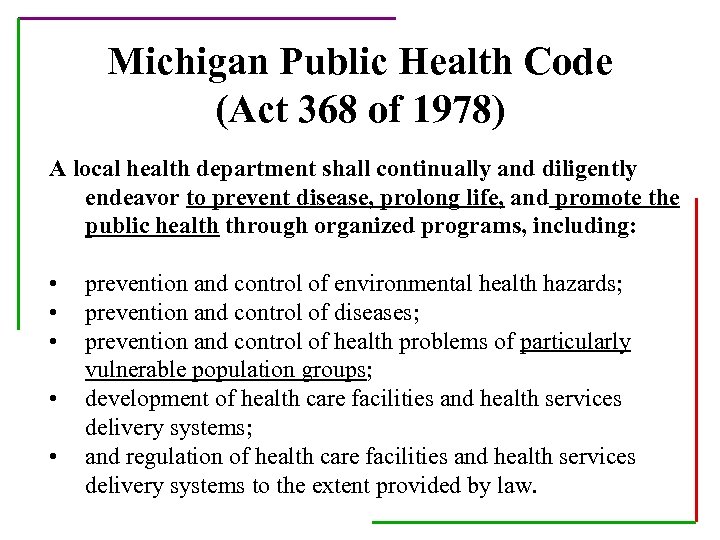
Michigan Public Health Code (Act 368 of 1978) A local health department shall continually and diligently endeavor to prevent disease, prolong life, and promote the public health through organized programs, including: • • • prevention and control of environmental health hazards; prevention and control of diseases; prevention and control of health problems of particularly vulnerable population groups; development of health care facilities and health services delivery systems; and regulation of health care facilities and health services delivery systems to the extent provided by law.
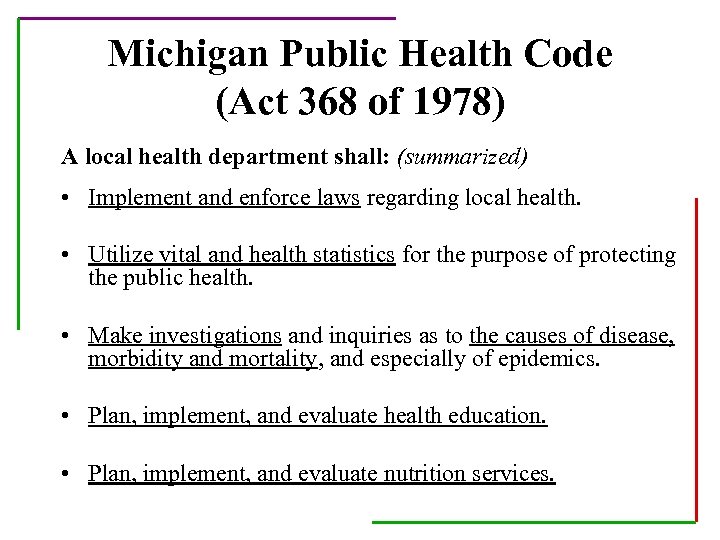
Michigan Public Health Code (Act 368 of 1978) A local health department shall: (summarized) • Implement and enforce laws regarding local health. • Utilize vital and health statistics for the purpose of protecting the public health. • Make investigations and inquiries as to the causes of disease, morbidity and mortality, and especially of epidemics. • Plan, implement, and evaluate health education. • Plan, implement, and evaluate nutrition services.
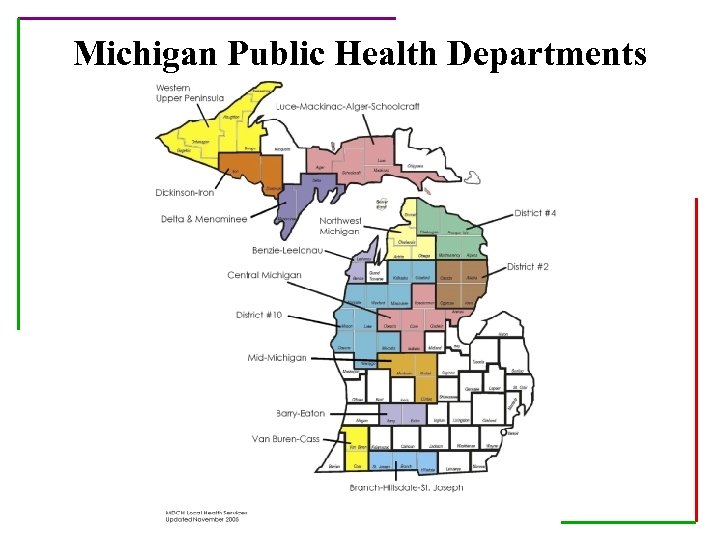
Michigan Public Health Departments
Research On Public Health Perceptions
Critical Understanding for Marketing Public Health • Research provides the baseline for understanding perceptions and priorities of MI residents related to public health at the state and local level • Interpretation integrated into course of action and message development • Follow-up research will let us know if anything has changed and allow course corrections
EPIC-MRA Survey/Poll on Health Issues • Polling firm with documented rapport and success in building public support to influence legislative priorities • Interviews held in September, 2005 with 600 adult MI residents • Stratified to be representative of every area of state according to contribution to state population
Results Give Insights for Our Efforts and Yours!
Problems and Issues Personally Most Concerned • • • Confronting Alcohol & Drug Abuse Issues Controlling Crime and Drugs Controlling State Taxes and Fees Dealing with State Budget Deficit Improving Quality of Education Improving Economy and Providing Jobs Keeping People Healthy Making Quality Healthcare Affordable/Accessible Protecting Air and Water Reducing Racial and Ethnic Disparities
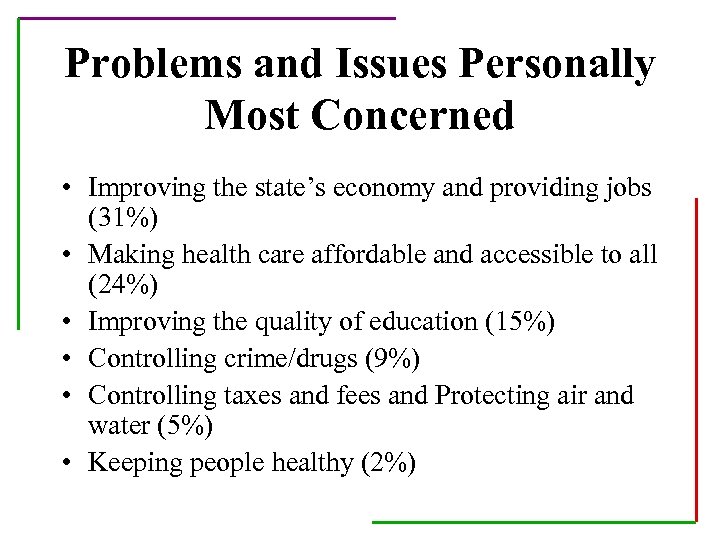
Problems and Issues Personally Most Concerned • Improving the state’s economy and providing jobs (31%) • Making health care affordable and accessible to all (24%) • Improving the quality of education (15%) • Controlling crime/drugs (9%) • Controlling taxes and fees and Protecting air and water (5%) • Keeping people healthy (2%)
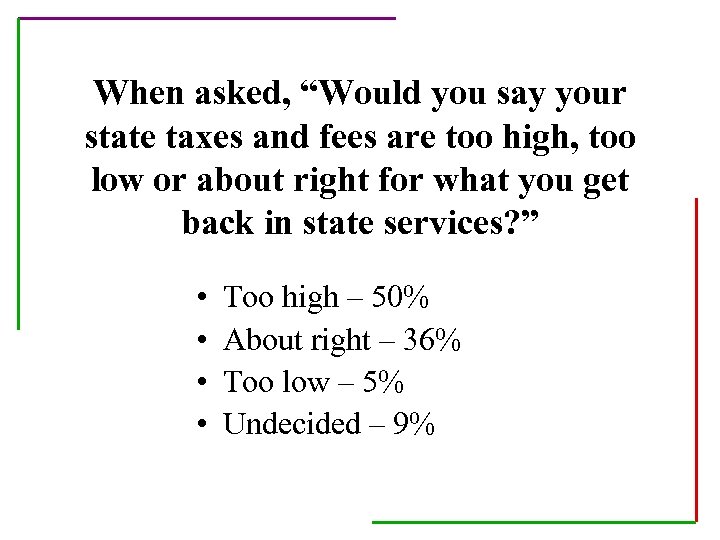
When asked, “Would you say your state taxes and fees are too high, too low or about right for what you get back in state services? ” • • Too high – 50% About right – 36% Too low – 5% Undecided – 9%
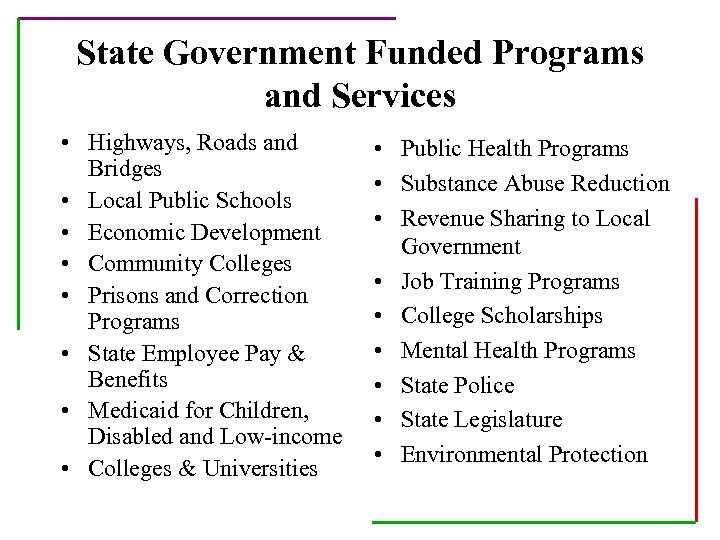
State Government Funded Programs and Services • Highways, Roads and Bridges • Local Public Schools • Economic Development • Community Colleges • Prisons and Correction Programs • State Employee Pay & Benefits • Medicaid for Children, Disabled and Low-income • Colleges & Universities • Public Health Programs • Substance Abuse Reduction • Revenue Sharing to Local Government • Job Training Programs • College Scholarships • Mental Health Programs • State Police • State Legislature • Environmental Protection
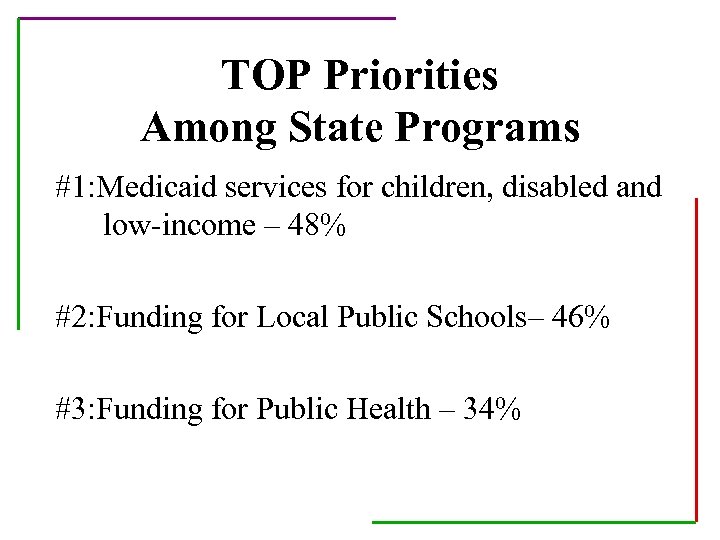
TOP Priorities Among State Programs #1: Medicaid services for children, disabled and low-income – 48% #2: Funding for Local Public Schools– 46% #3: Funding for Public Health – 34%
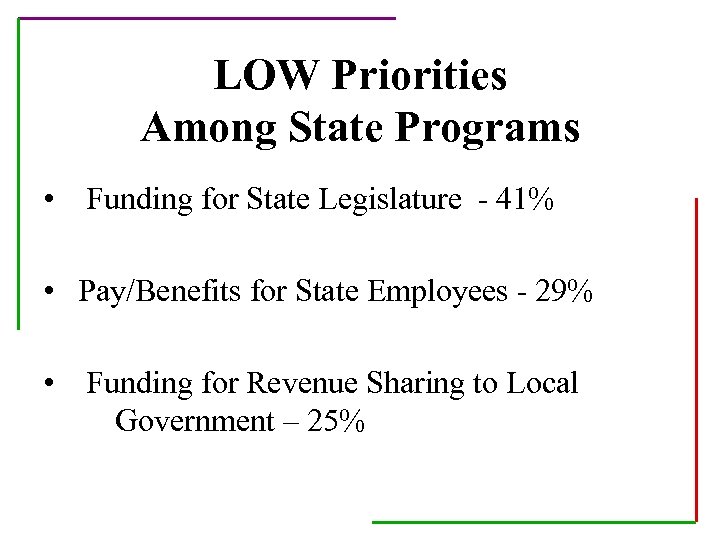
LOW Priorities Among State Programs • Funding for State Legislature - 41% • Pay/Benefits for State Employees - 29% • Funding for Revenue Sharing to Local Government – 25%
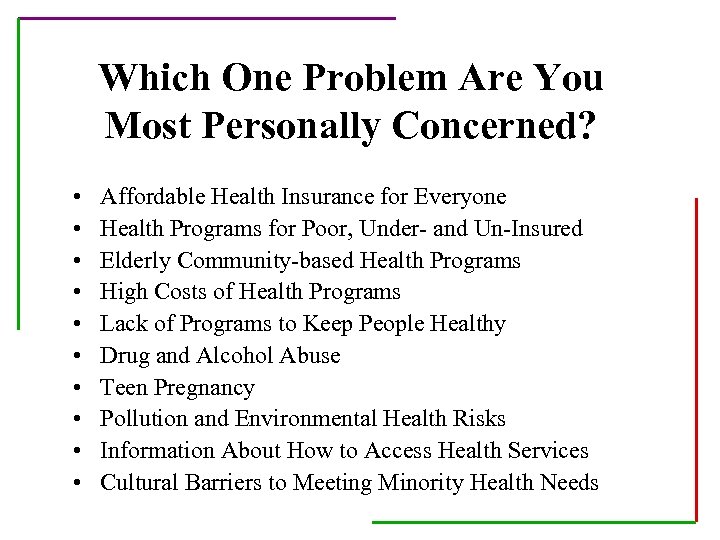
Which One Problem Are You Most Personally Concerned? • • • Affordable Health Insurance for Everyone Health Programs for Poor, Under- and Un-Insured Elderly Community-based Health Programs High Costs of Health Programs Lack of Programs to Keep People Healthy Drug and Alcohol Abuse Teen Pregnancy Pollution and Environmental Health Risks Information About How to Access Health Services Cultural Barriers to Meeting Minority Health Needs
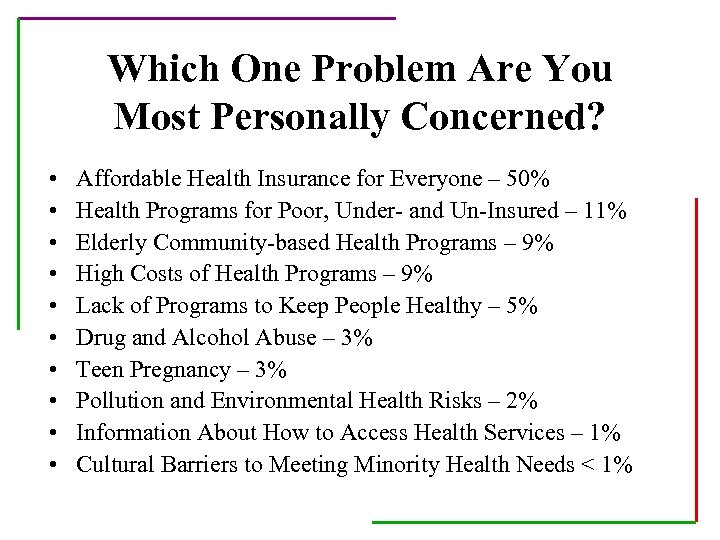
Which One Problem Are You Most Personally Concerned? • • • Affordable Health Insurance for Everyone – 50% Health Programs for Poor, Under- and Un-Insured – 11% Elderly Community-based Health Programs – 9% High Costs of Health Programs – 9% Lack of Programs to Keep People Healthy – 5% Drug and Alcohol Abuse – 3% Teen Pregnancy – 3% Pollution and Environmental Health Risks – 2% Information About How to Access Health Services – 1% Cultural Barriers to Meeting Minority Health Needs < 1%
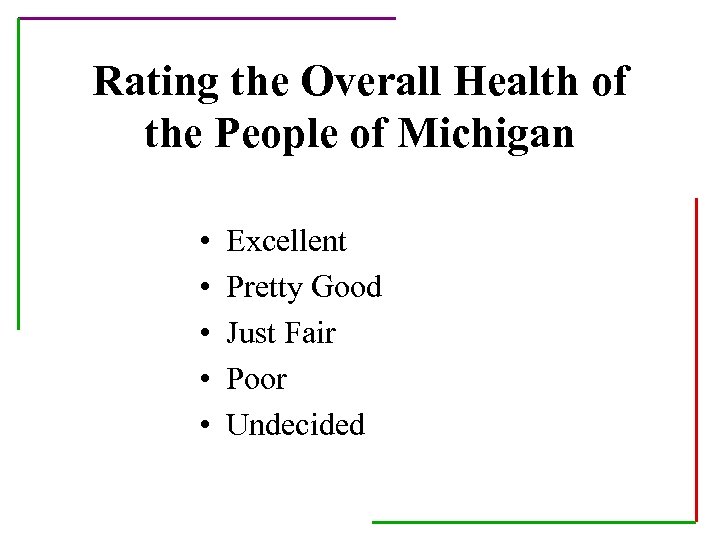
Rating the Overall Health of the People of Michigan • • • Excellent Pretty Good Just Fair Poor Undecided
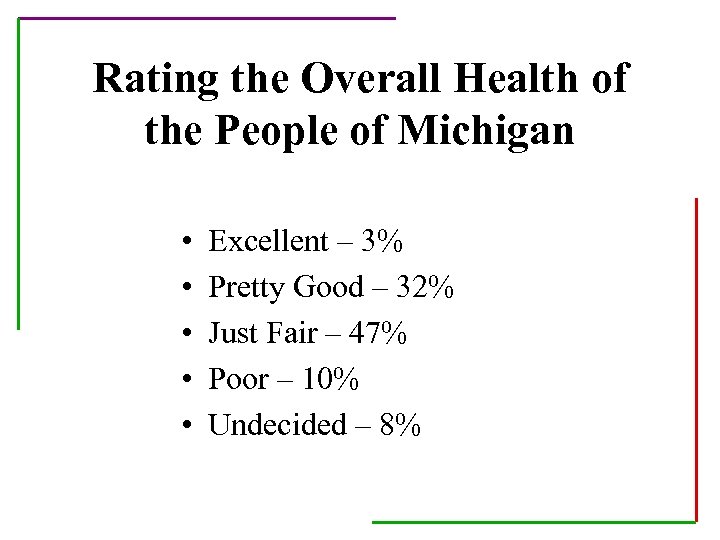
Rating the Overall Health of the People of Michigan • • • Excellent – 3% Pretty Good – 32% Just Fair – 47% Poor – 10% Undecided – 8%
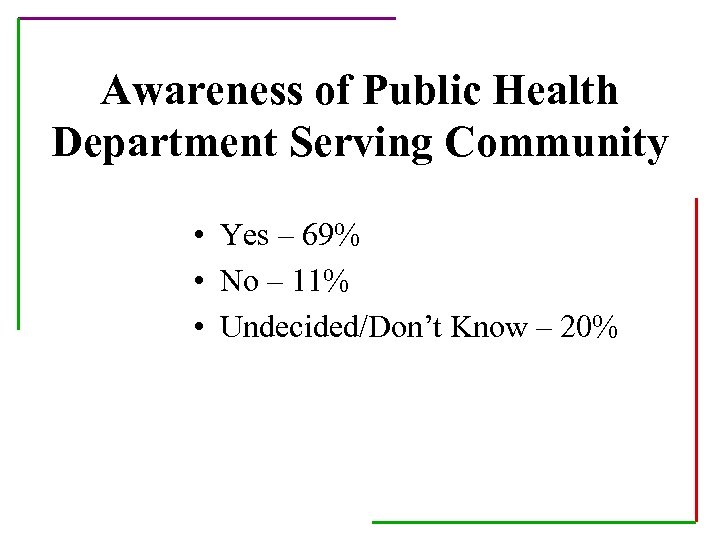
Awareness of Public Health Department Serving Community • Yes – 69% • No – 11% • Undecided/Don’t Know – 20%
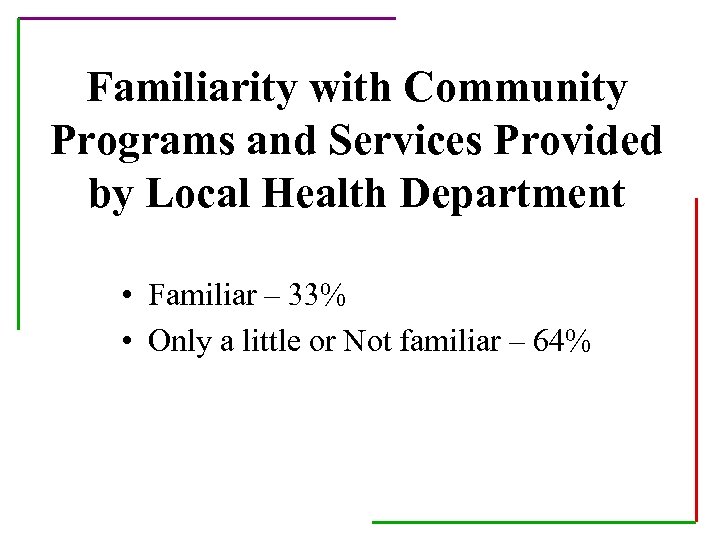
Familiarity with Community Programs and Services Provided by Local Health Department • Familiar – 33% • Only a little or Not familiar – 64%
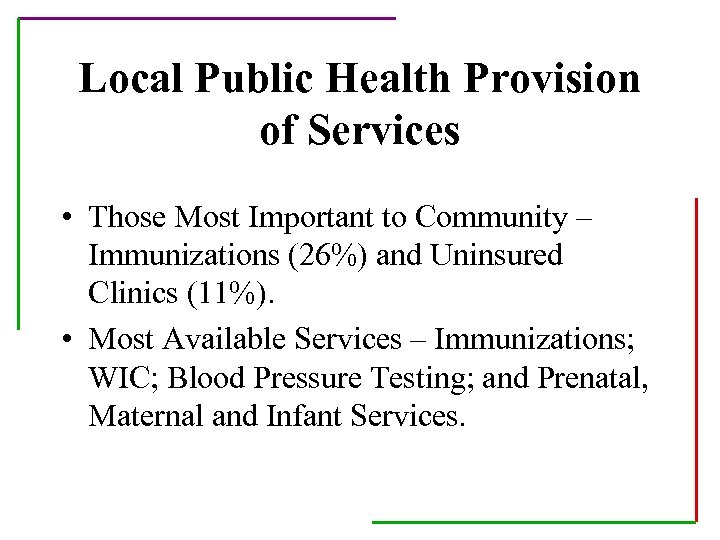
Local Public Health Provision of Services • Those Most Important to Community – Immunizations (26%) and Uninsured Clinics (11%). • Most Available Services – Immunizations; WIC; Blood Pressure Testing; and Prenatal, Maternal and Infant Services.
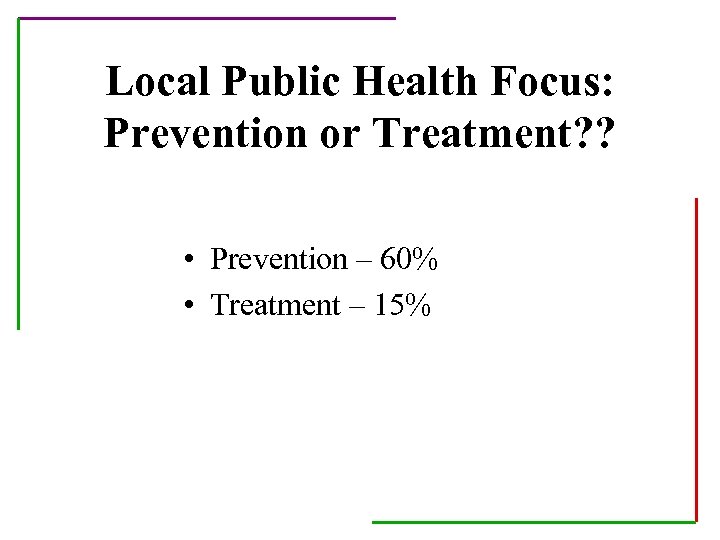
Local Public Health Focus: Prevention or Treatment? ? • Prevention – 60% • Treatment – 15%
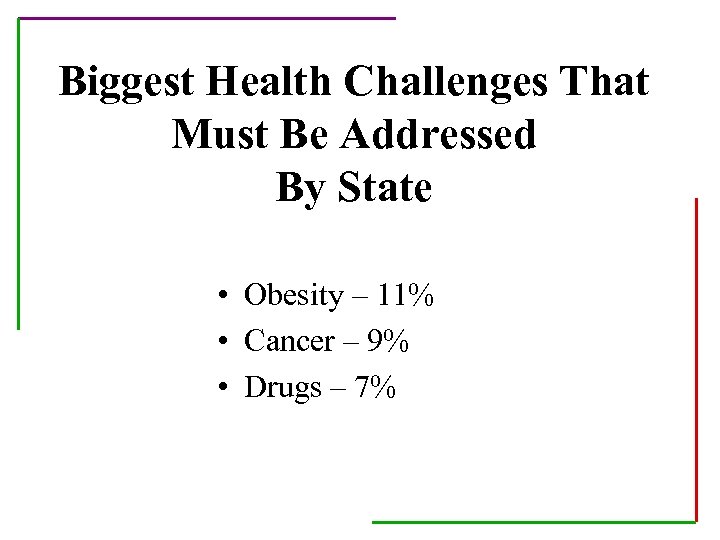
Biggest Health Challenges That Must Be Addressed By State • Obesity – 11% • Cancer – 9% • Drugs – 7%
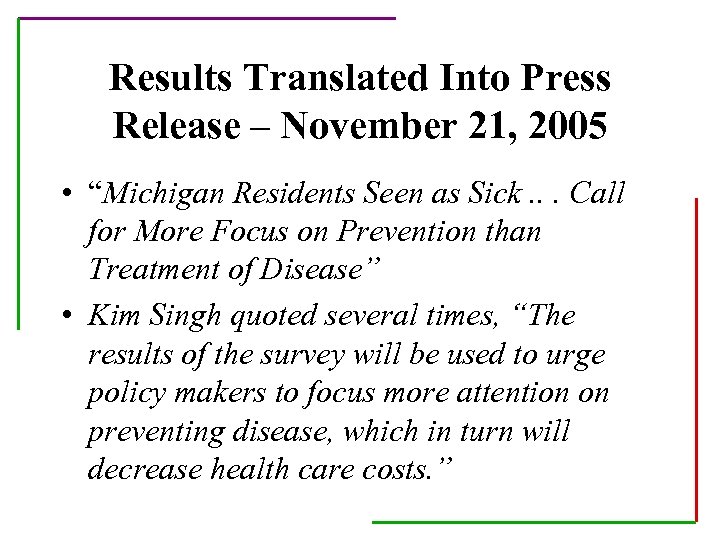
Results Translated Into Press Release – November 21, 2005 • “Michigan Residents Seen as Sick. . . Call for More Focus on Prevention than Treatment of Disease” • Kim Singh quoted several times, “The results of the survey will be used to urge policy makers to focus more attention on preventing disease, which in turn will decrease health care costs. ”
Marketing Public Health in Michigan
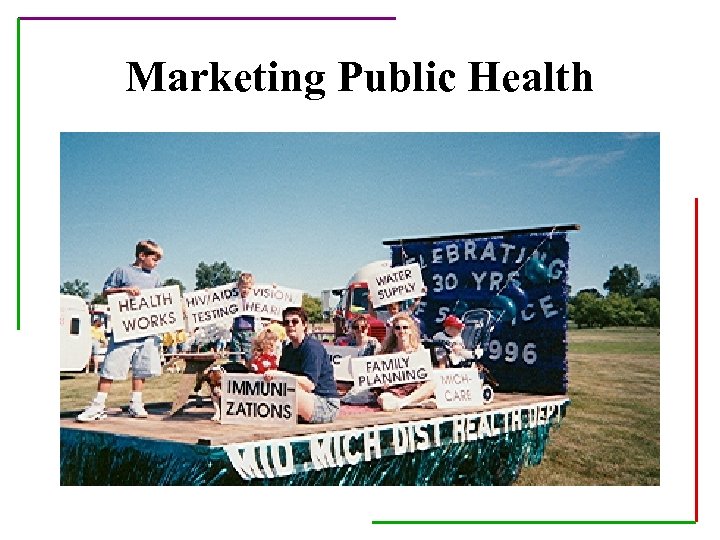
Marketing Public Health
Why Market Public Health? • • Crowded funding environment Crowded public agenda Public health getting lost in the shuffle Fragmented perceptions discount value of overall concept of public health • We need to coordinate our communications efforts
The Critical Role of Local Health Departments The first line of defense: • • • Restaurant inspections Drinking water safety Air quality testing Community crisis response Communicable disease prevention and testing Immunizations
Issues that Brought Us Here • • • No broad understanding of our contribution/impact All the way up to the legislature All of this work depends on adequate funding We do more than protect We do more than keep Michigan healthy We save Michigan citizens and businesses millions of dollars • A healthy state drives a healthy economy
Our Goals Increase awareness, recognition and funding of the common public health agenda in Michigan, through an: • Educated Public • Educated Legislature
Message Framing and Development • Different audiences respond to different messages • We only allow into our world what we can immediately make sense of and what matters to us • The message of public health can and should be framed in ways that resonate with distinctive populations • Find a few resonant frames that we can incorporate into all communication on public health
Policymakers and Businesses • Michigan is not only in a health crisis; it is in a fiscal crisis § An unhealthy state is bad for business § We all bear the cost of an unhealthy population § Disease prevention programs save money
The General Public • Protecting Michiganders on a daily basis is a second overarching message § Everyone benefits from the work of public health organizations § Public health organizations are vital to homeland security and serve as first responders in the event of a manmade or natural disaster § Public health organizations work daily to keep Michiganders safe
Positioning and Logo Development • There is no demographic or geographic group exempt from the daily work of public health organizations • A signature mark and tagline will reinforce, with repeated exposure, the core tenants of that relationship • A short, but necessary first step in beginning to speak with a unified voice
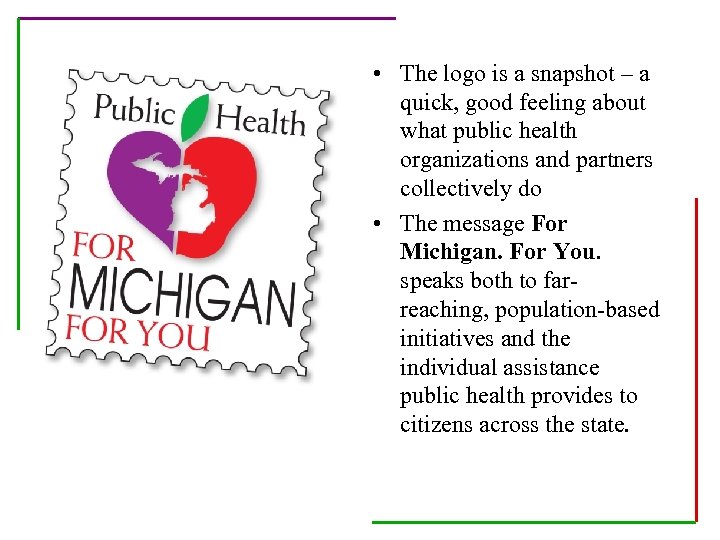
• The logo is a snapshot – a quick, good feeling about what public health organizations and partners collectively do • The message For Michigan. For You. speaks both to farreaching, population-based initiatives and the individual assistance public health provides to citizens across the state.
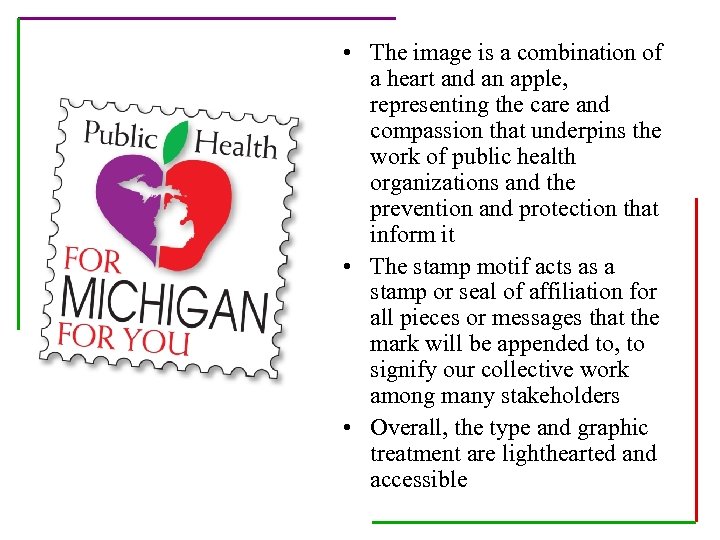
• The image is a combination of a heart and an apple, representing the care and compassion that underpins the work of public health organizations and the prevention and protection that inform it • The stamp motif acts as a stamp or seal of affiliation for all pieces or messages that the mark will be appended to, to signify our collective work among many stakeholders • Overall, the type and graphic treatment are lighthearted and accessible
Communication Plan Development • Signature public health identity for all communications statewide • Small set of core resonant messages – successfully tested • Implementation guidelines at state and local levels: audiences, target areas, tactics, measurement
Strategies and Tactics Engage the Michigan public health community and stakeholders to focus on communication efforts • The first audience is the internal audience • That includes all of you
Strategies and Tactics Align messages and timing across all public health organizations in Michigan • Employ the common signature of the new mark and tagline in all communications • Identify a core set of messages that will be included in all communications • Constantly frame the message in economic terms
Strategies and Tactics Leverage larger stories (national, international) to focus on Michigan public health activities • Provide framing/comment on a local level • Feed stories to local media outlets
Strategies and Tactics Identify key events for public health to take the state to advocate for its work and programs • Build on existing events and identify new events for public health participation • Every event must have a media strategy for dissemination
Strategies and Tactics Develop strategies to better align communications among stakeholder organizations • Communicate initiatives and programs to local units for communications leverage • Work to align communications surrounding common issues • Frame statewide work within public health messages
Implementation • We don’t have millions of dollars to launch this campaign • But…we have you…and we need you • A statewide network of involved, articulate and trusted communicators • To incorporate the overarching message of public health into every single communications opportunity you have
Discussion/Next Steps • Ideas for Expansive Local Public Health Use • Internal Marketing Suggestions
Thank You Mark Bertler MALPH P. O. Box 13276, Lansing MI 48901 517 -485 -0660 mbertler@malph. org
Скачать презентацию Marketing Public Health Goal for Presentation
014a958274830731c501668b9b241508.ppt