


 Скачать презентацию MARKETING 101 l What do you think
7af070101fef50f9f7569e6f84dc4362.ppt
- Количество слайдов: 112
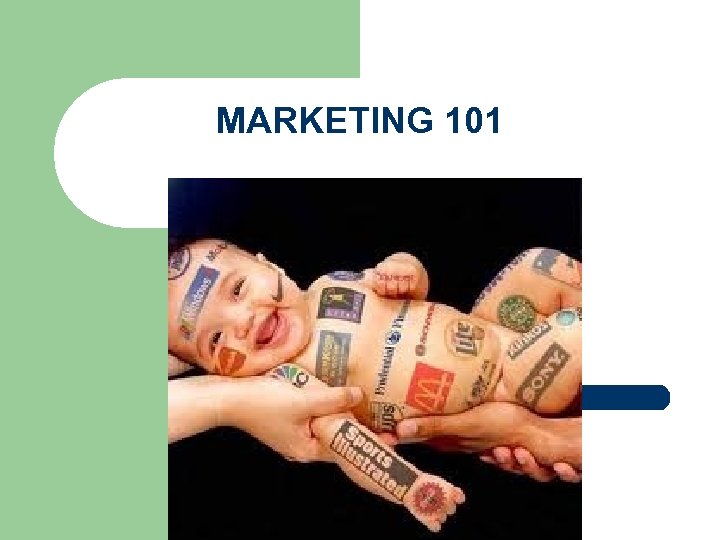 MARKETING 101
 l What do you think the role of marketing is in the business world?
 l Marketing – – Sells what a business makes Manages a business’s brand or brands
 l Branding involves three things l l l A brand name A logo or trademark Slogan l Branding = another word for creating an image l What is a brand name? Can you think of any examples? l
 l 1. Brand Name l l l Word that a business uses to distinguish its products from competitors’ products Is the most important part of a product or a company’s image, because it is how the company is identified Every time you mention a company’s name or product you are providing them free publicity!!
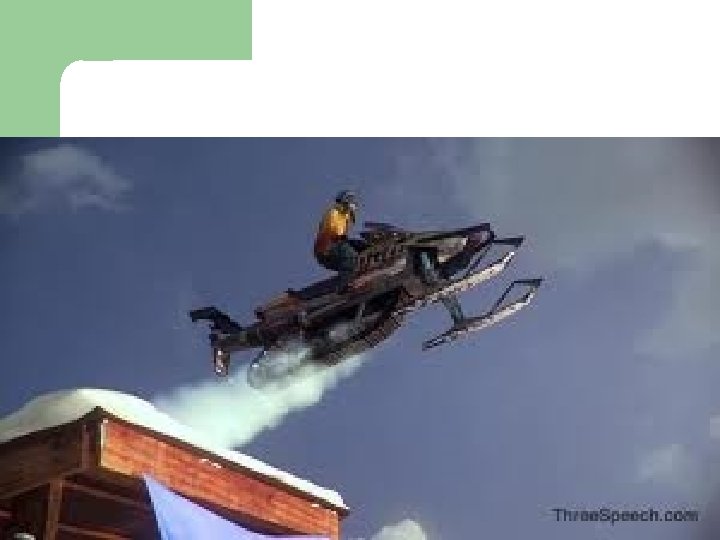
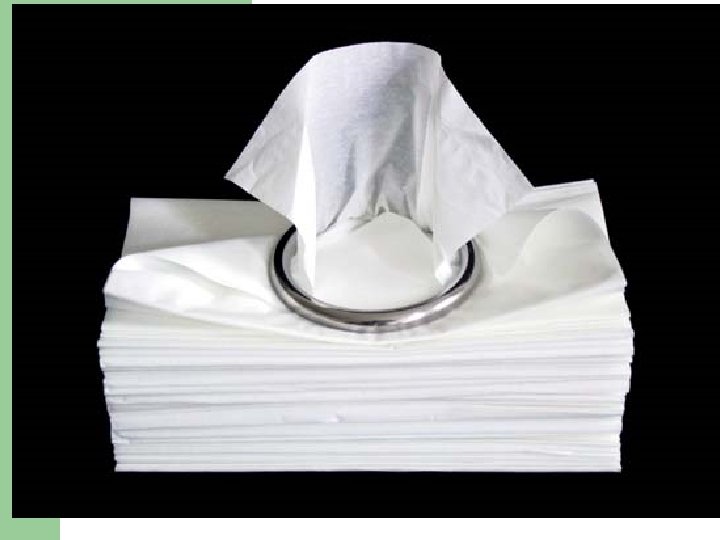
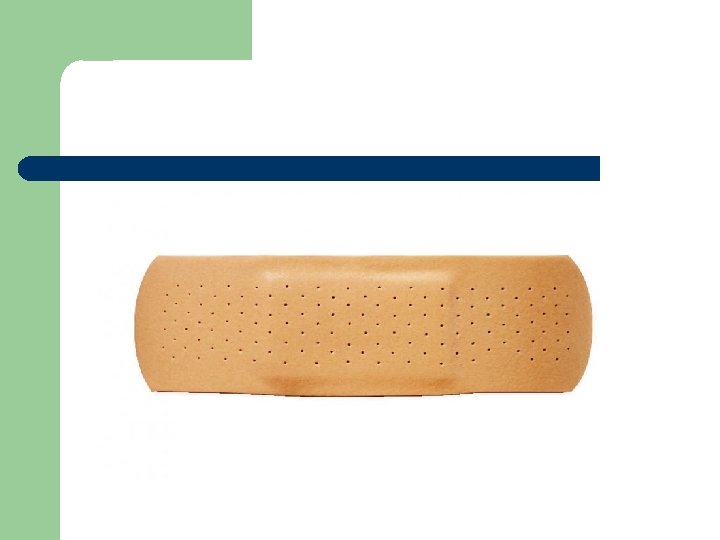
 l What is genericide? l Brand names or trade names that become generic (ex. Bandaid – Adhesive Bandage) l Can you think of any other genericide examples? l Is genericide good or bad marketing on the part of the business?
 l 2. Logo and Trademark l l Helps create consumer awareness Logos can take 3 forms – Monogram – stylized rendering of the companies initials (ex? ? ? ) – Visual Symbols – drawings of people and or animals – Abstract Symbol – shapes that carry a visual message but are not representative of actual things
 l 3. Slogan – A short catchy phrase that is usually attached to the company’s name and logo
 Contest l Rules – – – Groups of 3 Come up with as many logos and slogans as possible in 10 minutes You must use 1 sheet of paper and put each logo in the correct category (monogram, abstract, or visual symbols). Create a separate column for slogans You must have 3 correct examples in each category to be eligible for victory You have 10 minutes! Winning team get donuts
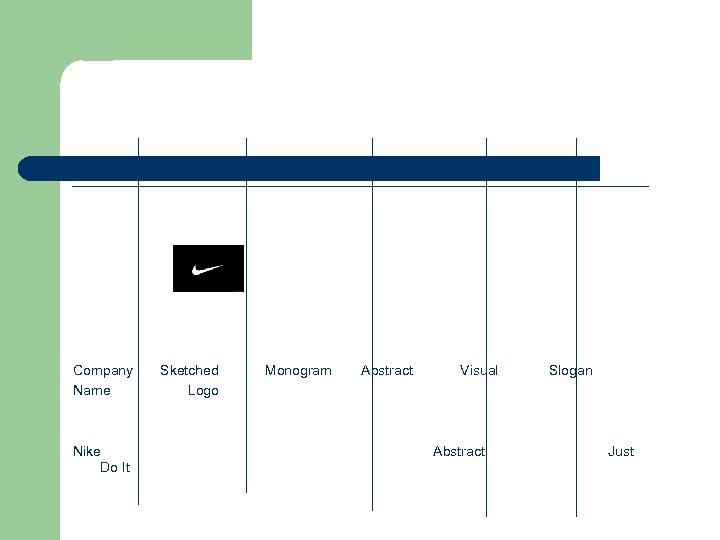 Company Name Nike Do It Sketched Logo Monogram Abstract Visual Abstract Slogan Just
 l Which brands do you think were most commonly written down by the class? Why?
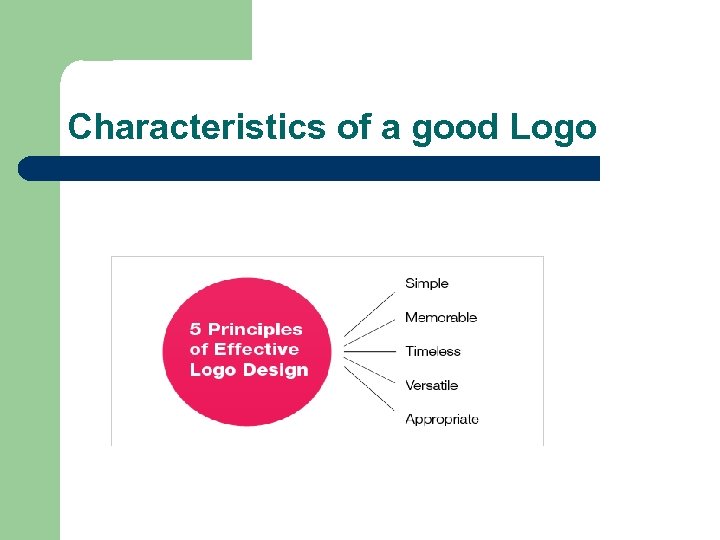 Characteristics of a good Logo
 l Simple – l Too intricate can be confusing to the eye. Some of the best logos out there are the most widely recognized (ex. Nike, Mc. Donalds, IBM, Lululemon, Coach) Memorable – – l People will remember your logo and therefore remember your company. You don’t want your logo to look like someone elses Timeless – Your logo should stand the test of time and remain popular.
 l Versatile/Adaptability l Your logo should be able to be put on everything – l Ex. Faxes, embroidery, letter heads, signs, benches etc. Appropriate l l Conveys the appropriate message about your brand Non-offensive
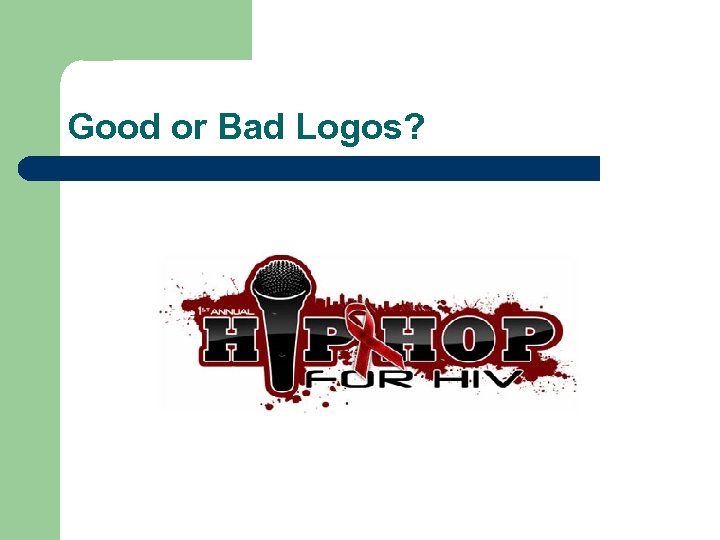 Good or Bad Logos?


 l Brand Identification l One a company develops a name, slogan and/or logo for a product it is crucial they stick with it l Example: Coca cola should keep the same name, writing font, colours, packaging, etc. , that are associated with the brand.
 l Coca-Cola ? ? ? l http: //online. wsj. com/article/SB 10001424052 970204012004577070521211375302. html
 Product Life Cycle l Impact of marketing can be measured in 2 ways l Sales analysis Have sales increased/decreased? – Have we sold more than our competitors? – l Measure consumer reaction to the brand based on marketing efforts – Effective marketing increases brand equity l brand equity = value of the brand in the marketplace
 l Effective marketing develops Brand awareness: consumers know about your brand l Brand loyalty: consumers prefer your brand over your competitors and support it l Brand insistence: customer will accept no substitutes (ex. people that only drink Coca-Cola or insist on only using Black. Berry as their personal hand held computer) l
 l Are there any products or services where you insist that you only use that brand?
 l Why would you pay more for something when you can get a similar product or service for less?
 Why? Is the key to Branding l http: //www. ted. com/talks/simon_sinek_how_ great_leaders_inspire_action. html
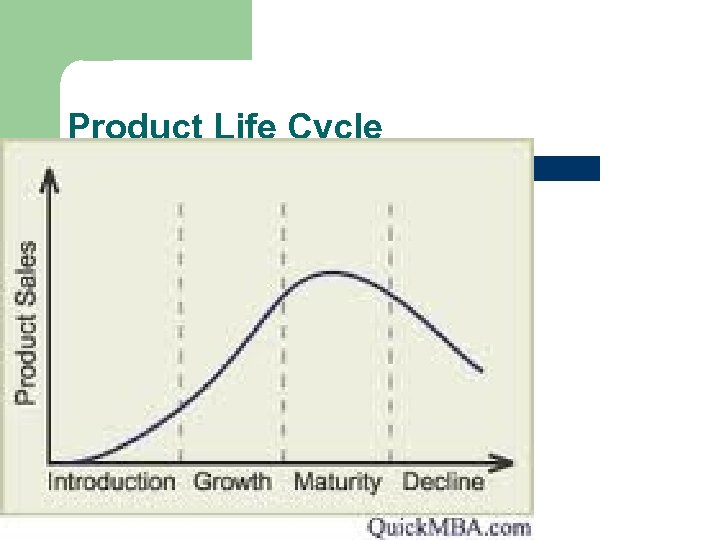
 l A brand’s equity develops in a predictable way. We call this the product life cycle l The product life cycle consists of 5 parts l l l Introduction Growth Maturity Decline Decision point
 Product Life Cycle
 l Stage 1: Product Introduction – – Product launch – product enters market place Marketers then market to early adopters consumers who like to be the first to own new products
 l Stage 2: Growth – – – – Other consumers follow early adopters/trendsetters Sales increase As popularity increases competitors enter the market Competition fuels growth Advertising (billboards, TV ads, news, etc). Product line becomes very visible (brand awareness) Some competitors survive, some drop out. Only a few will survive the growth phase
 l Stage: 3 Maturity – – – Growth is flat (plateau) New consumers replace those who leave to purchase a competing product Brand equity is at its highest All major costs/expenses (ex. loans) have been paid off. There for cost of distribution is lower and profits increase Now the business can use income generated to develop new products
 l Stage 4: Decline – – Product will fail to attract new customers at some point (usually) As sales decrease product enters decline stage Change in price, or new advertising campaign can reverse trend If brand equity drops then the business has a serious problem
 l Stage 5: The Decision Point – – Final stage Marketers must make important brandmanagement decisions Use what ever equity they have left in the brand try to reposition it/reintroduce it in a new market Involves new promotion and repricing
 Non-traditional Product Life Cycle l There are 3 main non-traditional product life cycles l l l Fad Niche Seasonal
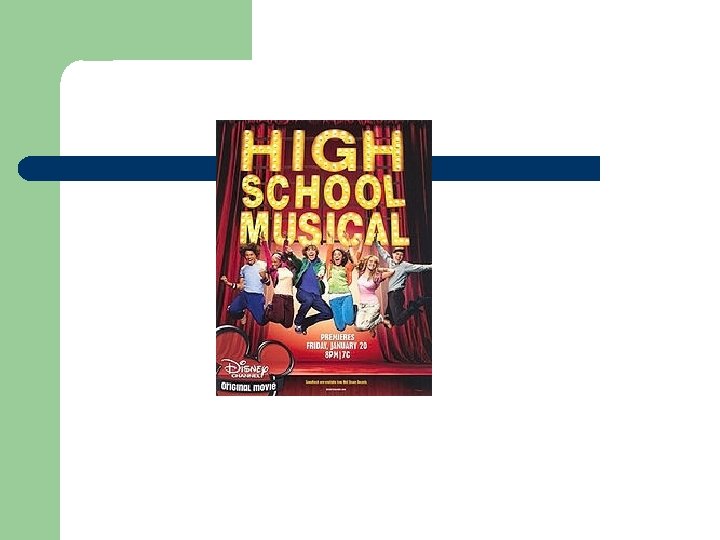
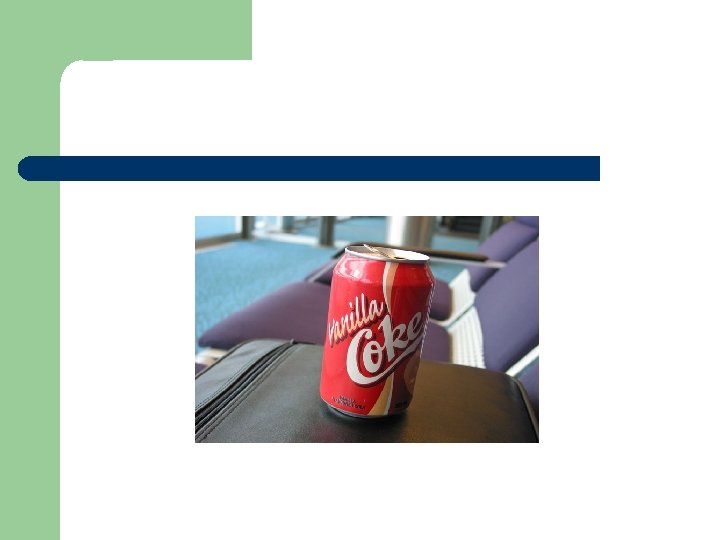
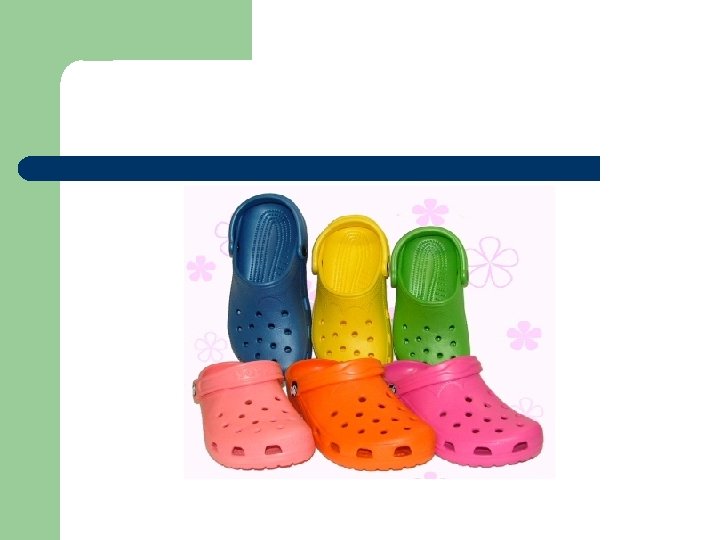
 l Fads – Product that is extremely popular for a very short period of time – A trend is not a fad. Trends last longer than fads – Fads usually last about a year – Can you think of any fads?

 Group Activity l In groups come up with as many fads as you can in the 2000’s. l You have 10 minutes! l Winning team gets a donuts. Don’t worry, I didn’t forget about donuts for the last group exercise
 l Businesses can make huge profits or huge losses on fads. l To make money the business must sell most of its stock and get out of the market just as the fad reaches its peak l Many fad marketers enter the market and create knock offs a cheaper version of the fad at the wrong time and lose money
 l Fads die quickly and can often leave a business with a lot of inventory
 l Niches l A section of the market in which they dominate and into which very few competitors enter l Products that have a short growth stage are called a niche l Niche marketers usually invent their products and hold exclusive patents or formulas l Original manufactures often have distributed their products to other businesses before competitors can enter the market – this is an example of a barrier to entry
 l Other barriers to entry are; l l l small market size cost of research and development advertising expenses factory and equipment costs design costs High barriers to entry will deter competitors from entering the market leaving the niche marketer alone
 l Seasonal – What are some examples of seasonal products AND services – Retailers, wholesalers, importers, and manufacturers of seasonal products need to make te most of their selling season – Businesses must keep adequate stock but not too much. We call this inventory management
 The 4 P’s of Marketing
 4 P’s of marketing l l Product Price Place Promotion – When all four parts are assembled, it is called the marketing mix
 l Products and Services – Good product and service development takes into account l l Quality Design Features Benefits
 l Product Quality – If you improve quality you will draw consumers to your product/service – Can you think of products where quality matters? – Can low quality products succeed in the marketplace? Why or Why not?
 l Product Design – We often buy one product instead of another because of we like the way it looks over another. – Sometimes it’s not the product that attracts, it can also be the packaging (ex. Coca-Cola)
 l Product Features – – – Scent Size Taste Rules Features Product features are important to meet the needs of consumers
 l Benefits – Each product or service has benefits that attract different consumers – The consumer must perceive these benefits in order to be interested enough to buy
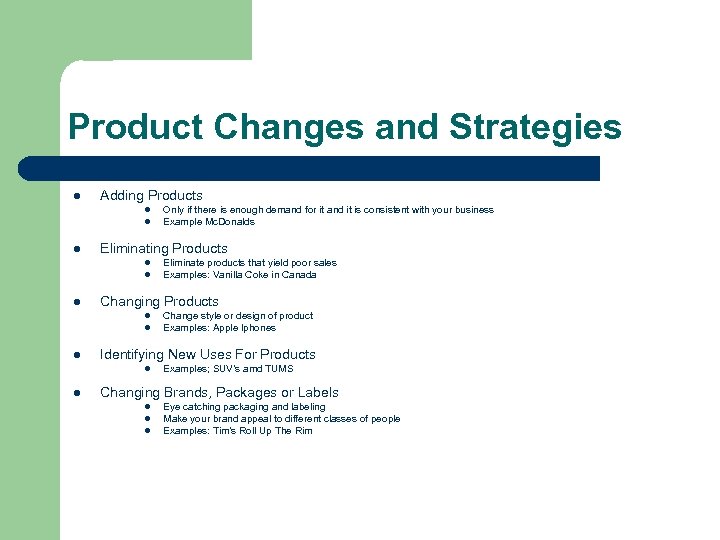 Product Changes and Strategies l Adding Products l l l Eliminating Products l l l Change style or design of product Examples: Apple Iphones Identifying New Uses For Products l l Eliminate products that yield poor sales Examples: Vanilla Coke in Canada Changing Products l l l Only if there is enough demand for it and it is consistent with your business Example Mc. Donalds Examples; SUV’s amd TUMS Changing Brands, Packages or Labels l l l Eye catching packaging and labeling Make your brand appeal to different classes of people Examples: Tim’s Roll Up The Rim
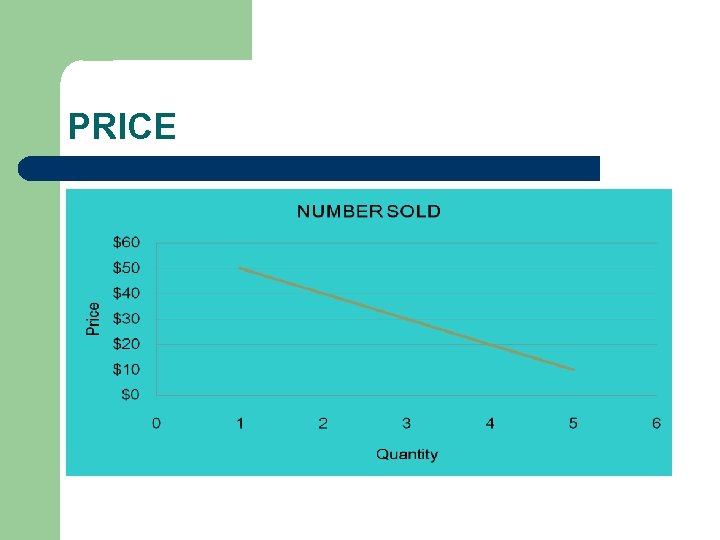
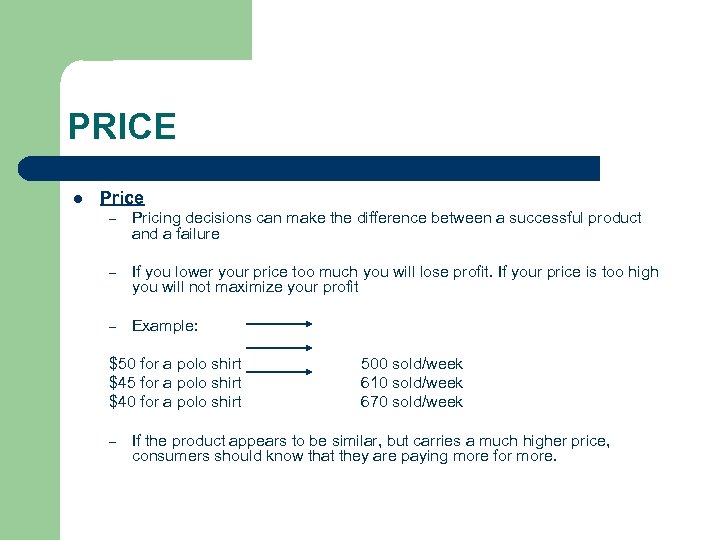 PRICE l Price – Pricing decisions can make the difference between a successful product and a failure – If you lower your price too much you will lose profit. If your price is too high you will not maximize your profit – Example: $50 for a polo shirt $45 for a polo shirt $40 for a polo shirt – 500 sold/week 610 sold/week 670 sold/week If the product appears to be similar, but carries a much higher price, consumers should know that they are paying more for more.
 PRICE l Profit = Prices greater than costs and expenses l Why is this easier said than done? l Fixed costs vs Variable Costs
 PRICE l Fixed costs and expenses stay the same (salaries, rent, insurance, etc. ) l Variable costs – costs and expenses that are always changing (sales commissions, delivery charges, advertising, supplies, etc. ) l Variable costs change, therefore profit changes
 PRICE l FACTORS THAT AFFECT PRICE l l Supply and demand Consumer perceptions Competition Technological trends
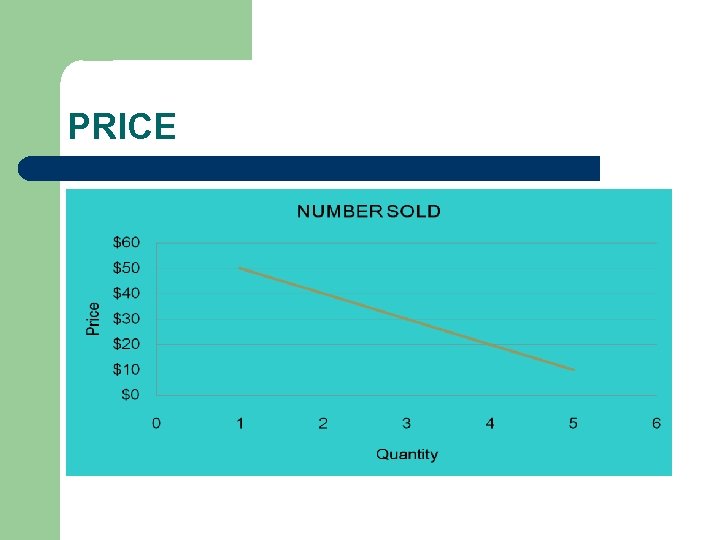
 PRICE l Supply and demand – – – l key when it comes to pricing If there is high demand for your product (people really want it) they will pay a higher price for it. If there isn’t a high demand for your product then you will need to lower your price to sell more of it. Can you think of a product that has a high demand? A low demand?
 PRICE
PRICE
 PRICE l Consumer perceptions – The price you set for your product will create an image in your potential consumers mind – Too cheap = poor quality – Priced too high = may turn away customers but may also convey high quality, value and status – Different target markets will have different perceptions when it comes to pricing
 PRICE l COMPETITION l Competition lowers prices! l Why does competition lower price? l However, if you can add value to your product (ex. warranties, convenience, quality, etc. ) you can charge more.
 PRICE l TECHNOLOGICAL TRENDS l Adapting to technological trends can save you money, which you can then pass on to the consumer. l Example: Buying Books at a book store vs online It’s cheaper for book stores to sell books online – As a result the price of books has dropped –
 PRICE l Setting a Basic Price – 1. Cost based pricing – – 2. Demand-Based Pricing – – Consider your costs and your profit goals before setting a price What are consumers willing to pay for your product 3. Competition-Based Pricing – Find out what competitors are charging.
 PRICE
PRICE
 Class activity l What would you set the price for a 55 inch Sony LCD TV? l What would you set the price to install a car starter in your average car? l What would you set the price for an IPAD 3?
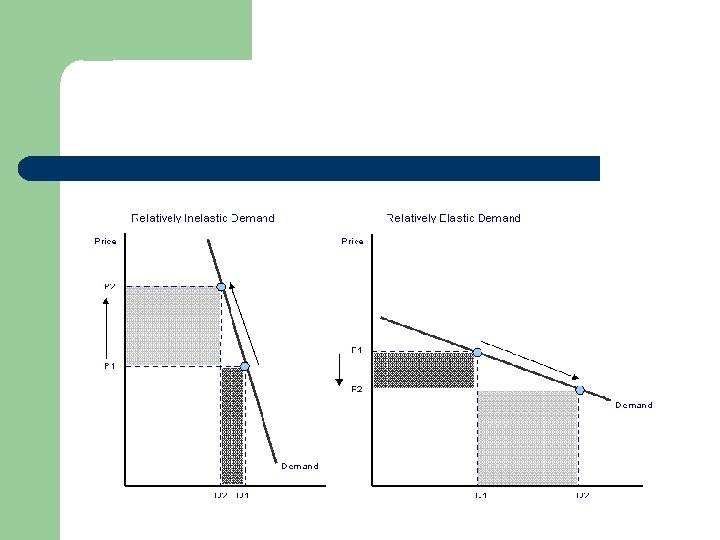
 Price: Elasticity l Elastic Products l l Elastic Products or Services l l If a price is elastic, a small change in price may cause a significant change in demand. Expensive Luxury items Big ticket items (cars, houses, etc) Can you think of any other examples?
 Price: Elasticity l Inelastic products l l l If the price is inelastic, changing the price will have little or no effect on demand Necessities (asthma inhaler, diapers, gas)) Lack of substitutes (eggs) Can you think of any other examples?
 l Marketing Clip
 PLACE l l 5 Factors to consider 1) Intensity of Distribution l l l Intensive Distribution – find it everywhere Selective Distribution – limits the number of outlets Exclusive Distribution – limits number of outlets to one per area. Example; a museum might sell as special book for an exhibit.
 PLACE l 2) Transportation l l l How will your good be shipped? How fast can your product reach your consumer What are the costs? Air transportation is most expensive – Water transportation is least expensive –
 Place l 3) Location, Layout and Availability l l Select high traffic areas to locate your business Areas that meet your target market How many entry points to your business Is it convenient (accessibility, hours of operation)
 Place l 4) Impact of technology l Internet? reduces time – reduces excess inventory – websites to sell and collect pricing information – tracking software –
 Place l 5) Place (channels of distribution) – Channels of Distribution – are the paths of ownership that goods follow as they pass from the producer to the consumer – 3 Main Channels of Distribution l l l Direct Channels Indirect Channels Specialty Channels
 l Direct Channel of Distribution – Manufacturer sells to consumer l Ex. Services – tax services
 l Indirect Channels of distribution l – Have more than 1 intermediaries (importers, wholesalers, or retailers) Importers l Searches for businesses, negotiates distribution deals with foreign manufacturers, buys manufactured merchandise and then sells it
 – Wholesalers l Buy goods from producers or importers and resell the goods to retailers l Retailers use wholesalers, rather than suppliers for a few reasons Manufacturers often require retailers to purchase a minimum quantity of goods – Wholesalers can afford to buy in volume and will sell to retailers in smaller quantities – l Retailers who use wholesalers pay more for a good than a business that buys straight from the manufacturer
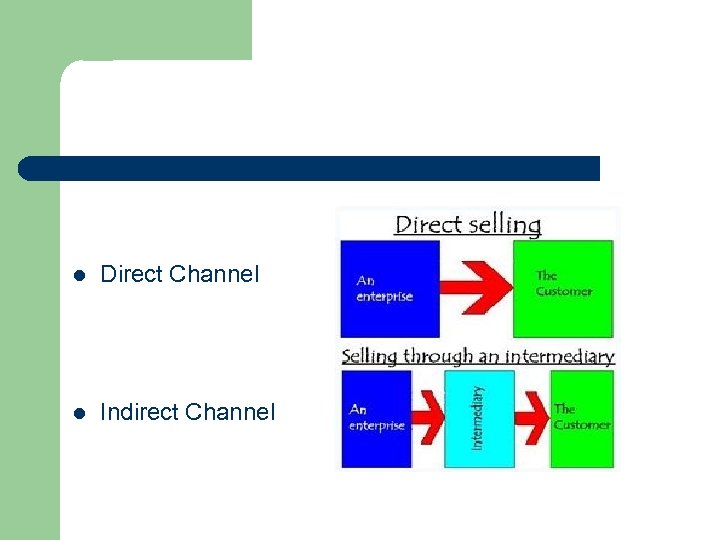 l Direct Channel l Indirect Channel
 l Specialty Channels – Any indirect channel of distribution that does not involve a retail store – Examples include l l l Vending machines Telemarketing Catalogue sales E-commerce Door to door sales
 Promotion l Promotion – – – Intended to persuade, inform, or remind a target market about a business or its products. Encourages consumers to buy a product by using coupons, contests, premiums, samples and special events More than just advertising
 Promotion l Promotional Mix l The combination of different promotional elements that a company uses to reach and influence potential customers l Different combinations depending on your business
 Promotion - Advertising l The paid non-personal presentation of ideas, goods, or services. It is directed toward a mass audience by an identified sponsor l There are two traditional types of advertising media 1) Print 2) Broadcast
 Promotion - Advertising l Types of Print Advertising l l l Newspapers Magazines Direct Mail – flyers Outdoor Advertising – ads on benches, billboards etc Directories Transit Advertising – adds on buses, subways
 Promotion – Advertising l Media-Broadcast Advertising l l l Television Radio Internet
 Promotion - Publicity l l l The placement in the media of newsworthy items about a company or product Call attention to yourself and your enterprise Examples of Publicity l l l Write a news release/press release – write a news worthy story to your local paper Write feature articles – submit articles to your local paper Submit captioned photos – send photos to the media for them to report on Call a press conference – make a major announcement to the media Seek interviews – hold interviews with the media to discuss something newsworthy about your business
 Examples of Sales Promotions l Coupons – – – Offer consumers money off of the price of a product Most coupons end up in the trash Advertisers measure the effectiveness of the promotion by the redemption rate – the percentage of coupons that consumers actually use (avg. redemption rate is 5%)
 Promotion – Sales Promotions l Examples of Sales Promotions l Displays l l Premiums l l A return of part of the purchase Samples l l Anything you receive in addition to the product your are selling (coupons or gifts) Rebates l l in the window or showroom to increase buyer awareness Free trial size packages Sweepstakes and contests l Get customers talking about your product/service and a chance for them to win something
 Promotional Mix l Things to Consider: l Target Market Match your promotional option to your target market – Ex. Pull up diapers should be promoted towards parents – l Promotional Channels Products have established lines of communication the same way they have established channels of distribution – Ex. want to know what movie is playing people check the internet. –
 Promotional Mix l Time Frame – – l Advertsing in advance of new products Post-sale advertising can help customers confirm their decision to buy Cost – – What combination will give you the most promotion or visibility for your dollar Determine an advertising budget first
 The 2 C’s of Marketing l In order to for he marketing mix to come together two major external factors must be considered l 2 C’s – Competition and Consumers
 l 1 st C – Competitive market consists of all sellers of a specific product – Example: All companies that sell televisions (Sony, LG, Samsung, Panasonic, Sharp, etc. ) – The percentage of the market that a company or brand (eg. Sony) has is called market share
 l Every business is in competition for; – 1. Discretionary Income l the income that is not committed to paying for basic necessities such as food, clothing and shelter
 Types of Competition l Indirect competition – – l Products and services that are not directly related to each other but compete for the consumers money. Example: $15 for movies or pizza Direct Competition Products that are similar to one another (ex. different brands of sunscreen) –
 l 2 nd C – The Consumer Market (target market) l l Types of consumers who buy their product These consumers can be identified by; Demographics – Lifestyle –
 l Demographics l l l the study of obvious characteristics that categorize human beings are used to target specific consumers If you were asked to market a snapback what demographic would you target your marketing to?
 l Demographic Variables include l l l Age Gender Family Life Cycle Income level Ethnicity and culture Lifestyle
 l Marketing Research l the collection and analysis of information that is relevant to the marketing strategy
 l Marketing research tells businesses what consumers wants and needs are, what they will pay for their products and services.
 Marketing Research Tools l Secondary Data – Information that others have collected. Examples: websites, databases, books, periodicals etc.
 l Researches collect data in a number of ways – Test Marketing l l – produce a limited quantity of a new product and introduce it into one or two specific areas Expensive Internal Information Sources l Business can analyze their own data on sales, inventory production etc.
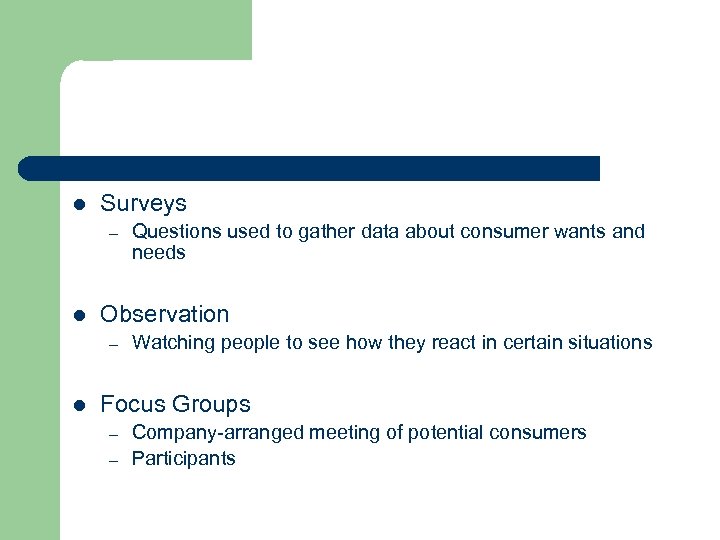 l Surveys – l Observation – l Questions used to gather data about consumer wants and needs Watching people to see how they react in certain situations Focus Groups – – Company-arranged meeting of potential consumers Participants