


 Скачать презентацию Management of Inpatient Hyperglycemia in Special Populations 1
2e286b76ae516ce0586e2db0c56e5e85.ppt
- Количество слайдов: 36
 Management of Inpatient Hyperglycemia in Special Populations 1
 OVERVIEW 2
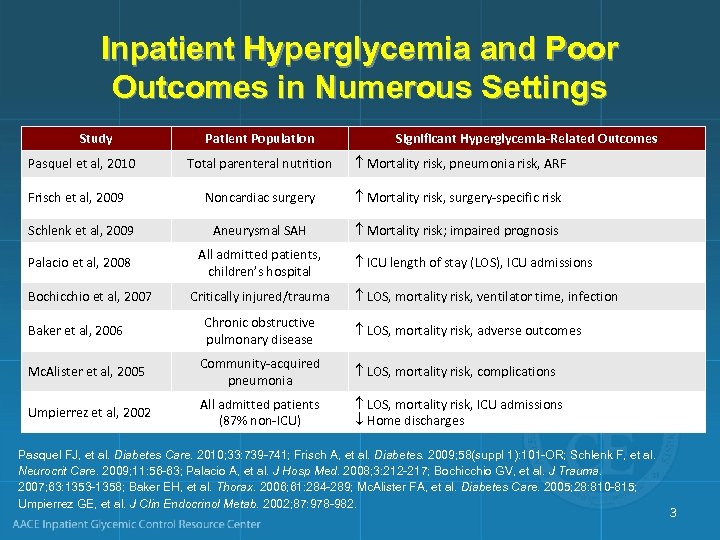 Inpatient Hyperglycemia and Poor Outcomes in Numerous Settings Study Patient Population Significant Hyperglycemia-Related Outcomes Total parenteral nutrition Mortality risk, pneumonia risk, ARF Noncardiac surgery Mortality risk, surgery-specific risk Schlenk et al, 2009 Aneurysmal SAH Mortality risk; impaired prognosis Palacio et al, 2008 All admitted patients, children’s hospital Pasquel et al, 2010 Frisch et al, 2009 Bochicchio et al, 2007 Baker et al, 2006 Critically injured/trauma Chronic obstructive pulmonary disease ICU length of stay (LOS), ICU admissions LOS, mortality risk, ventilator time, infection LOS, mortality risk, adverse outcomes Mc. Alister et al, 2005 Community-acquired pneumonia LOS, mortality risk, complications Umpierrez et al, 2002 All admitted patients (87% non-ICU) LOS, mortality risk, ICU admissions Home discharges Pasquel FJ, et al. Diabetes Care. 2010; 33: 739 -741; Frisch A, et al. Diabetes. 2009; 58(suppl 1): 101 -OR; Schlenk F, et al. Neurocrit Care. 2009; 11: 56 -63; Palacio A, et al. J Hosp Med. 2008; 3: 212 -217; Bochicchio GV, et al. J Trauma. 2007; 63: 1353 -1358; Baker EH, et al. Thorax. 2006; 61: 284 -289; Mc. Alister FA, et al. Diabetes Care. 2005; 28: 810 -815; Umpierrez GE, et al. J Clin Endocrinol Metab. 2002; 87: 978 -982. 3
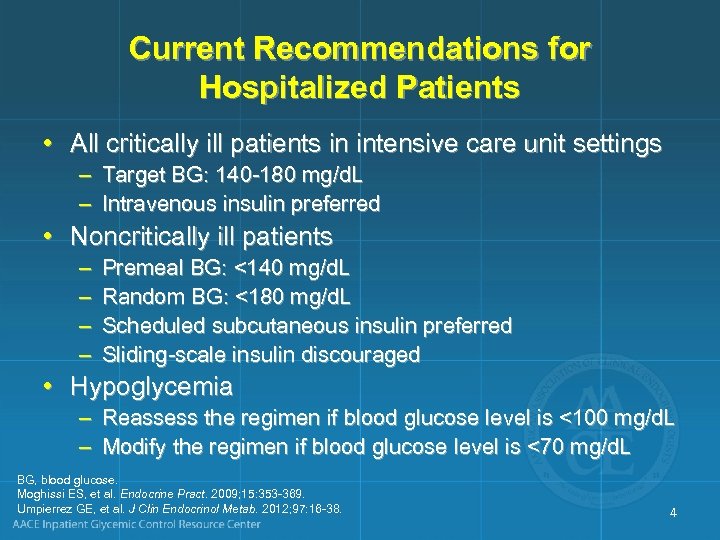 Current Recommendations for Hospitalized Patients • All critically ill patients in intensive care unit settings – Target BG: 140 -180 mg/d. L – Intravenous insulin preferred • Noncritically ill patients – – Premeal BG: <140 mg/d. L Random BG: <180 mg/d. L Scheduled subcutaneous insulin preferred Sliding-scale insulin discouraged • Hypoglycemia – Reassess the regimen if blood glucose level is <100 mg/d. L – Modify the regimen if blood glucose level is <70 mg/d. L BG, blood glucose. Moghissi ES, et al. Endocrine Pract. 2009; 15: 353 -369. Umpierrez GE, et al. J Clin Endocrinol Metab. 2012; 97: 16 -38. 4
 PATIENTS RECEIVING ENTERAL NUTRITION 5
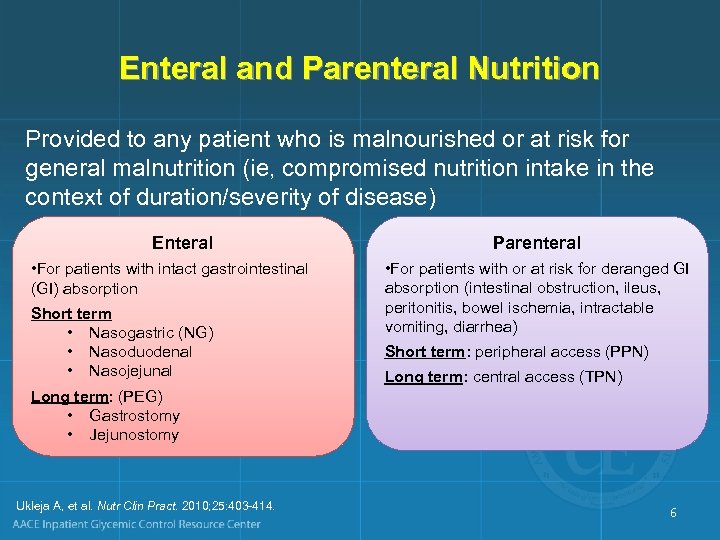 Enteral and Parenteral Nutrition Provided to any patient who is malnourished or at risk for general malnutrition (ie, compromised nutrition intake in the context of duration/severity of disease) Enteral • For patients with intact gastrointestinal (GI) absorption Short term • Nasogastric (NG) • Nasoduodenal • Nasojejunal Parenteral • For patients with or at risk for deranged GI absorption (intestinal obstruction, ileus, peritonitis, bowel ischemia, intractable vomiting, diarrhea) Short term: peripheral access (PPN) Long term: central access (TPN) Long term: (PEG) • Gastrostomy • Jejunostomy Ukleja A, et al. Nutr Clin Pract. 2010; 25: 403 -414. 6
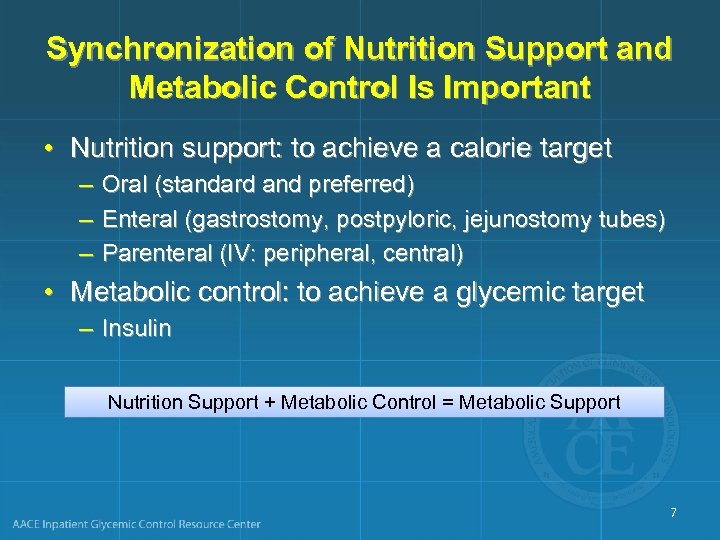 Synchronization of Nutrition Support and Metabolic Control Is Important • Nutrition support: to achieve a calorie target – Oral (standard and preferred) – Enteral (gastrostomy, postpyloric, jejunostomy tubes) – Parenteral (IV: peripheral, central) • Metabolic control: to achieve a glycemic target – Insulin Nutrition Support + Metabolic Control = Metabolic Support 7
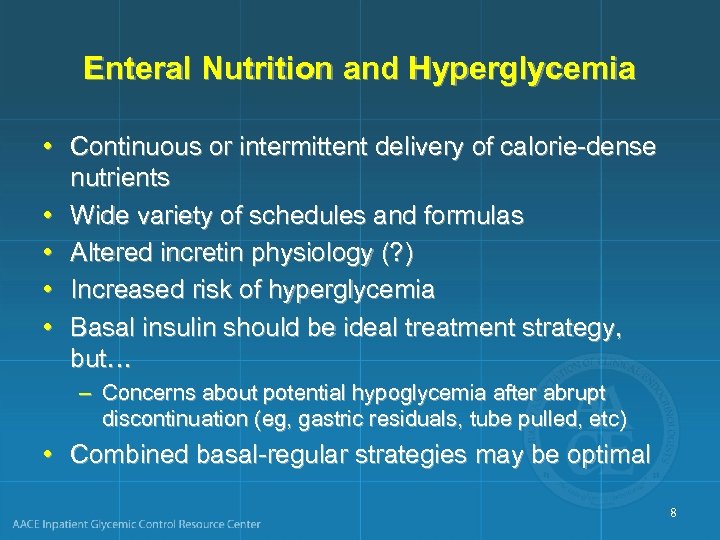 Enteral Nutrition and Hyperglycemia • Continuous or intermittent delivery of calorie-dense nutrients • Wide variety of schedules and formulas • Altered incretin physiology (? ) • Increased risk of hyperglycemia • Basal insulin should be ideal treatment strategy, but… – Concerns about potential hypoglycemia after abrupt discontinuation (eg, gastric residuals, tube pulled, etc) • Combined basal-regular strategies may be optimal 8
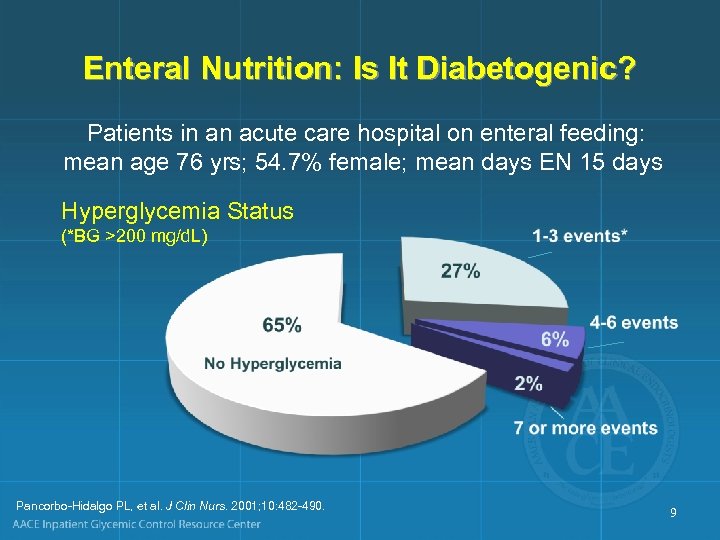 Enteral Nutrition: Is It Diabetogenic? Patients in an acute care hospital on enteral feeding: mean age 76 yrs; 54. 7% female; mean days EN 15 days Hyperglycemia Status (*BG >200 mg/d. L) Pancorbo-Hidalgo PL, et al. J Clin Nurs. 2001; 10: 482 -490. 9
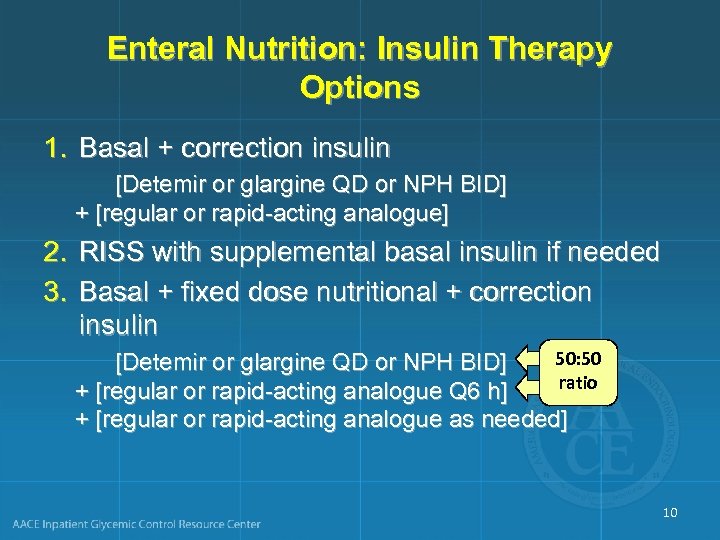 Enteral Nutrition: Insulin Therapy Options 1. Basal + correction insulin [Detemir or glargine QD or NPH BID] + [regular or rapid-acting analogue] 2. RISS with supplemental basal insulin if needed 3. Basal + fixed dose nutritional + correction insulin 50: 50 [Detemir or glargine QD or NPH BID] ratio + [regular or rapid-acting analogue Q 6 h] + [regular or rapid-acting analogue as needed] 10
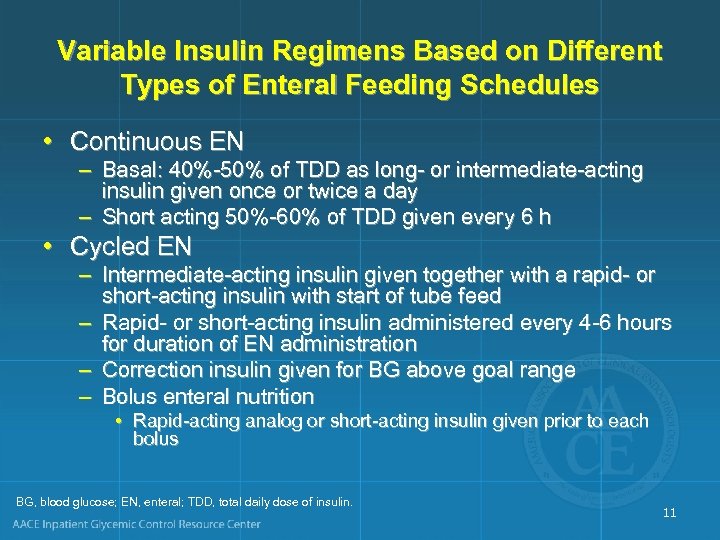 Variable Insulin Regimens Based on Different Types of Enteral Feeding Schedules • Continuous EN – Basal: 40%-50% of TDD as long- or intermediate-acting insulin given once or twice a day – Short acting 50%-60% of TDD given every 6 h • Cycled EN – Intermediate-acting insulin given together with a rapid- or short-acting insulin with start of tube feed – Rapid- or short-acting insulin administered every 4 -6 hours for duration of EN administration – Correction insulin given for BG above goal range – Bolus enteral nutrition • Rapid-acting analog or short-acting insulin given prior to each bolus BG, blood glucose; EN, enteral; TDD, total daily dose of insulin. 11
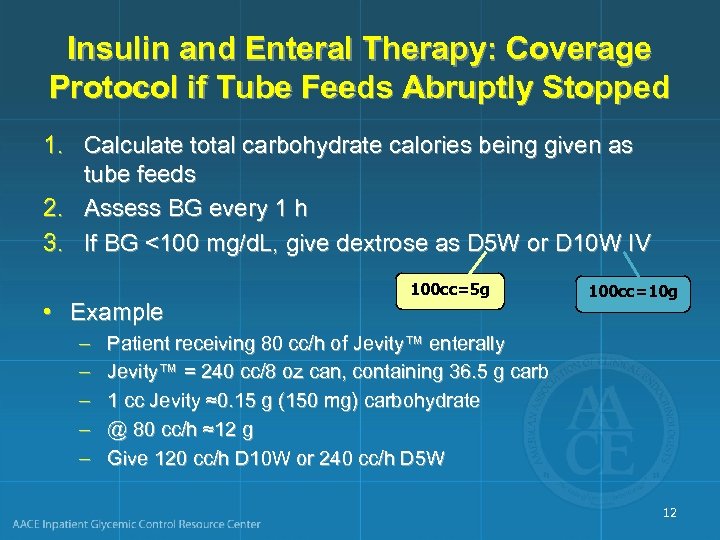 Insulin and Enteral Therapy: Coverage Protocol if Tube Feeds Abruptly Stopped 1. Calculate total carbohydrate calories being given as tube feeds 2. Assess BG every 1 h 3. If BG <100 mg/d. L, give dextrose as D 5 W or D 10 W IV • Example – – – 100 cc=5 g 100 cc=10 g Patient receiving 80 cc/h of Jevity™ enterally Jevity™ = 240 cc/8 oz can, containing 36. 5 g carb 1 cc Jevity ≈0. 15 g (150 mg) carbohydrate @ 80 cc/h ≈12 g Give 120 cc/h D 10 W or 240 cc/h D 5 W 12
 PATIENTS RECEIVING PARENTERAL NUTRITION 13
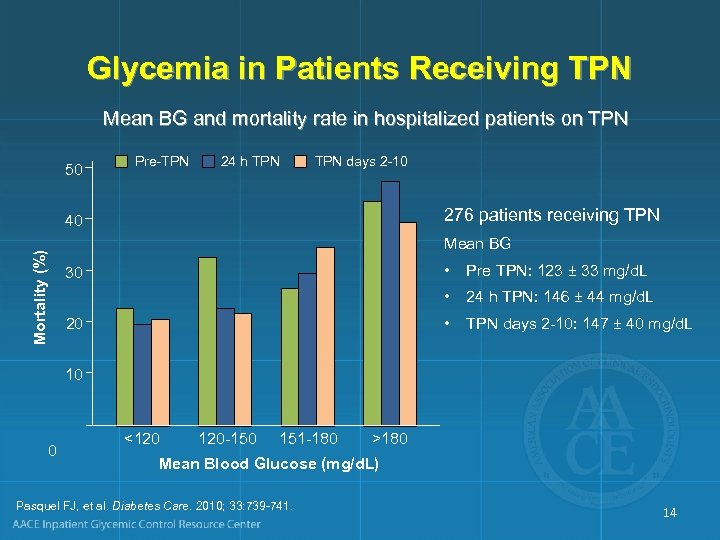 Glycemia in Patients Receiving TPN Mean BG and mortality rate in hospitalized patients on TPN 50 Pre-TPN 24 h TPN days 2 -10 276 patients receiving TPN Mortality (%) 40 Mean BG • Pre TPN: 123 ± 33 mg/d. L 30 • 24 h TPN: 146 ± 44 mg/d. L • TPN days 2 -10: 147 ± 40 mg/d. L 20 10 0 <120 120 -150 151 -180 >180 Mean Blood Glucose (mg/d. L) Pasquel FJ, et al. Diabetes Care. 2010; 33: 739 -741. 14
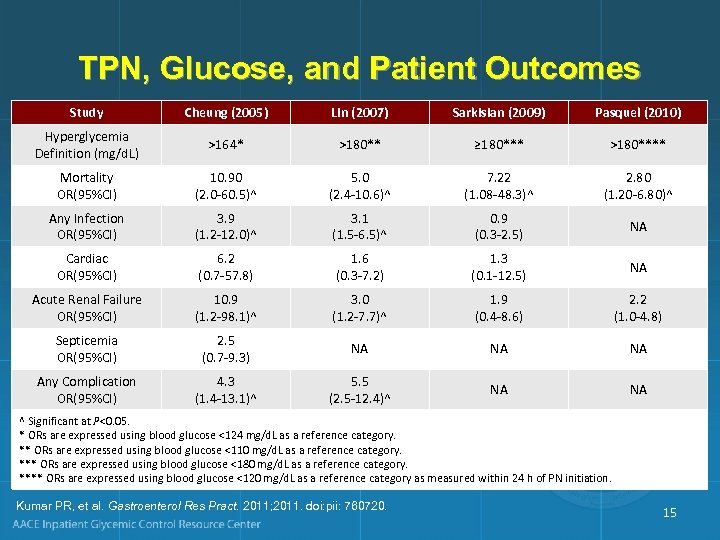 TPN, Glucose, and Patient Outcomes Study Cheung (2005) Lin (2007) Sarkisian (2009) Pasquel (2010) Hyperglycemia Definition (mg/d. L) >164* >180** ≥ 180*** >180**** Mortality OR(95%CI) 10. 90 (2. 0 -60. 5)^ 5. 0 (2. 4 -10. 6)^ 7. 22 (1. 08 -48. 3)^ 2. 80 (1. 20 -6. 80)^ Any Infection OR(95%CI) 3. 9 (1. 2 -12. 0)^ 3. 1 (1. 5 -6. 5)^ 0. 9 (0. 3 -2. 5) NA Cardiac OR(95%CI) 6. 2 (0. 7 -57. 8) 1. 6 (0. 3 -7. 2) 1. 3 (0. 1 -12. 5) NA Acute Renal Failure OR(95%CI) 10. 9 (1. 2 -98. 1)^ 3. 0 (1. 2 -7. 7)^ 1. 9 (0. 4 -8. 6) 2. 2 (1. 0 -4. 8) Septicemia OR(95%CI) 2. 5 (0. 7 -9. 3) NA NA NA Any Complication OR(95%CI) 4. 3 (1. 4 -13. 1)^ 5. 5 (2. 5 -12. 4)^ NA NA ^ Significant at P<0. 05. * ORs are expressed using blood glucose <124 mg/d. L as a reference category. ** ORs are expressed using blood glucose <110 mg/d. L as a reference category. *** ORs are expressed using blood glucose <180 mg/d. L as a reference category. **** ORs are expressed using blood glucose <120 mg/d. L as a reference category as measured within 24 h of PN initiation. Kumar PR, et al. Gastroenterol Res Pract. 2011; 2011. doi: pii: 760720. 15
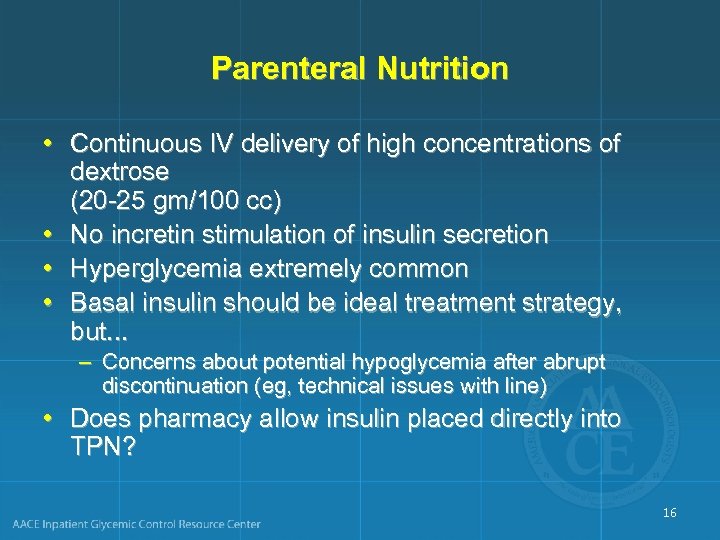 Parenteral Nutrition • Continuous IV delivery of high concentrations of dextrose (20 -25 gm/100 cc) • No incretin stimulation of insulin secretion • Hyperglycemia extremely common • Basal insulin should be ideal treatment strategy, but. . . – Concerns about potential hypoglycemia after abrupt discontinuation (eg, technical issues with line) • Does pharmacy allow insulin placed directly into TPN? 16
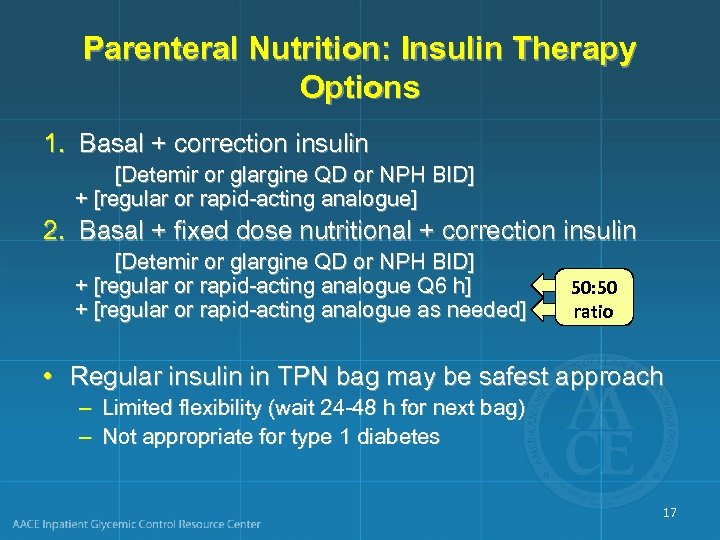 Parenteral Nutrition: Insulin Therapy Options 1. Basal + correction insulin [Detemir or glargine QD or NPH BID] + [regular or rapid-acting analogue] 2. Basal + fixed dose nutritional + correction insulin [Detemir or glargine QD or NPH BID] + [regular or rapid-acting analogue Q 6 h] + [regular or rapid-acting analogue as needed] 50: 50 ratio • Regular insulin in TPN bag may be safest approach – Limited flexibility (wait 24 -48 h for next bag) – Not appropriate for type 1 diabetes 17
 PATIENTS ON STEROIDS 18
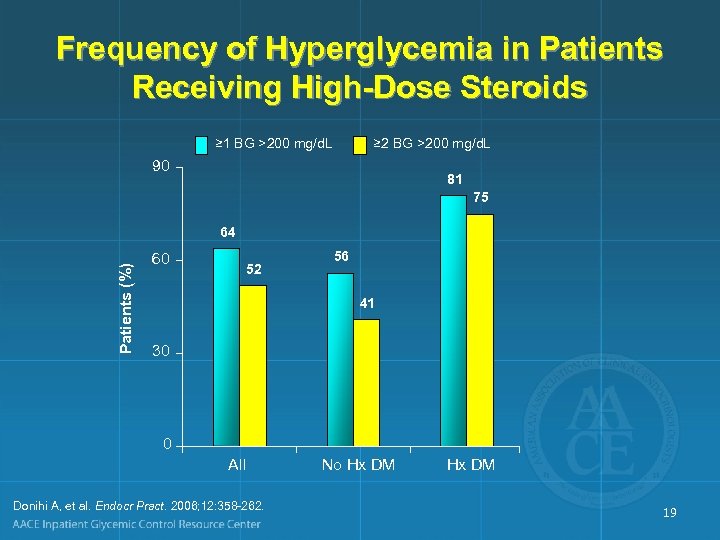 Frequency of Hyperglycemia in Patients Receiving High-Dose Steroids ≥ 1 BG >200 mg/d. L ≥ 2 BG >200 mg/d. L 90 81 75 Patients (%) 64 60 52 56 41 30 0 All Donihi A, et al. Endocr Pract. 2006; 12: 358 -262. No Hx DM 19
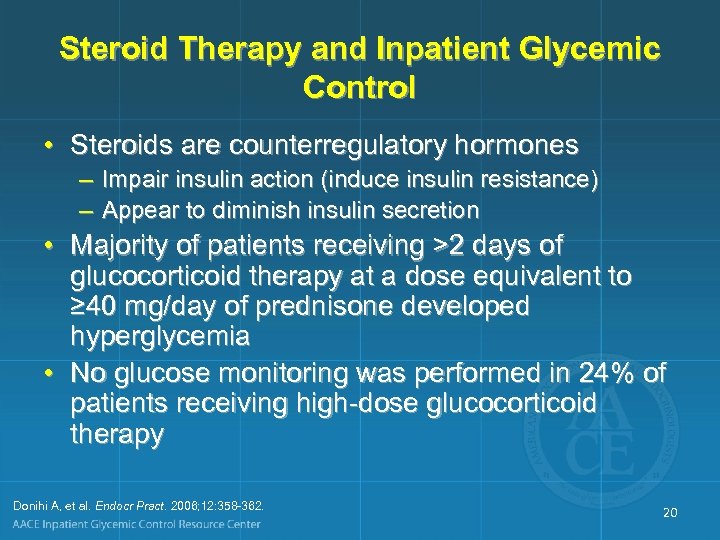 Steroid Therapy and Inpatient Glycemic Control • Steroids are counterregulatory hormones – Impair insulin action (induce insulin resistance) – Appear to diminish insulin secretion • Majority of patients receiving >2 days of glucocorticoid therapy at a dose equivalent to ≥ 40 mg/day of prednisone developed hyperglycemia • No glucose monitoring was performed in 24% of patients receiving high-dose glucocorticoid therapy Donihi A, et al. Endocr Pract. 2006; 12: 358 -362. 20
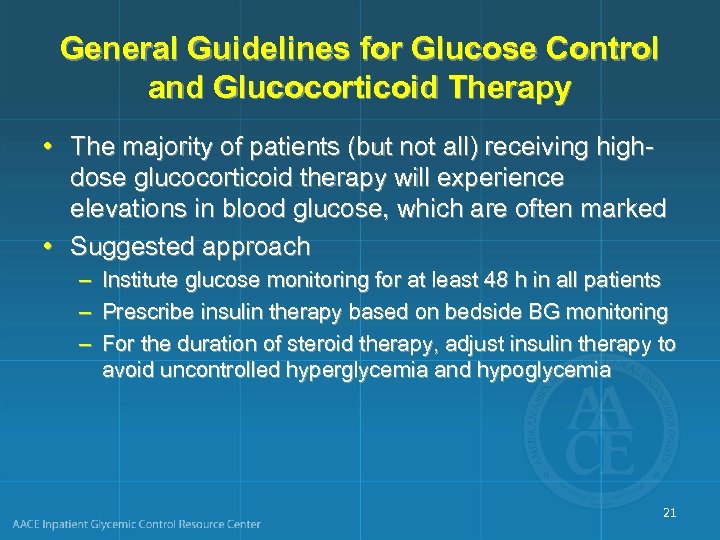 General Guidelines for Glucose Control and Glucocorticoid Therapy • The majority of patients (but not all) receiving highdose glucocorticoid therapy will experience elevations in blood glucose, which are often marked • Suggested approach – – – Institute glucose monitoring for at least 48 h in all patients Prescribe insulin therapy based on bedside BG monitoring For the duration of steroid therapy, adjust insulin therapy to avoid uncontrolled hyperglycemia and hypoglycemia 21
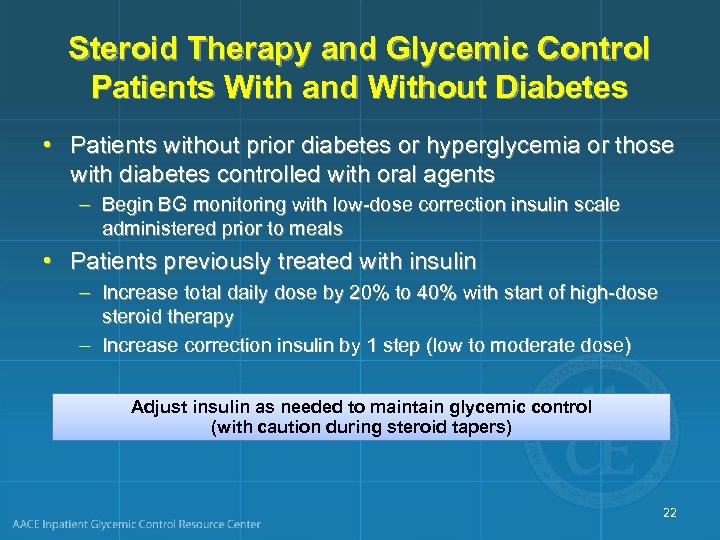 Steroid Therapy and Glycemic Control Patients With and Without Diabetes • Patients without prior diabetes or hyperglycemia or those with diabetes controlled with oral agents – Begin BG monitoring with low-dose correction insulin scale administered prior to meals • Patients previously treated with insulin – Increase total daily dose by 20% to 40% with start of high-dose steroid therapy – Increase correction insulin by 1 step (low to moderate dose) Adjust insulin as needed to maintain glycemic control (with caution during steroid tapers) 22
 PATIENTS ON INSULIN PUMP THERAPY 23
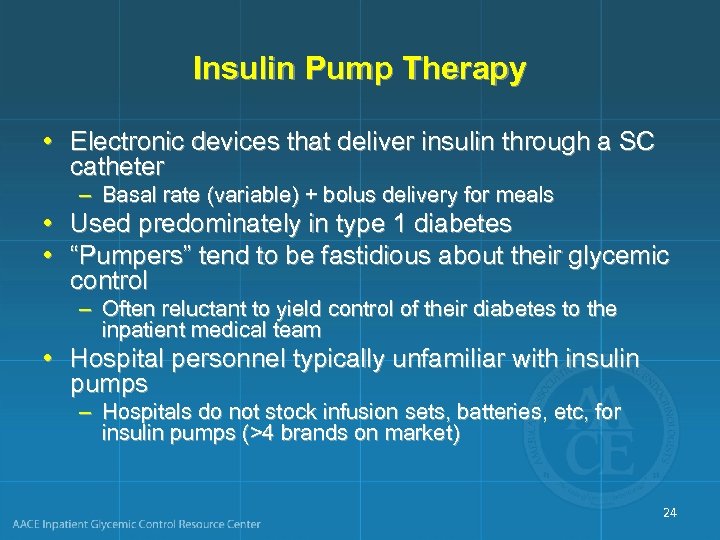 Insulin Pump Therapy • Electronic devices that deliver insulin through a SC catheter – Basal rate (variable) + bolus delivery for meals • Used predominately in type 1 diabetes • “Pumpers” tend to be fastidious about their glycemic control – Often reluctant to yield control of their diabetes to the inpatient medical team • Hospital personnel typically unfamiliar with insulin pumps – Hospitals do not stock infusion sets, batteries, etc, for insulin pumps (>4 brands on market) 24
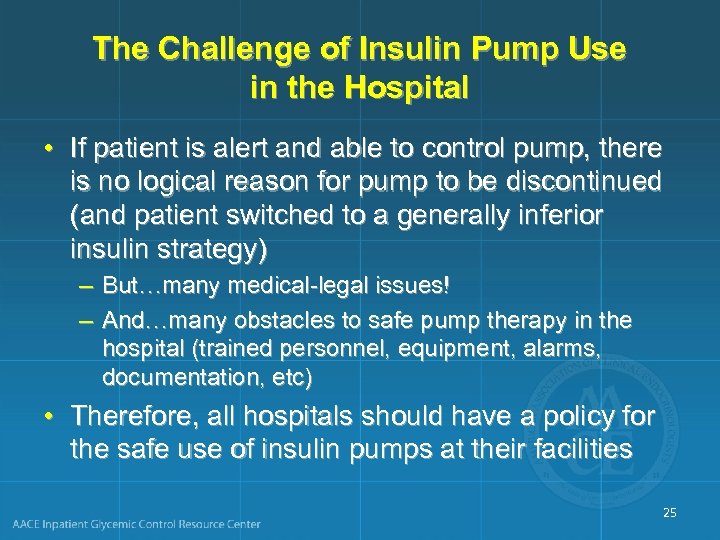 The Challenge of Insulin Pump Use in the Hospital • If patient is alert and able to control pump, there is no logical reason for pump to be discontinued (and patient switched to a generally inferior insulin strategy) – But…many medical-legal issues! – And…many obstacles to safe pump therapy in the hospital (trained personnel, equipment, alarms, documentation, etc) • Therefore, all hospitals should have a policy for the safe use of insulin pumps at their facilities 25
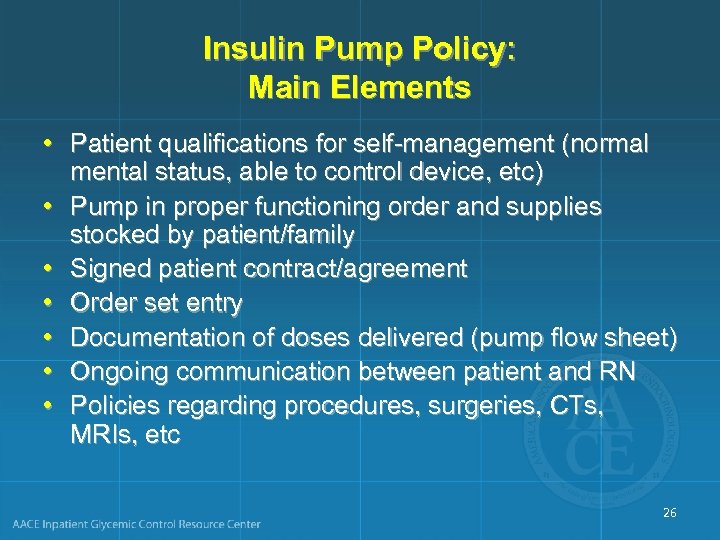 Insulin Pump Policy: Main Elements • Patient qualifications for self-management (normal mental status, able to control device, etc) • Pump in proper functioning order and supplies stocked by patient/family • Signed patient contract/agreement • Order set entry • Documentation of doses delivered (pump flow sheet) • Ongoing communication between patient and RN • Policies regarding procedures, surgeries, CTs, MRIs, etc 26
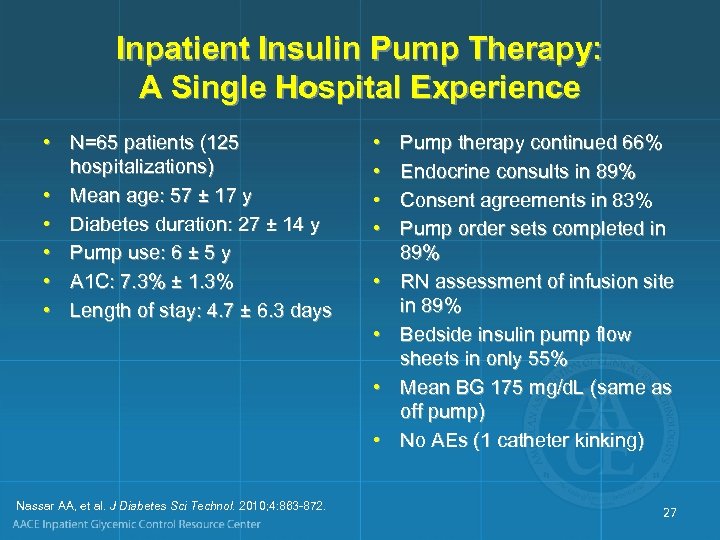 Inpatient Insulin Pump Therapy: A Single Hospital Experience • N=65 patients (125 hospitalizations) • Mean age: 57 ± 17 y • Diabetes duration: 27 ± 14 y • Pump use: 6 ± 5 y • A 1 C: 7. 3% ± 1. 3% • Length of stay: 4. 7 ± 6. 3 days • • Nassar AA, et al. J Diabetes Sci Technol. 2010; 4: 863 -872. Pump therapy continued 66% Endocrine consults in 89% Consent agreements in 83% Pump order sets completed in 89% RN assessment of infusion site in 89% Bedside insulin pump flow sheets in only 55% Mean BG 175 mg/d. L (same as off pump) No AEs (1 catheter kinking) 27
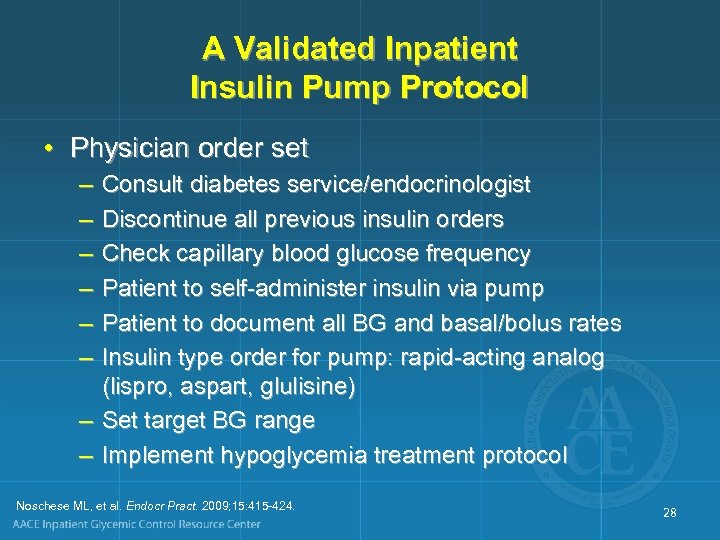 A Validated Inpatient Insulin Pump Protocol • Physician order set – – – Consult diabetes service/endocrinologist Discontinue all previous insulin orders Check capillary blood glucose frequency Patient to self-administer insulin via pump Patient to document all BG and basal/bolus rates Insulin type order for pump: rapid-acting analog (lispro, aspart, glulisine) – Set target BG range – Implement hypoglycemia treatment protocol Noschese ML, et al. Endocr Pract. 2009; 15: 415 -424. 28
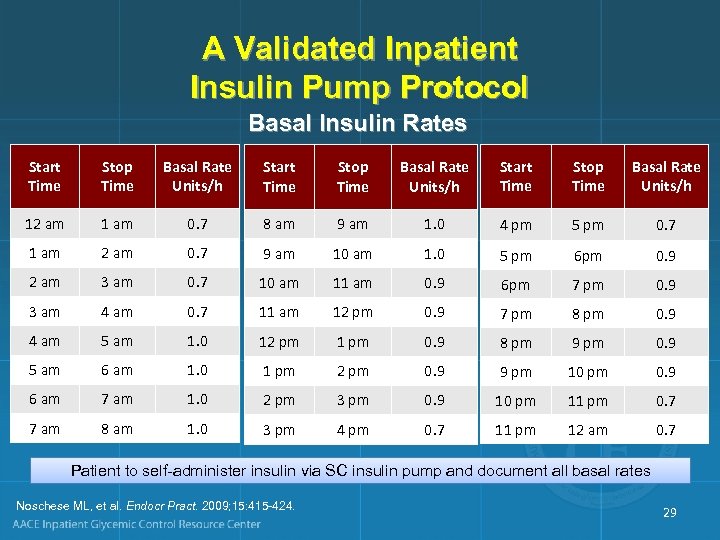 A Validated Inpatient Insulin Pump Protocol Basal Insulin Rates Start Time Stop Time Basal Rate Units/h 12 am 1 am 0. 7 8 am 9 am 1. 0 4 pm 5 pm 0. 7 1 am 2 am 0. 7 9 am 10 am 1. 0 5 pm 6 pm 0. 9 2 am 3 am 0. 7 10 am 11 am 0. 9 6 pm 7 pm 0. 9 3 am 4 am 0. 7 11 am 12 pm 0. 9 7 pm 8 pm 0. 9 4 am 5 am 1. 0 12 pm 1 pm 0. 9 8 pm 9 pm 0. 9 5 am 6 am 1. 0 1 pm 2 pm 0. 9 9 pm 10 pm 0. 9 6 am 7 am 1. 0 2 pm 3 pm 0. 9 10 pm 11 pm 0. 7 7 am 8 am 1. 0 3 pm 4 pm 0. 7 11 pm 12 am 0. 7 Patient to self-administer insulin via SC insulin pump and document all basal rates Noschese ML, et al. Endocr Pract. 2009; 15: 415 -424. 29
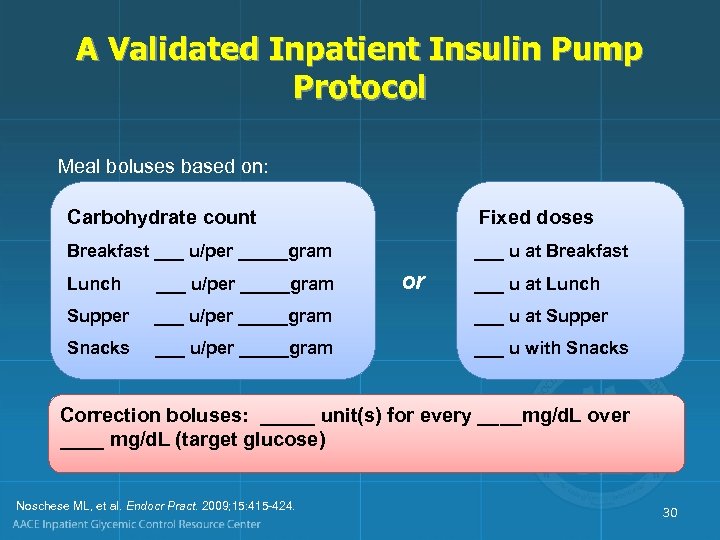 A Validated Inpatient Insulin Pump Protocol Meal boluses based on: Carbohydrate count Fixed doses Breakfast ___ u/per _____gram ___ u at Breakfast or Lunch ___ u/per _____gram ___ u at Lunch Supper ___ u/per _____gram ___ u at Supper Snacks ___ u/per _____gram ___ u with Snacks Correction boluses: _____ unit(s) for every ____mg/d. L over ____ mg/d. L (target glucose) Noschese ML, et al. Endocr Pract. 2009; 15: 415 -424. 30
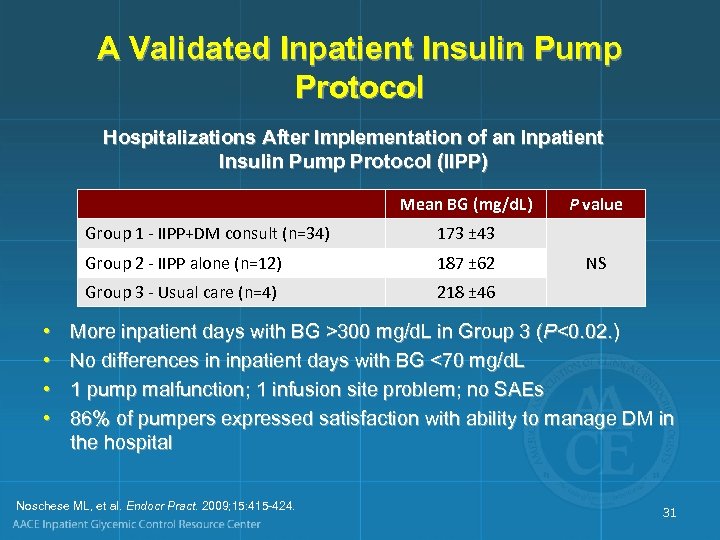 A Validated Inpatient Insulin Pump Protocol Hospitalizations After Implementation of an Inpatient Insulin Pump Protocol (IIPP) Mean BG (mg/d. L) Group 1 - IIPP+DM consult (n=34) 187 ± 62 Group 3 - Usual care (n=4) • • 173 ± 43 Group 2 - IIPP alone (n=12) P value 218 ± 46 NS More inpatient days with BG >300 mg/d. L in Group 3 (P<0. 02. ) No differences in inpatient days with BG <70 mg/d. L 1 pump malfunction; 1 infusion site problem; no SAEs 86% of pumpers expressed satisfaction with ability to manage DM in the hospital Noschese ML, et al. Endocr Pract. 2009; 15: 415 -424. 31
 PRE-OP RECOMMENDATIONS 32
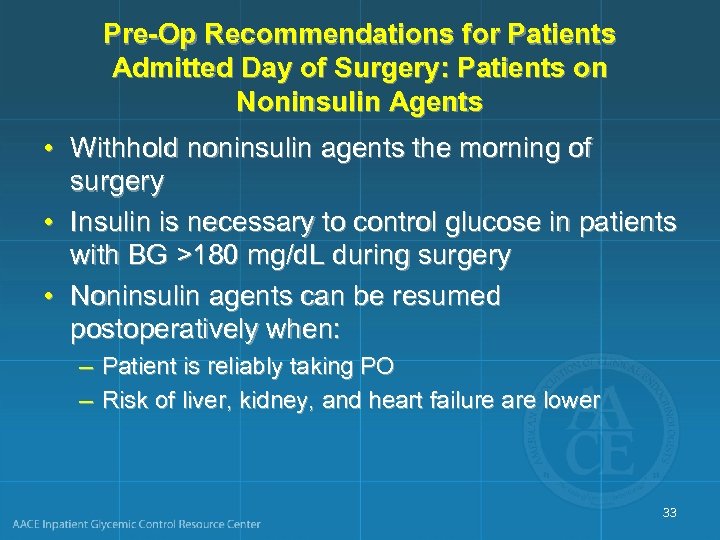 Pre-Op Recommendations for Patients Admitted Day of Surgery: Patients on Noninsulin Agents • Withhold noninsulin agents the morning of surgery • Insulin is necessary to control glucose in patients with BG >180 mg/d. L during surgery • Noninsulin agents can be resumed postoperatively when: – Patient is reliably taking PO – Risk of liver, kidney, and heart failure are lower 33
 Pre-op Recommendations for Patients Admitted Day of Surgery: Patients on Insulin • Patients on basal or basal-bolus insulin – Give ~50% of usual NPH dose that morning or ~80% of usual dose of NPH, glargine, or detemir the night before • Goal: Avoid hypoglycemia during NPO periods but also prevent presurgical BG >180 mg/d. L if possible • Patients on premix insulin (70/30 or 75/25) – Give 1/3 of total dose as NPH only prior to procedure • Patients undergoing prolonged procedures (eg, CABG) – Hold SC insulin and start IV insulin infusion (which will also be needed post-op) 34
 Pre-op Recommendations: Patients Using Insulin Pump • Discontinue insulin pump and change to IV insulin according to patient’s current basal rate – If basal rate <1 unit/h, start IV insulin at 0. 5 units/h – If basal rate 1 -2 units/h, start IV insulin at 1 units/h • Brief/minor procedures in which pump catheter insertion site is not in surgical field – May continue insulin pump with 20% reduction in basal rate (eg, 1 u/h changes to 0. 8 u/h) • Hypoglycemia and hyperglycemia treated in manner similar to that of patients receiving SC insulin pre-op 35
 Summary • Hyperglycemia is associated with adverse clinical outcomes in the hospital setting, both in critically ill and noncritically ill patients • National organizations have promoted safe and achievable glucose targets for inpatients • Special considerations are necessary for patients – On enteral or parenteral nutrition – Receiving steroids – Using insulin pumps • Established pre-op procedures are also important to optimize glucose control during surgery 36