 Скачать презентацию Lyndon B Johnson 1963 -1968 Lyndon Johnson
c88bee322d3246ec061584a5c17dba30.ppt
- Количество слайдов: 10



Lyndon B. Johnson 1963 -1968
Lyndon Johnson & The Great Society n n Became President after Kennedy’s assassination in 1963 Served several terms as Senator from Texas & was a master of the lawmaking process Grew up in poverty Pushed through Congress the Great Society domestic program-most important legislative program since the New Deal under FDR
The Great Society “War on Poverty”- VISTA, Medicare, Medicaid, n Elementary & Secondary Education Act: Head Start, $ for lower income students to attend college n
Increasing Environmental concerns n n n Rachel Carson Silent Spring- condemned to use of the insecticide DDT and how it was damaging the environment and wildlife An environmental movement gained strength 1965 -Water Quality Act 1963 -Clean Air Act 1965 -Motor Vehicle Air Pollution Control Act
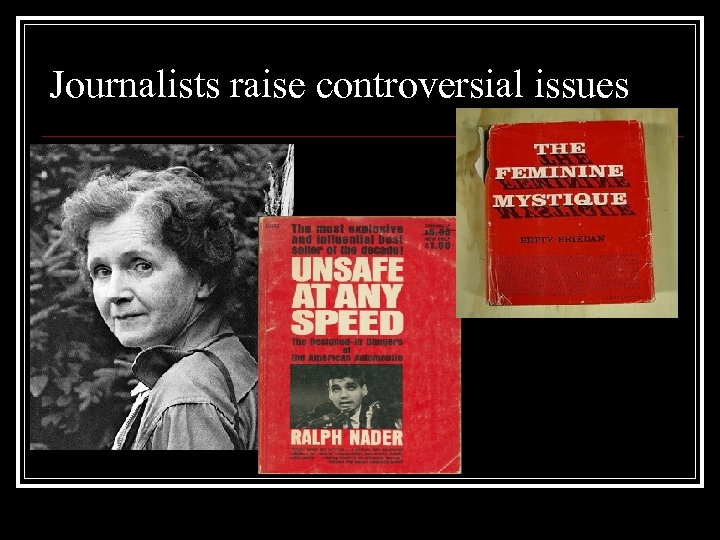
Journalists raise controversial issues
Continuation of the Civil Rights Movement African Americans appointed to high positions in government-Thurgood Marshall: First African American to serve on Supreme Court n The Civil Rights Act 1964 & the Voting Rights Act 1965 n Black Muslims & Malcolm X; Black Panthers-more radical fringe of the civil rights movement n
Civil rights Movement breaks into different groups NAACP n SNCC n SCLC n CORE n
Legislative Impact of the Civil Rights movement n Civil Rights Act of 1964 1. No discrimination in services provided by such businesses as restaurants, hotels, motels, gas stations No discrimination in the use of government-operated facilities such as public parks and pools No discrimination in federally supported programs No discrimination either by employers of 100 or more workers or by labor unions of 100 or more Upheld by Supreme Court in Heart of Atlanta Motel, Inc. V. The United States (1964) 2. 3. 4. 5.
Twenty-fourth Amendment n Banned the use of the poll tax in elections for President, Vice President, and Congress
Affirmative Action Purpose of the policy was to make sure that past discrimination against women and ethnic minorities did not continue into the future n The Supreme Court tended to support race as a factor to be considered BUT quotas were NOT Constitutional n
Скачать презентацию Lyndon B Johnson 1963 -1968 Lyndon Johnson
c88bee322d3246ec061584a5c17dba30.ppt