


 Скачать презентацию Lung Cancer Elin Roddy Lead Clinician for Lung
14ef1df5de2d930e91b4c91bb075cf98.ppt
- Количество слайдов: 40
 Lung Cancer Elin Roddy, Lead Clinician for Lung Cancer at Sa. TH Elin. roddy@sath. nhs. uk @elinlowri
 Overview • Some depressing statistics • Some possible reasons for the depressing statistics • Brief overview of diagnosis and treatment of lung cancer, explaining why we sometimes take so long • Discussion around potential improvements
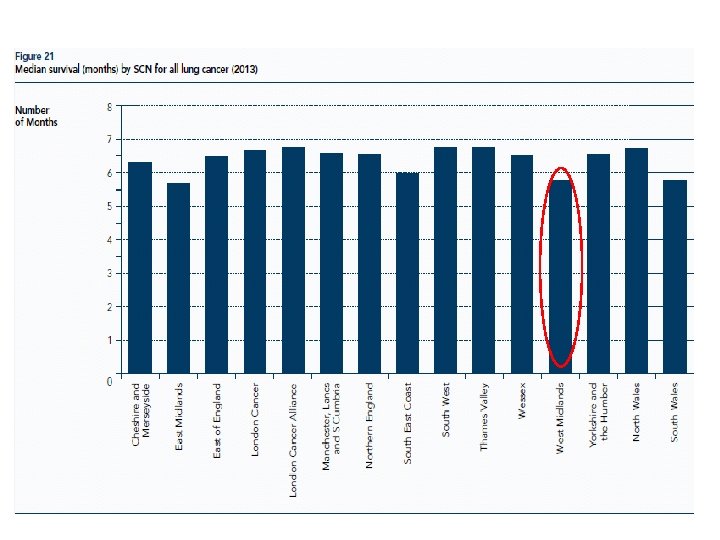
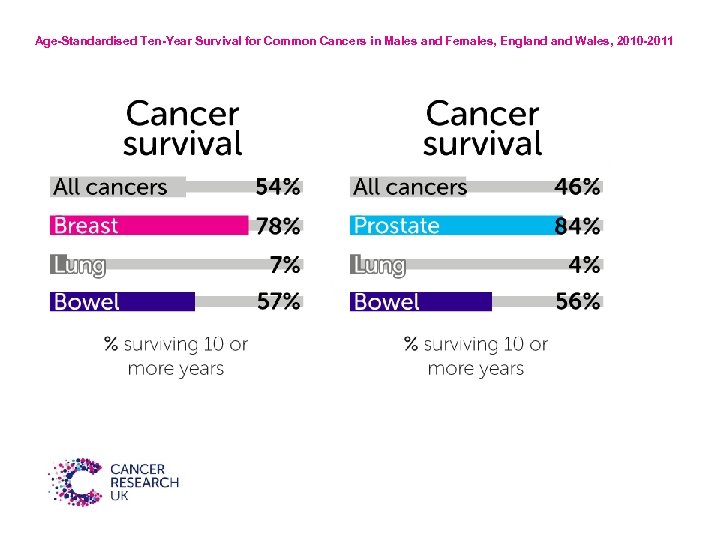 Age-Standardised Ten-Year Survival for Common Cancers in Males and Females, England Wales, 2010 -2011
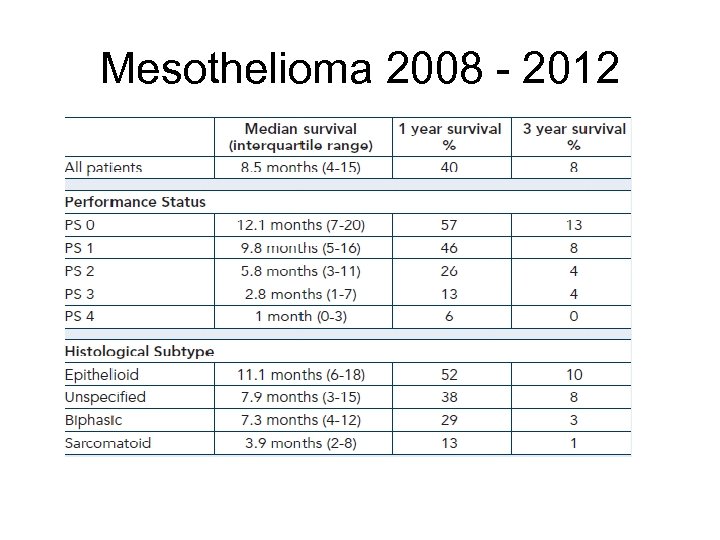 Mesothelioma 2008 - 2012
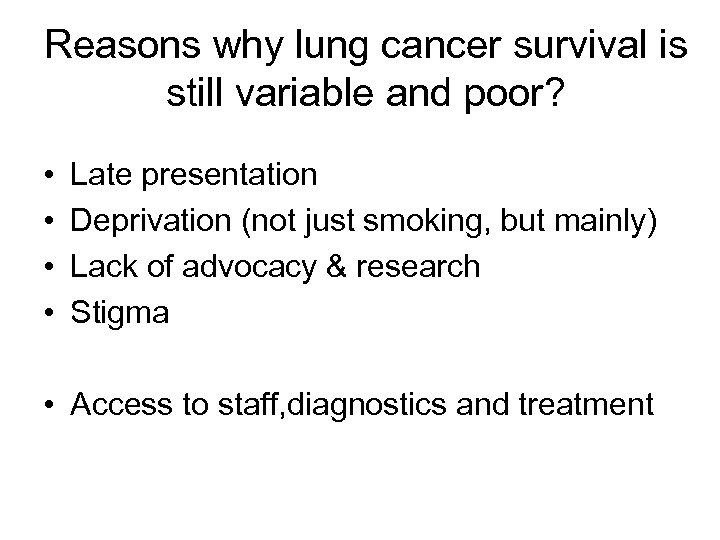 Reasons why lung cancer survival is still variable and poor? • • Late presentation Deprivation (not just smoking, but mainly) Lack of advocacy & research Stigma • Access to staff, diagnostics and treatment
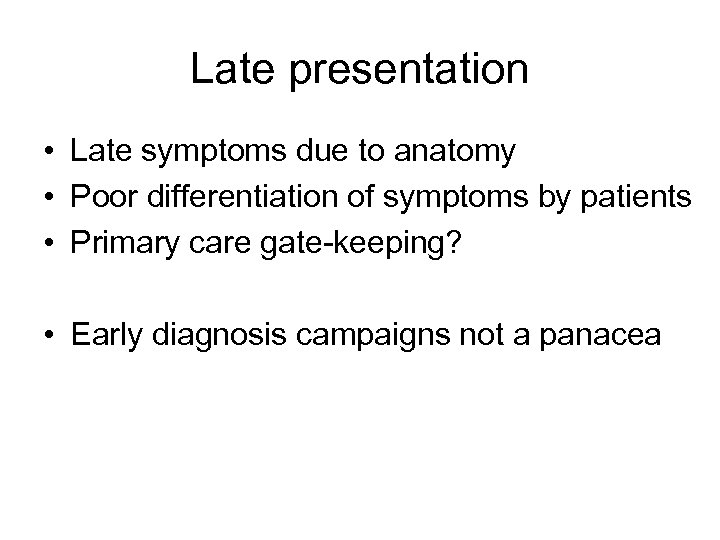 Late presentation • Late symptoms due to anatomy • Poor differentiation of symptoms by patients • Primary care gate-keeping? • Early diagnosis campaigns not a panacea
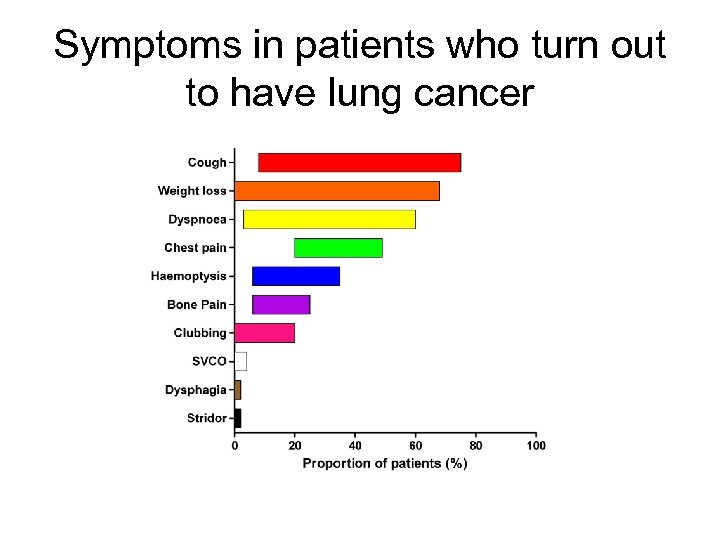 Symptoms in patients who turn out to have lung cancer
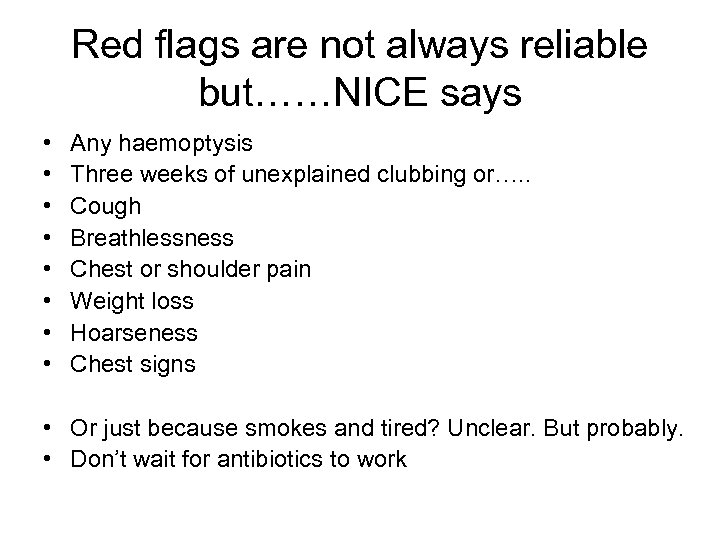 Red flags are not always reliable but……NICE says • • Any haemoptysis Three weeks of unexplained clubbing or…. . Cough Breathlessness Chest or shoulder pain Weight loss Hoarseness Chest signs • Or just because smokes and tired? Unclear. But probably. • Don’t wait for antibiotics to work
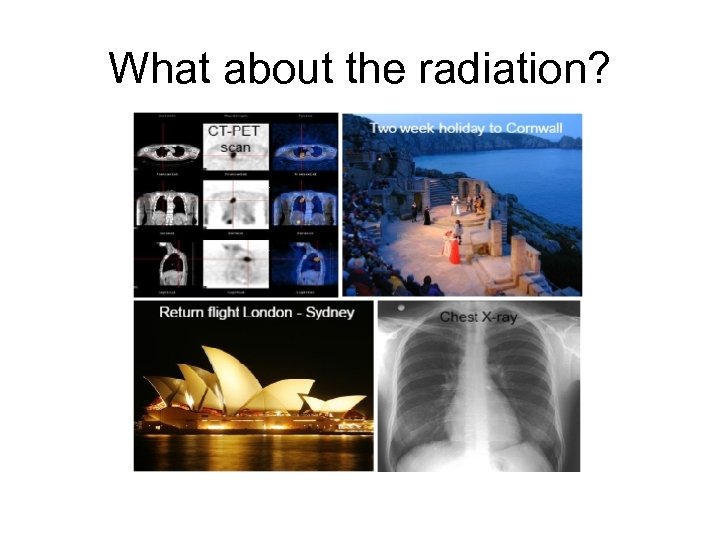 What about the radiation?
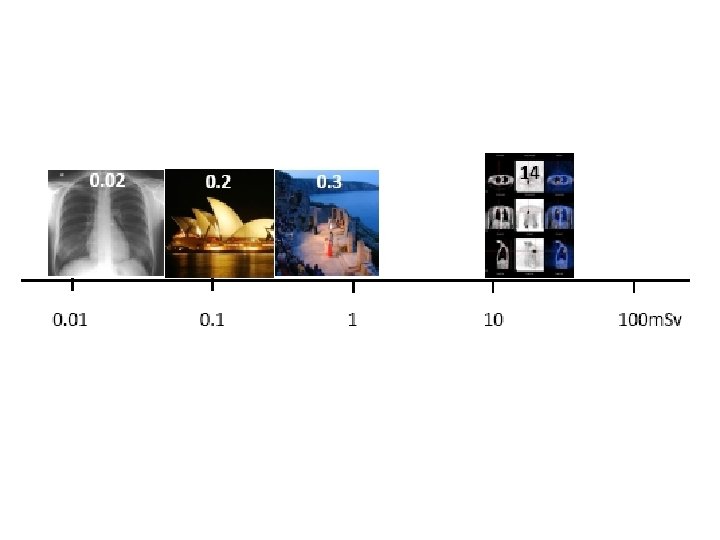
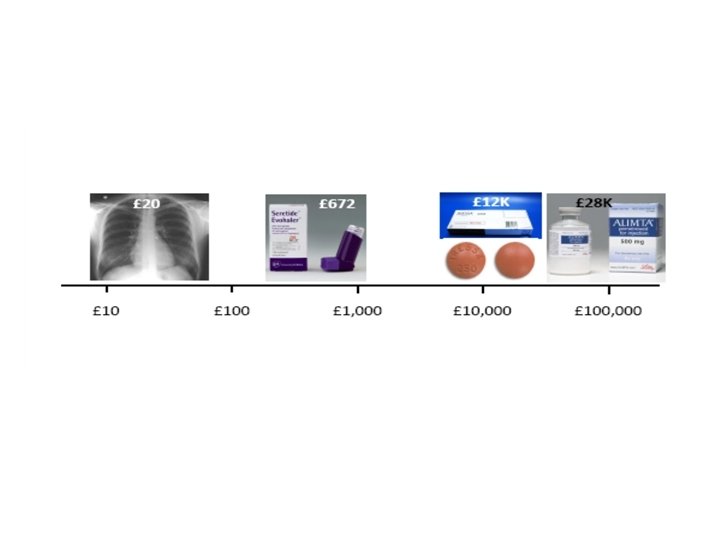
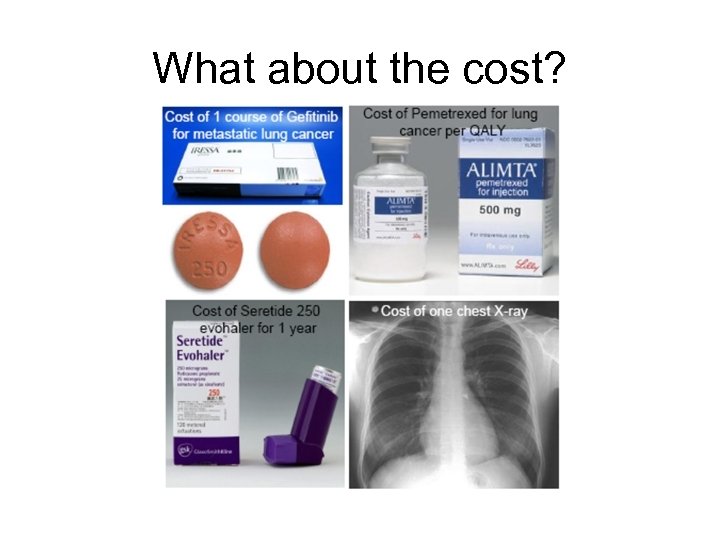 What about the cost?
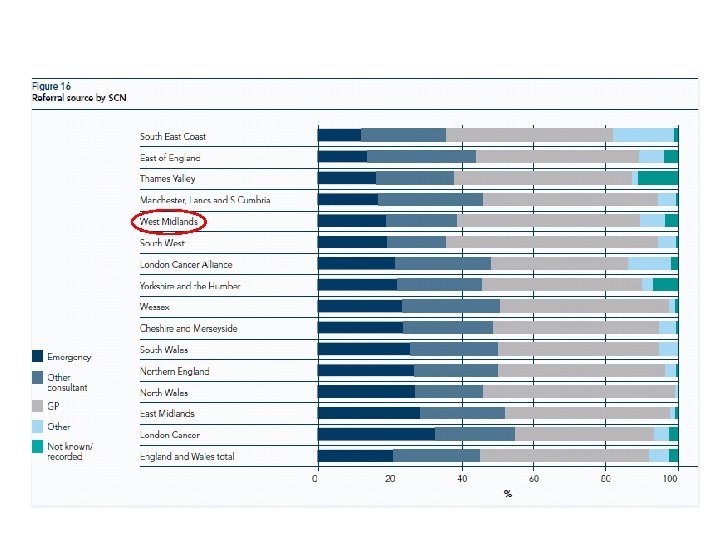
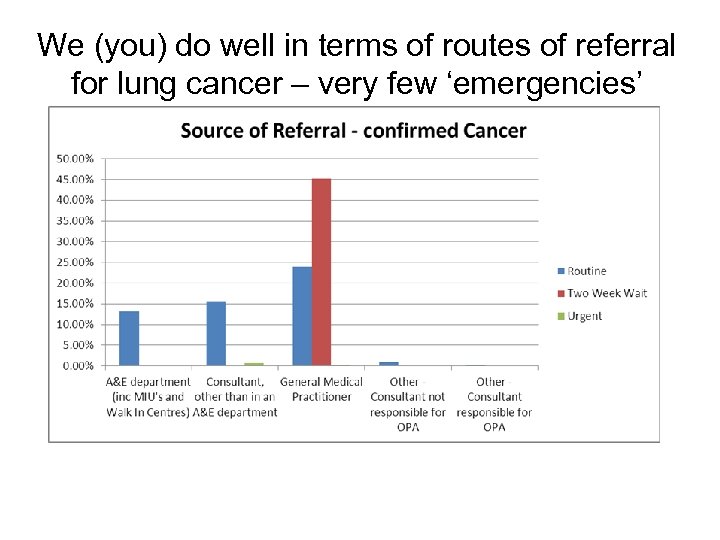 We (you) do well in terms of routes of referral for lung cancer – very few ‘emergencies’
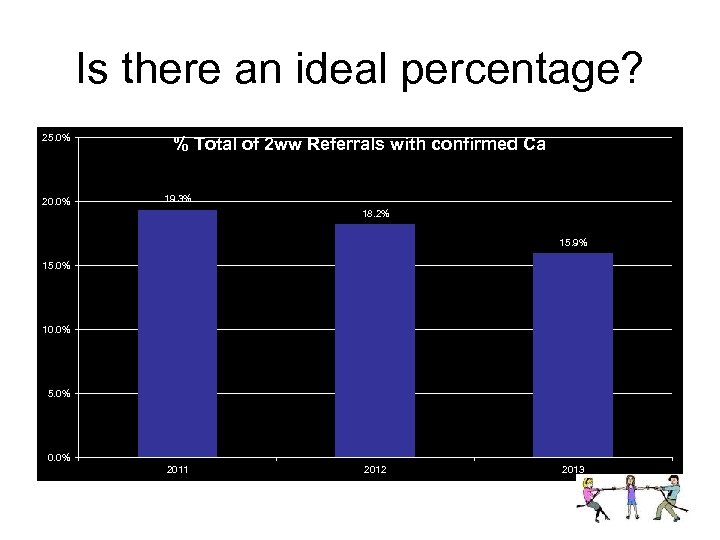 Is there an ideal percentage? 25. 0% 20. 0% % Total of 2 ww Referrals with confirmed Ca 19. 3% 18. 2% 15. 9% 15. 0% 10. 0% 5. 0% 0. 0% 2011 2012 2013
 Lung cancer rates by deprivation quintile
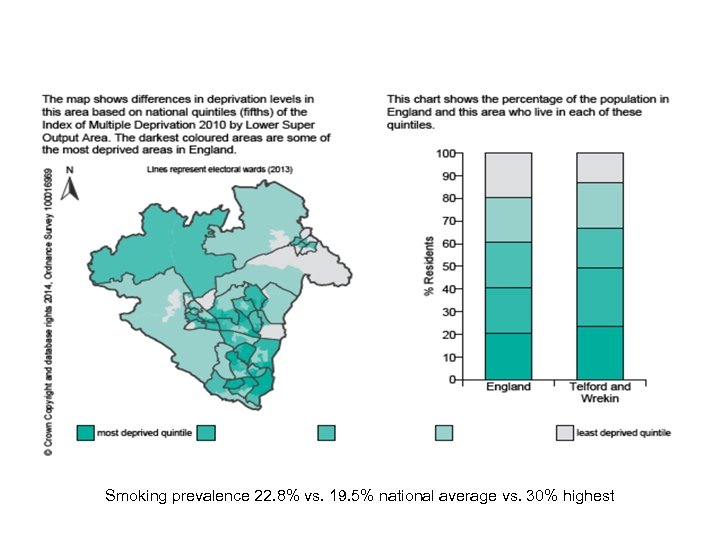 Smoking prevalence 22. 8% vs. 19. 5% national average vs. 30% highest
 Advocacy, stigma, research • Linked to deprivation and smoking • ‘It’s all my own fault’ • Deserving vs. undeserving cancers • Research spend per annum in the UK: Breast - £ 41 million (£ 3500 per death) Leukaemia - £ 32 million (£ 7000 per death) Lung - £ 15 million (£ 400 per death)


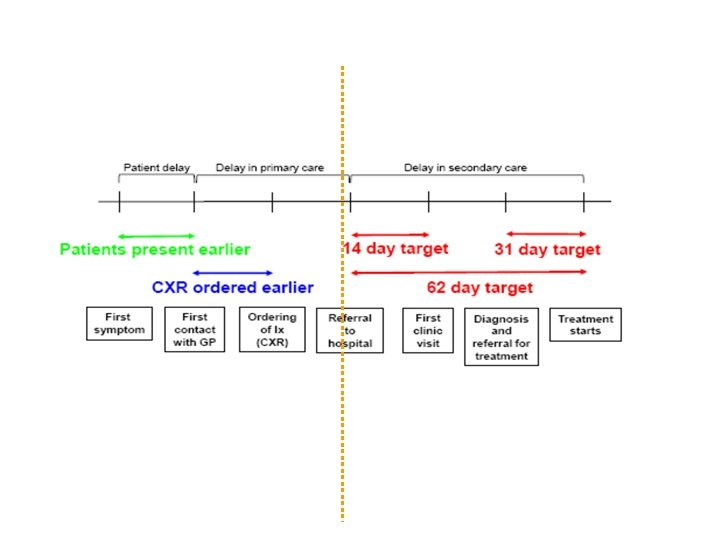
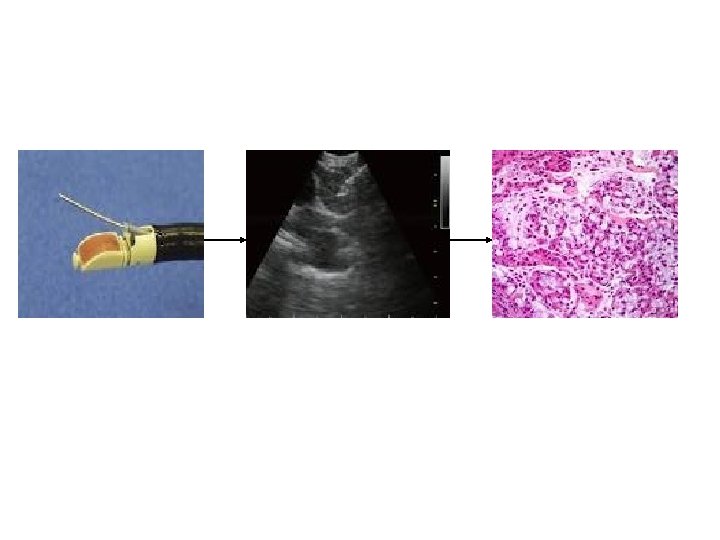
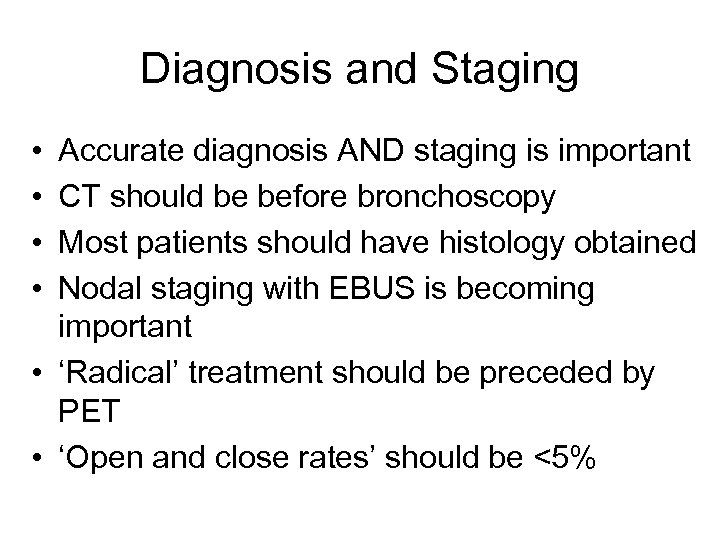 Diagnosis and Staging • • Accurate diagnosis AND staging is important CT should be before bronchoscopy Most patients should have histology obtained Nodal staging with EBUS is becoming important • ‘Radical’ treatment should be preceded by PET • ‘Open and close rates’ should be <5%
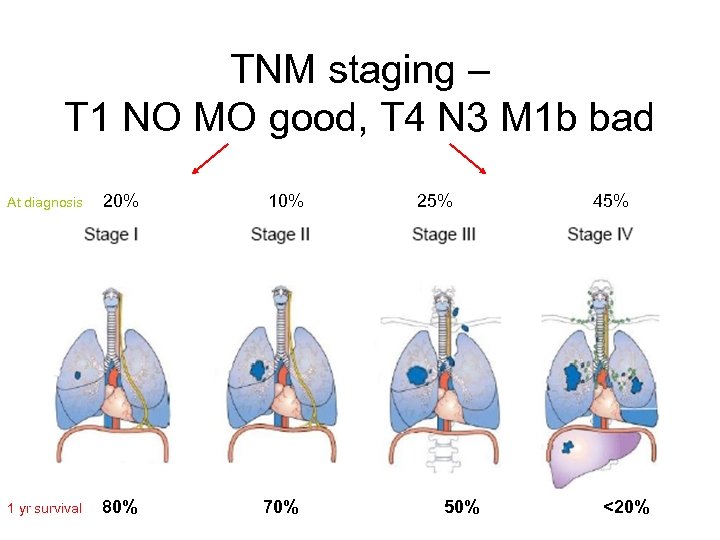 TNM staging – T 1 NO MO good, T 4 N 3 M 1 b bad At diagnosis 20% 1 yr survival 80% 70% 25% 50% 45% <20%
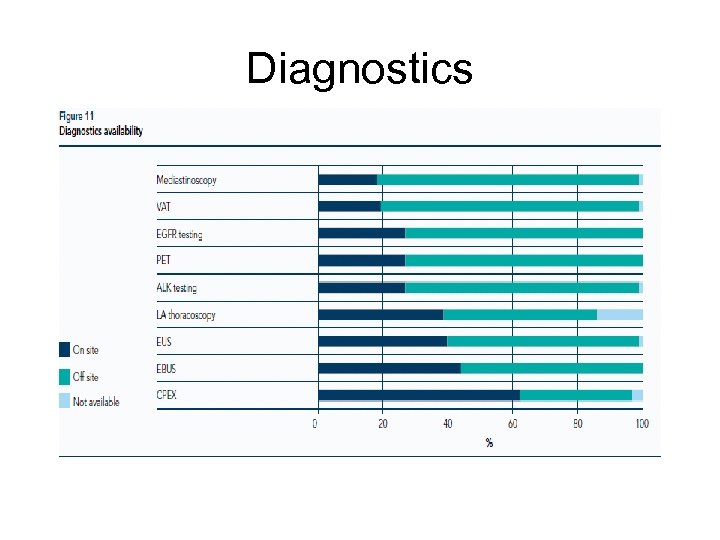 Diagnostics
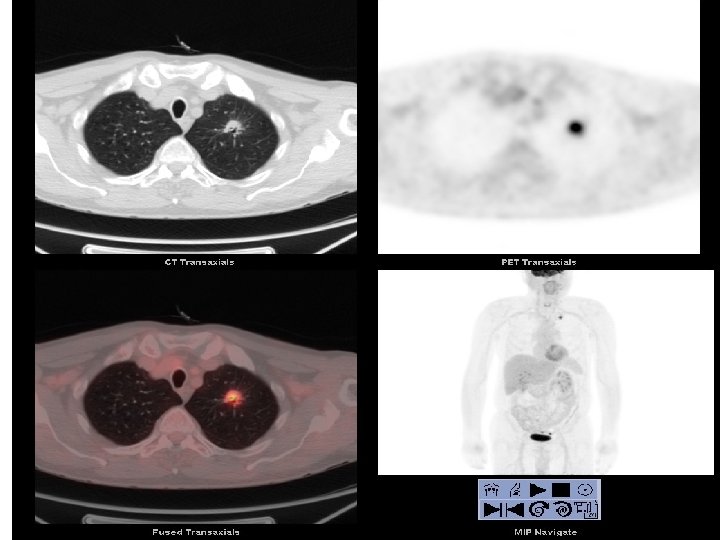
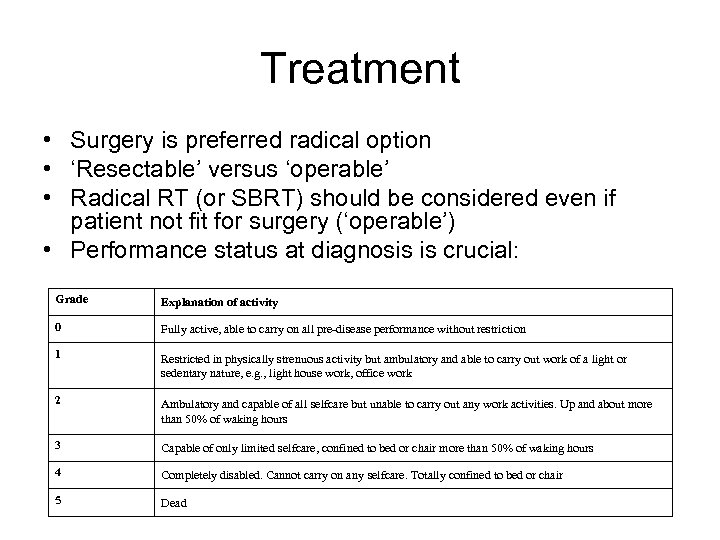 Treatment • Surgery is preferred radical option • ‘Resectable’ versus ‘operable’ • Radical RT (or SBRT) should be considered even if patient not fit for surgery (‘operable’) • Performance status at diagnosis is crucial: Grade Explanation of activity 0 Fully active, able to carry on all pre-disease performance without restriction 1 Restricted in physically strenuous activity but ambulatory and able to carry out work of a light or sedentary nature, e. g. , light house work, office work 2 Ambulatory and capable of all selfcare but unable to carry out any work activities. Up and about more than 50% of waking hours 3 Capable of only limited selfcare, confined to bed or chair more than 50% of waking hours 4 Completely disabled. Cannot carry on any selfcare. Totally confined to bed or chair 5 Dead
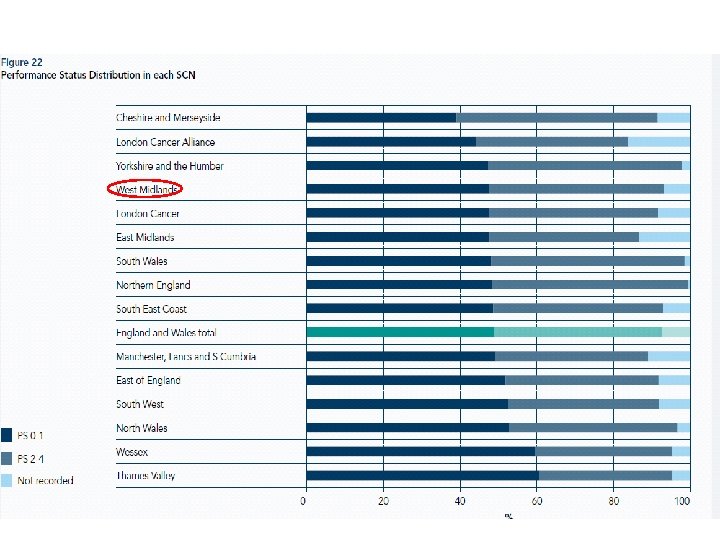
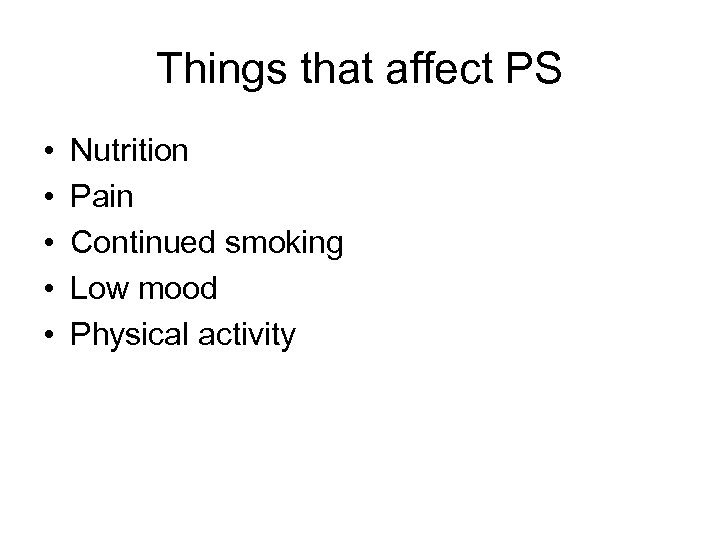 Things that affect PS • • • Nutrition Pain Continued smoking Low mood Physical activity
 Surgery
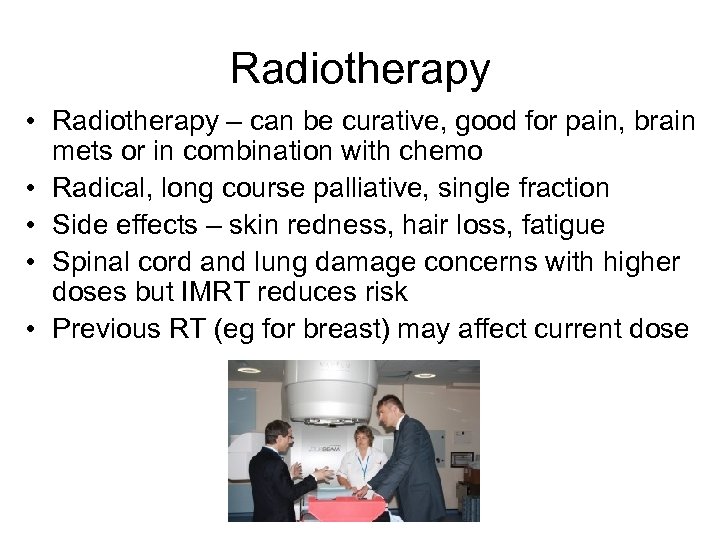 Radiotherapy • Radiotherapy – can be curative, good for pain, brain mets or in combination with chemo • Radical, long course palliative, single fraction • Side effects – skin redness, hair loss, fatigue • Spinal cord and lung damage concerns with higher doses but IMRT reduces risk • Previous RT (eg for breast) may affect current dose
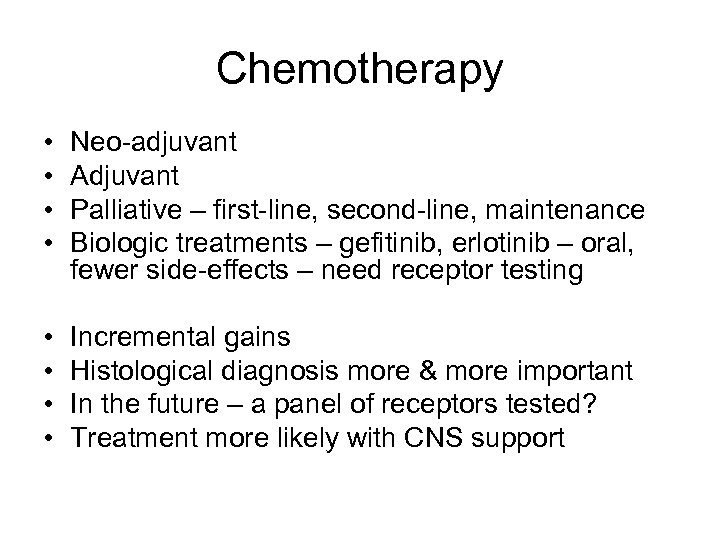 Chemotherapy • • Neo-adjuvant Adjuvant Palliative – first-line, second-line, maintenance Biologic treatments – gefitinib, erlotinib – oral, fewer side-effects – need receptor testing • • Incremental gains Histological diagnosis more & more important In the future – a panel of receptors tested? Treatment more likely with CNS support
 -
-
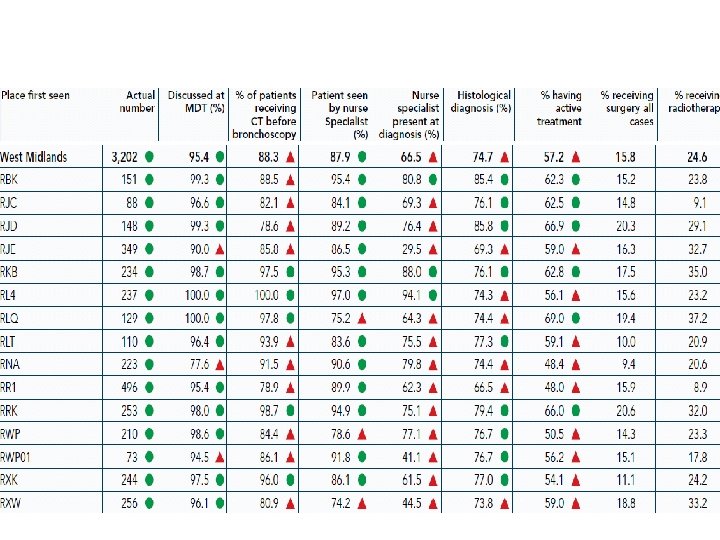
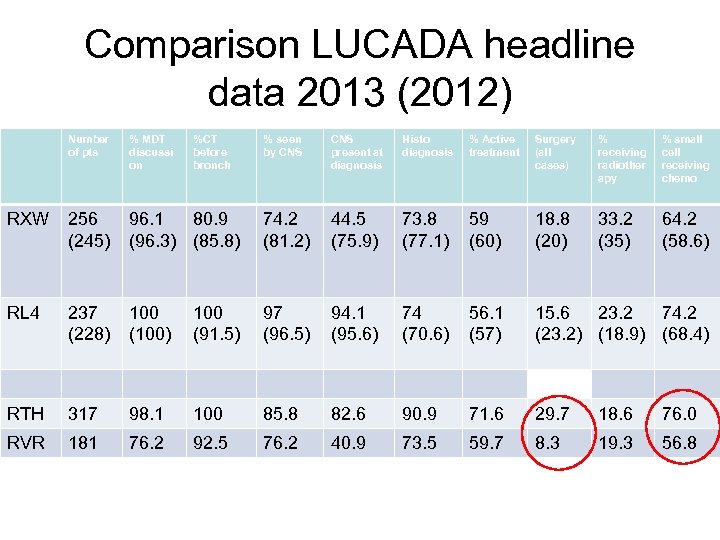 Comparison LUCADA headline data 2013 (2012) Number of pts % MDT discussi on RXW 256 (245) RL 4 %CT before bronch % seen by CNS present at diagnosis Histo diagnosis % Active treatment Surgery (all cases) % receiving radiother apy % small cell receiving chemo 96. 1 80. 9 (96. 3) (85. 8) 74. 2 (81. 2) 44. 5 (75. 9) 73. 8 (77. 1) 59 (60) 18. 8 (20) 33. 2 (35) 64. 2 (58. 6) 237 (228) 100 (100) 100 (91. 5) 97 (96. 5) 94. 1 (95. 6) 74 (70. 6) 56. 1 (57) 15. 6 23. 2 74. 2 (23. 2) (18. 9) (68. 4) RTH 317 98. 1 100 85. 8 82. 6 90. 9 71. 6 29. 7 18. 6 76. 0 RVR 181 76. 2 92. 5 76. 2 40. 9 73. 5 59. 7 8. 3 19. 3 56. 8
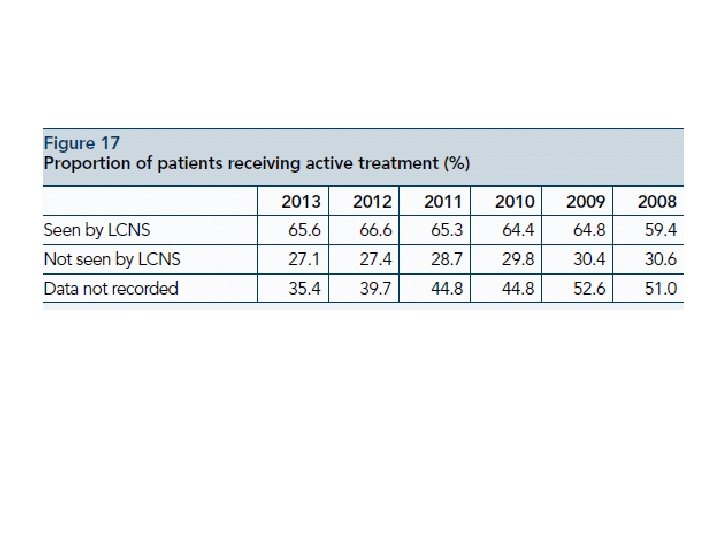
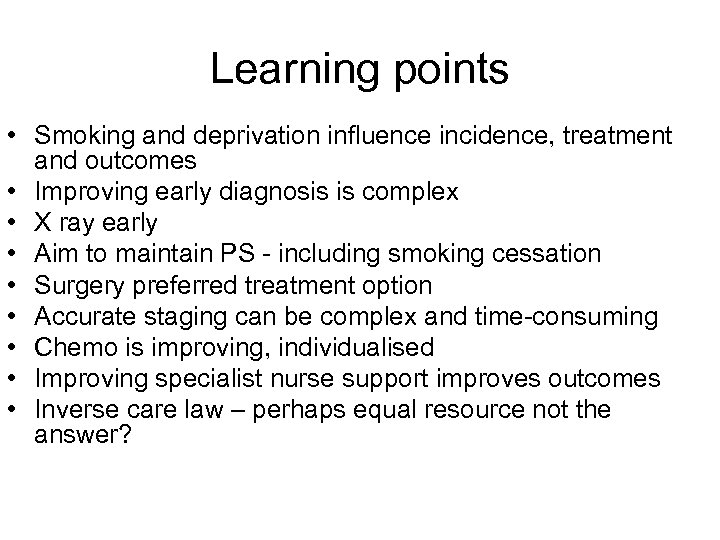 Learning points • Smoking and deprivation influence incidence, treatment and outcomes • Improving early diagnosis is complex • X ray early • Aim to maintain PS - including smoking cessation • Surgery preferred treatment option • Accurate staging can be complex and time-consuming • Chemo is improving, individualised • Improving specialist nurse support improves outcomes • Inverse care law – perhaps equal resource not the answer?

 References • British Journal of Cancer (2015) 112, 207– 216. doi: 10. 1038/bjc. 2014. 596 – evaluation of the early diagnosis campaign • http: //www. bbc. co. uk/news/business-22310825 - Robert Peston on funding • http: //www. rcgp. org. uk/clinicalresources/~/media/Files/CIRC/Cancer/Improving. Cancer. Diag nosis • The Patient Paradox by Margaret Mc. Cartney • http: //www. apho. org. uk/resource/item. aspx? RID=142221 – Health Profile for T&W • http: //www. hscic. gov. uk/catalogue/PUB 12719/clin-audi-suppprog-lung-nlca-2013 -rep. pdf