


 Скачать презентацию Long-term short-interval monitoring of the seasonal activity of
aaa_Kahl_TR_Kemerovo_2013-09-26b.ppt
- Количество слайдов: 48
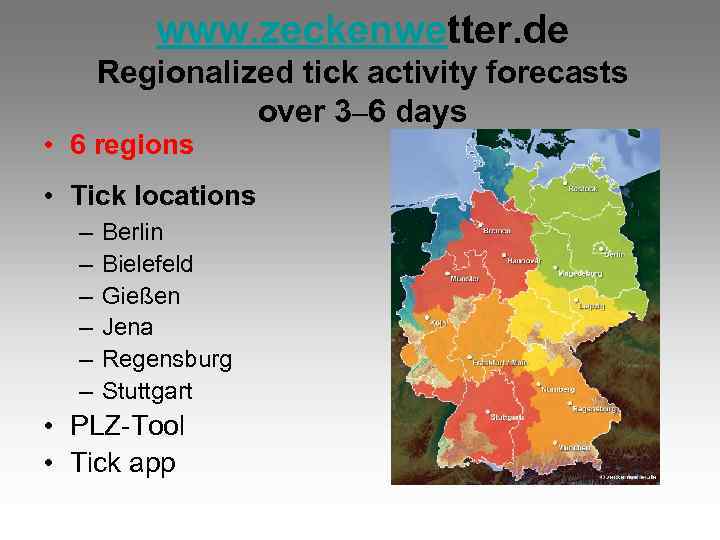
 Long-term, short-interval monitoring of the seasonal activity of the vector tick Ixodes ricinus in Germany with some surprising results Olaf Kahl, Hans Dautel tick-radar Gmb. H (Berlin, Germany) (www. zeckenwetter. de)
 Contents of this talk Monitoring the seasonal activities of arthropod vectors (transmitters) of human and animal diseases is a basic task in epidemiology and prevention. • Here: Presentation of a new monitoring system for the host-seeking (questing) activity of Ixodes ricinus (and related ixodid ticks) • Some results obtained with this monitoring system: – Part I: Seasonal activity curves of I. ricinus 2008– 2013 (Berlin) – Part II: The (unusual) tick year 2012 in Germany – Part III: New data on the I. ricinus life cycle
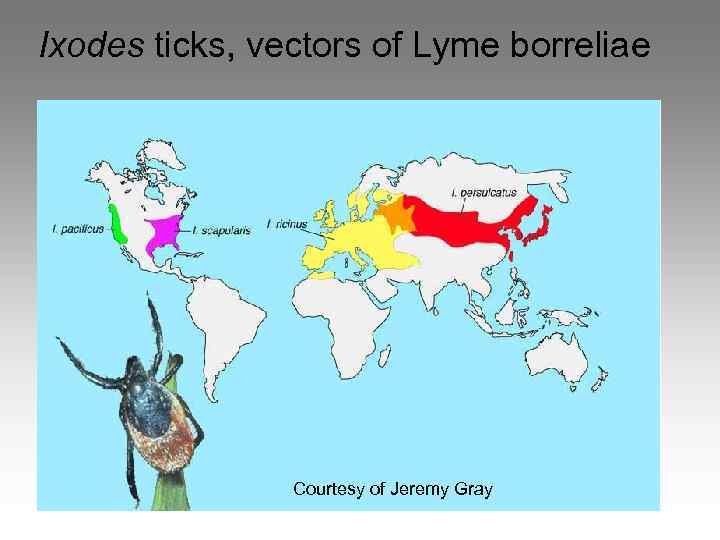 Ixodes ticks, vectors of Lyme borreliae Courtesy of Jeremy Gray
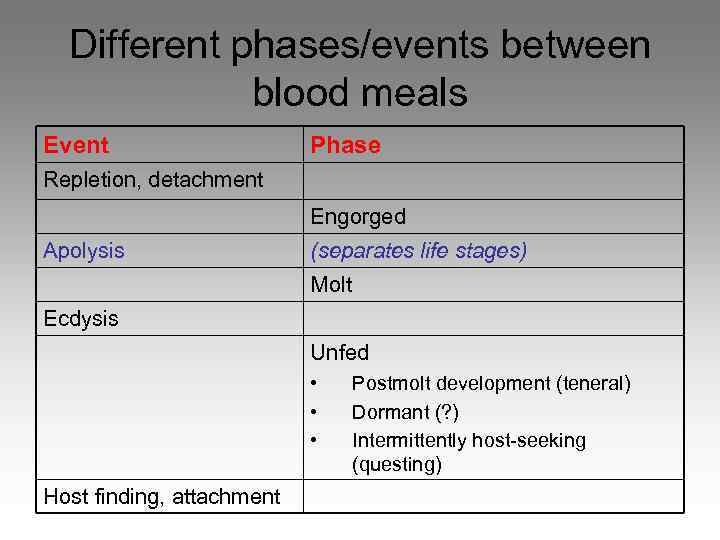
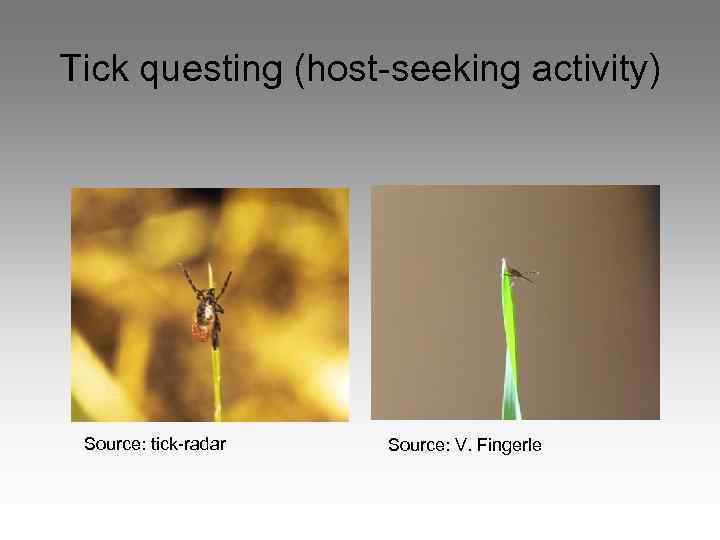 Tick questing (host-seeking activity) Source: tick-radar Source: V. Fingerle
 I. ricinus seasonal questing in central Europe (brief overview) • Larva: May to October • Nymph, adult: March to October/November but: • Seasonal pattern highly variable • Often strong short-term variation probably caused by weather
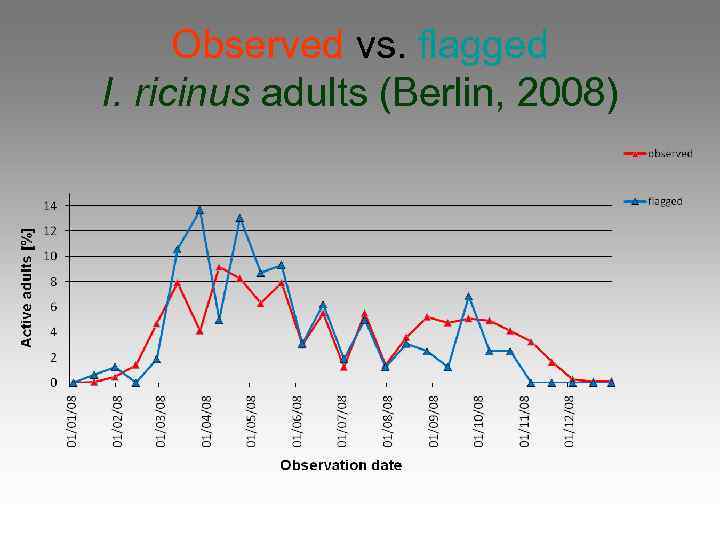
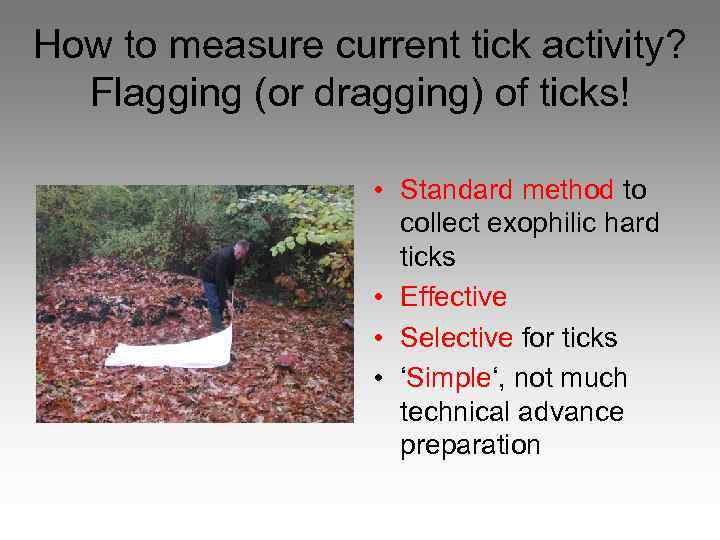 How to measure current tick activity? Flagging (or dragging) of ticks! • Standard method to collect exophilic hard ticks • Effective • Selective for ticks • ‘Simple‘, not much technical advance preparation
 Shortcomings and pitfalls of flagging • Results depend on personnel (experience, dedication); not an objective method • Results depend on kind of substrate (leaf litter, grass) • Results not reliable under wet and windy conditions • Long-term flagging studies need careful planning (many decisions to be made) – Teaching of personnel – Route or area to be defined (changing substrates during growing season!) – Intervals (!) and dates to be defined – Daytime of flagging to be defined –…
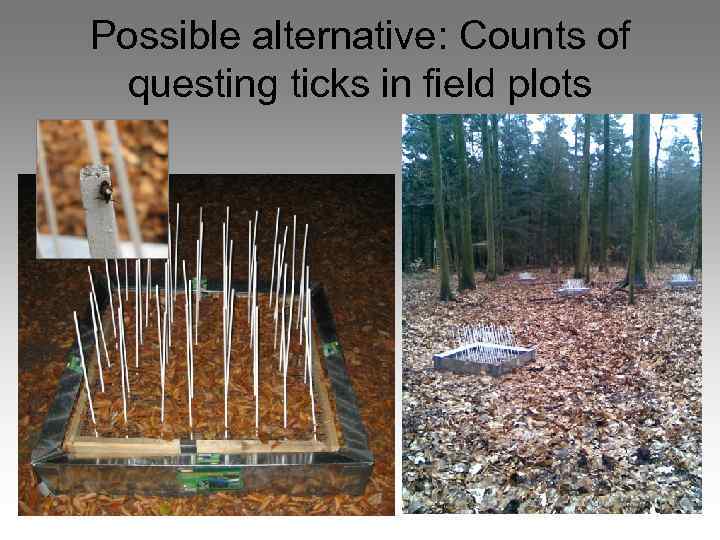 Possible alternative: Counts of questing ticks in field plots
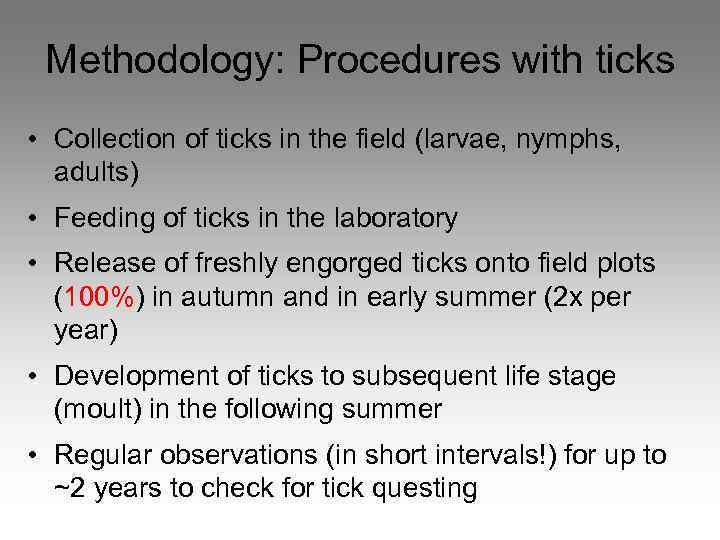 Methodology: Procedures with ticks • Collection of ticks in the field (larvae, nymphs, adults) • Feeding of ticks in the laboratory • Release of freshly engorged ticks onto field plots (100%) in autumn and in early summer (2 x per year) • Development of ticks to subsequent life stage (moult) in the following summer • Regular observations (in short intervals!) for up to ~2 years to check for tick questing
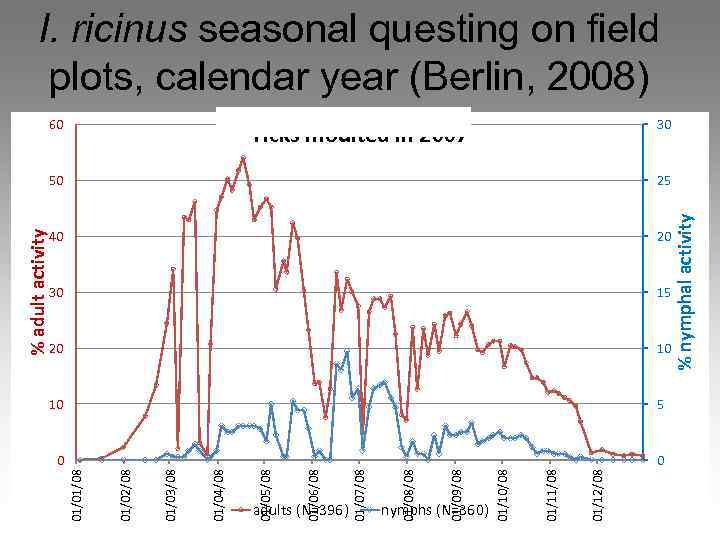 I. ricinus seasonal questing on field plots, calendar year (Berlin, 2008) 60 30 Ticks moulted in 2007 adults (N=396) nymphs (N=360) 01/12/08 % nymphal activity 0 01/11/08 0 01/10/08 5 01/09/08 10 01/08/08 10 01/07/08 20 01/06/08 15 01/05/08 30 01/04/08 20 01/03/08 40 01/02/08 25 01/01/08 % adult activity 50
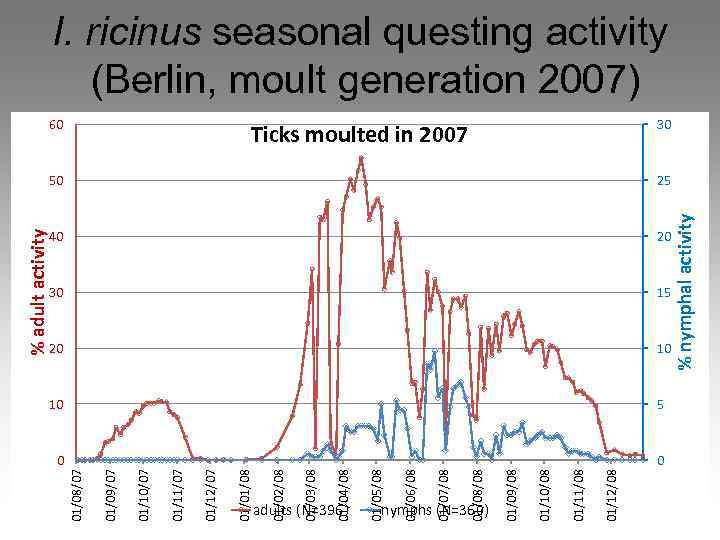 adults (N=396) 01/05/08 01/04/08 01/03/08 01/02/08 nymphs (N=360) 01/12/08 01/11/08 01/10/08 01/09/08 01/08/08 01/07/08 01/06/08 Ticks moulted in 2007 50 25 40 20 30 15 20 10 10 5 0 0 % nymphal activity 60 01/01/08 01/12/07 01/11/07 01/10/07 01/09/07 01/08/07 % adult activity I. ricinus seasonal questing activity (Berlin, moult generation 2007) 30
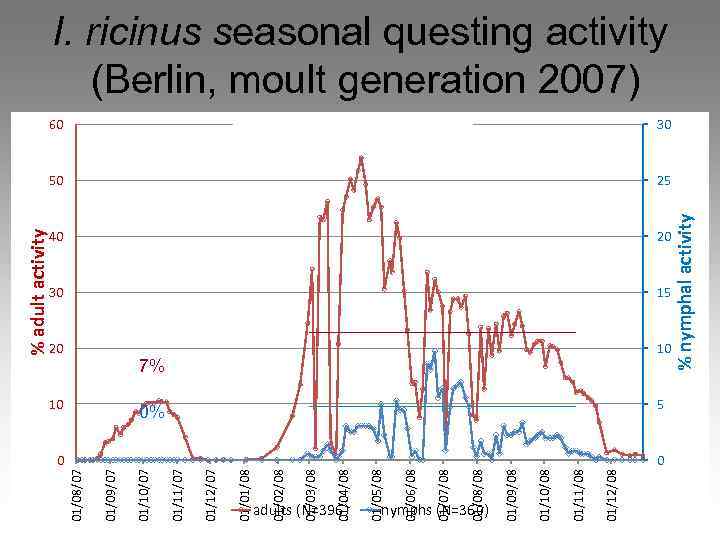 adults (N=396) 01/05/08 01/04/08 01/03/08 01/02/08 nymphs (N=360) 01/12/08 01/11/08 01/10/08 01/09/08 01/08/08 01/07/08 01/06/08 Ticks moulted in 2007 50 25 40 20 30 15 20 10 7% 0% 5 0 0 % nymphal activity 60 01/01/08 01/12/07 01/11/07 10 01/10/07 01/09/07 01/08/07 % adult activity I. ricinus seasonal questing activity (Berlin, moult generation 2007) 30
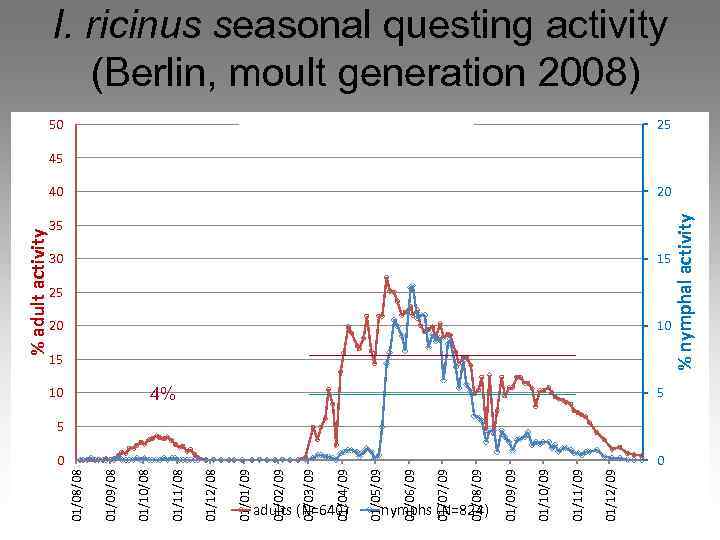 adults (N=640) 01/05/09 01/04/09 01/03/09 01/02/09 nymphs (N=824) 01/12/09 01/11/09 01/10/09 01/09/09 01/08/09 01/07/09 01/06/09 Ticks moulted in 2008 40 35 30 15 25 20 10 15 4% 5 5 0 0 % nymphal activity 50 01/01/09 01/12/08 01/11/08 10 01/10/08 01/09/08 01/08/08 % adult activity I. ricinus seasonal questing activity (Berlin, moult generation 2008) 25 45 20
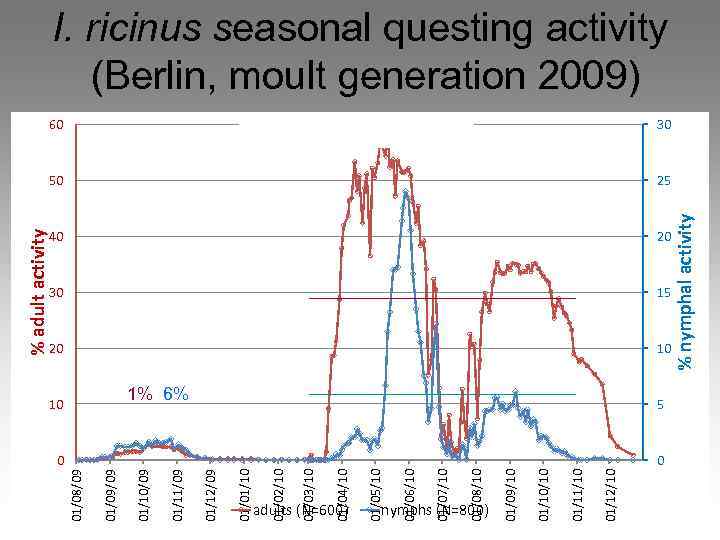 adults (N=600) 01/05/10 01/04/10 01/03/10 01/02/10 nymphs (N=800) 01/12/10 01/11/10 01/10/10 01/09/10 01/08/10 01/07/10 01/06/10 Ticks moulted in 2009 50 25 40 20 30 15 20 10 1% 6% 5 0 0 % nymphal activity 60 01/01/10 01/12/09 01/11/09 10 01/10/09 01/09/09 01/08/09 % adult activity I. ricinus seasonal questing activity (Berlin, moult generation 2009) 30
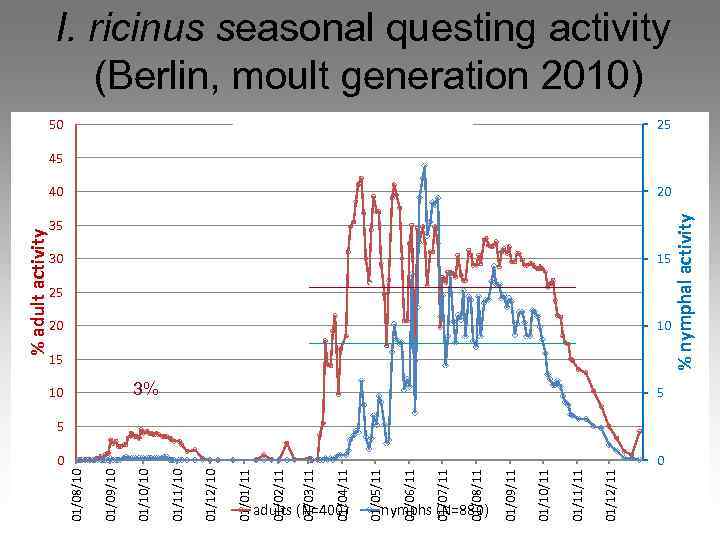 adults (N=400) 01/05/11 01/04/11 01/03/11 01/02/11 nymphs (N=880) 01/12/11 01/11/11 01/10/11 01/09/11 01/08/11 01/07/11 01/06/11 Ticks moulted in 2010 40 35 30 15 25 20 10 15 3% 5 5 0 0 % nymphal activity 50 01/01/11 01/12/10 01/11/10 10 01/10/10 01/09/10 01/08/10 % adult activity I. ricinus seasonal questing activity (Berlin, moult generation 2010) 25 45 20
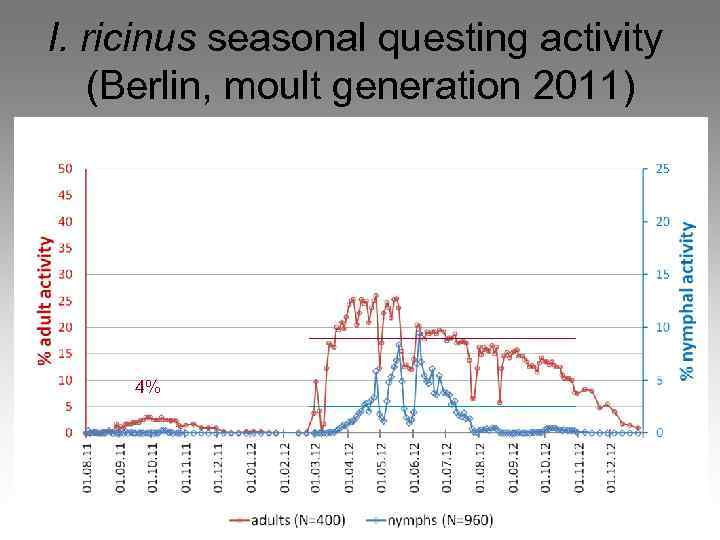 I. ricinus seasonal questing activity (Berlin, moult generation 2011) 4%
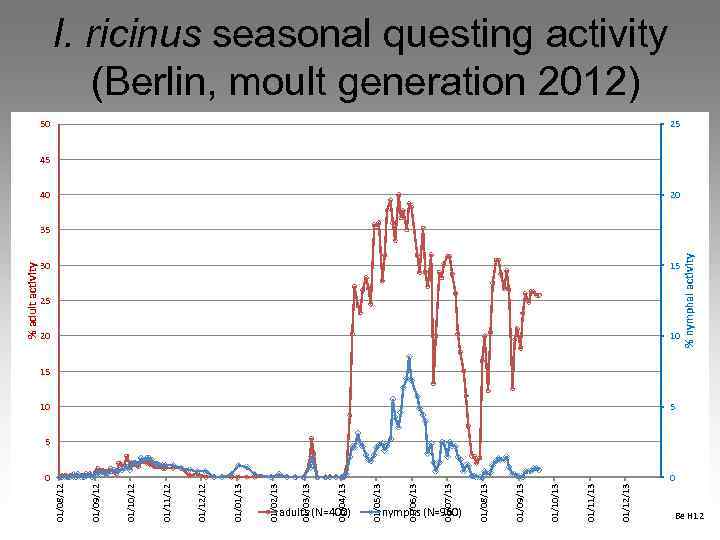 01/02/13 01/01/13 01/12/12 01/11/12 01/10/12 01/09/12 01/08/12 adults (N=400) 01/05/13 01/04/13 01/03/13 nymphs (N=960) 01/12/13 01/11/13 01/10/13 01/09/13 01/08/13 01/07/13 01/06/13 % adult activity 50 40 30 15 25 20 10 10 0 % nymphal activity I. ricinus seasonal questing activity (Berlin, moult generation 2012) 25 45 20 35 15 5 5 0 Be H 12
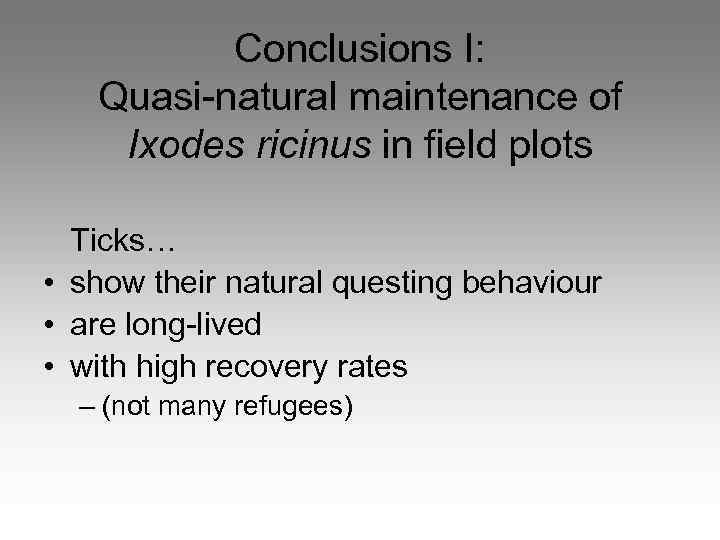 Conclusions I: Quasi-natural maintenance of Ixodes ricinus in field plots Ticks… • show their natural questing behaviour • are long-lived • with high recovery rates – (not many refugees)
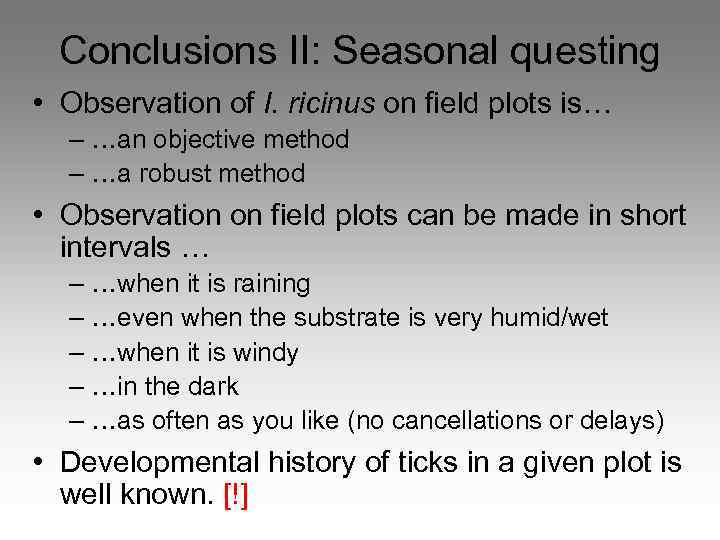 Conclusions II: Seasonal questing • Observation of I. ricinus on field plots is… – …an objective method – …a robust method • Observation on field plots can be made in short intervals … – …when it is raining – …even when the substrate is very humid/wet – …when it is windy – …in the dark – …as often as you like (no cancellations or delays) • Developmental history of ticks in a given plot is well known. [!]
 Germany 2012: an unusual tick year! Why? Our own observations in 2012: • Very low I. ricinus abundance in several areas of Germany based on – Counting of questing ticks on field plots – Flagging of questing ticks and – Information from colleagues
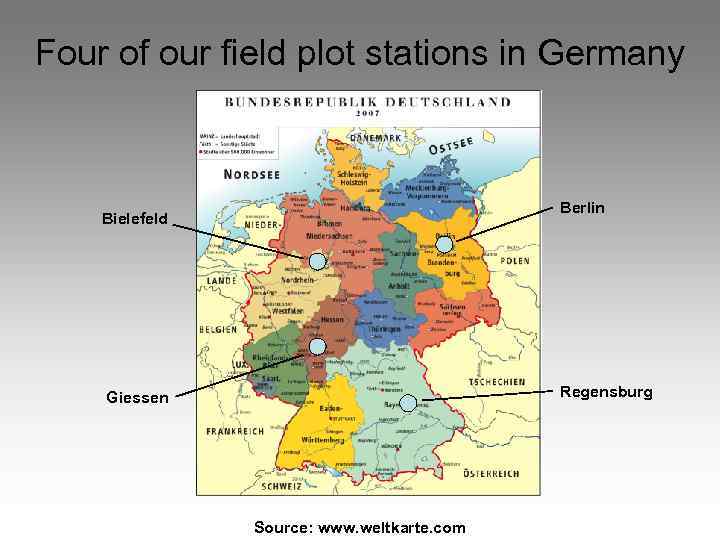 Four of our field plot stations in Germany Berlin Bielefeld Regensburg Giessen Source: www. weltkarte. com
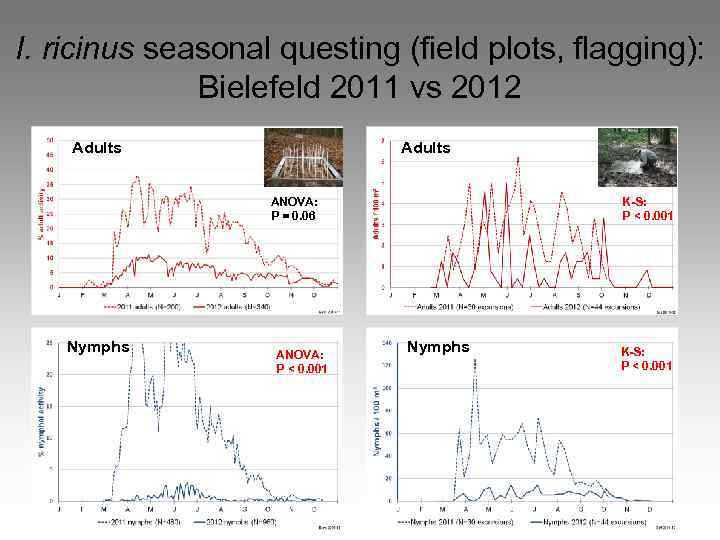 I. ricinus seasonal questing (field plots, flagging): Bielefeld 2011 vs 2012 Adults ANOVA: P = 0. 06 Nymphs ANOVA: P < 0. 001 K-S: P < 0. 001 Nymphs K-S: P < 0. 001
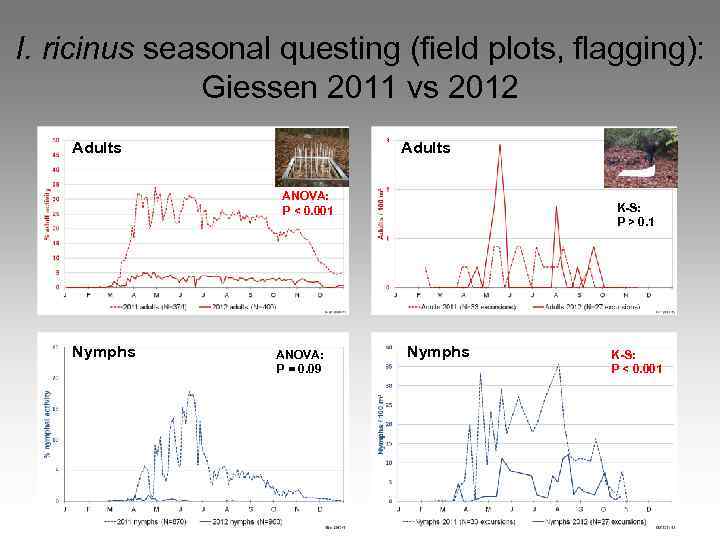 I. ricinus seasonal questing (field plots, flagging): Giessen 2011 vs 2012 Adults ANOVA: P < 0. 001 Nymphs ANOVA: P = 0. 09 K-S: P > 0. 1 Nymphs K-S: P < 0. 001
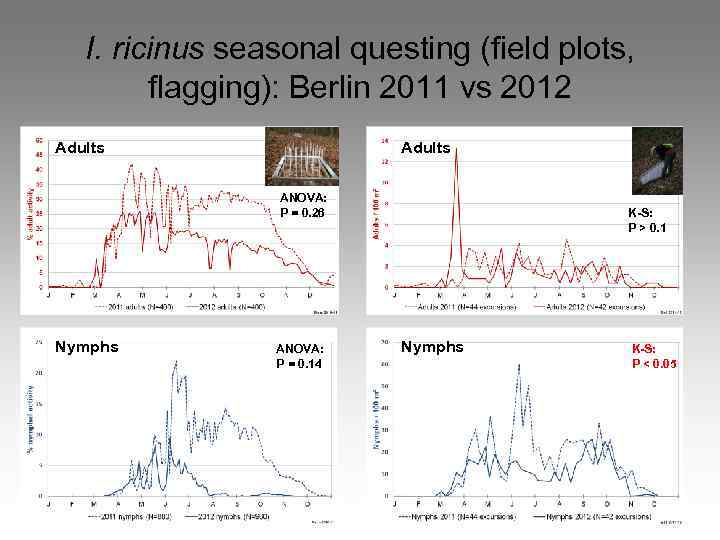 I. ricinus seasonal questing (field plots, flagging): Berlin 2011 vs 2012 Adults ANOVA: P = 0. 26 Nymphs ANOVA: P = 0. 14 K-S: P > 0. 1 Nymphs K-S: P < 0. 05
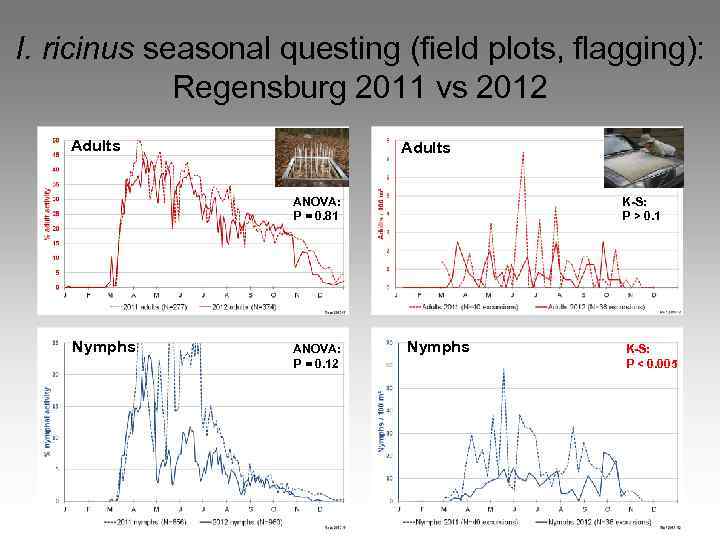 I. ricinus seasonal questing (field plots, flagging): Regensburg 2011 vs 2012 Adults ANOVA: P = 0. 81 Nymphs ANOVA: P = 0. 12 K-S: P > 0. 1 Nymphs K-S: P < 0. 005
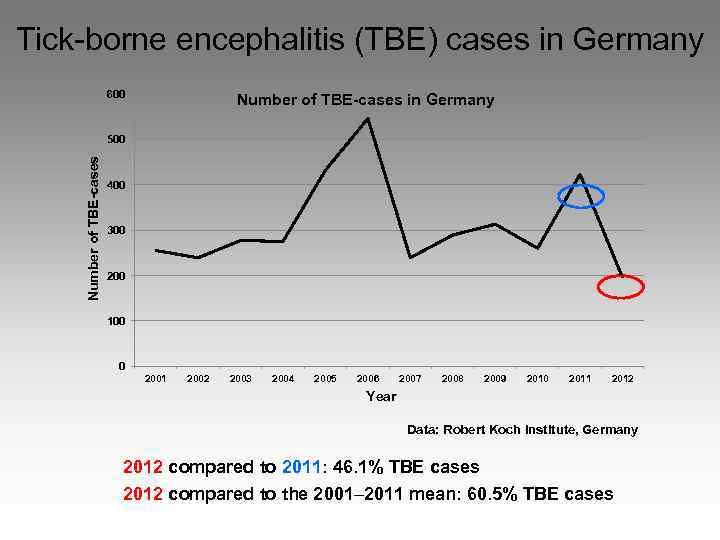 Tick-borne encephalitis (TBE) cases in Germany 600 Number of TBE-cases in Germany Number of TBE-cases 500 400 300 200 100 0 2001 2002 2003 2004 2005 2006 2007 2008 2009 2010 2011 2012 Year Data: Robert Koch Institute, Germany 2012 compared to 2011: 46. 1% TBE cases 2012 compared to the 2001– 2011 mean: 60. 5% TBE cases
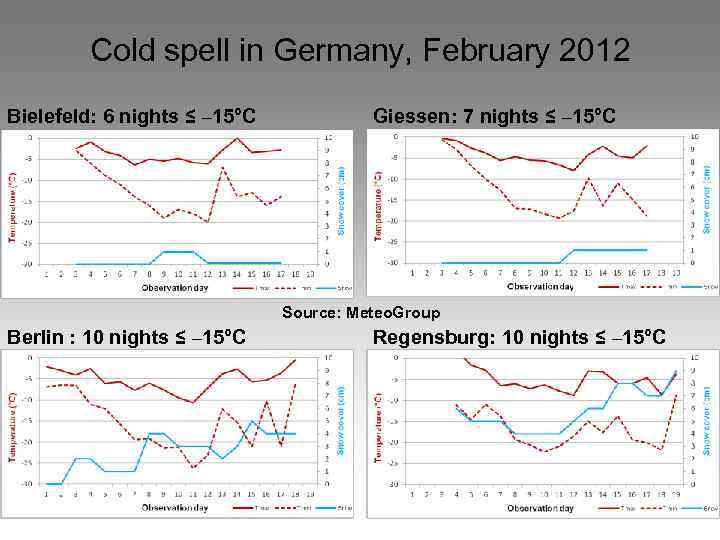 Cold spell in Germany, February 2012 Bielefeld: 6 nights ≤ – 15°C Giessen: 7 nights ≤ – 15°C Source: Meteo. Group Berlin : 10 nights ≤ – 15°C Regensburg: 10 nights ≤ – 15°C
 Hypothesis • There was an unusual cold spell in whole Germany in February 2012 in combination with a missing, a thin, or a moderate snow cover. This cold spell might have affected the survival/condition of overwintering unfed ticks and therefore also the overall level of questing in the subsequent growing season, especially in areas without a protecting snow cover during that period.
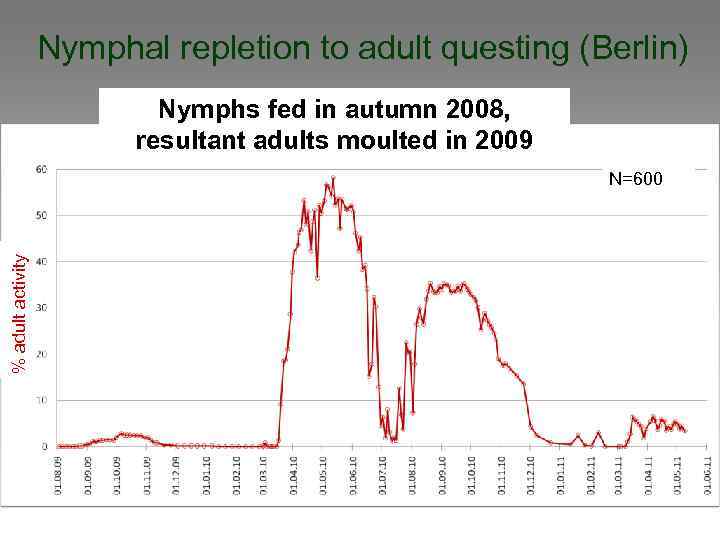
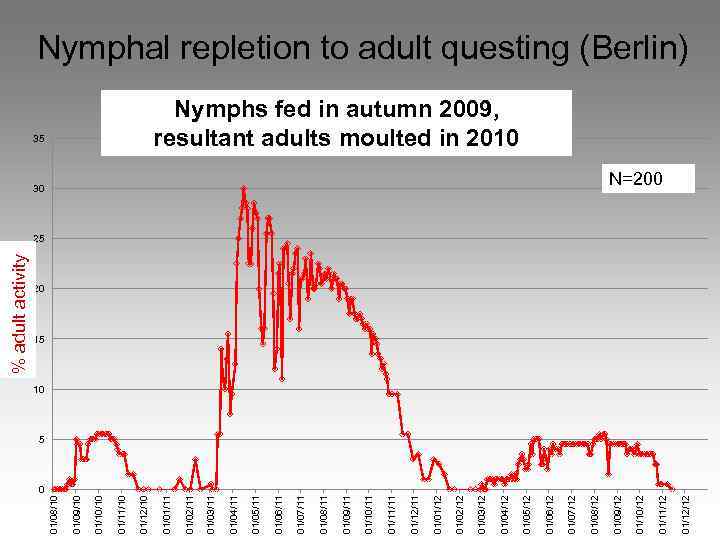 0 01/12/12 01/11/12 01/10/12 30 01/09/12 01/08/12 01/07/12 01/06/12 01/05/12 01/04/12 01/03/12 01/02/12 01/01/12/11 01/11/11 01/10/11 01/09/11 01/08/11 01/07/11 01/06/11 01/05/11 01/04/11 01/03/11 01/02/11 35 01/01/11 01/12/10 01/11/10 01/10/10 01/09/10 01/08/10 % % adult activity Nymphal repletion to adult questing (Berlin) Nymphs fed in autumn 2009, resultant adults moulted in 2010 N=200 25 20 15 10 5
 Life cycle of Ixodes ricinus – aims of the present investigation To determine … – Length (minimum, maximum) – Seasonality (flexibility/inflexibility) …of the different developmental phases under quasi-field conditions
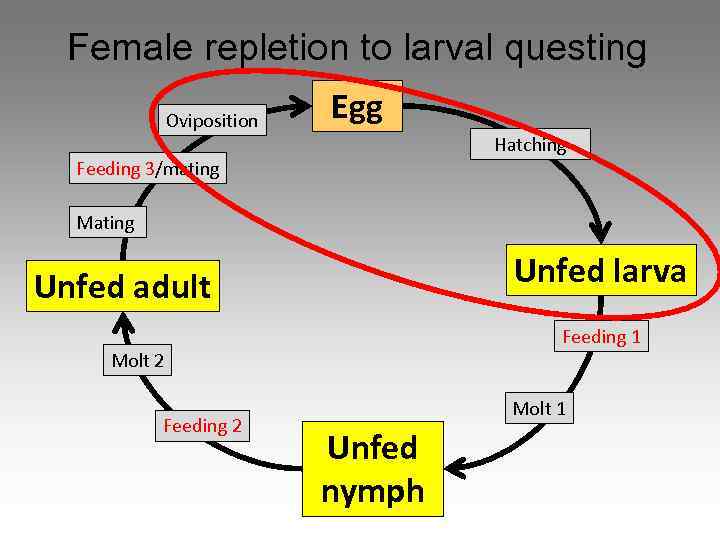 Female repletion to larval questing Oviposition Egg Hatching Feeding 3/mating Mating Unfed larva Unfed adult Feeding 1 Molt 2 Feeding 2 Molt 1 Unfed nymph
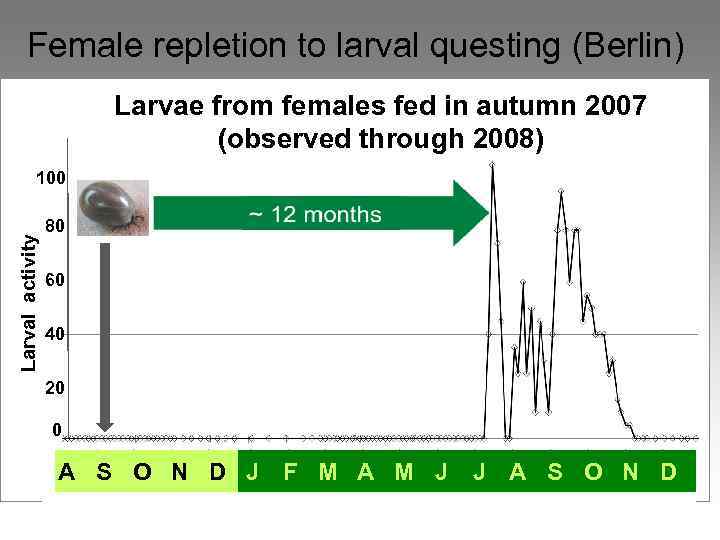 Female repletion to larval questing (Berlin) Larvae from females fed in autumn 2007 (observed through 2008) Larval activity 100 80 60 40 20 0 A S O N D J F M A M J J A S O N D
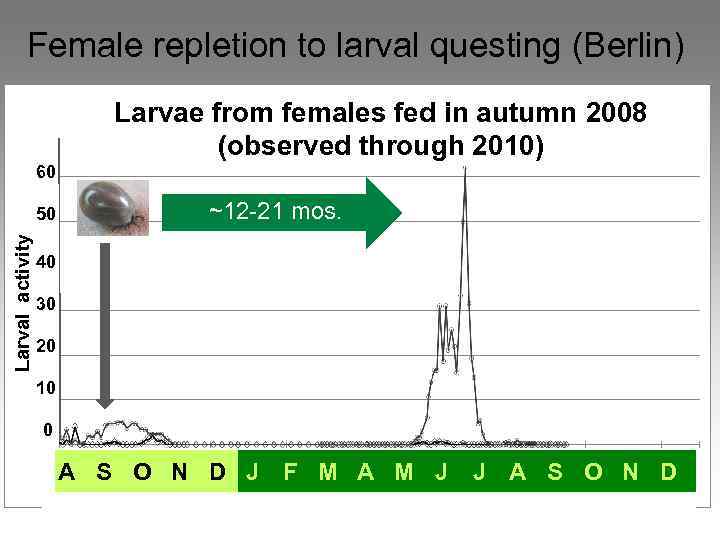 Female repletion to larval questing (Berlin) Larvae from females fed in autumn 2008 (observed through 2010) 60 Larval activity 50 ~12 -21 mos. 40 30 20 10 0 A S O N D J F M A M J J A S O N D
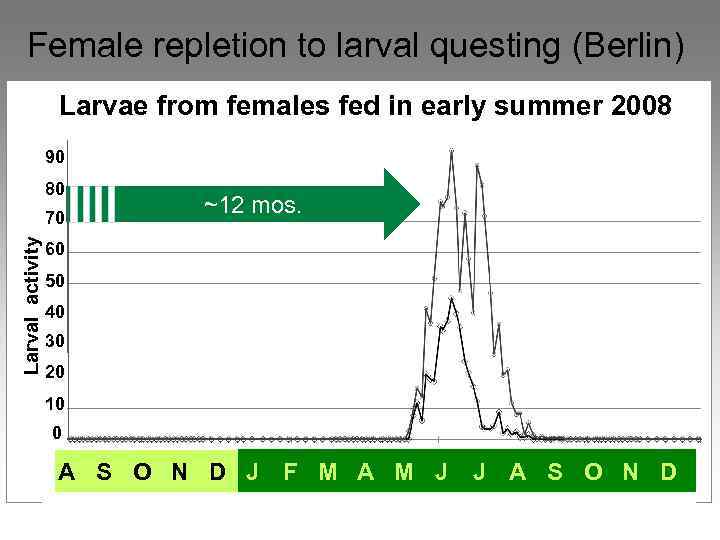 Female repletion to larval questing (Berlin) Larvae from females fed in early summer 2008 90 80 Larval activity 70 ~12 mos. 60 50 40 30 20 10 0 A S O N D J F M A M J J A S O N D
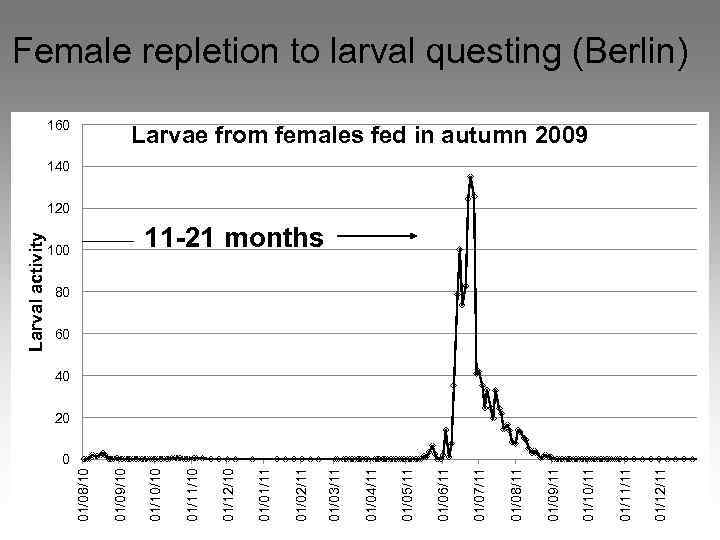
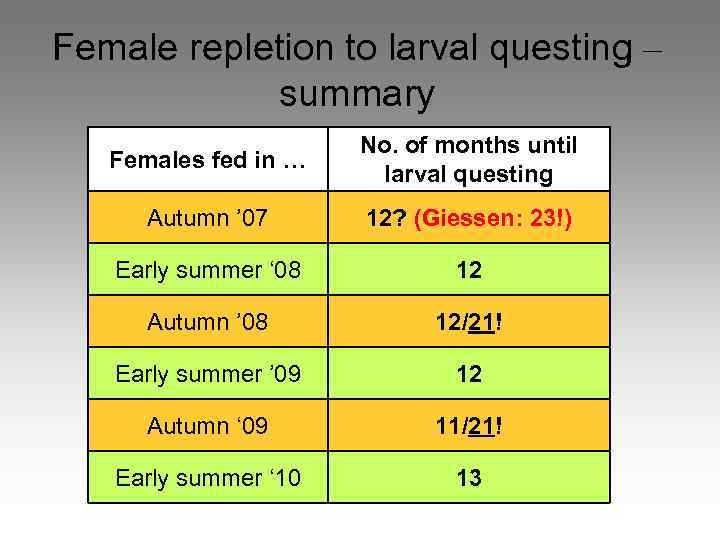 Female repletion to larval questing – summary Females fed in … No. of months until larval questing Autumn ’ 07 12? (Giessen: 23!) Early summer ‘ 08 12 Autumn ’ 08 12/21! Early summer ’ 09 12 Autumn ‘ 09 11/21! Early summer ‘ 10 13
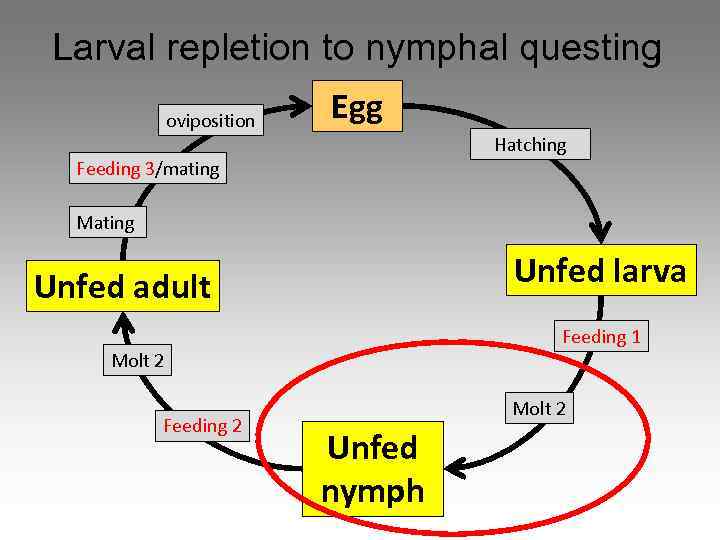 Larval repletion to nymphal questing oviposition Egg Hatching Feeding 3/mating Mating Unfed larva Unfed adult Feeding 1 Molt 2 Feeding 2 Molt 2 Unfed nymph
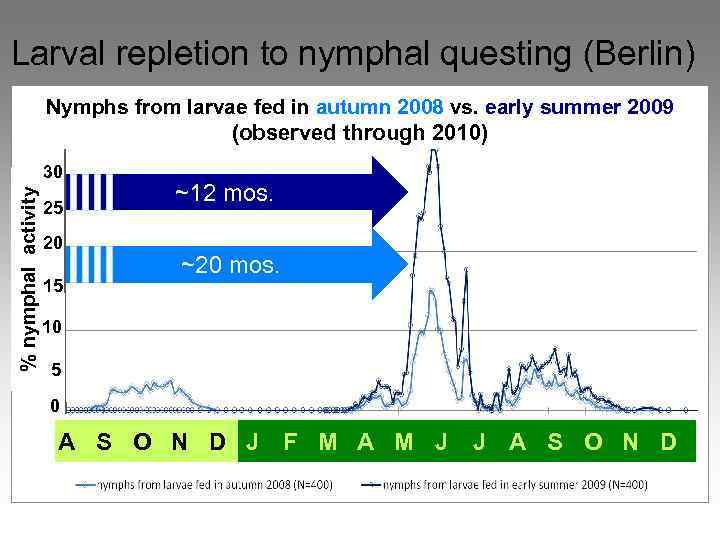 Larval repletion to nymphal questing (Berlin) Nymphs from larvae fed in autumn 2008 vs. early summer 2009 (observed through 2010) 35 % nymphal activity 30 25 20 15 ~12 mos. ~20 mos. 10 5 0 A S O N D J F M A M J J A S O N D
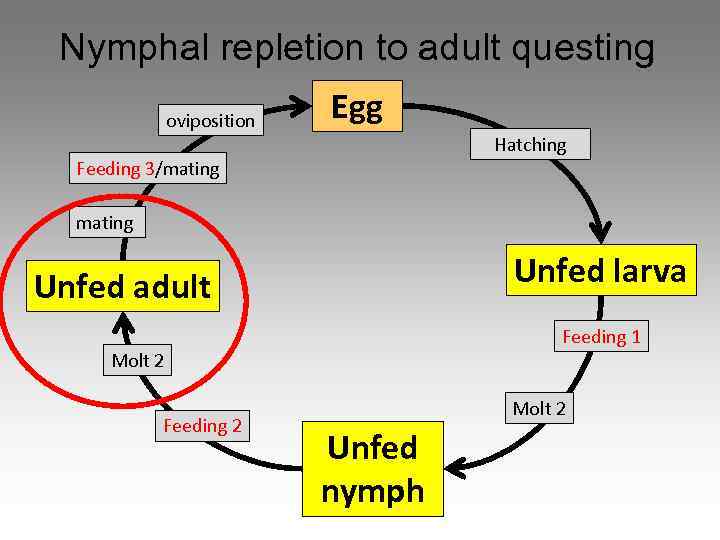 Nymphal repletion to adult questing oviposition Egg Hatching Feeding 3/mating Unfed larva Unfed adult Feeding 1 Molt 2 Feeding 2 Molt 2 Unfed nymph
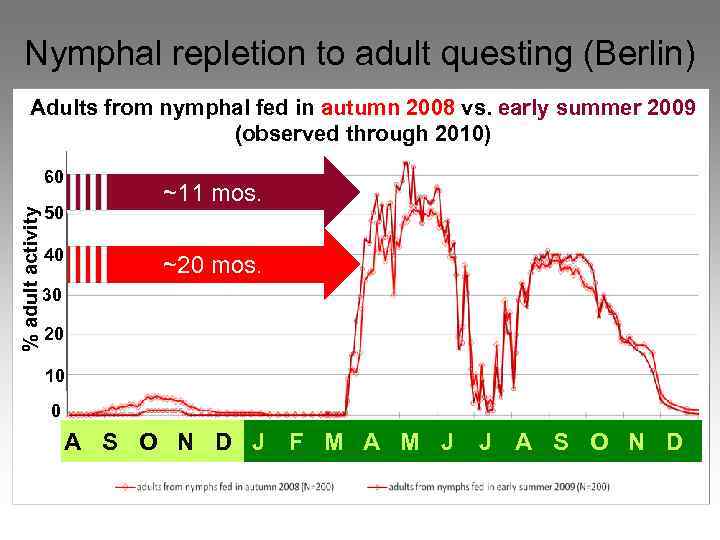 Nymphal repletion to adult questing (Berlin) Adults from nymphal fed in autumn 2008 vs. early summer 2009 70 (observed through 2010) % adult activity 60 50 40 ~11 mos. ~20 mos. 30 20 10 0 A S O N D J F M A M J J A S O N D
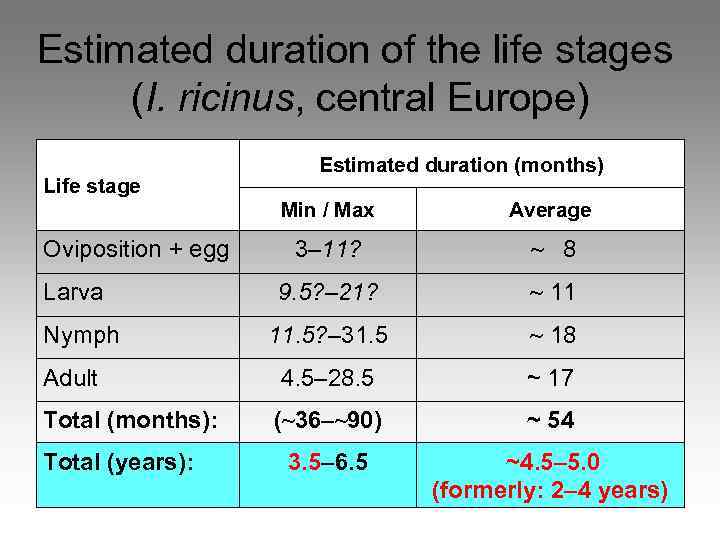 Estimated duration of the life stages (I. ricinus, central Europe) Life stage Estimated duration (months) Min / Max Average 3– 11? ~ 8 9. 5? – 21? ~ 11 11. 5? – 31. 5 ~ 18 Adult 4. 5– 28. 5 ~ 17 Total (months): (~36–~90) ~ 54 3. 5– 6. 5 ~4. 5– 5. 0 (formerly: 2– 4 years) Oviposition + egg Larva Nymph Total (years):
 Conclusions • Work with ticks in field plots gives new essential biological information (complementary to flagging). • Excellent tick survival and recovery rate • Developmental history of ticks is known. What did we learn so far? • Life cycle of I. ricinus seems distinctly longer than previously assumed (~4. 5 [3. 5– 6. 5] years). • Interval from female repletion to larval questing can be astonishingly long (~10 up to ~23 months). • Some I. ricinus are able to survive 3 winters after their nymphal blood meal without any additional feeding.
 Acknowledgements • … the Federal Environment Ministry (Germany) for financial support (project no. 3711 48 402) • … many busy helpers in the field! • OK is a member of ESGBOR (ESCMID Study group for Lyme Borreliosis), a study group of the Europ. Soc. Clin. Microbiol. Infect. Dis. Спасибо … for your kind attention!

 01/12/11 01/11/11 01/10/11 01/09/11 01/08/11 01/07/11 01/06/11 01/05/11 01/04/11 01/03/11 01/02/11 01/01/11 01/12/10 100 01/11/10 160 01/10/10 01/09/10 01/08/10 Larval activity Female repletion to larval questing (Berlin) Larvae from females fed in autumn 2009 140 120 11 -21 months 80 60 40 20 0
 Observed vs. flagged I. ricinus adults (Berlin, 2008)
 www. zeckenwetter. de Regionalized tick activity forecasts over 3– 6 days • 6 regions • Tick locations – – – Berlin Bielefeld Gießen Jena Regensburg Stuttgart • PLZ-Tool • Tick app
 Different phases/events between blood meals Event Phase Repletion, detachment Engorged Apolysis (separates life stages) Molt Ecdysis Unfed • • • Host finding, attachment Postmolt development (teneral) Dormant (? ) Intermittently host-seeking (questing)
 Nymphal repletion to adult questing (Berlin) Nymphs fed in autumn 2008, resultant adults moulted in 2009 % adult activity N=600