


 Скачать презентацию London Underground ü London Underground — the
London Underground.pptx
- Количество слайдов: 14
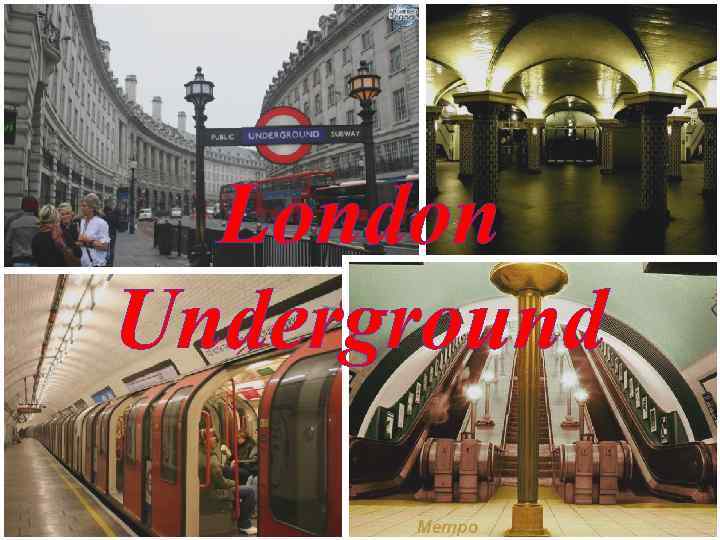 London Underground
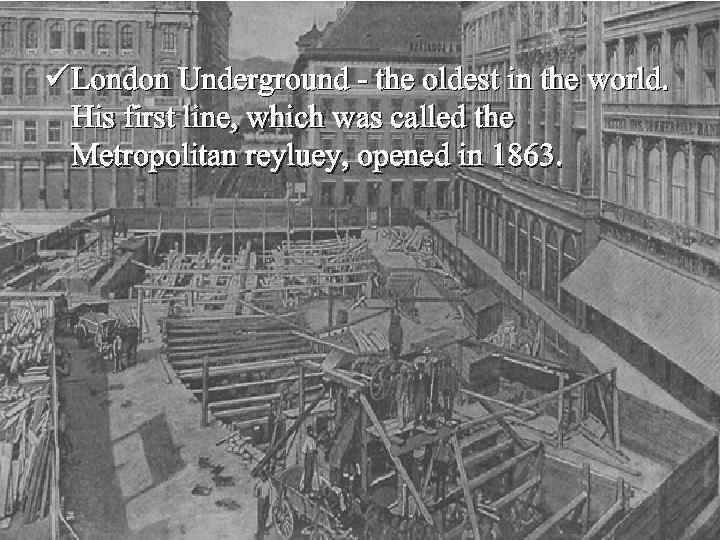 ü London Underground - the oldest in the world. His first line, which was called the Metropolitan reyluey, opened in 1863.
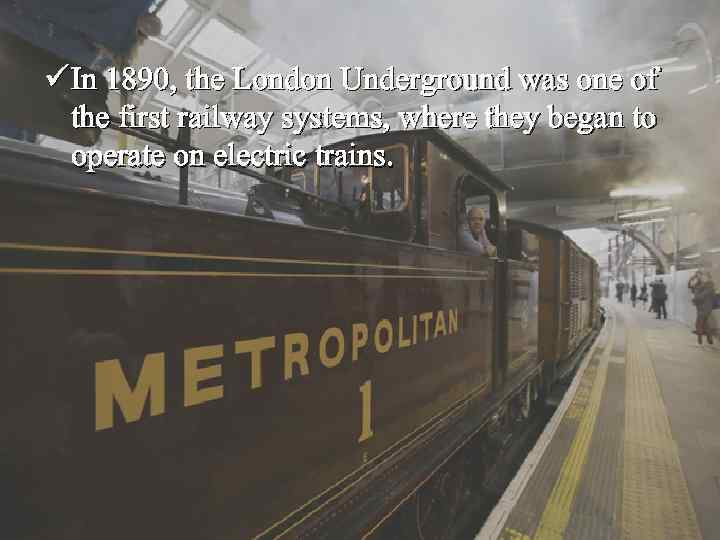 ü In 1890, the London Underground was one of the first railway systems, where they began to operate on electric trains.
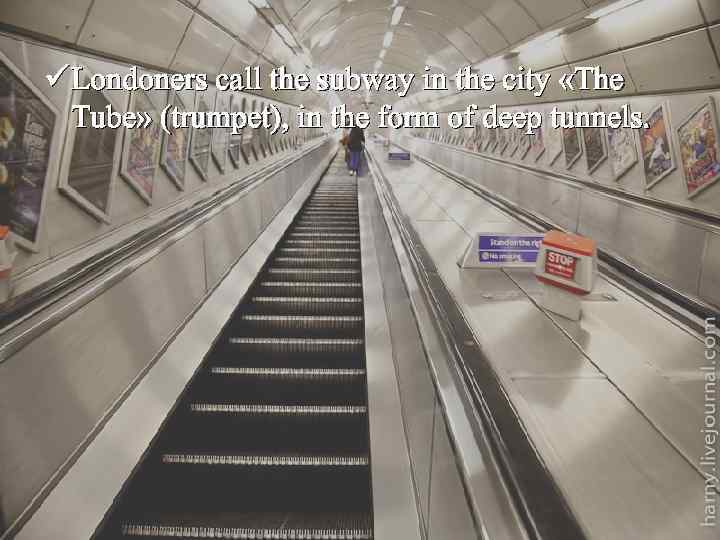 ü Londoners call the subway in the city «The Tube» (trumpet), in the form of deep tunnels.
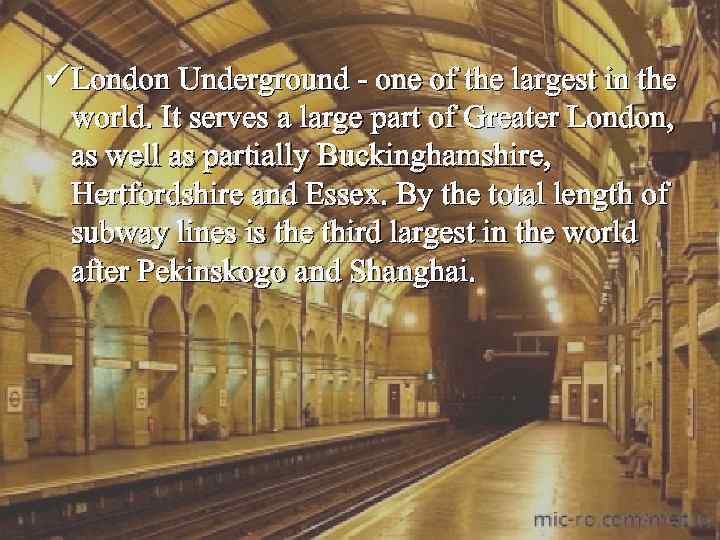 ü London Underground - one of the largest in the world. It serves a large part of Greater London, as well as partially Buckinghamshire, Hertfordshire and Essex. By the total length of subway lines is the third largest in the world after Pekinskogo and Shanghai.
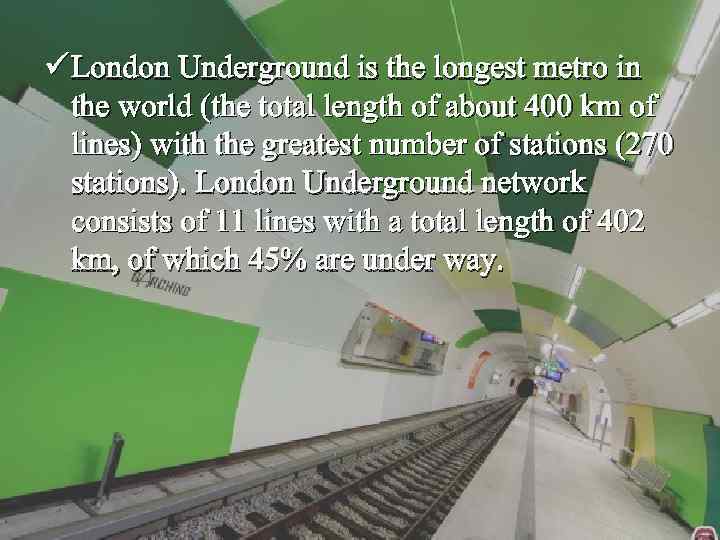 ü London Underground is the longest metro in the world (the total length of about 400 km of lines) with the greatest number of stations (270 stations). London Underground network consists of 11 lines with a total length of 402 km, of which 45% are under way.
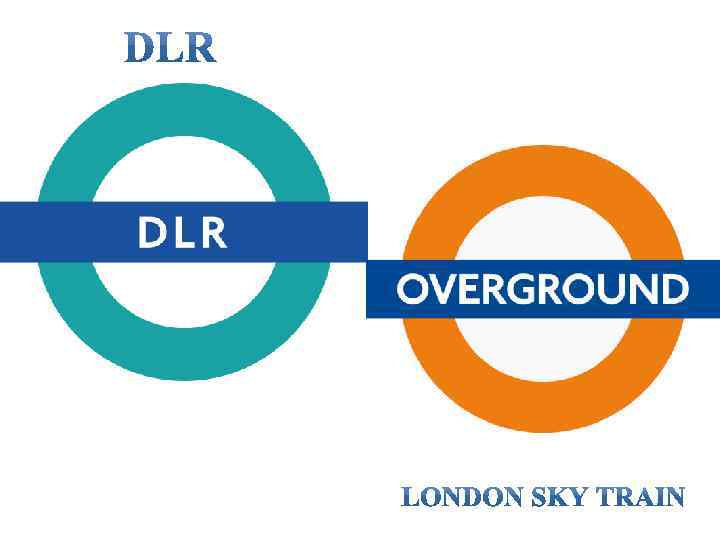
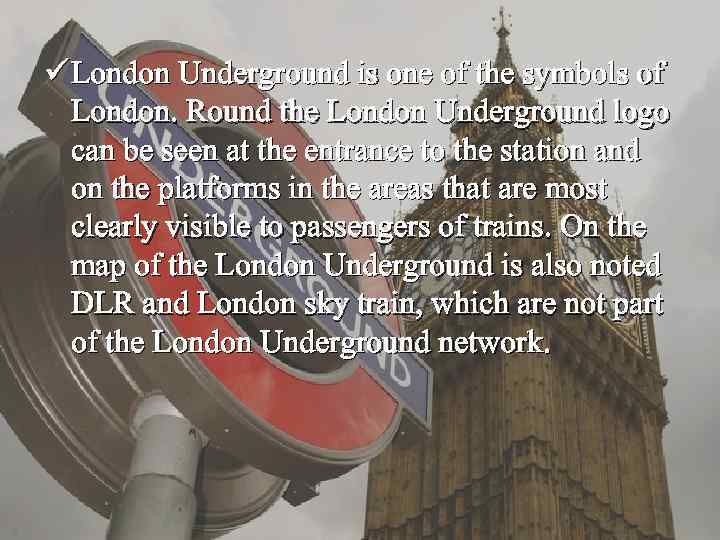 ü London Underground is one of the symbols of London. Round the London Underground logo can be seen at the entrance to the station and on the platforms in the areas that are most clearly visible to passengers of trains. On the map of the London Underground is also noted DLR and London sky train, which are not part of the London Underground network.
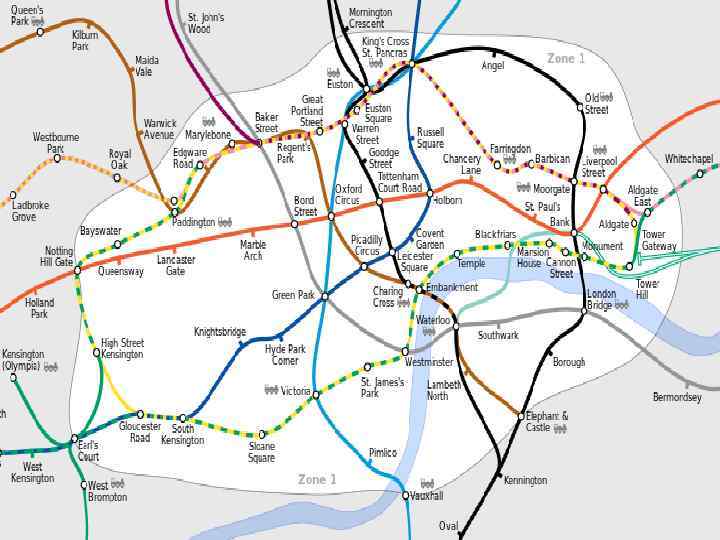
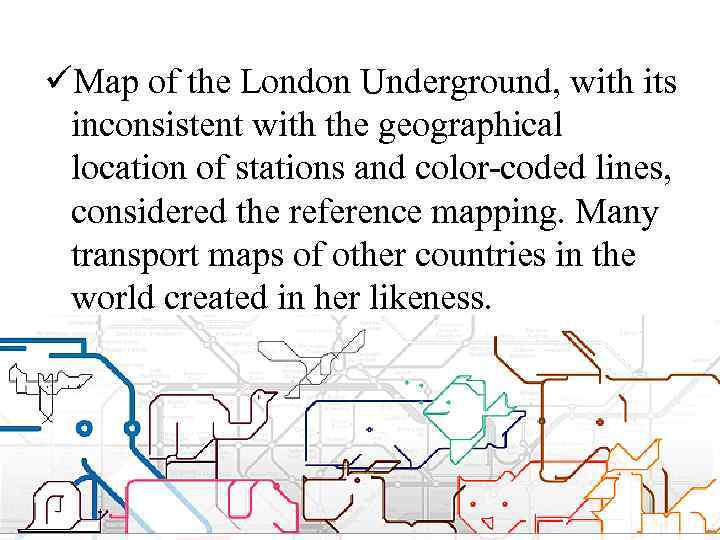 üMap of the London Underground, with its inconsistent with the geographical location of stations and color-coded lines, considered the reference mapping. Many transport maps of other countries in the world created in her likeness.
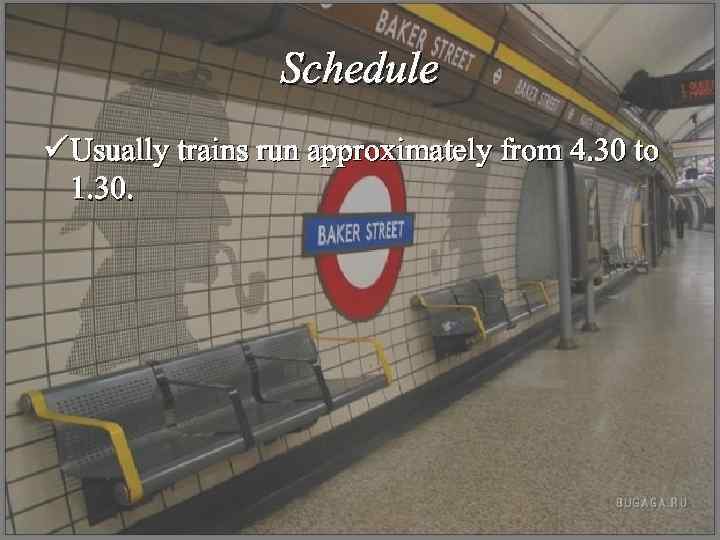 Schedule ü Usually trains run approximately from 4. 30 to 1. 30.
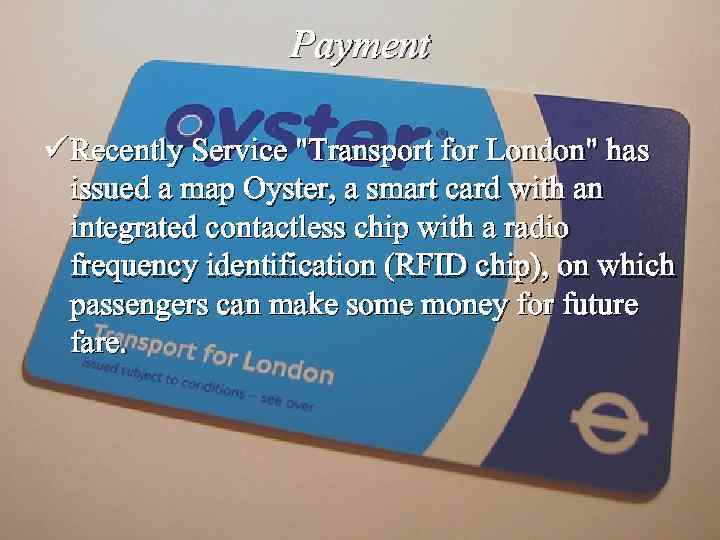 Payment ü Recently Service "Transport for London" has issued a map Oyster, a smart card with an integrated contactless chip with a radio frequency identification (RFID chip), on which passengers can make some money for future fare.
 Facts about the subway ü The longest direct ride in the subway - 54. 9 km from the station. West Raislip to the station. Epping on the Central line takes 1 hour 28 minutes. ü The largest distance between stations is 6. 26 km long, between Chalfont-and-Latimer and Chesham on the Metropolitan line. ü The smallest distance between stations is 260 m between Leicester Square and Covent Garden on the Piccadilly line. ü The shortest escalator, a length of 4 m, at Stratford Station. ü The longest escalator, a length of 60 m, the station Angel. ü The deepest lift shaft - 55 m, at the Hampstead station. ü The deepest station - Hampstead, at the depth of 59 m below street level.
 Facts about the subway ü At the lower depths of the stations of deep foundation lies art. Redbridge (7. 9 m). ü At the highest altitude above sea level is located Amersham station (150 m). ü The highest point above the street level in the subway (18 m) is a viaduct Dolis Brook (Dollis Brook Viaduct), which is on the Northern Line between the stations of Mill Hill East (Mill Hill East) and Finchley Central. ü The most distant from the center of London Station Amersham, which is located at a distance of 38. 1 km from the junction of Charing Cross. ü The largest number of stations (60) on the District Line. ü The smallest number of stations (2) on the line to London Waterloo & City. ü Busiest station - Waterloo, passenger traffic for the year is 82 million people.