


 Скачать презентацию Literacy Health Communication Self-Management Dean Schillinger MD
7b21244a834bd309f00e56da9ea8a90d.ppt
- Количество слайдов: 59
 Literacy, Health Communication & Self-Management Dean Schillinger, MD UCSF Professor of Medicine in Residence Director, UCSF Center for Vulnerable Populations SF General Hospital Chief, California Diabetes Program CA Dept Public Health
 Objectives l l l Review statistics and definitions re literacy and 'health literacy' in US, especially public healthcare systems Describe research that shows associations b/w health literacy and health outcomes, with diabetes selfmanagement as exemplar Argue that health communication is partial mediator of this relationship, and share some practice-based research re health communication interventions
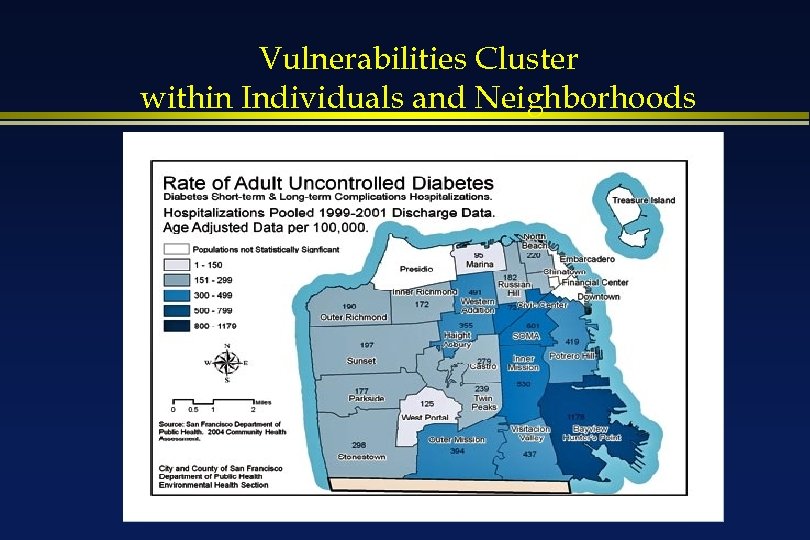 Vulnerabilities Cluster within Individuals and Neighborhoods
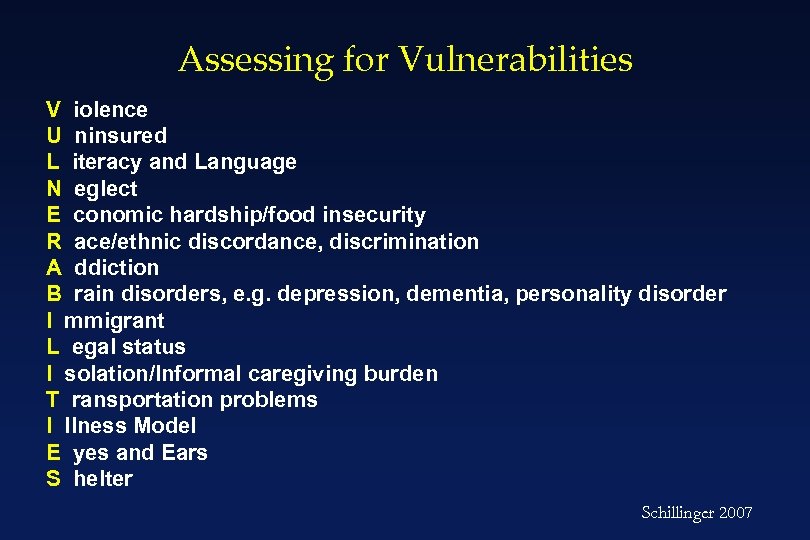 Assessing for Vulnerabilities V iolence U ninsured L iteracy and Language N eglect E conomic hardship/food insecurity R ace/ethnic discordance, discrimination A ddiction B rain disorders, e. g. depression, dementia, personality disorder I mmigrant L egal status I solation/Informal caregiving burden T ransportation problems I llness Model E yes and Ears S helter Schillinger 2007
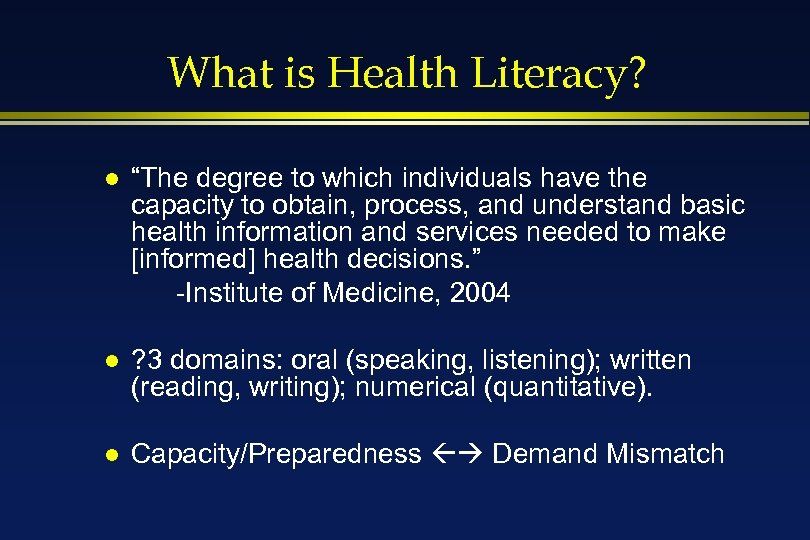 What is Health Literacy? l “The degree to which individuals have the capacity to obtain, process, and understand basic health information and services needed to make [informed] health decisions. ” -Institute of Medicine, 2004 l ? 3 domains: oral (speaking, listening); written (reading, writing); numerical (quantitative). l Capacity/Preparedness Demand Mismatch
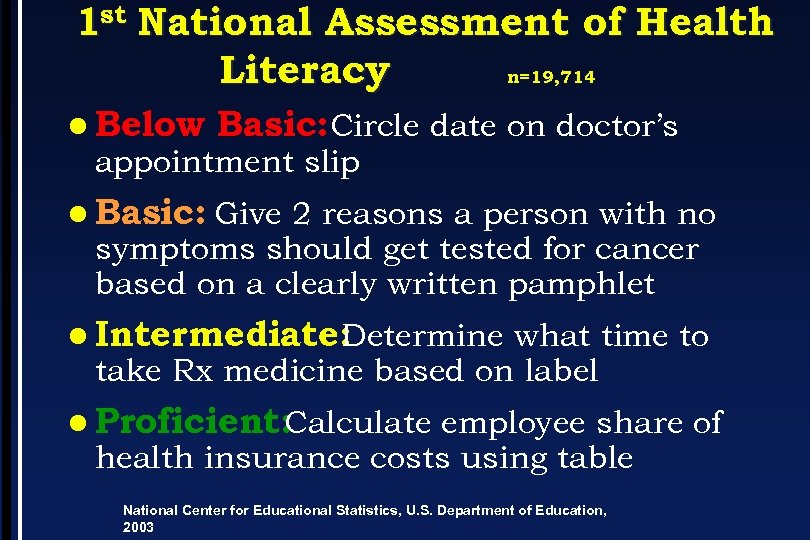 1 st National Assessment of Health Literacy n=19, 714 l Below Basic: Circle date on doctor’s appointment slip l Basic: Give 2 reasons a person with no symptoms should get tested for cancer based on a clearly written pamphlet l Intermediate: Determine what time to take Rx medicine based on label l Proficient: Calculate employee share of health insurance costs using table National Center for Educational Statistics, U. S. Department of Education, 2003
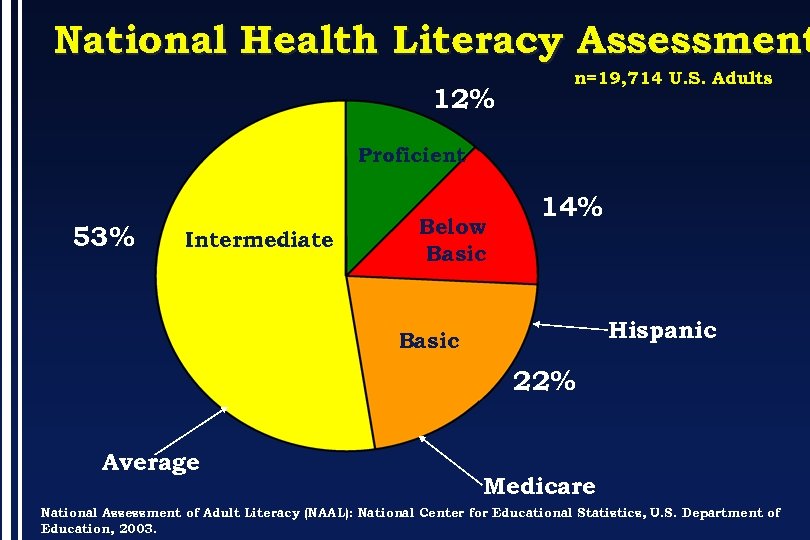 National Health Literacy Assessment 12% n=19, 714 U. S. Adults Proficient 53% Intermediate Below Basic 14% Hispanic Basic 22% Average Medicare National Assessment of Adult Literacy (NAAL): National Center for Educational Statistics, U. S. Department of Education, 2003.
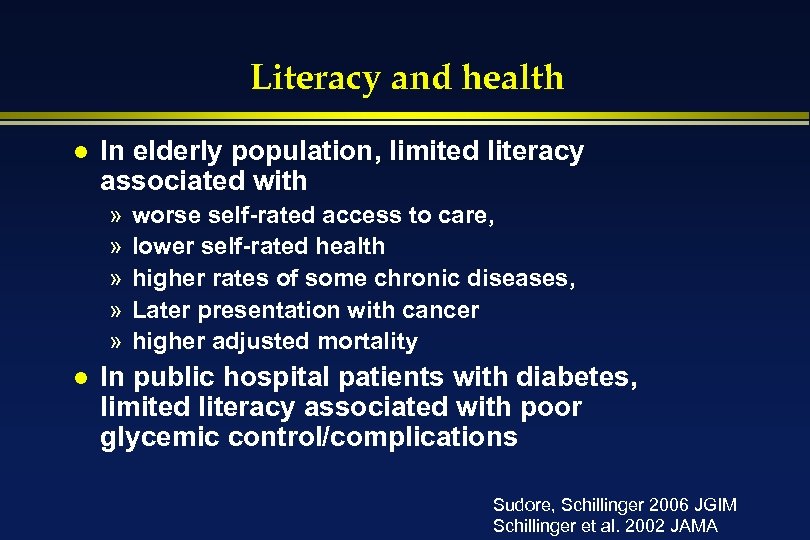 Literacy and health l In elderly population, limited literacy associated with » » » l worse self-rated access to care, lower self-rated health higher rates of some chronic diseases, Later presentation with cancer higher adjusted mortality In public hospital patients with diabetes, limited literacy associated with poor glycemic control/complications Sudore, Schillinger 2006 JGIM Schillinger et al. 2002 JAMA
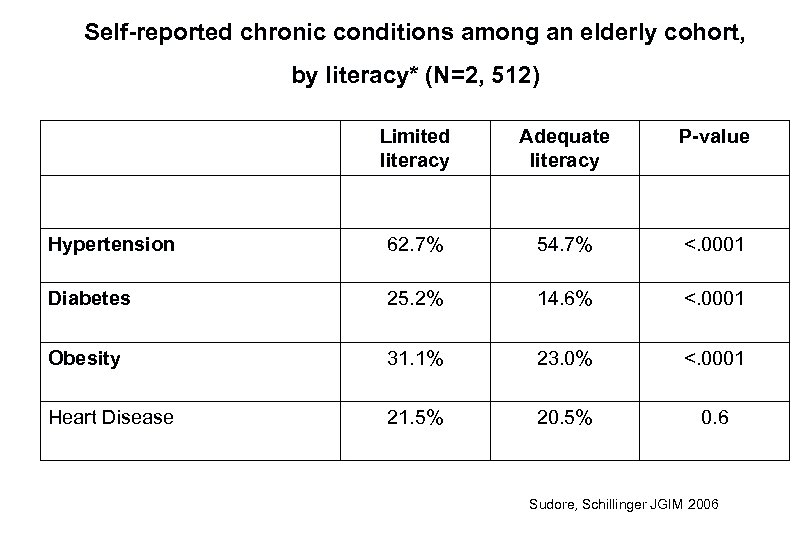 Self-reported chronic conditions among an elderly cohort, by literacy* (N=2, 512) Limited literacy Adequate literacy P-value Hypertension 62. 7% 54. 7% <. 0001 Diabetes 25. 2% 14. 6% <. 0001 Obesity 31. 1% 23. 0% <. 0001 Heart Disease 21. 5% 20. 5% 0. 6 Sudore, Schillinger JGIM 2006
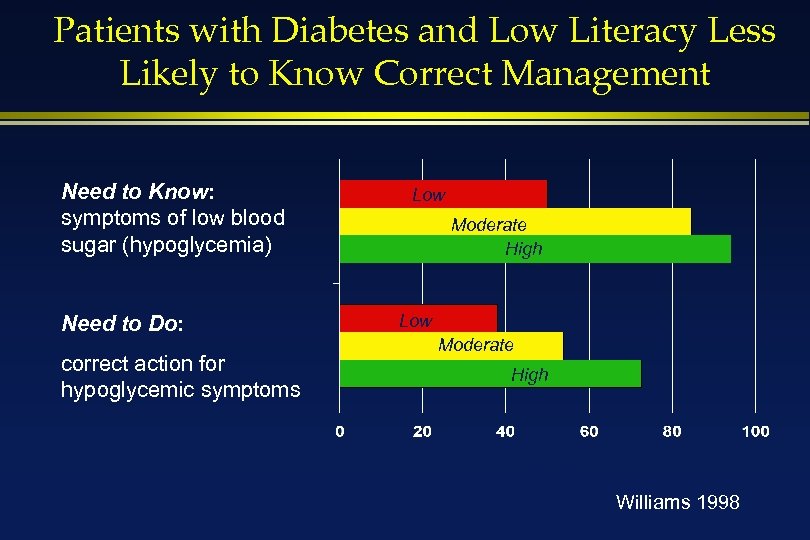 Patients with Diabetes and Low Literacy Less Likely to Know Correct Management Need to Know: symptoms of low blood sugar (hypoglycemia) Need to Do: correct action for hypoglycemic symptoms Low Moderate High Percent Williams 1998 *Williams et al. , Archive of Internal Medicine, 1998
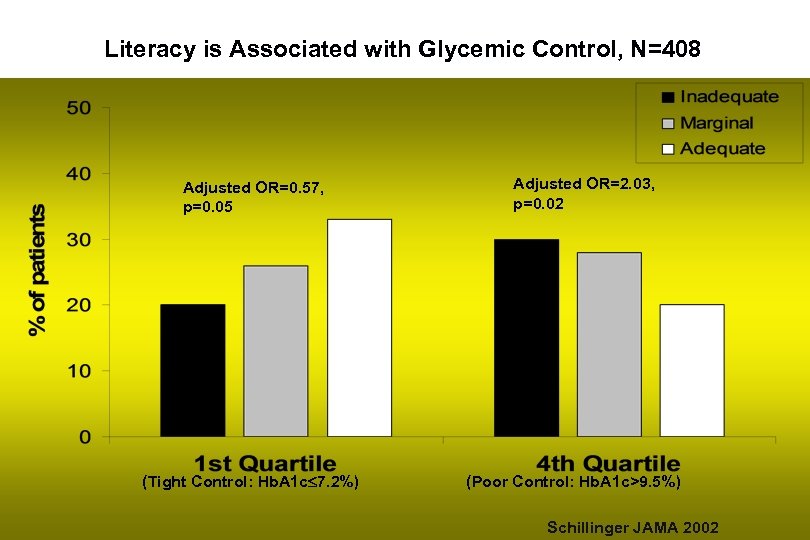 Literacy is Associated with Glycemic Control, N=408 Adjusted OR=0. 57, p=0. 05 (Tight Control: Hb. A 1 c 7. 2%) Adjusted OR=2. 03, p=0. 02 (Poor Control: Hb. A 1 c>9. 5%) Schillinger JAMA 2002
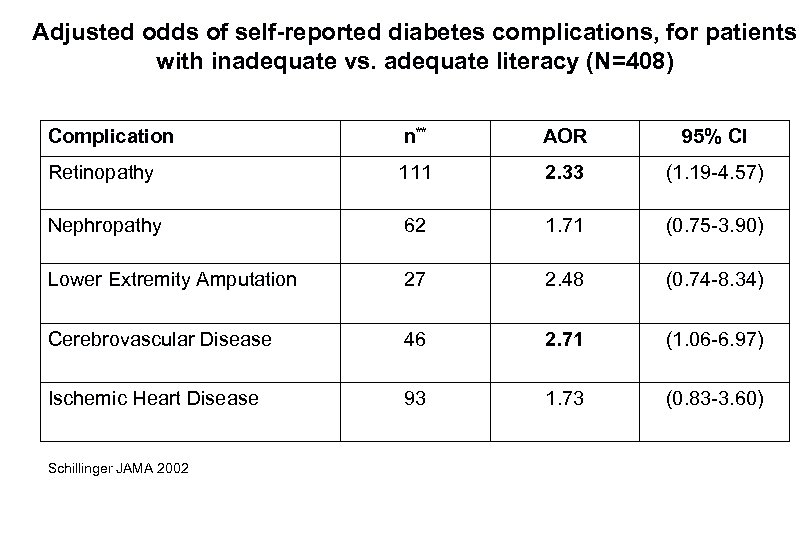 Adjusted odds of self-reported diabetes complications, for patients with inadequate vs. adequate literacy (N=408) Complication n** AOR 95% CI Retinopathy 111 2. 33 (1. 19 -4. 57) Nephropathy 62 1. 71 (0. 75 -3. 90) Lower Extremity Amputation 27 2. 48 (0. 74 -8. 34) Cerebrovascular Disease 46 2. 71 (1. 06 -6. 97) Ischemic Heart Disease 93 1. 73 (0. 83 -3. 60) Schillinger JAMA 2002
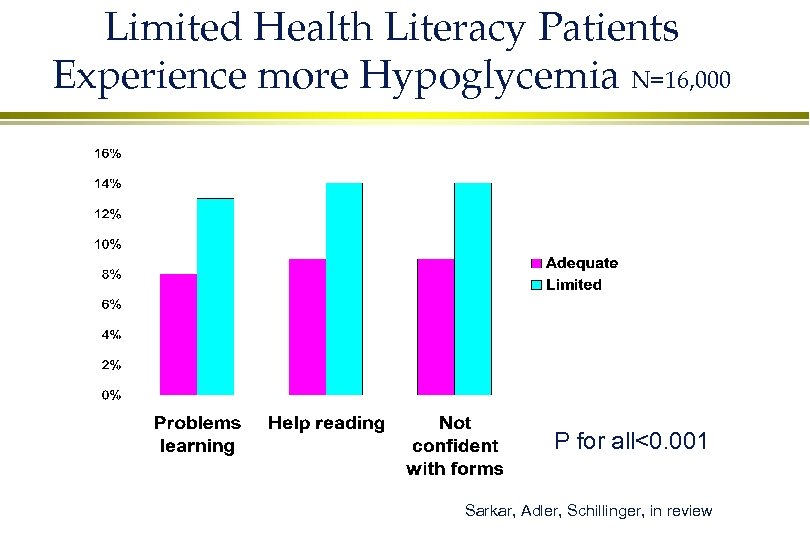 Limited Health Literacy Patients Experience more Hypoglycemia N=16, 000 P for all<0. 001 Sarkar, Adler, Schillinger, in review
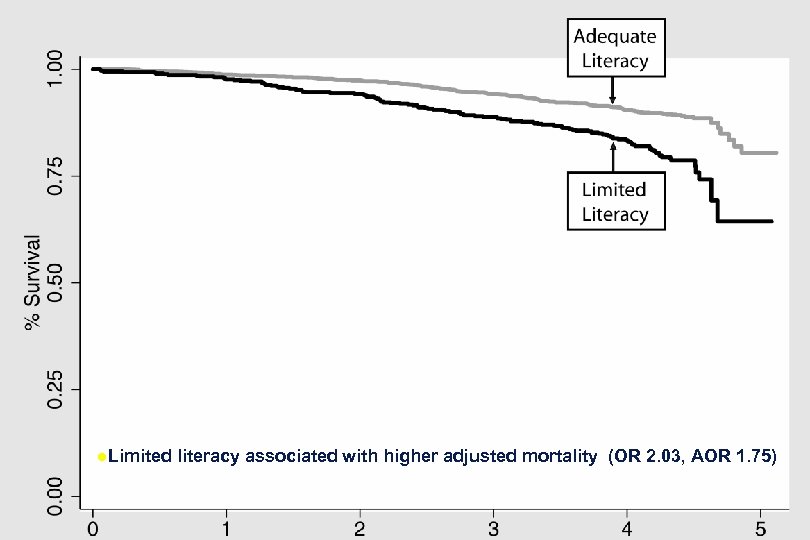 l. Limited literacy associated with higher adjusted mortality (OR 2. 03, AOR 1. 75)
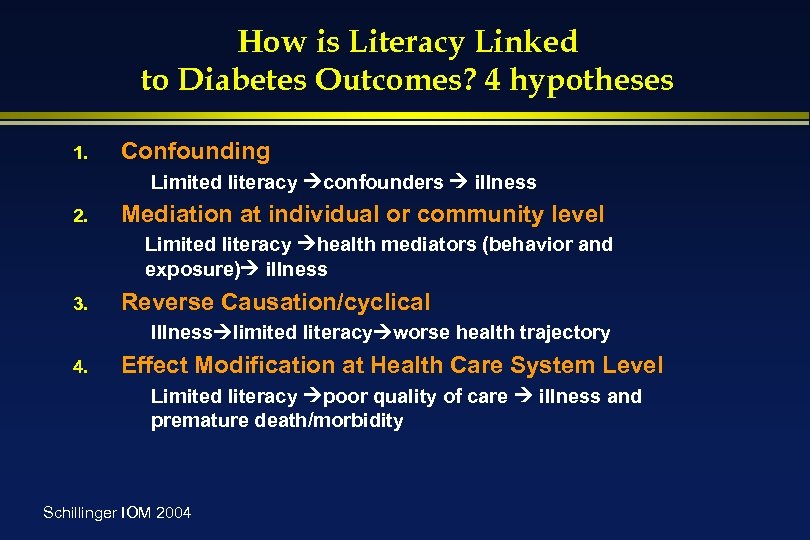 How is Literacy Linked to Diabetes Outcomes? 4 hypotheses 1. Confounding Limited literacy confounders illness 2. Mediation at individual or community level Limited literacy health mediators (behavior and exposure) illness 3. Reverse Causation/cyclical Illness limited literacy worse health trajectory 4. Effect Modification at Health Care System Level Limited literacy poor quality of care illness and premature death/morbidity Schillinger IOM 2004

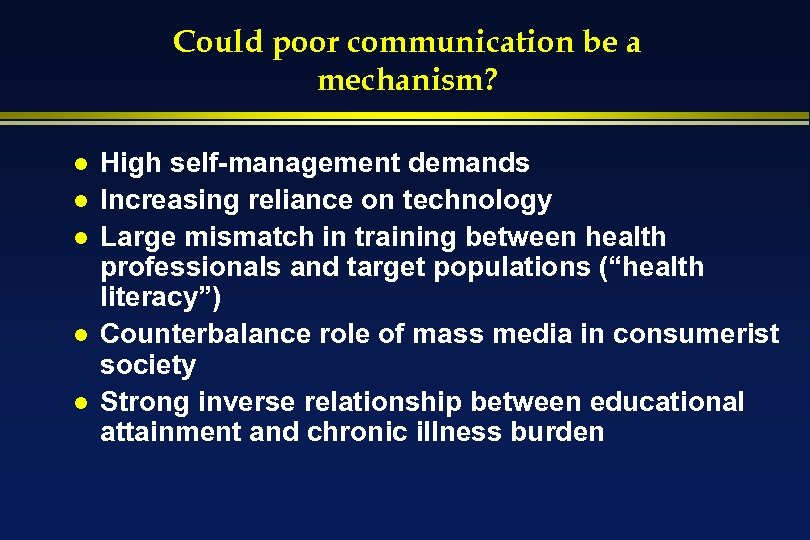 Could poor communication be a mechanism? l l l High self-management demands Increasing reliance on technology Large mismatch in training between health professionals and target populations (“health literacy”) Counterbalance role of mass media in consumerist society Strong inverse relationship between educational attainment and chronic illness burden
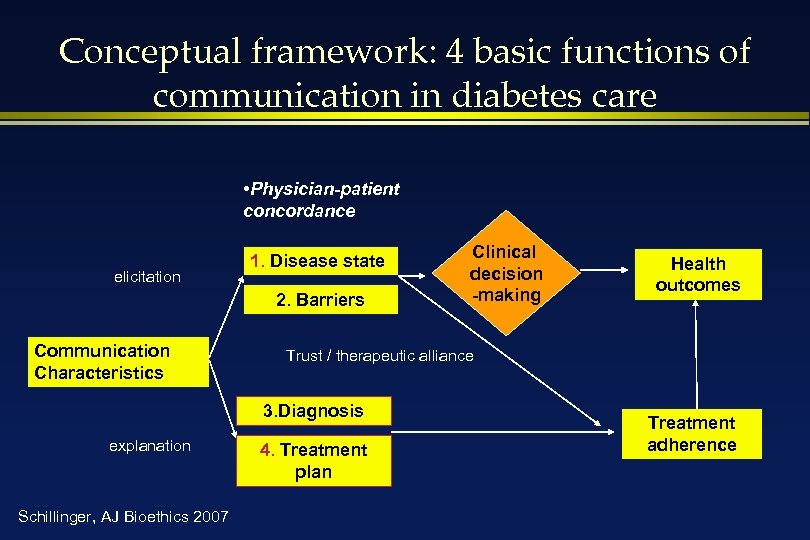 Conceptual framework: 4 basic functions of communication in diabetes care • Physician-patient concordance elicitation 1. Disease state 2. Barriers Communication Characteristics Schillinger, AJ Bioethics 2007 Health outcomes Trust / therapeutic alliance 3. Diagnosis explanation Clinical decision -making 4. Treatment plan Treatment adherence
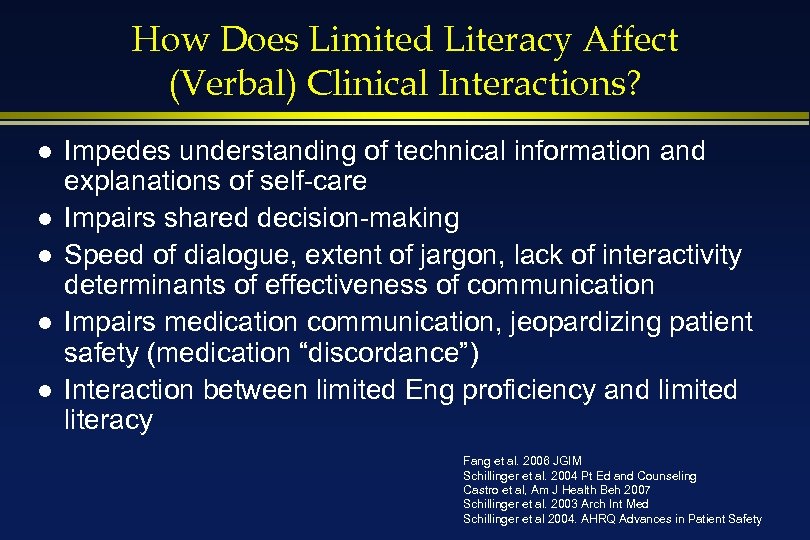 How Does Limited Literacy Affect (Verbal) Clinical Interactions? l l l Impedes understanding of technical information and explanations of self-care Impairs shared decision-making Speed of dialogue, extent of jargon, lack of interactivity determinants of effectiveness of communication Impairs medication communication, jeopardizing patient safety (medication “discordance”) Interaction between limited Eng proficiency and limited literacy Fang et al. 2006 JGIM Schillinger et al. 2004 Pt Ed and Counseling Castro et al, Am J Health Beh 2007 Schillinger et al. 2003 Arch Int Med Schillinger et al 2004. AHRQ Advances in Patient Safety
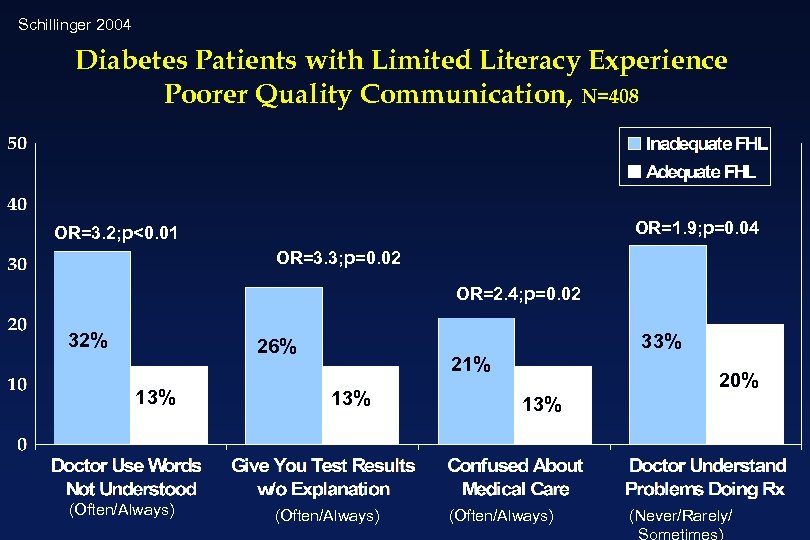 Schillinger 2004 Diabetes Patients with Limited Literacy Experience Poorer Quality Communication, N=408 OR=1. 9; p=0. 04 OR=3. 2; p<0. 01 OR=3. 3; p=0. 02 OR=2. 4; p=0. 02 32% 33% 26% 13% (Often/Always) 21% 13% (Often/Always) 20% 13% (Often/Always) (Never/Rarely/ Sometimes)
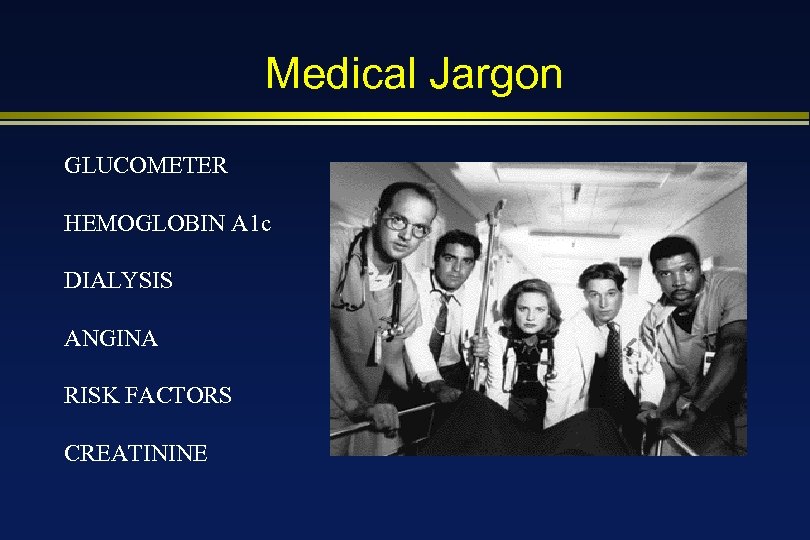 Medical Jargon GLUCOMETER HEMOGLOBIN A 1 c DIALYSIS ANGINA RISK FACTORS CREATININE
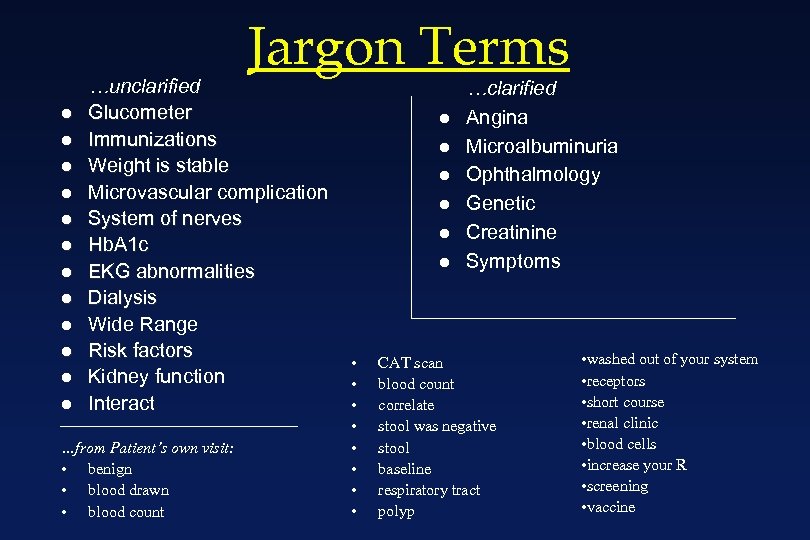 Jargon Terms l l l …unclarified Glucometer Immunizations Weight is stable Microvascular complication System of nerves Hb. A 1 c EKG abnormalities Dialysis Wide Range Risk factors Kidney function Interact …from Patient’s own visit: • benign • blood drawn • blood count l l l • • …clarified Angina Microalbuminuria Ophthalmology Genetic Creatinine Symptoms CAT scan blood count correlate stool was negative stool baseline respiratory tract polyp • washed out of your system • receptors • short course • renal clinic • blood cells • increase your R • screening • vaccine
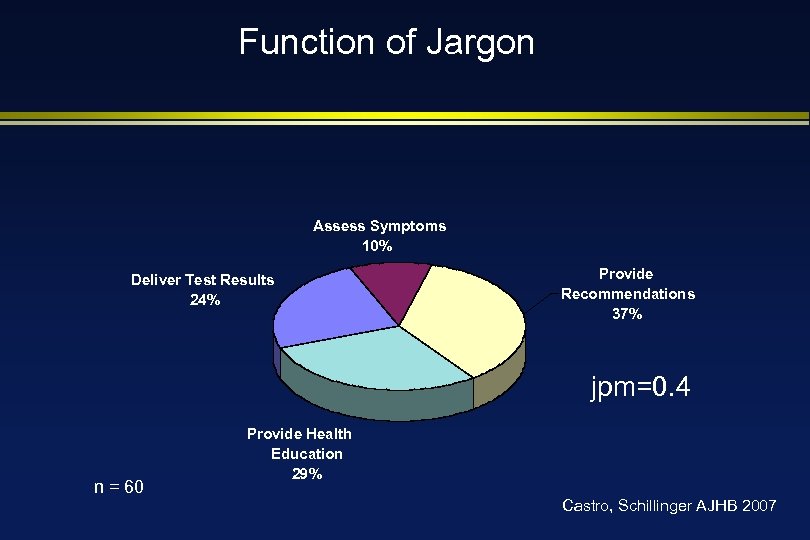 Function of Jargon Assess Symptoms 10% Deliver Test Results 24% Provide Recommendations 37% jpm=0. 4 n = 60 Provide Health Education 29% Castro, Schillinger AJHB 2007
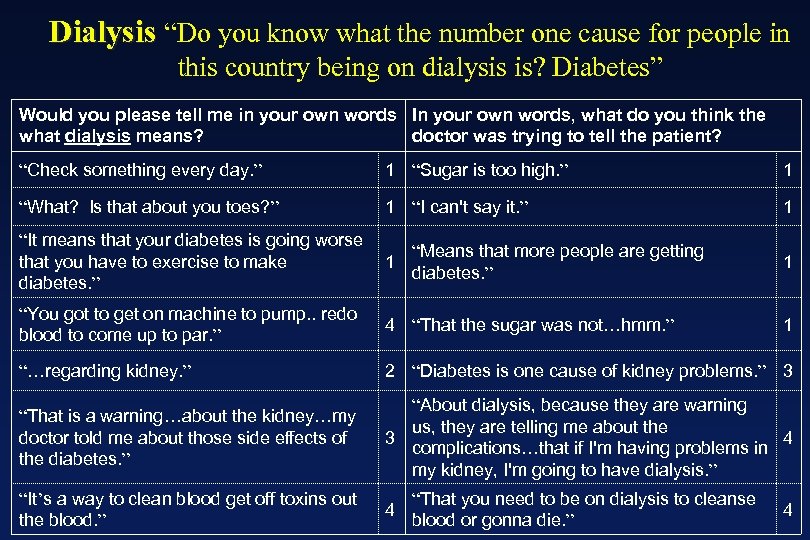 Dialysis “Do you know what the number one cause for people in this country being on dialysis is? Diabetes” Would you please tell me in your own words In your own words, what do you think the what dialysis means? doctor was trying to tell the patient? “Check something every day. ” 1 “Sugar is too high. ” 1 “What? Is that about you toes? ” 1 “I can't say it. ” 1 “It means that your diabetes is going worse that you have to exercise to make diabetes. ” 1 “You got to get on machine to pump. . redo blood to come up to par. ” 4 “That the sugar was not…hmm. ” “…regarding kidney. ” 2 “Diabetes is one cause of kidney problems. ” 3 “That is a warning…about the kidney…my doctor told me about those side effects of the diabetes. ” “About dialysis, because they are warning us, they are telling me about the 3 4 complications…that if I'm having problems in my kidney, I'm going to have dialysis. ” “It’s a way to clean blood get off toxins out the blood. ” 4 “Means that more people are getting diabetes. ” “That you need to be on dialysis to cleanse blood or gonna die. ” 1 1 4
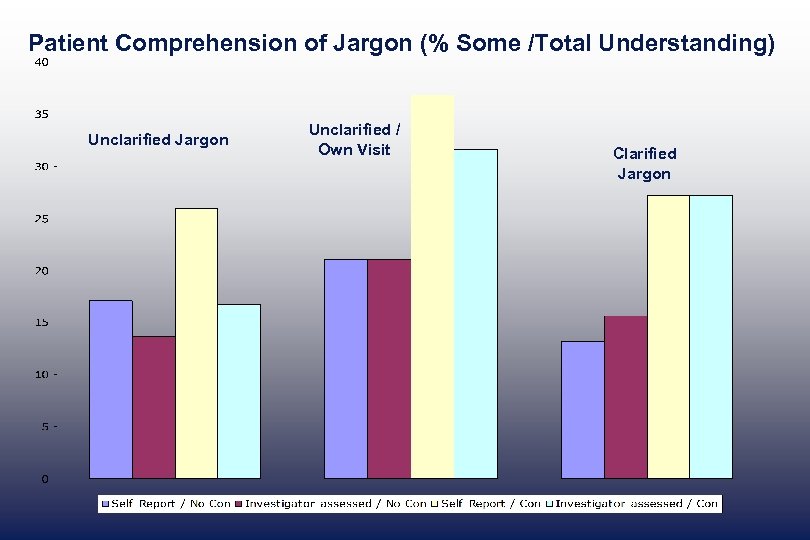 Patient Comprehension of Jargon (% Some /Total Understanding) Unclarified Jargon Unclarified / Own Visit Clarified Jargon
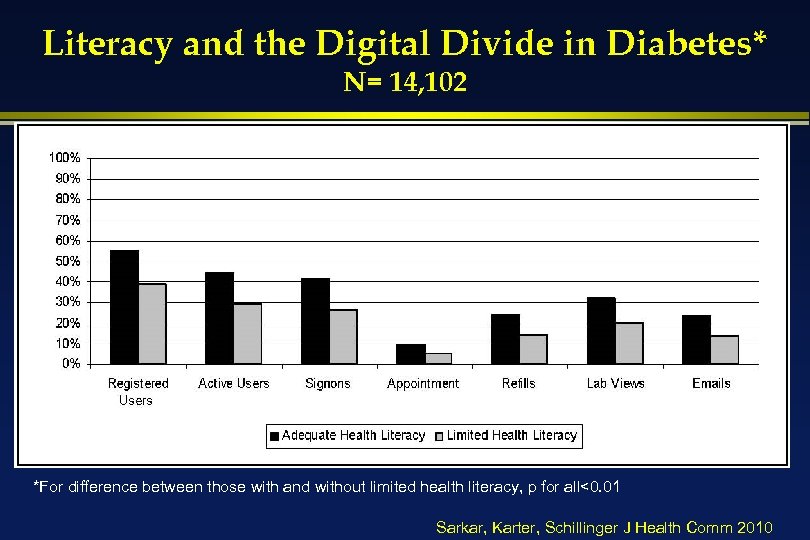 Literacy and the Digital Divide in Diabetes* N= 14, 102 *For difference between those with and without limited health literacy, p for all<0. 01 Sarkar, Karter, Schillinger J Health Comm 2010
 Numeracy and Diabetes: A Special Case? l Among people with diabetes on insulin, better diabetes-related numeracy ---a subset of the larger construct of health literacy--- modestly associated with better Hb. A 1 c l The Diabetes Literacy and Numeracy Education Toolkit (DLNET) of Vanderbilt University: » materials to facilitate diabetes education and management in patients with low literacy and numeracy Cavanaugh. Ann Int Med 2008 Osborn CY Diab Care 2009 Wolff K. Diab Ed 2009
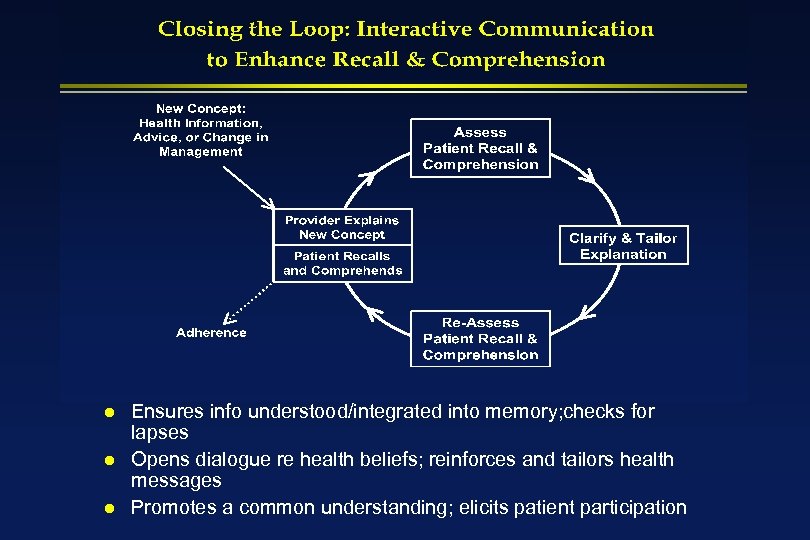 l l l Ensures info understood/integrated into memory; checks for lapses Opens dialogue re health beliefs; reinforces and tailors health messages Promotes a common understanding; elicits patient participation
 Closing the Loop, aka “Teach-Back” l l Physicians assessed recall or comprehension for 15/124 new concepts (12%) When new concepts included patient assessment, patient provided incorrect response half the time (7/15=47%) Visits using interactive communication loop not longer (20. 3 min. vs. 22. 1 min) Application of loop associated with better Hb. A 1 c (AOR 9. 0, p=. 02) Schillinger Arch Int Med 2003
 “I’m sorry, but I can’t carry on an intelligent conversation. I’m visual. ”
 Provider-Patient Concordance in Medication Regimen l l Patients with atrial fibrillation at high risk of stroke Treatment with warfarin (blood-thinner) reduces risk of stroke by 70% Requires close monitoring and frequent dose adjustments Miscommunication/ inappropriate dosing can lead to poor outcomes (stroke or bleeding)
 Literacy, Discordance and Safety Anticoagulant regimen concordance lower for patients with inadequate vs adequate literacy (42 % vs 64 %), l Anticoagulant discordance associated with being out of therapeutic range: l » under-anticoagulation » over-anticoagulation Schillinger J Health Comm 2006
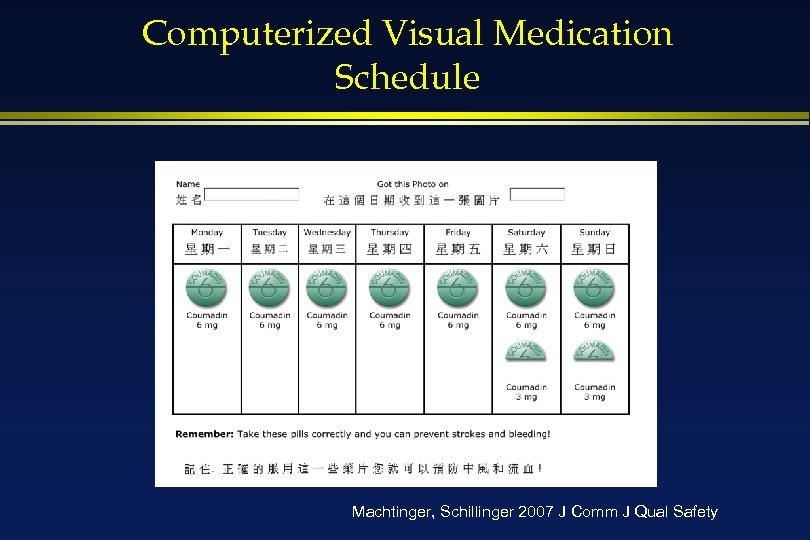 Computerized Visual Medication Schedule Machtinger, Schillinger 2007 J Comm J Qual Safety
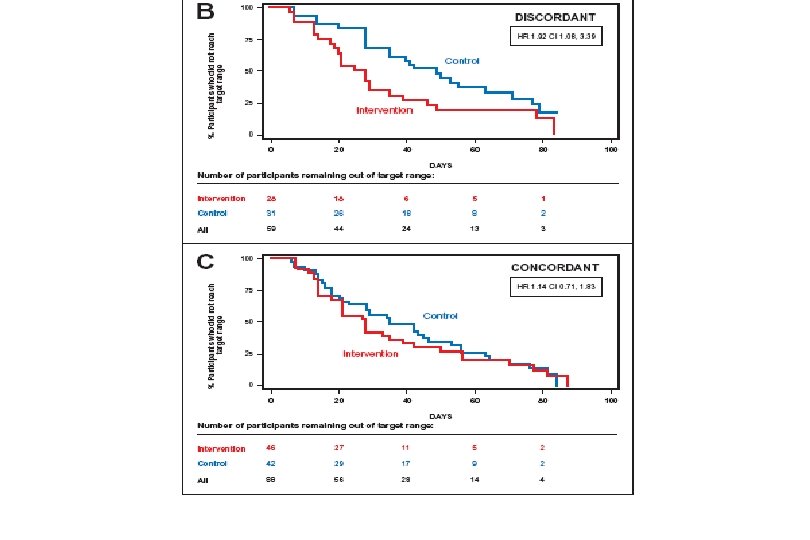 Overall Results: Time To Therapeutic Range (N=142)
 A Diabetes Guide That Helps Patients Take Charge and Make Changes Terry Davis, Ph. D LSUHSC Darren De. Walt, MD UNC Dean Schillinger, MD Hilary Seligman, MD UCSF ______ © American College of Physicians Foundation
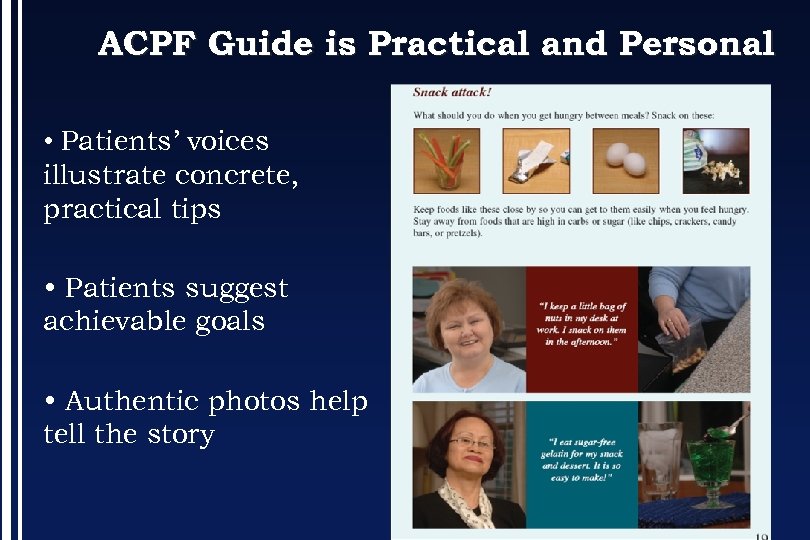 ACPF Guide is Practical and Personal • Patients’ voices illustrate concrete, practical tips • Patients suggest achievable goals • Authentic photos help tell the story
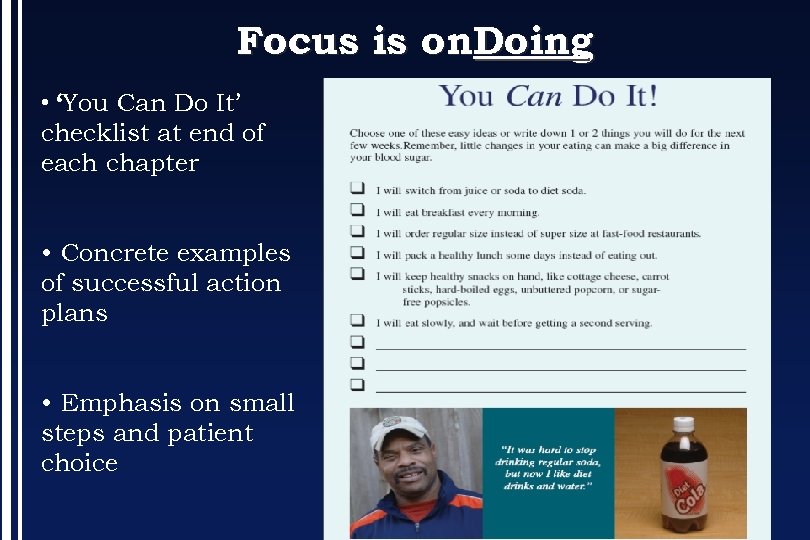 Focus is on. Doing • ‘You Can Do It’ checklist at end of each chapter • Concrete examples of successful action plans • Emphasis on small steps and patient choice
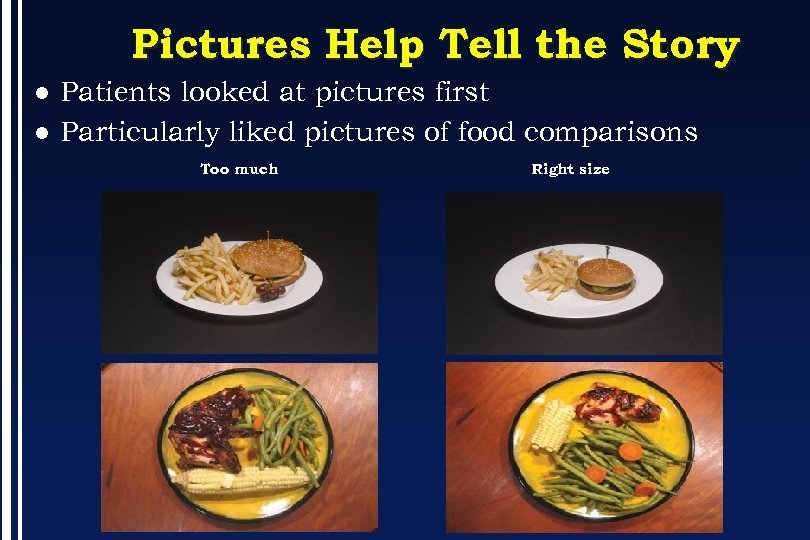 Pictures Help Tell the Story l l Patients looked at pictures first Particularly liked pictures of food comparisons Too much Right size
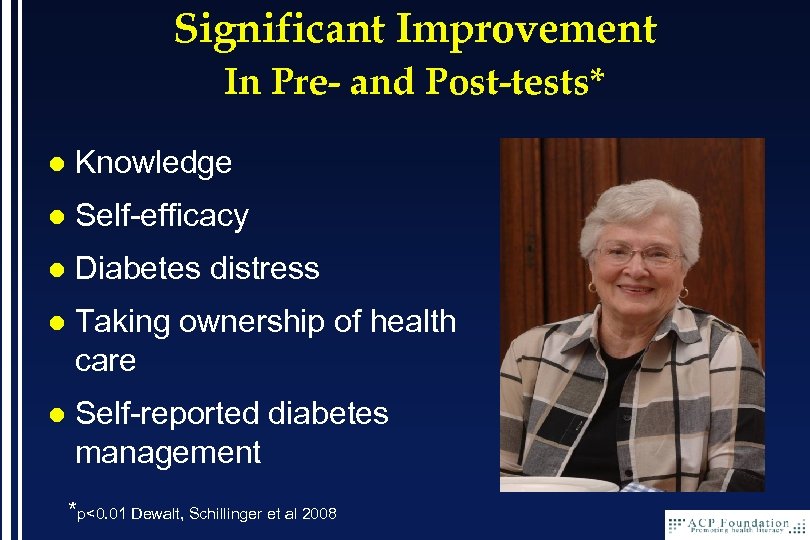 Significant Improvement In Pre- and Post-tests* l Knowledge l Self-efficacy l Diabetes distress l Taking ownership of health care l Self-reported diabetes management *p<0. 01 Dewalt, Schillinger et al 2008
 Should We Screen for Limited HL? l RCT of screening and feedback of limited HL to primary care physicians
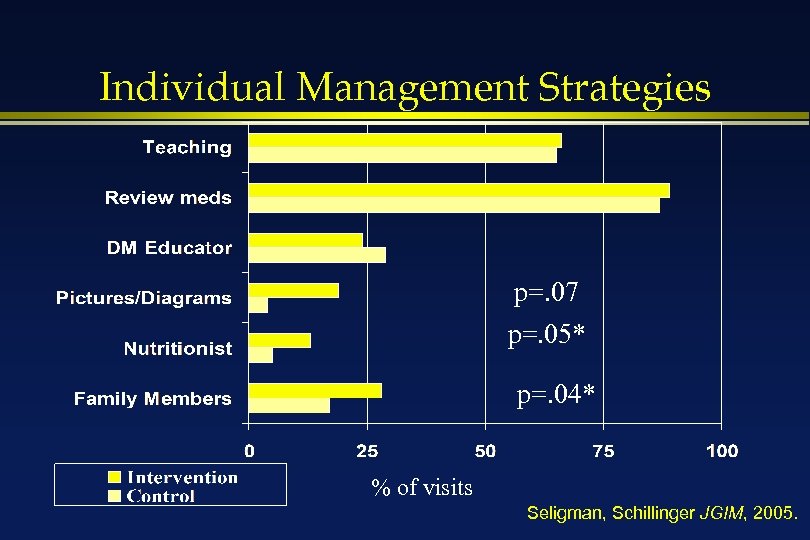 Individual Management Strategies p=. 07 p=. 05* p=. 04* % of visits Seligman, Schillinger JGIM, 2005.
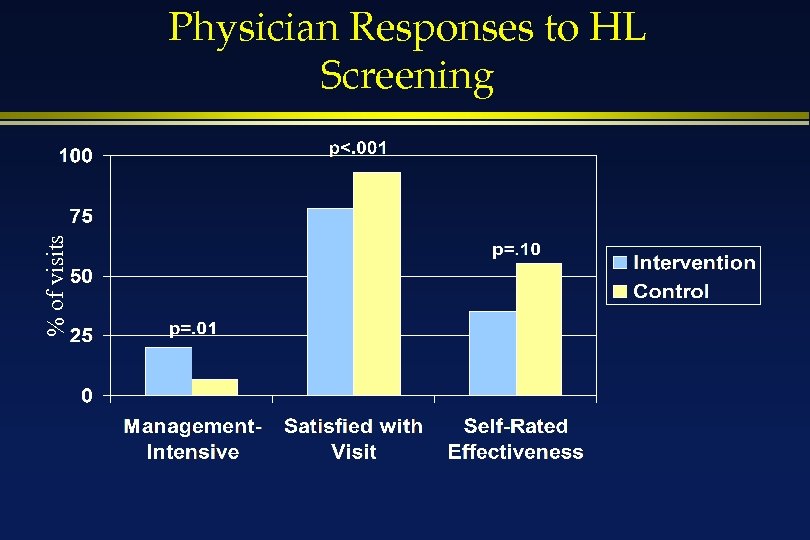 % of visits Physician Responses to HL Screening
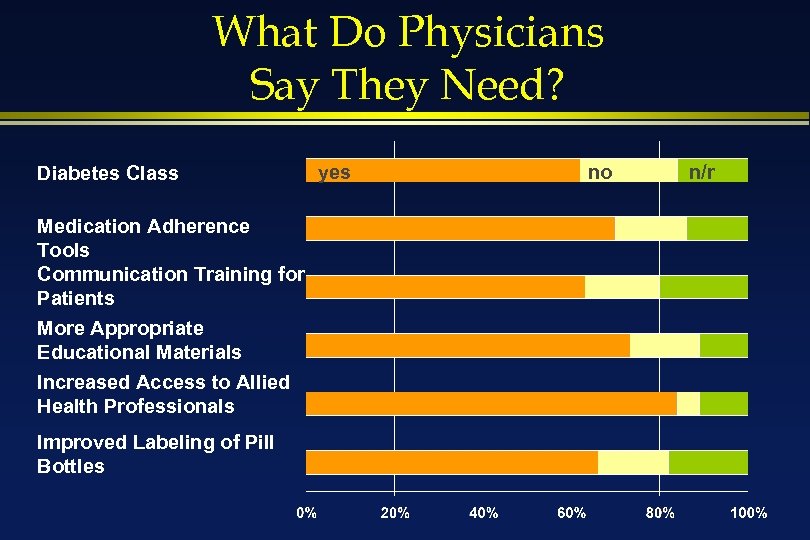 What Do Physicians Say They Need? Diabetes Class Medication Adherence Tools Communication Training for Patients More Appropriate Educational Materials Increased Access to Allied Health Professionals Improved Labeling of Pill Bottles yes no n/r
 IDEALL Project: Improving Diabetes Efforts Across Language and Literacy • Community Health Network of SF/DPH • AHRQ • CMWF, TCE, CHCF Schillinger Diab Care 2009
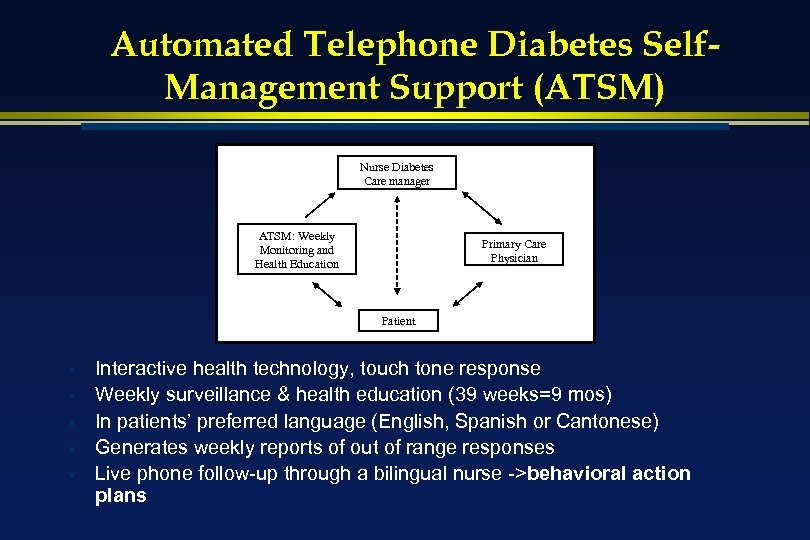 Automated Telephone Diabetes Self. Management Support (ATSM) Nurse Diabetes Care manager ATSM: Weekly Monitoring and Health Education Primary Care Physician Patient § § § Interactive health technology, touch tone response Weekly surveillance & health education (39 weeks=9 mos) In patients’ preferred language (English, Spanish or Cantonese) Generates weekly reports of out of range responses Live phone follow-up through a bilingual nurse ->behavioral action plans
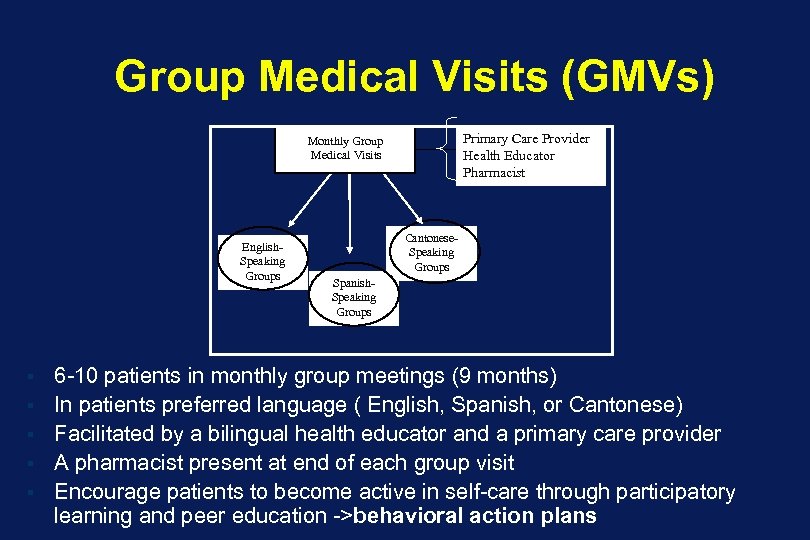 Group Medical Visits (GMVs) Primary Care Provider Health Educator Pharmacist Monthly Group Medical Visits English. Speaking Groups § § § Cantonese. Speaking Groups Spanish. Speaking Groups 6 -10 patients in monthly group meetings (9 months) In patients preferred language ( English, Spanish, or Cantonese) Facilitated by a bilingual health educator and a primary care provider A pharmacist present at end of each group visit Encourage patients to become active in self-care through participatory learning and peer education ->behavioral action plans
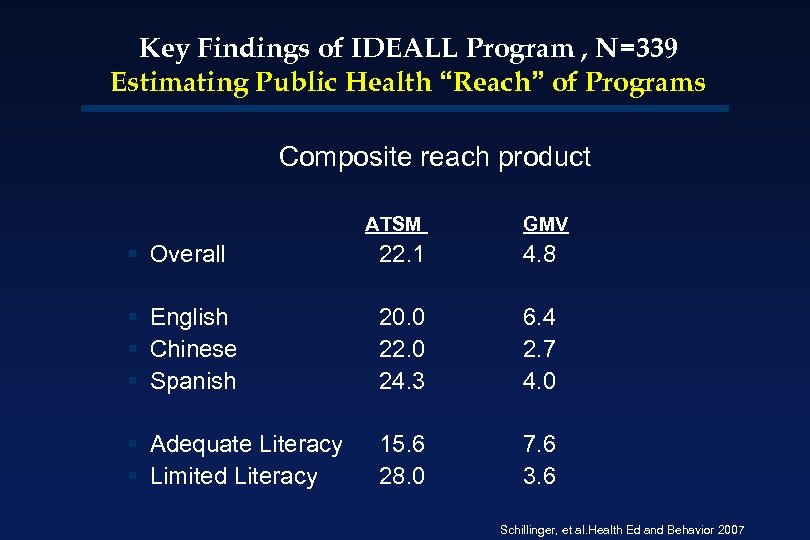 Key Findings of IDEALL Program , N=339 Estimating Public Health “Reach” of Programs Composite reach product ATSM GMV § Overall 22. 1 4. 8 § English § Chinese § Spanish 20. 0 22. 0 24. 3 6. 4 2. 7 4. 0 § Adequate Literacy § Limited Literacy 15. 6 28. 0 7. 6 3. 6 Schillinger, et al. Health Ed and Behavior 2007
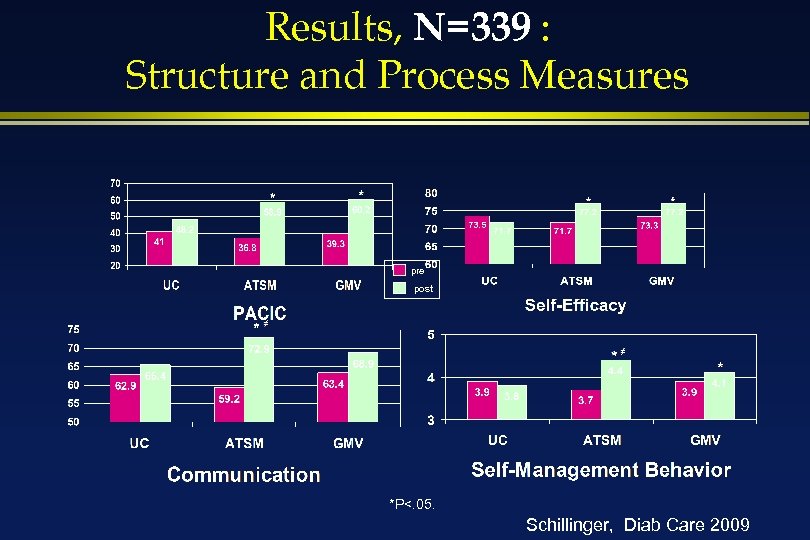 Results, N=339 : Structure and Process Measures pre post *P<. 05. Schillinger, Diab Care 2009
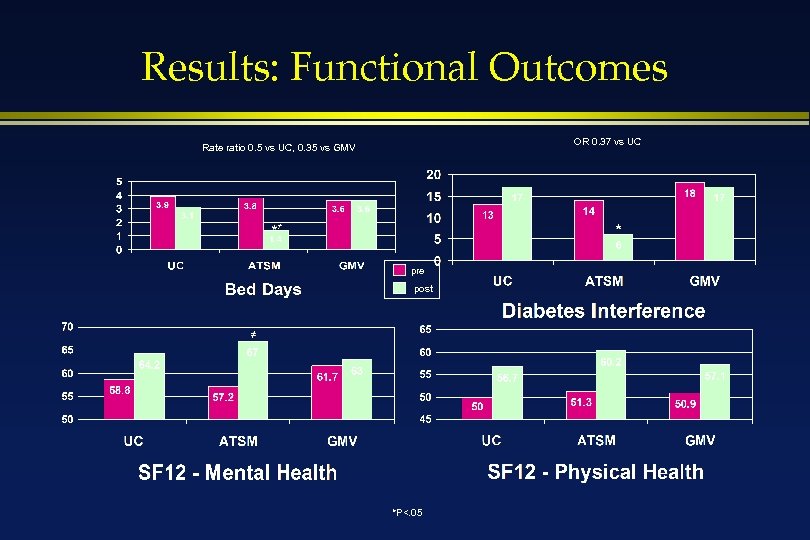 Results: Functional Outcomes OR 0. 37 vs UC Rate ratio 0. 5 vs UC, 0. 35 vs GMV pre post *P<. 05
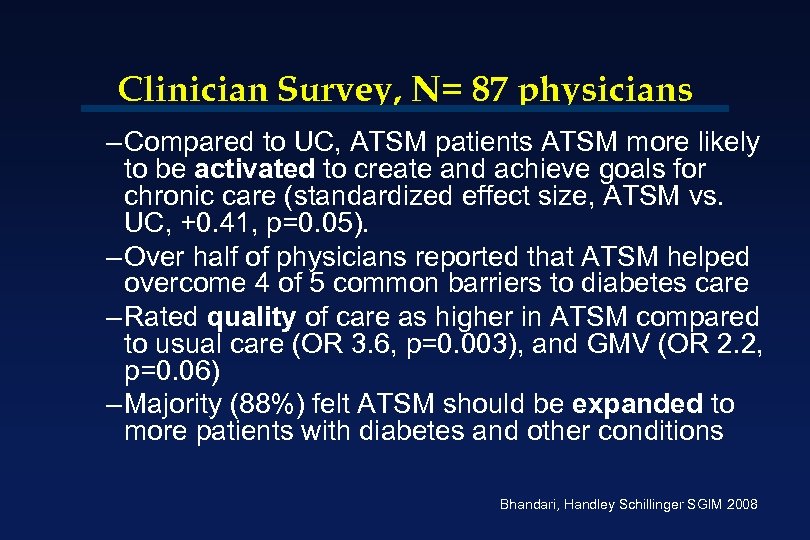 Clinician Survey, N= 87 physicians – Compared to UC, ATSM patients ATSM more likely to be activated to create and achieve goals for chronic care (standardized effect size, ATSM vs. UC, +0. 41, p=0. 05). – Over half of physicians reported that ATSM helped overcome 4 of 5 common barriers to diabetes care – Rated quality of care as higher in ATSM compared to usual care (OR 3. 6, p=0. 003), and GMV (OR 2. 2, p=0. 06) – Majority (88%) felt ATSM should be expanded to more patients with diabetes and other conditions Bhandari, Handley Schillinger SGIM 2008
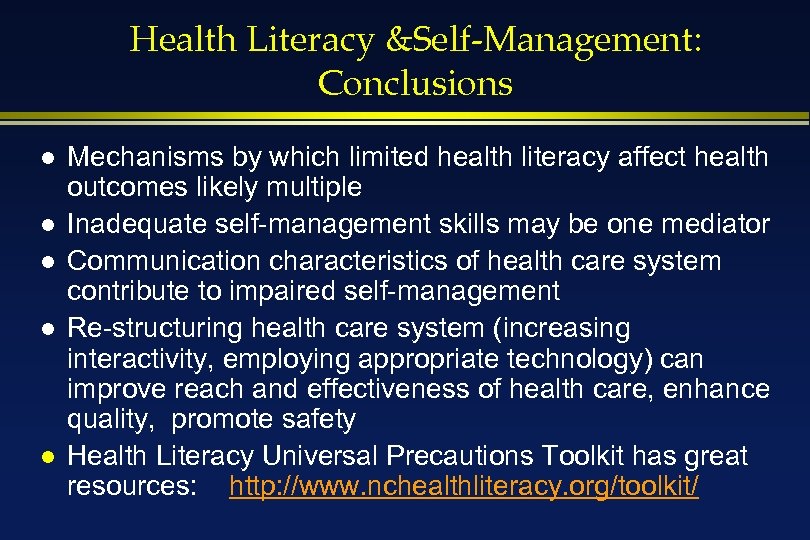 Health Literacy &Self-Management: Conclusions l l l Mechanisms by which limited health literacy affect health outcomes likely multiple Inadequate self-management skills may be one mediator Communication characteristics of health care system contribute to impaired self-management Re-structuring health care system (increasing interactivity, employing appropriate technology) can improve reach and effectiveness of health care, enhance quality, promote safety Health Literacy Universal Precautions Toolkit has great resources: http: //www. nchealthliteracy. org/toolkit/
 END OF TALK
 Designing Easy-to-Read Materials >Use large font written at 5 th grade level >Pictures that help explain text >Clear headings and layout >PRIORITIZE the info—Does it REALLY need to be included? >Use suitability assessment >Involve the target populations from the beginning! >Focus on ‘Need to Know’; ‘Need to Do’ l Health Literacy Universal Precautions Toolkit (Tool 11 and 12) has great resources: http: //www. nchealthliteracy. org/toolkit/
 Recommendations re Verbal Interactions Select no more than 3 key points l Avoid Jargon/Use “living room language” l Use Teach – Back Method l Always reconcile medications l Health Literacy Universal Precautions Toolkit (esp Tool 11) has great resources: http: //www. nchealthliteracy. org/toolkit/ l
 Recommendations re Numerical Discussions l l l Relatively understudied Present risk in terms of an easily understandable timeframe (e. g. 10 years) Provide absolute risks, not relative risks (e. g. 2 out of 100 vs. 4 out of 100, not ‘a 50% reduction’) Present risk frequencies (5 out of 100), not percentages. Use both + and – framing: “Over 10 years, 30 out of 100 will get diabetes, but 70 out of 100 won’t. ” Consider Diabetes Numeracy Toolkit/Diabetes Numeracy test
 Special considerations l Taking a holistic view on health literacy and health communication for the elderly
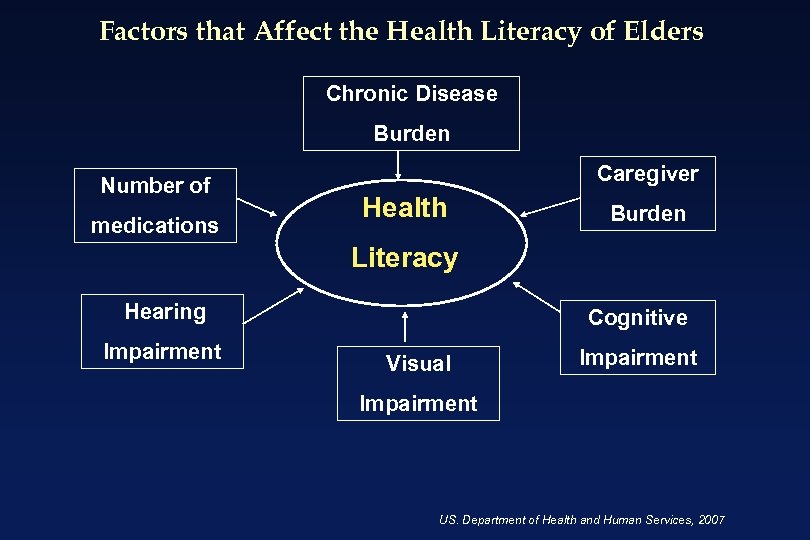 Factors that Affect the Health Literacy of Elders Chronic Disease Burden Number of medications Caregiver Health Burden Literacy Hearing Impairment Cognitive Visual Impairment US. Department of Health and Human Services, 2007