


lion bel Re ov an aim ai T at and Is ov. is tem et U ov mb ha sym ak Ka M ary es Ken
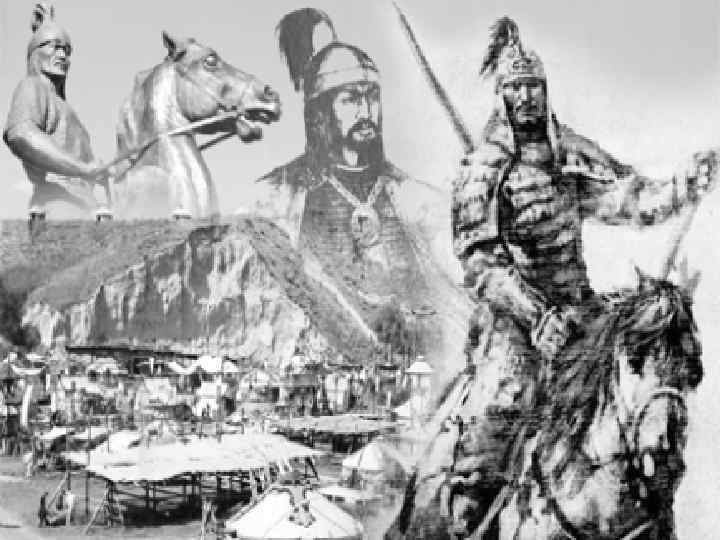
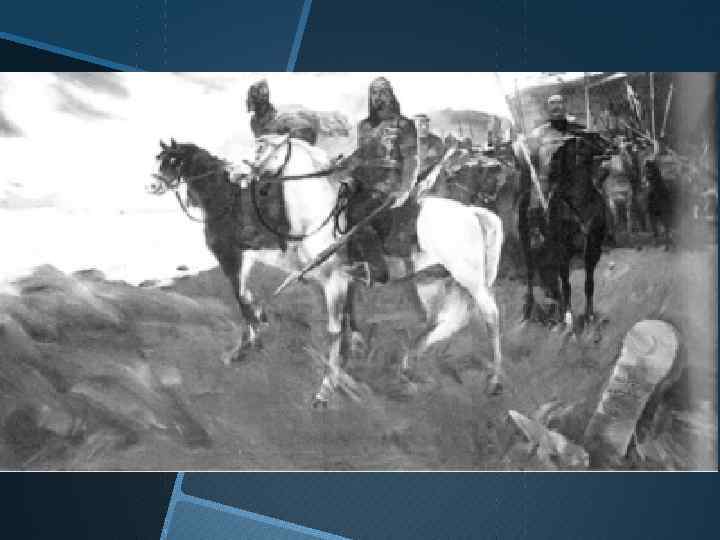
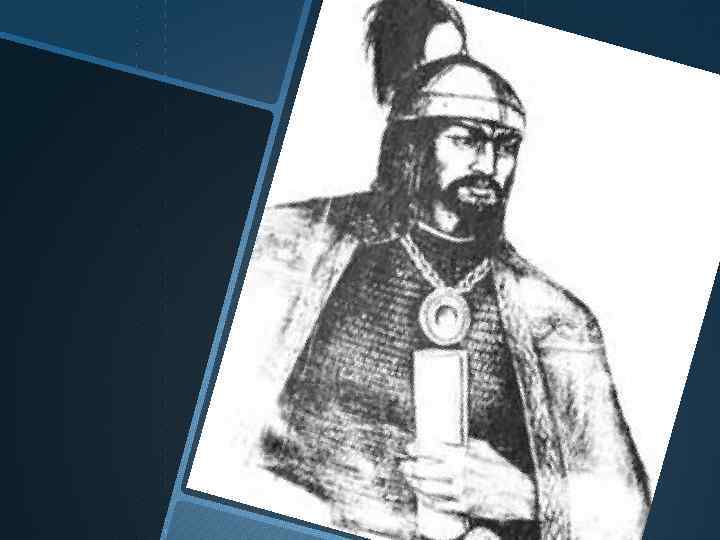
Rebellion Isatai Taimanov and Makhambet Utemisov. Mahambet Utemisov & Isatay Taimanov/In the national liberation struggle of the Kazakh people occupies an important place uprising led by Isatai Taimanov and Makhambet Utemisov (1836 -1838). Rebellion has an anti-colonial and feudal character. The reasons for the uprising were: land crisis, the tax burden, the arbitrariness of tsarist officials, harassment, Jahangir Khan and his relatives. The reason for the uprising was the appointment in 1833, of Karaul Hodja Babazhanov as a ruler of Kazakh tribes, wandering in the Caspian Sea. The driving forces of rebellion: the Kazakh ball, representatives of elders, biy, whose rights were violated by the khan and the tsarist government.
The objectives of the uprising: 1. Limitation the power of Zhangir Khan. 2. Advancement of the ball. 3. Change the colonial policy of the tsarist Government.
Pe ri o ds o f reb ellio n: 1. 18 33 - 18 of t he 36 ye upri s m ain pr e ar s. - For mati req u ing; on isite 2. Be s of t g inn he i ng a 1837 nd t - a pe he e n clas riod hes w d of o f re it h p the k uniti be ll ion, ing w ve tr o ith h 3. De ops a el per cem nd Khan ber 1 weak s; 837. e nin J uly 1 g for defe at. ces a 838. nd th e ir
July 1 river 2, 1838 Akbu in an abou lak m area n Issat t 500 peo ain re ear the a Figh y Taima ple, was bel grou ting nov p, dest decl t w ine. he insur as kille royed, Puni mass g sher ents be d. s sta gan upris acre of t g to h stick ing, they e partic ed a s, co were ipants bani shed nfiscated punish in the sent ed w into prop ith the r to forced perman erty, ent e ebel labo Taim lion xile, r. Th Utem anov andled by Is us ende a d to 18 isov, wh Makham tai ich la 38. bet sted from 1836

K ene s ary Ka s y mo v
The causes and course of the uprising. On the 20 th of the XIX century, some Senior Zhuz , southern regions of Middle and Junior zhuzes were under the rule of Kokand Khiva Beks. In an effort to consolidate its rule, Kokand rulers collected taxes from the Kazakhs, what caused discontent. In 20 -30 s of the XIX century the Khiva Khanate in the lower reaches of the Syr Darya erected several fortresses. Khiva campaigns violate the peaceful life of Kazakh villages and looting caravans negatively impact on the economy. This led to protests. Dissatisfaction increased the seizure of land also to create new orders in the districts of Charter in 1822, resulting in worsened conditions for farming and ranching. All this has led to an uprising led by 1837 -47. It was head by Kenesary Kasim-uly. The main purpose uprising of Kenesary Kasim-uly preserve autonomy but not incorporated into Tsarist Russia and the termination regions of Kazakhstan Kazakh land colonization by building fortresses.
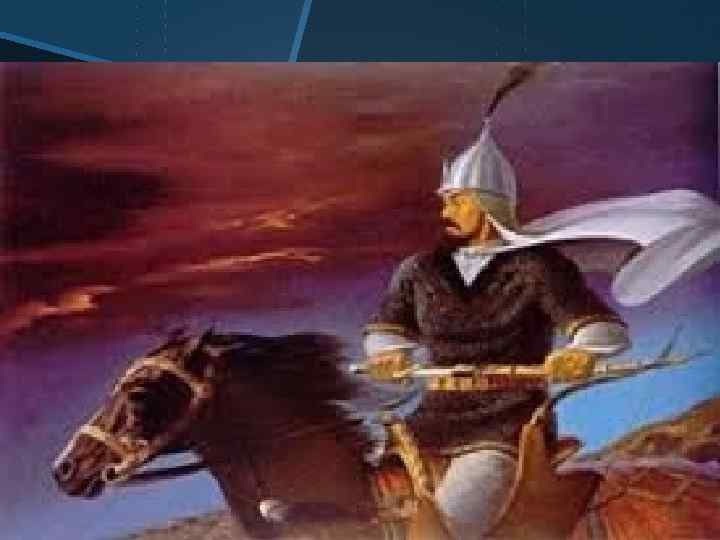
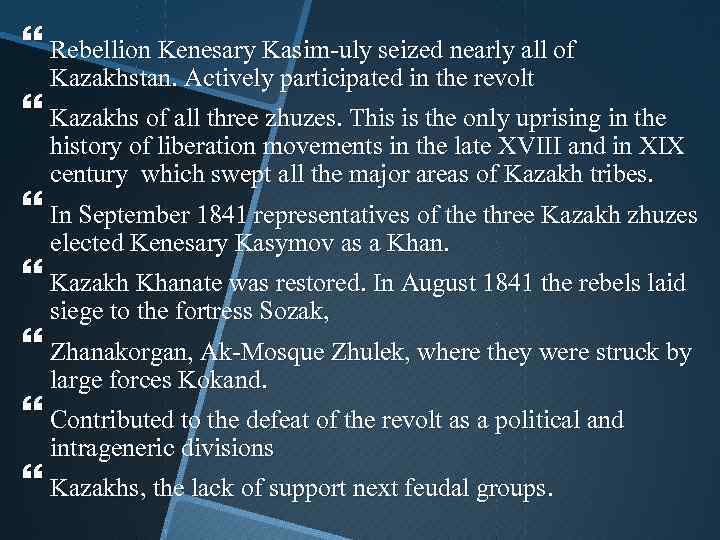
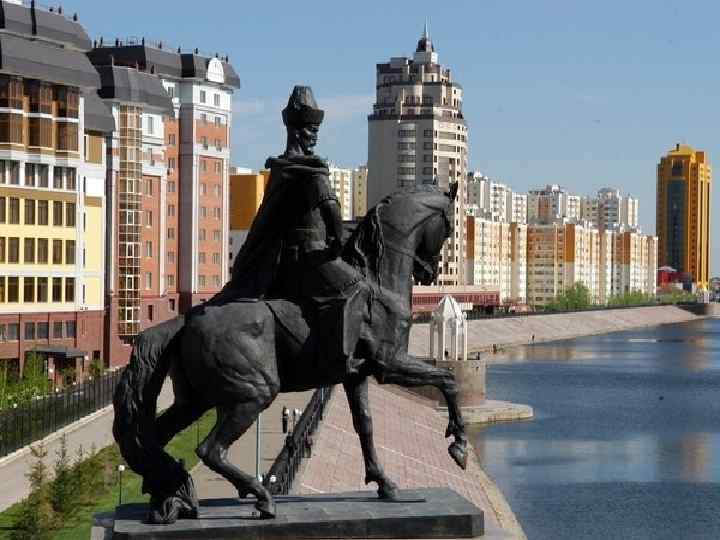
Rebellion Kenesary Kasim-uly seized nearly all of Kazakhstan. Actively participated in the revolt Kazakhs of all three zhuzes. This is the only uprising in the history of liberation movements in the late XVIII and in XIX century which swept all the major areas of Kazakh tribes. In September 1841 representatives of the three Kazakh zhuzes elected Kenesary Kasymov as a Khan. Kazakh Khanate was restored. In August 1841 the rebels laid siege to the fortress Sozak, Zhanakorgan, Ak-Mosque Zhulek, where they were struck by large forces Kokand. Contributed to the defeat of the revolt as a political and intrageneric divisions Kazakhs, the lack of support next feudal groups.
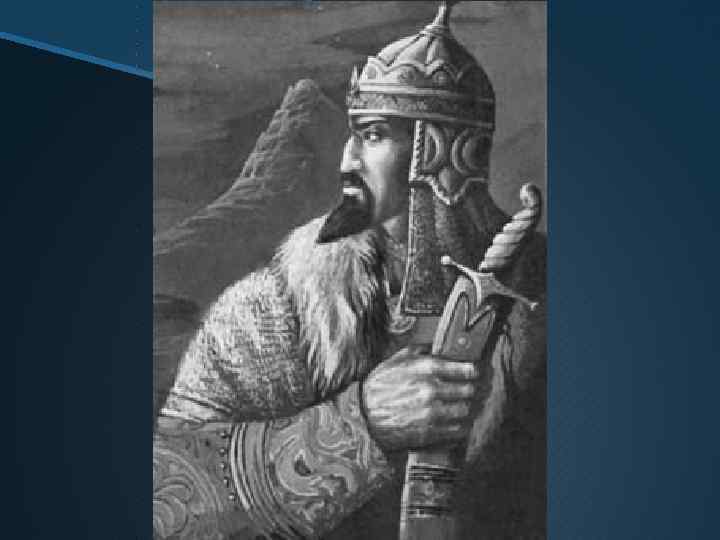
Kazakhs, the lack of support next feudal groups. The reasons for the defeat of the uprising Kenesary Kasimov were: 1)intrageneric divisions of the Kazakhs; 2)lack of support for some of the feudal groups. Sultans and Bies have received many benefits from the imperial government of the Russian Empire, were not interested in creating a centralized feudal state; 3)crushed by zhuzs, Kazakh clans supported the uprising mainly within its limits; 4)Kenesary arbitrariness and violence with tough not support him auls were not in the traditions of the Kazakhs; 5) Kenesary not able to unite together the struggle against tsarist Russia, Bukhara and Kokand lords.
The largest national liberation uprising of Kazakh people in the XIX century. Aiming restoration of the feudal state of Khan, and this time ended in defeat, leaving an indelible mark in the memory of the peoples of Central Asia and Kazakhstan. The historical significance of the uprising is great: 1. It was the largest uprising against colonial oppression, swept all three Horde; 2. it was part of the liberation struggle in Russia in the first half of the XIX century; 3. shows the dependence of the internal contradictions of the Kazakh society from a policy of tsarism.

BY P REP ARE D S PEC IA L G R OU P MEC HAN I CS OF

NTIO N T HAN KS F ATTE OR

THE END
