Скачать презентацию Life drawing Tone and contrast Tonking is
Life drawing (tone and contrast) presentation.pptx
- Количество слайдов: 59
 Life drawing Tone and contrast
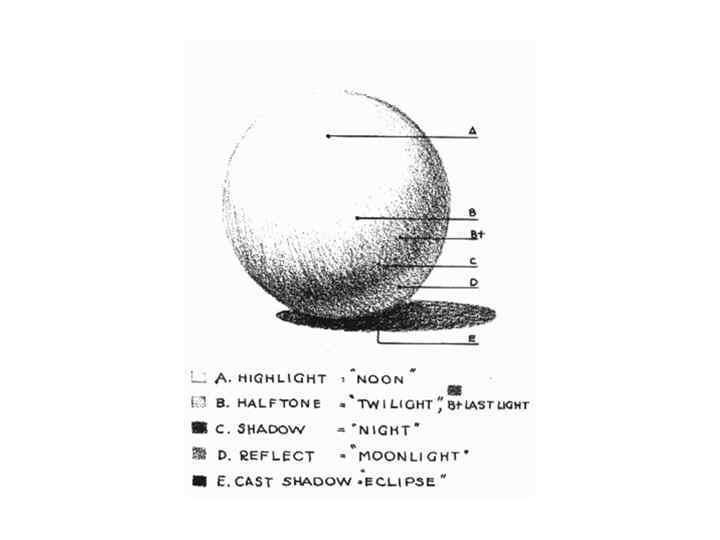
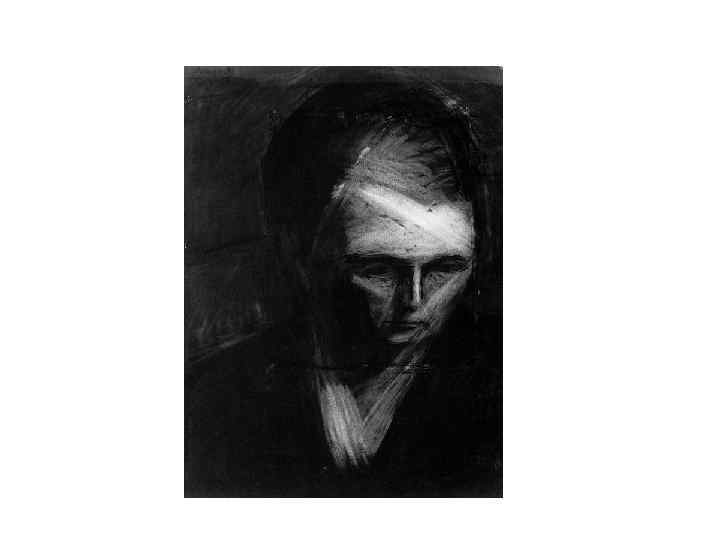
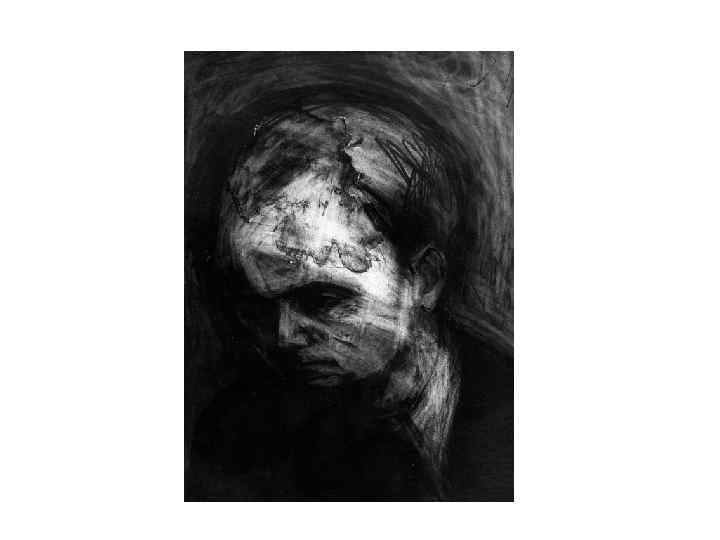
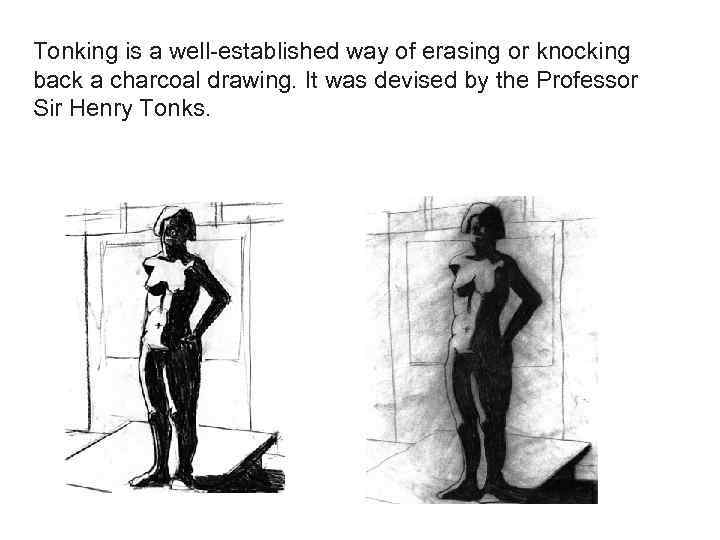 Tonking is a well-established way of erasing or knocking back a charcoal drawing. It was devised by the Professor Sir Henry Tonks.
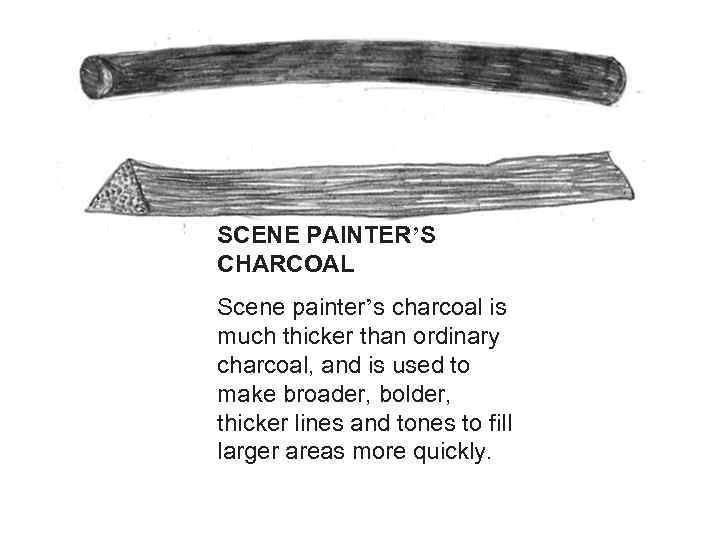 SCENE PAINTER’S CHARCOAL Scene painter’s charcoal is much thicker than ordinary charcoal, and is used to make broader, bolder, thicker lines and tones to fill larger areas more quickly.
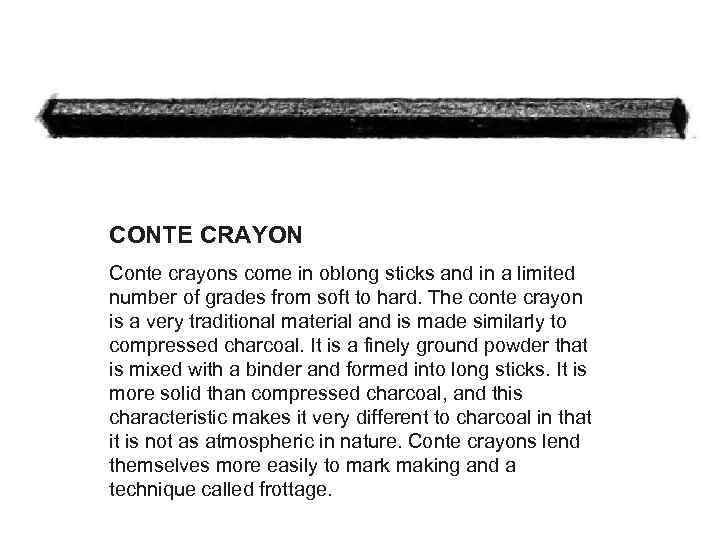 CONTE CRAYON Conte crayons come in oblong sticks and in a limited number of grades from soft to hard. The conte crayon is a very traditional material and is made similarly to compressed charcoal. It is a finely ground powder that is mixed with a binder and formed into long sticks. It is more solid than compressed charcoal, and this characteristic makes it very different to charcoal in that it is not as atmospheric in nature. Conte crayons lend themselves more easily to mark making and a technique called frottage.
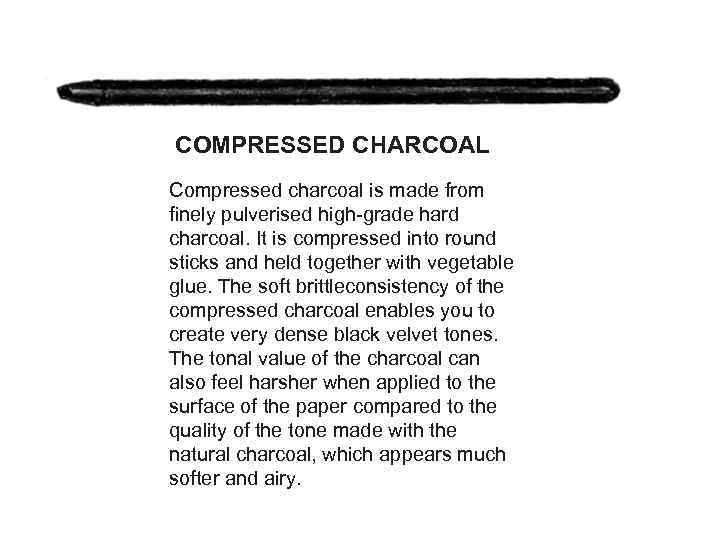 COMPRESSED CHARCOAL Compressed charcoal is made from finely pulverised high-grade hard charcoal. It is compressed into round sticks and held together with vegetable glue. The soft brittleconsistency of the compressed charcoal enables you to create very dense black velvet tones. The tonal value of the charcoal can also feel harsher when applied to the surface of the paper compared to the quality of the tone made with the natural charcoal, which appears much softer and airy.
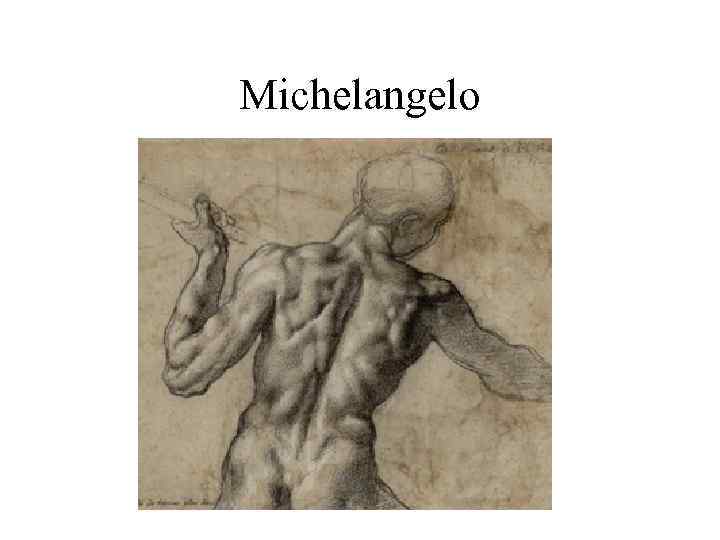 Michelangelo
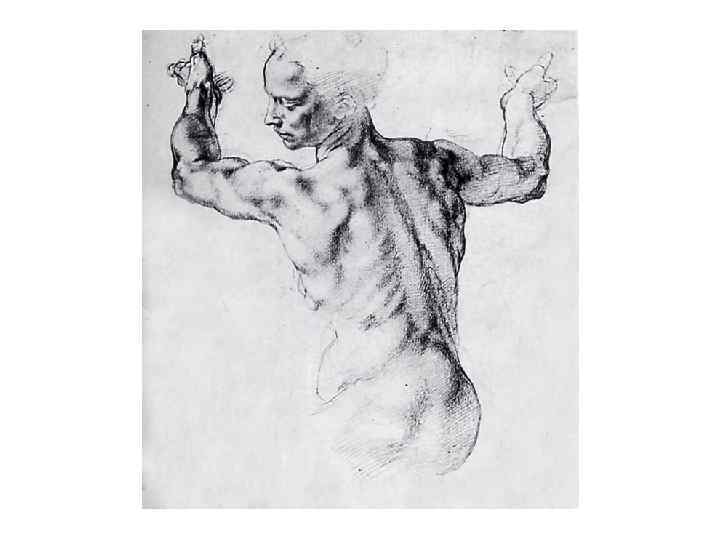
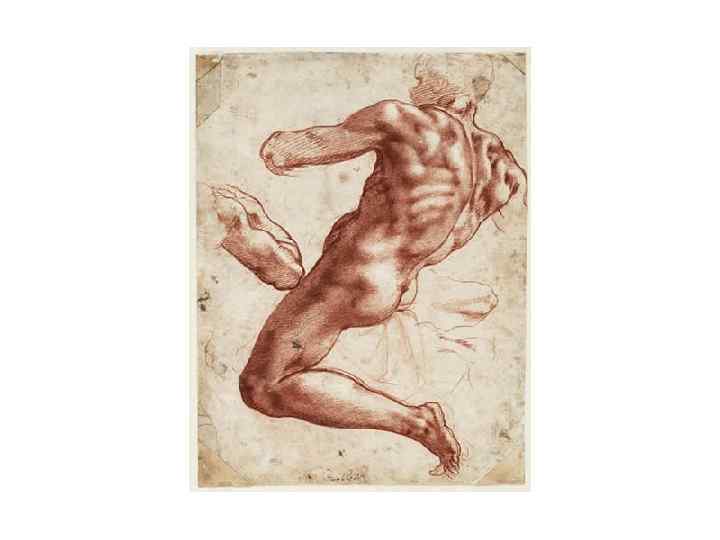
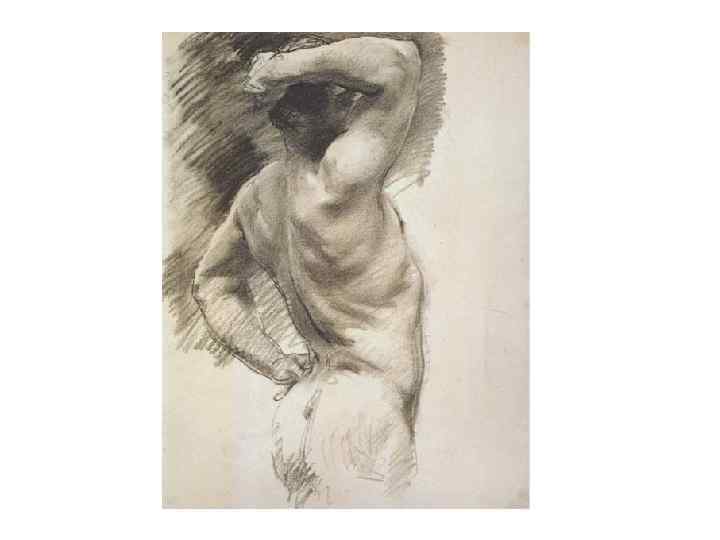
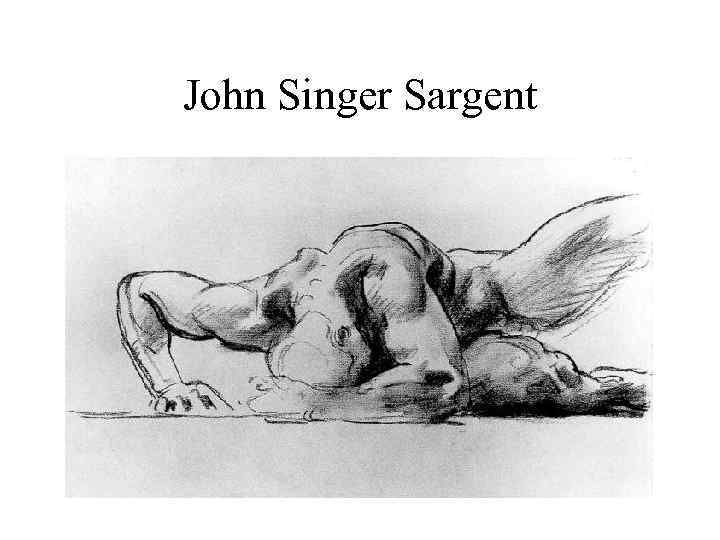 John Singer Sargent
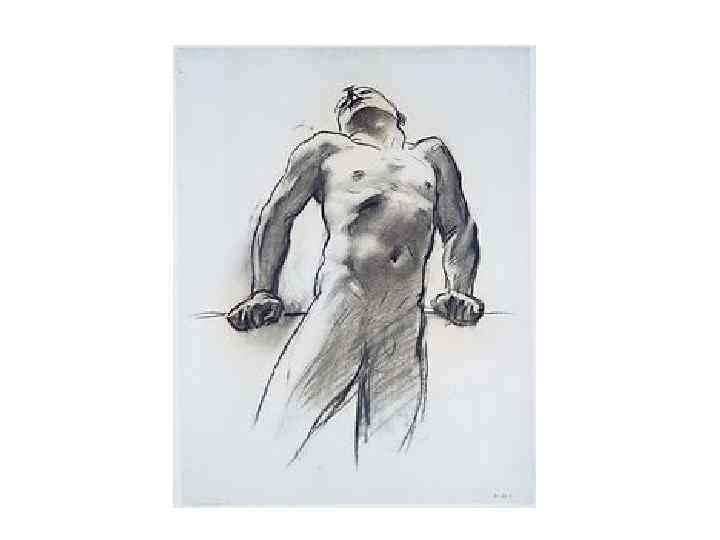
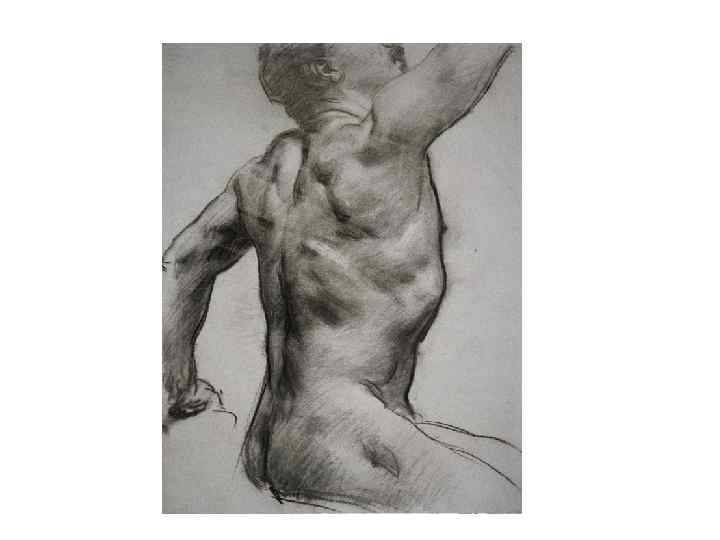
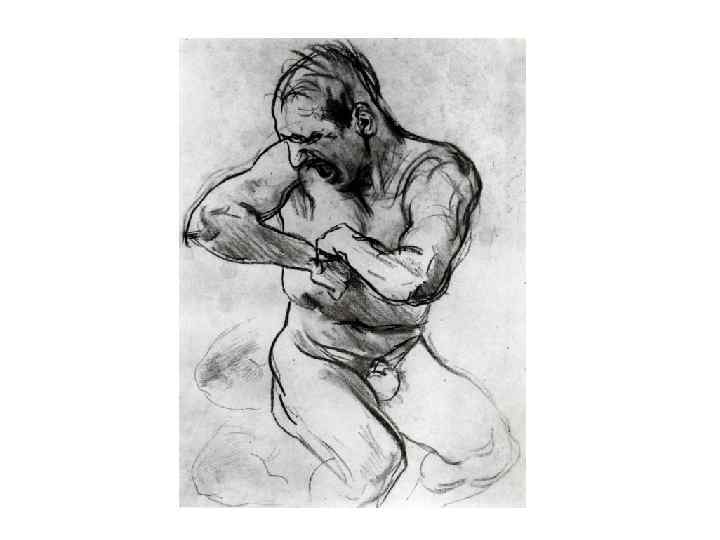
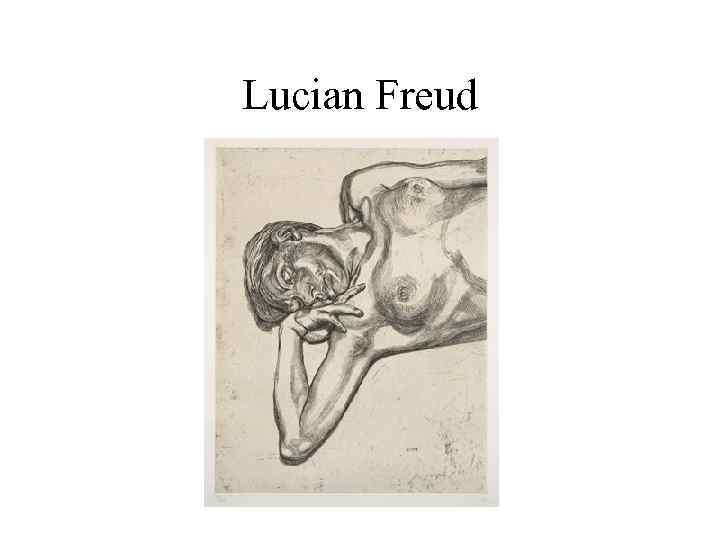 Lucian Freud
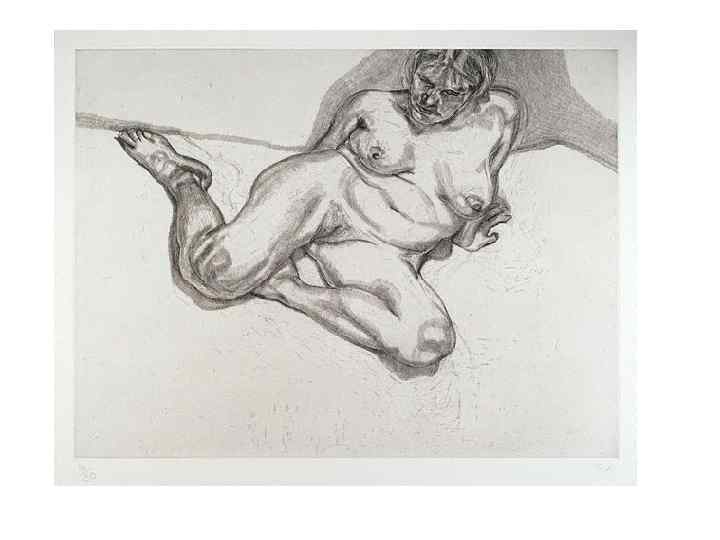
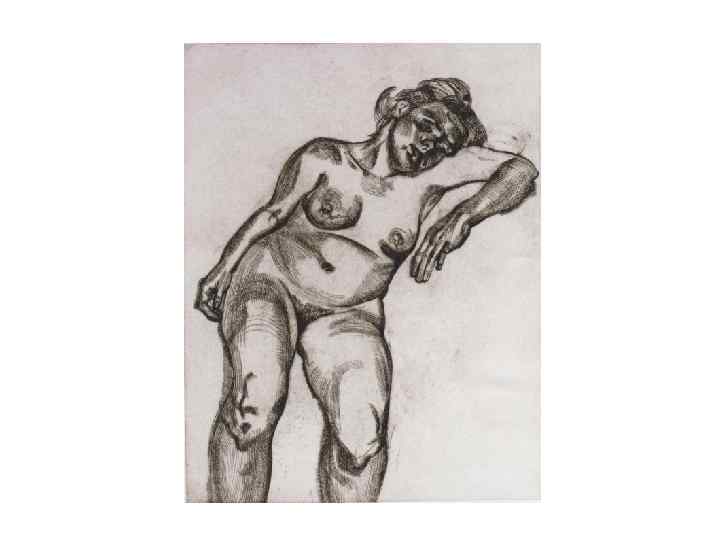
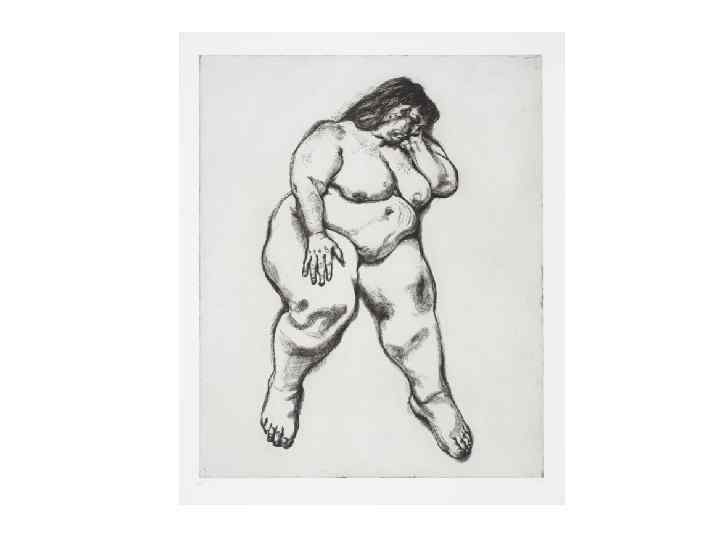
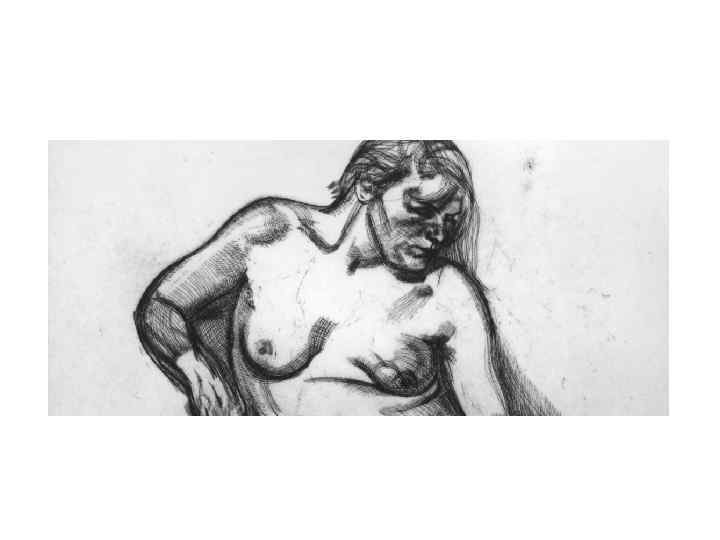
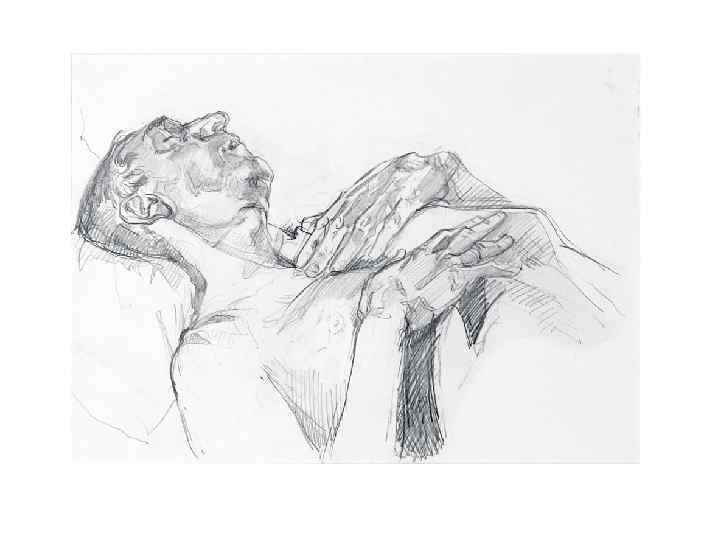
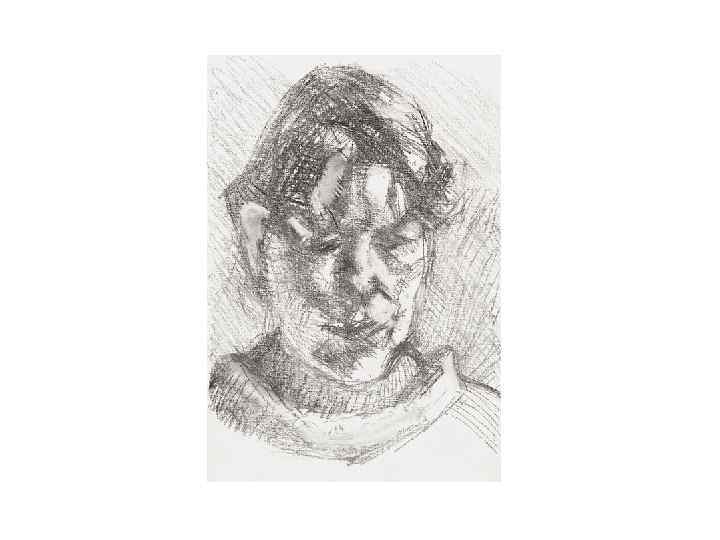
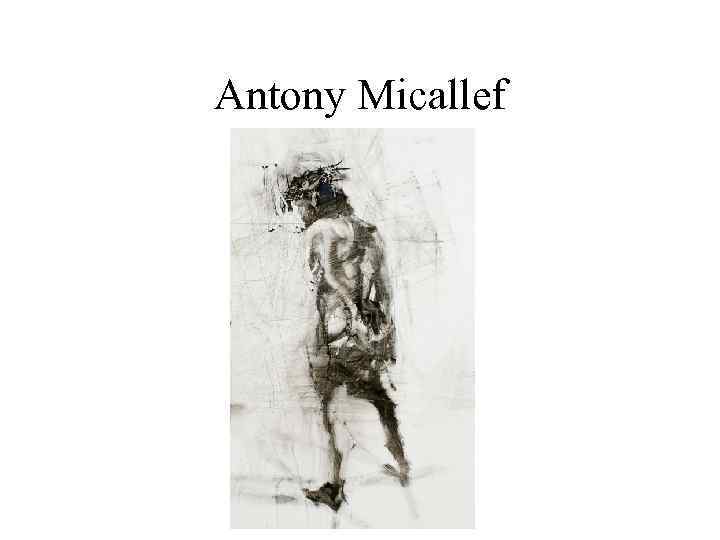 Antony Micallef
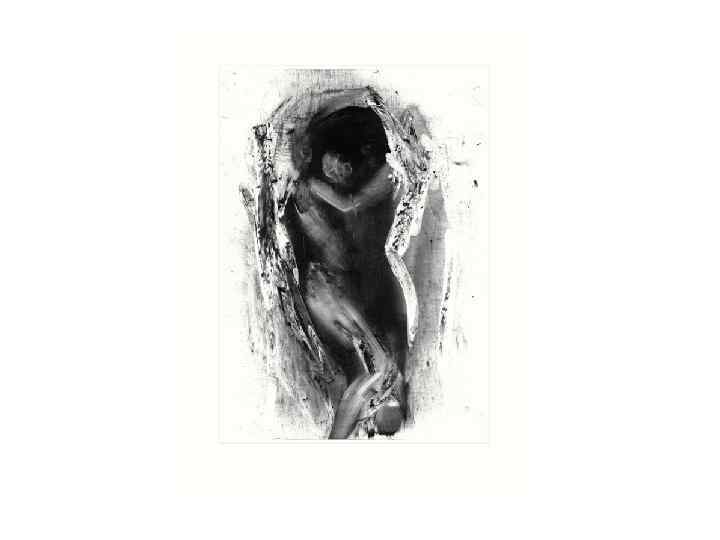
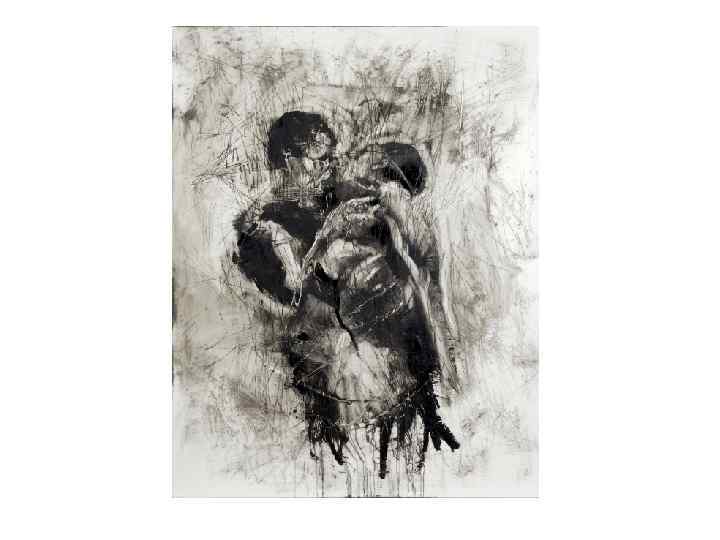
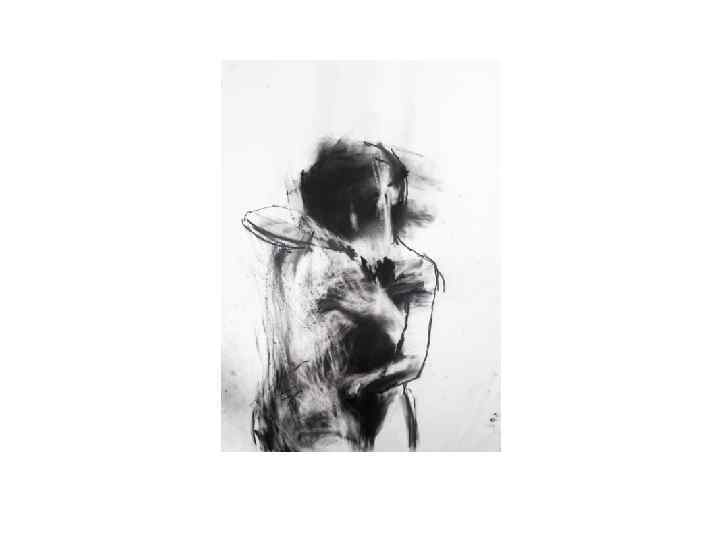
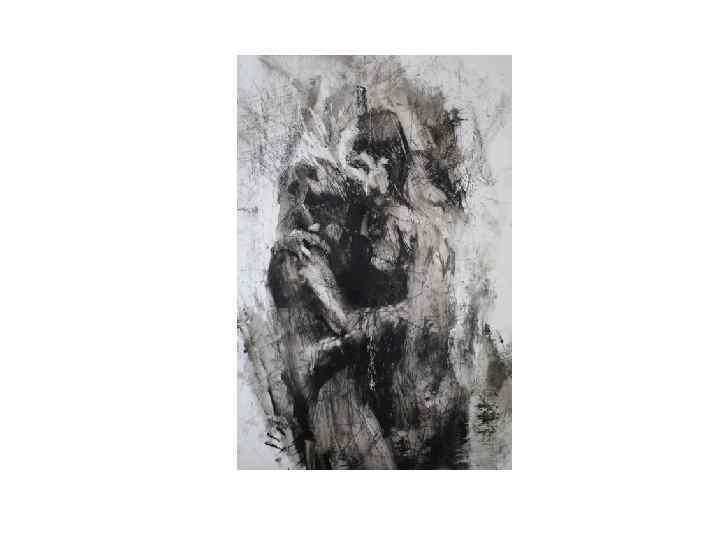
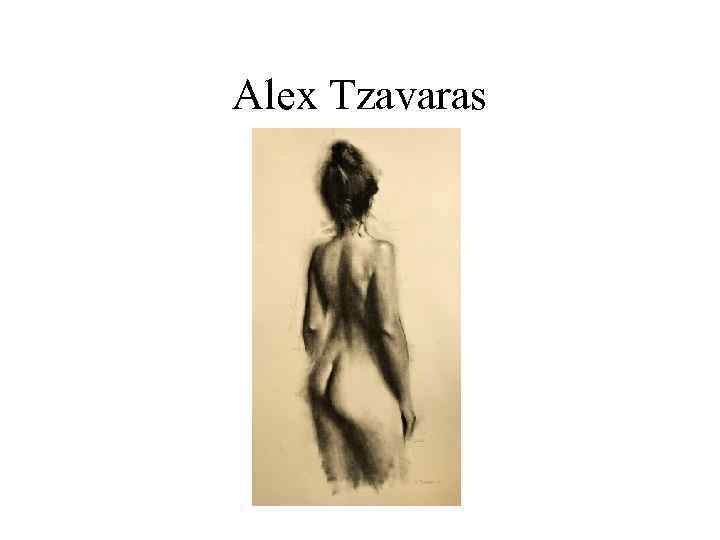 Alex Tzavaras
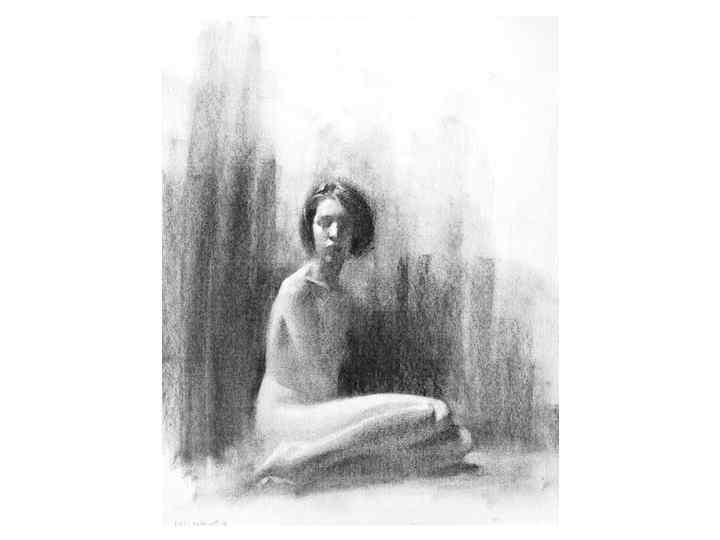
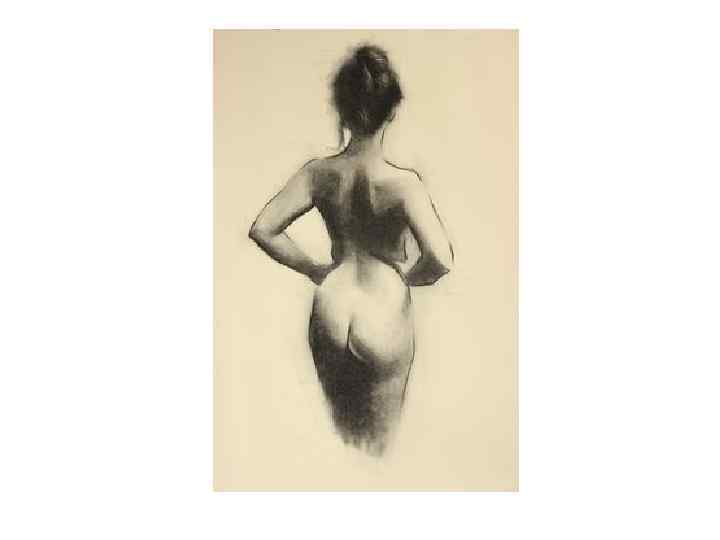
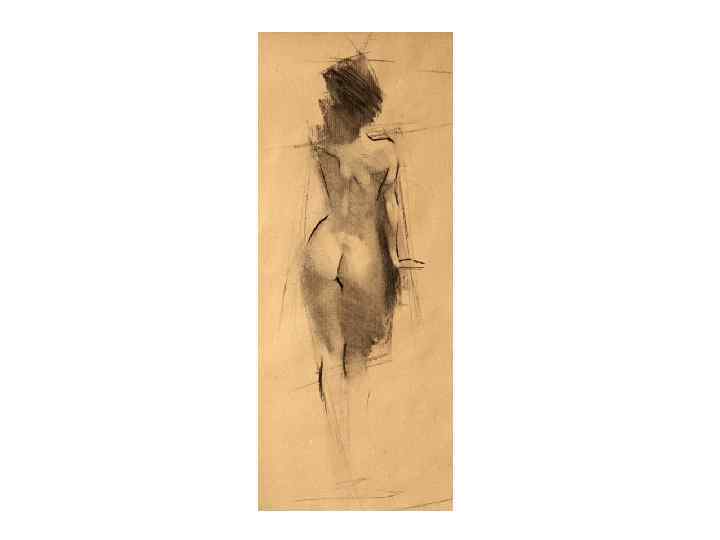
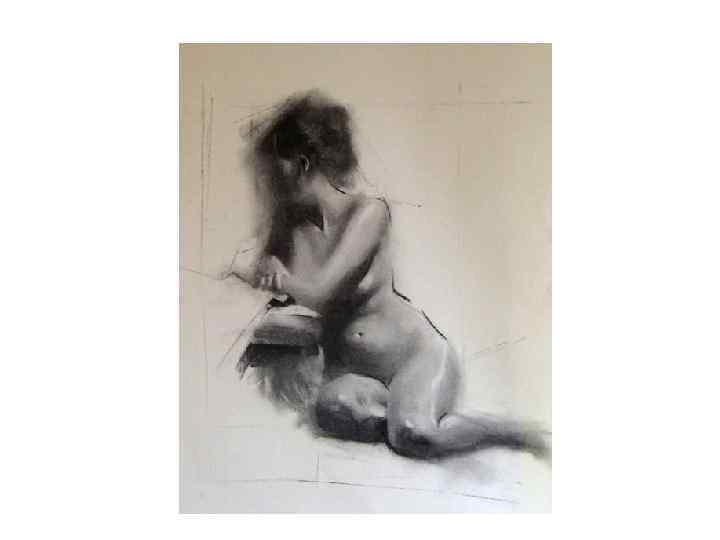
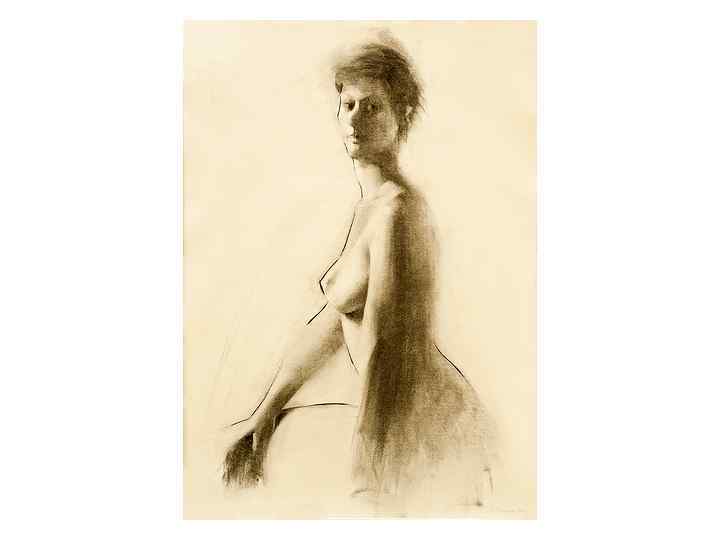
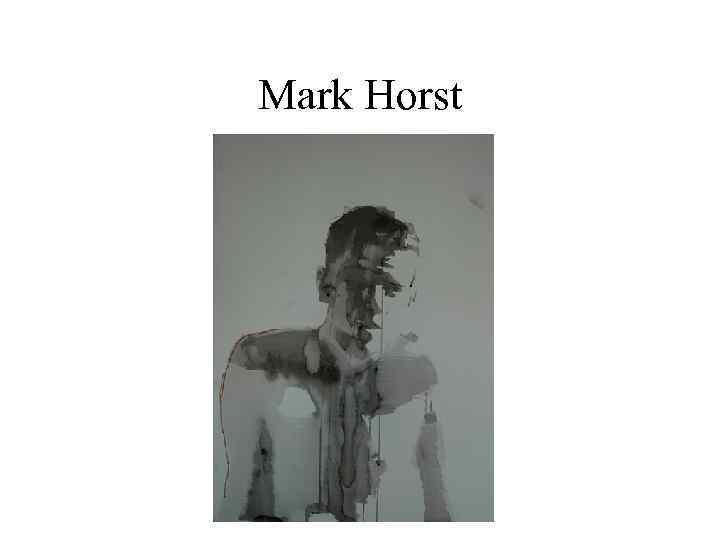 Mark Horst
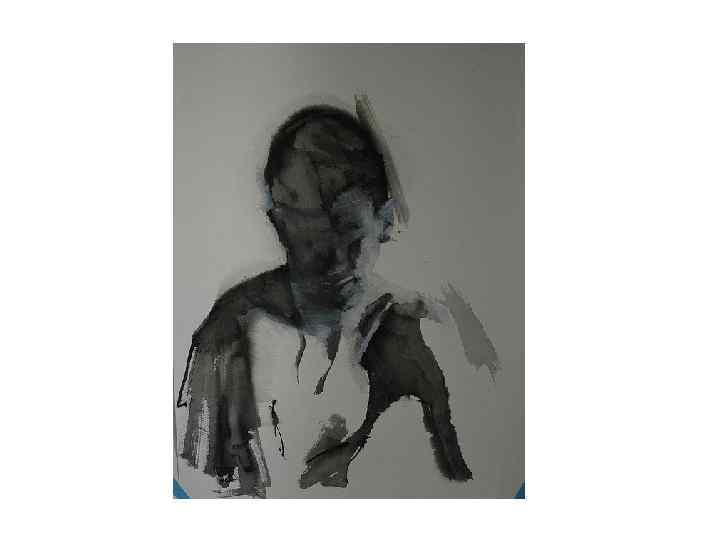
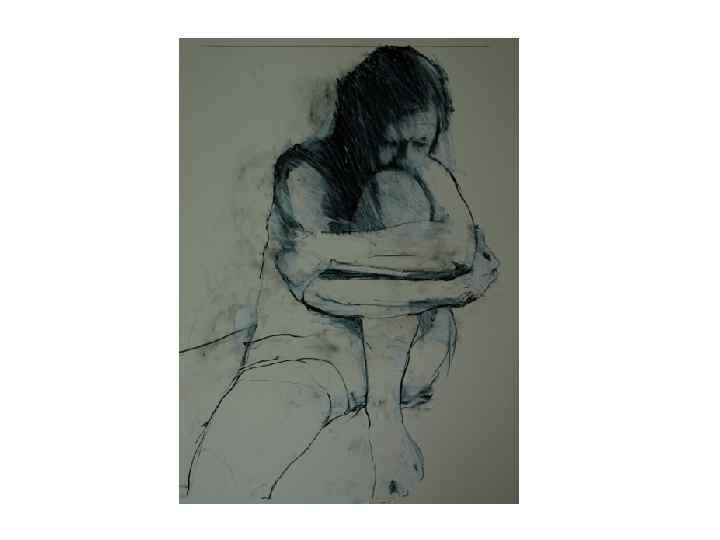
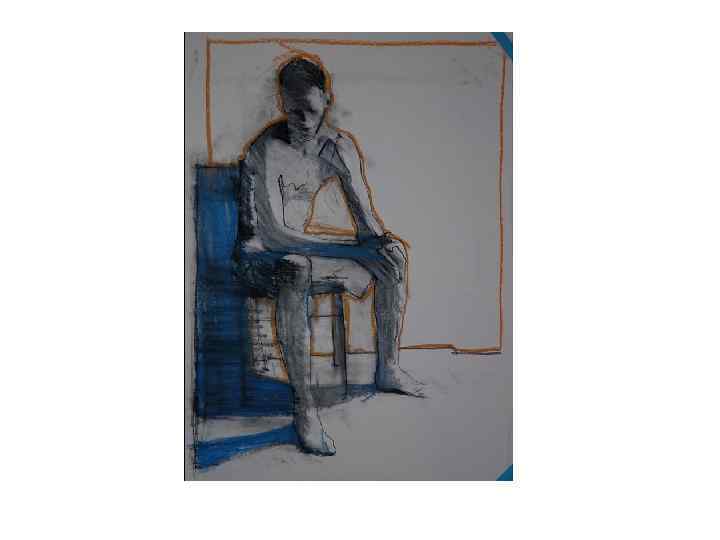
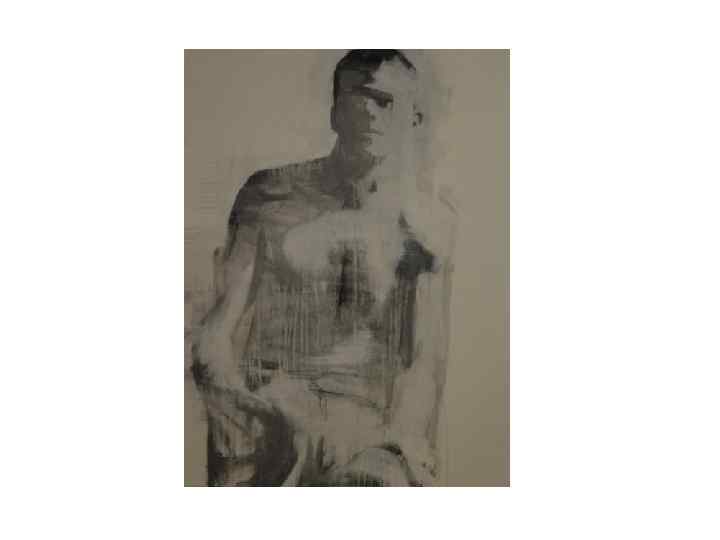
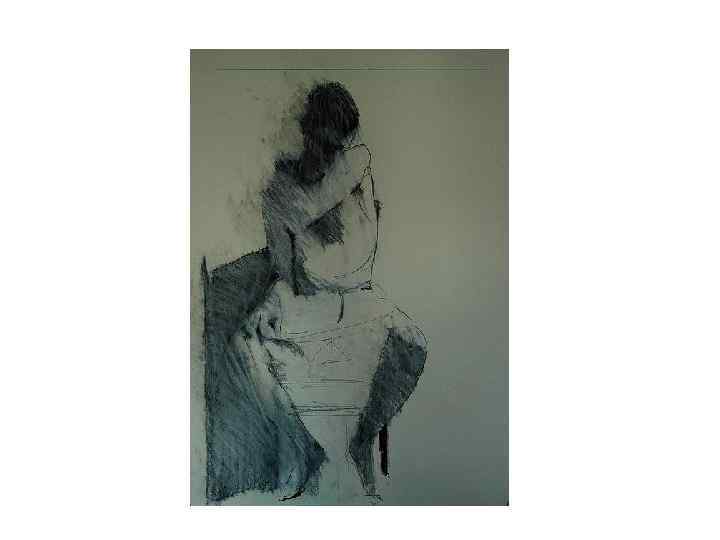
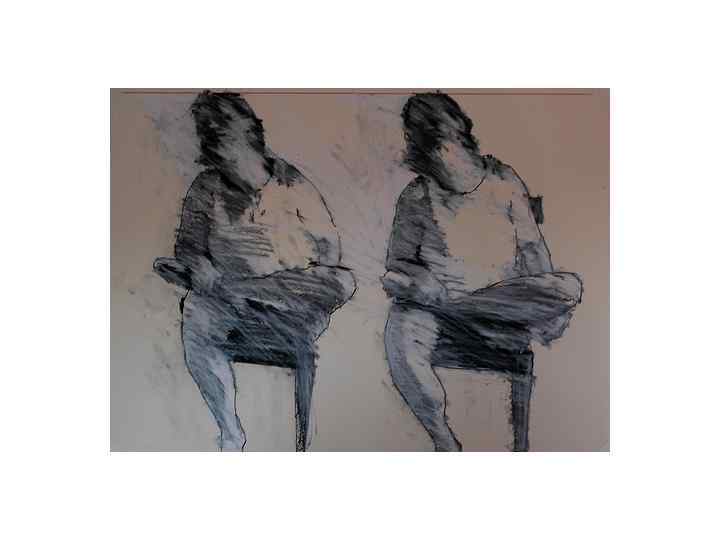
 Jordan Mejias
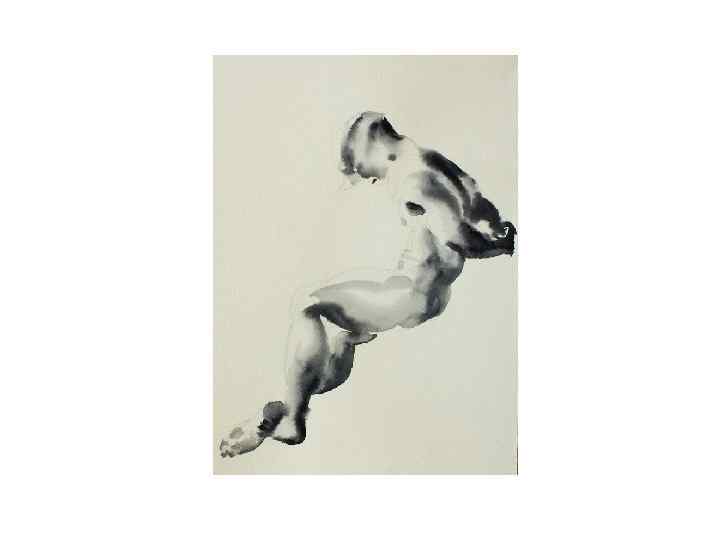
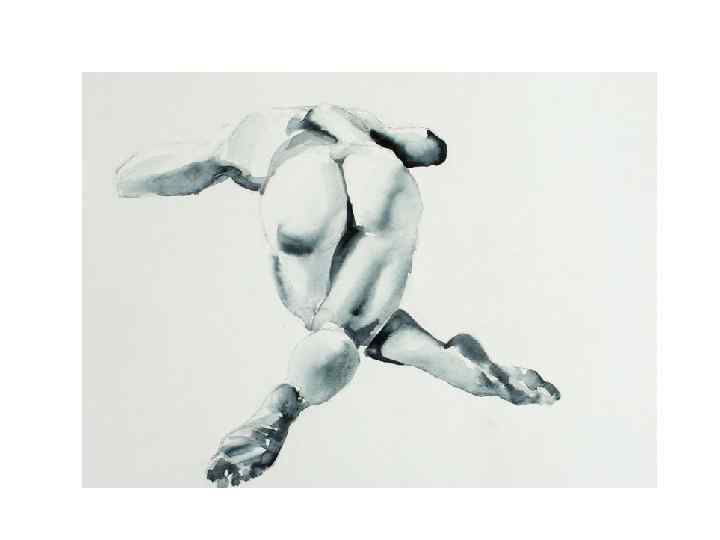
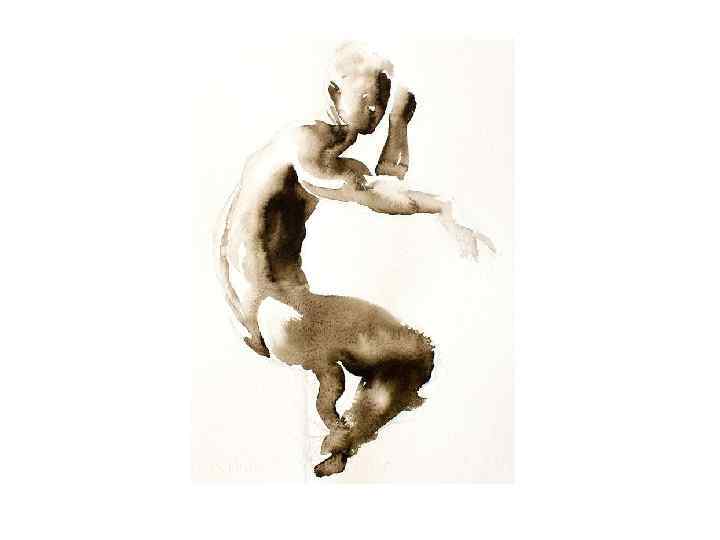
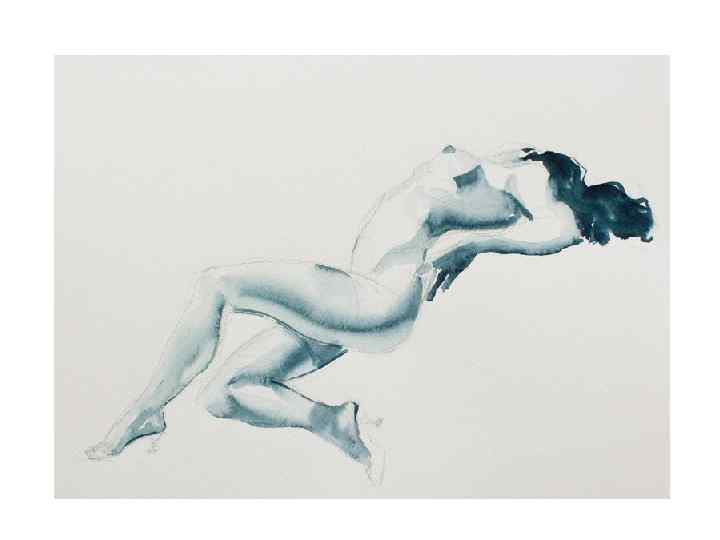
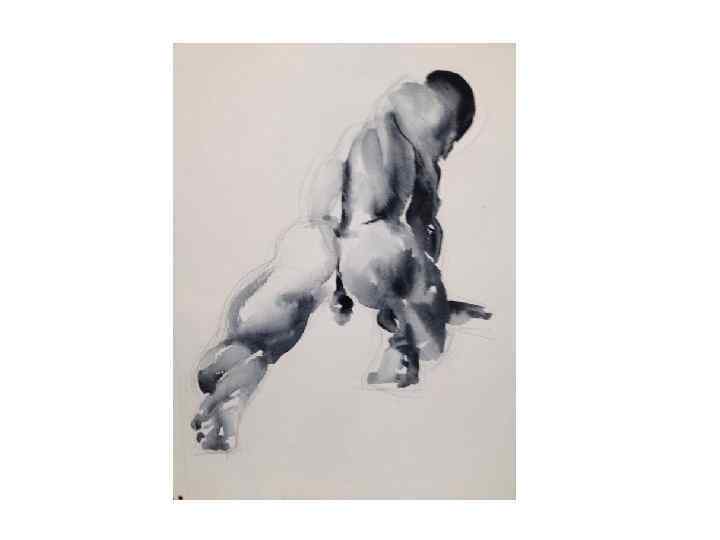
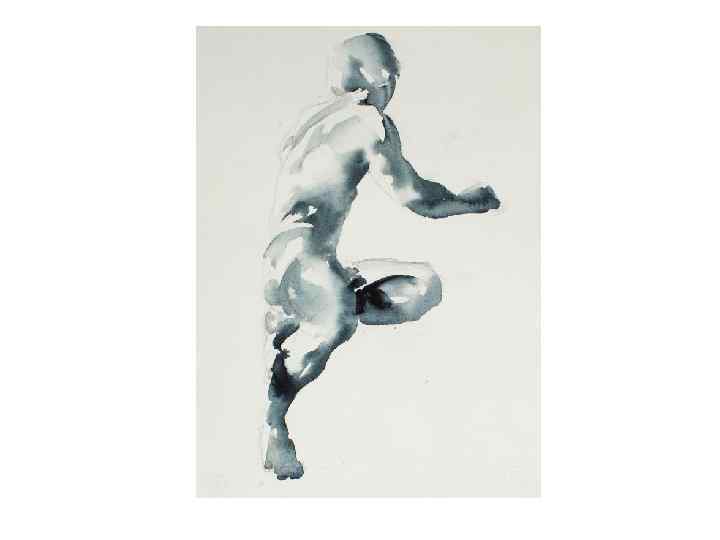
 Student’s examples
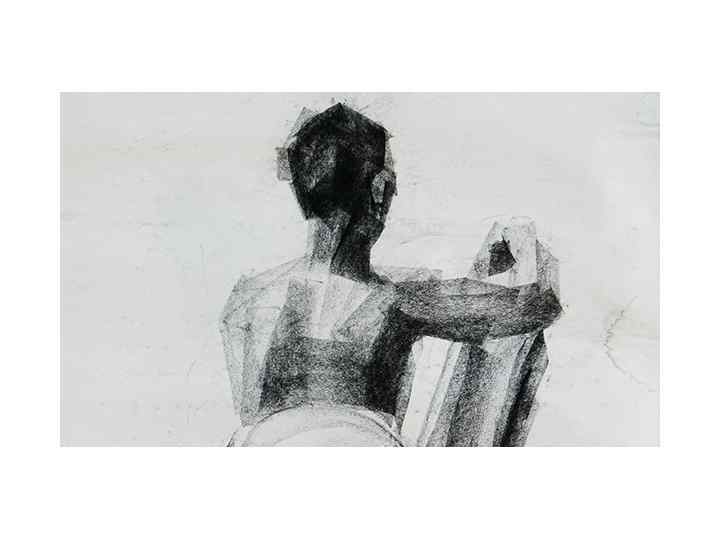
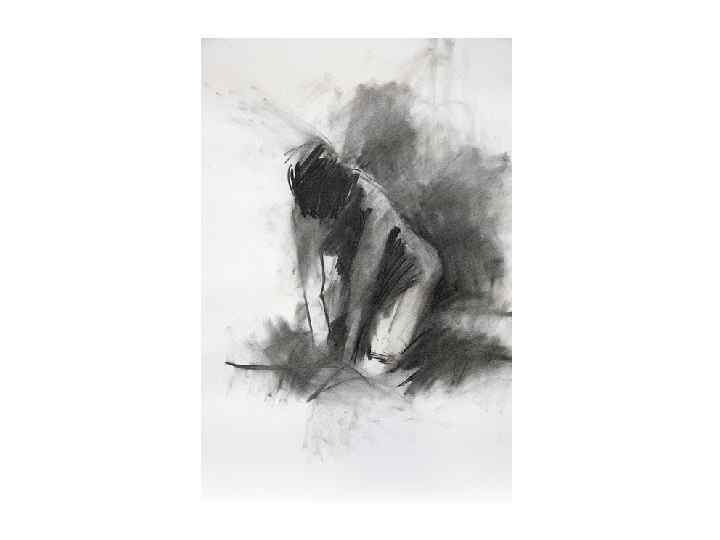
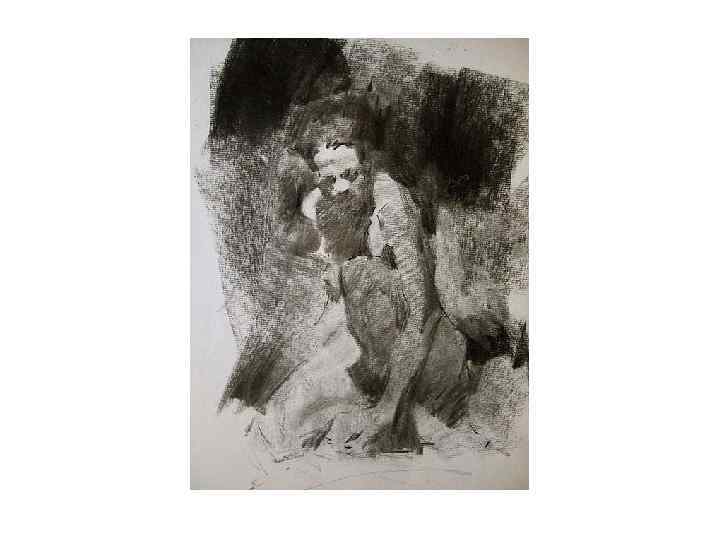
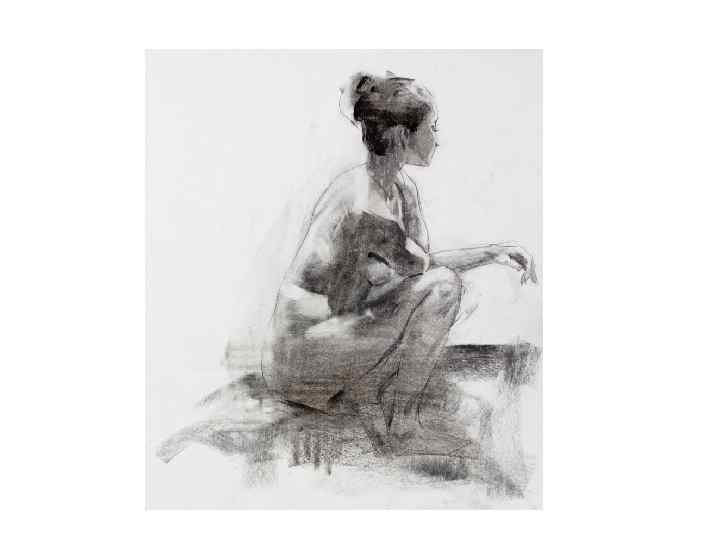
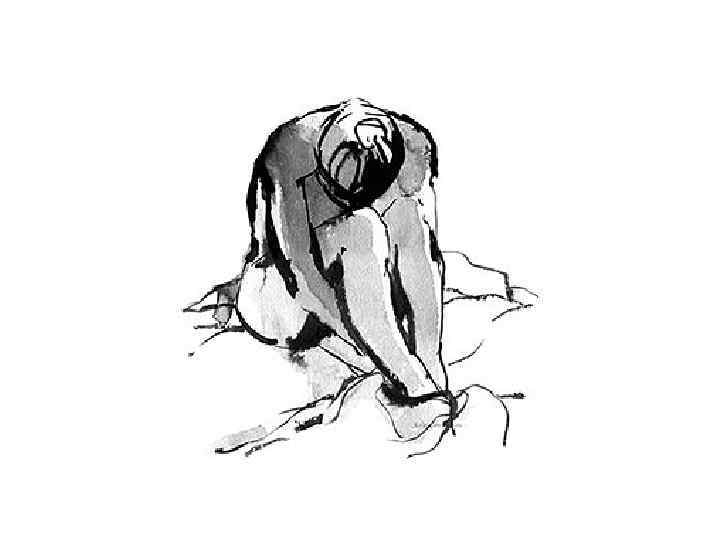
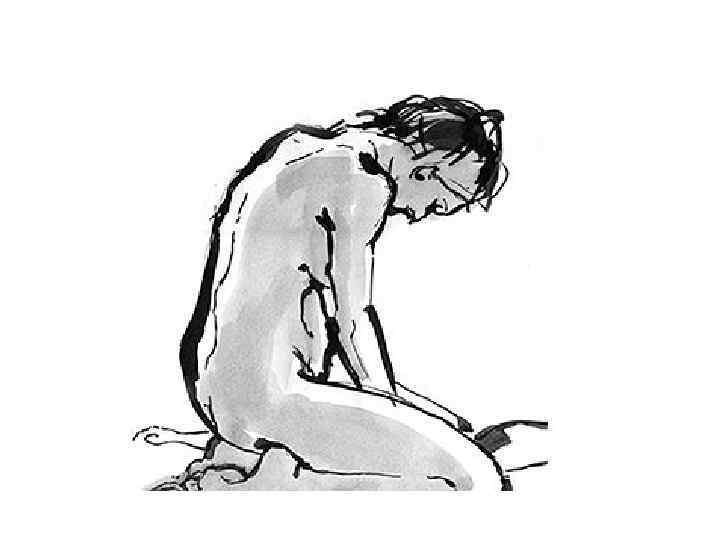
 Session plan • Quick studies using gradation of tone in your sketchbook • 3 A 2 drawings in charcoal and ink concentrating on tone and contrast
 Homework tasks • Look at least one artist from the brief and compare it with your results • Compare your results from the session with some artist’s works • Make a self-portrait on A 2 white paper, first cover it with charcoal and then using eraser rub out charcoal and create the representation of yourself
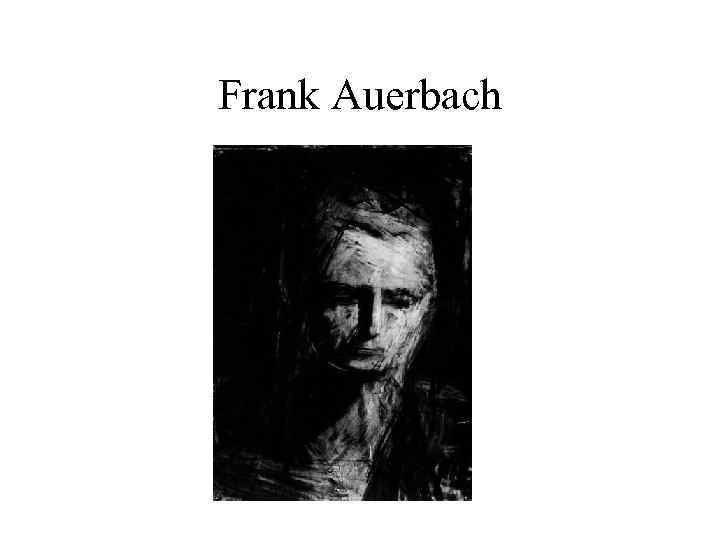 Frank Auerbach