


 Скачать презентацию LESSON 14 IMMUNITY NONSPECIFIC RESISTANCE FACTORS AND
14 IMMUNITY.pptx
- Количество слайдов: 32
 LESSON № 14 IMMUNITY NONSPECIFIC RESISTANCE FACTORS AND MECHANISMS ROLE OF NONSPECTIFIC RESISTANCE FACTORS IN ORAL CAVITY
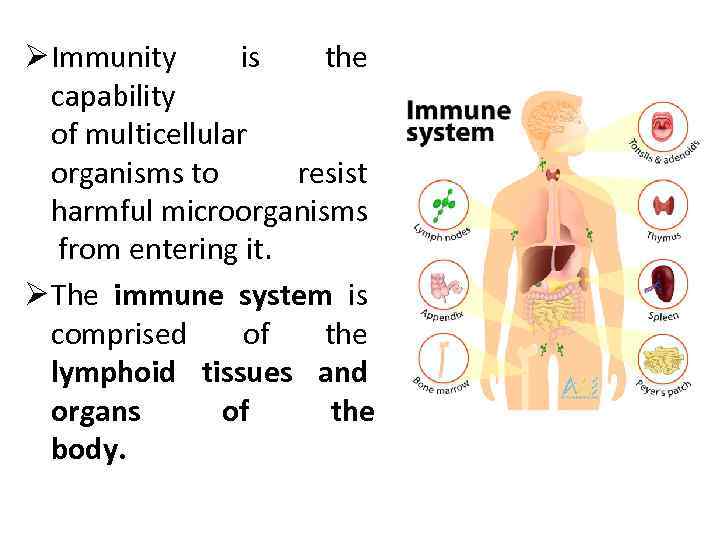 Ø Immunity is the capability of multicellular organisms to resist harmful microorganisms from entering it. Ø The immune system is comprised of the lymphoid tissues and organs of the body.
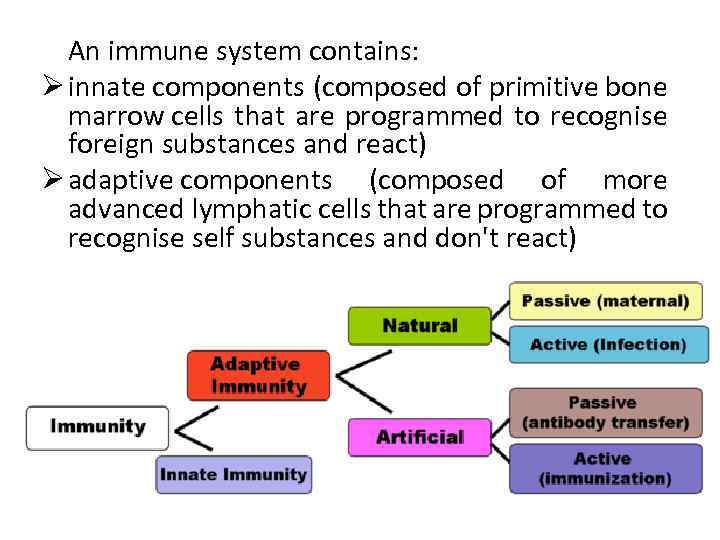 An immune system contains: Ø innate components (composed of primitive bone marrow cells that are programmed to recognise foreign substances and react) Ø adaptive components (composed of more advanced lymphatic cells that are programmed to recognise self substances and don't react)
 Immunity involves Ø Specific immunity: the development of antibodies for each of the cases of infection, the ingress of viruses, foreign bodies and the preservation of these cases in memory for a long period or for life. Ø Nonspecific (innate) immunity: act as barriers or eliminators of a wide range of pathogens irrespective of their antigenic make-up.
 NON-SPECIFIC RESISTANCE FACTORS Primary barriers of nonspecific protection factors ü Skin covers the entire body and mechanically protects the body from the penetration of microbes, viruses. ü Mucous membranes of the nasopharynx, respiratory tract, intestine have even more pronounced protective properties than the skin. In tears, saliva, lysozyme is found, which dissolves many saprophyte microbes, as well as some pathogenic microbes. ü The normal microflora of the human body has an antagonistic effect on various types of microorganisms. If microorganisms overcome these barriers, then secondary barriers of nonspecific protection factors come into operation.
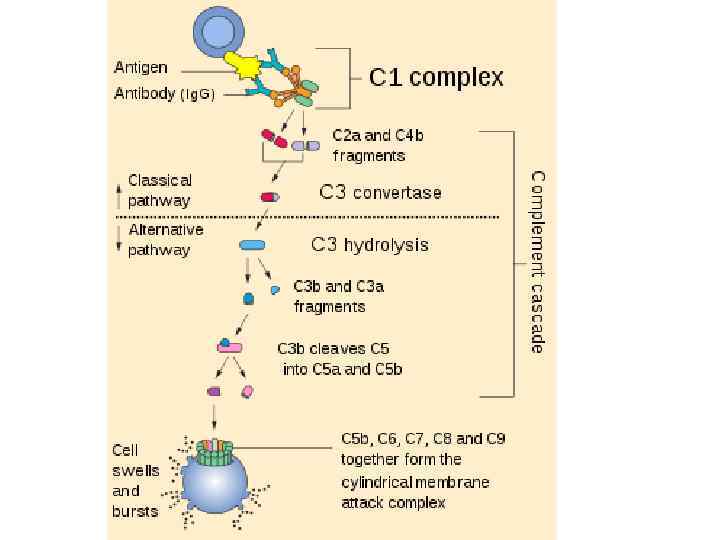
 NON-SPECIFIC RESISTANCE FACTORS Secondary barriers of nonspecific protection factors 1. Humoral factors – complement system: is a component of many immunological reactions aimed at freeing the body of microbes and other foreign agents.
 COMPLEMENT SYSTEM The complement system is a part of the immune system that enhances (complements) the ability of antibodies and phagocytic cells to clear microbes and damaged cells from an organism, promotes inflammation, and attacks the pathogen's plasma membrane. It is part of the innate immune system, which is not adaptable and does not change over the course of an individual's lifetime. It can be recruited and brought into action by antibodies generated by the adaptive immune system.
 ACTIVATION OF COMPLEMENT Antibodies combined with the surface of microorganisms or surfaces of Ag activate the complement cascade which has four principal effects related to host defense: 1. Induction of the inflammatory responsechemotactic 2. Attraction of phagocytes to the site of immunological encounter 3. Opsonization of cells showing foreign Ag 4. Complement-mediated lysis of certain bacteria or viruses
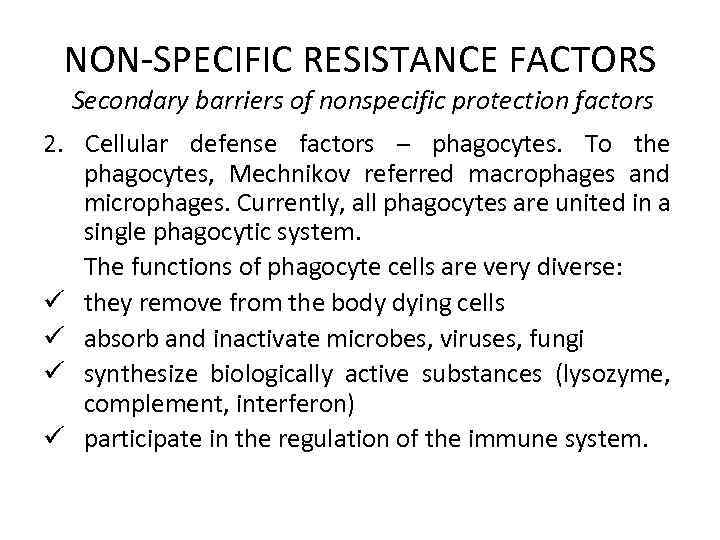 NON-SPECIFIC RESISTANCE FACTORS Secondary barriers of nonspecific protection factors 2. Cellular defense factors – phagocytes. To the phagocytes, Mechnikov referred macrophages and microphages. Currently, all phagocytes are united in a single phagocytic system. The functions of phagocyte cells are very diverse: ü they remove from the body dying cells ü absorb and inactivate microbes, viruses, fungi ü synthesize biologically active substances (lysozyme, complement, interferon) ü participate in the regulation of the immune system.
 SUMMARY The immunological system is able to recognize foreign substances (antigens) which stimulate the system to produce antibody-mediated immunity (AMI), cell-mediated immunity (CMI), or both. AMI and CMI are the two great branches of the immune system. Genetically foreign substances that, when introduced into the body, can stimulate the immune response (cellular reaction, antibody formation, allergy, tolerance) and specifically react with the formed antibodies both in vivo and in vitro, are called antigens.
 AN ANTIGEN An antigen (Ag) is a substance, usually macromolecular, that induces an immunological response. Because of its complex macromolecular structure, a single microorganism consists of multiple antigens. The coat proteins and some of the envelope proteins of animal viruses are also usually antigenic. The host is able to respond specifically to each and every antigen to come into contact with the components of the immunological system.
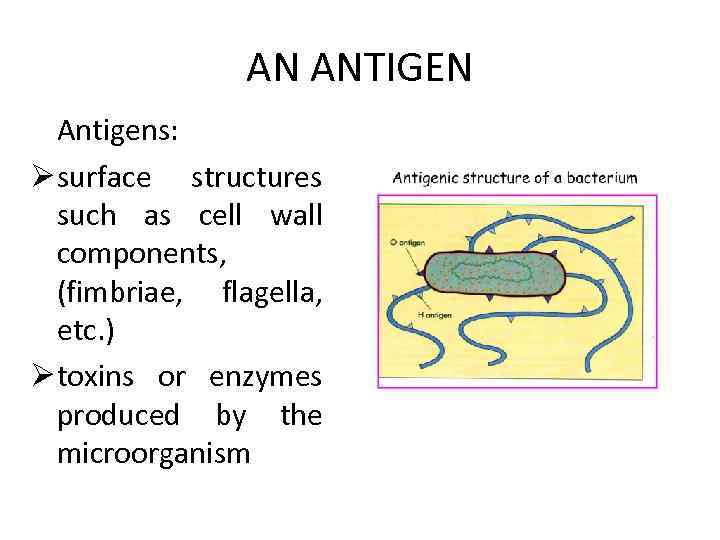 AN ANTIGEN Antigens: Ø surface structures such as cell wall components, (fimbriae, flagella, etc. ) Ø toxins or enzymes produced by the microorganism
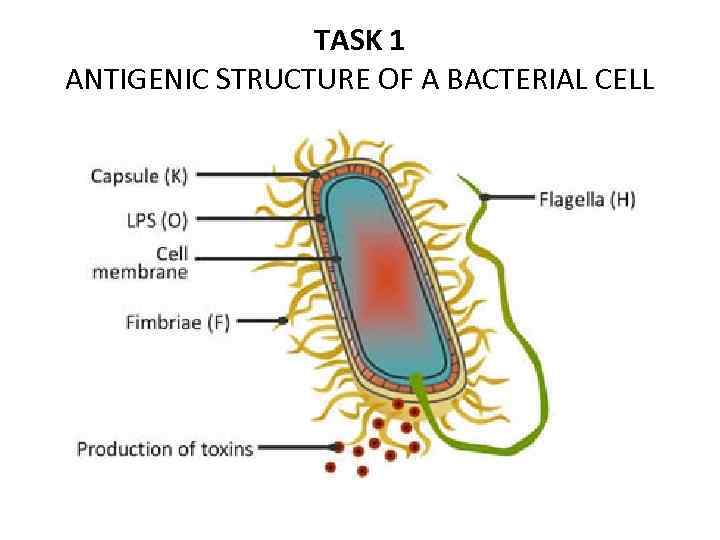 TASK 1 ANTIGENIC STRUCTURE OF A BACTERIAL CELL
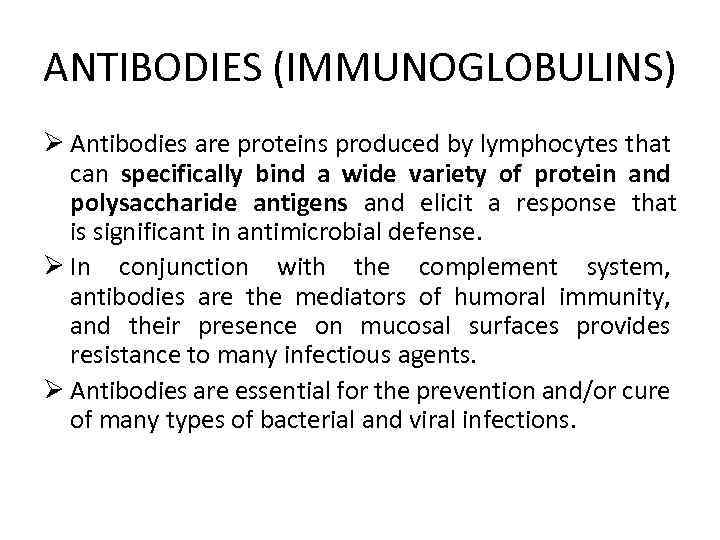 ANTIBODIES (IMMUNOGLOBULINS) Ø Antibodies are proteins produced by lymphocytes that can specifically bind a wide variety of protein and polysaccharide antigens and elicit a response that is significant in antimicrobial defense. Ø In conjunction with the complement system, antibodies are the mediators of humoral immunity, and their presence on mucosal surfaces provides resistance to many infectious agents. Ø Antibodies are essential for the prevention and/or cure of many types of bacterial and viral infections.
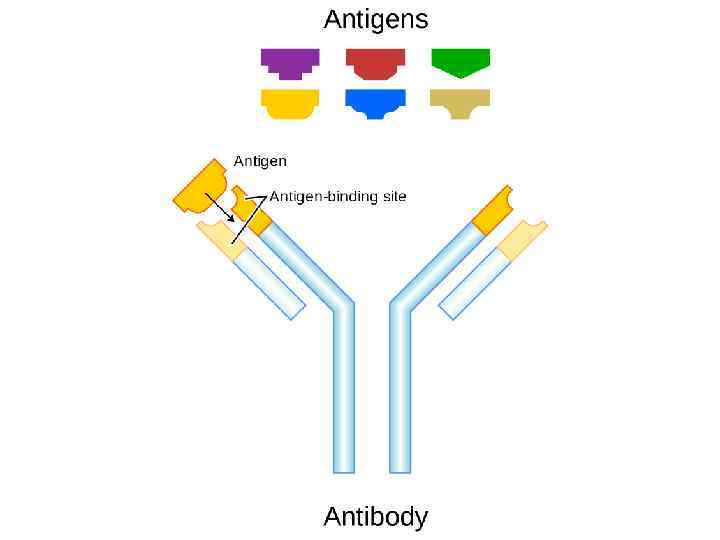
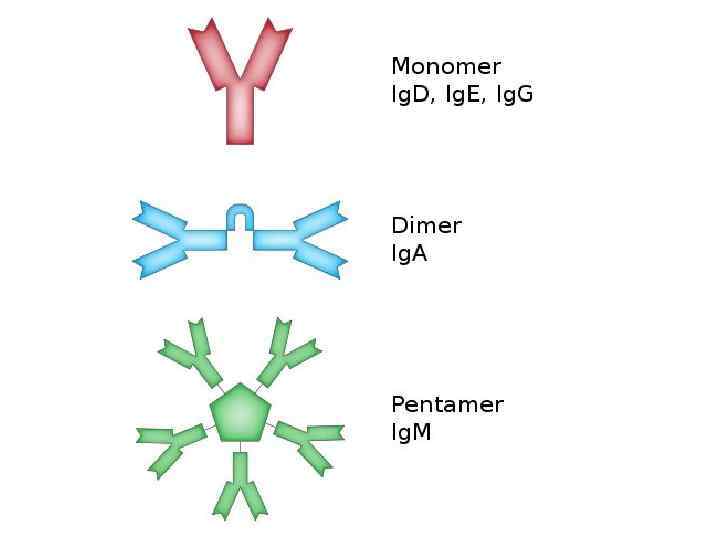
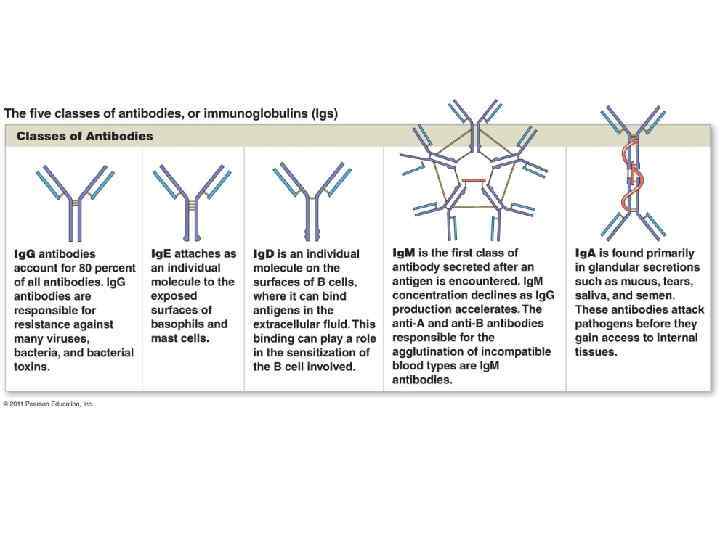
 ANTIBODIES (IMMUNOGLOBULINS) Ø There a number of types of antibodies or immunoglobulins that react stereochemically and specifically with an antigen that induced their formation. Ø Five immunoglobulin classes are defined on the basis of their heavy chain composition, named Ig. G, Ig. M, Ig. A, Ig. E, and Ig. D. Ig. G and Ig. A are further divided into subclasses. Ø Each of these classes of immunoglobulins (abbreviated Ig) is produced by a specific clone of plasma cells. Their synthesis occurs at different stages and rates during an immune response and/or during the course of an infection. Ø The classes of immunoglobulins have different physical and chemical characteristics and they exhibit unique biological properties. Their importance and functions in host resistance are different.
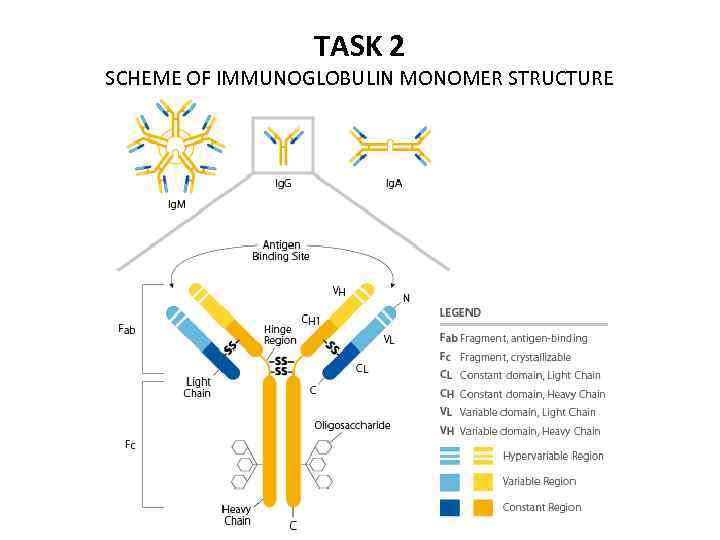 TASK 2 SCHEME OF IMMUNOGLOBULIN MONOMER STRUCTURE
 Ig. A Ø Ig. A is the predominant immunoglobulin (in GI fluids, nasal secretions, saliva, tears etc) Ø Ig. A antibodies are important in resistance to infection of the mucosal surfaces (respiratory, intestinal and urogenital tracts) Ø Ig. A acts as a protective coating for the mucous surfaces against microbial adherence or initial colonization and can also neutralize toxin activity on mucosal surfaces. Ø Fc receptors for Ig. A-coated microorganisms found on monocytes and neutrophils derived from the respiratory mucosa, suggest that Ig. A may have a role in the lung, at least, in opsonization of pathogens.
 Ig. A Ø Ig. A is also transferred via the milk from a mother to a newborn, which provides passive immunity to many pathogens, especially those that enter by way of the GI tract Ø In humans there are two types of Ig. A, predominantly Ig. A 1, found in serum and derived in bone marrow, and Ig. A 2, a secretory form of Ig. A (small differences in chemical structure)
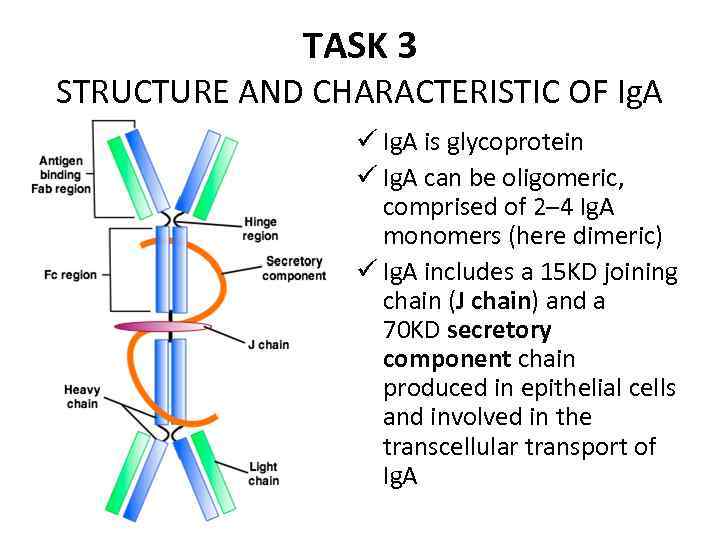 TASK 3 STRUCTURE AND CHARACTERISTIC OF Ig. A ü Ig. A is glycoprotein ü Ig. A can be oligomeric, comprised of 2– 4 Ig. A monomers (here dimeric) ü Ig. A includes a 15 KD joining chain (J chain) and a 70 KD secretory component chain produced in epithelial cells and involved in the transcellular transport of Ig. A
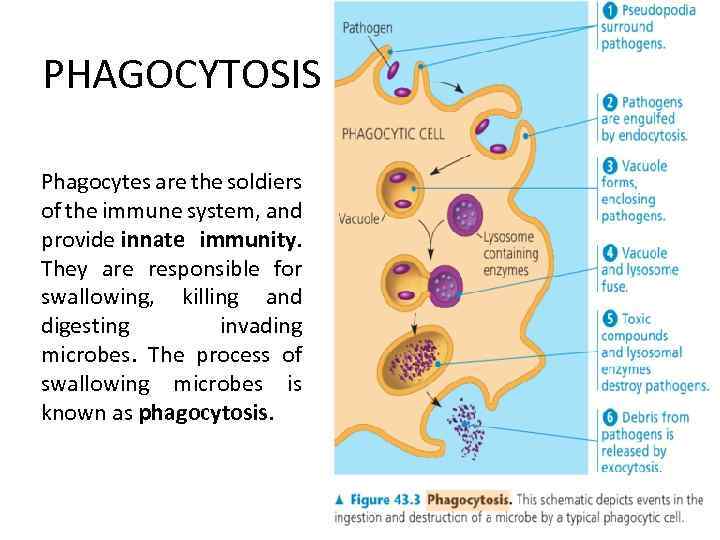 PHAGOCYTOSIS Phagocytes are the soldiers of the immune system, and provide innate immunity. They are responsible for swallowing, killing and digesting invading microbes. The process of swallowing microbes is known as phagocytosis.
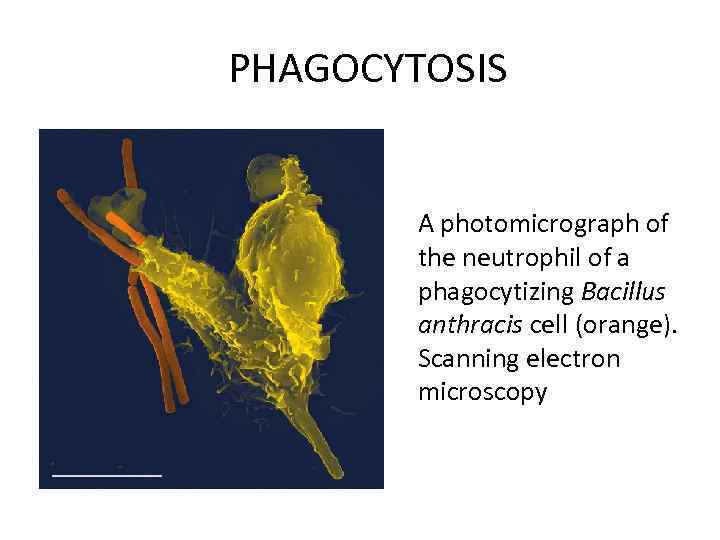 PHAGOCYTOSIS A photomicrograph of the neutrophil of a phagocytizing Bacillus anthracis cell (orange). Scanning electron microscopy
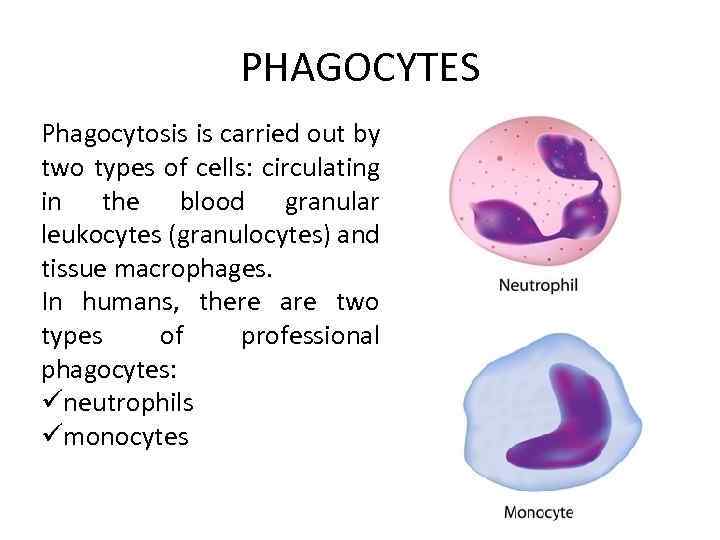 PHAGOCYTES Phagocytosis is carried out by two types of cells: circulating in the blood granular leukocytes (granulocytes) and tissue macrophages. In humans, there are two types of professional phagocytes: üneutrophils ümonocytes
 IMMUNE AND NON-IMMUNE PHAGOCYTOSIS ØImmune phagocytosis is absorption by phagocytes of the antigens that make up the immune complexes. Antigens can be either individual molecules or their aggregates, or whole cells or their debris. For the implementation of immune phagocytosis, the participation of immunoglobulin molecules and / or complement is necessary. ØNon-immune phagocytosis: macrophages are capable of phagocytizing foreign particles, microorganisms and the remains of damaged cells directly, without calling an immune response.
 INCOMPLETE PHAGOCYTOSIS Phagocytosis must be completed by the complete destruction of the harmful object. They must, but do not always end. In the latter case, phagocytosis is called incomplete. The phenomenon of incomplete phagocytosis occurs if the phagocyte "attacks", absorbs the object, but can not digest it. Usually this happens to living harmful agents: bacteria, fungi, viruses. As a rule, the causes of phagocytosis of an incomplete type lie in the characteristics of the pathogen itself. Less often they are caused by defects in human immunity.
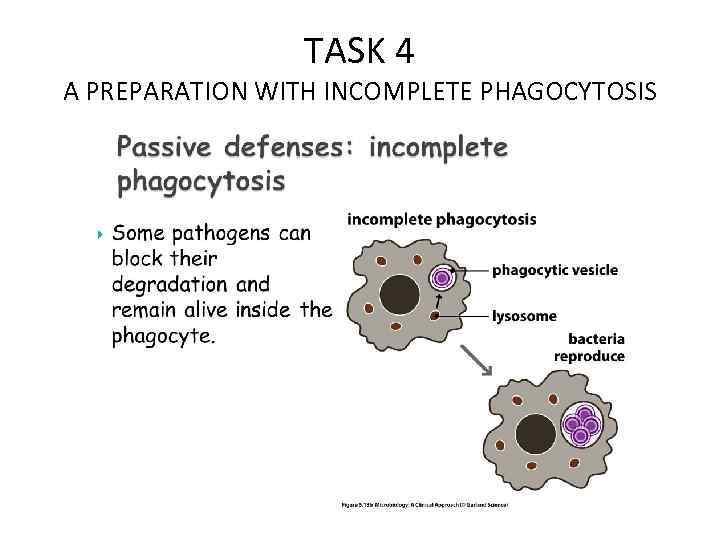 TASK 4 A PREPARATION WITH INCOMPLETE PHAGOCYTOSIS
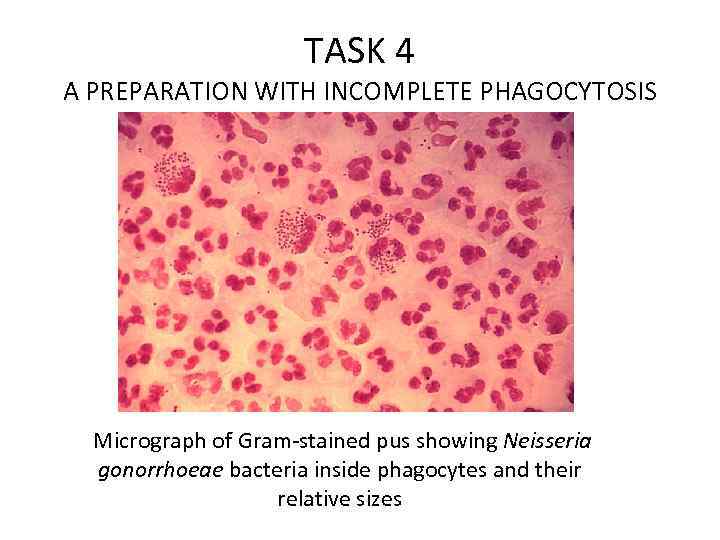 TASK 4 A PREPARATION WITH INCOMPLETE PHAGOCYTOSIS Micrograph of Gram-stained pus showing Neisseria gonorrhoeae bacteria inside phagocytes and their relative sizes
 LOCAL IMMUNITY OF ORAL CAVITY Ø The oral cavity is the "entrance gate" for pathogens. Ø Practical experience shows that diseases of the oral mucosa occur much less frequently than would be expected. This is due to the peculiarities of the structure of the mucous membrane and the precence of powerful mechanisms that prevent the development of the inflammatory process.
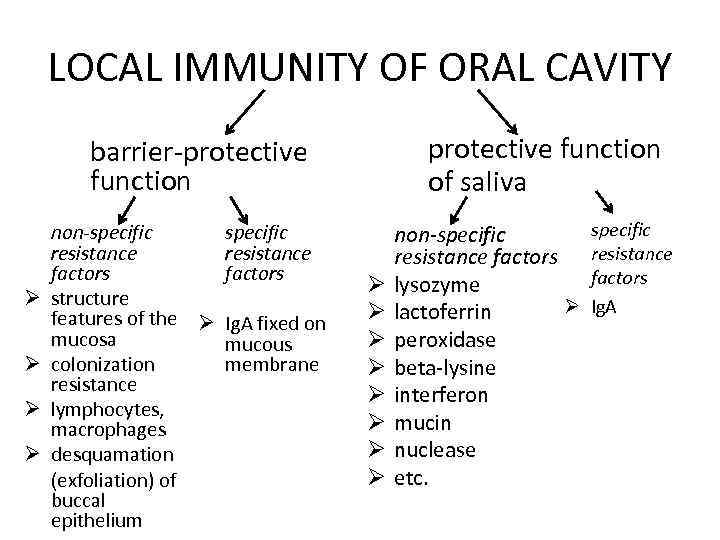 LOCAL IMMUNITY OF ORAL CAVITY protective function of saliva barrier-protective function Ø Ø non-specific resistance factors structure features of the Ø Ig. A fixed on mucosa mucous colonization membrane resistance lymphocytes, macrophages desquamation (exfoliation) of buccal epithelium Ø Ø Ø Ø non-specific resistance factors lysozyme Ø lactoferrin peroxidase beta-lysine interferon mucin nuclease etc. specific resistance factors Ig. A