


 Скачать презентацию LEGO engineering in science and vocational education for
7b2c39c57f5f3ae9e68ad7e5e5a4b978.ppt
- Количество слайдов: 21
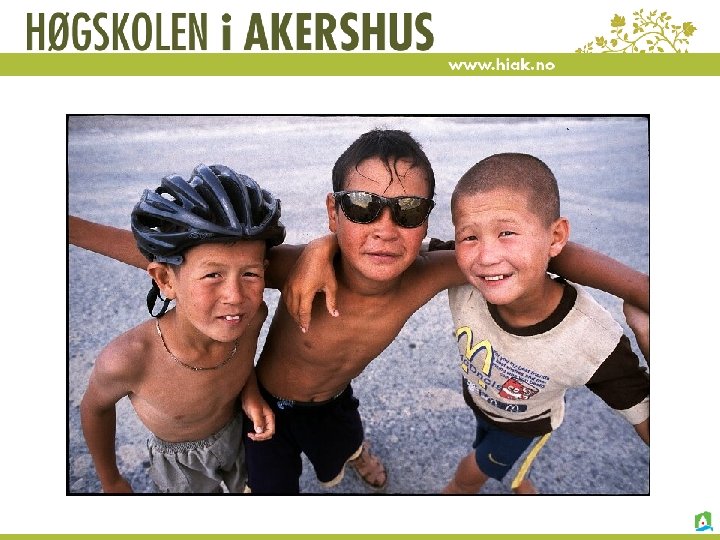
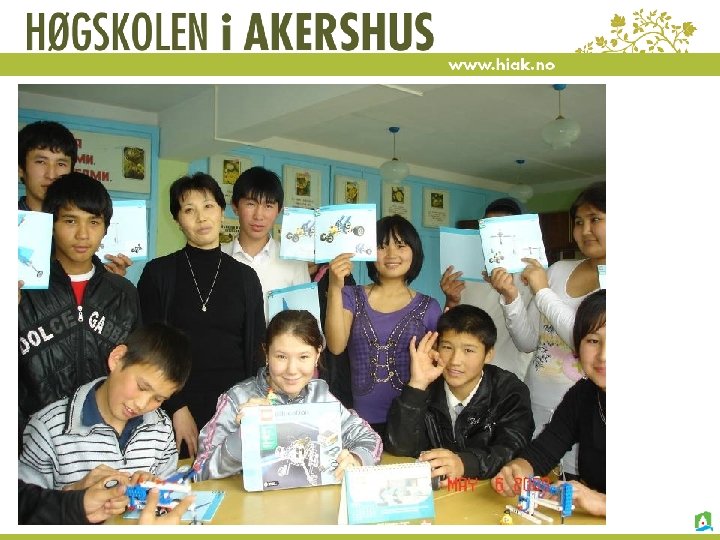
 LEGO engineering in science and vocational education for street children in Kyrgyzstan Birger Brevik (Hi. Ak – Norway) & Suyun Aidarov (UNDP – Kyrgyzstan)
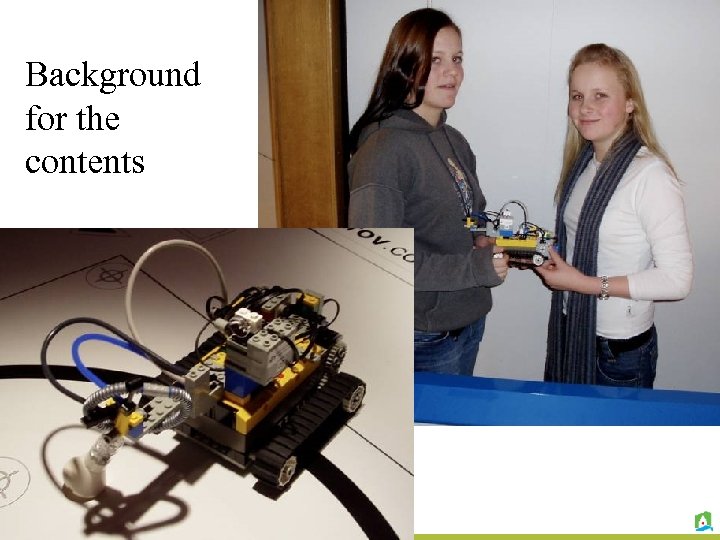 Background for the contents
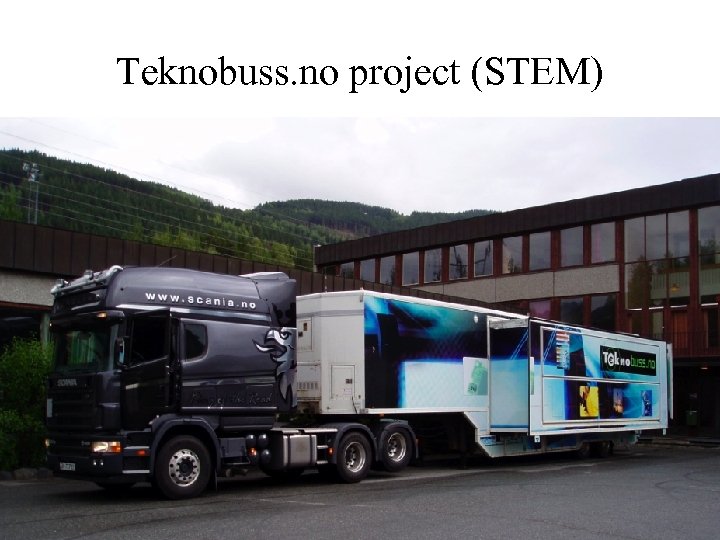 Teknobuss. no project (STEM) 3
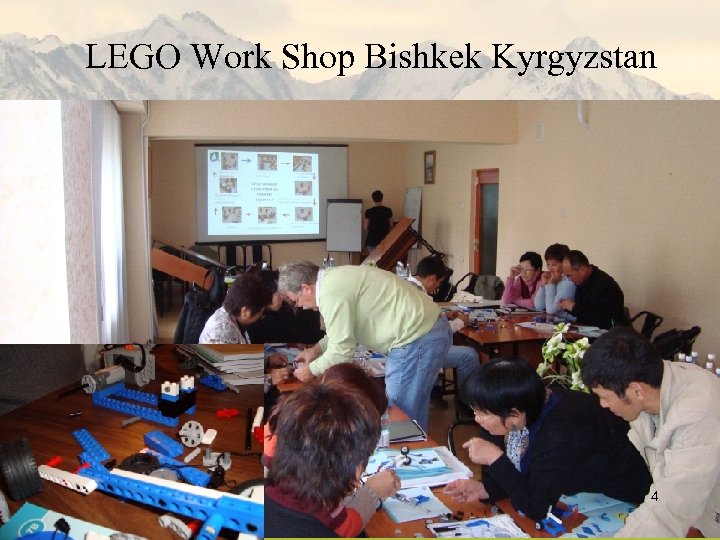 LEGO Work Shop Bishkek Kyrgyzstan 4
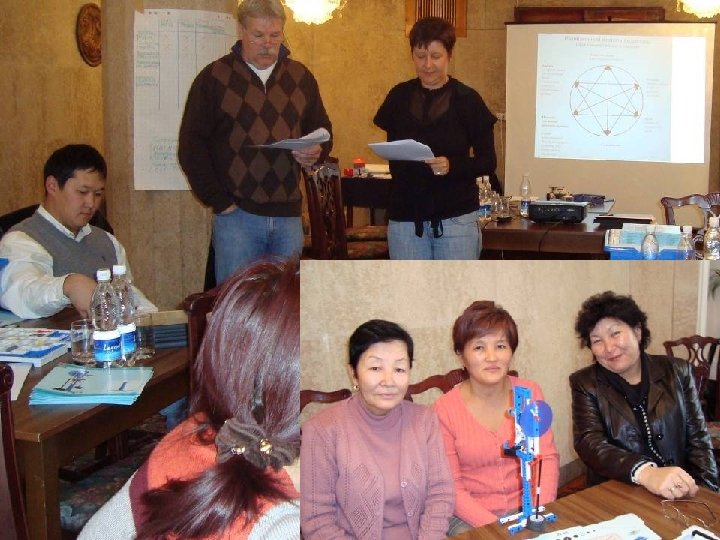 5
5
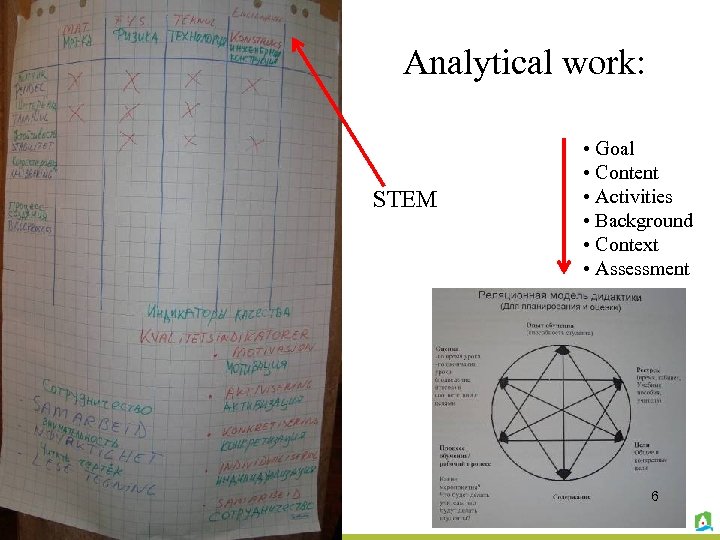 Analytical work: STEM • Goal • Content • Activities • Background • Context • Assessment 6
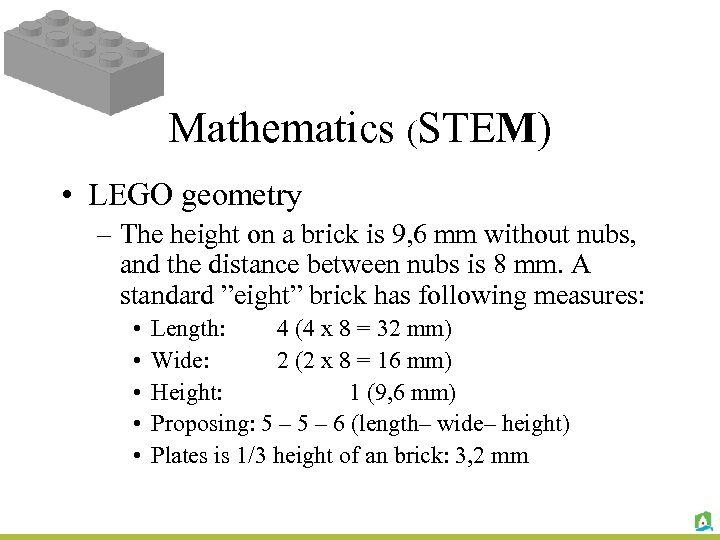 Mathematics (STEM) • LEGO geometry – The height on a brick is 9, 6 mm without nubs, and the distance between nubs is 8 mm. A standard ”eight” brick has following measures: • • • Length: 4 (4 x 8 = 32 mm) Wide: 2 (2 x 8 = 16 mm) Height: 1 (9, 6 mm) Proposing: 5 – 6 (length– wide– height) Plates is 1/3 height of an brick: 3, 2 mm
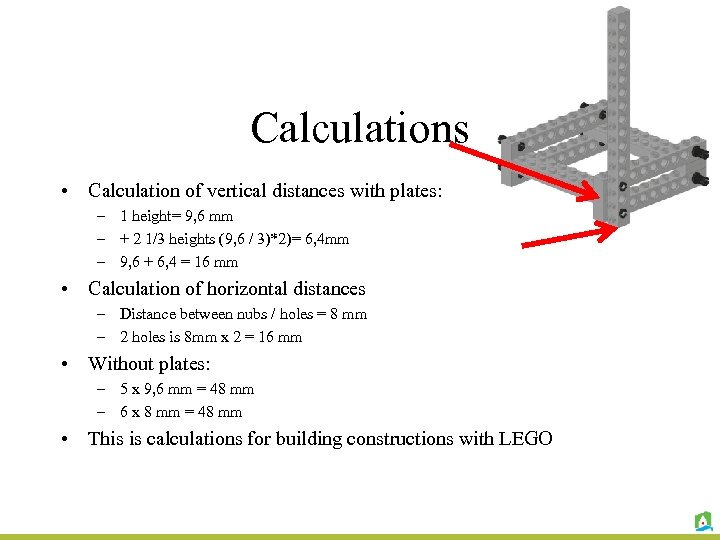 Calculations • Calculation of vertical distances with plates: – 1 height= 9, 6 mm – + 2 1/3 heights (9, 6 / 3)*2)= 6, 4 mm – 9, 6 + 6, 4 = 16 mm • Calculation of horizontal distances – Distance between nubs / holes = 8 mm – 2 holes is 8 mm x 2 = 16 mm • Without plates: – 5 x 9, 6 mm = 48 mm – 6 x 8 mm = 48 mm • This is calculations for building constructions with LEGO
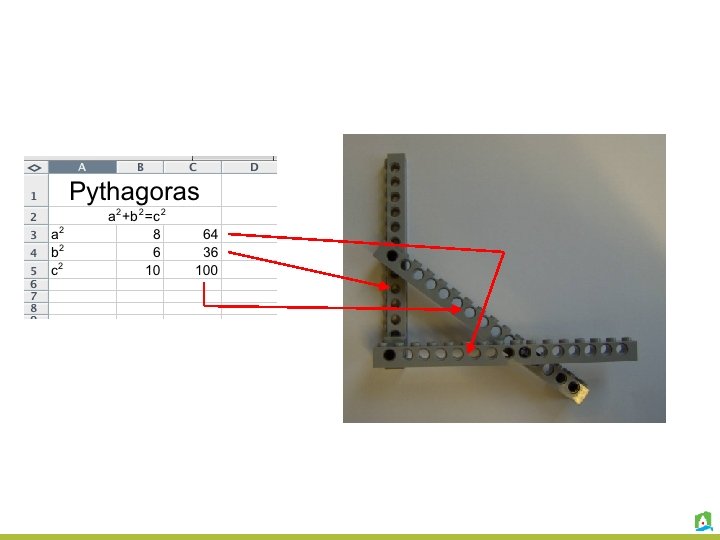 Pythagoras
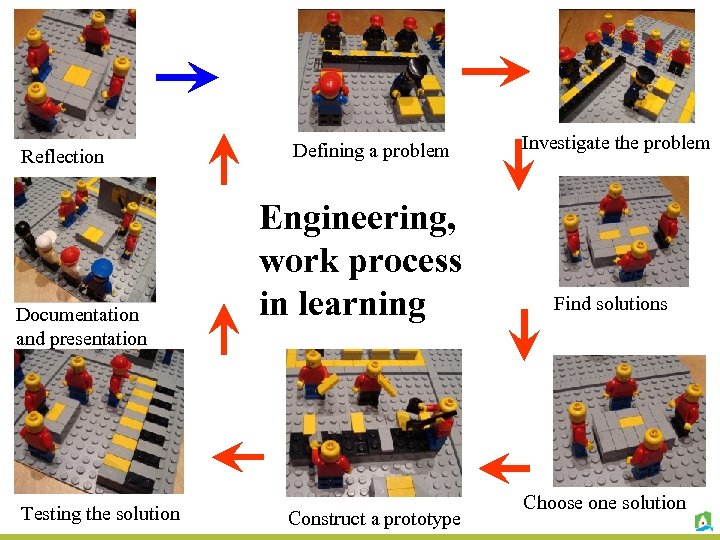 Reflection Documentation and presentation Testing the solution Defining a problem Engineering, work process in learning Construct a prototype Investigate the problem Find solutions Choose one solution
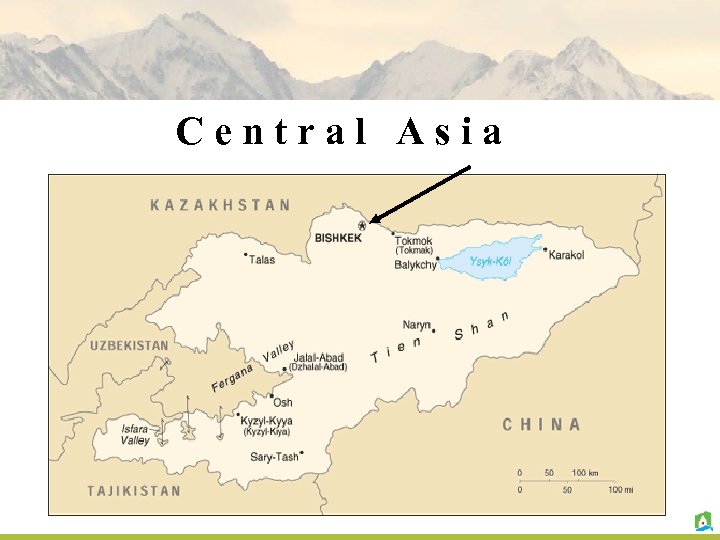 Central Asia
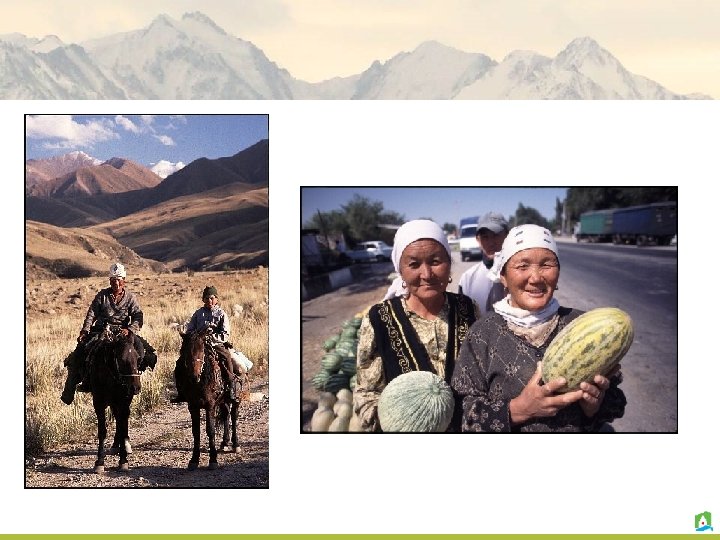
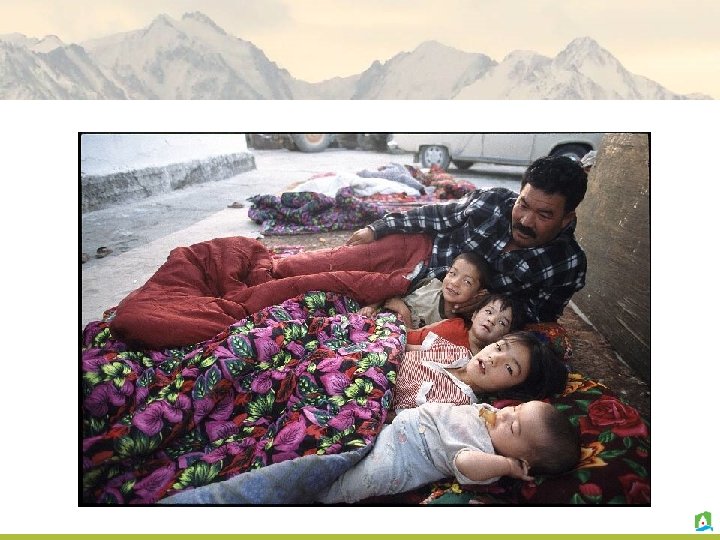
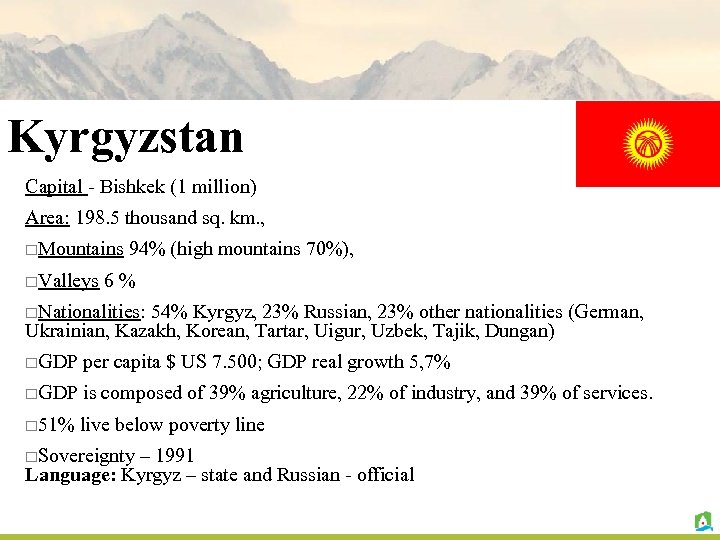 Kyrgyzstan Capital - Bishkek (1 million) Area: 198. 5 thousand sq. km. , o. Mountains 94% (high mountains 70%), o. Valleys 6 % o. Nationalities: 54% Kyrgyz, 23% Russian, 23% other nationalities (German, Ukrainian, Kazakh, Korean, Tartar, Uigur, Uzbek, Tajik, Dungan) o. GDP per capita $ US 7. 500; GDP real growth 5, 7% o. GDP is composed of 39% agriculture, 22% of industry, and 39% of services. o 51% live below poverty line o. Sovereignty – 1991 Language: Kyrgyz – state and Russian - official
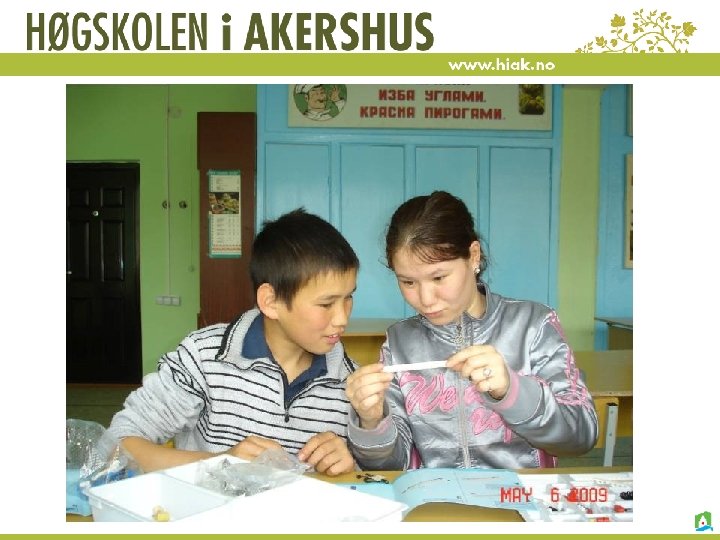
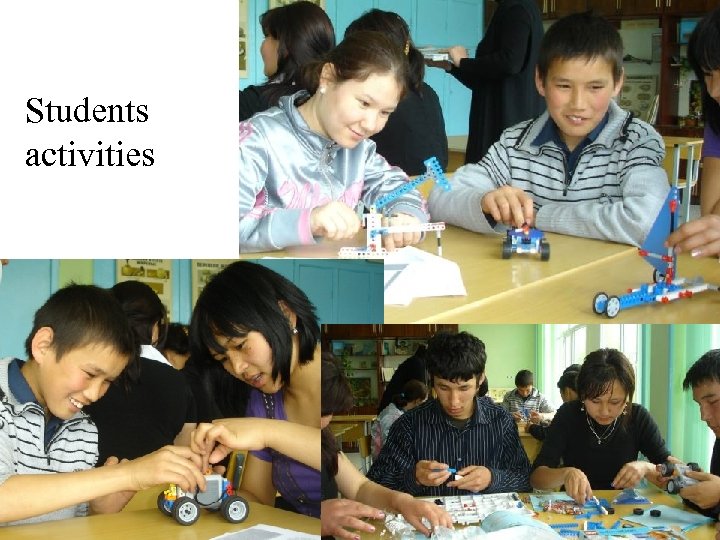 Students activities
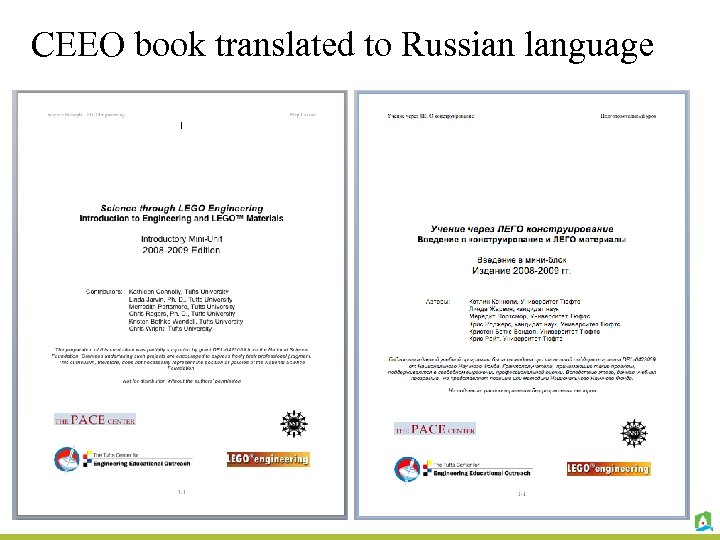 CEEO book translated to Russian language
 References Dewey, J. (1910). How We Think (Opptrykk, Kessinger Publishing ed. ). New York: D. C. Heath and Company. Engeström, Y. (1996). Developmental work research as educational research, looking ten years back and into the zone of proximal development. Nordisk Pedagogik, 16(3), 131 - 143. Engeström, Y. (2008). The Activity System Retrieved November 17, 2008, from http: //www. edu. helsinki. fi/activity/pages/chatanddwr/ Gardner, H. (1993). Multiple Intelligences, New Horizons. New York: Basic Books. Glaser, B. G. , & Strauss, A. L. (1967). The Discovery of Grounded Theory: Strategies for Qualitiative Research. Chicago: Aldine. Hynes, M. , & Haruna, T. (2007). Robotics, Assistive Design for the Future, Curriculum Resources (Spring 2007 ed. ). Boston, USA: Tufts University Center for Engineering Educational Outreach and LEGOengineering. com. Kvale, S. (2001). Det kvalitative forskningsintervju. Oslo: Gyldendal Akademisk. Papert, S. (1993). Mindstorms: Children, Computers and Powerful Ideas (2 ed. ). New York: Basic Books. Postholm, M. B. , & Moen, T. (2009). Forsknings- og utviklingsarbeid i skolen: metodebok for lærere, studenter og forskere. Oslo: Universitetsforl. Sjøberg, S. (2009). Naturfag som allmenndannelse, en kritisk fagdidaktikk (3 ed. ). Oslo: Gyldendal Norsk Forlag AS. Wang, E. (2007). Engineering With LEGO Bricks and Robo. Lan, The unofficial guide to Robo. Lb 2. 9 (3 ed. ). Knoxville: College House Enterprises, LLC.
 Contact information Birger Brevik Suyun Aidarov Ph. D student Akershus University College, Norway Project leader UNDP Bishkek, Kirgizstan bbrevik@hiak. no suyun@prp. undp. kg birgbrev@gmail. com suyunchik@yahoo. com