 Скачать презентацию Legislative Considerations Budgeting And Bill Analysis Robert G
6f787f19c8e4c961bb8bf83551f7e2a2.ppt
- Количество слайдов: 93



Legislative Considerations, Budgeting And Bill Analysis Robert G. Frank Lecture 3 Health Policy 6152
Legislative Parties • Weak – Crossover voting, increase independents, direct primaries, growth of PACs • Despite decrease in voter identification increase in Congressional party loyalty • Party loyalty in House increased since 1970 • 1992 Democrats opposed Republican on 64% of votes, up 23% since 1965
Legislative Behavior • Member’s goals: – re-election – influence in their house – good public policy
Legislative Behavior • Incumbents re-elected with bigger margins • “Where there is death, there is hope” – retirement and death major reasons for leaving office – 86 to 91% re-elected 1964 - 1994 • Incumbents able to use system to support reelection – Senator Hatfield - $90 million in Department of Energy and HHS for Oregon Health Services University
Oversight • Another responsibility of members • “Fire alarm” oversight common
The Norms Change • 1960 s – workload keep quiet • 1980 s – – apprenticeship abandoned subcommittee chairmanships quickly expected increase in generalists who work on many issues expertise still critical • 1991 Kennedy’s LHR Committee pushed 54 bills - most since the Great Society
Politicians as Entrepreneurs • Members pursue their own ambitions
Congressional Staff • Personal vs. Committee – about 30% of personal staff work in district offices – when Republicans cut staff in 1995, only committee staff reduced
Personal Staff • • • AA LD LA LC Press Secretary Appointment Secretary
Staff Roles • Represent member to constituents and other members • Negotiate • Identify ideas • Draft bills
Personal Staff • 1977 - 1982, 95% House LAs turned over • 435 House offices – 888 LAs between 1977 - 1982 – average length of service - 2. 6 years for women, 3 years for men
Committee Staff • Experts - “the people who know what is going on” • Members may interact with staff to the exclusion of each other • 1995 Committee staff decrease
Congressional Staff Agencies • CRS - Congressional Research Service – 1965 - 231 employees – 1990 - 864 employees • Part of Library of Congress
GAO - General Accounting Office • 1965 - 4330 employees • 1990 s - 4600 employees • 80% of their work commissioned by Congress – required to do work requested by a committee chair or ranking minority member. Other members as resources allow. • @ 1, 000 reports, more than 4, 000 legal rulings – evaluates major programs enacted by Congress, at least once
Congressional Budget Office CBO • “Scores” bills for federal, state, local government costs • CBO ‘mark” - estimated cost often determines fate of a bill
Congress Values CBO • Clinton administration estimated savings of $60 billion while CBO estimated $75 billion outlay – Ways and Means Hearing • calls to CBO to verify estimates
Med. Pac • Roll-up of Pro. Pac and PPRC
The Congressional Process • 4 years after passage of 1986 Tax Reform Act - half the staff involved were lobbyists • Another report found, of 170 key staff – only 5 still in staff role – 115 had moved to administration – 50 lobbyists
How Members Voted • Time shortage – staff advice • • Re-election Personal views Political compromises with other members Difference to other agencies/groups – base-closing model
Press • Emergence of local coverage in Washington – “Cokie Roberts has made some members of Congress media stars in their hometowns and has done more to protect incumbency than any franking privilege or newsletter could” (1990) • mistakes hurt – intense scrutiny - pressure to err – Bradley campaign - Newsday $1800 coverage limit
Health Policy and Congress • 1965 - Executive branch primary source of legislation – Committee chairs all powerful • Congress now has the power
Public Perceptions • Less than 25% of public can trust Washington • Down from 75% in 1965 • Only 30% of public approve of the job Congress is doing
1965 • 27 July 1965 • Lyndon Johnson’s 20 th Cabinet meeting – Medicare emerged from Conference Committee – Elementary Education Act became law in April – 36 major pieces of legislation signed into law; 26 moving toward passage – elected with 61% popular vote ; 68% majority in both houses
Medicare • Founded in 1964 • Johnson worked Congress • Garnered 2 new Democratic seats on Ways and Means • Medicare became HR 1 and S 1 • Highlighted Medicare in State of the Union • Met with House and Senate members
1981 • Ronald Reagan elected by 10 points – faced Democratic House; Slightly Republican Senate – moved quickly to push through a • budget • tax cut • defense build-up – OBRA 1981 created 4 block grants from 21 health programs
By Late 1981 • Less Congressional enthusiasm • Approved only half subsequent proposals • Early months modified America’s position on social welfare – support only those totally disabled or impaired – those with some ability to work or less needy should seek private, not public help
1993 • Pres. Clinton – – from a small state limited D. C. experience elected by only 43% of the electorate “Worst first week of any President since William Henry Harrison who caught pneumonia while delivering a long Inaugural speech and died one month later” • Nannygate • Don’t ask don’t tell
President Clinton • 60% Majority in the House – 57% in Senate • Many early legislative victories – NAFTA, Budget, Family and Medical Leave Act, EITC • Congressional Quarterly rating of 86. 4%, highest since Johnson
President Clinton • Like Johnson, sold to Congress – phone calls, trips on Air Force One, White House meetings • Faced a different type of Congress – more independent – members raised their own money, made their own deals – When Clinton popularity plummeted to 36% approval, Presidency of less value to Congress – Leaders could not coerce members
1993 • Interest groups more powerful – Bully pulpit shared by fictional characters “Harry and Louise” • Biggest impact of these characters was in Washington. • Budget Constraints – Congress froze spending with no inflation factor.
U. S. Presidency • Carries a burden of expectations not warranted by the political or constitutional basis of the office. – President is one, among many policy players – Creates an agenda – When a measure is introduced in Congress, President becomes a cheerleader – Presidents primary agenda in health is bringing attention to an issue and urging Congressional action
Framers Created Checks and Balances • Unlike other branches, the president embodies power of executive branch • Allows quicker action, more press coverage • President and Vice-president only leaders representing the entire nation – Nixon played to this issue in 1973 inaugural address: • “I’m going to stand for the general interest” • Clinton August 1994 said his White House was: – “the home office of the American Association of Ordinary Citizens”
Setting the Agenda • Alternate broad policy redirection with noncontroversial incremental change • Peterson (1990) found only 12% of a president’s initiatives involve new programs • 58% small or incremental • Strategic issues – Reagan used catastrophic health on the agenda in 1988 to create vision of empathy for the Republicans
“Framing the agenda is what the presidency is about” Davidson (1984) • • State of the Union address Major speeches TV appearances Sending bills to Congress --always first in line
President Carter • 1976 18% of Congressional respondents cited hospital costs as a major problem • 1977 81% – only change President’s emphasis on the issue
Presidents should support the first alternative that meets the policy goal rather than seeking better solutions (Light, 1991) – Argued against innovation in the first term – The opposite of the approach chosen by President Clinton on health reform
Presidential Priorities • Presidents must clarify their priorities • President Carter failed to prioritize and lost attention of Congress • President Reagan did prioritize and had significant legislative victories – reduce government spending, cut federal programs, and increase military spending
Presidential Influence: Increasing or Decreasing? • Presidents still command public’s attention – must compete with powerful challengers: • Interest groups • Congressional leaders • Presidential power is shared – must be used carefully • In health, public attention span is short – President weakened by lack of public clamor
Crafting a Bill • • Writing Accompanying Documents Introducing the Bill After introduction
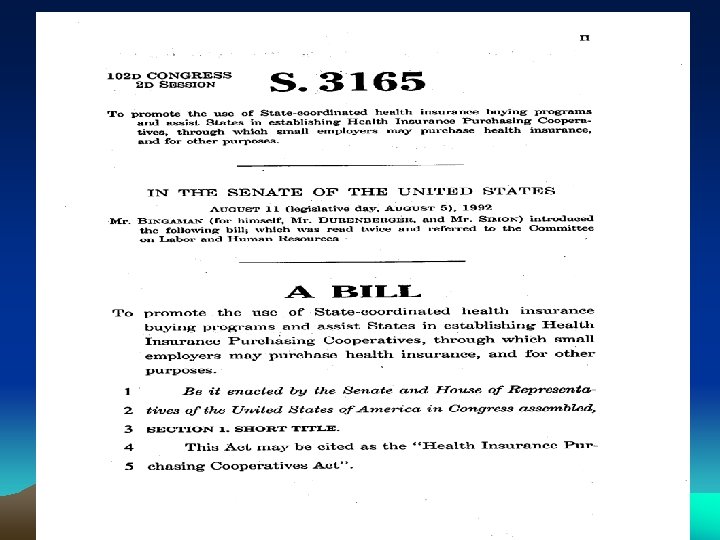
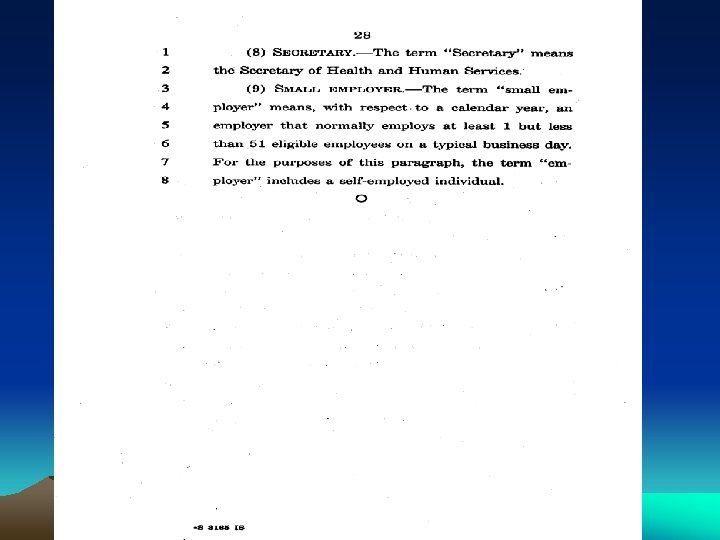
Structure of a bill • Purpose • House in which bill is introduced – Legislative day – Bill sponsor, cosponsors – Bill readings – Referral • Preamble (or need)
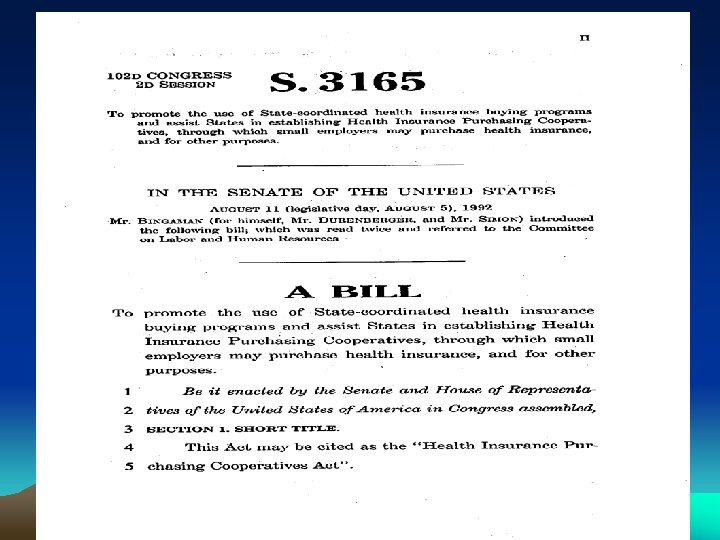

Bill Structure • Section 1 Short title
Sections. • Sections – Vary by authors – Table of contents common Section 1 – Need/Findings may be in preamble or early section
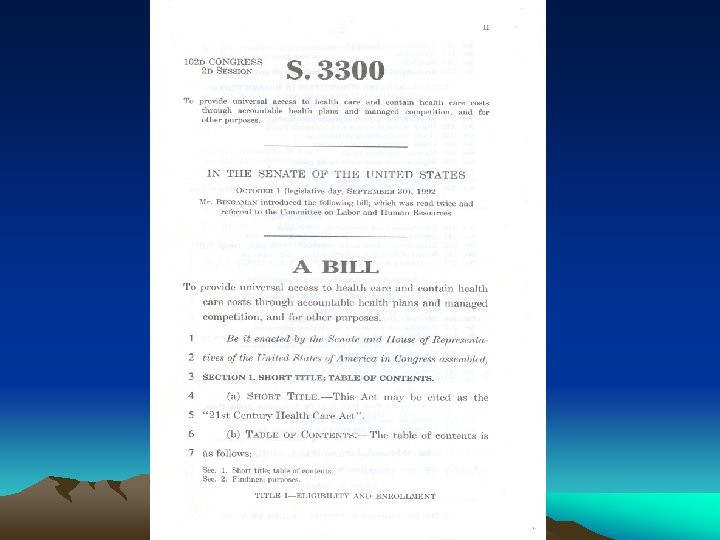
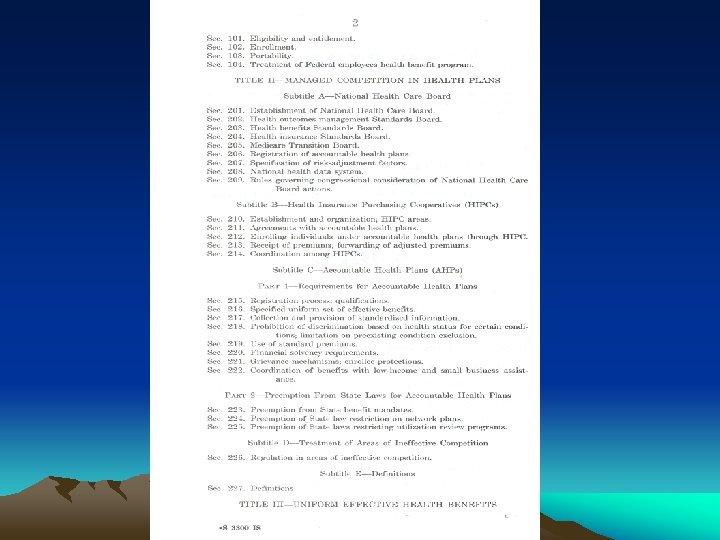
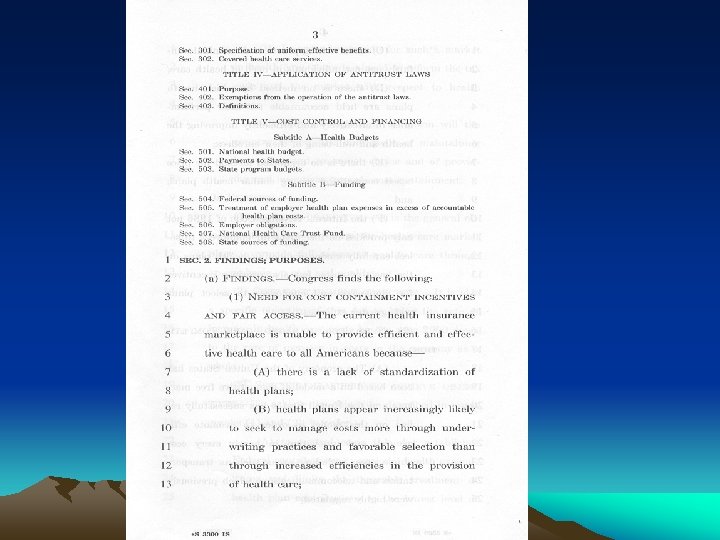
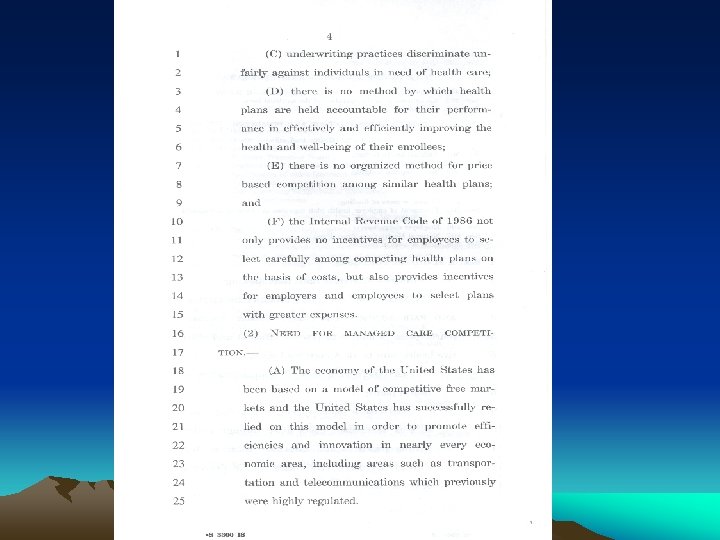
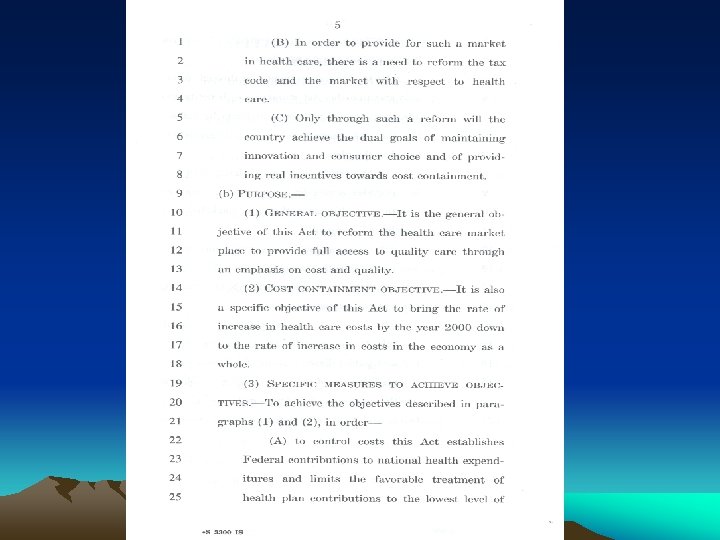
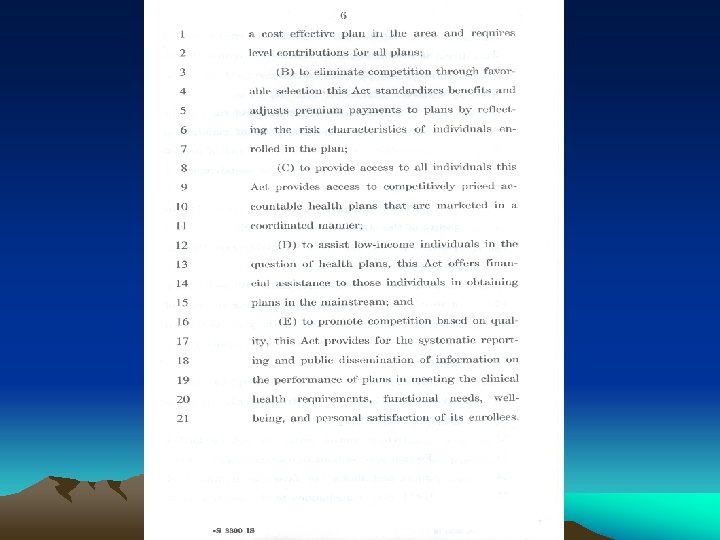
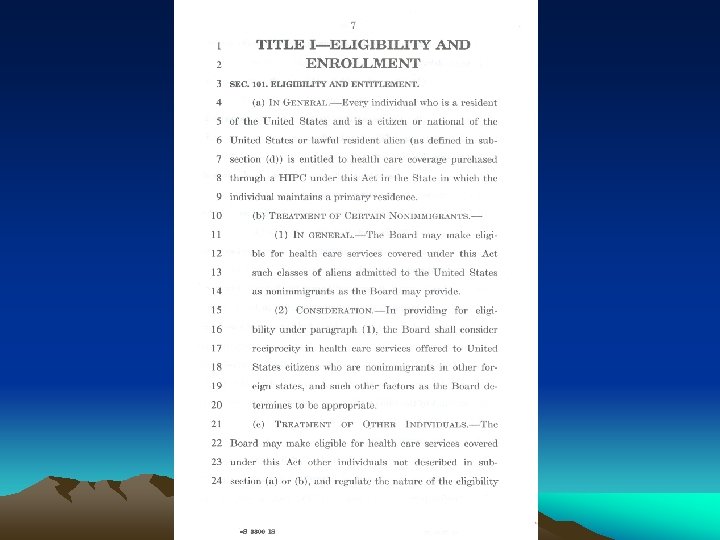
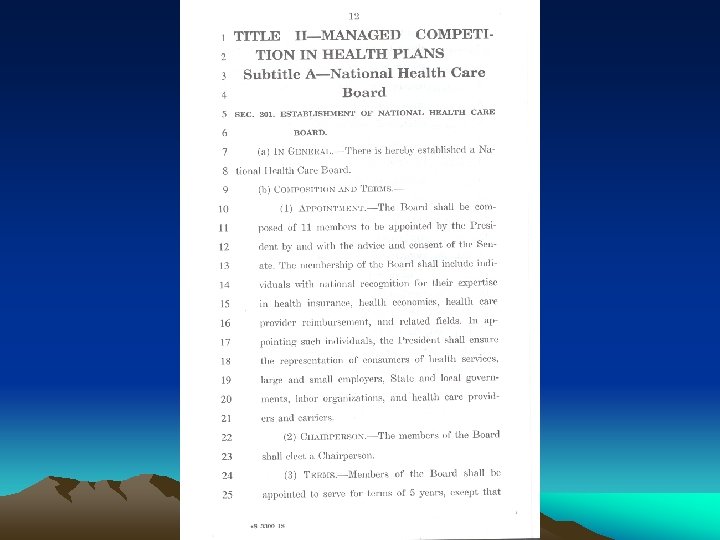
Section • Large bills include Titles – Smaller typically divided by sections – Titles
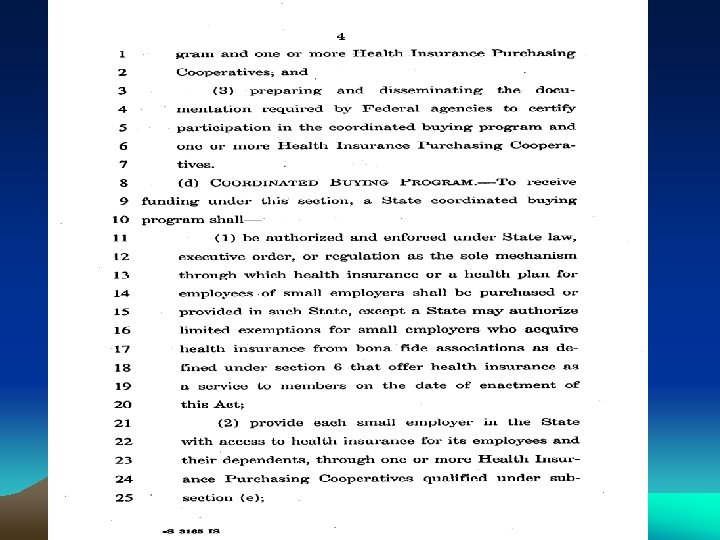
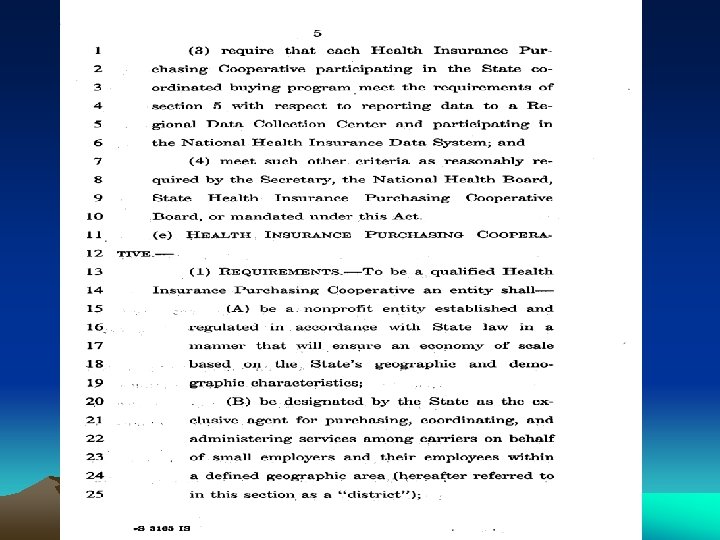
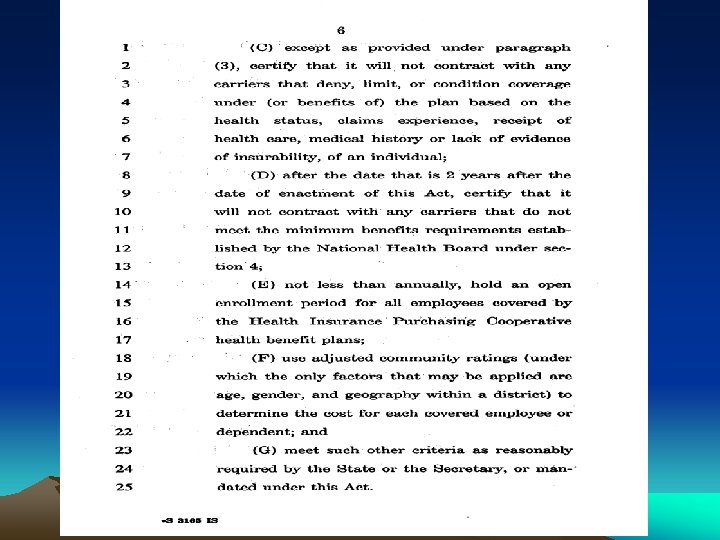
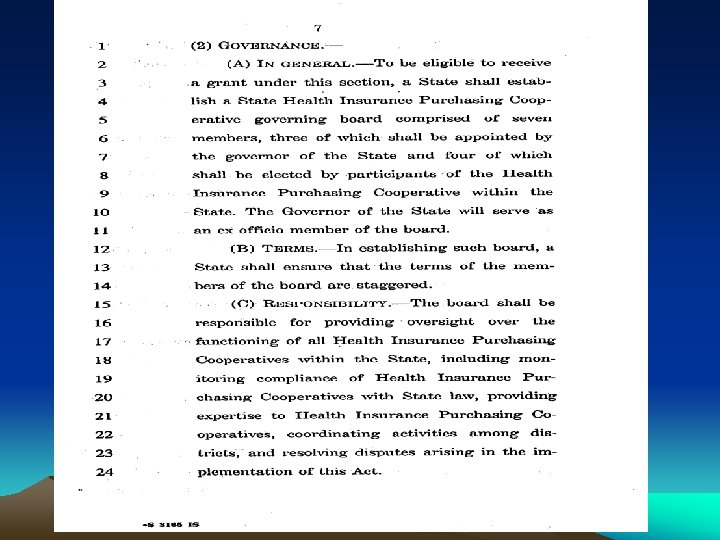
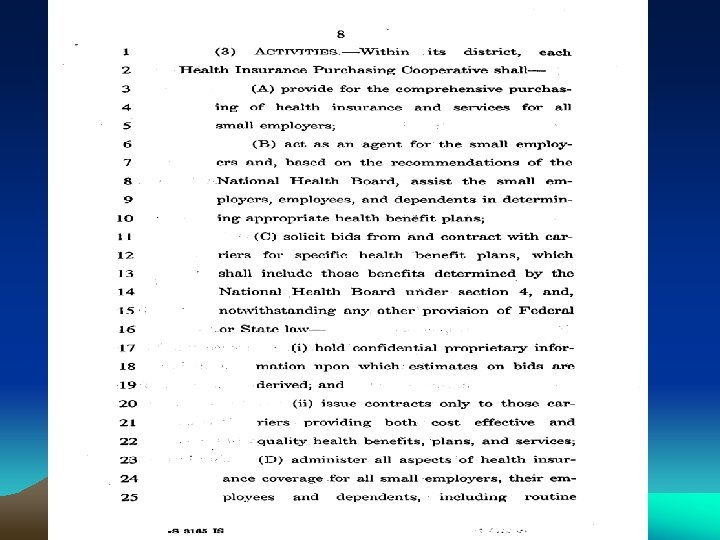
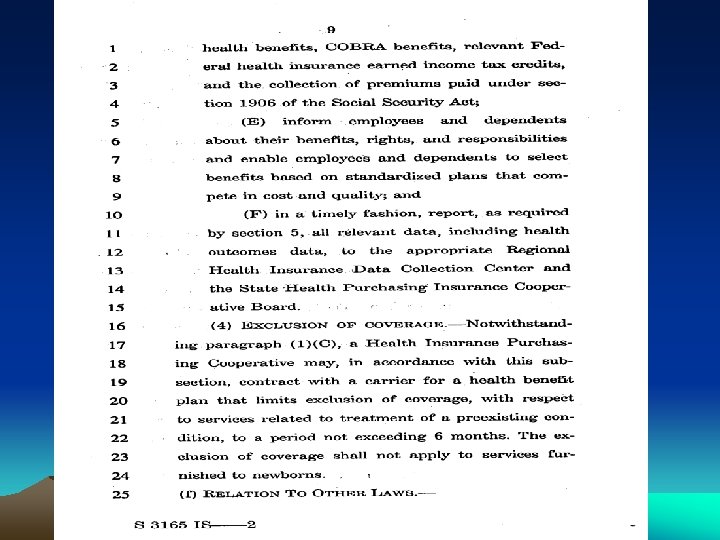
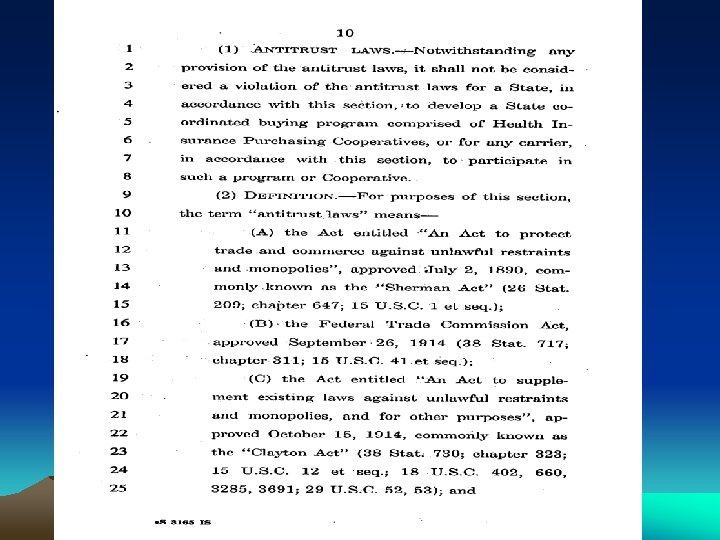
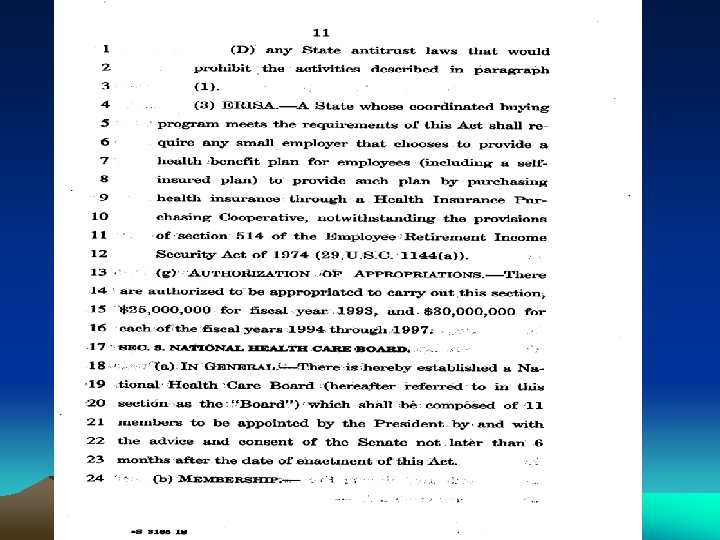
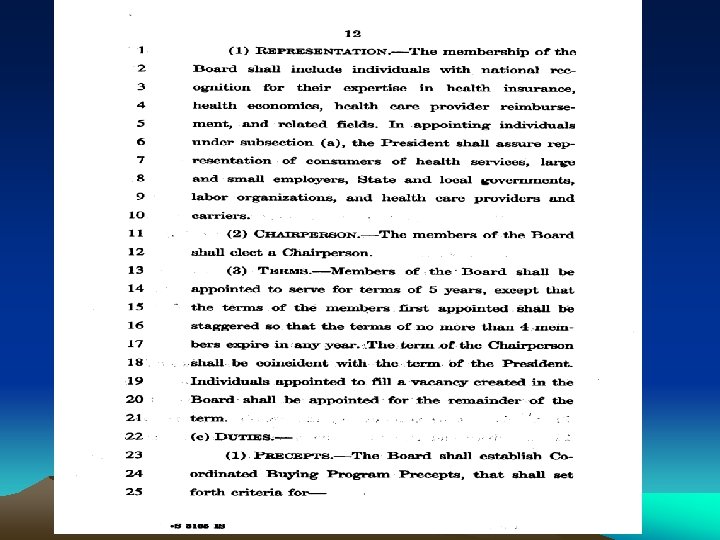
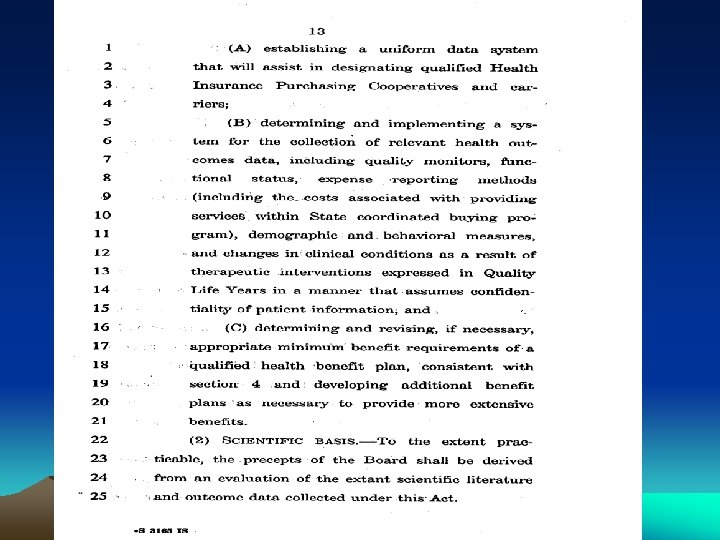
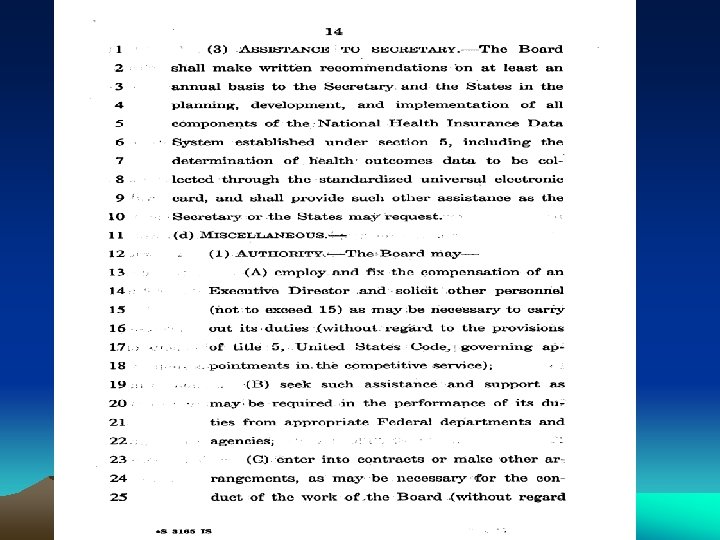
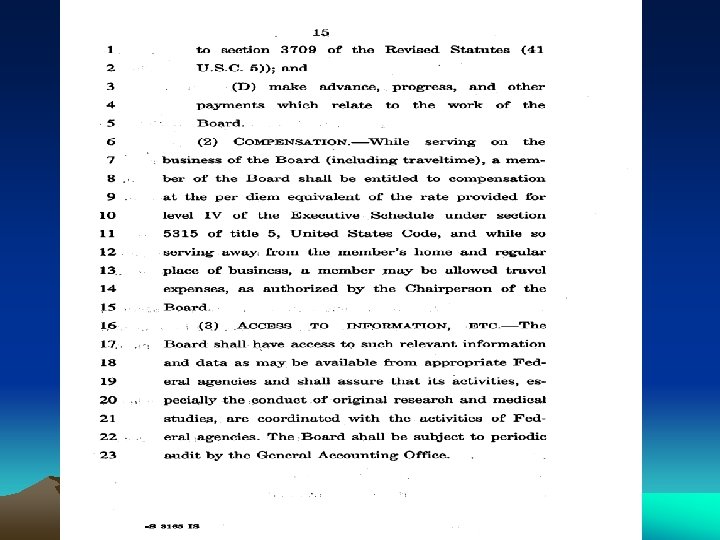
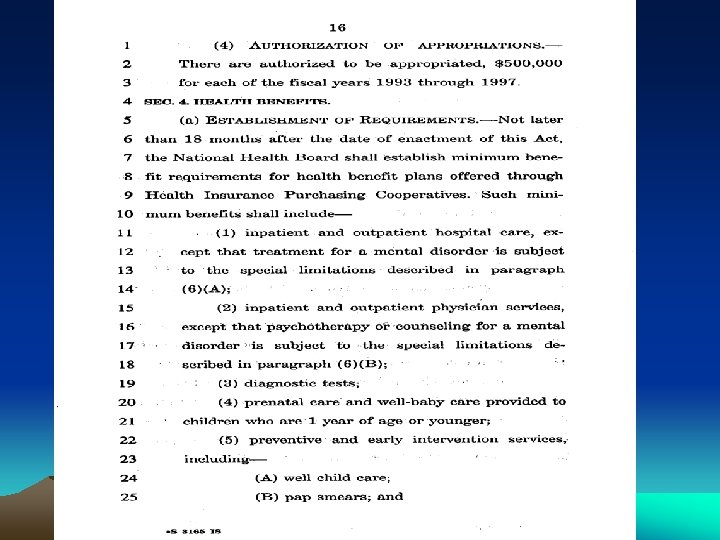
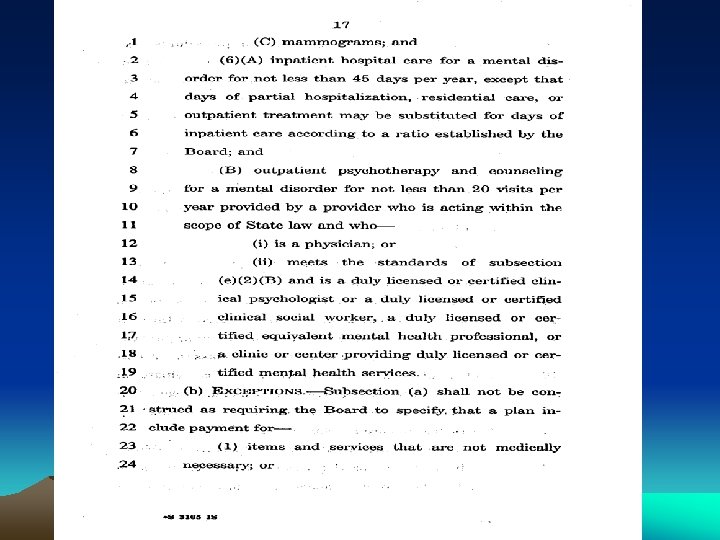
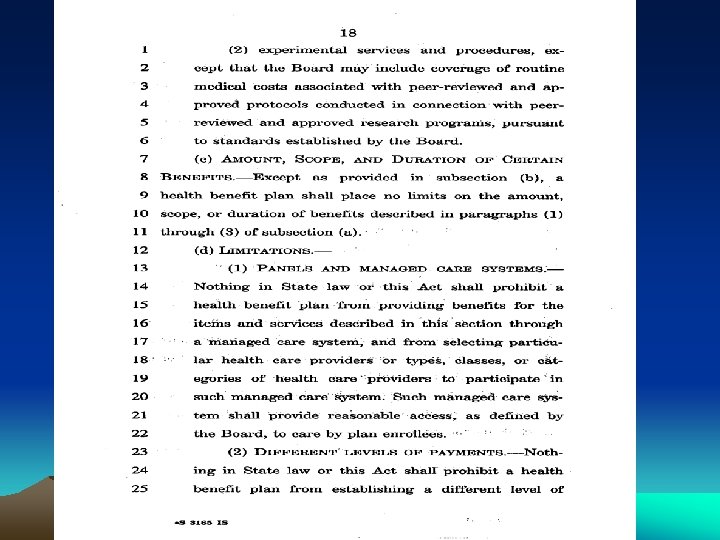
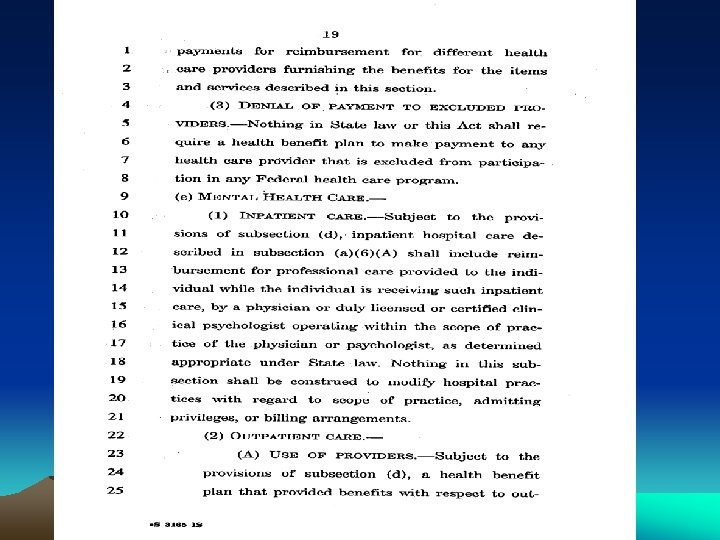
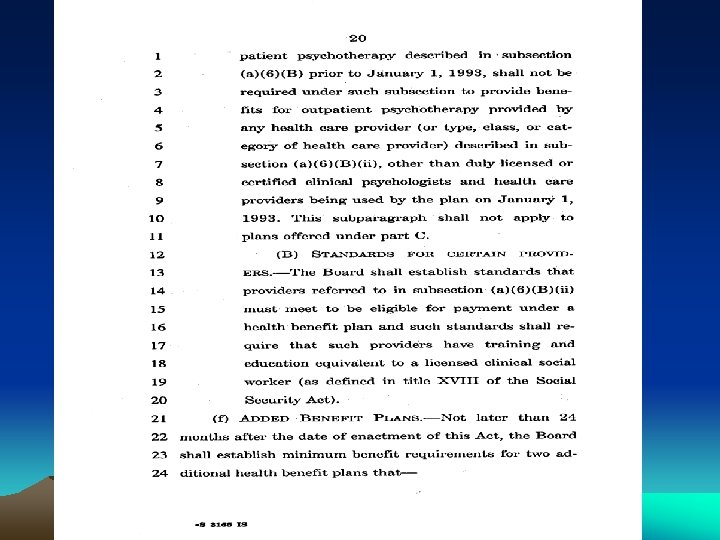
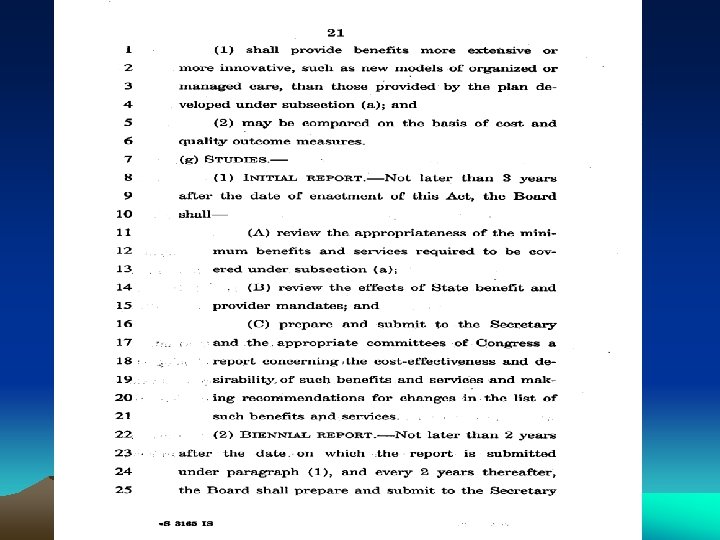
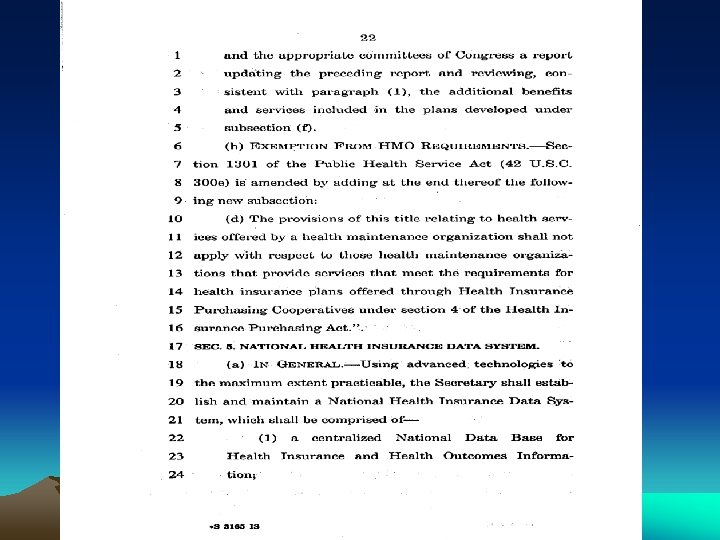
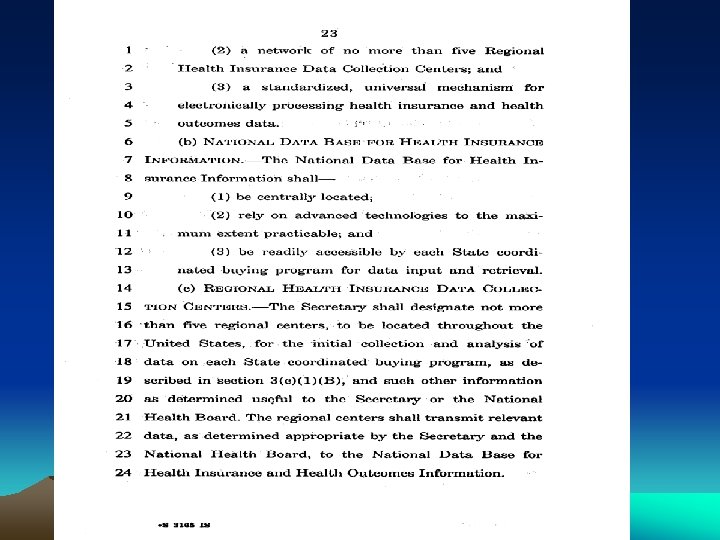
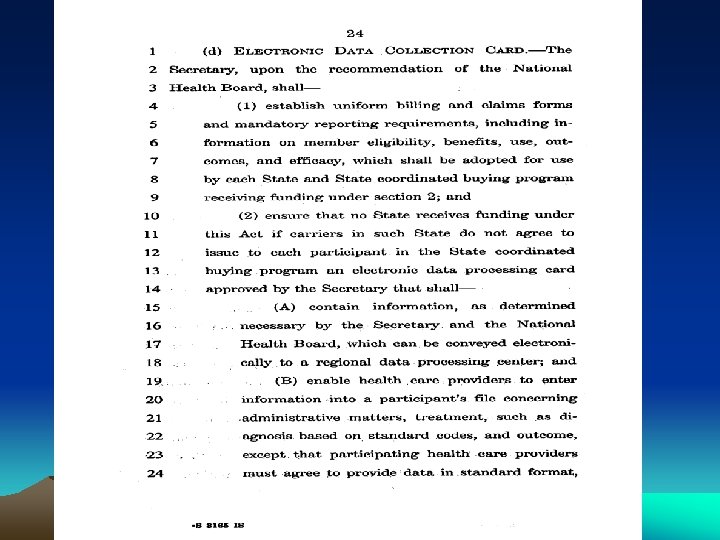
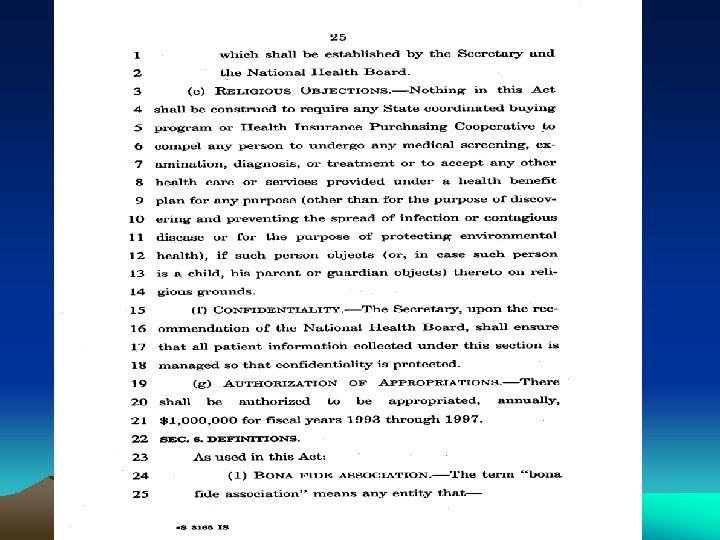
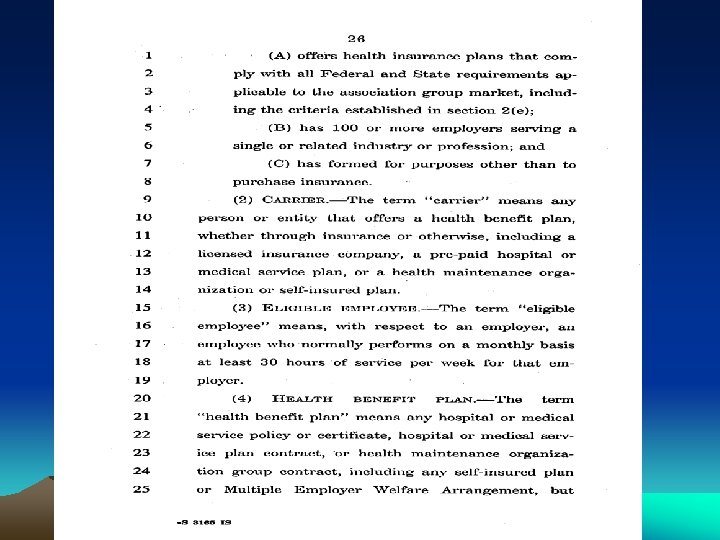
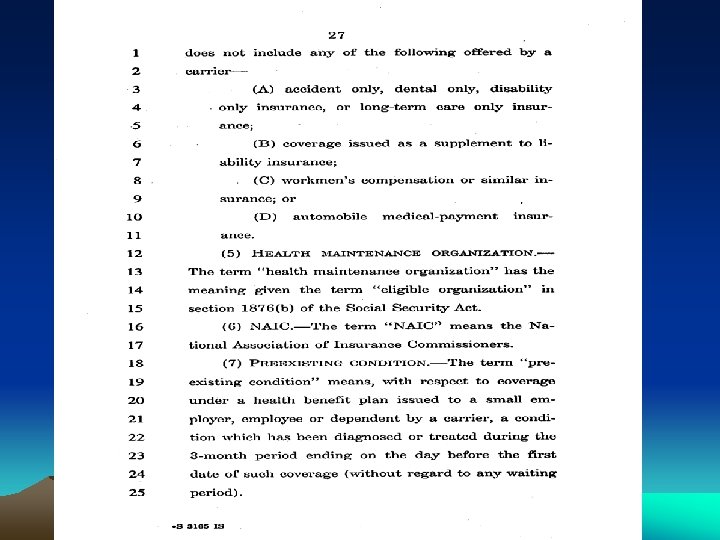
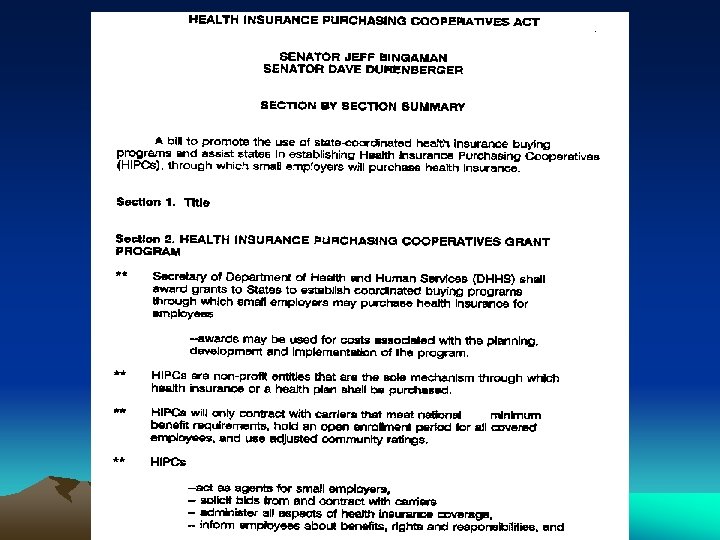
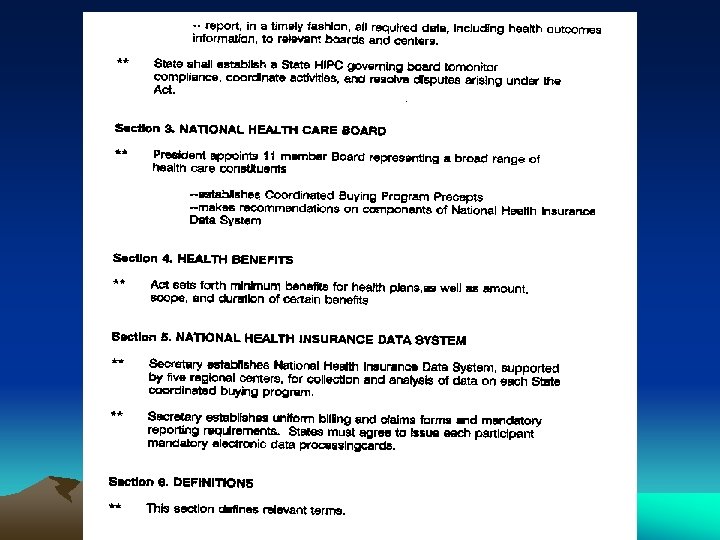
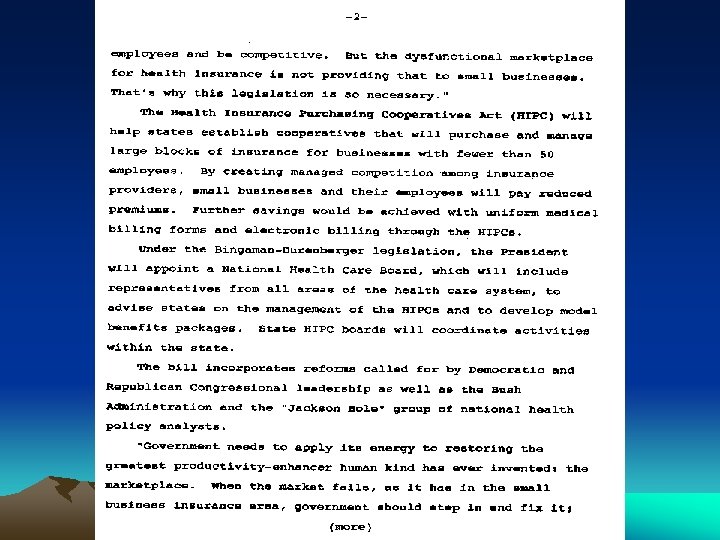
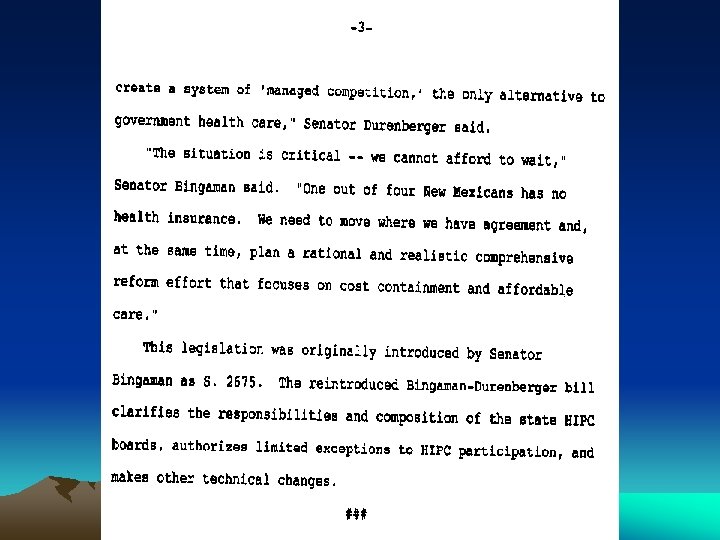
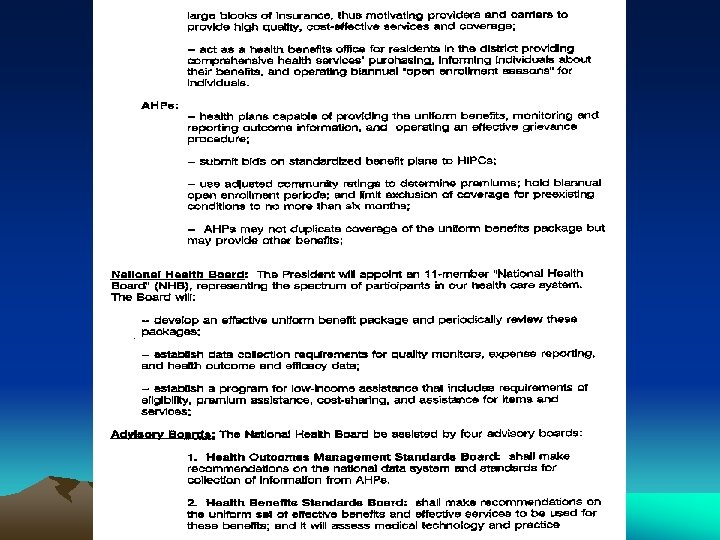
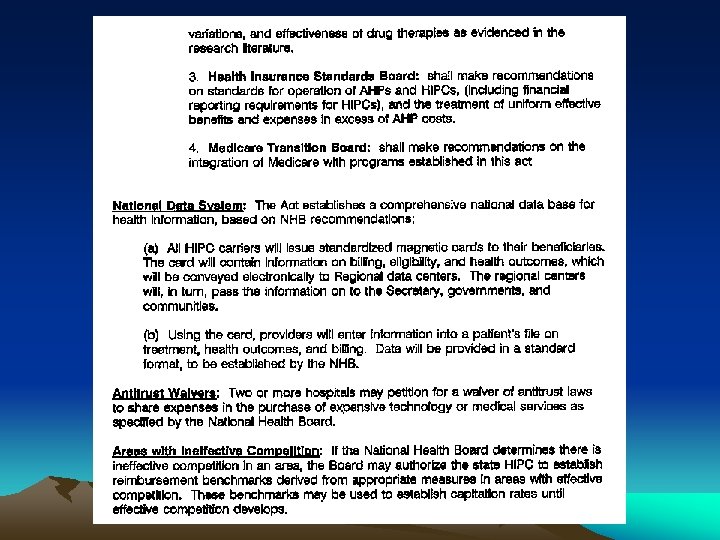
• Bill Summary – Describes need and bill purpose – Provides overview of bill and expected outcomes
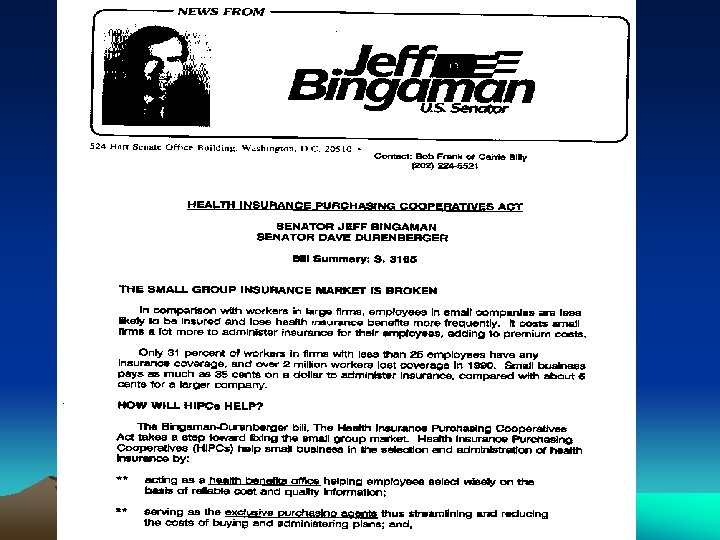
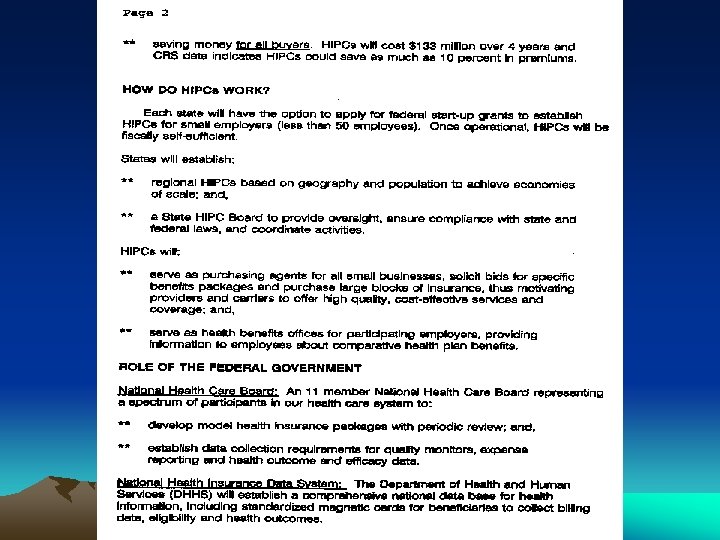
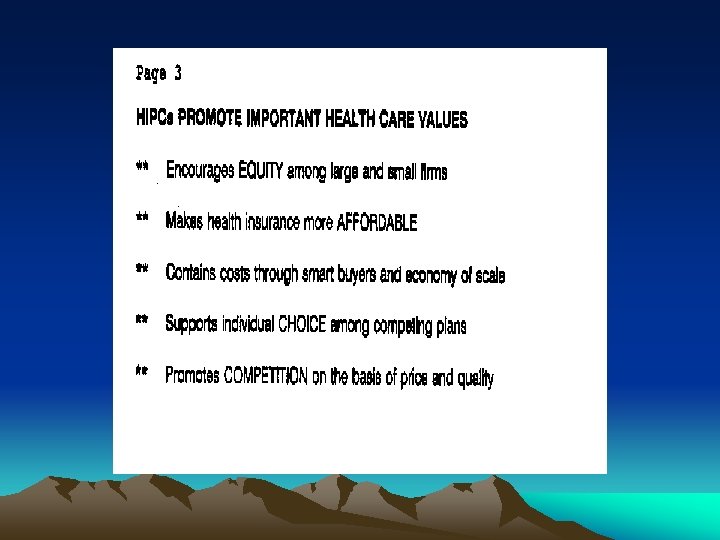
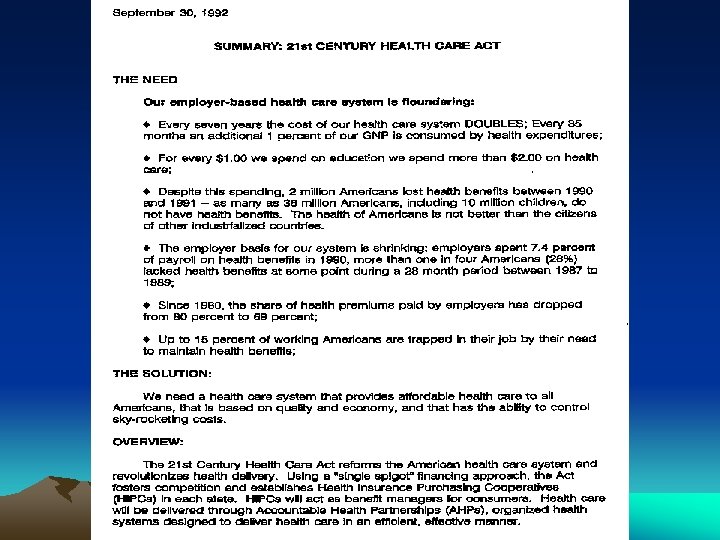
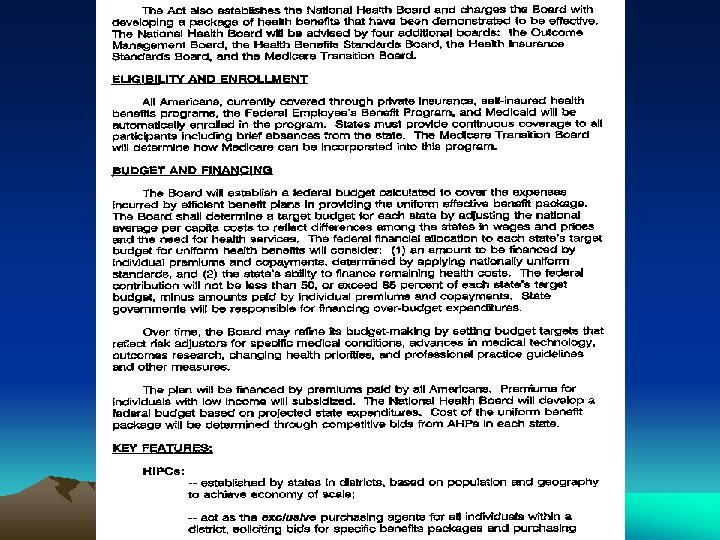
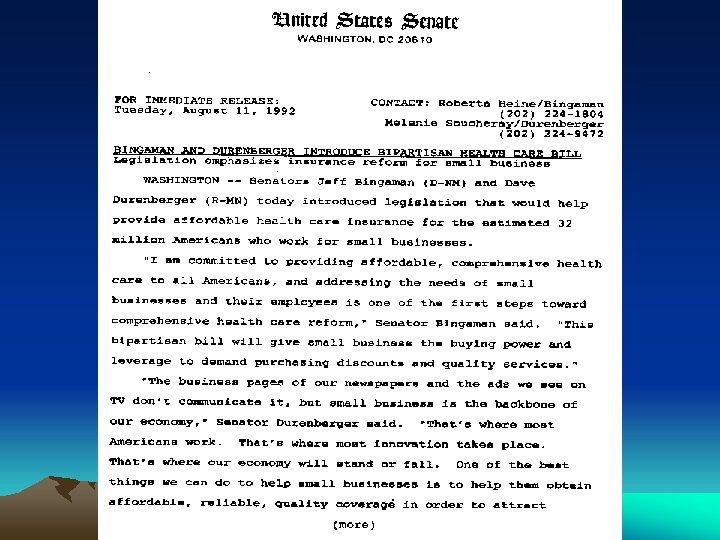
• Bills typically accompanied by a press release – Goal to drum up interest in bil • In print • Talk show appearances
 Скачать презентацию Legislative Considerations Budgeting And Bill Analysis Robert G
6f787f19c8e4c961bb8bf83551f7e2a2.ppt