


 Скачать презентацию LECTURE 8 The Late Victorian Literature USA
lecture8_TheLate Victorian Literature.pptx
- Количество слайдов: 60
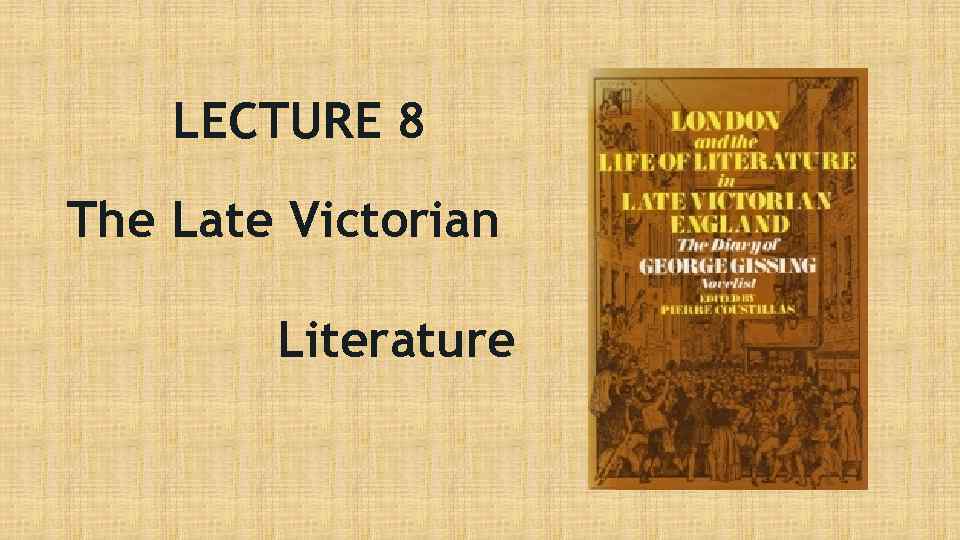 LECTURE 8 The Late Victorian Literature
 USA - began to recover economically Britain – lost a lot of its international commerce - ceased to be the “workshop of the world -survived as the world’s banker
 Trade-unions sprang up – workers with no qualifications could join them The trade-union officials were no longer the bourgeois liberal party: the leaders originated from the working class 1833 - the Fabian Society (independent socialists)
 the name was taken from the Roman general Quintus Fabius (3 rd century B. C. ) He was nicknamed Delayer because of his delaying tactics (never attacked, but kept near the enemy, frightening them) Fabian became the term for a waiting policy
 The Fabians: believed that the rosy future will depend on a careful scientific reorganization of society what is sure to lead them to state capitalism investigated different systems of labour examined thoroughly the housing conditions in working-class districts
 The 2 nd half of the 19 th century is characterized by a crisis in bourgeois culture
 It was criticized by artists poets novelists musicians who promoted the idea of the development of human personality
 the novels of the period can be characterized by: a deep psychological analysis of the characters in their works a detailed description of their inner world social panorama of life which is considered to be somewhat narrowed
 the novels of the period can be characterized by: a deep psychological analysis of the characters in their works a detailed description of their inner world social panorama of life which is considered to be somewhat narrowed
 1880 s The Aesthetic Movement blossomed
 the Aesthetic Movement (Aestheticism) – an art movement supporting the emphasis of aesthetic values more than social-political themes for literature, fine art, music and other arts
 The Aesthetes developed a cult of beauty, which they considered the basic factor of art Life should copy Art considered nature as crude and lacking in design when compared to art
 The main characteristics of the style were: suggestion rather than statement sensuality great use of symbols synaesthetic effects (correspondence between words, colours and music)
 Predecessors of the Aesthetics: John Keats Percy Bysshe Shelley some of the Pre-Raphaelites
 the best representatives: Oscar Wilde Algernon Charles Swinburne James Mc. Neill Whistler Dante Gabriel Rossetti
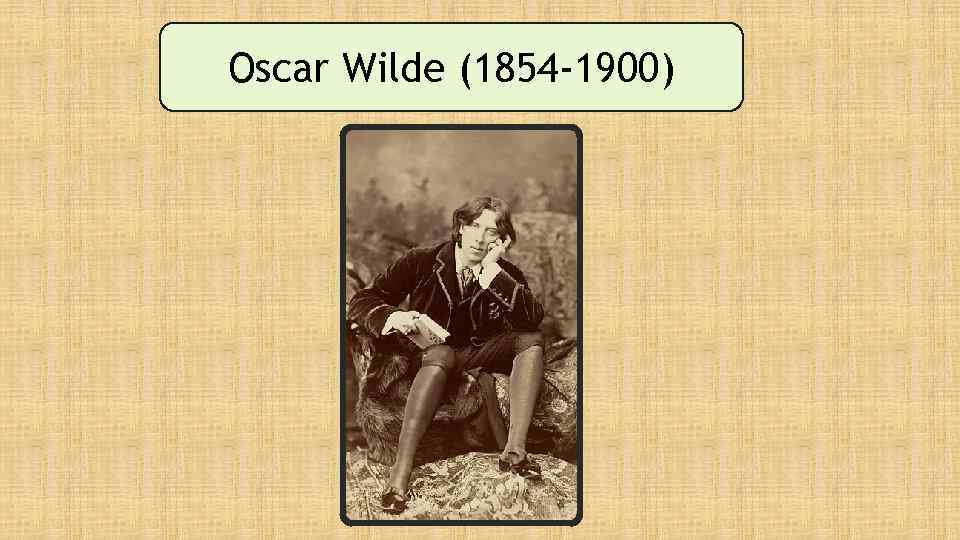 Oscar Wilde (1854 -1900)
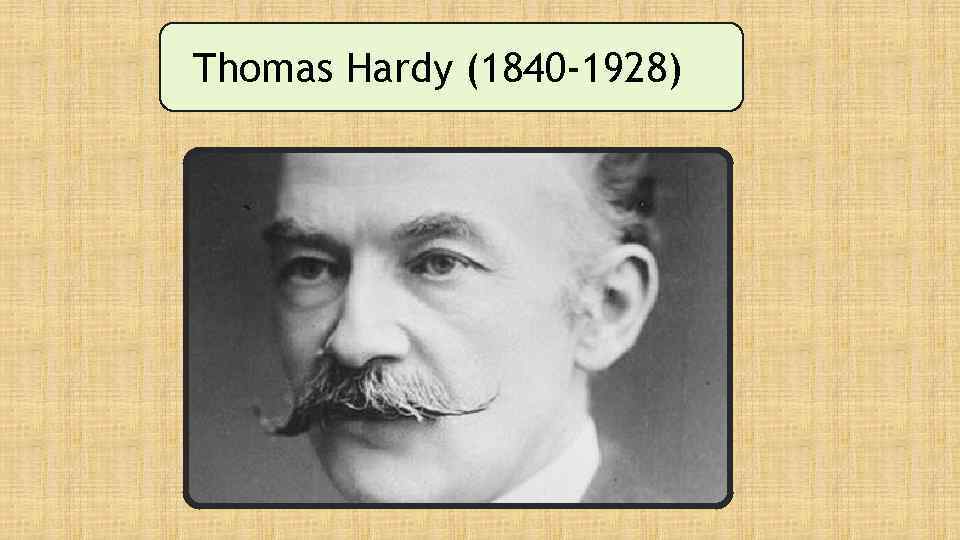 Thomas Hardy (1840 -1928)
 T. Hardy is sometimes thought of as the last of the Victorians and the first of the moderns
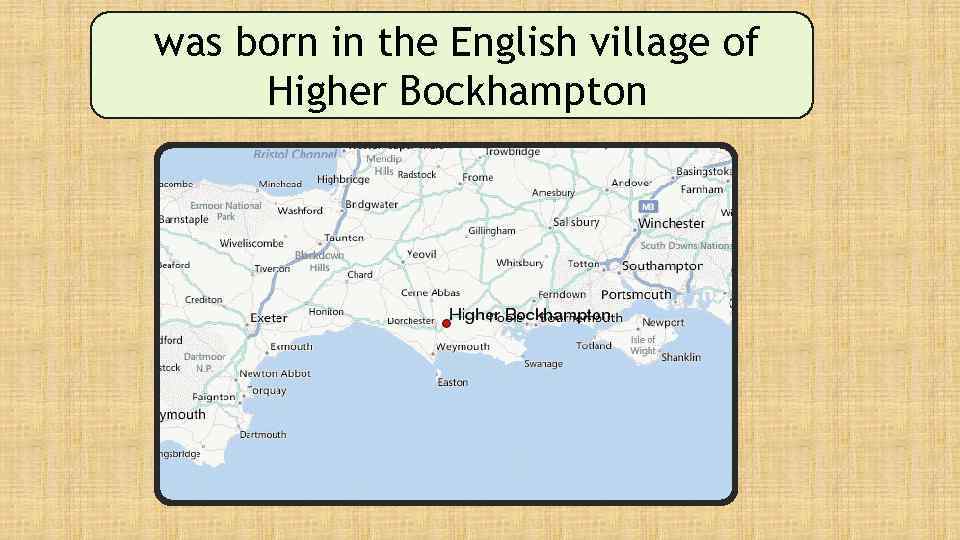 was born in the English village of Higher Bockhampton
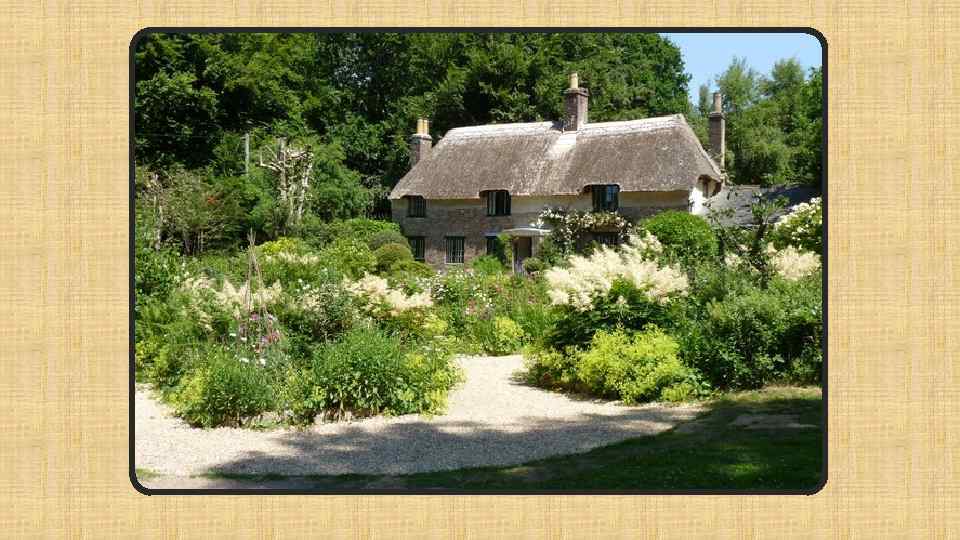
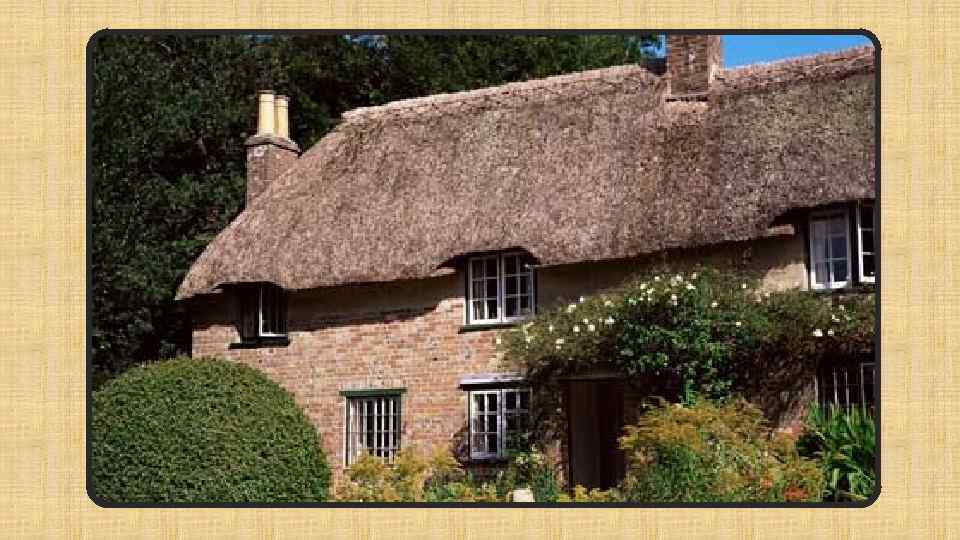
 father was a builder, and played violin in the local church and for local dances mother was brought up in poverty and had only a basic education, but read widely, and encouraged Hardy to do the same
 From his family, Hardy gained the interests that would influence his life and appear in his novels: architecture music the lifestyles of the country folk literature
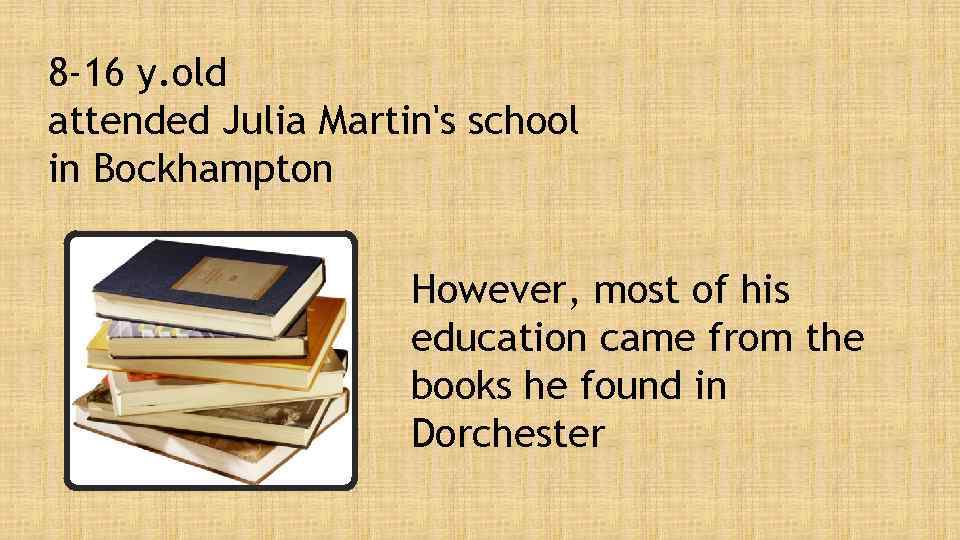 8 -16 y. old attended Julia Martin's school in Bockhampton However, most of his education came from the books he found in Dorchester
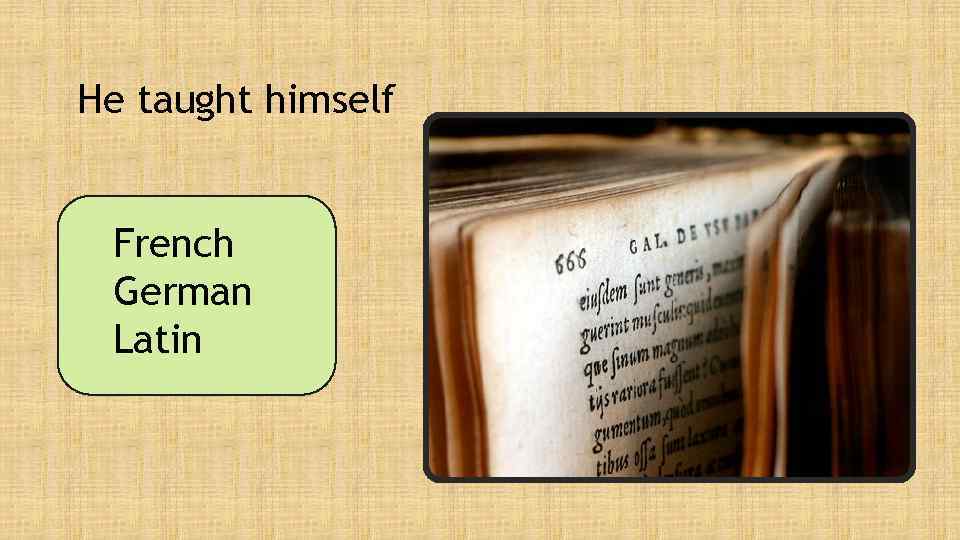 He taught himself French German Latin
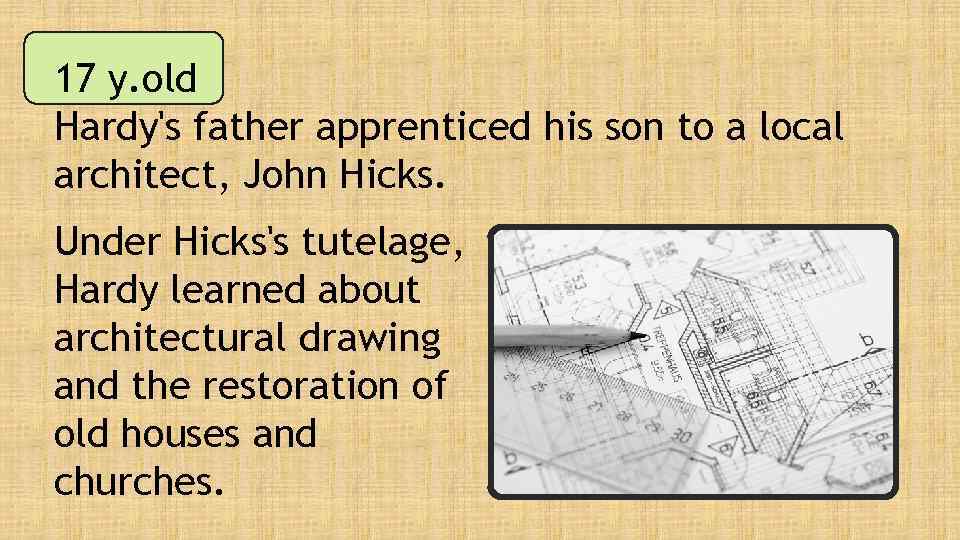 17 y. old Hardy's father apprenticed his son to a local architect, John Hicks. Under Hicks's tutelage, Hardy learned about architectural drawing and the restoration of old houses and churches.
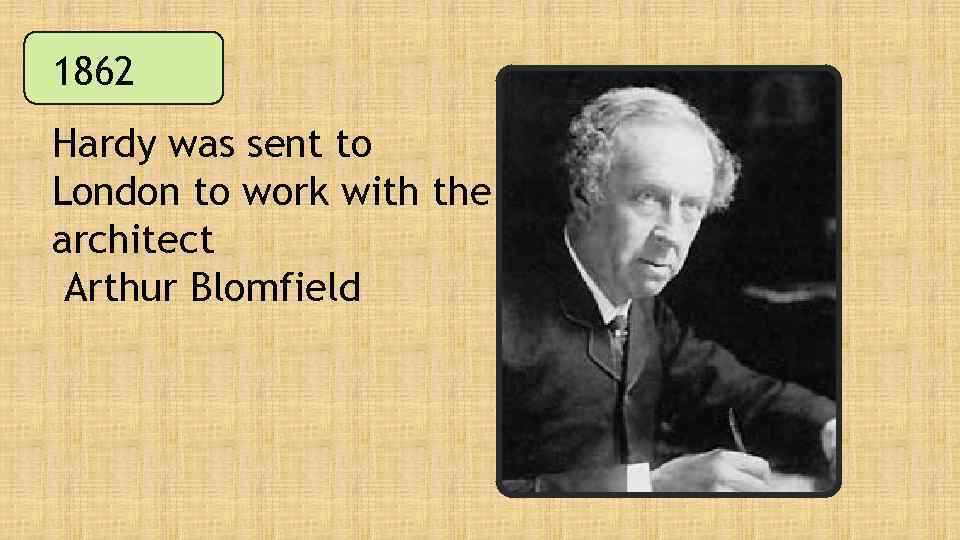 1862 Hardy was sent to London to work with the architect Arthur Blomfield
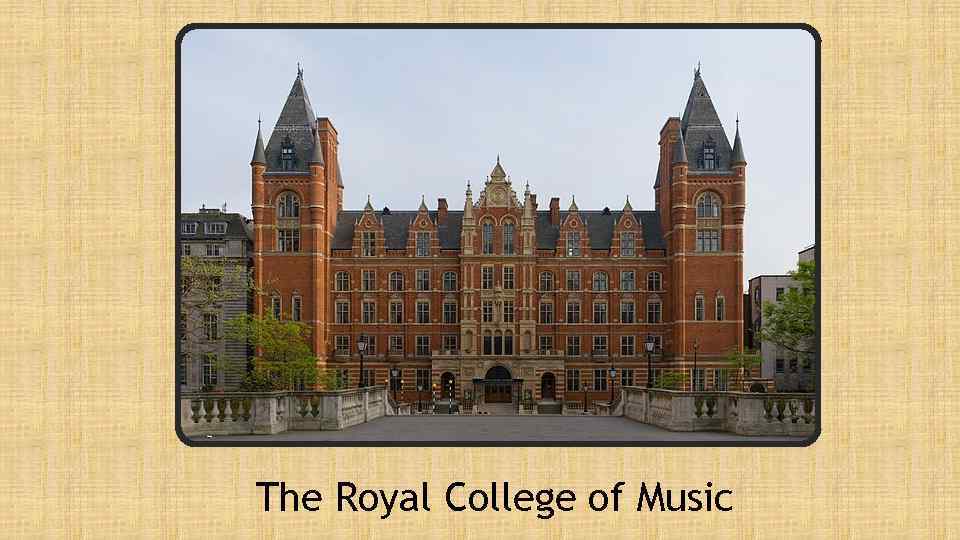 The Royal College of Music
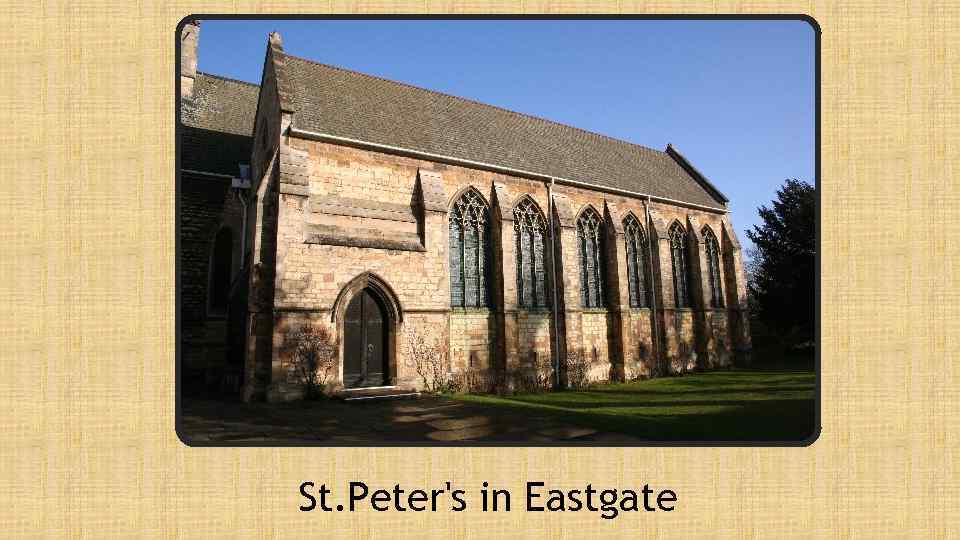 St. Peter's in Eastgate
 1862 -1867 During his five years in London, Hardy immersed himself in the cultural scene by visiting museums and theaters, and studying classic literature
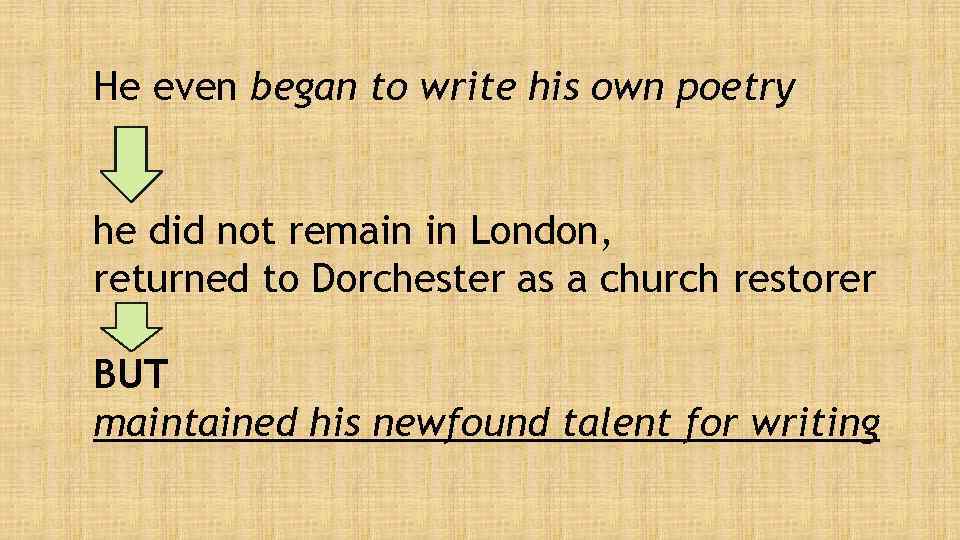 He even began to write his own poetry he did not remain in London, returned to Dorchester as a church restorer BUT maintained his newfound talent for writing
 from 1867 Hardy wrote poetry and novels, though the 1 st part of his career was devoted mostly to novels
 At first, he published anonymously, but after people became interested in his work, he began to use his own name.
 Hardy's novels were published serially in magazines, and they became popular in both England America
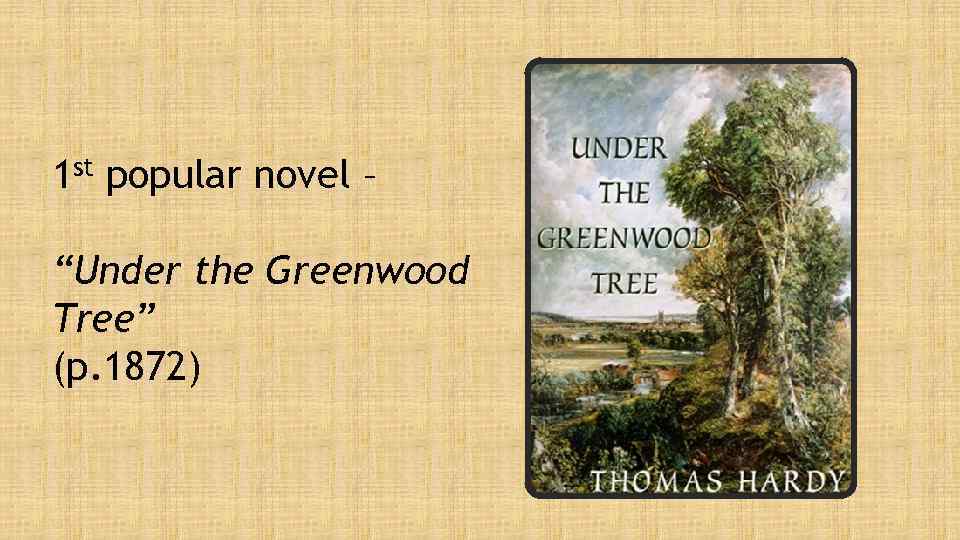 1 st popular novel – “Under the Greenwood Tree” (p. 1872)
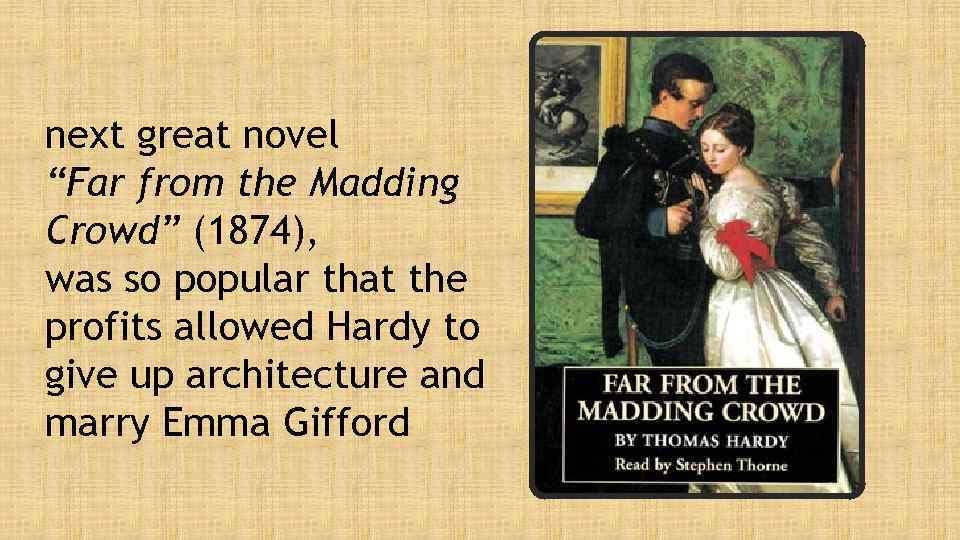 next great novel “Far from the Madding Crowd” (1874), was so popular that the profits allowed Hardy to give up architecture and marry Emma Gifford
 Other popular novels followed in quick succession: “The Return of the Native” (1878) “The Mayor of Casterbridge” (1886) “The Woodlanders” (1887) “Tess of the D'Urbervilles” (1891) “Jude the Obscure” (1895)
 In addition to these long works, Hardy published 3 collections of short stories and 5 shorter novels all moderately successful
 BUT many critics were offended by the violence and sexual content of “Tess of the D'Urbervilles”, “Jude the Obscure”
 AFTER THAT Hardy decided to stop writing novels and return to his first great love, poetry
 POETRY In his later years, he remained in Dorchester to focus completely on his poetry. In 1898, his dream of becoming a poet was realized with the publication of “Wessex Poems”
 PERSONAL LIFE His first wife, Emma, died in 1912. Although their marriage had not been happy, Hardy grieved at her sudden death.
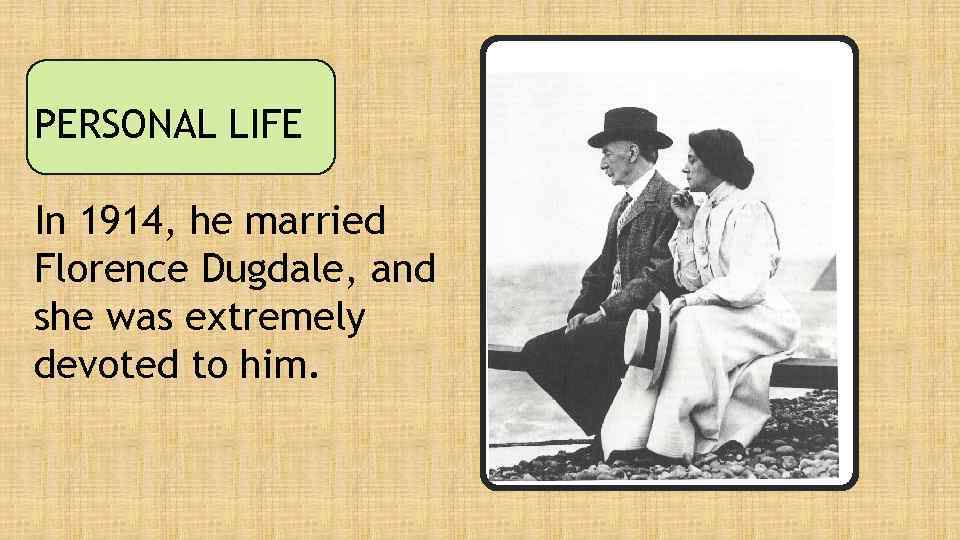 PERSONAL LIFE In 1914, he married Florence Dugdale, and she was extremely devoted to him.
 !!!!!!! By the last two decades of Hardy's life, he had achieved a level of fame equal to that of Dickens
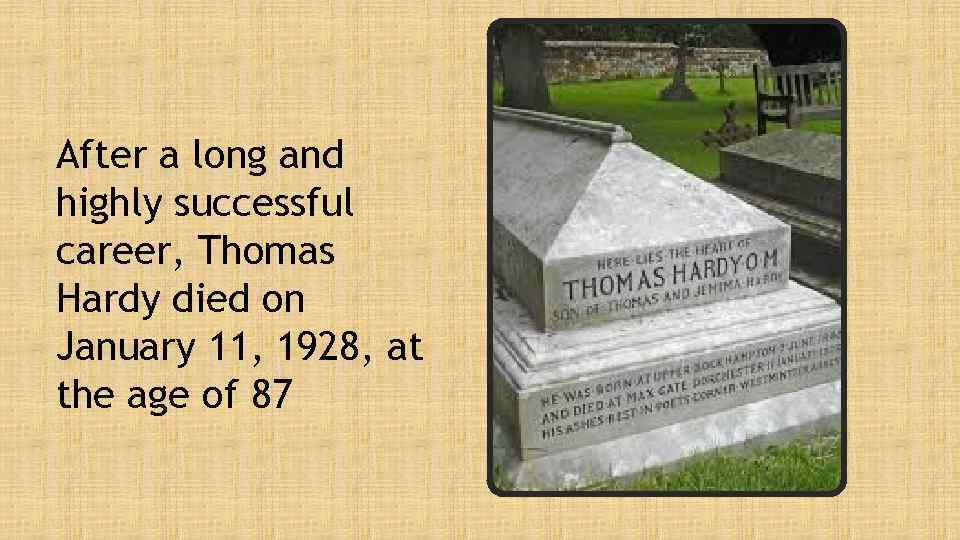 After a long and highly successful career, Thomas Hardy died on January 11, 1928, at the age of 87
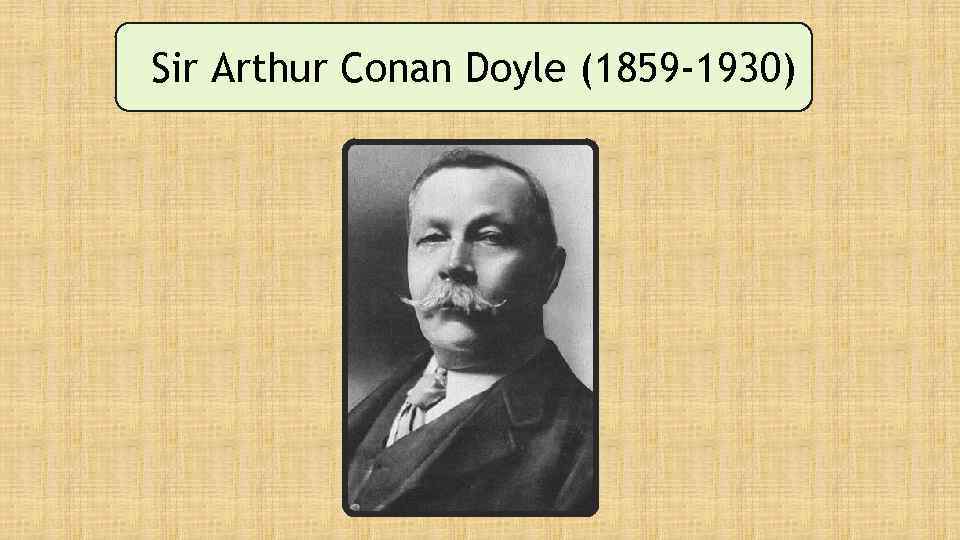 Sir Arthur Conan Doyle (1859 -1930)
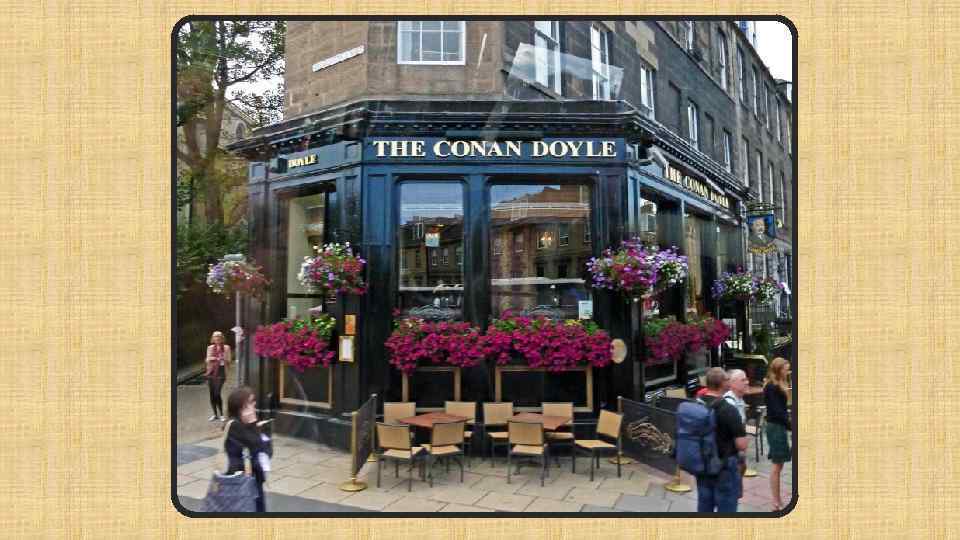
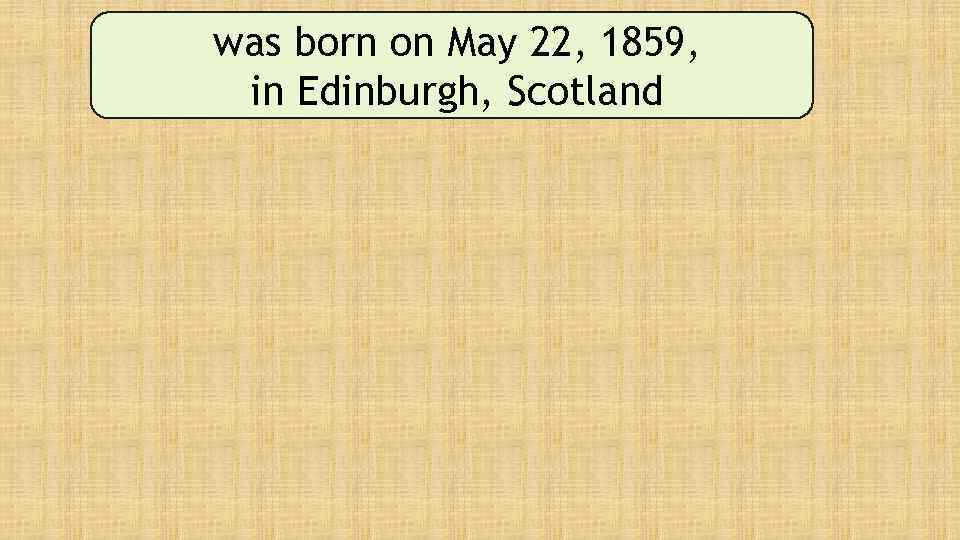 was born on May 22, 1859, in Edinburgh, Scotland
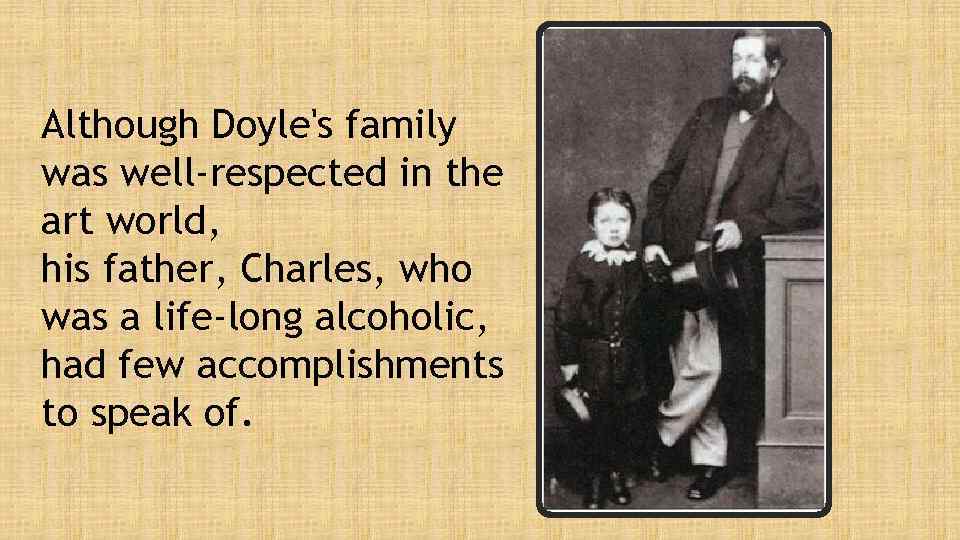 Although Doyle's family was well-respected in the art world, his father, Charles, who was a life-long alcoholic, had few accomplishments to speak of.
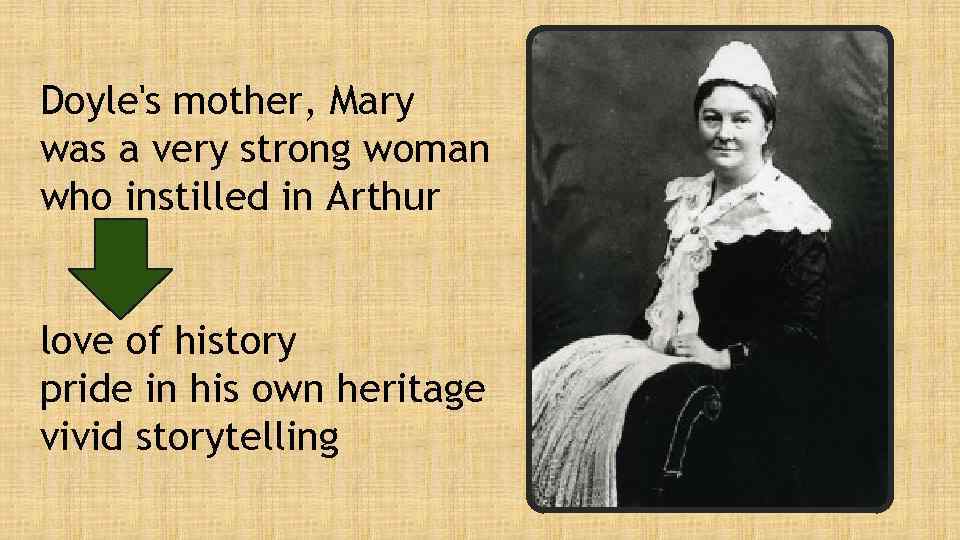 Doyle's mother, Mary was a very strong woman who instilled in Arthur love of history pride in his own heritage vivid storytelling
 About his mother: "In my early childhood, as far as I can remember anything at all, the vivid stories she would tell me stand out so clearly that they obscure the real facts of my life. "
 1868 -1870 Doyle bid a tearful goodbye to his parents and was shipped off to England, where he would attend Hodder Place, Stonyhurst—a Jesuit preparatory school
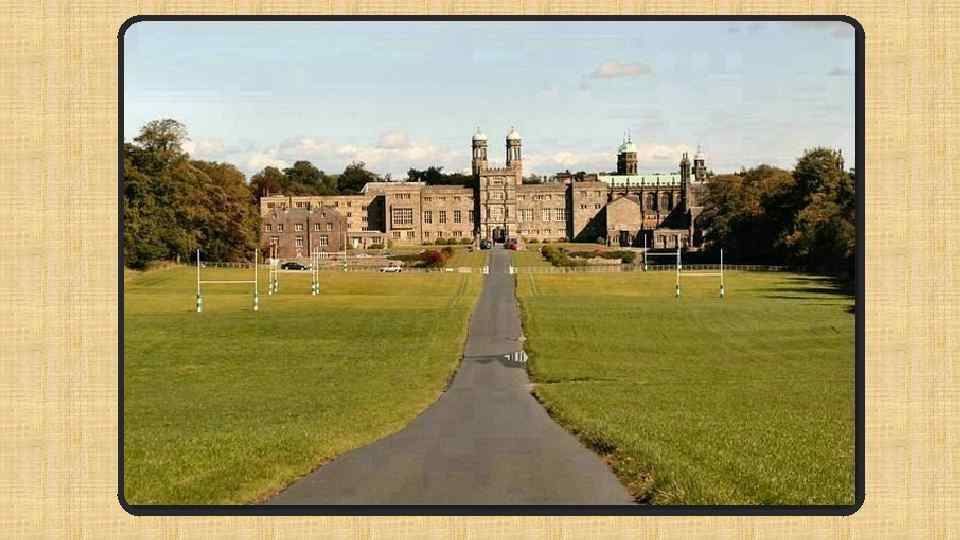
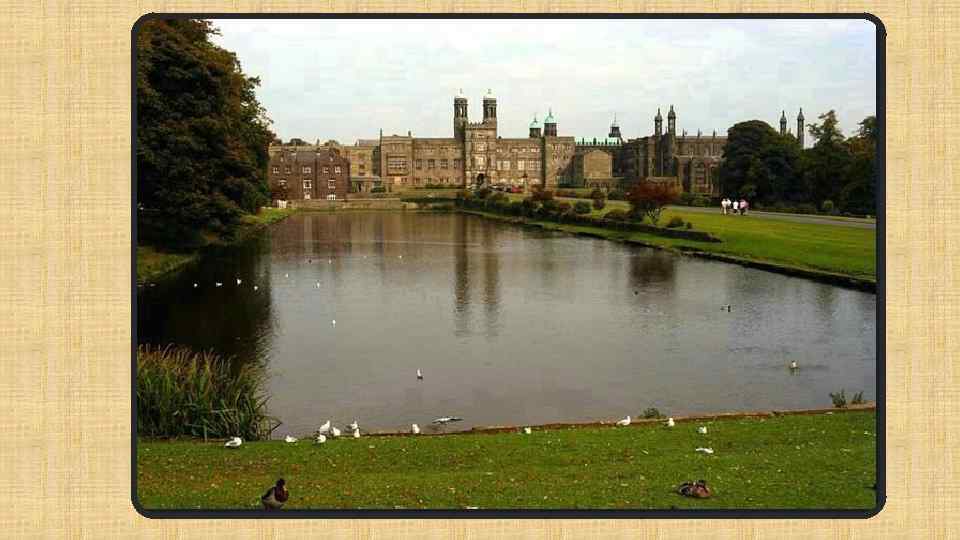
 Doyle then went on to study at Stonyhurst College for the next five years. For Doyle, the boarding-school experience was brutal: many of his classmates bullied him, and the school practiced ruthless corporal punishment against its students.
 When Doyle graduated from Stonyhurst College in 1876, his parents expected that he would follow in his family's footsteps and study art, so they were surprised when he decided to pursue a medical degree at the University of Edinburgh instead
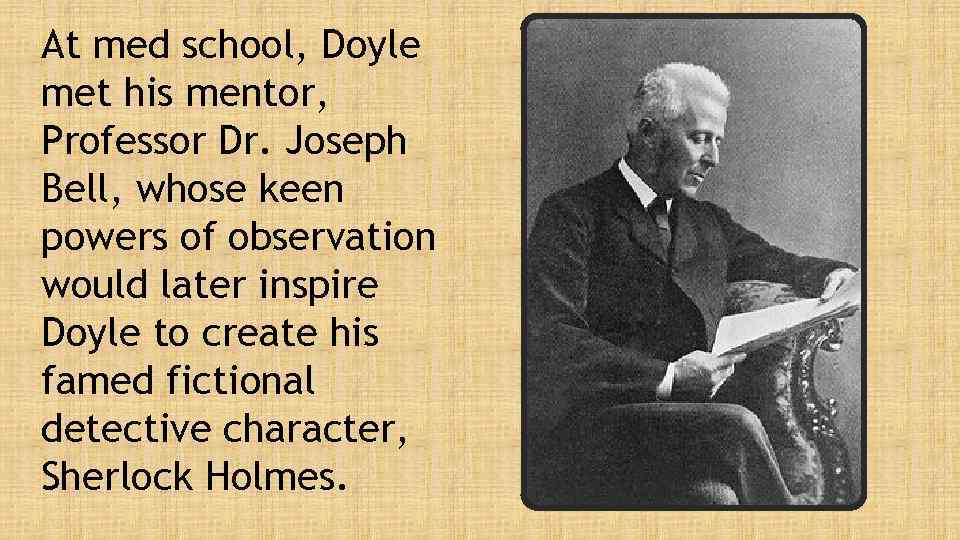 At med school, Doyle met his mentor, Professor Dr. Joseph Bell, whose keen powers of observation would later inspire Doyle to create his famed fictional detective character, Sherlock Holmes.
 At the University of Edinburgh, Doyle also had the good fortune to meet classmates and future fellow authors James Barrie and Robert Louis Stevenson.
 1886 Doyle started writing the mystery novel “A Tangled Skein”. 1888 the novel was renamed “A Study in Scarlet” and published in Beeton's Christmas Annual
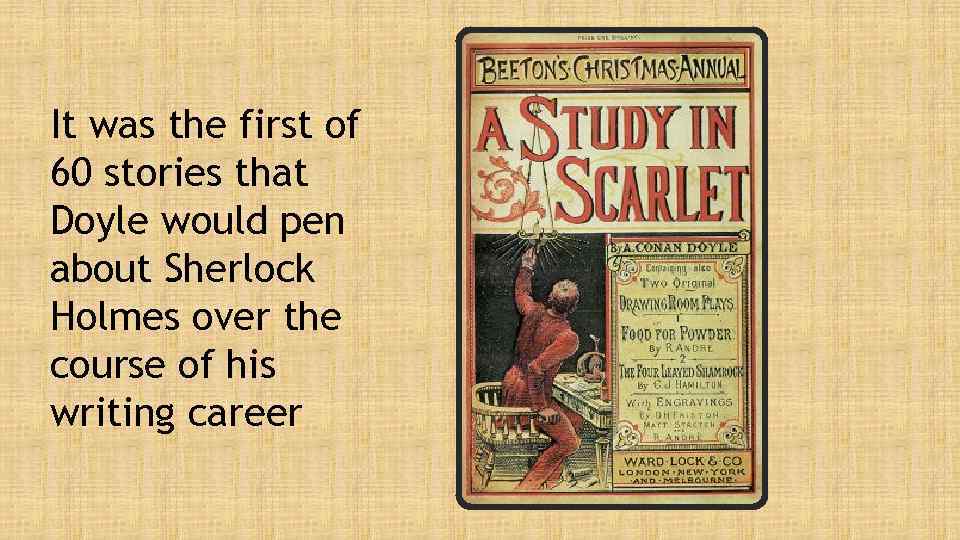 It was the first of 60 stories that Doyle would pen about Sherlock Holmes over the course of his writing career