Скачать презентацию Lecture 20 Steroid hormones The adrenal cortex is
Lecture 21. Steroid hormones (2).pptx
- Количество слайдов: 27
 Lecture 20. Steroid hormones The adrenal cortex is divided into three zones that synthesize various steroids from cholesterol and secrete them. • The outer zona glomerulosa produces mineralocorticoids (for example, Aldosterone) which are responsible for regulated primarily by the renin-angiotensin system. • The middle zona fasciculata synthesizes glucocorticoids (for example, Cortisol) which are concerned with normal metabolism and resistance to stress. • The inner zona reticularis secretes adrenal androgens.
 • Secretion by the two inner zones, and to some extend, the outer zone, is controlled by pituitary Corticotropin, which is released in response to the hypothalamic Corticotropinreleasing hormone. Glucocorticoids serve as feedback inhibitors of Corticotropin and Corticotropin-releasing factor secretion.
 Mechanism of action The adrenocorticoids bind to specific intracellular cytoplasmic receptors in target tissues. The receptor-hormone complex then translocates into the nucleus where it acts as a transcrition factor to turn genes on or off, depending on the tissue. This mechanism requires time to produce an effect. There are other glucocorticoid effects, such as their requirement for catecholamine – mediated dilation of vascular and bronchial musculature or lipolysis, whose effects are immediate.
 Glucocorticoids (GCs) 1. Short acting (T 1/2<12 hr. ): Hydrocortisone 2. Intermediate acting (T 1/2 – 36 hrs. ): Prednizolon 3. Long acting (T 1/2>36 hrs): Triamcinolone, Betamethasone They can use as therapeutic agents in a variety of disorders.
 The major pharmacodynamic effects of GCs 1. Promote normal intermediary metabolism. • GCs favor gluconeogenesis by both increasing amino acid uptake by the liver and kidney and elevating activities of gluconeogenic enzymes. • GCs stimulate protein catabolism (except in the liver) and lipolysis, thereby providing the building blocks and energy needed for glucose synthesis.
 2. Increase resistance to stress By raising plasma glucose levels, GCs provide the body with the energy it requires to combat stress caused, for example, by trauma, fright, infection, bleeding, or debilitating disease.
 3. Alter blood cell levels in plasma. GCs cause a decrease in eosinophils, basophils, monocytes and lymphocytes. In contrast, they increase the blood levels of hemoglobin, erythrocytes, platelets and polymorphonuclear leukocytes (this property is important in the treatment of leukemia).
 4. Anti-inflammatory action. The most important therapeutic property of the GCs is their ability to dramatically reduce the inflammatory response and to suppress immunity. The exact mechanism is complex and incompletely understood. However, it is know that the lowering and inhibition of peripheral lymphocytes and macrophages play a role. Also involved is the indirect inhibition of phospholipase A 2 (due to the steroid mediated elevation of lipocortin), which blocks the release of arachidonic acid - the precursor of the prostaglandins and leukotrienes, from membrane-bound phospholipid.
 Affect other components of the endocrine system. Feedback inhibition of Corticotropin production by elevated GCs causes inhibition of further glucocorticoid synthesis as well as thyroid stimulating hormone production, whereas growth hormone production is increased.
 • • • Effects on other systems These are mostly associated with the adverse effects of the hormones. High doses of GCs stimulate gastric acid and pepsin production and may exacerbate ulcers. Effects on the central nervous system that influence mental status have been identified. Chronic glucocorticoid therapy can cause severe bone loss. Myopathy leads patients to complain of weakness.
 Therapeutic uses of GCs • • Replacement therapy for primary adrenocortical insufficiency (Addison’s disease). This disease is caused by adrenal cortex dysfunction. Hydrocortisone is given to correct the deficiency. Replacement therapy for secondary adrenocortical insufficiency. This deficiencies are caused by a defect either in CRF (Corticotropin-releasing factor) production by the hypothalamus or Corticotropin production by the pituitary. Hydrocortisone is also used for these deficiencies.
 • Diagnosis of Cushing’s syndrome. This syndrome is caused by a hypersecretion of GCs that is due to either excessive release of Corticotropin by the anterior pituitary or to an adrenal tumor. The Dexamethasone suppression test is used to diagnose the cause of an individual’s case of Cushing’s syndrome. This synthetic glucocorticoid suppresses Cortisol release in individuals with pituitary-dependent Cushing’s syndrome, but it does not suppress glucocorticoid release from adrenal tumors.
 • Relief of inflammatory symptoms. GCs reduce the manifestation of inflammations (for example, rheumatoid and osteoarthritic inflammations, inflammatory conditions of the skin), including the redness, swelling, heat and tenderness that are commonly present at the inflammatory site.
 • • Treatment of allergies. GCs are usefull in the treatment of the symptoms of drug, serum and transfusion allergic reactions, bronchial asthma and allergic rhinitis. Betamethasone, Triamcinolone, Prednizolone are the most effective. Autoimmune diseases. Organ transplantation. Limphatic leukemia
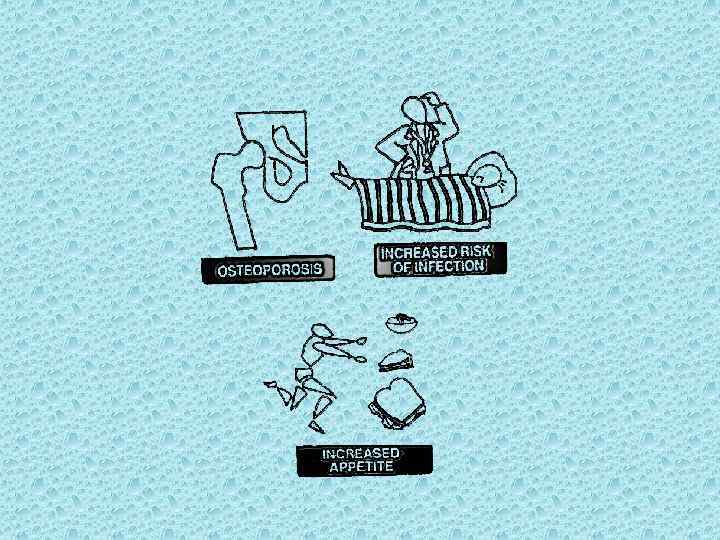
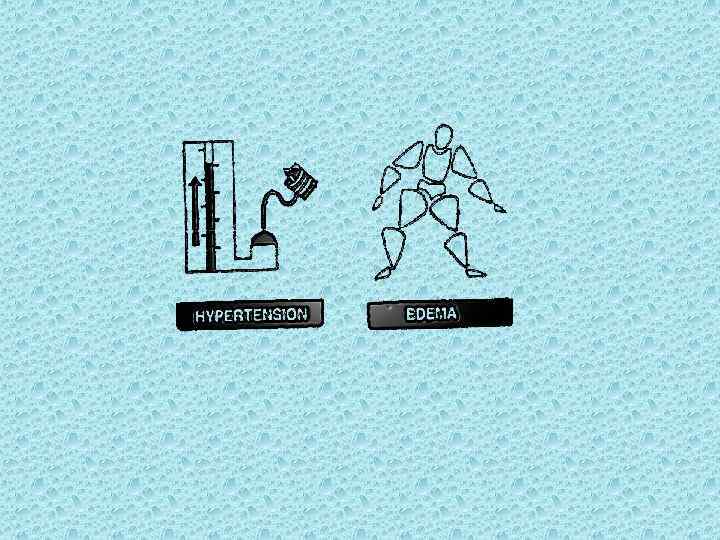
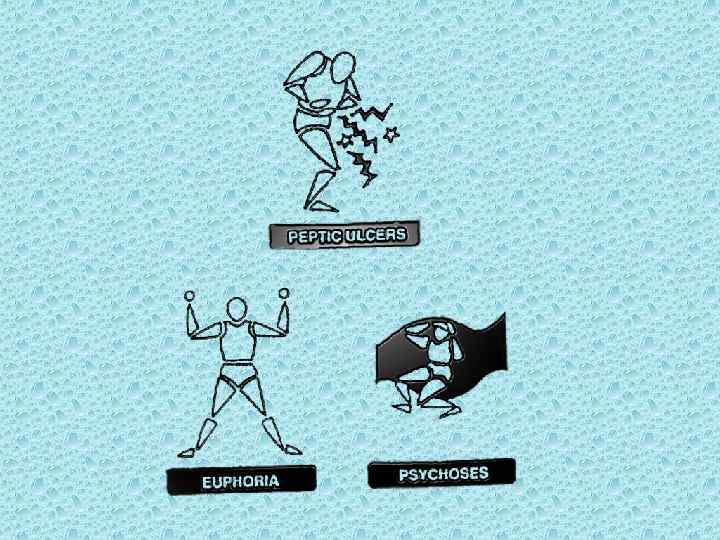
 Adverse effects of GCs: • • • osteoporosis peptic ulceration glucosuria (hyperglycemia) increased risk of infection increased appetite hypertension edema euphoria psychoses
 Mineralocorticoids • • • Desoxycorticosterone acetate (DOCA) Fludrocortisone Aldosterone They have only mineralocorticoid activity: increase renal excretion of Ca++ and K+; decrease renal excretion of Na+ and water.
 Adverse effects of Mineralocorticoides includes only: • hypokalemia • edema • sodium retention (without hyperglycaemia, osteoporosis, euphoria).
 Fludrocortisone A potent mineralocorticoid having some glucocorticoid activity as well, orally active, used for: • replacement therapy in Addison’s disease; • congenital adrenal hyperplasia; • idiopathic postural hypotension.